Basement waterproofing in Pickering is usually a question of finding which of several possible sources is sending water into the house. Bay Ridges and the streets near Frenchman's Bay have homes from the 1960s and 1970s with original drainage and many renovations. Amberlea, Liverpool and Rosebank add houses from the 1970s to the 1990s. Duffin Heights and Seaton are new, with modern foundations and sump pits, yet they too leak where soil settles and window wells fill. This guide explains the common causes in Pickering, what an inspection should cover and how to pick a repair.
TGV Construction Group Inc. has completed more than 300 projects in the GTA and Ontario since 2017, including water damage repair and basement work in Durham Region. If you are planning to finish the basement afterwards, our Pickering basement renovation guide covers that part.
How water reaches a Pickering basement
From the roof. A roof sheds a large amount of water in a storm, and it all leaves through a few downspouts. When one of them empties against the wall, that corner of the foundation gets far more water than the rest of the house.
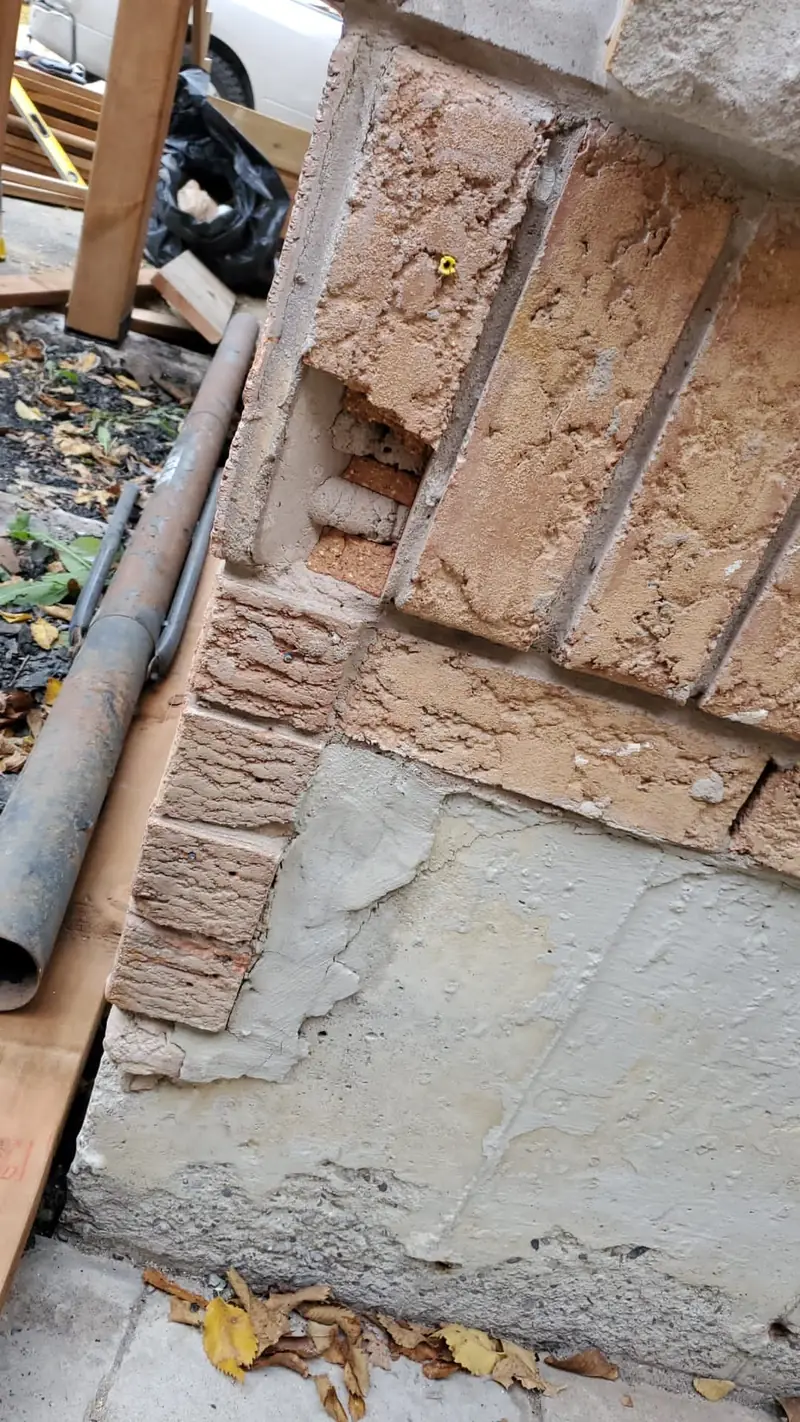
Through the soil. When the soil around the foundation stays saturated, water presses against the wall and comes through cracks, tie-rod holes and the joint at the floor. Failed or clogged weeping tile makes this worse, because the water has nowhere else to go.
Through window wells. A well without a drain, or one filled with leaves, fills up and pours water around the basement window frame.
Up through the floor drain. In a heavy storm, the sewer can fill faster than it drains and push water back into the lowest drain in the house.
From a failed sump. In newer homes, a pump that stops, a stuck float or a frozen discharge line in winter can flood a basement that has never leaked before.
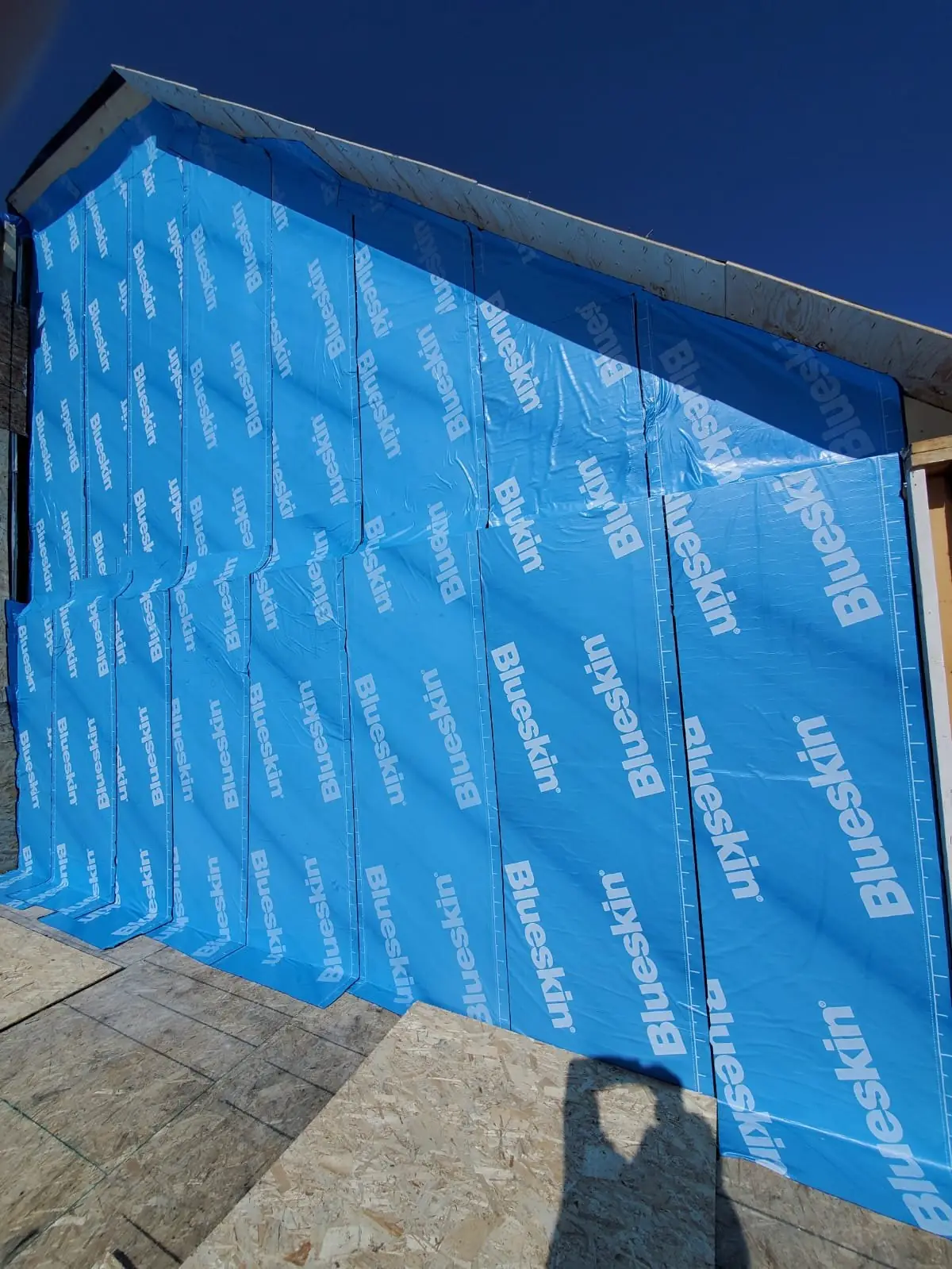
Basement waterproofing in Pickering: what an inspection should cover
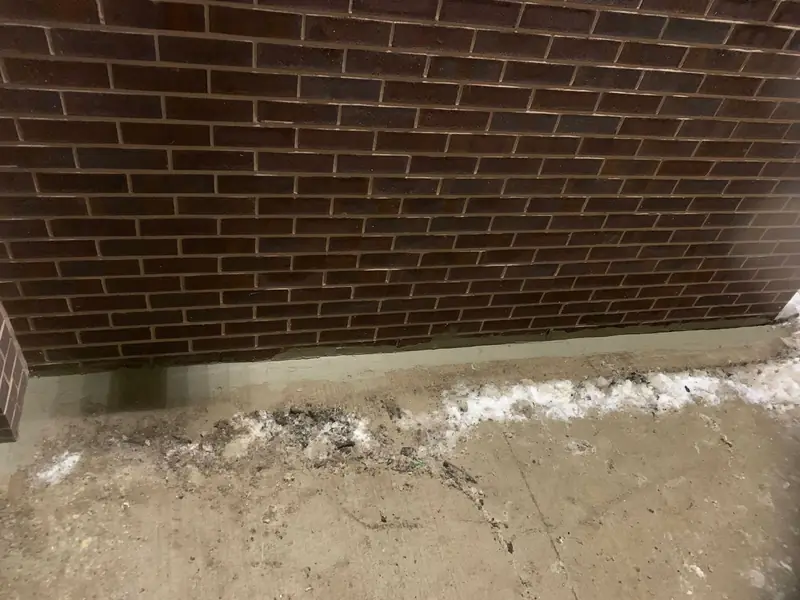
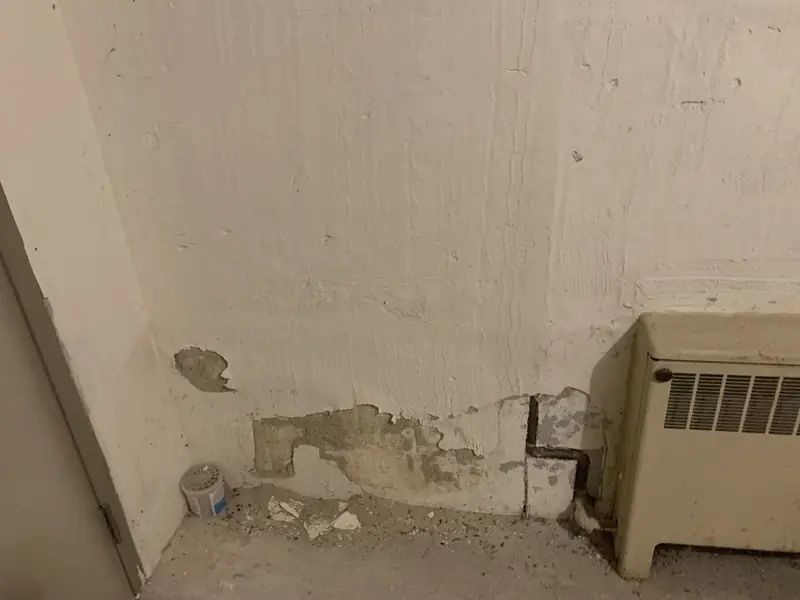
A useful inspection looks outside as well as inside. Outside: the slope of the soil, where each downspout ends, the state of window wells, cracks visible above ground, and how the driveway, deck and walkways drain. Inside: stains, white mineral lines and peeling paint at the base of the walls, cracks at window corners, the floor drain, the sump, and moisture readings behind any finished walls. The result should be one or two named causes, not a list of products.
It also helps to know the history. If you can tell us whether water appears every rain, only in spring, or only once in a big storm, and how high it went, the cause is often clear before we open anything.
Repair options, from simplest to most complete
Yard and roof water. Downspout extensions, regrading and window well drains and covers. Cheap, quick, and the first step whenever surface water is part of the problem.
Crack sealing. A poured-wall crack is filled through its full depth from inside. Ideal for a leak at one spot.
Interior footing drain. A drain at the base of the wall inside, a dimpled membrane on the wall and a sump to pump the water out. It works without touching the yard and suits finished landscaping, driveways and decks.
Exterior excavation. Digging to the footing, repairing the wall, applying a membrane with drainage board and new weeping tile, then backfilling with stone. It stops the water at the outside face of the wall. Our guide to interior basement waterproofing explains how the two methods compare.
Backwater valve and sump upgrades. A valve on the main drain prevents sewer backup; a battery backup pump keeps the sump running in a power cut. Read more in our article on backwater valves and sump pumps.
Our process
- Hear what happened. We ask when the water first appeared, how often it returns and whether it follows rain, snowmelt or a storm, and we look at any photos you have.
- Look at the lot. The slope of the yard, the downspouts, window wells, decks and the driveway show how rain and melt reach the foundation.
- Inspect the basement. Walls, the joint between wall and floor, pipe openings, the floor drain and the sump pit are checked, and moisture is measured behind finished walls.
- Test the sump and discharge. The pump, float, check valve and the end of the discharge line are tested, since a failed pump floods a dry basement fast.
- Name the source. The written quote says what we found, where, and what repair it calls for.
- Fix the yard first when that is the cause. Regrading, extending downspouts and adding window well drains often solve leaks at little cost.
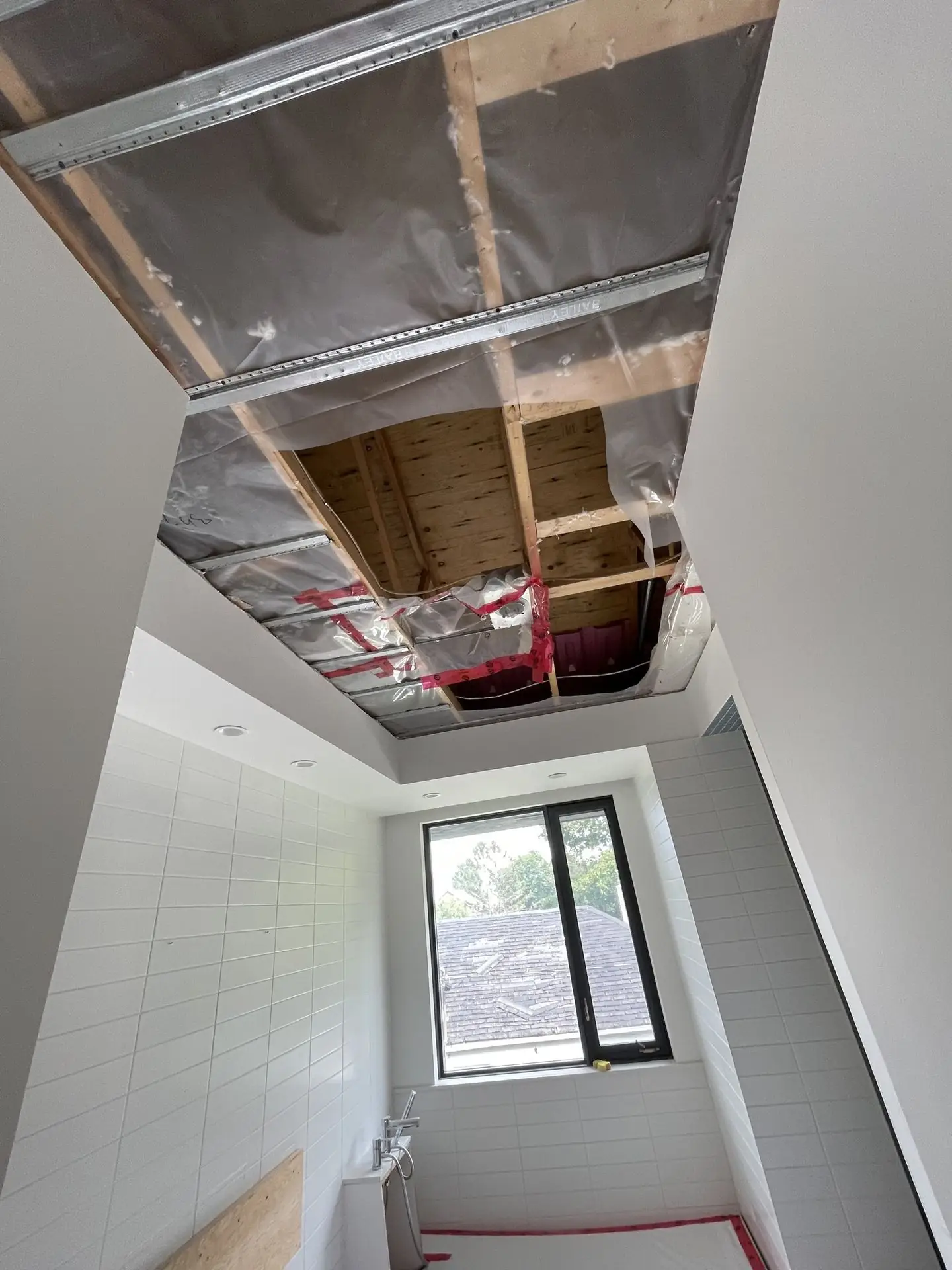
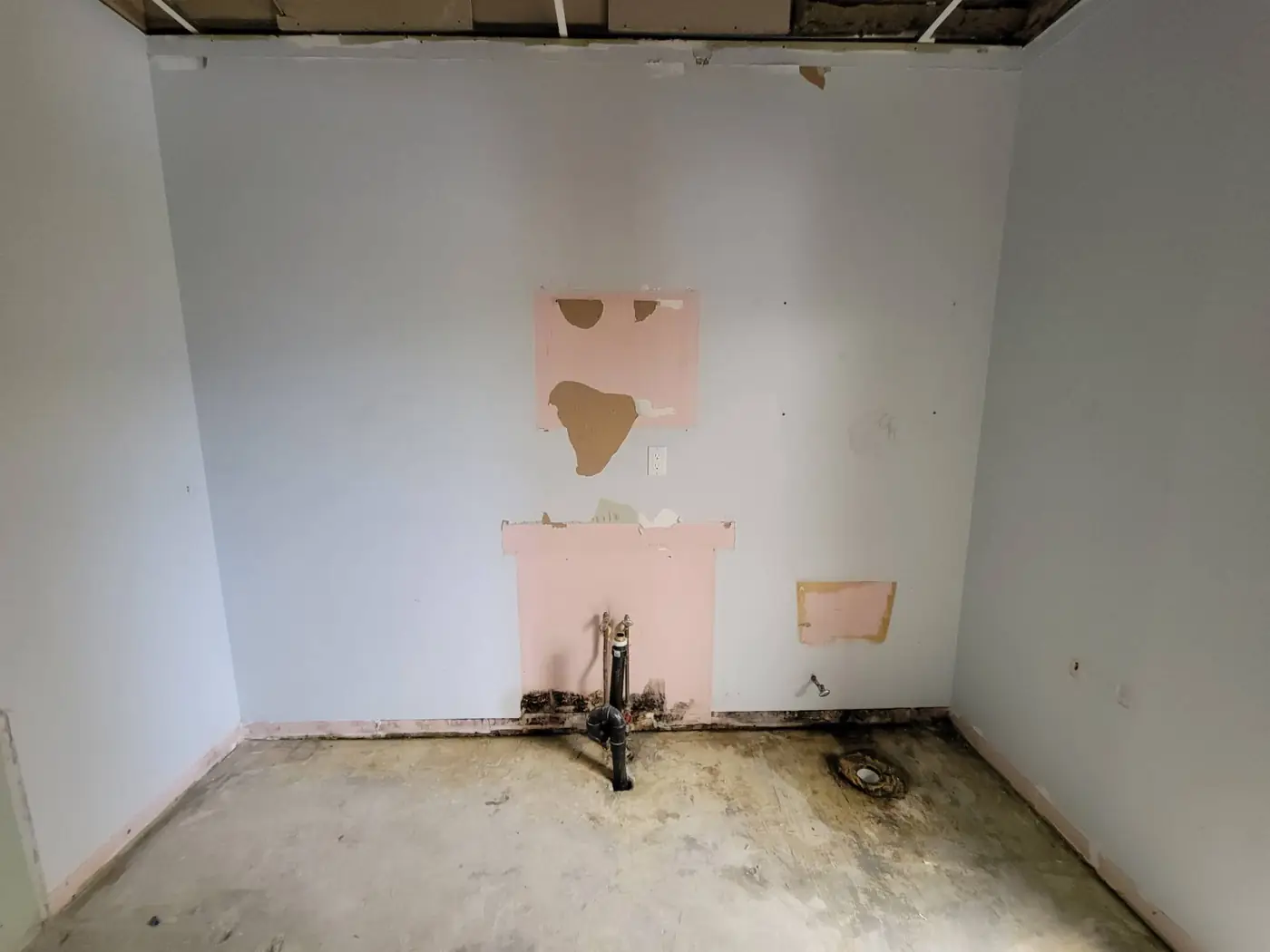
- Open the affected wall. Wet drywall and insulation are removed back to dry material, so the foundation can be seen, repaired and dried.
- Repair and drain. Cracks are sealed through the wall; seepage along the footing gets an interior drain and membrane, or an exterior membrane with new weeping tile.
- Protect against backup. Backwater valves and sump connections are installed by our licensed plumbing partners, with permits.
- Rebuild with the right materials. Moisture-resistant board, insulation suited to basements and a gap at the floor go back, and you keep photos of the work behind them.
After the water: drying and mould
When water has already soaked drywall, insulation or carpet, the repair is not finished when the leak stops. Wet materials that stay wet for more than a day or two can grow mould, and wet insulation does not dry well inside a wall. We remove what got wet, dry the structure with dehumidifiers and air movers, check moisture before closing, and rebuild with materials that tolerate a basement. If mould has already grown, it is removed under containment; our mould removal page explains how.
An example from a Bay Ridges semi
A 1970s semi-detached house has a finished basement where the laminate along the front wall lifts every spring. Outside, the front downspout ends at the base of the wall and the garden bed has settled toward the house. Inside, the drywall is wet to about knee height and the wall shows a crack running down from the window corner. The repair: the downspout is extended and the bed regraded, the wet drywall, insulation and laminate along that wall are removed, the crack is sealed through the wall, and the section is dried and rebuilt. The side and back walls tested dry and were left alone.
Frequently asked questions
What causes most wet basements in Pickering?
Surface water is the most common cause we see: downspouts that empty beside the wall, settled soil, and window wells without drains. In older neighbourhoods such as Bay Ridges, aging weeping tile and cracks in the foundation come next. After intense storms, water coming up the floor drain points to the sewer, not the walls.
Do homes near Frenchman's Bay or the lake need special waterproofing?
Houses close to the lake, the bay or creeks such as Duffins Creek can have higher ground water in spring. That makes drainage at the footing and a reliable sump more important, but the inspection still decides what is needed.
Is interior waterproofing a real fix or a cover-up?
It is a real fix when it is done properly: water that reaches the wall is collected at the footing and pumped away before it reaches the room. It does not stop water entering the concrete, so it needs a working sump and a discharge that leads away from the house.
Will waterproofing damage my finished basement?
Only the sections that have to be opened are removed. We price the removal and the rebuild separately so you know what the finishes add.
Do I need a permit for a backwater valve in Pickering?
Backwater valves are plumbing work, and plumbing work generally needs a permit from the City of Pickering. Our licensed plumbing partners handle the permit and the inspection.
Book a basement waterproofing inspection in Pickering
We carry out basement waterproofing in Pickering in every neighbourhood, from Bay Ridges and West Shore to Amberlea, Liverpool, Rougemount, Duffin Heights and Seaton, and nearby Ajax and Whitby. Related reading: foundation crack repair and what to do with a flooded basement.
Phone (365) 363-6995, email estimating@tgvconstructiongroup.ca, or tell us about your wet basement in Pickering on the Get a Quote page.