A backwater valve and a sump pump are the two best protections against a flooded basement in Toronto. They solve different problems: one stops sewage from coming back up your drains during a storm, the other pumps out groundwater before it rises into the basement. The City of Toronto also pays for a large part of both. This guide explains how each works, who needs which, and how the 2026 subsidy works.
TGV Construction Group Inc. has completed more than 300 projects across the Greater Toronto Area since 2017, with a restoration team that answers 24/7. Every quote is free - start yours on our Get a Quote page.
How a backwater valve works
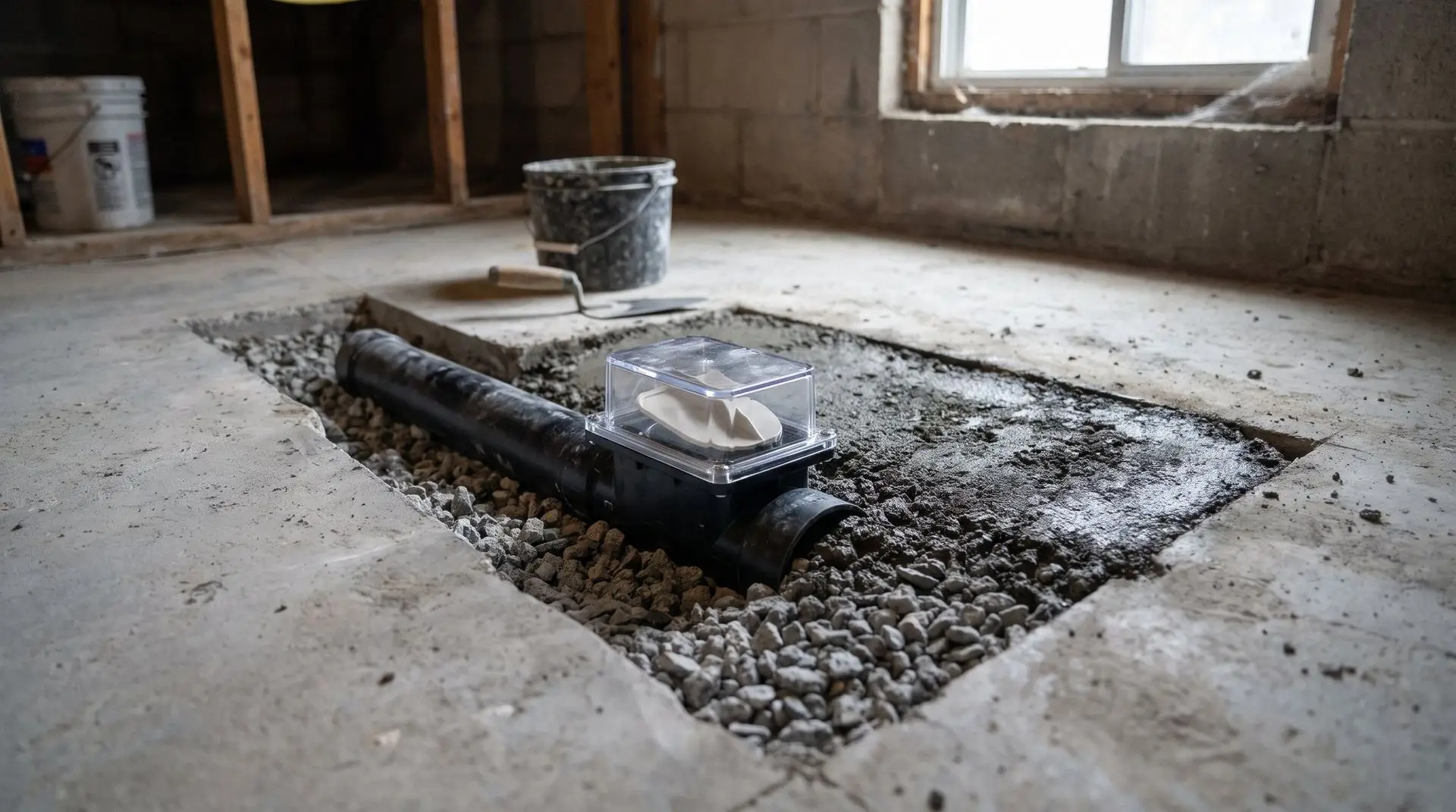
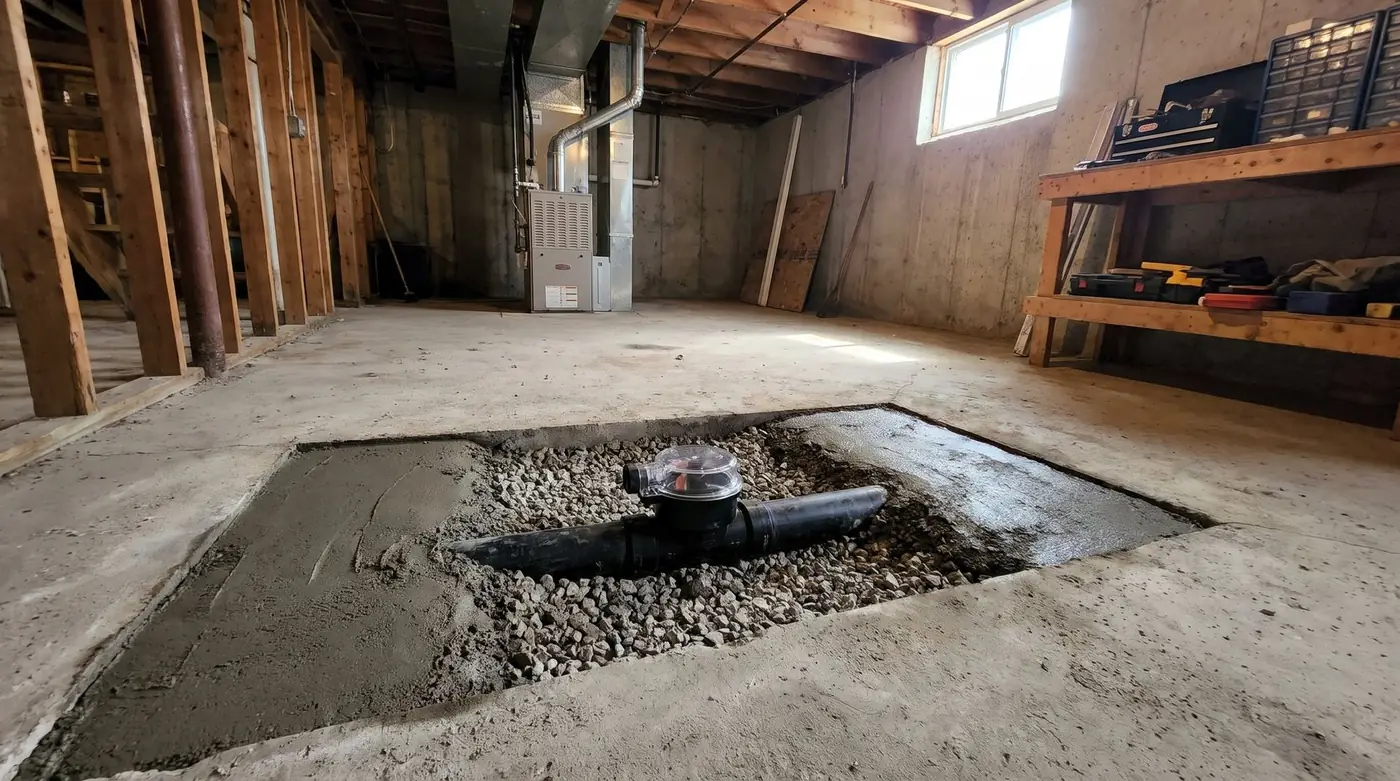
Your basement floor drain, toilet and laundry connect to one main drain that runs to the city sewer. During a heavy storm the sewer can fill up and push water back up that pipe - into the lowest drain in your house. A backwater valve installed on the main drain lets water flow out normally, but a flap closes when water tries to flow back in.
- It is installed in the basement floor, which means opening the concrete slab.
- It needs a building permit in Toronto and an inspection before it is covered.
- While the valve is closed, avoid running water in the house - it has nowhere to go.
- Open the cover and check the flap moves freely at least once a year.
How a sump pump works
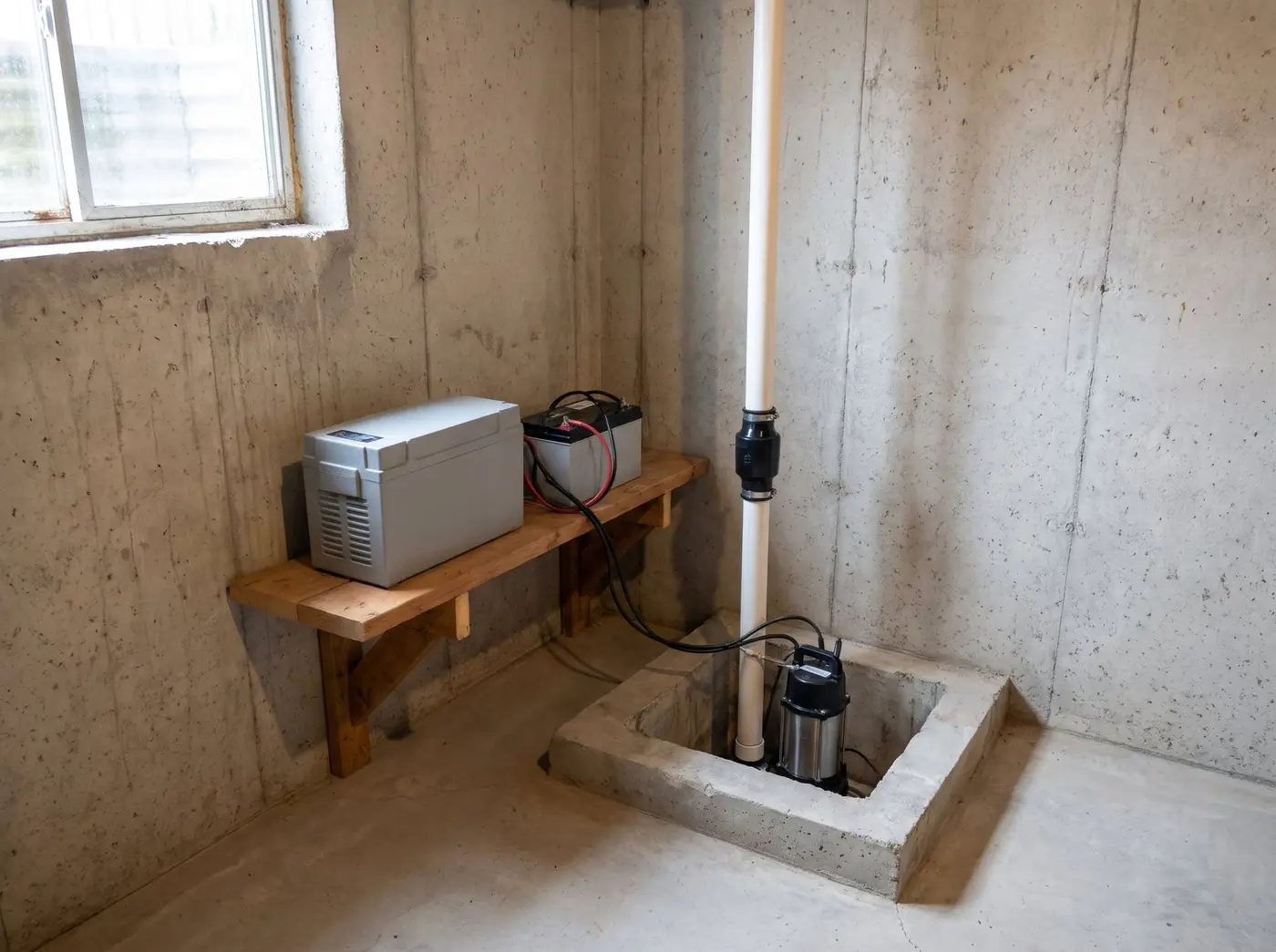
Weeping tiles around the foundation collect groundwater and bring it to a pit (the sump) in the basement floor. When the water rises, a float switches on the pump and sends the water outside, away from the house.
- Add a battery backup - storms that flood basements often knock out the power.
- An alarm warns you if the water in the pit gets too high.
- The discharge pipe must send water away from the foundation, not back toward it.
- Test the pump every season by pouring a bucket of water into the pit.
Which one does your home need?
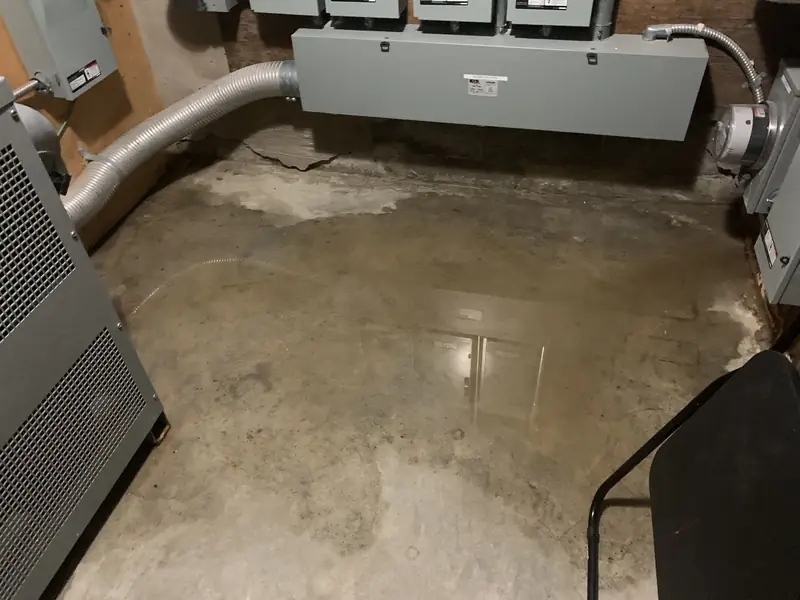
- Water came up through the floor drain or toilet during a storm? That is a sewer backup - a backwater valve is the fix.
- Water seeps through walls or the floor after heavy rain or snowmelt? That is groundwater - a sump pump and better drainage help.
- Older Toronto homes often have foundation drains connected to the sewer. Severing and capping that connection, with a sump pump, stops the sewer from pushing water into your weeping tiles.
A licensed plumber's assessment tells you which work your house actually needs - and the City now subsidizes that assessment too.
The City of Toronto subsidy in 2026
Under the Basement Flooding Protection Subsidy Program, the City pays 80% of the invoiced cost, up to these amounts, for work completed on or after November 12, 2025:
- Backwater valve: up to $1,600 per device, two devices maximum
- Sump pump: up to $2,250, one device
- Battery backup for the sump pump: up to $300
- Home plumbing assessment by a licensed plumber: up to $500
- Severing and capping the foundation drain: up to $400
That is up to $6,650 per property. Conditions from the City's page:
- You must be the registered owner of a single-family, duplex, triplex or fourplex home in Toronto.
- The contractor and any subcontractors must have a valid City of Toronto business licence at the time of the work - check it before work starts, or the subsidy is refused.
- A building permit is needed for a backwater valve, with an inspection before it is enclosed.
- Your downspouts must be disconnected from the sewer (or you have an exemption).
- Apply within two years of the installation, with invoices marked paid in full. Payment can take up to 10 weeks, and funding is first come, first served.
Amounts and rules change - confirm on the City's Basement Flooding Protection Subsidy Program page before you start.
Frequently asked questions
What is a backwater valve?
A valve installed on the main drain from your house to the sewer. Water from the house flows out normally; if the city sewer backs up during a storm, a flap closes and stops sewage from flowing back into your basement.
Do I need a permit to install a backwater valve in Toronto?
Yes. The City's subsidy page says to obtain a building permit to install a backwater valve, and the installation must be inspected before the valve is enclosed.
How much is the Toronto basement flooding subsidy in 2026?
Up to $6,650 per property for work completed on or after November 12, 2025: 80% of the invoiced cost up to $1,600 per backwater valve (two maximum), $2,250 for a sump pump, $300 for a battery backup, $500 for a home plumbing assessment and $400 for severing and capping the foundation drain.
What is the difference between a sump pump and a backwater valve?
A backwater valve keeps sewer water from coming in through your drains. A sump pump removes groundwater that collects around your foundation and pumps it outside. Many homes need both.
Who can apply for the Toronto subsidy?
Registered owners of single-family, duplex, triplex and fourplex homes in the City of Toronto. The contractor must hold a valid City of Toronto business licence at the time of the work, and you apply within two years of the installation.
Protect your basement before the next storm
If your basement has already flooded, our water damage restoration team answers 24/7. To plan waterproofing and flood protection as part of a basement renovation, ask for a free quote. See also: what to do when your basement floods.