Foundation crack repair is one of the most searched home repairs in the GTA - and for good reason. A crack in a basement wall can be harmless shrinkage, a slow leak that ruins a finished basement, or a sign that the foundation is moving. This guide explains how to tell them apart, how leaks and structural cracks are repaired, and when to call a professional.
TGV Construction Group Inc. has completed more than 300 projects across the Greater Toronto Area since 2017, with a restoration team that answers 24/7. Every quote is free - start yours on our Get a Quote page.
Types of foundation cracks
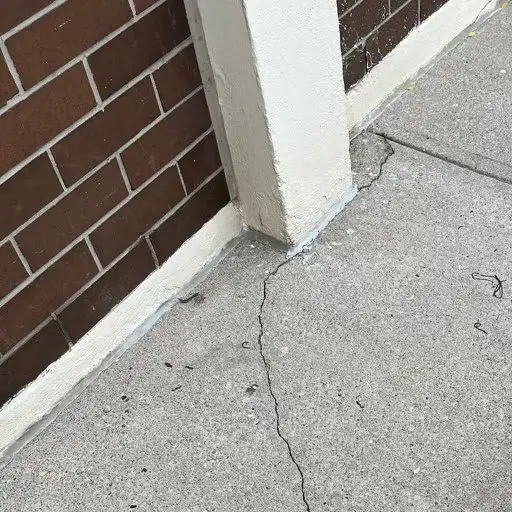
- Hairline vertical cracks - very common in poured concrete as it cures and shrinks. Usually not structural; a problem only if water comes through.
- Diagonal cracks - often from settlement at a corner or a window. Watch whether they grow.
- Horizontal cracks - a warning sign. Soil and frost pressure push on the wall from outside, and the wall can bow inward.
- Stair-step cracks in block or brick walls - follow the mortar joints; can mean settlement or wall pressure.
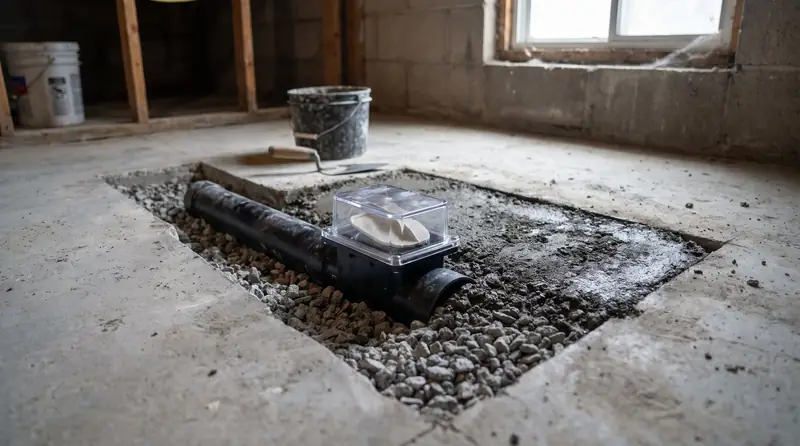
- Floor cracks - shrinkage cracks in a basement slab are common; cracks with one side higher than the other point to settlement.
Signs a crack needs a professional
- The crack is horizontal or stepped, or the wall bulges.
- It is wider than about 6 mm (1/4 inch), or one side sticks out further than the other.
- It keeps growing - mark the ends with a pencil and the date, and check again in a few weeks.
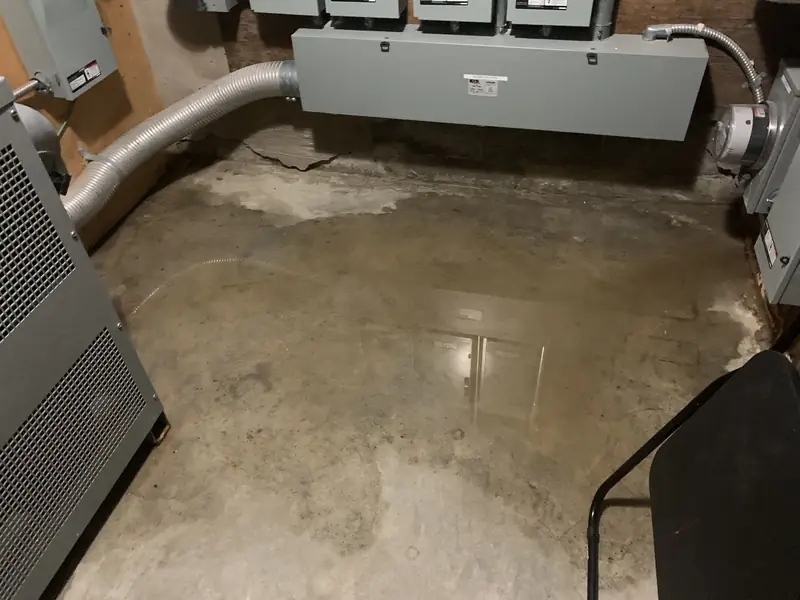
- Water, efflorescence (white powder) or rust stains come through it.
- Doors and windows upstairs start sticking, or floors slope.
Structural cracks need a structural engineer's assessment before anyone repairs them. Leaks and shrinkage cracks do not.
How foundation cracks are repaired
Interior crack injection
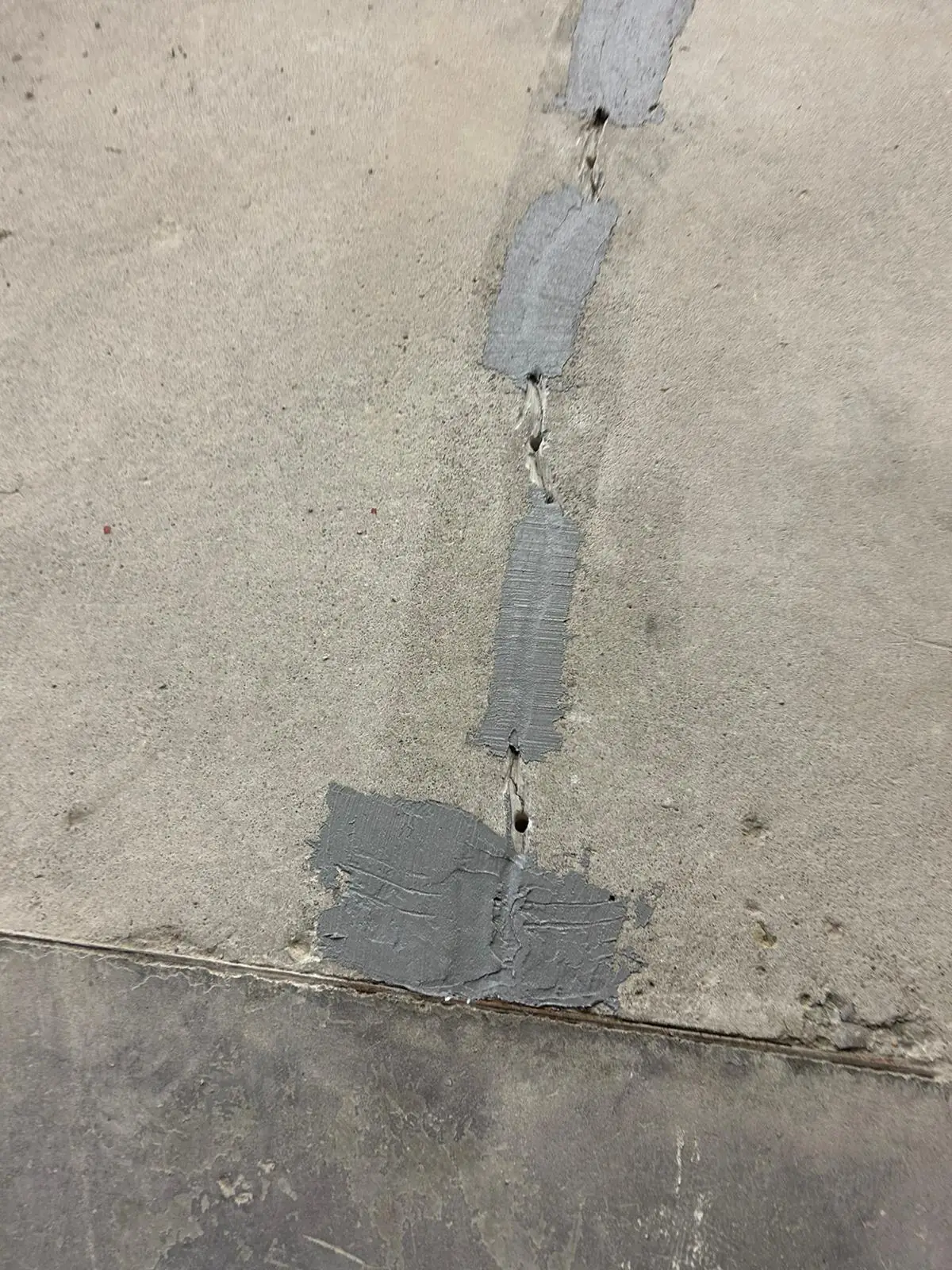
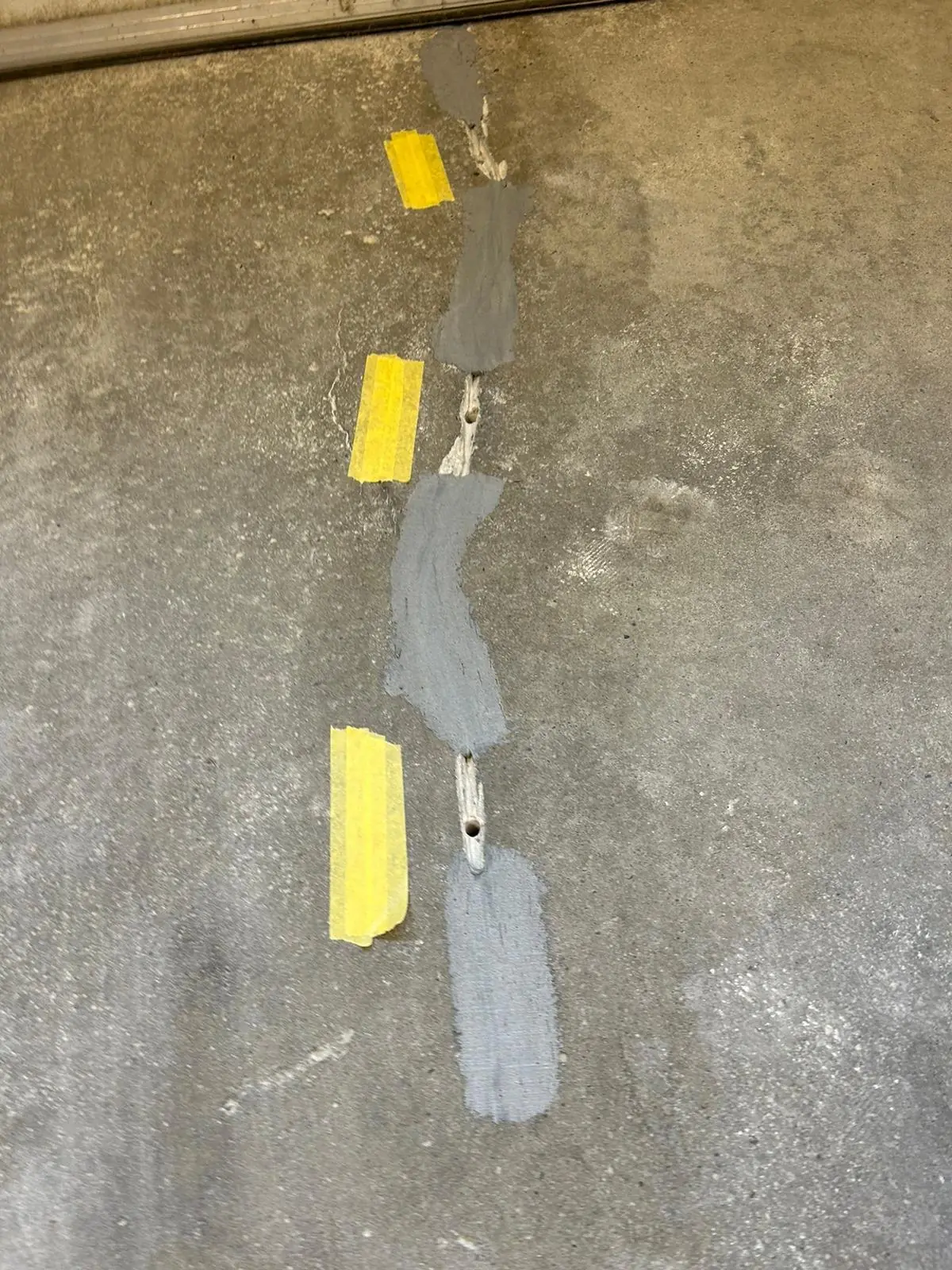
For poured concrete walls, the crack is sealed on the surface, fitted with injection ports and filled under pressure. A flexible material is used to stop leaks; a rigid epoxy is used where the crack also needs to be bonded. There is no digging, and it is done from inside.
Exterior excavation and waterproofing
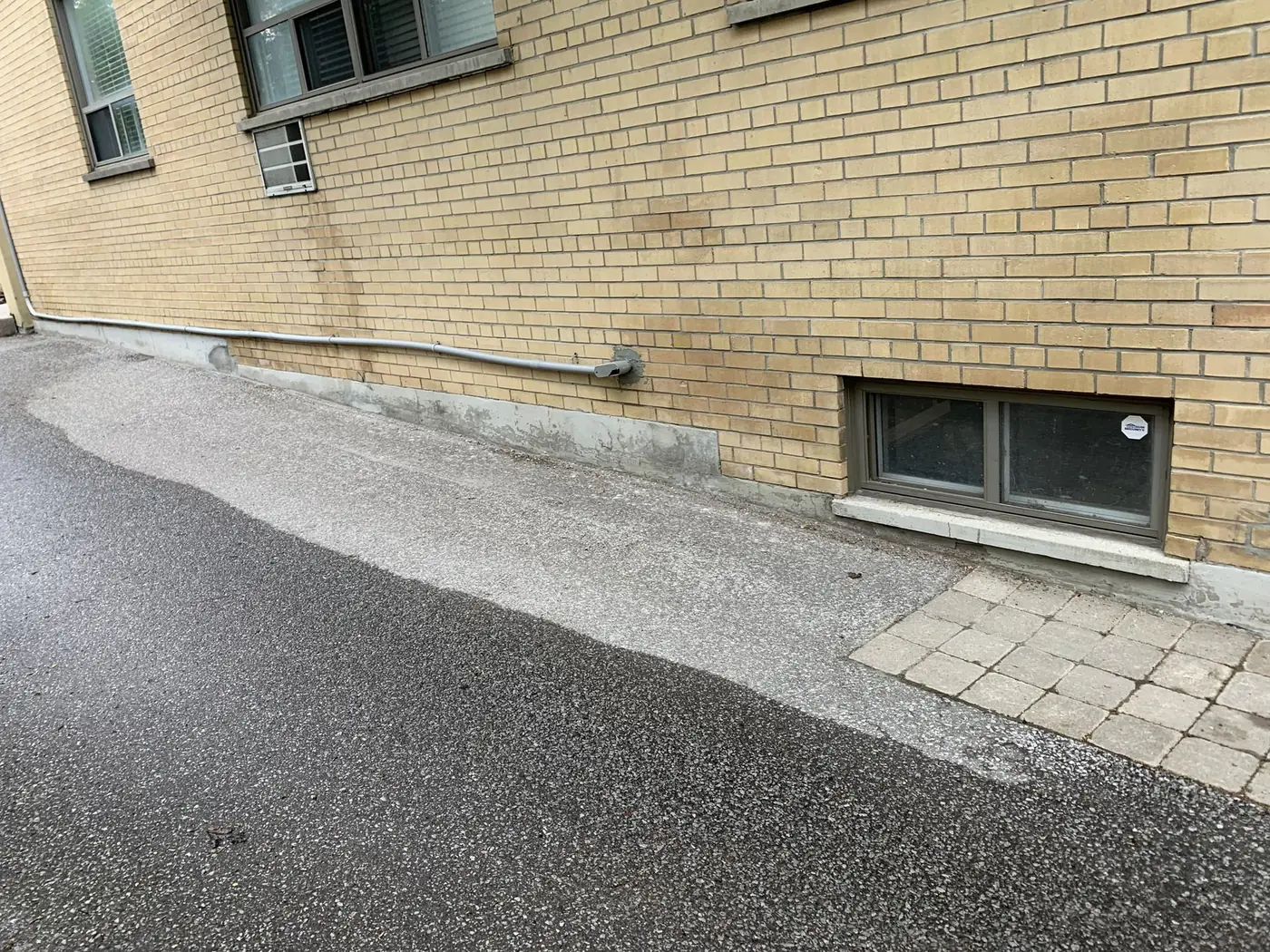
Where the wall leaks in many places, or the original waterproofing has failed, the soil is dug out along the wall, the cracks are repaired from outside, and a new waterproofing membrane and drainage are installed. It costs more, but it fixes the wall and not just one crack.
Structural repair
Bowing walls and settlement are repaired to an engineer's design: reinforcing the wall, rebuilding sections or underpinning the footings. This work needs a building permit. If you are also thinking about more ceiling height, see our underpinning and basement lowering service.
Fix cracks before you finish a basement
A small leak behind new drywall turns into mould and a second renovation. Every basement should be checked for cracks and moisture before framing starts - and repaired first.
Frequently asked questions
Are cracks in a basement wall normal?
Thin vertical or slightly diagonal cracks are common in poured concrete foundations - concrete shrinks as it cures. They become a problem when they leak, widen, or are horizontal or stepped.
When is a foundation crack serious?
Have it checked by a professional if the crack is horizontal, follows a stair-step pattern in block walls, is wider than about 6 mm (1/4 inch), has one side pushed out further than the other, keeps growing, or comes with sticking doors or sloping floors. Structural cracks need a structural engineer's opinion.
Can a leaking foundation crack be fixed from the inside?
Often, yes. Injecting the crack from inside stops many leaks in poured concrete walls without digging. Where the wall leaks in many places or the outside waterproofing has failed, exterior excavation and a new membrane is the more lasting repair.
How much does foundation crack repair cost?
It depends on the crack, the wall and whether the repair is inside or outside. Interior injection of a single crack is far less expensive than excavating and waterproofing a whole wall. We quote after looking at the crack - the quote is free.
Do I need a permit to repair a foundation crack?
A crack injection or waterproofing repair usually does not need a building permit. Structural repairs to a foundation - reinforcing, rebuilding or underpinning - do, and they are designed by an engineer.
Get a foundation crack checked
TGV Construction Group repairs foundation cracks, waterproofs basements and handles structural foundation work across Toronto and the GTA. If water is already coming in, our water damage team answers 24/7. For everything else, ask for a free quote.