Basement waterproofing in Mississauga starts with one question that many quotes skip: where is the water coming from? A wet basement can be groundwater pushing through a crack, rain running off the roof straight at the wall, a window well filling up, or sewage coming up the floor drain during a storm. Each has a different repair, and paying for the wrong one leaves you with a dry wall and a wet floor. This guide explains how we find the source in Mississauga homes and how we choose between interior and exterior work.
TGV Construction Group Inc. has completed more than 300 projects in the GTA and Ontario since 2017, including water damage restoration and the rebuild that follows. If water is in your basement right now, start with our page on water damage restoration and our checklist for a flooded basement; this article is about stopping it from coming back.
Four ways water gets into a Mississauga basement
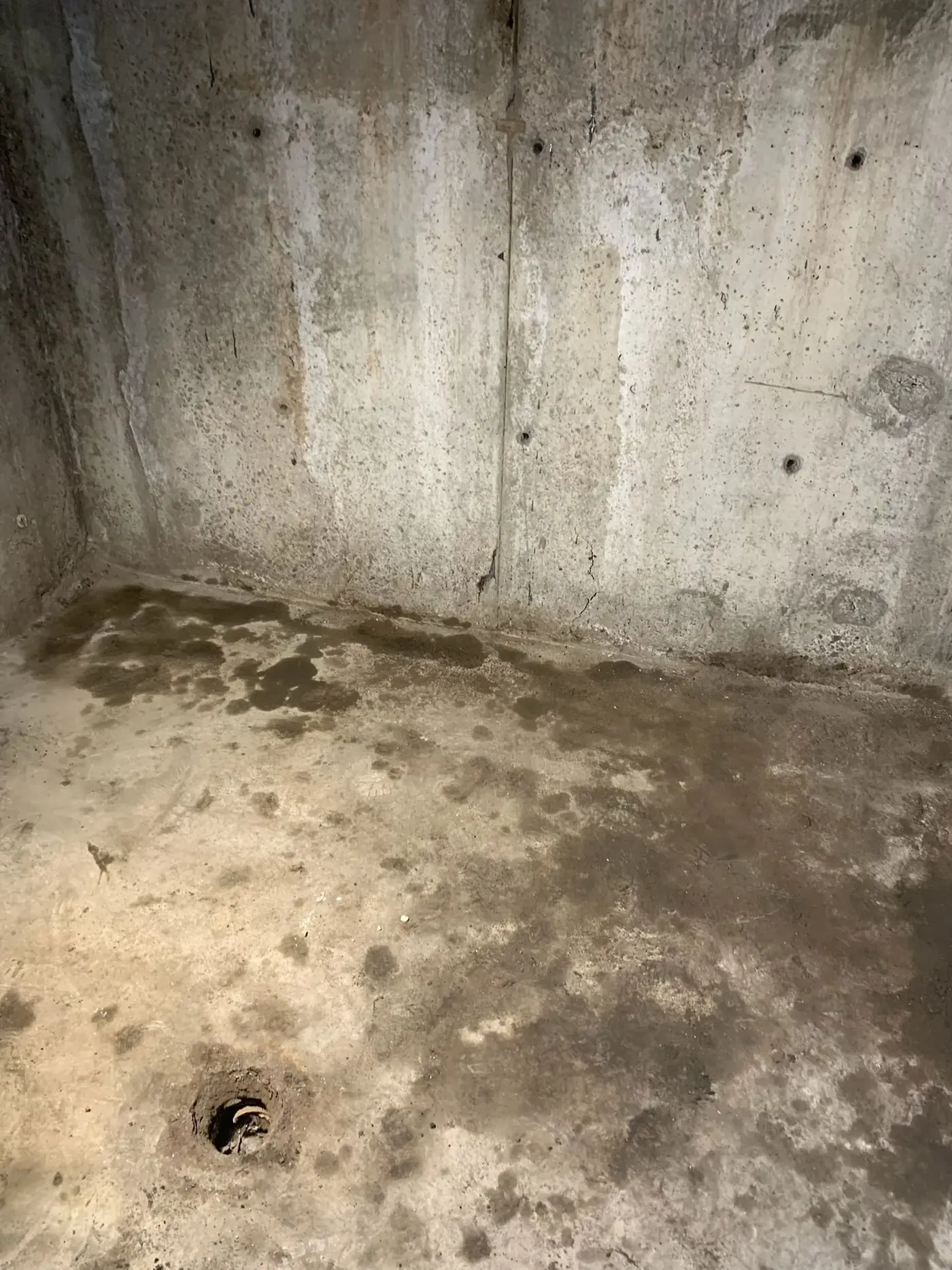
Seepage through the wall or floor joint. Water in the soil presses against the foundation and finds the weakest point: a crack, a tie-rod hole, or the joint where the floor slab meets the wall. It shows as a damp line along the bottom of the wall, a white crust on the concrete, or a stain that grows after a few days of rain.
Surface water aimed at the house. A downspout that empties beside the wall, a flower bed that slopes toward the house, or a driveway that drains to the side door can put more water against one spot than any rainstorm alone. This is the cheapest cause to fix and the one we check first.
Window wells. A basement window below grade sits in a small pit. If the pit has no drain, or its drain is blocked, it fills like a bucket and the water runs in around the frame.
Backup through the floor drain. During intense storms, the municipal sewer can fill faster than it drains, and water comes up through the lowest opening in the house. No wall membrane stops this; a backwater valve does.
Mississauga homes we see most
Many houses in Cooksville, Applewood, Clarkson and Erindale were built in the 1950s to the 1970s. Their weeping tile is often clay or early plastic, laid without a sock, and after sixty years it can be crushed, clogged with silt or full of roots. Their basements were also finished and refinished several times, so a leak may hide behind two layers of panelling before anyone sees it.
Meadowvale, Erin Mills and Mississauga Valleys have more houses from the 1970s and 1980s, with poured walls and larger basements that were often finished as rec rooms. Here we see cracks at window corners, leaking tie-rod holes and settled backfill that left the soil sloping toward the wall. Houses near Port Credit and the lake, and those near creeks such as Cooksville Creek, sit closer to ground water in wet seasons. Newer areas such as Churchill Meadows and Lisgar have modern drainage but still leak at windows, at pipe openings and where landscaping was changed after the builder left.
Basement waterproofing in Mississauga: interior or exterior?
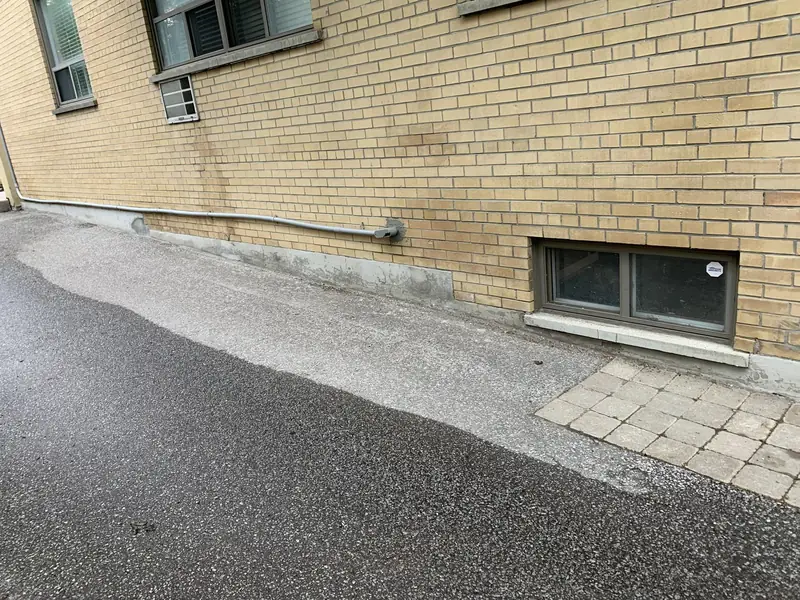
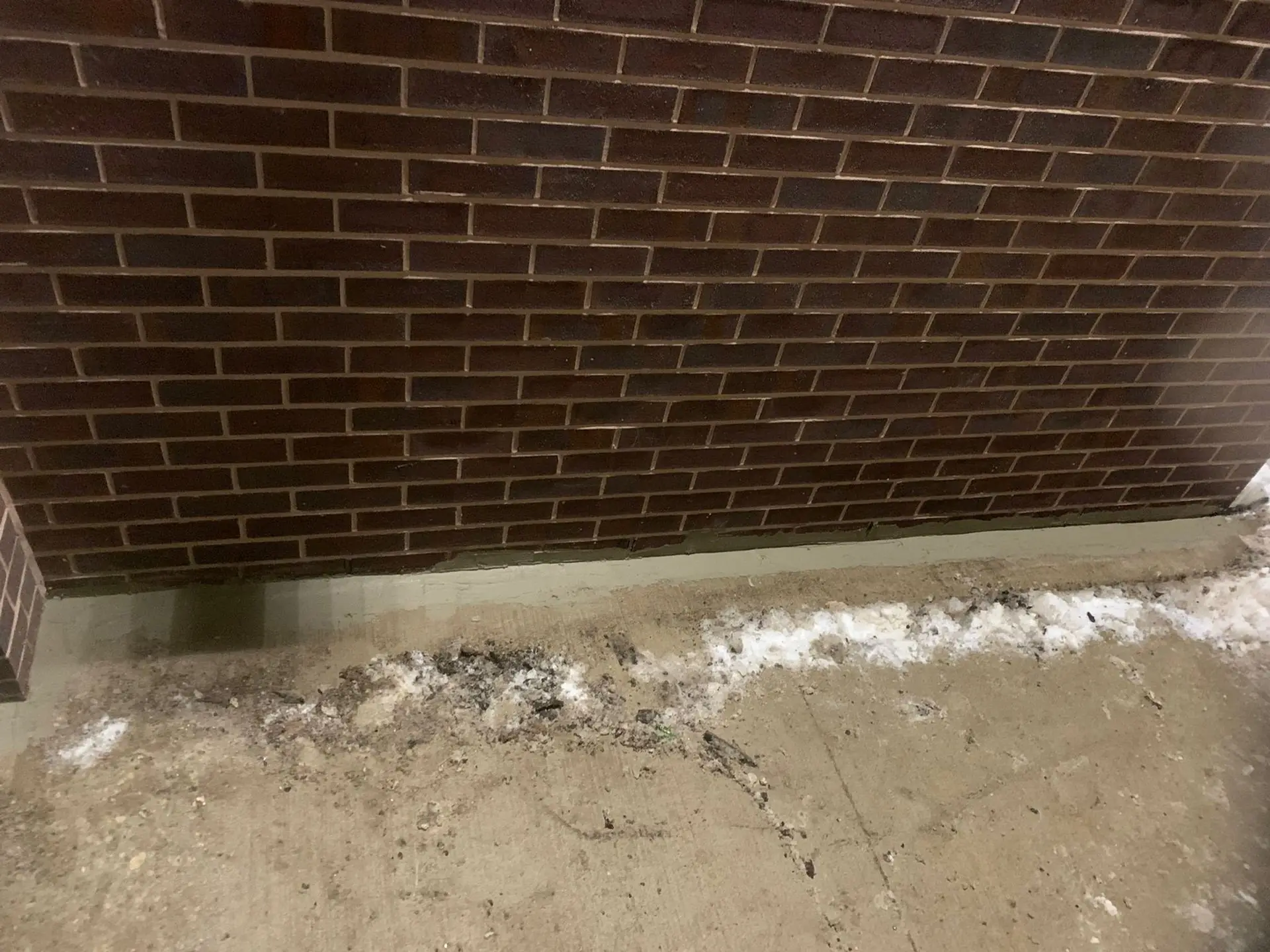
Exterior waterproofing means digging along the outside of the foundation down to the footing, cleaning and repairing the wall, applying a waterproof membrane and a drainage board, laying new weeping tile with a filter sock and backfilling with clean stone and soil. It stops the water before it touches the wall. It needs access: decks, interlock, driveways, air conditioners and gas meters along that wall all add work to remove and replace.
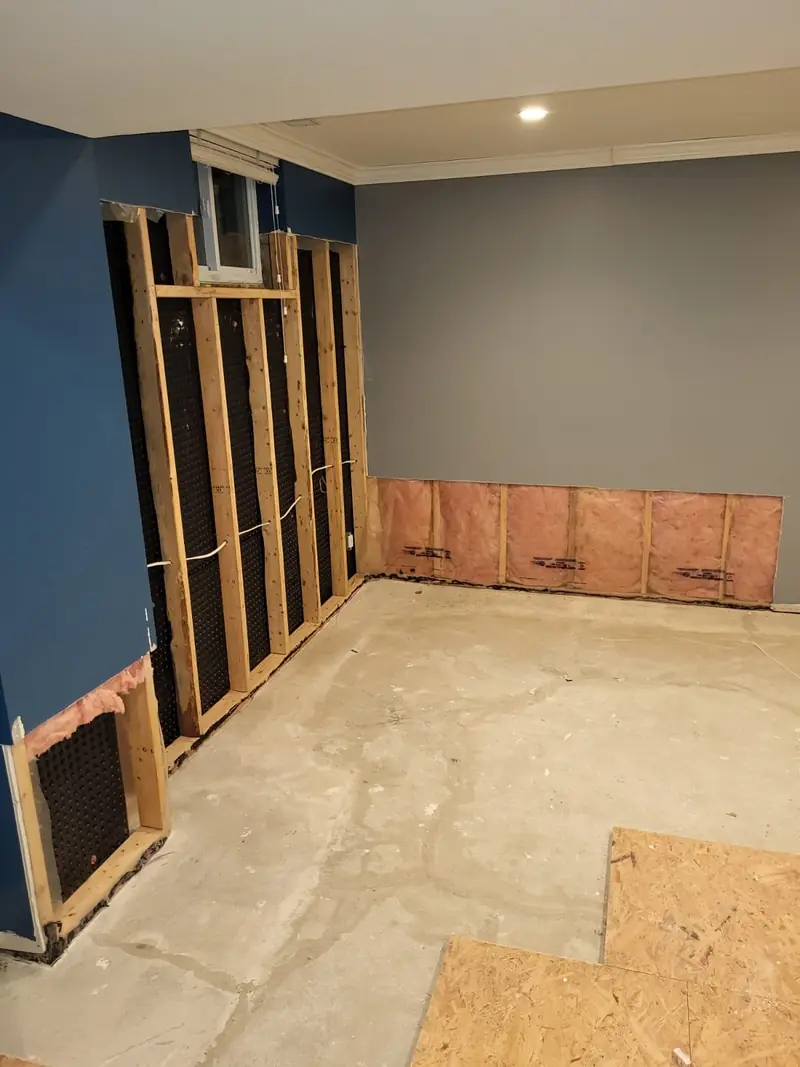
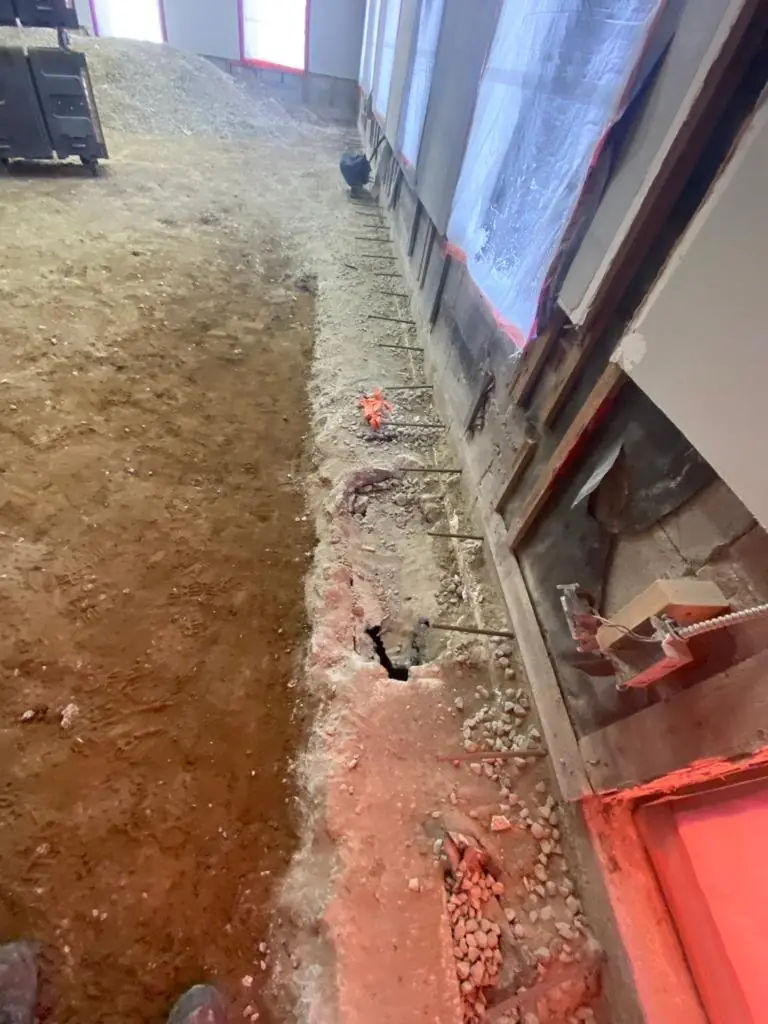
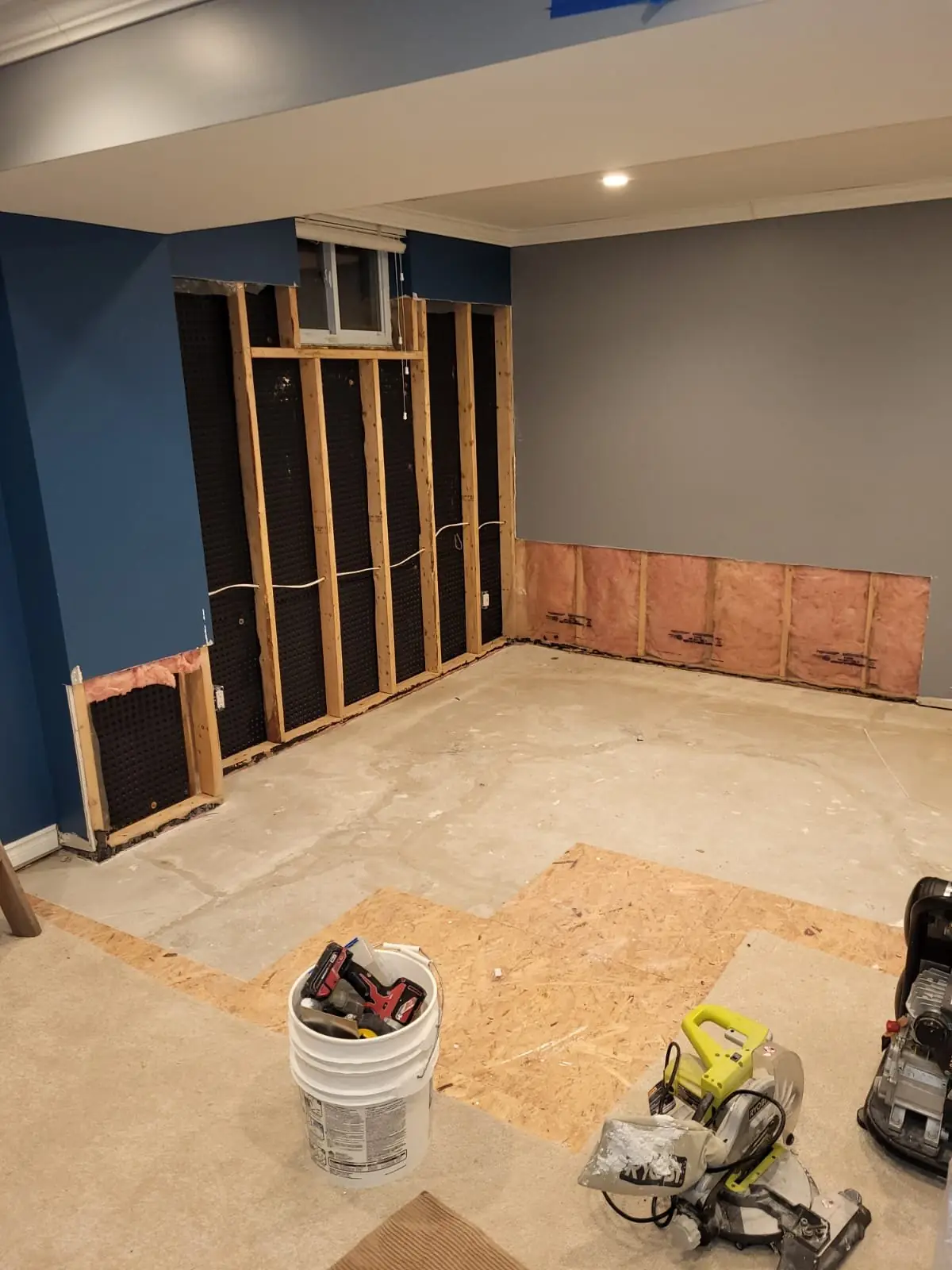
Interior waterproofing means cutting the floor along the inside of the wall, placing a drain at the footing, covering the wall with a dimpled membrane that guides any water down into that drain, and sending it to a sump pit with a pump. It does not keep water out of the concrete; it controls the water so the room stays dry. It works from inside, so it suits houses where the outside cannot be dug.
Many projects combine both: an exterior repair on the one wall that leaks badly, and simple outside fixes such as downspouts and grading everywhere else. For a full explanation of the inside method, see our guide to interior basement waterproofing.
How the work is done
- Listen to the history. When does water appear: after every rain, only in spring, or once during a storm? Where does it show first? These answers often point to the cause before any tool comes out.
- Inspect inside. We look at the walls, the floor joint, window wells, pipe and cable openings and the floor drain, and take moisture readings on finished walls.
- Inspect outside. Grading, downspouts, the driveway slope, window wells and the condition of the foundation above ground show how surface water reaches the wall.
- Name the cause in writing. Groundwater pressure, a crack, a leaking window well, poor grading or a sewer backup each need a different repair, and the quote says which one we found.
- Fix the outside first where it is cheap. Downspout extensions and regrading cost little and sometimes stop a leak on their own.
- Open the wall where the leak is. Finished surfaces are removed far enough to see the full wet area, and wet insulation and drywall are taken out so the wall can dry.
- Repair the foundation. Cracks are sealed through their full depth; tie-rod holes and pipe openings are closed.
- Add drainage if needed. An interior drain at the footing with a membrane on the wall, or an exterior membrane with new weeping tile, depending on the cause and the access.
- Protect against backup. If water came up the floor drain, a backwater valve and a sump pump are installed by our licensed plumbing partners.
- Rebuild and record. The wall is closed with moisture-resistant materials, and you receive photos of the repair hidden behind it.
Questions to ask any waterproofing company
- What did you find, exactly? A good quote names the cause and the location, not just a product.
- Which walls are included? One wall, three walls or the whole perimeter is a big difference in scope.
- What happens to my finished basement? Removal and rebuilding of drywall, flooring and trim should be priced, not left as a surprise.
- Where does the water go? An interior system needs a sump and a discharge line that does not send the water back to the same wall.
- Who handles the plumbing? Backwater valves and sump connections are plumbing work and need a licensed plumber and, in most cases, a permit.
Our article on comparing renovation quotes shows how to line up two proposals side by side.
An example from a Mississauga split-level
Think of a 1960s split-level in Applewood with a finished lower level. After every spring thaw, the carpet along the back wall gets damp. Outside, the downspout at that corner empties onto a patio that slopes toward the house. Inside, once the panelling is removed, the wall shows a long vertical crack and a white line of mineral deposits along the floor joint. The repair: the downspout is extended past the patio, the crack is sealed through the wall, that one wall gets an interior drain with a membrane leading to a new sump, and the wall is rebuilt with moisture-resistant board. The rest of the basement, which was dry, stays untouched.
Frequently asked questions
What is the most common cause of a wet basement in Mississauga?
In our experience it is surface water that reaches the foundation: short downspouts, soil that slopes toward the house, and window wells without drains. Cracks and failed weeping tile come next. After heavy storms, many wet basements are sewer backups through the floor drain, which waterproofing the walls does not fix.
Is interior or exterior waterproofing better?
Exterior waterproofing stops water at the outside of the wall and suits houses where the outside can be dug. Interior drainage manages water that gets in and sends it to a sump; it suits finished yards, driveways and attached walls. The cause and the access decide, not one rule.
Do you waterproof finished basements?
Yes. We remove only the finished wall that has to come off, waterproof that section, and rebuild it. Our quote lists the removal and the rebuild separately, so you see what the finish adds.
Can a crack be fixed without digging?
Often, yes. A single crack in a poured wall can be sealed from inside through its full depth. Many cracks, a bowing wall or a block foundation usually need more than that.
Do you also install sump pumps and backwater valves?
Yes, with our licensed plumbing partners, as part of the same job. Read our guide to backwater valves and sump pumps for how they protect against backup.
Book a basement waterproofing inspection in Mississauga
We inspect wet basements across Mississauga, from Port Credit and Clarkson to Meadowvale and Churchill Meadows, and we tell you what we find before we suggest a repair. Related work: basement renovation, foundation crack repair and backwater valves and sump pumps.
Phone (365) 363-6995, email estimating@tgvconstructiongroup.ca, or tell us about your wet basement in Mississauga on the Get a Quote page.