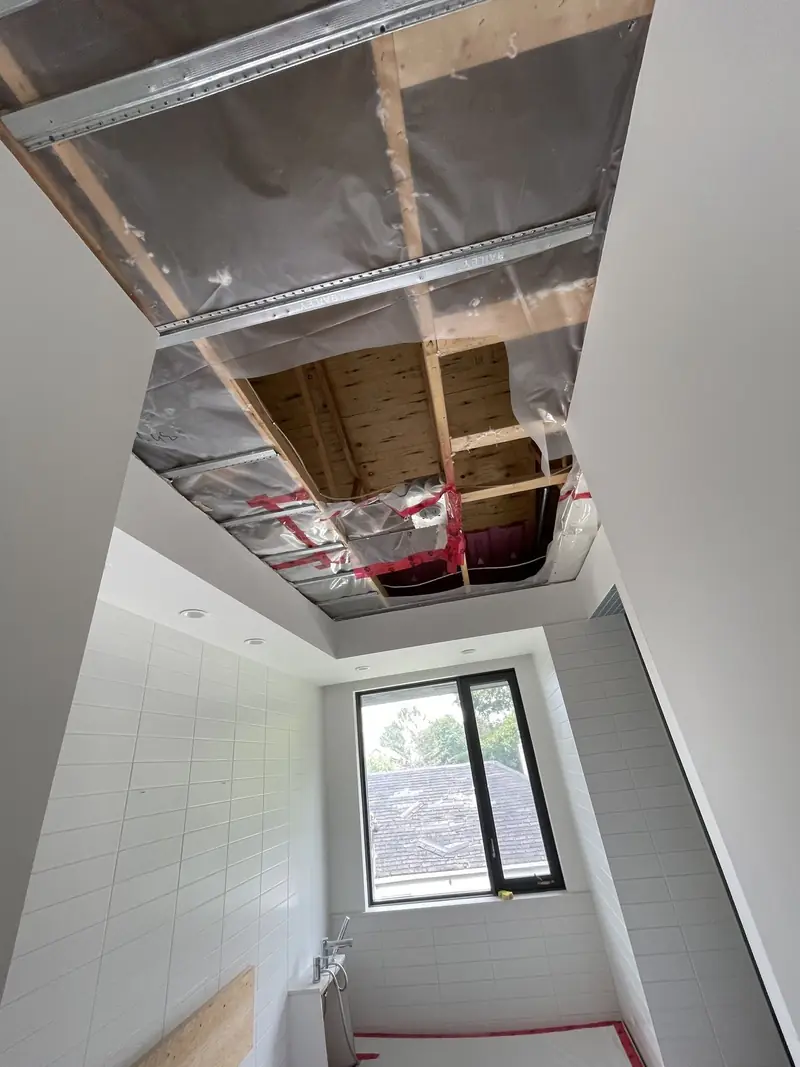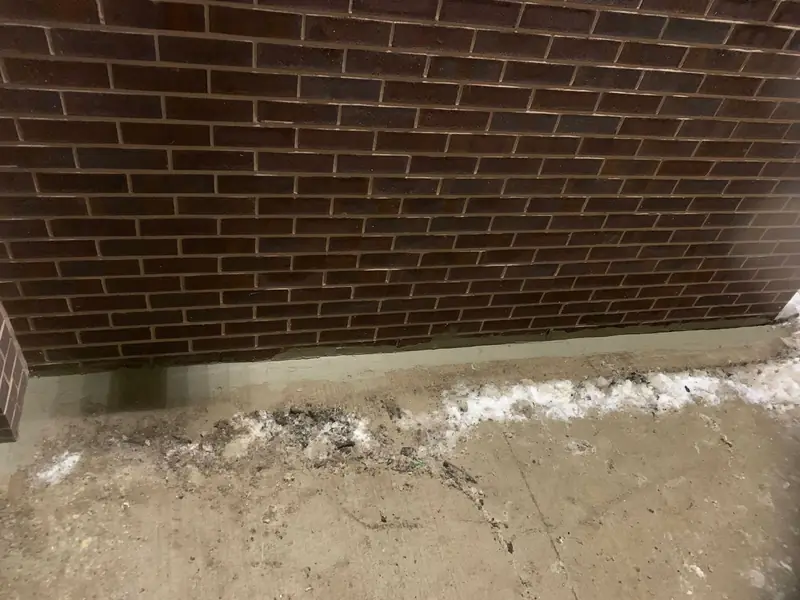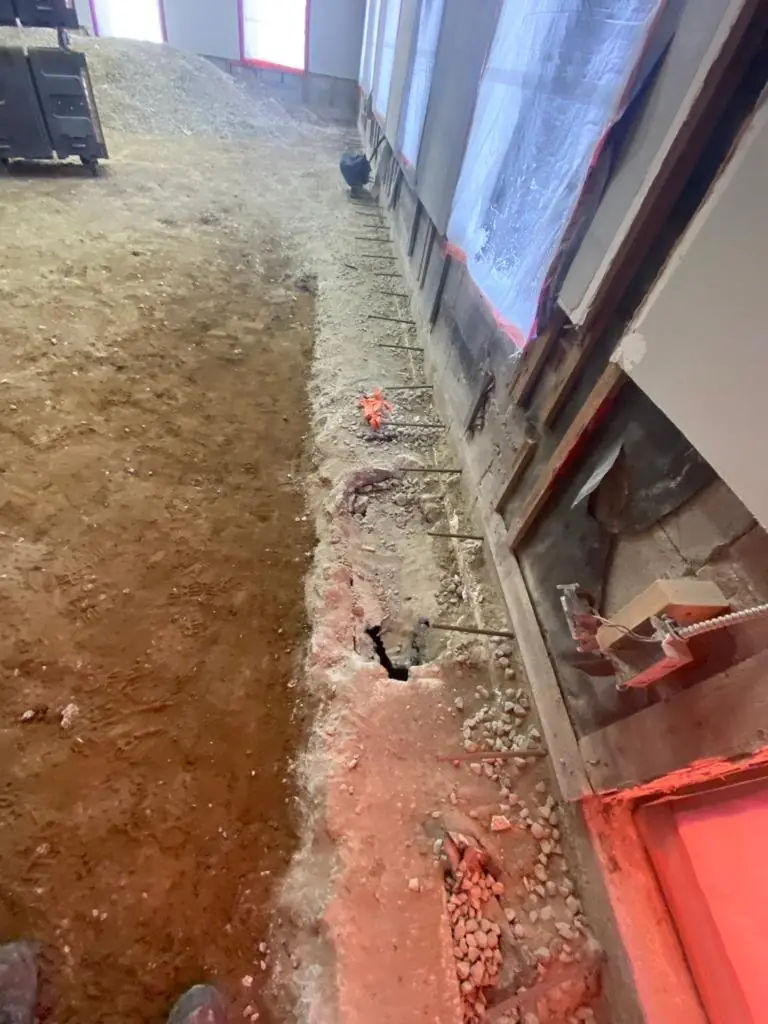
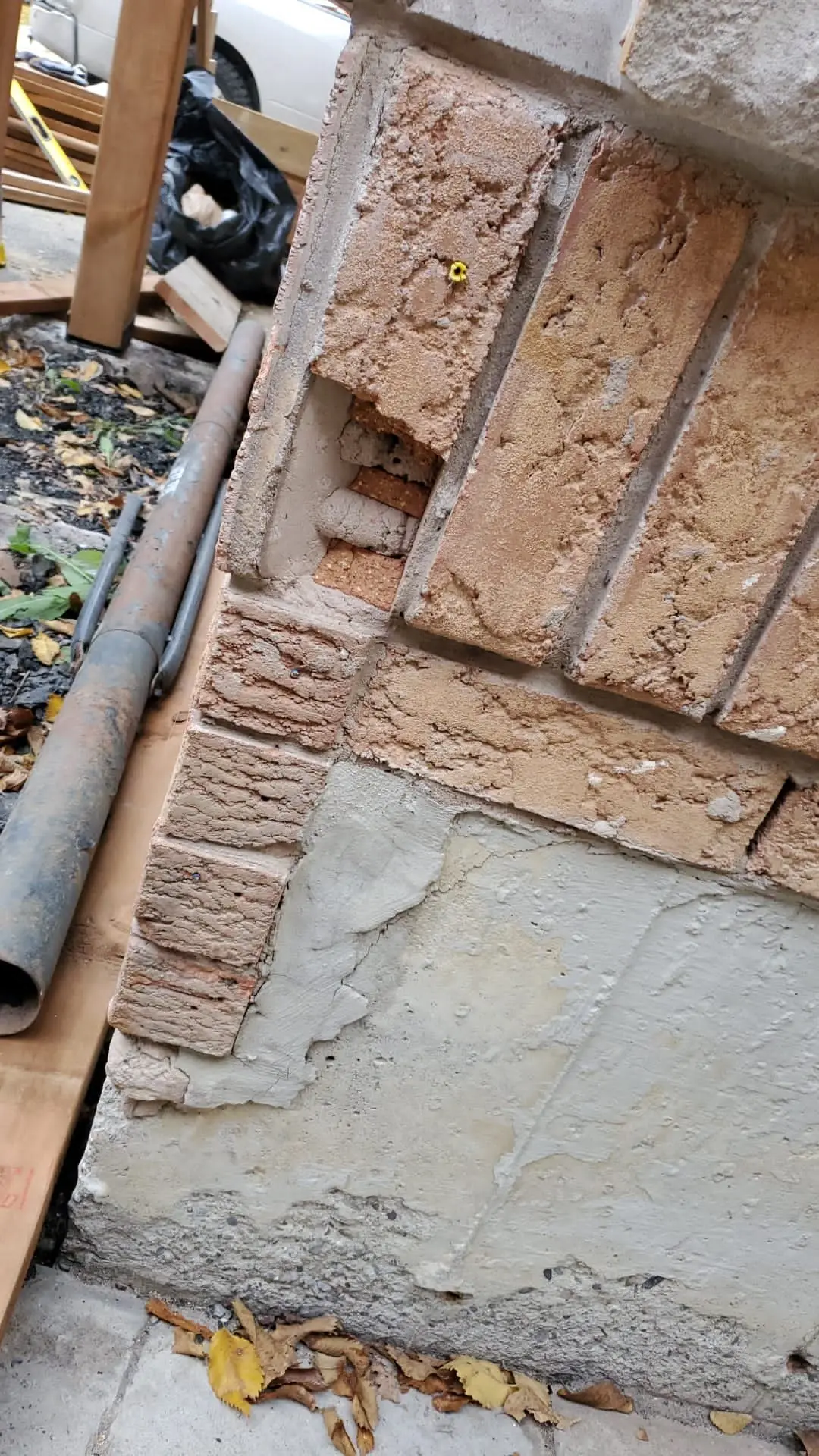
Basement waterproofing in Markham covers two very different kinds of houses. Unionville, Markham Village and Thornhill have homes from the 1950s to the 1980s with aging weeping tile and basements finished more than once. Cornell, Berczy, Cathedraltown and Wismer have houses built in the last twenty-five years, with modern foundations that still leak where the yard settled, a window well filled or a pipe passes through the wall. The repair depends on which house you have and where the water comes in. This guide explains how to find that out and how to choose a fix.
TGV Construction Group Inc. has completed more than 300 projects in the GTA and Ontario since 2017, including water damage repair and basement finishing in York Region. For the finishing side of the work, see our Markham basement renovation guide.
Older and newer Markham homes leak differently
Homes built before about 1985. Original drainage tile can be broken or blocked, and the backfill around the house has had decades to settle into a slope toward the wall. Poured walls develop long cracks, and block walls let water through mortar joints. Leaks tend to appear along whole walls after long rain.
Homes built after about 2000. The weeping tile is usually plastic and wrapped, often draining to a sump. Leaks tend to be local: a window well that fills, a corner where the soil sank after landscaping, a crack that started as concrete shrinkage, or a gap around the gas line or the air conditioning pipes. These are usually smaller and cheaper repairs, if they are caught early.
Homes near the Rouge River and its creeks. Lots near the valley lands can sit closer to ground water in spring, which raises the pressure on the foundation.
Basement waterproofing in Markham: what each repair does
Grading and downspouts. Soil should slope away from the house for the first few feet. Settled soil, garden beds edged above the siding and downspouts that empty beside the wall send water exactly where it should not go. Fixing these is the first step on almost every job.
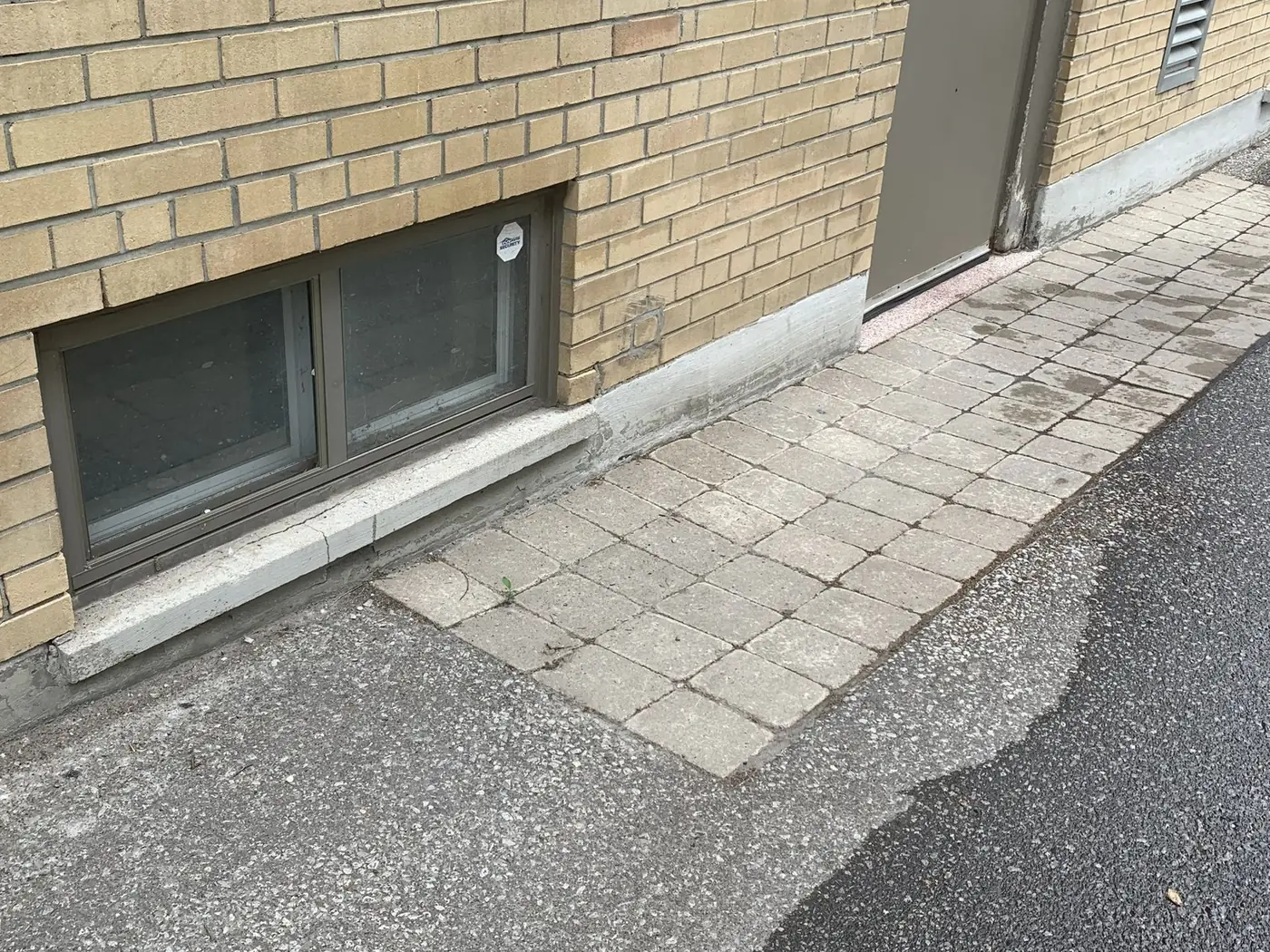
Window wells. A basement window below ground needs a well with a drain connected to the weeping tile or filled with clean stone, and ideally a cover. A clogged well turns into a pool against the window frame.
Crack sealing. A crack in a poured wall is cleaned and filled through its depth from inside. It is a targeted fix for a leak at one place.
Interior drainage. Where water seeps along the base of a wall, a drain is placed at the footing inside the house, the wall is covered with a dimpled membrane and the water goes to a sump. No digging in the yard is needed.
Exterior membrane and new weeping tile. Digging down the outside of the wall lets us repair the concrete, apply a membrane and drainage board, replace the weeping tile and backfill with stone. It is the most thorough repair and the most disruptive to landscaping. Our article on interior basement waterproofing explains when the inside method is enough.
Sump pumps in Markham basements
Many newer houses already have a sump pit. A pump that fails during a storm, a float that sticks, or a discharge line that freezes in winter can flood a dry basement in hours. A battery backup pump, a check valve, a discharge that ends well away from the house and a yearly test are simple protections. If the floor drain backed up during a storm, a backwater valve on the main drain is the fix; read our guide to backwater valves and sump pumps.
The process from inspection to dry basement
- Talk through the pattern. When the water appears, how much, and whether it follows rain, snowmelt or nothing at all narrows the causes quickly.
- Check the outside of the house. Soil level and slope, downspouts, window wells, decks and driveways next to the wall are inspected first.
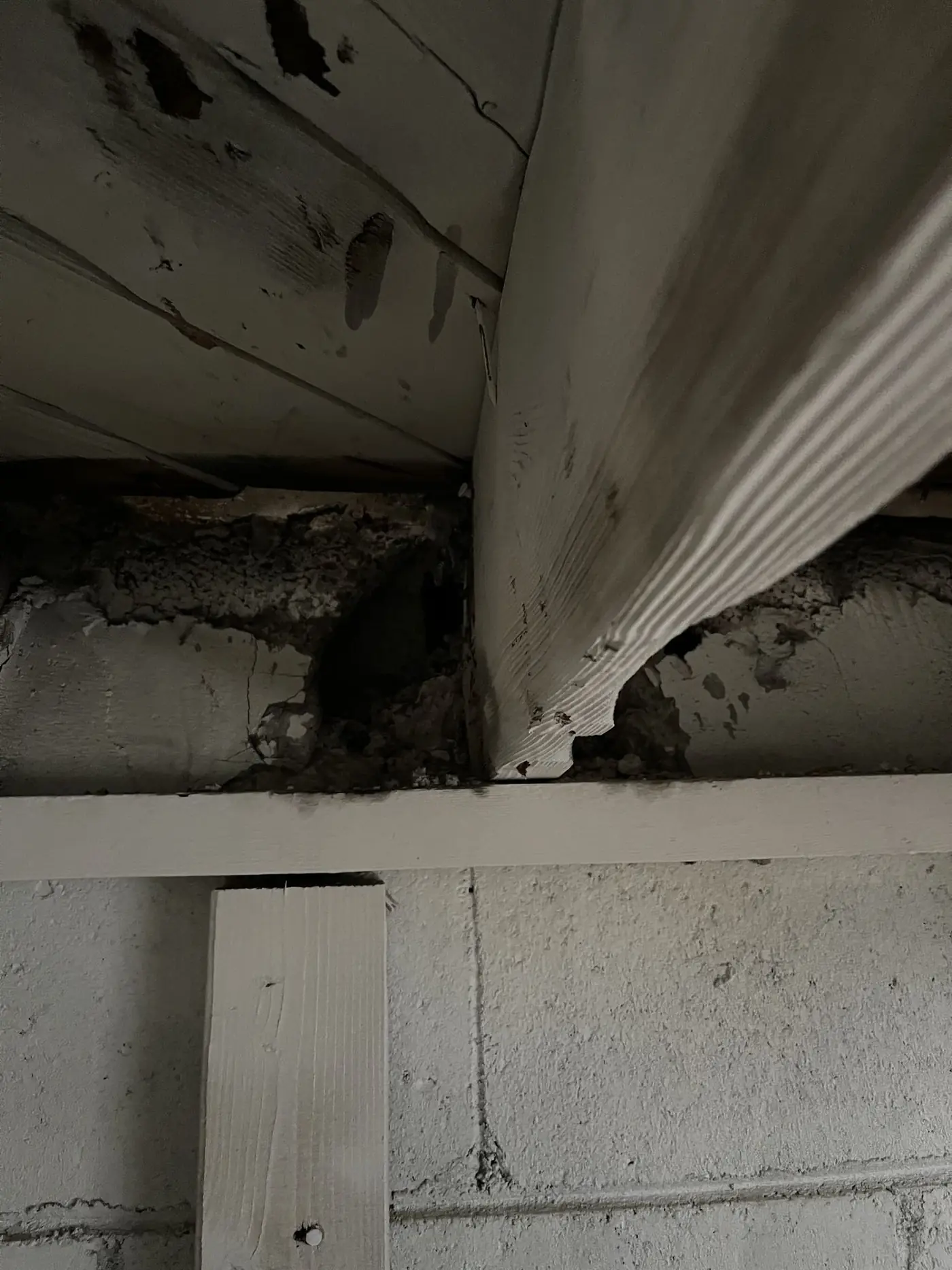
- Inspect the inside. Walls, the floor joint, plumbing and cable openings, the floor drain and any sump pit are checked, with moisture readings behind finishes.
- Look at the sump if there is one. Many newer Markham homes have a sump; we test the pump, the float and where the discharge line sends the water.
- Put the cause in writing. Your quote names what we found and where, and the repair it calls for.
- Start with the low-cost fixes. Regrading, downspout extensions and window well drains are done first when they are the cause.
- Open what is wet. Wet drywall and insulation are cut back to dry material so the wall can be repaired and dried properly.
- Seal or drain the wall. Cracks and openings are sealed through the wall; where water comes along the footing, an interior drain or an exterior membrane is installed.
- Protect the drains. Backwater valves and sump work are done by our licensed plumbing partners under permit.
- Rebuild and hand over. Finishes go back with moisture-resistant materials and you receive photos of the hidden work.
An example from a Unionville backsplit
A 1970s backsplit has a lower family room with a damp smell and a stained baseboard under one window. Outside, the window well has no drain and fills with leaves, and the flower bed next to it is higher than the foundation sill. Inside, the drywall below the window is wet to about a foot from the floor. The repair: the bed is lowered and sloped away, the well is fitted with a drain to the weeping tile, filled with clean stone and covered, the wet drywall and insulation are replaced and the window frame is resealed. The rest of the room stayed dry, so nothing else was opened.
What to ask before you sign
- Which wall, which cause? A quote should name both.
- What is removed and rebuilt? Finished basements need the removal and the rebuild priced, not left as extras.
- Where will the water go? Sump discharge must follow municipal rules and end away from the house.
- Who does the plumbing? Backwater valves and sump connections need a licensed plumber and usually a permit.
See how to compare renovation quotes for a side-by-side method.
Frequently asked questions
My Markham house is less than 20 years old. Why does the basement leak?
Newer houses leak too, usually at a few weak points: soil that settled after the builder graded it and now slopes toward the house, window wells without working drains, gaps around pipes and cables, and shrinkage cracks in the poured wall. These are often small, local repairs.
Does Markham help pay for flood protection?
Some GTA municipalities offer subsidies for backwater valves and related work, and programs change. Ask the City of Markham what is available for your address before the work starts, because subsidies usually require an application and an inspection.
Should the sump pump discharge go into the sewer?
Discharge rules are set by the municipality, and in many places foundation drains and sump discharge must not go into the sanitary sewer. The discharge should also end far enough from the house that the water does not soak back to the same wall.
How long does basement waterproofing take?
Outside fixes often take a day. Sealing a crack is usually a short visit. Interior drainage along one wall or exterior excavation takes several days, plus the time to rebuild finishes. We give you a schedule with the quote.
Can waterproofing stop the musty smell?
If the smell comes from damp materials, yes: once the water stops and wet drywall, insulation or carpet is replaced, the smell goes. If mould has grown, it has to be removed as part of the job.
Book a basement waterproofing inspection in Markham
We carry out basement waterproofing in Markham across the city, from Thornhill and Unionville to Cornell, Berczy and Milliken, and we tell you what we find before we suggest a repair. Related reading: foundation crack repair and basement renovation.
Phone (365) 363-6995, email estimating@tgvconstructiongroup.ca, or tell us about your wet basement in Markham on the Get a Quote page.