A flooded basement is one of the most common - and most expensive - emergencies in Toronto homes. Heavy rain, a burst pipe, a failed sump pump or a sewer backup can put inches of water on the floor in minutes. What you do in the first 24 hours decides whether floors and walls can be dried and saved, or have to be torn out and replaced. This guide walks you through the first steps, the difference between clean water and sewage, insurance, drying and typical costs.
TGV Construction Group Inc. has completed more than 300 projects across the Greater Toronto Area since 2017, with a restoration team that answers 24/7. Every quote is free - start yours on our Get a Quote page.
What to do when your basement floods: step by step
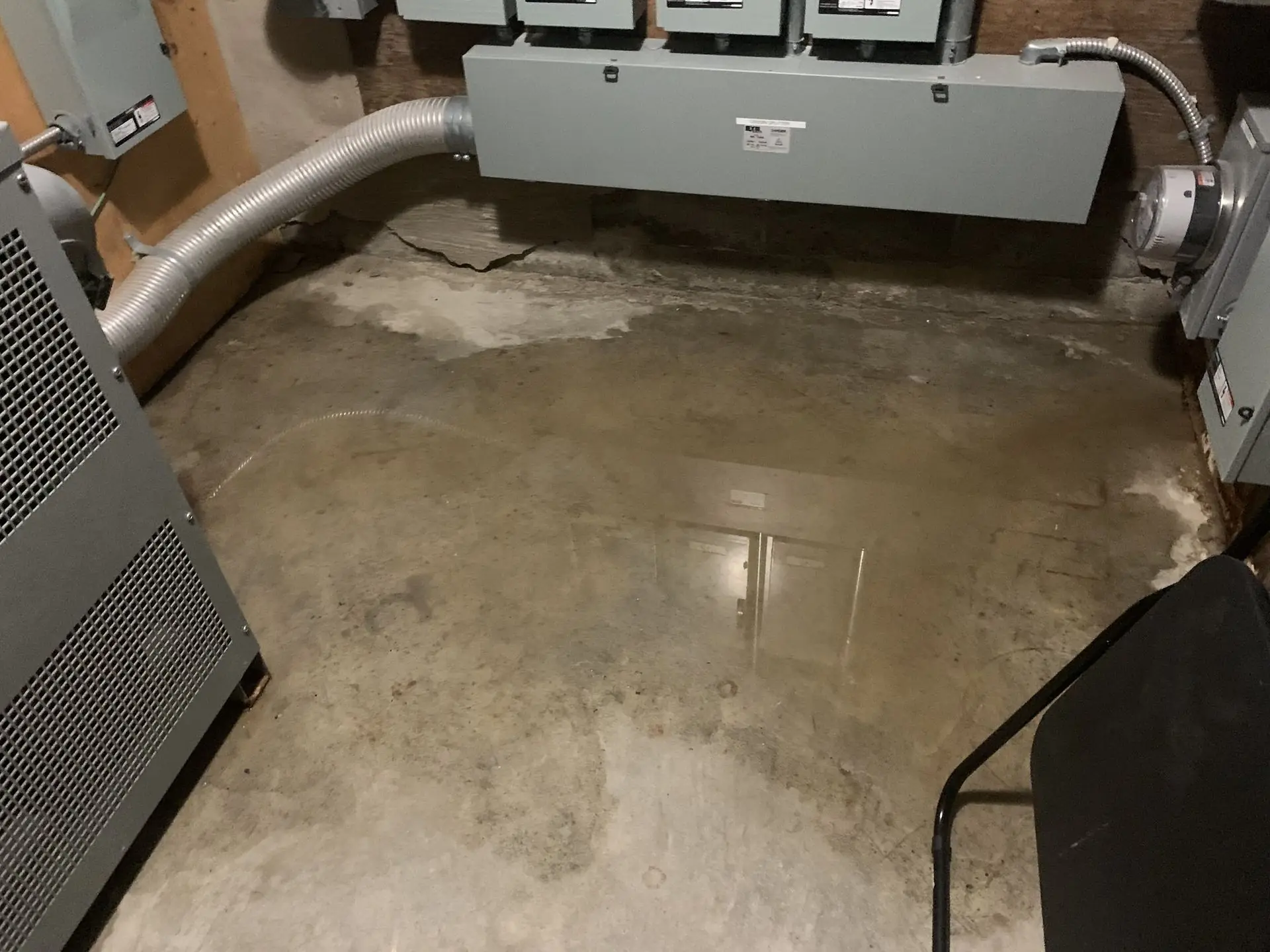
- Stay safe first. If water is near outlets, appliances or the electrical panel, do not walk in. Turn off power to the area only if you can reach the panel from a dry spot; otherwise call your utility.
- Stop the water if you can. Close the main water valve for a pipe or appliance leak. For rain or sewer water, there is nothing to shut off - move on to the next steps.
- Find out what kind of water it is. Clean water from a supply pipe is one thing; water that came up through a floor drain or toilet is sewage and needs protective equipment and disinfection.
- Photograph everything. Take photos and video of the water level, damaged items and the source before anything is moved. Your insurer will ask for them.
- Call your insurer and a restoration company. Report the claim early. A 24/7 restoration team can start extraction within hours, which is what saves floors and walls.
- Move what you can. Lift electronics, documents, rugs and furniture out of the water if it is safe. Keep damaged items until your insurer approves throwing them away.
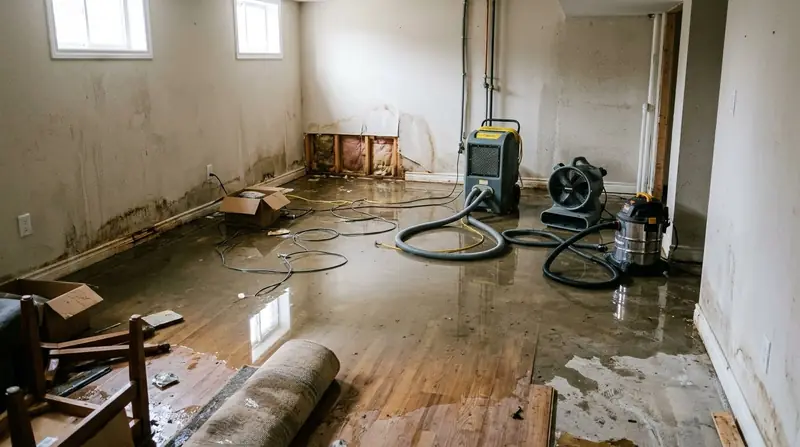
- Get the water out and the structure dry. Pumping, removal of soaked carpet and drywall, then air movers and dehumidifiers with daily moisture readings.
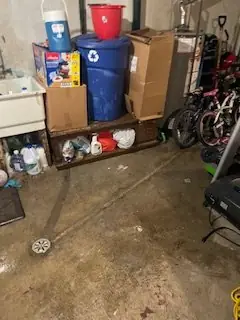
Clean water, grey water or sewage?
The source decides how the cleanup is done:
- Clean water - a burst supply pipe, a leaking water heater or a washing machine hose. If it is caught early, many materials can be dried in place.
- Grey water - a dishwasher or washing machine drain, or clean water that has sat for a while. It needs cleaning as well as drying.
- Sewage - water that came up through a floor drain, toilet or shower from the sewer. It carries bacteria; soaked carpet, underpad and drywall are removed, and everything left is disinfected.
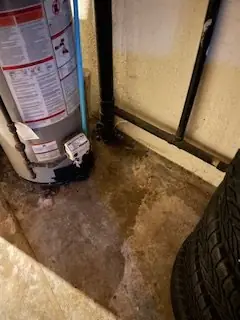
Why basements flood in Toronto
- Sewer backup during heavy storms, when the municipal sewer fills up and water flows back into the house.
- Overland water from rain or melting snow running toward the house, through window wells or foundation cracks.
- A failed sump pump, often during a power outage in a storm.
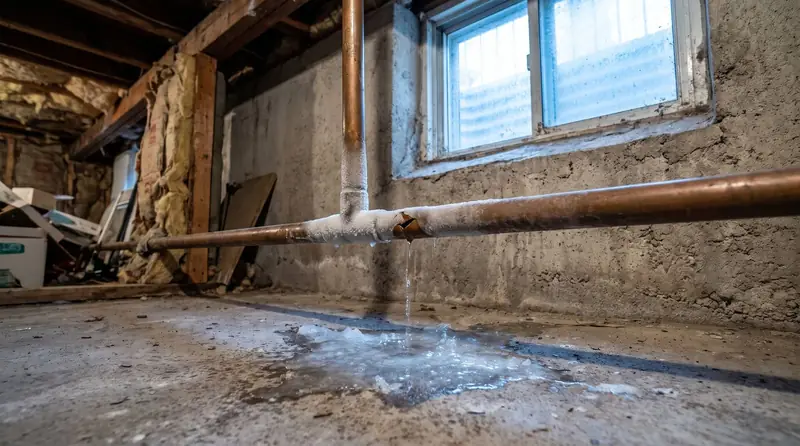
- Burst or leaking pipes, especially frozen pipes in winter, and failing water heaters.
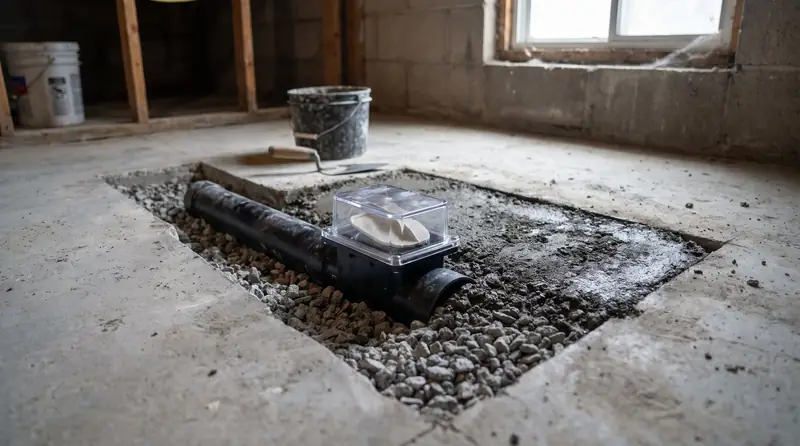
A backwater valve and a sump pump with a battery backup are the two most effective protections - read our guide to backwater valves and sump pumps in Toronto, including the City's subsidy.
Drying: why it takes days, not hours
The water you can see is the easy part. Drywall, insulation, wood framing and concrete soak up water that stays hidden after the floor looks dry. Professional drying uses air movers and dehumidifiers and checks the structure with moisture meters every day. It commonly takes three to seven days. Closing walls over wet materials is the main cause of mould after a flood - see how to prevent mould growth after flooding.
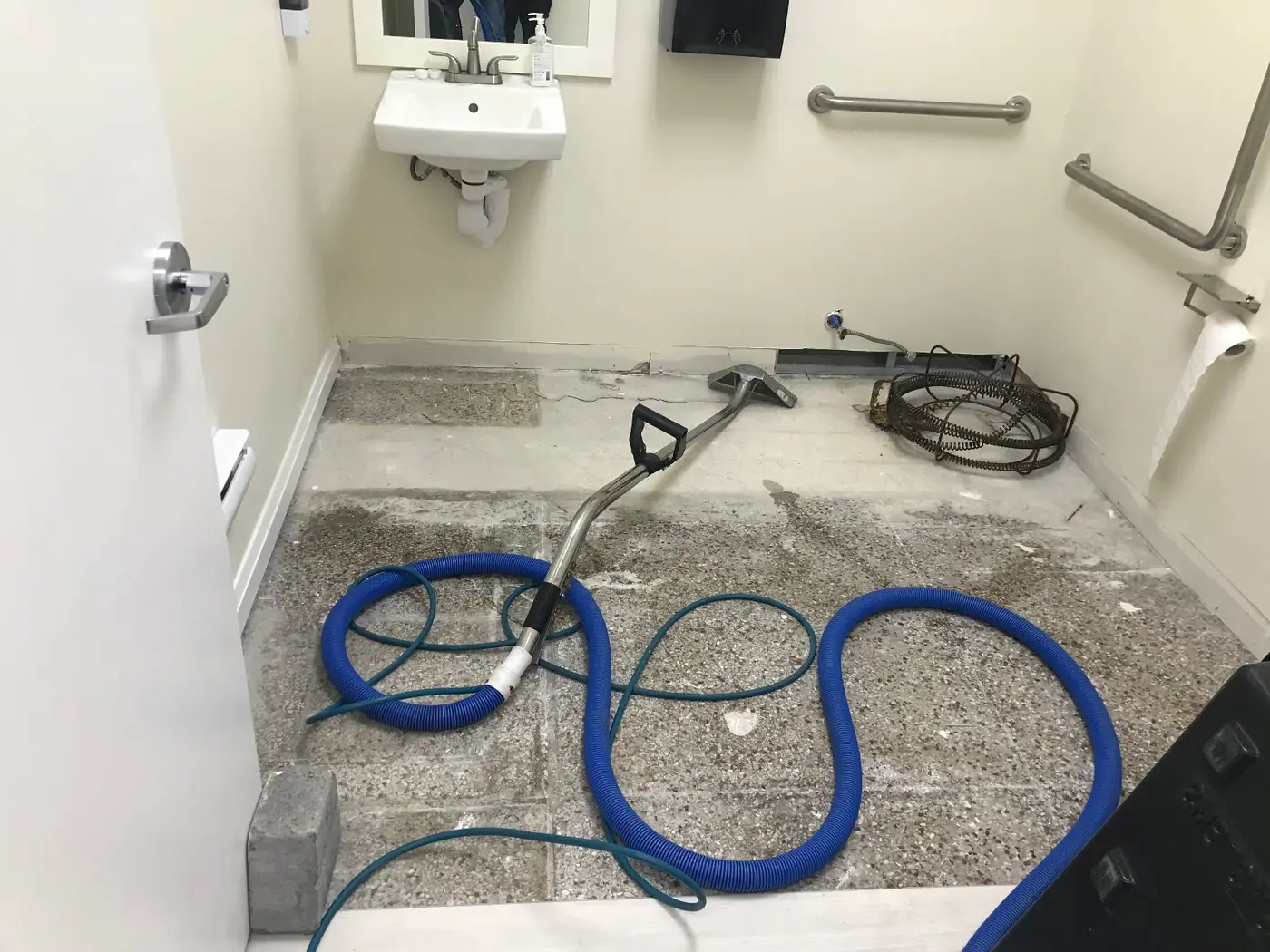
What does flooded basement cleanup cost?
Emergency mitigation and drying typically run between $2,500 and $15,000. Most finished-basement losses land between $7,500 and $15,000, and sewage backups cost more. Rebuilding drywall, flooring and trim is quoted separately once drying is confirmed. These are typical ranges, not a quote.
Insurance: what is usually covered
A sudden, accidental burst pipe is commonly covered by homeowners' insurance, minus your deductible. Long-term leaks generally are not. Sewer backup and overland water are usually separate optional coverages in Ontario, so check your policy declarations before you need them. A restoration company that keeps moisture logs and photos makes the claim easier to approve.
Frequently asked questions
How much does it cost to clean up a flooded basement?
Emergency mitigation and drying typically run between $2,500 and $15,000. Most finished-basement losses land between $7,500 and $15,000, and sewage backups cost more. Rebuilding is quoted separately once the space is dry.
Does home insurance cover a flooded basement in Ontario?
It depends on where the water came from. A sudden burst pipe is commonly covered. Sewer backup and overland water (rain or melting snow coming in from outside) are usually separate optional coverages - check your policy declarations.
How long does it take to dry a flooded basement?
Commonly three to seven days of monitored drying equipment. Concrete, masonry and humid weather take longer. Rebuilding should start only when moisture readings confirm the structure is dry.
Can I clean up a flooded basement myself?
Small clean-water spills, yes. Sewage, water that sat for more than a day or two, and water inside finished walls are jobs for professionals - wet drywall and insulation hide moisture that turns into mould.
Who do I call if the city sewer backed up?
In Toronto, report a sewer backup to 311 so the City can check its side of the pipe. Then call your insurer and a restoration company for the inside of your home.
Basement flooded right now?
Call our 24/7 line - our water damage restoration team covers Toronto and the GTA, extracts the water, dries the structure and rebuilds what was damaged. For planned work, ask for a free quote.