Basement waterproofing in Etobicoke is rarely about one product sprayed on a wall. Homes here range from 1920s houses in the Kingsway and Baby Point to post-war bungalows in Islington, Rexdale and Alderwood, and lakeside cottages turned year-round homes in Long Branch and New Toronto. Each was built with different foundations and different drainage, and each leaks for its own reasons. This guide explains how water gets into Etobicoke basements, how to tell the causes apart, and how to choose a repair that stops the water instead of hiding it.
TGV Construction Group Inc. is a licensed and insured contractor that has completed more than 300 projects in the GTA and Ontario since 2017, including water damage repairs and finished basements. If you have water on the floor today, read what to do with a flooded basement first and see our water damage restoration service.
Why Etobicoke basements take on water
Age of the drainage. Weeping tile in a house built before the 1970s was often clay pipe in short sections. Roots, silt and settling soil close the joints over the decades, and water that used to drain away now sits against the wall.
Foundation type. Older homes may have concrete block or rubble stone walls. Block walls have hollow cores that fill with water and let it out through mortar joints low on the wall. Poured walls from the 1950s onward crack at window corners and around tie-rods.
The land. Neighbourhoods along the Humber, Mimico Creek and Etobicoke Creek have streets that slope toward the valleys and soil that stays wet for days. Houses at the bottom of a slope collect water from the lots above.
Storms and the sewer. Older parts of Etobicoke drain to sewers that can surcharge in heavy rain. When that happens, water rises through the basement floor drain, and no amount of wall work prevents it.
Telling the causes apart
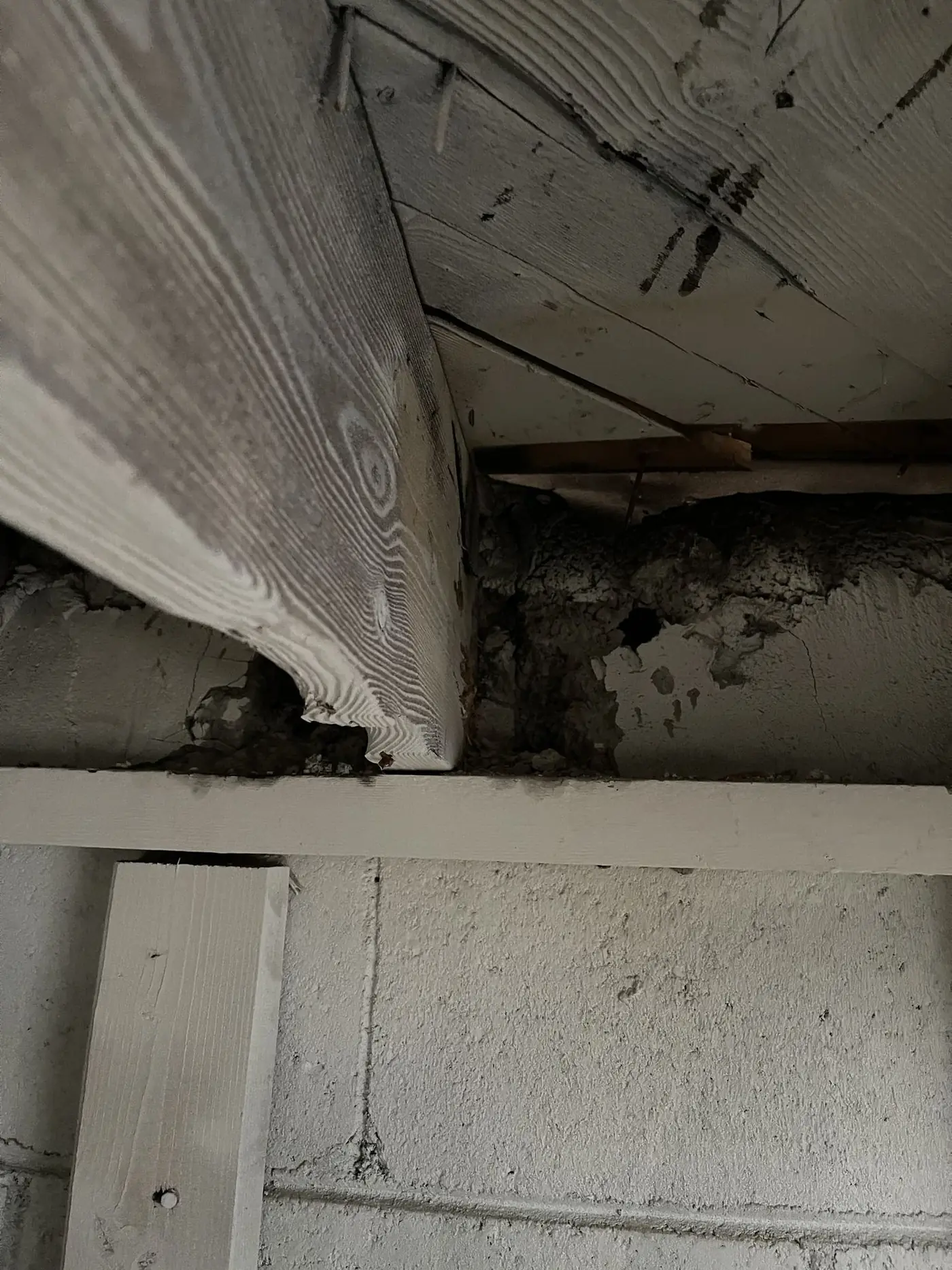
Where and when water shows up tells most of the story. A wet line along the bottom of every wall after days of rain points to ground water and failed weeping tile. A stain under one window that appears in every storm points to a window well. A damp patch below one corner of the roof points to a downspout. Water spreading from the floor drain after a summer cloudburst points to the sewer. Water on cold pipes and walls in July, with no pattern tied to rain, is condensation, which a dehumidifier and better air movement solve.
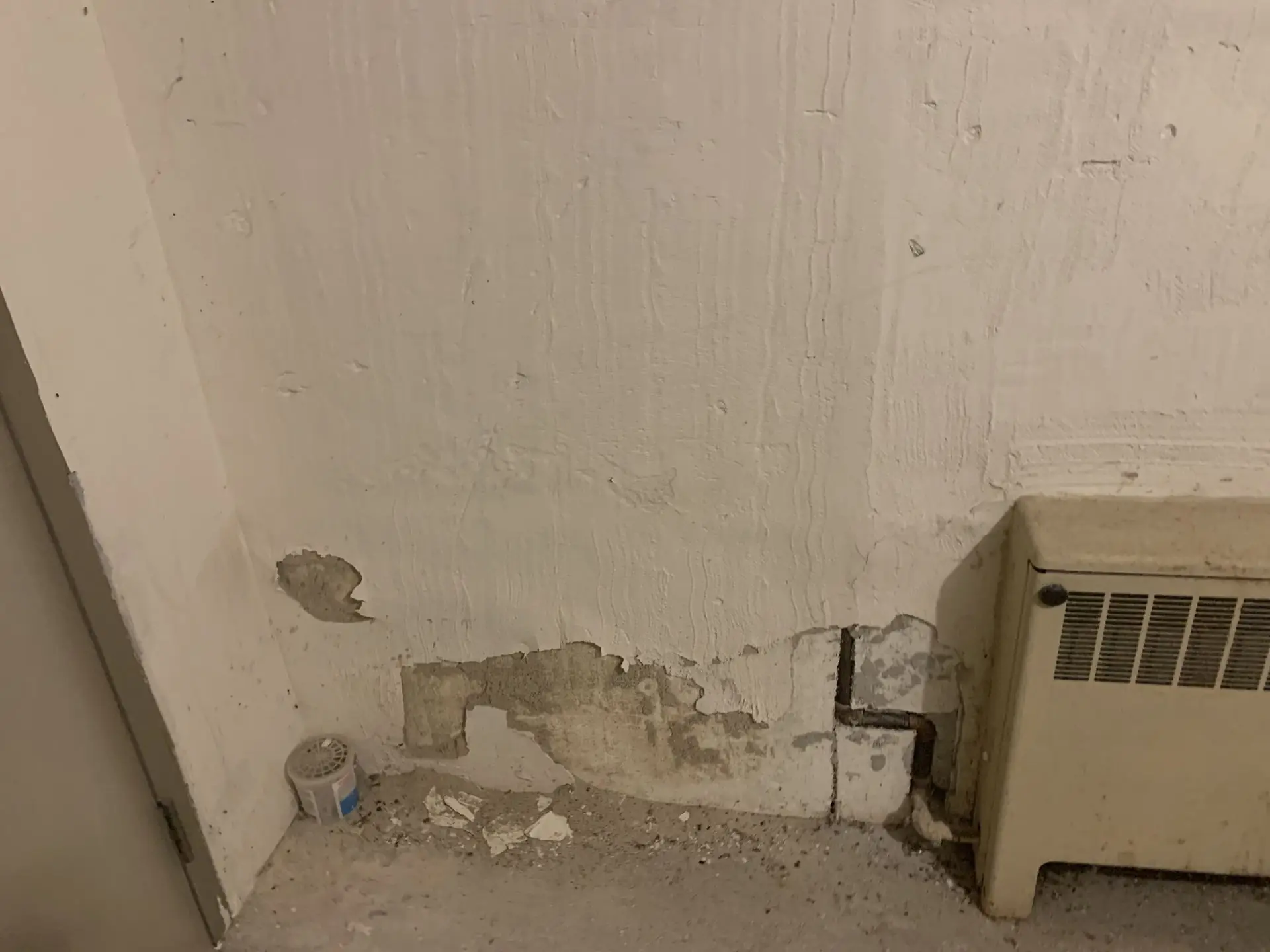
White crust on the concrete, peeling paint at the base of the wall, a musty smell in a closet and swollen baseboards are all signs worth photographing and dating. A short record of when they appear saves time at the inspection and helps you choose between repairs.
Basement waterproofing in Etobicoke: the main repair options
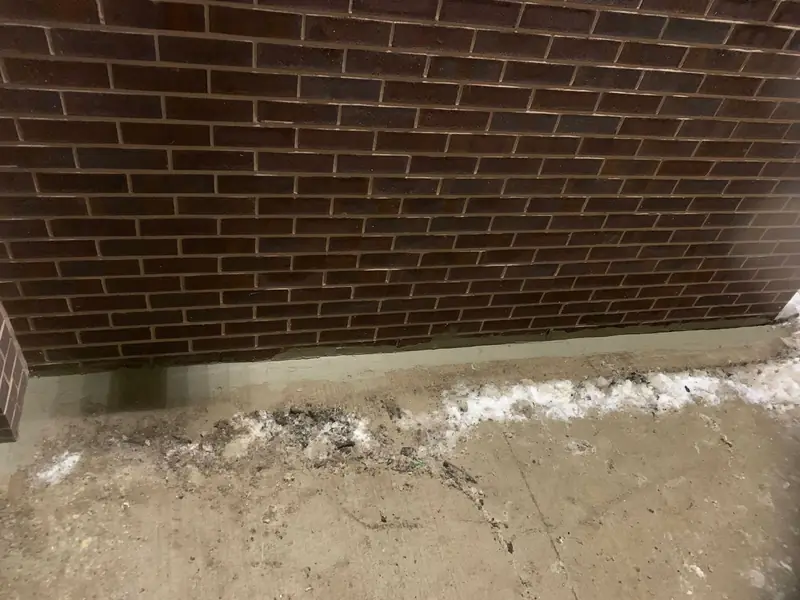
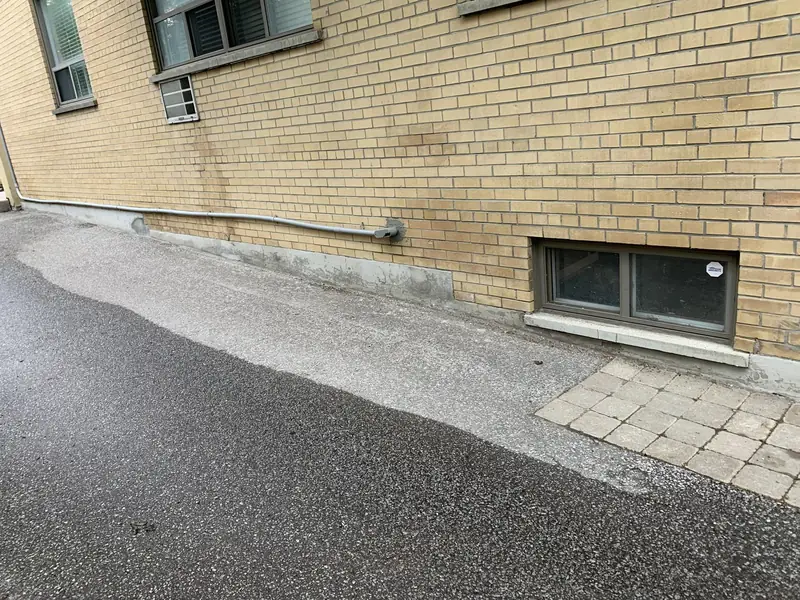
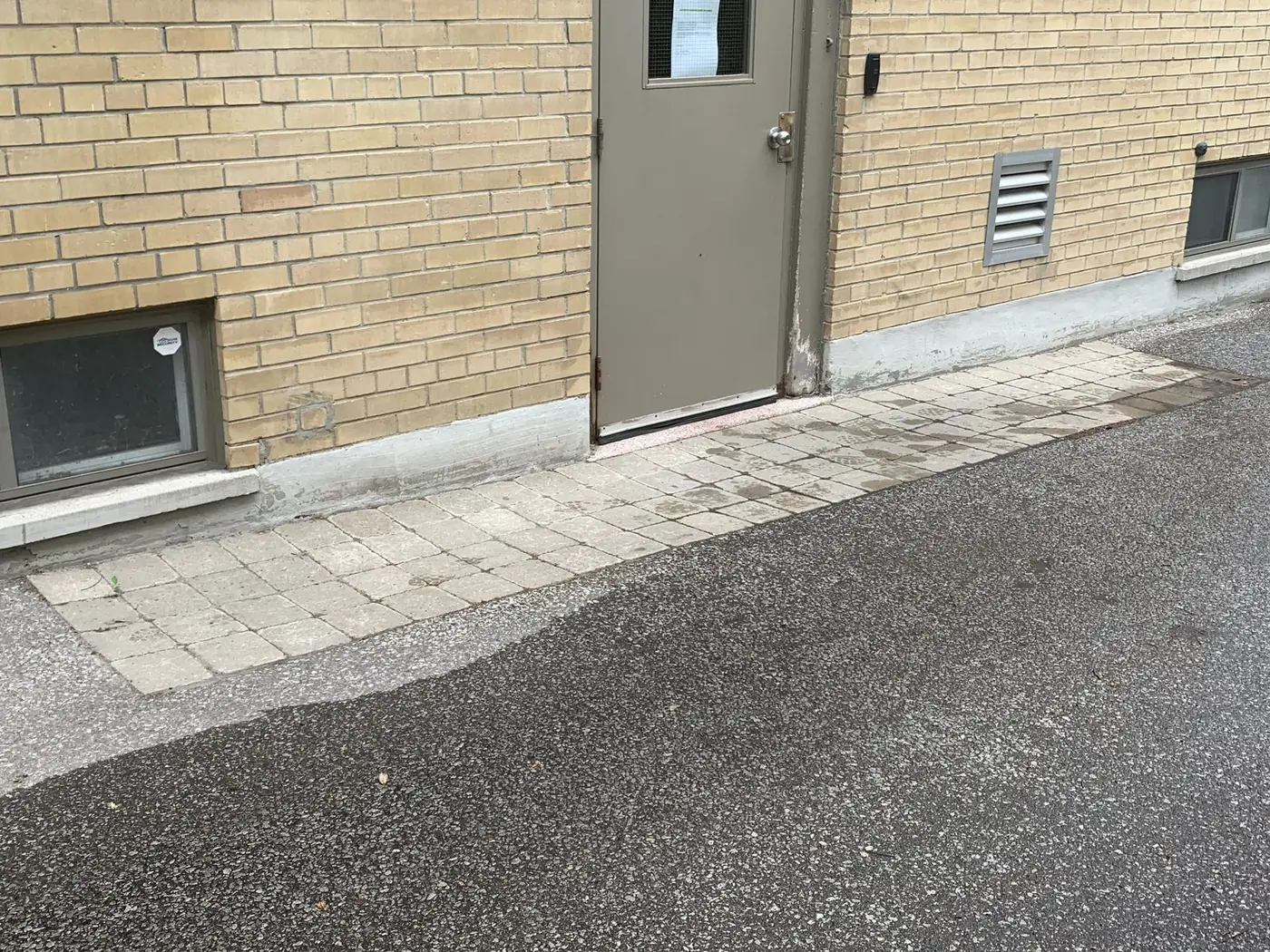
Outside fixes first. Extending downspouts several feet from the wall, rebuilding soil so it slopes away from the house, adding drains and covers to window wells and sealing gaps where a walkway meets the wall cost little and fix more leaks than people expect.
Crack and opening repair. A crack in a poured wall can be sealed from inside through its full depth. Pipe and cable openings and old tie-rod holes are sealed the same way. This suits a leak that comes from one place.
Interior drainage. A channel is cut in the floor along the wall, a perforated pipe is laid at the footing, a dimpled membrane covers the wall and the water is led to a sump pit and pumped out. It handles water that gets through the wall and works without disturbing the yard.
Exterior waterproofing. The soil is dug out to the footing, the wall is cleaned and repaired, a membrane and drainage board go on, new weeping tile is laid in clean stone and the trench is backfilled. It keeps the wall itself dry and is the most complete repair where the outside can be reached. Our interior basement waterproofing guide compares the two methods in more detail.
Backup protection. A backwater valve on the main drain stops sewer water from coming back into the house; it is plumbing work and needs a permit.
How the work goes, step by step
- Map the wet spots. We mark where water or stains appear on the walls and floor and ask when they show up: during rain, during the spring melt or after a storm.
- Read the moisture behind the finish. A moisture meter on drywall and baseboards shows how far the water travels before anything is cut open.
- Walk the outside. Downspouts, grading, window wells, the driveway and any patio against the wall are checked, because most water reaches the foundation from above ground.
- Check the floor drain. If water has come up through the drain, the problem is a sewer backup, and the answer is a backwater valve rather than a wall repair.
- Explain the cause and the options. You get the cause in writing, with the repair we recommend and any cheaper first step worth trying.
- Remove wet finishes. Drywall, insulation and flooring that got wet are cut out far enough to reach dry material, so the wall can be repaired and dried.
- Repair the concrete or block. Cracks, tie-rod holes and gaps around pipes are sealed; block walls are checked for loose mortar and hollow cores holding water.
- Install drainage where the water collects. An interior footing drain and wall membrane leading to a sump, or an exterior membrane with new weeping tile, depending on access and cause.
- Add backup protection. Backwater valves and sump pumps are installed by our licensed plumbing partners, with the permit the work needs.
- Close and document. The wall is rebuilt with moisture-resistant materials and you keep photos of every repair before it is covered.
Finished basements and rental suites
Many Etobicoke basements are already finished, and many hold a second suite. That changes the job: drywall, flooring, kitchen cabinets and bathroom walls may sit in front of the wall that leaks. We price the removal and the rebuild as separate lines so you can see what the finishes add, and we open only the sections that need it. When a suite is occupied, the work is scheduled with the tenant in mind. If you are planning a new suite, it is far cheaper to waterproof before the walls are built; our basement renovation page explains how we plan it.
An example from an Islington bungalow
A 1958 bungalow has a finished basement rented to a tenant. After the spring melt the carpet along the north wall is damp and the baseboard has swollen. Outside, the downspout on that side empties onto the walkway, which slopes toward the house. Inside, once the lower drywall is cut away, the block wall shows wet mortar joints along its base and the framing behind the drywall has started to rot. The repair: the downspout is extended and the walkway joint is sealed, the rotted framing and wet insulation are removed, the north wall gets an interior footing drain with a membrane leading to a new sump, and the wall is rebuilt. The other three walls were dry and are left alone.
Frequently asked questions
Why do so many Etobicoke basements leak?
Many Etobicoke homes are 50 to 100 years old, with original weeping tile, block or early poured foundations and basements finished long after they were built. Add clay soil that holds water, lots that slope toward the Humber River, Mimico Creek or Etobicoke Creek, and short downspouts, and water has several ways in.
Is the City of Toronto subsidy available in Etobicoke?
Etobicoke is part of Toronto, so the city's basement flooding protection subsidy applies to eligible homes. It has covered part of the cost of a backwater valve, a sump pump and disconnecting the foundation drain from the sewer. Check the current rules and amounts with the City before the work starts, because the application has to follow its steps.
Do I need to dig outside to waterproof my basement?
Not always. If the cause is a single crack, surface water or a window well, the fix may be small. Exterior excavation makes sense when a wall leaks along its length and the outside can be reached; interior drainage suits walls that cannot be dug.
How do I know if it is condensation and not a leak?
Condensation shows on cold surfaces in humid weather, often evenly along a wall or on pipes, and disappears with a dehumidifier. A leak shows in the same spot after rain or melt, often low on the wall or at the floor joint, and leaves a stain or white mineral line.
Can you waterproof a basement apartment while tenants live there?
Often yes, one wall at a time, with dust control and an agreed schedule. Interior drainage work is noisy and dusty for a few days per section, so tenants should be told in advance.
Book a basement inspection in Etobicoke
We carry out basement waterproofing in Etobicoke in every part of the former city, from Long Branch and Mimico to the Kingsway, Islington, Richview and Rexdale, and we explain what we find before suggesting a repair. Related reading: foundation crack repair, backwater valves and sump pumps and hiring a general contractor in Etobicoke.
Phone (365) 363-6995, email estimating@tgvconstructiongroup.ca, or tell us about your wet basement in Etobicoke on the Get a Quote page.