Hiring a general contractor in Etobicoke is the decision that shapes every other part of a renovation: the schedule, the budget, the quality of the work and how much of your time it takes. Etobicoke has everything from 1920s houses in the Kingsway and Humber Valley to post-war bungalows in Islington and Alderwood, lakeside homes in Long Branch and Mimico, and condo towers at Humber Bay Shores. Each needs a contractor who understands the building, the permits and the trades involved. This guide explains what a general contractor does, what to check before you hire one, and how a well-run project in Etobicoke unfolds.
TGV Construction Group Inc. is a licensed and insured general contractor that has completed more than 300 projects in the GTA and Ontario since 2017. Our general contracting page lists the work we handle; for more on choosing well, read how to choose the right general contractor.
What a general contractor in Etobicoke actually does
A renovation of any size involves several trades: demolition, framing, plumbing, electrical, HVAC, drywall, flooring, tile, painting and finishing carpentry. Each depends on the one before. A general contractor turns that into one plan: it prices the whole job, books each trade at the right moment, orders materials so they arrive before they are needed, deals with inspectors, protects your home during the work and stands behind the result. When something hidden turns up behind a wall, the contractor explains it, prices it and adjusts the schedule, instead of leaving you to coordinate it.
Etobicoke homes and what they need
Older houses in the Kingsway, Humber Valley and Sunnylea. Plaster walls, knob-and-tube wiring in some cases, older plumbing and foundations that may need waterproofing or underpinning when the basement is lowered. These projects need careful planning and an eye for structure.
Post-war bungalows in Islington, Alderwood and Eatonville. Popular for full renovations, second suites and second-storey additions. Typical work: opening walls, new kitchens and bathrooms, basement apartments with separate entrances.
Lakeside homes in Long Branch, New Toronto and Mimico. Close to the lake and to older infrastructure; basement water protection deserves attention here.
Condos at Humber Bay Shores and along the Queensway. Renovations governed by condo rules: working hours, elevator bookings, noise limits and approved floor underlays.
Before you hire: a checklist
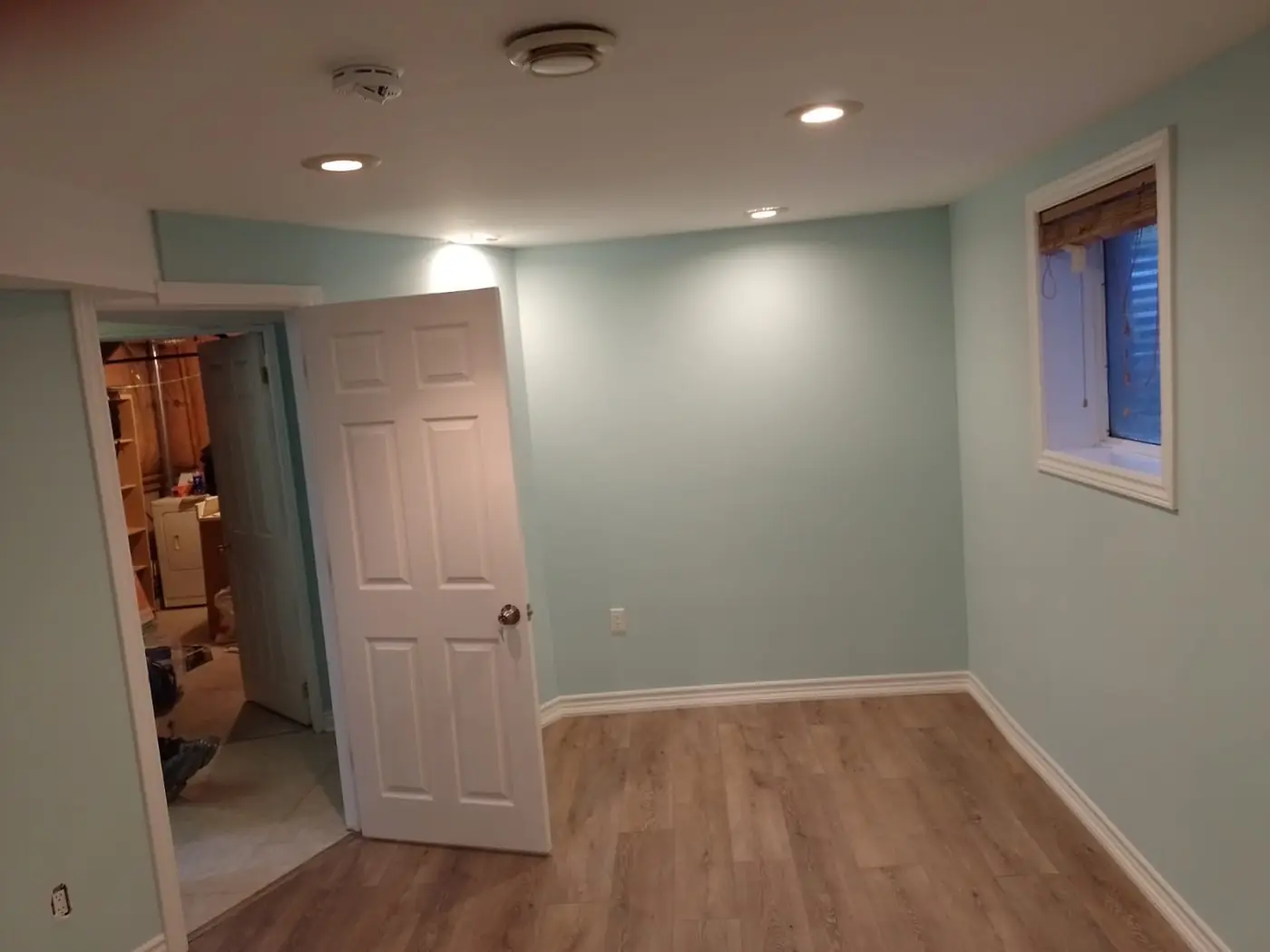
- Write down what you want. Rooms, must-haves, nice-to-haves and a budget range. A clear brief gets comparable quotes.
- Shortlist two or three contractors. Look for work similar to yours, recent reviews and a business address you can visit.
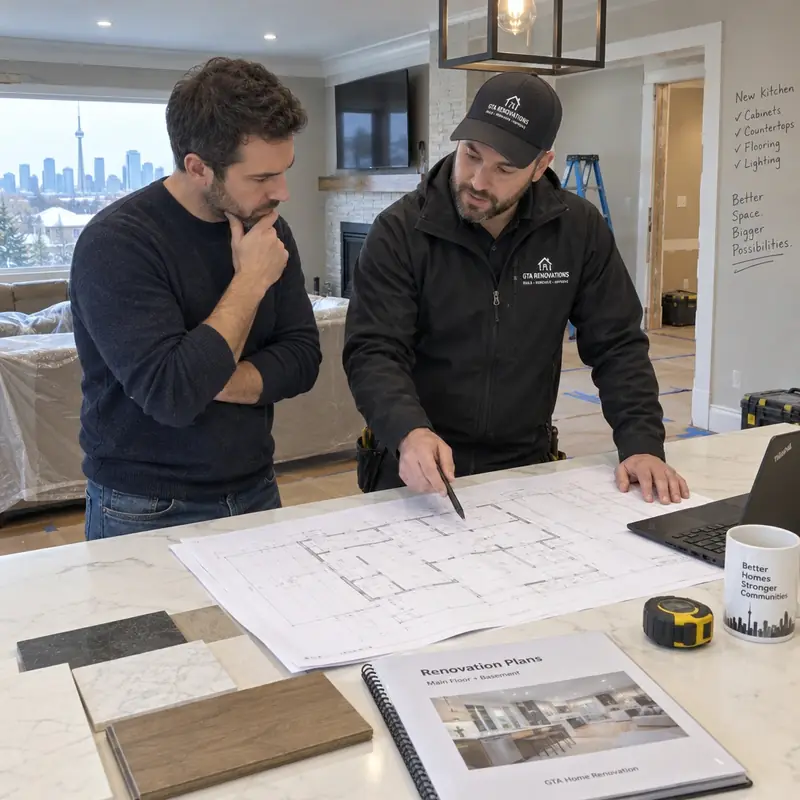
- Meet on site. A real contractor looks at the house before pricing: the panel, the plumbing, the structure and access for materials.
- Ask for paperwork. Liability insurance, WSIB clearance and, for trades, the licences that apply to them.
- Compare written quotes line by line. Check what is included: permits, drawings, demolition, disposal, protection, finishing and clean-up.
- Check the schedule. Ask for start and finish dates, the order of work and who your daily contact will be.
- Agree on payments. Payments should follow completed work, not run ahead of it.
- Sign a written contract. Scope, price, schedule, payment stages, change-order process and warranty belong in writing.
- Confirm permits. Know who applies for which permit and when inspections happen.
- Stay in touch. Weekly updates and photos keep surprises small, and changes are priced before they are built.
Contracts and your rights in Ontario
Ontario's consumer protection rules expect home renovation agreements to be in writing, and a contract signed at your home generally comes with a cooling-off period. Beyond the law, a good contract protects both sides: it describes the scope clearly, lists allowances for items you have not chosen yet, explains how changes are priced and approved, and sets payments to match completed stages. Read our guide to comparing renovation quotes before you sign anything.
Permits in Etobicoke
Etobicoke is part of the City of Toronto, so building permits are issued by Toronto Building, and Toronto zoning rules apply to additions, decks and garden suites. Many renovations also need an electrical permit and, for gas work, a licensed gas technician. A general contractor should tell you which permits your project needs, who prepares the drawings and how inspections fit the schedule. Our guide to Toronto permits and regulations explains the basics.
Homes, condos and commercial work
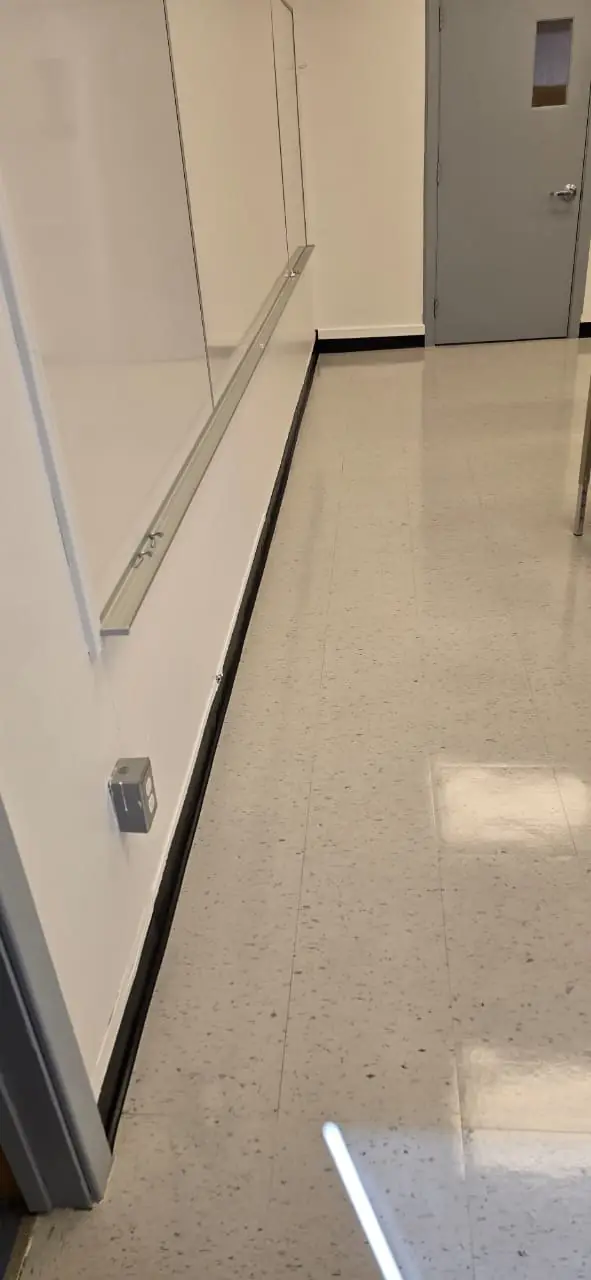
A general contractor in Etobicoke may be asked to renovate a family kitchen one month and an office, a store or a condo corridor the next. Commercial and multi-unit work brings its own rules: occupied buildings, fire separations, accessibility, and work done at night or on weekends to keep a business open. We handle residential, condo and commercial projects with the same approach: a written scope, a schedule and one point of contact. See what to expect from a commercial renovation.
An example: an Alderwood bungalow
The owners of a 1955 bungalow want a new kitchen, a second bathroom and a basement suite with its own entrance. A general contractor visits, checks the panel and the drains, and finds that the basement needs a new side entrance, a fire separation and more headroom in one area. The plan sets the order: permit drawings, the basement entrance and structure, rough plumbing and electrical for both floors, inspections, then finishes upstairs while the basement is drywalled. One schedule, one contract and one contact for the owners.
Frequently asked questions
What does a general contractor do on a renovation?
A general contractor plans the work, prices it, hires and schedules the trades, orders materials, applies for or coordinates permits, manages inspections, keeps the site safe and is responsible to you for the finished result. You deal with one company instead of many trades.
Do I need a permit for my renovation in Etobicoke?
Etobicoke is part of the City of Toronto, so building permits come from Toronto Building. Structural changes, new plumbing, additions, basement apartments and many exterior changes need one; cosmetic work such as painting and replacing finishes usually does not. Electrical work is permitted separately through the Electrical Safety Authority.
Should I hire separate trades or a general contractor?
For a single small task, a trade may be enough. For anything that involves more than two trades, a permit or a tight schedule, a general contractor saves time and avoids gaps between trades, where most problems happen.
How much should I pay up front?
A deposit at signing, then payments tied to clear stages of completed work. Be careful with anyone who wants most of the money before work starts.
Do you work on commercial and condo projects in Etobicoke too?
Yes. We work on homes, condo units, condo common areas and commercial spaces, and we plan around building rules, tenants and working hours.
Talk to a general contractor in Etobicoke
We work across Etobicoke, from the Kingsway and Islington to Mimico, Long Branch and Humber Bay, on renovations, additions, basements, restoration and commercial projects. See also home renovation and home renovation costs in Toronto.
Phone (365) 363-6995, email estimating@tgvconstructiongroup.ca, or tell us about your Etobicoke project on the Get a Quote page.