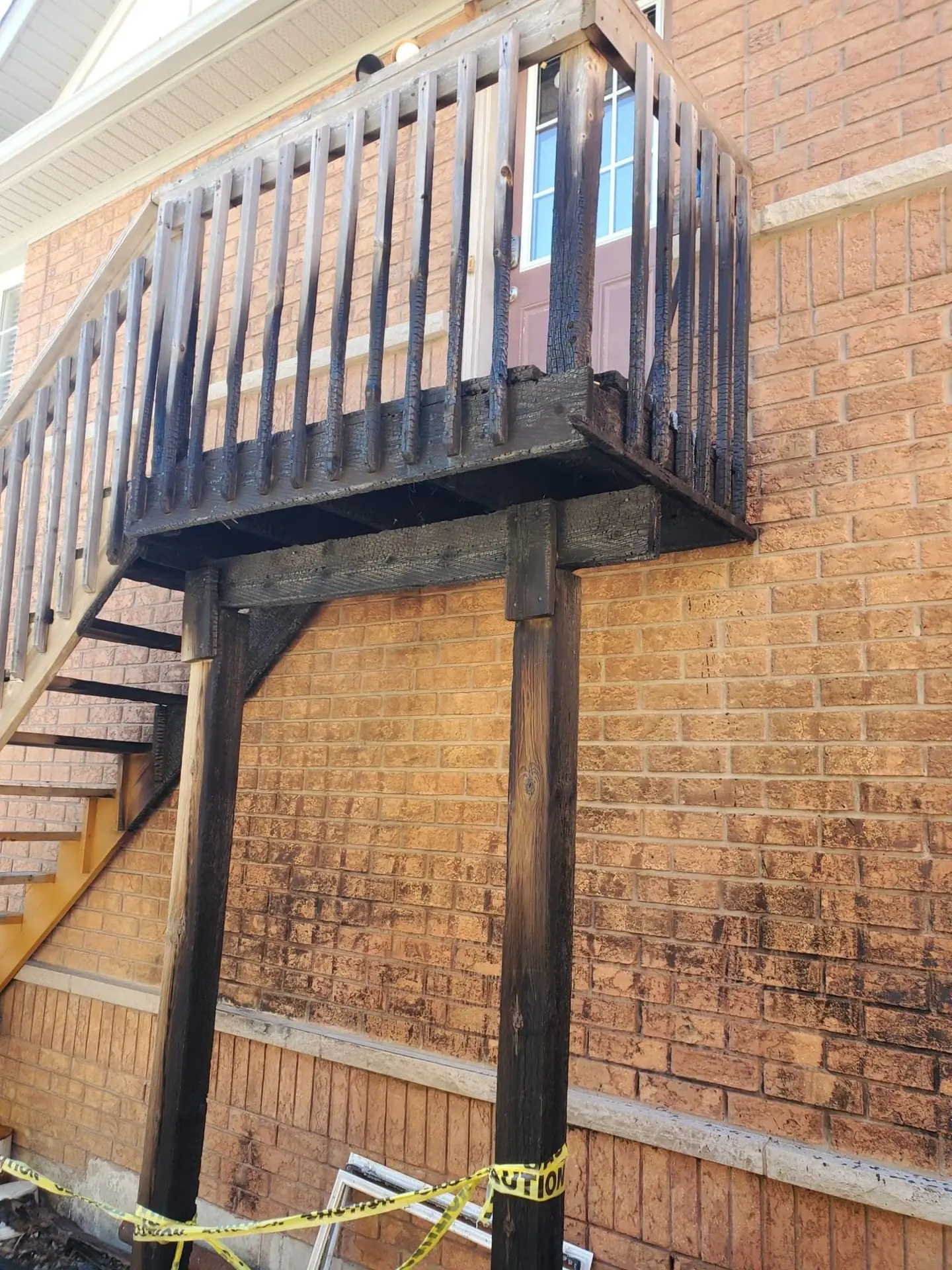
When water, fire, mould, or storm damage strikes a home or business in the Greater Toronto Area, the challenge of choosing a qualified restoration company becomes urgent and personal. The right decision impacts not only the future value and safety of your property, but also your peace of mind during the recovery process. A trusted restoration provider must demonstrate professionalism, clear communication, and stringent adherence to Ontario’s regulations, ensuring that your property is restored to a standard you can depend on.
This guide equips property owners - whether residential, commercial, landlords, or property managers - with concrete steps, compliance advice, and practical checklists to make effective choices about restoration, General Contracting, and Emergency Mitigation after discovery of damage.
Please note: This article is for information purposes only. It does not provide legal, insurance, or technical advice. Always verify details and requirements with the proper professionals, your insurer, or local authorities before making decisions.
Understanding What a Restoration Company Does
Clear expectations and terminology make property recovery easier. Restoration is more than repairs: it starts with mitigating further damage, continues through remediating contamination, and often ends with reconstruction and finishing work.
Difference Between Emergency Mitigation, Restoration, and Reconstruction
- Emergency mitigation involves immediate actions to limit further destruction, such as stopping water flow, removing debris, boarding up access points, or shoring up unstable structures. This can include plumbing shut-offs, emergency tarping, and securing the site.
- Restoration is the cleaning and decontamination phase, where specialized equipment is used to remove water, soot, mould, odours, and hazardous materials (e.g., mould and asbestos). The goal is to eliminate contaminants and prepare the space for reoccupation or rebuilding.
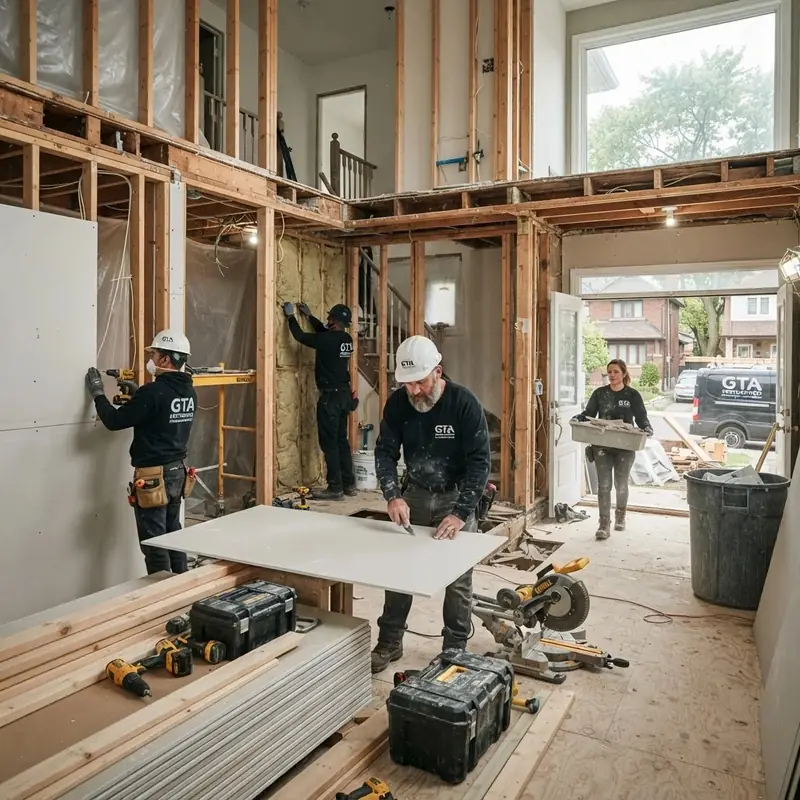
- Reconstruction covers repairs or replacement of damaged finishes and systems - framing, drywall, electrical, finishes, and more - often requiring design, permits, and the involvement of Licensed Trades. Project Management is essential for managing timelines and coordination.
A reliable restoration contractor will outline exactly which phases their services include, supporting property owners at each critical stage, and engaging additional specialists as needed.
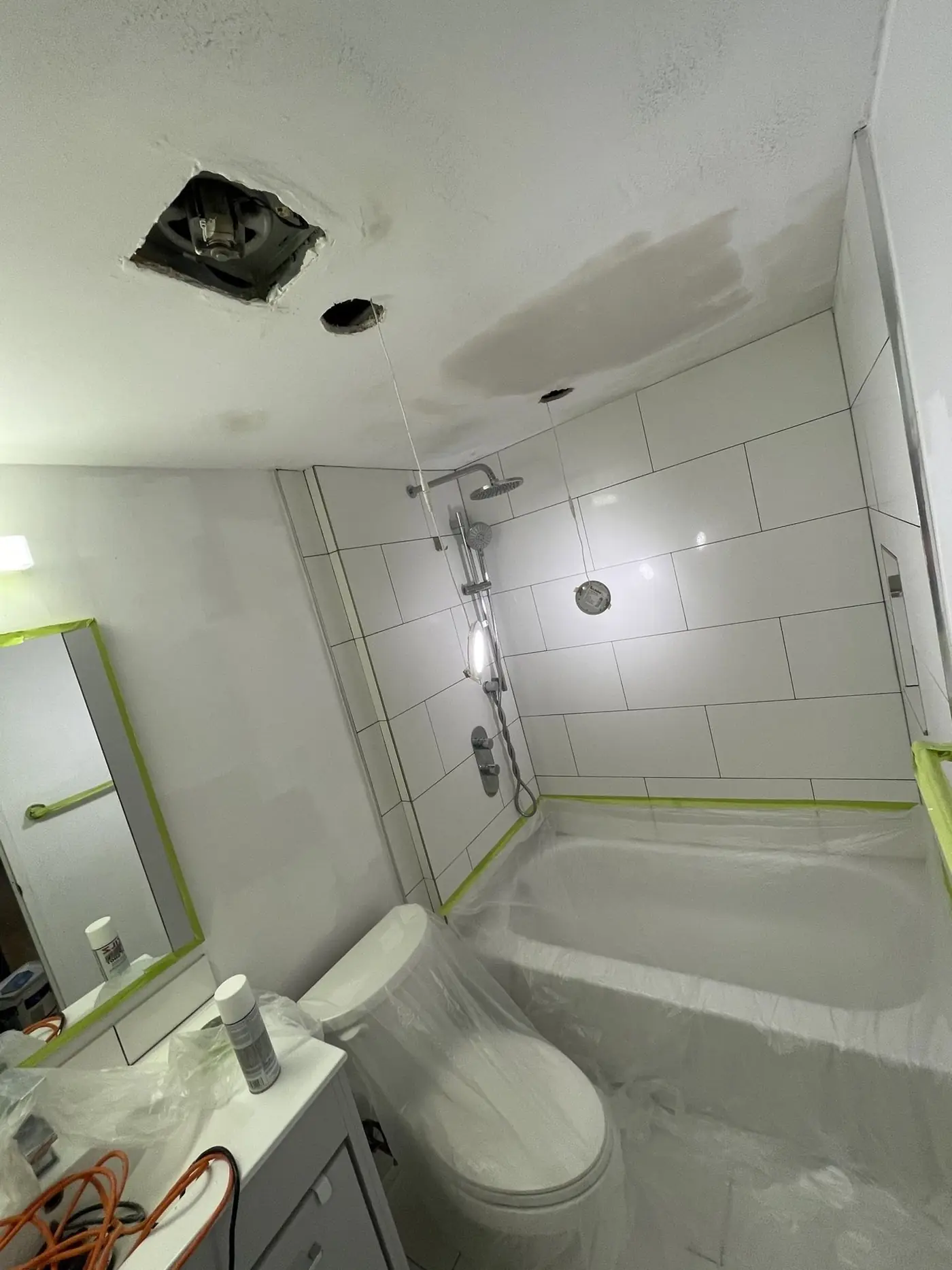
Common Restoration Services
In the Greater Toronto Area and Ontario, established restoration companies like TGV Construction Group Inc. typically provide:
- Water & Flood: Removal of standing water, drying using dehumidifiers and air movers, sanitization, and monitoring for hidden moisture with advanced detection tools (see our water damage restoration checklist).
- Fire & Smoke: Soot removal, odour elimination, air quality control, abatement of charred materials, and restoration of surfaces and structural components (more on fire damage restoration).
- Mould & Asbestos: Professional isolation, certified remediation or abatement of hazardous materials, thorough cleaning, and post-remediation verification (see our guides to mould removal and safe asbestos removal in Toronto).
- Wind & Storm: Emergency tarping or boarding, debris cleanup, structural assessment, temporary repairs, and coordination for full restoration (more on storm damage repair in Toronto).
Each of these services may become urgent following an incident. TGV Construction Group Inc. offers 24/7 emergency restoration and mitigation services in the GTA, providing rapid response to control and address emergencies around the clock.
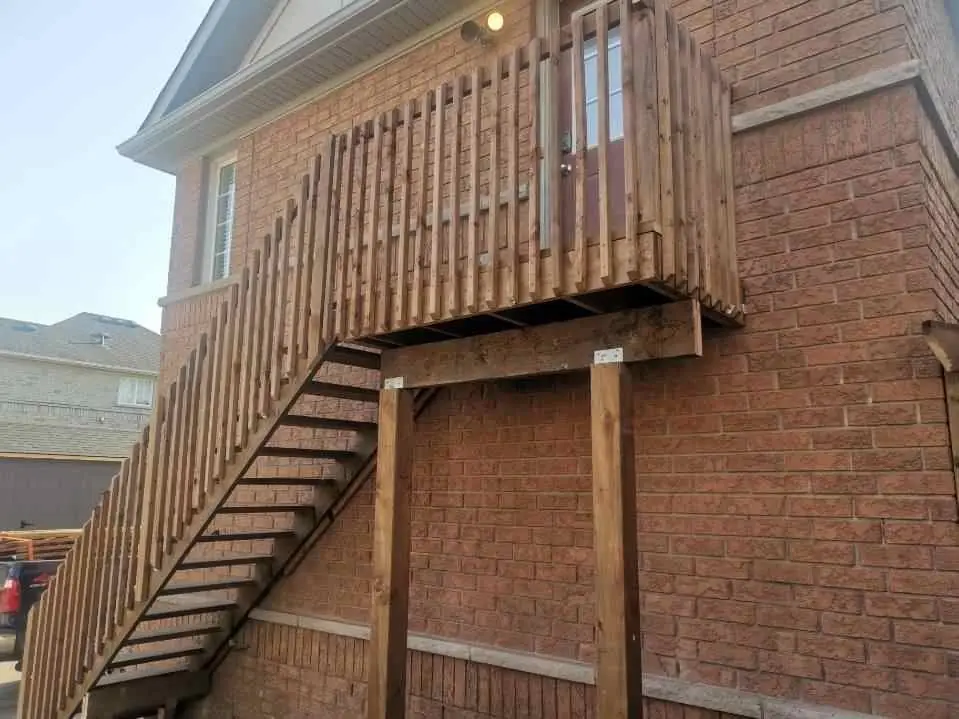
Key Steps to Take Before Choosing a Restoration Company
The first steps after experiencing property damage can significantly impact recovery, safety, and insurance claims. The following checklist will help protect both occupants and your claim (and here is how to prepare your home for the restoration crew):
- Protect people first: Evacuate immediately if the space is unsafe due to compromised structure, risk of electric shock, gas leak, or suspected hazardous substances. Contact emergency responders or utilities if in doubt.
- Secure the site: If safe, prevent further loss by shutting off water or gas valves or boarding accessible areas, only if there is no personal risk.
- Create damage records: Take clear, dated photos and videos of all visible damages, moisture sources, affected rooms, and contents. Keep a running log of insurance or restoration contacts and receipts for emergency expenses.
- Notify your insurance provider: Call as soon as possible to report the loss, verify your coverage, and clarify what is covered before remediation begins. Confirm any required documentation or approvals for subsequent work.
- Know who can authorize repairs: In condos, multi-unit dwellings, or managed properties, identify who is authorized to approve restoration work and engage with the insurance provider. Ensure that responsibility and communication channels are documented if multiple parties are involved.
Most insurance policies require reasonable effort to mitigate further loss, but do not approve major expenses or full restoration without insurer confirmation.
Criteria to Evaluate a Restoration Company in the GTA
Thorough evaluation is essential to protect your property and ensure a smooth restoration experience (for a side-by-side look, see top GTA restoration companies compared). Focus on the following factors:
- Experience and scope of expertise:
- Ask about recent projects similar in type, size, and complexity to your current need. Consider if they have managed both residential and large loss commercial jobs.
- Request practical examples or references of successful projects that match your situation.
- Training, certifications, and Licensed Trades:
- Confirm that the contractors and sub-trades are licensed for their disciplines, which is legally required for electrical, gas, and certain structural work in Ontario.
- Inquire about staff certifications in water damage restoration, fire and smoke remediation, and hazardous materials handling.
- Proper commercial liability insurance and WSIB coverage:
- The company should carry valid commercial general liability insurance as well as Workplace Safety and Insurance Board (WSIB) certificates.
- Request proof for both the company and any subcontractors.
- Clear policies on subcontracting and qualifications:
- Know whether any work is subcontracted, and if so, ensure all parties hold appropriate insurance and credentials.
- Advanced equipment and clear documentation:
- The use of moisture meters, thermal imaging, air scrubbers, and containment systems should be standard.
- Transparent communication practices - including daily updates, mitigation logs, and progress photos - are signs of a reputable operation.
- Comprehensive restoration and general contracting services:
- A restoration provider that can manage both emergency work and longer-term repairs simplifies oversight and can improve timelines and accountability.
- Commitment to customer care and leadership:
- Seek out companies with an industry-recognized leader, such as our experienced professional team led by Tamara Gavrilenko (a 2023 Top 40 Under 40 in Canadian Construction winner), highlighting long-term dedication to the local community and to Quality Assurance.
How to Compare Estimates Beyond Price
A lower price does not always correspond to quality or proper scope. Assess estimates based on detail, transparency, and process for managing unexpected situations:
- Written restoration scope:
- Estimates should clearly list the specific actions, materials, standards for drying or remediation, and indicate any tasks not included.
- Identify what additional events (such as uncovering hidden mould) are outside the quoted price.
- Process for hidden or new damage:
- Ensure the estimate explains how the company responds to discoveries like concealed water or asbestos once work begins. Look for documentation and owner approval as checkpoints.
- Clarity reduces risk of surprise costs.
- Change documentation and approvals:
- Only proceed with extra work when both sides have signed a written change order or amendment. Confirm how updates to the scope and price will be communicated and authorized.
A comparative approach strengthens decision-making. Here is a practical table for assessment:
| Aspect | Key Questions |
|---|---|
| Scope of Work | What exactly will be completed? Where might extra charges occur? |
| Qualifications | Who completes specialized tasks? Are they certified/licensed? |
| Insurance & Safety | Is there valid proof for insurance and WSIB for all personnel? |
| Documentation | Will I get logs, photos, receipts, and before/after verification? |
| Pricing & Extras | When can costs go up? How are those extras tracked and approved? |
| Timeline & Updates | Who is the point of contact? How are progress and changes reported? |
Important Questions to Ask Before Signing a Restoration Contract
Securing your interests in Ontario starts with a careful, written contract. Before signing:
- Who arranges and pays for permits?
- Clarify if the contractor will obtain required building, electrical, or environmental permits and whether they cover the fees or bill you separately.
- What warranties or guarantees are included?
- Understand the length of warranty for workmanship and materials, what is covered, what’s not, and the remedy process if there is a problem later.
- What are the payment terms and acceptable deposits?
- Ontario law does not set a maximum deposit, but keeping it to about 10% and tying further payments to defined project milestones is a common, sensible rule.
- How are updates and documentation provided?
- Establish when and how you will receive progress summaries, photos, and final completion records for insurance or property files.
- What if hazardous materials such as asbestos are found?
- Written policy should indicate all work stops until certified professionals assess and plan abatement, following Ontario safety requirements. Obtain documentation about assessment methods and compliance.
In Ontario, asbestos work is regulated (O. Reg. 278/05): only trained workers - certified asbestos abatement workers for the largest jobs - may remove it. Mould remediation has no provincial licence, so ask for the crew's training and the guideline they follow. Do not allow any contractor to begin demolition or invasive repairs before clearance.
What to Expect During the Restoration Process
A stepwise, transparent process fosters confidence and minimizes confusion for property owners:
- Assessment and containment
- Certified staff thoroughly assess visible and hidden damage. Safety hazards, unstable structures, and hazardous materials are identified using both inspection and diagnostic equipment.
- Immediate containment (barriers, air filtration) limits spread of contaminants or moisture.
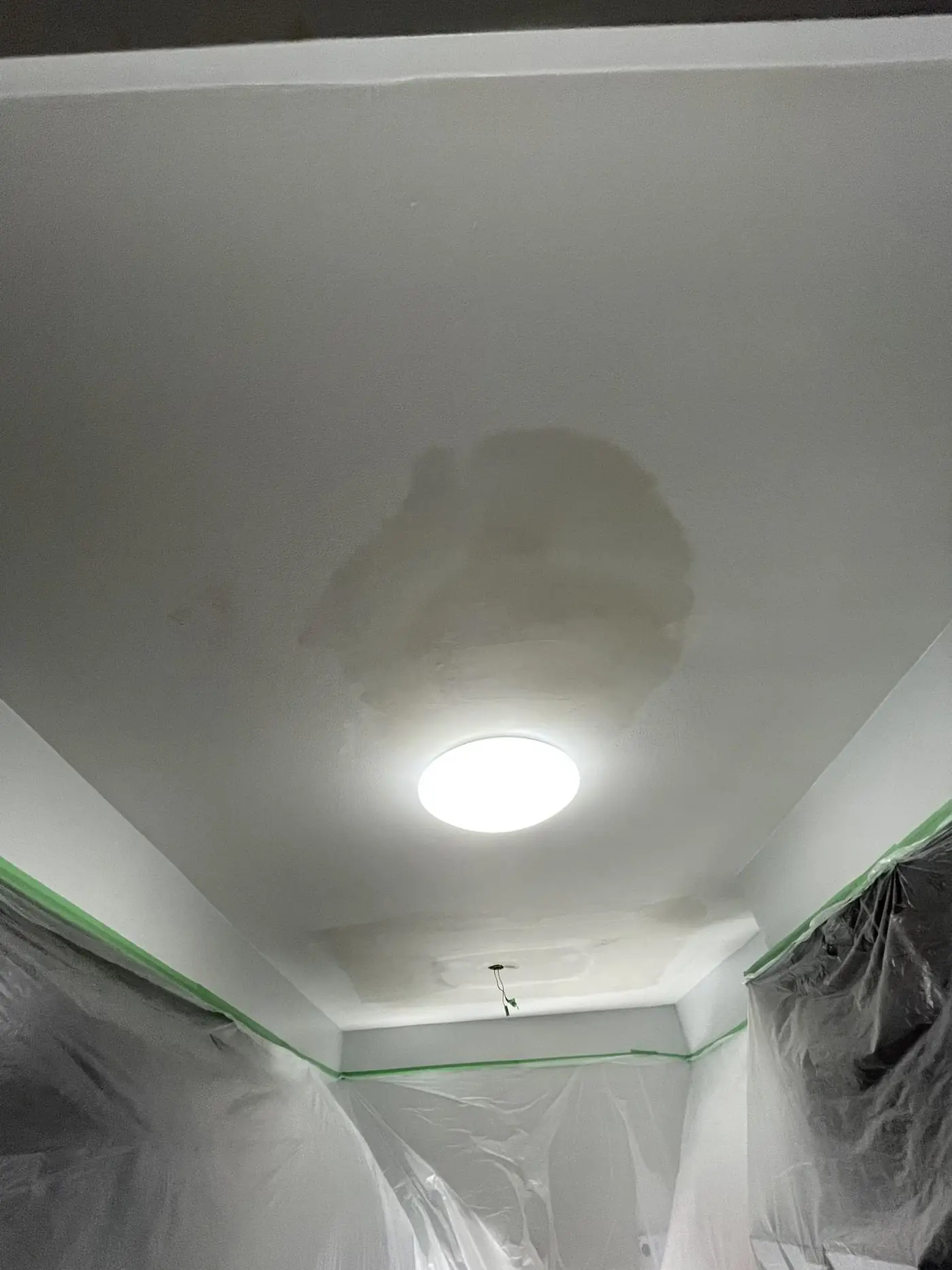
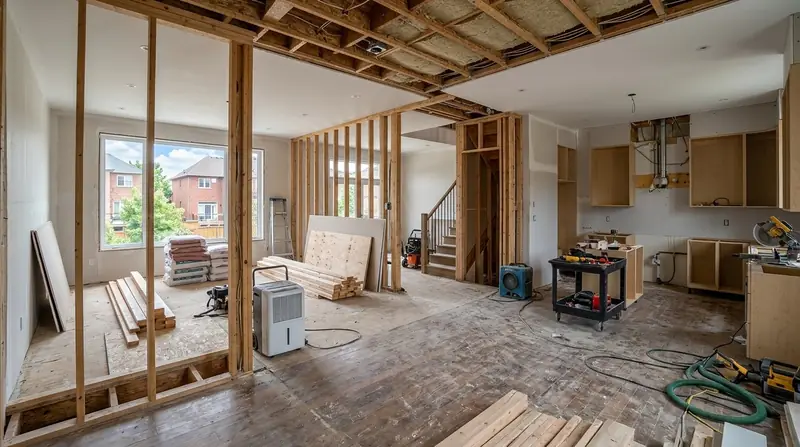
Our job in Scarborough: kitchen protected before a water-damaged ceiling was repaired. - Drying, cleaning, and remediation
- Water & Flood incidents: Pumping and drying begin with industry-grade gear, and moisture mapping ensures hidden dampness is detected and dried to safe levels.
- Mould or hazardous material remediation: Only trained teams isolate the space, remove contaminated material, clean thoroughly, and perform air clearance testing to verify success.
- Restoration to normal function and safety is always the priority, with ongoing verification and documentation.
- Repairs, permits, and handover
- Once specialists declare areas safe and dry, repair and reconstruction proceed under Licensed Trades, always complying with Ontario codes and obtaining proper permits as needed.
- The project manager coordinates tasks, communicates any schedule impacts, and arranges for all necessary inspections before returning the space to you.
- At completion, owners receive clear close-out documentation - detailing completed work, warranty details, and any follow-up instructions.
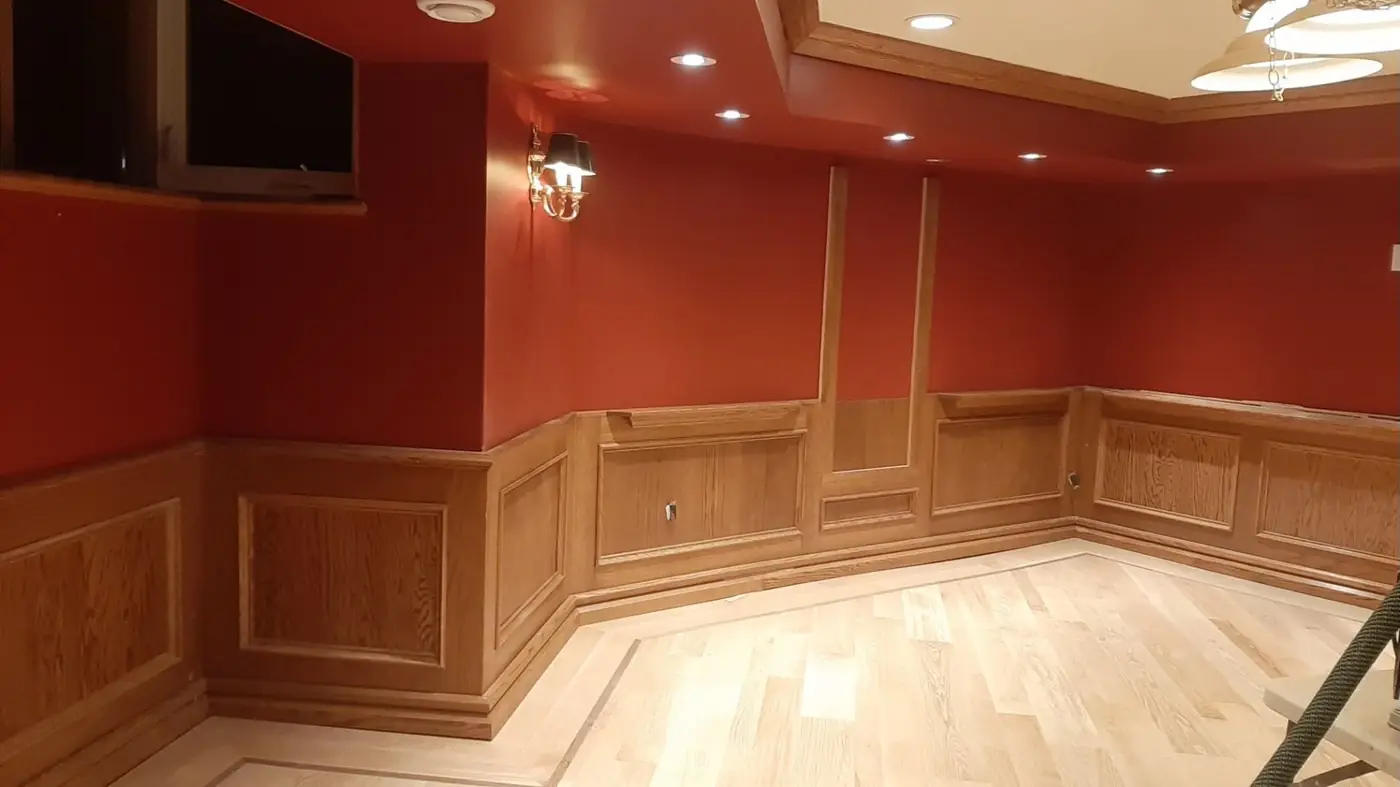
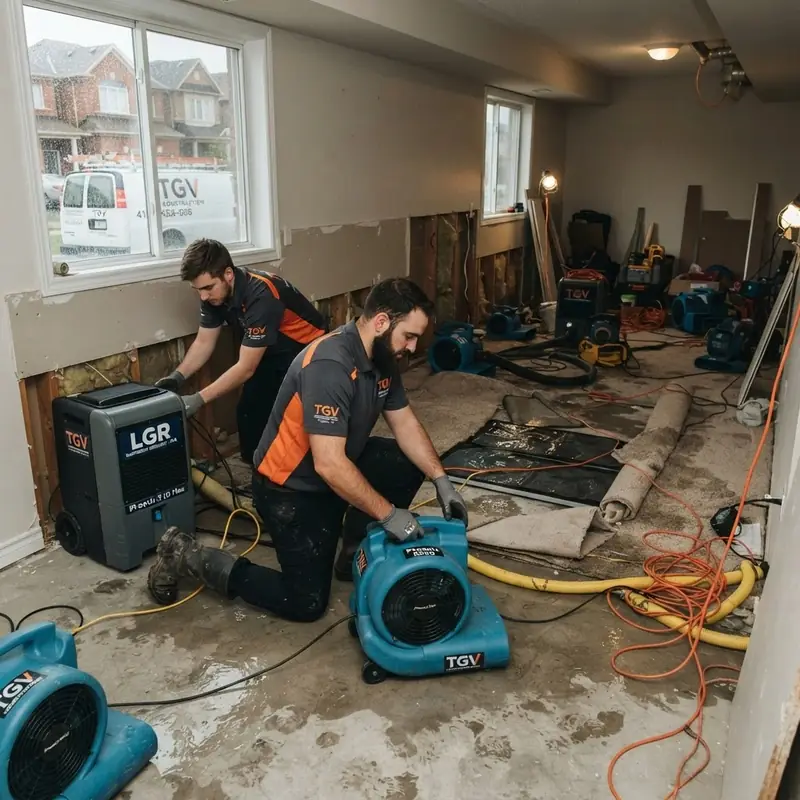
Our job in Pickering: a basement games room restored after a flood.
A company’s track record is a strong indicator of reliability. TGV Construction Group Inc. brings a portfolio of over 300 successful restoration and renovation projects to serve as concrete examples and references of process integrity.
Contract and Payment Safeguards Under Ontario Law
Ontario property owners are protected by consumer protection rules to encourage safe, fair restoration practices. Key safeguards include:
- Mandatory written contracts for projects over $50:
- All significant restoration jobs require a contract with business details, full scope, all prices, payment plans, timelines, warranties, cleanup requirements, and signatures.
- Safe deposit limits and staged payments:
- Ontario law sets no maximum deposit; a common recommendation is 10% or less of the total job amount. Tie further payments to finished milestones or inspection stages, not up-front.
- 10-calendar-day cooling-off period:
- For contracts signed in your home, you can cancel in writing for any reason within 10 days of receiving your copy of the contract. Confirm particulars for your contract.
- Controls on price increases:
- Unless you sign and approve additional work, the final price cannot be more than 10% above a written estimate.
- Any change to the scope or unforeseen contingency should be supported by a signed change order stating updated costs.
Keep all paperwork - signed contracts, amendments, proof of insurance, payment receipts, correspondence - for your protection and future insurance or property resale needs.
Warning Signs to Watch for When Hiring a Restoration Company
Staying vigilant helps you avoid untrustworthy or unqualified providers. Common red flags include:
- Lack of insurance, licences, or WSIB
- Request physical copies. Absence signals risk.
- Demand for large upfront or cash-only payment
- Professional companies follow deposit best practices and provide official receipts.
- Reluctance to provide written scope or contract
- Steer clear of businesses that will not document agreements in writing.
- No plan for concealed hazards
- A reputable company will pause and invoke professional testing and abatement for mould, asbestos or similar risks before further demolition or repairs.
If any of these indicators appear, seek additional references and do not proceed without satisfactory answers.
Frequently Asked Questions About Choosing a Restoration Company
What should I do immediately after water or fire damage?
Prioritize life safety: evacuate the premises if unsafe, contact emergency services if needed, then document damage with photos and call your insurance company before hiring for major restoration.
Do I need to contact my insurer before hiring?
Yes, always. Your insurer may require an on-site inspection or have rules about who can authorize restoration. Consult your provider to avoid coverage issues.
How many restoration estimates should I obtain?
While emergencies may require instant action, try to obtain at least three detailed written estimates for scope and price comparison before committing to significant work.
How is asbestos or mould handled safely during restoration?
Under Ontario's asbestos regulation (O. Reg. 278/05), suspect materials must be tested or treated as asbestos and removed only by trained workers with proper containment. Mould is removed by trained crews behind containment, following recognized remediation guidelines. Never permit unqualified personnel to disturb these materials.
Can I choose my own restoration company for an insurance claim?
In most cases, you may select your contractor provided they are licensed, insured, and able to meet insurer requirements. Clarify this with your adjuster for your policy.
For further questions or to receive guidance tailored to your property situation in the Greater Toronto Area, you are invited to contact TGV Construction Group for your restoration needs.
This information is intended as a general reference for Ontario and the GTA. Always consult your local authorities, insurance providers, and certified trades for up-to-date compliance before authorizing major repairs or hazardous material intervention.