
Property owners across Ontario and the Greater Toronto Area (GTA) regularly deal with indoor moisture. Left unchecked, moisture can damage building structures, reduce comfort, and cause ongoing indoor air quality problems. One of the most common moisture-related issues is mould, spelled “mold” in the United States. Preventing and dealing with mould depends above all on controlling moisture, so understanding the connection between water, humidity, and mould is essential for both prevention and successful remediation. This Canadian-focused guide explains how to identify, prevent, and handle mould, and when to bring in a professional.
TGV Construction Group Inc., a trusted construction company serving residential and commercial clients in the GTA and across Ontario, provides general contracting, emergency mitigation, and restoration services. With a commitment to quality, safety, and customer satisfaction, our team handles everything from minor leaks and isolated mould to large-scale restoration projects. Use this guide to protect your property, keep your home healthy, and know when to call for qualified help.
Understanding Mould and Why Moisture Control Matters
Mould is a naturally occurring fungus. Outdoors, it’s part of normal ecological processes, but indoors it can damage building materials and, for some people, contribute to respiratory symptoms and discomfort. Not all mould is visible, so spotting early signs and controlling excess moisture is critical for the long-term health of your home.
What Is Mould, and Why Does It Matter?
- Mould needs moisture to grow. Excess indoor moisture from leaks, floods, or high humidity lets spores settle and multiply on many surfaces.
- Health: Mould doesn’t always cause health problems, but it can affect people with sensitivities, allergies, or asthma, and it lowers indoor air quality.
- Your building: Mould feeds on the materials it grows on, leading to stains, odours, and sometimes structural damage if left unchecked.
Where Mould Commonly Grows
Knowing the high-risk areas is your best defence against hidden growth:
- Basements and crawlspaces: Often damp, especially with poor ventilation or water seepage.
- Bathrooms: Grout, tub and shower surrounds, and areas behind fixtures exposed to steam or condensation.
- Kitchens and laundry rooms: Spaces with plumbing, steam, or inadequate ventilation.
- Attics and roof spaces: Areas affected by roof leaks, poor insulation, or ice dams.
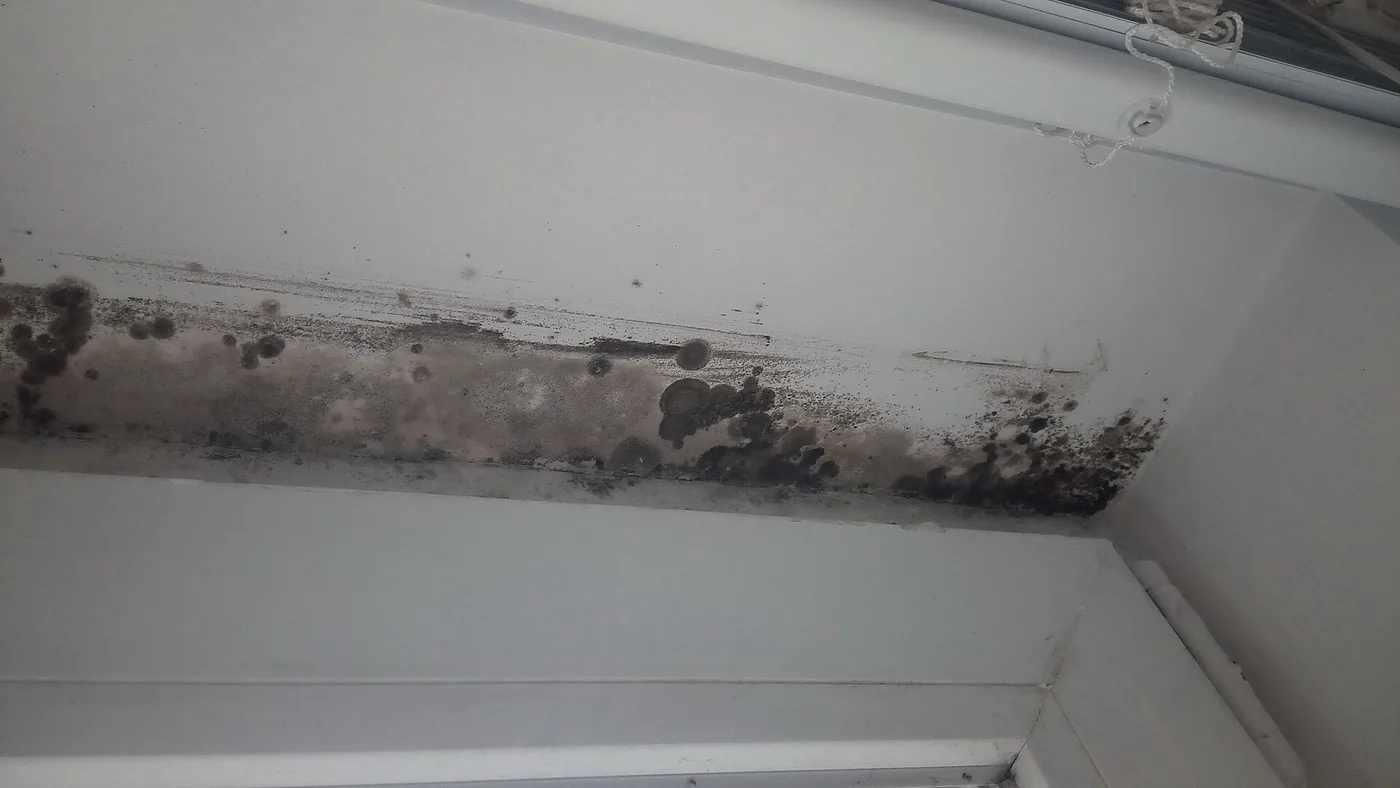
- Windowsills and frames: Places with frequent condensation, flaking paint, or cold spots.
- Behind or under furniture and storage: Especially items placed against exterior walls or left undisturbed for long periods.
- Garages and utility rooms: Often-overlooked spaces with changing temperatures and humidity.
Signs to Watch For
Watch for these clues that mould may be present:
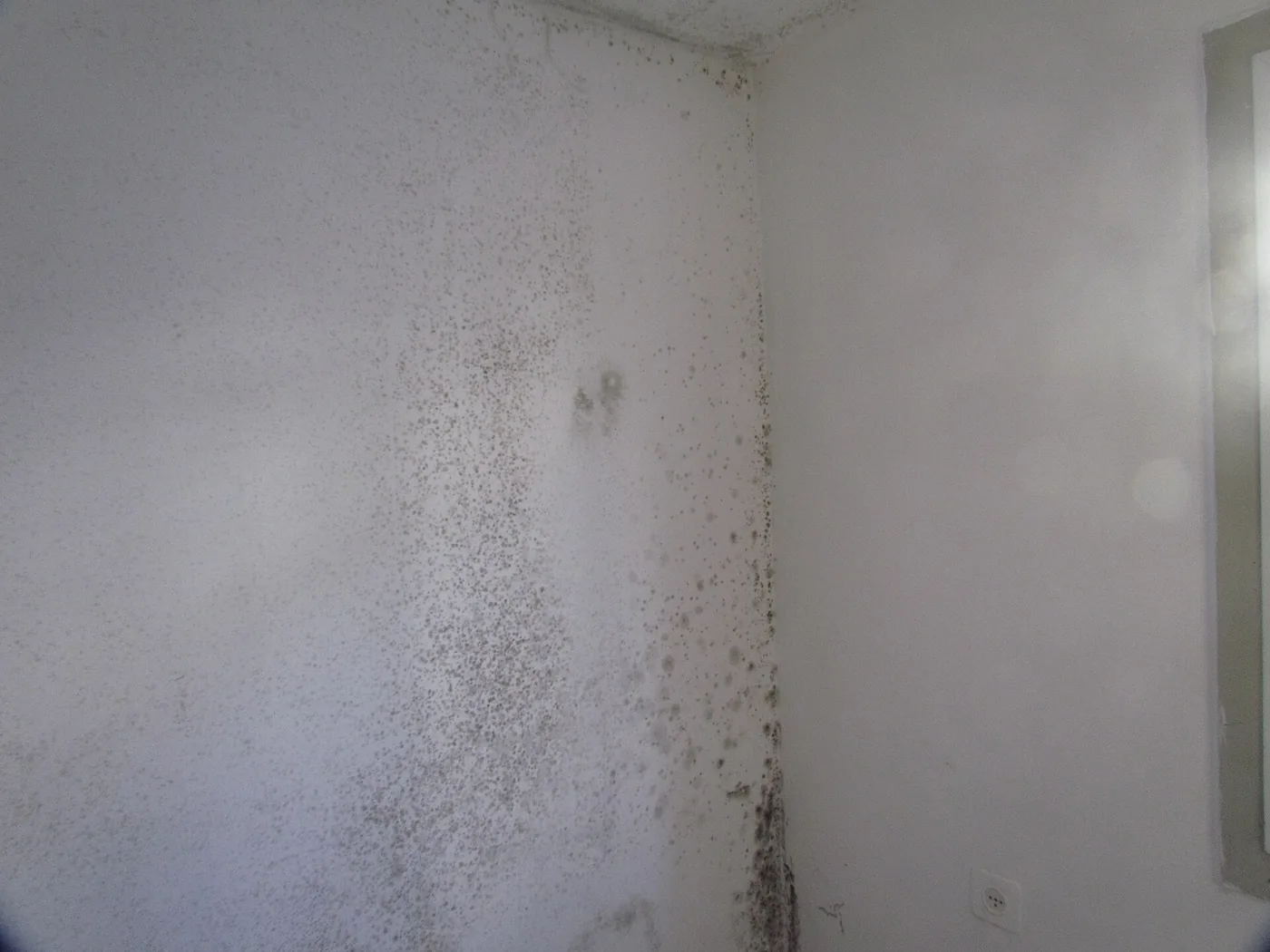
- Discolouration: Black, brown, green, white, or yellow patches on walls, ceilings, floors, or belongings.
- Water stains and peeling paint: Signs of past or ongoing leaks and a higher risk of hidden growth.
- Condensation: Water droplets on windows, pipes, or walls, especially in cold weather.
- Musty or earthy odours: Even without visible mould, a persistent unpleasant smell is worth investigating.
- Persistent dampness: Surfaces that stay wet after rain or plumbing use.
If you’re not sure whether marks or odours are mould or something else, start by controlling moisture and watch for changes.
How to Prevent Mould in Your Home
Preventing mould means keeping indoor moisture under control and dealing with water before it causes damage. The GTA’s freezing winters and humid summers make year-round vigilance necessary.
Keep Indoor Humidity Between 30% and 50%
- Monitor humidity with a hygrometer, aiming for 30% to 50%.
- Use dehumidifiers in basements and during humid months.
- Run air conditioning to remove moisture from the air during hot weather.
- Ventilate well in all living and utility spaces.
Use Exhaust Fans in Kitchens and Bathrooms
- Make sure exhaust fans vent outdoors, not into the attic or crawlspace.
- Run fans during and for at least 20 minutes after showers, cooking, or laundry.
- Inspect, clean, and repair fans and vents regularly to keep airflow strong.
- Consider upgrading older fans or adding ventilation in high-use areas.
Maintain Plumbing and Roofing to Prevent Leaks
- Fix leaks from pipes, fixtures, and appliances right away. Small drips can cause big problems over time.
- Check your roof and attic each season for signs of water entry or ice damming.
- Clean and check eavestroughs and downspouts every spring and fall, and extend downspouts at least 1.8 metres (6 feet) from the foundation.
- Grade the soil so it slopes away from the foundation and water doesn’t pool near the basement.
- Repair or replace damaged exterior caulking and sealants as part of seasonal maintenance.
Regularly Inspect Moisture-Prone Areas
- Check basements, storage rooms, and closets for water stains or musty smells.
- Keep boxes and fabrics off the floor and away from exterior walls, especially in unfinished areas.
- Look around windows for condensation, flaking paint, and soft or warped wood.
- Make sure dryer vents, HRVs or ERVs, and other mechanical systems are working and venting properly.
Local tip: Ontario’s humid summers and rapid freeze-thaw cycles increase the risk. Inspect after major storms and snowmelt, or any time you notice unusual moisture.
When Materials Get Wet: Immediate Steps to Reduce Mould Risk
Acting quickly after water exposure can be the difference between a simple cleanup and a major remediation.
- Stop the source. Shut off the water, repair the leak, or deal with the flooding as soon as possible.
- Remove standing water. Use mops, wet/dry vacuums, and towels to get water out quickly.
- Move wet belongings. Take wet rugs, furniture, and boxes out of the affected area to a dry, well-ventilated space where you can assess them.
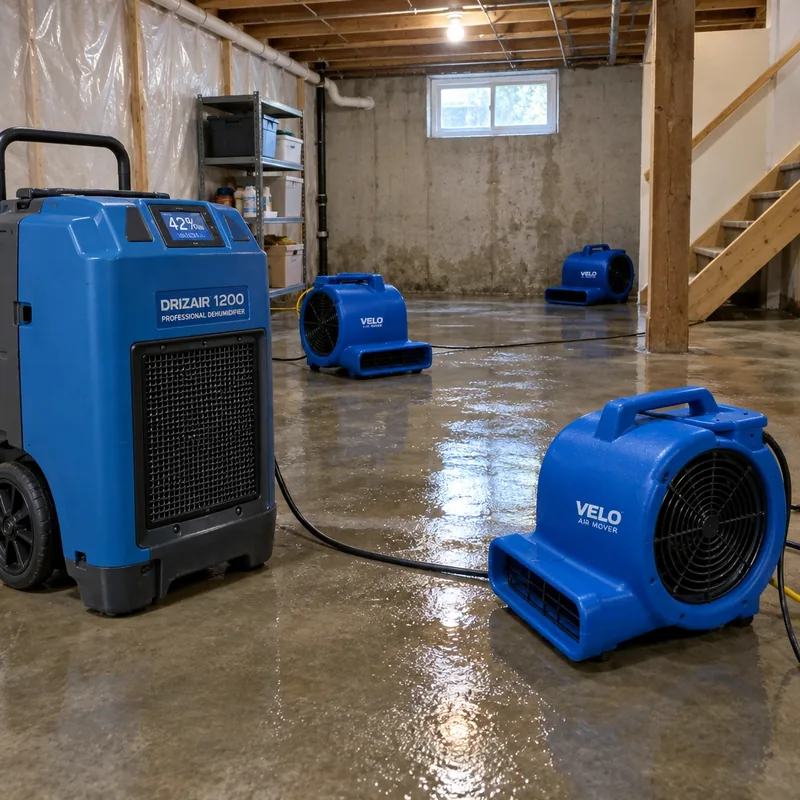
- Dry all surfaces within 24–48 hours. Use fans, dehumidifiers, and open windows when the weather allows. A portable heater can also help in cool, damp weather. For deep or widespread saturation (such as flooding or a burst pipe), consider calling professionals to speed up drying and assessment.
Decide what can be saved.
- Hard, non-porous surfaces (tile, stone, sealed floors, metal, plastic) can usually be cleaned and dried effectively.
- Porous materials (drywall, insulation, ceiling tiles, unsealed wood, carpet) should be removed and replaced if they’re still wet after 48 hours or show visible mould.
The 24–48 hour window is a guideline, not an absolute. Dry as quickly as you can, and if more time has passed, keep drying and assess each material carefully rather than giving up on it.
Safely Cleaning Small Mould Patches Yourself
Not all mould requires professional remediation. Small spots, generally less than 1 square metre (about 10 square feet) on hard, wipeable surfaces, can be handled by most homeowners with the right precautions.
Preparation and Personal Protective Equipment (PPE)
- Keep children, pets, and anyone with respiratory conditions away during cleanup.
- Wear:
- Disposable gloves
- A well-fitting N95 or equivalent mask
- Protective goggles
- Long sleeves, long pants, and closed shoes (wash your clothes afterward)
Close off the area: shut the doors, seal it with plastic if possible, and ventilate to the outdoors.
- Don’t dry-brush, sand, or otherwise disturb mould with tools that raise dust.
Cleaning Hard, Non-Porous Surfaces
- Mix water with a mild detergent (dish soap works well).
- Wipe the surface thoroughly with a sponge or cloth. On drywall, use a lightly damp cloth and avoid over-wetting.
- Rinse if needed, then dry completely with towels or a fan.
- Bag and dispose of used materials and PPE, then wash your hands and clothing promptly.
Don’t use bleach or harsh chemicals for small cleanups. Health Canada recommends a mild detergent to avoid unnecessary exposure for occupants. Bleach can discolour surfaces and create fumes without working any better on routine household mould.
When to Remove Instead of Clean
- Remove and discard carpet, drywall, insulation, cardboard, or fabric that stayed wet or shows mould after drying.
- If valuable or unique finishes are affected, ask a qualified restoration professional whether they can be saved.
Never paint, caulk, or cover up mould-stained areas. Clean or remediate first, then finish.
When to Call a Professional for Mould Remediation
Some situations go beyond what’s safe for a homeowner to handle. Professional remediation is especially important for larger or more complicated problems.
Signs You Need Professional Help
- Larger areas: Mould covering more than about 1 square metre should be approached with extra care, and anything over 3 square metres, entire wall sections, or multiple rooms calls for a professional.
- Recurring mould: Mould that keeps coming back despite regular cleaning.
- Hidden or hard-to-reach growth: Inside walls, above ceilings, under floors, or in HVAC ductwork.
- Structural damage: Water affecting framing, building systems, or load-bearing areas.
- Vulnerable occupants: People with significant health sensitivities or weakened immune systems living in the home.
Fix the Moisture Source for Lasting Results
No remediation lasts unless the underlying source of water or humidity is fixed. Professionals start by finding and correcting how moisture is getting in, which may involve thermal imaging, a building envelope inspection, or specialized moisture measurement.
Questions to Ask a Remediation Company
- How will you find and fix the source of moisture?
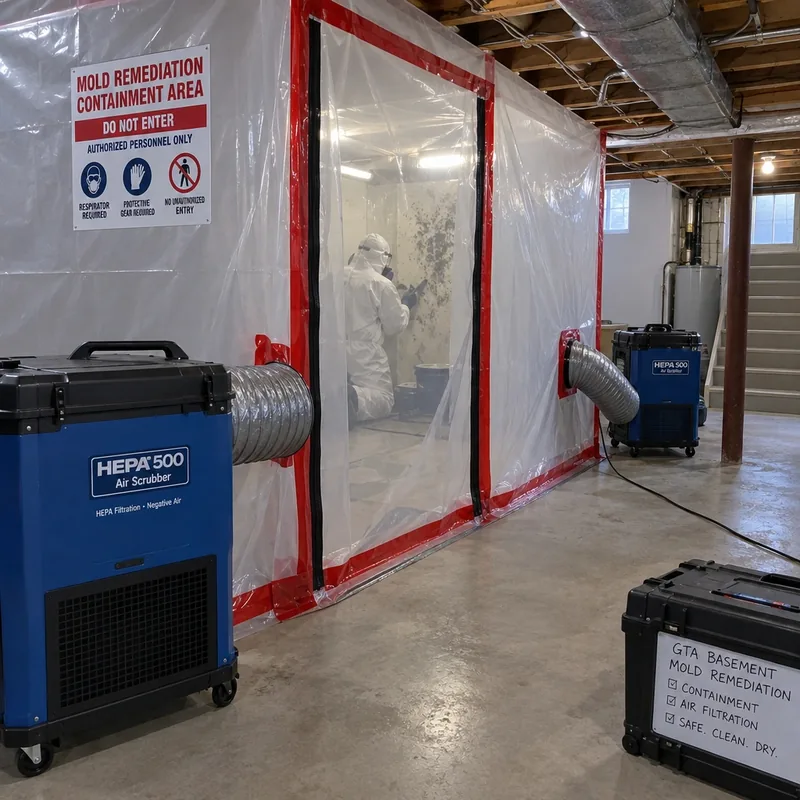
- How will you contain the work area so spores don’t spread to other parts of the building?
- Will all contaminated materials be fully removed, and what can be safely saved?
- How will you confirm the space is safe to reoccupy when the work is done?
- Will you manage or coordinate the restoration work, such as replacing drywall or flooring?
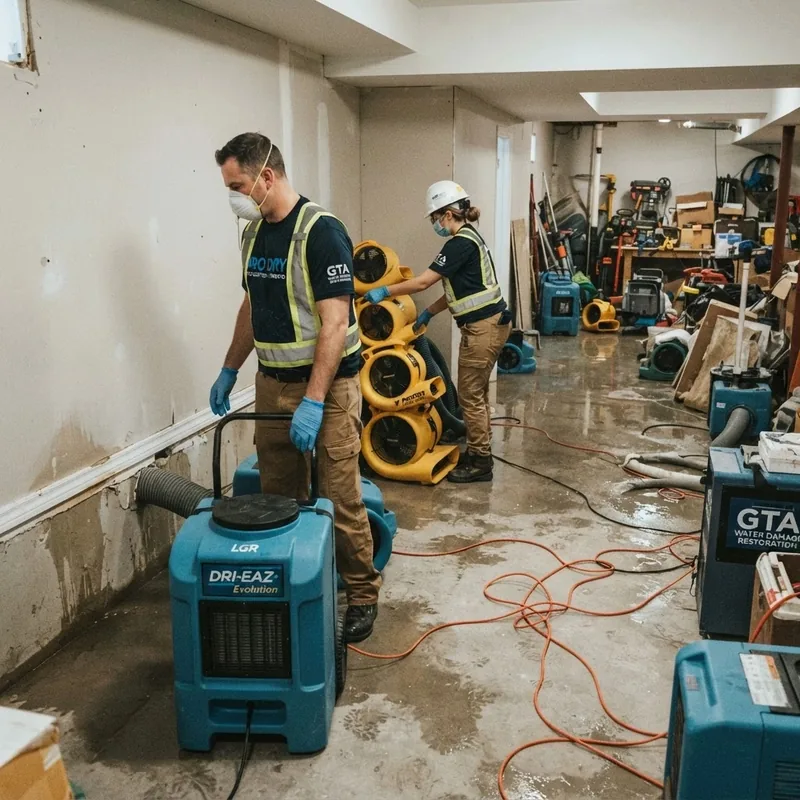
TGV Construction Group Inc. provides emergency mitigation and restoration services throughout the GTA and Ontario, including complete assessment, containment, removal, and post-remediation restoration.
For urgent or extensive situations, 24/7 emergency restoration and mitigation limits damage and speeds recovery. You can also request a quote for remediation or renovation for personalized service.
This guide contains general information and is not a substitute for medical, legal, or engineering advice. Always consult qualified professionals if health concerns, complex damage, or insurance are involved.
Common Mould Prevention and Remediation Mistakes
Avoiding these common mistakes helps ensure safety and lasting results:
- Cleaning visible mould without fixing the moisture source. The mould will come back until the root cause, such as a leak, seepage, or condensation, is resolved.
- Waiting too long to dry materials after water exposure. Mould can take hold in as little as 24–48 hours.
- Using bleach unnecessarily or mixing cleaning chemicals, which can create dangerous fumes.
- Painting or caulking over mouldy or damp surfaces without proper cleaning and drying. Stains and odours will quickly return.
- Ignoring ventilation and drainage problems such as blocked eavestroughs, broken exhaust fans, or poorly placed downspouts.
- Leaving absorbent items (clothing, paper, cardboard) on damp floors in basements, attics, or crawlspaces.
A proactive, informed approach leads to better results and a healthier home.
Seasonal Prevention Checklist
- Check under sinks and around toilets, tubs, dishwashers, and laundry equipment for leaks or drips.
- Inspect windows and sills for condensation, flaking paint, or damp spots.
- Check basements, crawlspaces, garages, and attics for musty smells, stains, or dampness.
- Confirm that bathroom and kitchen fans and dryer vents exhaust directly outdoors and work properly.
- Clean eavestroughs and downspouts every spring and fall, making sure downspouts discharge at least 1.8 metres (6 feet) from the foundation.
- Check humidity regularly with a hygrometer, and adjust dehumidifier or ventilation use as needed.
- Store paper, clothing, and cardboard off the floor and away from basement and foundation walls.
- Inspect your whole home after major storms, heavy rain, or construction work.
What to Do in Common Mould Situations
Situation | Recommended Step |
Small patch on a hard, cleanable surface | Fix the moisture source, clean with detergent and water, and dry completely |
Wet or mouldy porous items (carpet, drywall, fabric) | Assess and dry if possible; remove and dispose of anything that can’t be dried or cleaned |
Large, recurring, or hidden growth | Contact a mould remediation specialist |
Flooding, major water intrusion, or structural damage | Stop the water, start drying, and call for professional restoration |
Frequently Asked Questions
What are the early signs of mould?
Stains, black or green marks, patchy surface changes, bubbling paint or wallpaper, and persistent musty odours. Dampness in storage areas, closets, or under carpet is also a warning sign.
What indoor humidity level should I aim for?
Keep indoor humidity between 30% and 50% for most of the year. Use dehumidifiers or fans during humid periods, and watch for condensation on cold surfaces in winter.
How quickly should I dry materials after a spill or leak?
Start drying right away and aim to finish within 24–48 hours. This greatly lowers the chance of mould growing on walls, ceilings, or belongings.
Can I handle minor mould myself?
Yes, for areas under 1 square metre on hard, cleanable surfaces. Use gloves, a mask, and mild detergent with water, dry the area completely, and keep an eye on it for any returning dampness or odours.
Do I need bleach to clean mould?
No. For small household cleanups, mild detergent and water are effective and safer for everyone in the home.
When should porous materials be removed?
If carpet, drywall, insulation, or fabric is still damp after two days or shows visible mould, removing and replacing it is generally safer than trying to clean it.
Do I need mould testing before cleaning?
Usually not for homeowner cleanups. If mould or a musty smell is obvious, fixing the moisture problem and removing the growth is the most practical first step.
Do I need professional help for recurring or hidden mould?
Yes. If you can’t find the source, cleaning never solves the problem, or growth spreads beyond one area, it’s time for qualified help.
How can I keep mould from coming back?
Fix the underlying water or humidity source, and keep monitoring previously affected areas for moisture. Prevention is ongoing.
Is it safe to paint over a cleaned surface?
Only once the surface is completely clean, dry, and free of any remaining contamination.
For more prevention tips and restoration advice, see our restoration insights and tips.
Get Help with Mould and Moisture Problems
If you’re in the GTA or elsewhere in Ontario and need experienced help with property restoration, water damage, or mould remediation, contact TGV Construction Group for an assessment or request a quote for remediation or renovation. Professional service, clear project management, and 24/7 emergency support are available at (905) 669-2727 to protect your building’s long-term health and safety.
This guide is for general information only and is not health, legal, or insurance advice. When in doubt, consult a qualified expert.