Major property damage from fire, flooding, storms, or structural failures can disrupt your life and impact the value of your home or business. Prompt, informed action is essential not only for your safety but also for protecting your financial interests and ensuring a smooth road to recovery. In the Greater Toronto Area and throughout Ontario, large loss events require clear coordination and practical decision-making, along with guidance from skilled professionals who understand the nuances of local codes and insurance procedures.
Since its founding in 2017 by Tamara Gavrilenko, TGV Construction Group Inc. has completed over 200 Residential & Large Loss restoration projects, establishing a reputation for trusted General Contracting, Emergency Mitigation, and Restoration services. Our Ontario-based team is committed to supporting homeowners and commercial property managers at every stage of a large loss event, balancing technical precision with care and empathy for clients facing high-stress circumstances. Learn more about our company history, values, and local market expertise by visiting About TGV Construction Group Inc.
Managing a large loss property repair involves unique challenges and careful attention to detail. The following guide provides a practical step-by-step overview to help you navigate from emergency response to final inspection across any major property restoration scenario.
Understanding Large Loss Property Repairs
Handling a large property loss requires more than routine renovation or repair. These events demand trained project management, coordination among a variety of professionals, and strict adherence to regulatory requirements.
What qualifies as a large loss in property repairs?
- A large loss typically involves damage extensive enough to exceed routine policy limits or require lengthy, multi-phase repairs and specialized oversight. Projects often demand:
- Immediate emergency stabilization to prevent further damage
- Comprehensive documentation for insurance and municipal authorities
- Involvement of various specialists and consultants
- Structured management from start to full restoration
Common causes of large loss events:
- Fire & Smoke: Destruction to the building’s structure, finishes, and contents, sometimes requiring compliance with new fire and safety codes.
- Water & Flood: Burst pipes, sewer backups, overland flood - each potentially causing concealed water damage, future mold growth, or compromised foundations.
- Wind & Storm: Roof failure, cladding loss, window breakage, uprooted trees, and associated system damage.
- Mold & Asbestos: Environmental hazards often revealed during cleanup or demolition, requiring certified abatement teams and strict health protocols.
- Structural failure: Collapse or severe damage to foundational or load-bearing elements, frequently requiring engineering analysis and rebuilding.
Key terminology to understand:
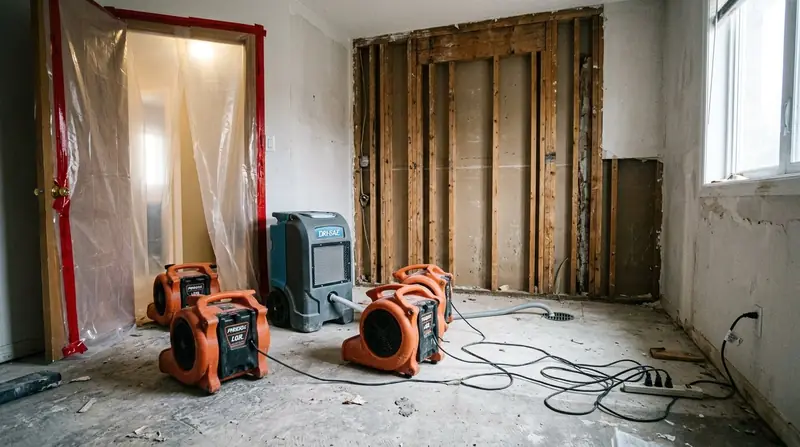
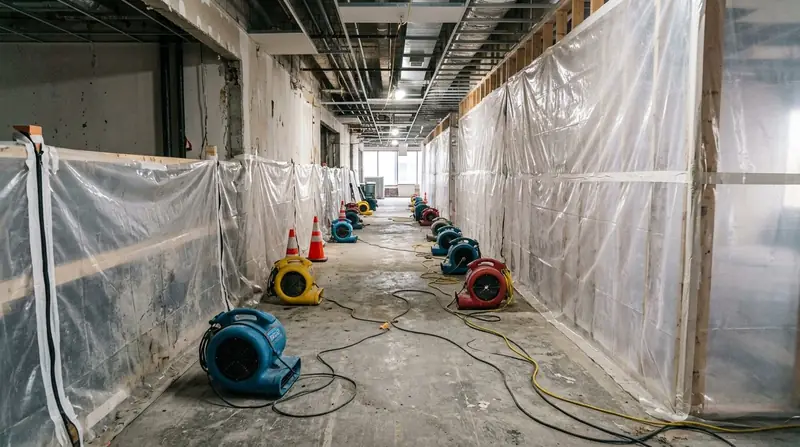
- Mitigation: Urgent actions to prevent additional loss, such as water extraction, boarding-up, or hazardous material assessment. This stage is about stopping problems from worsening.
- Scope of Work: A detailed statement covering exactly what will be repaired or replaced. A precise scope ensures everyone, from adjuster to contractor, shares the same expectations and that all required work is included for coverage.
- Supplements: Additional repairs or upgrades discovered once the work begins, subject to approval by owners, insurers, or adjusters.
- Substantial Reconstruction: Major rebuilding involving upgrades to current code or repairing significant portions of the property - often after fire, flood, or significant structural loss.
Large loss claims require organized communication and management between property owners, insurers, adjusters, restoration experts, engineers, and municipal officials.
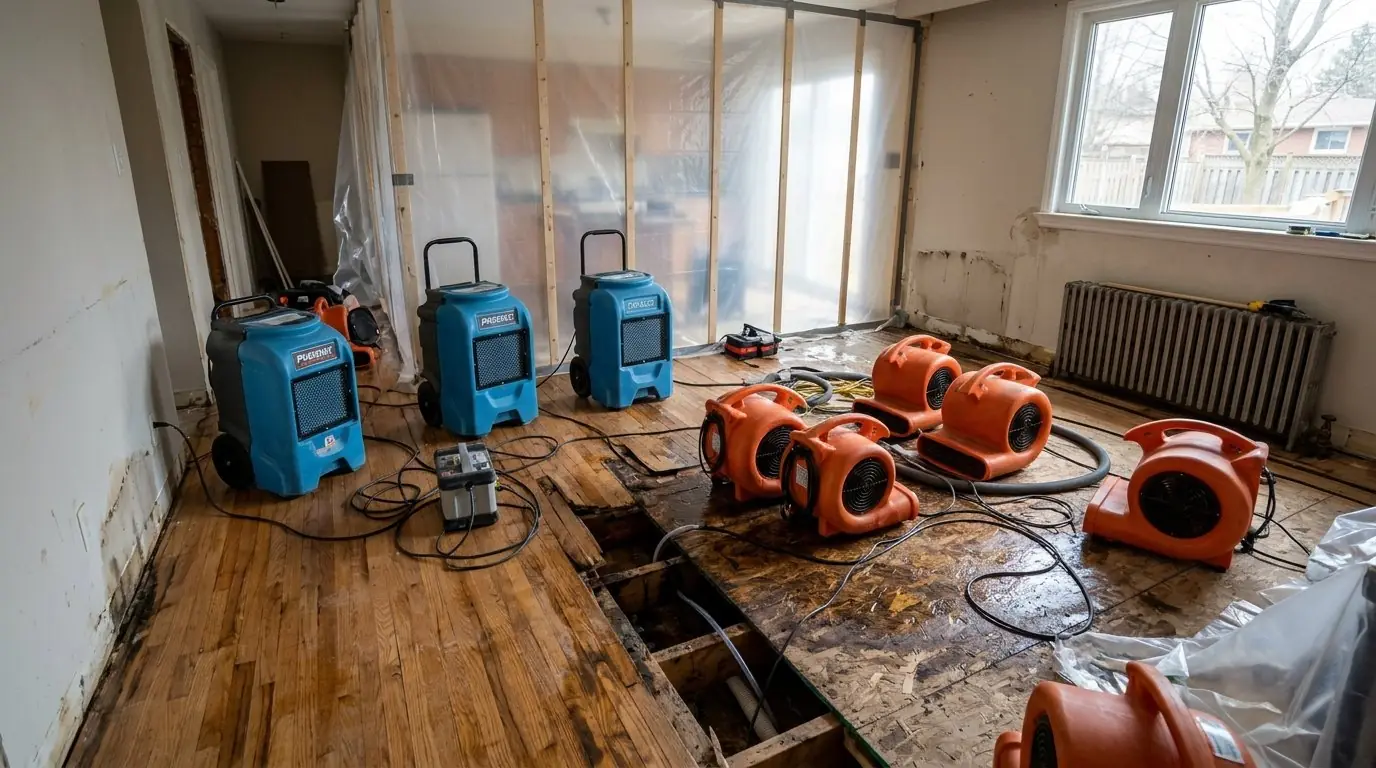
Prioritize Safety and Emergency Stabilization
In the immediate aftermath of major property damage, personal safety and damage mitigation must come first. Initial decisions during these first hours or days can make a difference in both safety and insurance coverage.
Recommended immediate actions:
- Follow instructions from fire, police, and utility officials. Only enter the property if authorized and safe. Structural collapse, gas leaks, electrical hazards, and contaminated water present severe risks.
- Secure the premises against unauthorized entry. Arrange to board up broken windows and doors, lock accessible points, and install temporary fencing as needed. This helps prevent theft and additional problems.
- Identify and avoid hazards. Do not disturb damaged walls, ceilings, or suspect materials - especially if there may be asbestos, exposed wires, or black mould. Only professionals with the correct training and equipment should investigate hazardous zones.
- Contact restoration professionals for emergency stabilization. Fast measures such as roof tarping, water removal, shoring, and hazardous material testing are vital to reduce costs and prevent complications down the road.
Ontario residents can access 24/7 Emergency Restoration and Mitigation Services from experienced teams familiar with local regulations and insurance policies. Early action by a qualified responder helps preserve your property and supports your claim.
Document Damage and Organize Your Claim
Accurate, timely documentation is critical in achieving a fair insurance settlement and a transparent repair process. Good records also support progress for building approvals and contractor selection.
Documentation checklist:
- Capture clear wide-angle and detail photos of all areas affected by the loss before cleanup, when safe. Use date-stamped photos and videos, and document the scene from several angles.
- Keep a master file of all documents, including:
- Communication logs with insurers, adjusters, and contractors
- All estimates, invoices, and receipts
- Copies of submitted forms, permits, and inspection reports
- Material samples, warranty cards, and correspondence regarding approvals or change requests
- Log emergency work performed (dates, tasks, personnel, equipment used, and costs). Clear documentation is essential to validate claims for urgent mitigations and repairs.
- Retain samples of damaged finishes or materials per guidance from your contractor or adjuster (e.g., for proof of loss or forensic inspection).
- Understand inspection and evidence requirements before discarding materials or completing permanent repairs. This approach avoids claim complications and future disputes.
- Seek written guidance from your insurer regarding inspections and approval protocols. Keep every instruction for reference and claim support.
Organized documentation is your best support if a dispute arises or further reviews are necessary.
Develop a Comprehensive Repair Scope and Budget
Planning the repair process starts by differentiating emergency stabilization from the long-term rebuild. New rules in Ontario, including updates to the building code and local permit regulations as of 2026, mean you must anticipate additional review stages and more stringent compliance requirements.
Emergency Mitigation vs. Permanent Repair:
| Repair Phase | Typical Tasks | Key Documentation | Main Participants |
|---|---|---|---|
| Emergency Mitigation | Boarding up, shoring unsafe structures, water extraction, hazardous testing | Photos, logs, urgent work orders | Emergency contractor, insurance, city |
| Permanent Repair & Reconstruction | Engineering, full demolition if required, rebuilding to modern code, final finishes | Permits, inspections, change orders, warranties | Restoration contractor, engineer, inspector, owner |
Key steps in scope and budgeting:
- Clearly separate emergency work from planned reconstruction. Do not mix immediate actions with long-term repairs in your records or contracts.
- Determine if you need specialty consultants. Structural engineers, environmental hygienists, and building envelope experts may be required by law - including in cases involving Mold & Asbestos or Fire & Smoke events.
- Define scope inclusions and exclusions. Make it explicit what is to be demolished, restored, tested, or left untouched. This clarity helps avoid misunderstanding at all stages.
- Familiarize yourself with new code and permit obligations. Ontario municipalities updated requirements in late 2026; always confirm local regulations for plan submissions, licensed sign-offs, and required inspections.
- Plan for adjustments (supplements). Extra repairs or discoveries are common after hidden water, smoke, or structural issues are revealed. Agree in advance how additional work will be approved and funded.
- Consult Project Costs and Budgeting Guides for local benchmarks and practical budget planning.
Thoughtful planning at this stage streamlines claims approval, keeps surprises to a minimum, and helps achieve project completion within expectations.
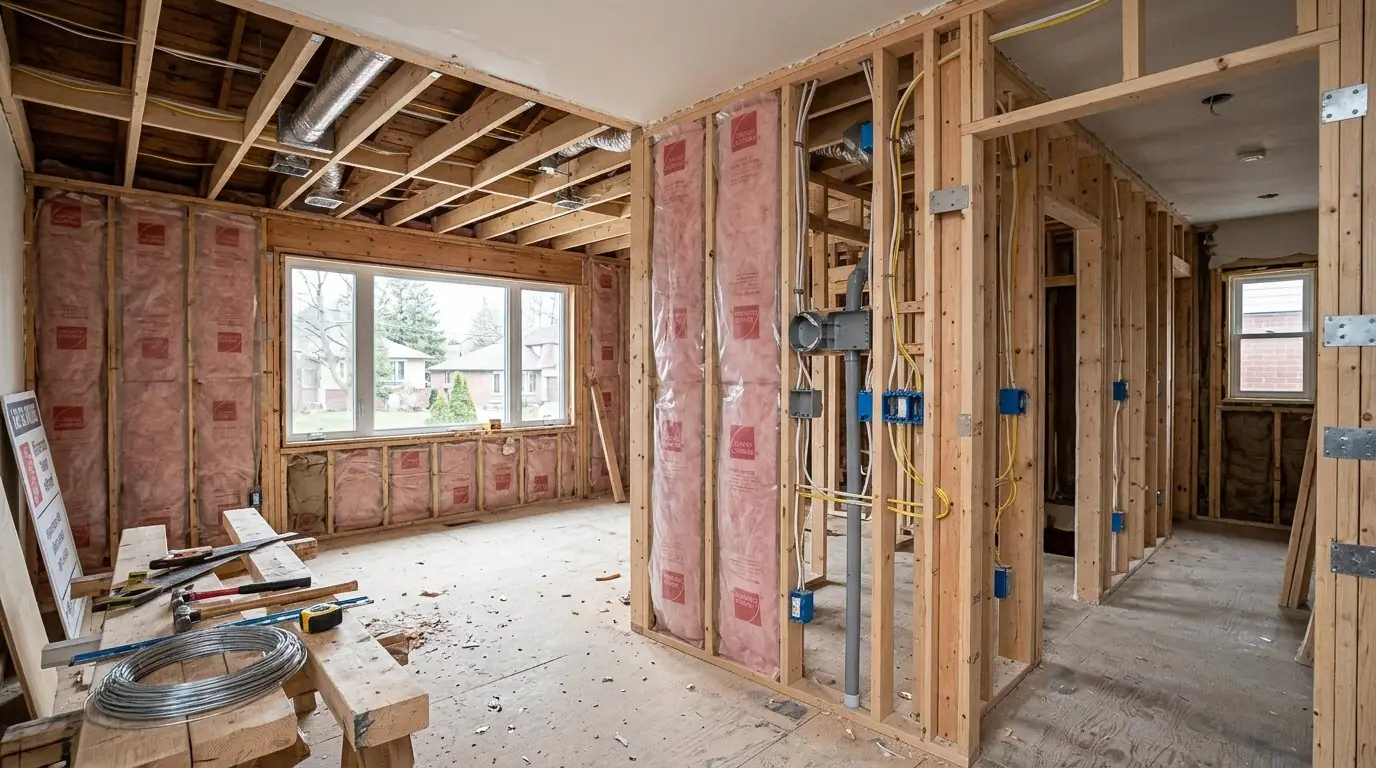
Selecting and Contracting Your Project Team
Choosing the right restoration partner is central to a smooth, timely, and compliant repair process. The complexity of large loss projects requires special skillsets and proven experience.
What to consider when selecting professionals:
- Check all contractor credentials. Insist on proof of insurance, required licenses, and a demonstrated track record in large-loss restoration, not just cosmetic renovations.
- Review contract terms thoroughly. Each contract should specify:
- Detailed scope of work and material choices
- Payment terms matching progress milestones - not large upfront payments
- Timelines for start, progress, and completion
- Procedures for scope changes and dispute resolution
- Clarify authorities for decisions and approvals. Establish in writing who, on your side and your contractor’s, has the power to sign off on materials, scope changes, and budget increases - this is critical in commercial or multi-owner situations.
- Insist on formal, written change orders for all modifications to the original plan, especially those affecting budget or completion schedule.
- Seek experienced providers of Comprehensive General Contracting and Restoration Services who are familiar with Ontario’s unique requirements and can provide references upon request.
A professional project team delivers not just repairs, but peace of mind throughout a stressful recovery.
Managing Repairs, Changes, and Delays
Major property repairs span weeks or months and often surface unexpected discoveries. Clear, ongoing communication is your best defense against confusion, cost overruns, or timeline setbacks.
Maintain momentum and accountability by:
- Scheduling regular project meetings. Record who attends, progress made, decisions resolved, and next steps. Share meeting notes with all stakeholders.
- Double-checking progress against project milestones. Monitor both repair timelines and client/insurer approval windows. Delays often occur from late decisions on finishes or specification changes.
- Keeping a daily site log. Document deliveries, inspections, site safety walkthroughs, and any incidents or weather disruptions.
- Processing scope adjustments properly. All concealed damage or new requirements must be documented with formal change orders and prior approvals.
- Maintaining direct channels with your project lead. Encourage proactive notification of challenges - addressing questions or setbacks quickly helps prevent compounding delays.
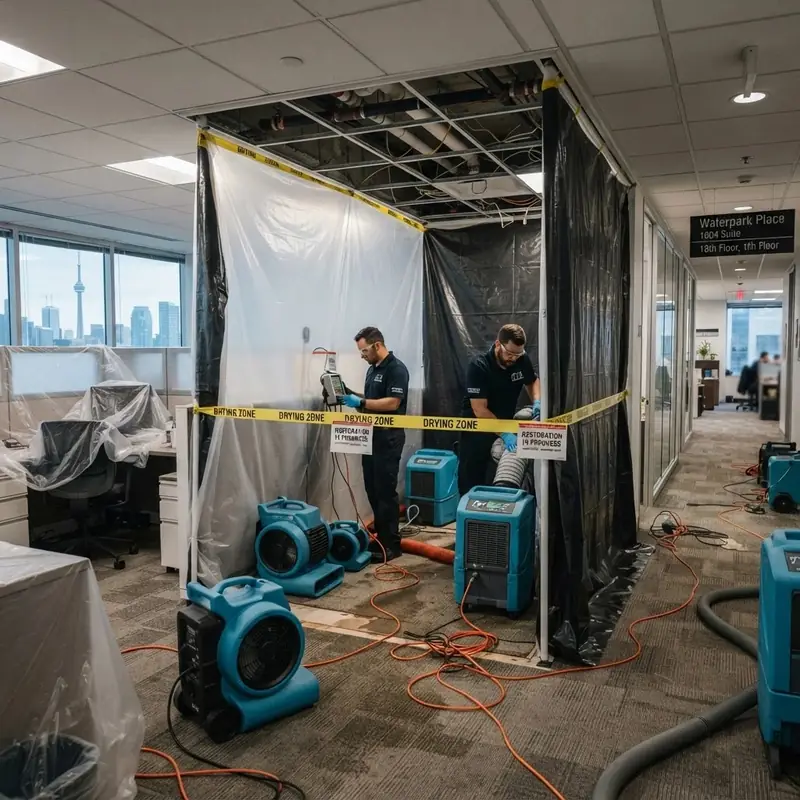
Local case illustration: A commercial property in the GTA experienced major water and smoke damage that forced shutdown of business operations. The project’s success rested on frequent coordination between owners, insurers, and trades, documented weekly meetings, and fast approval for supplement work. This kept the restoration aligned with both code and client requirements, and significantly reduced unexpected downtime.
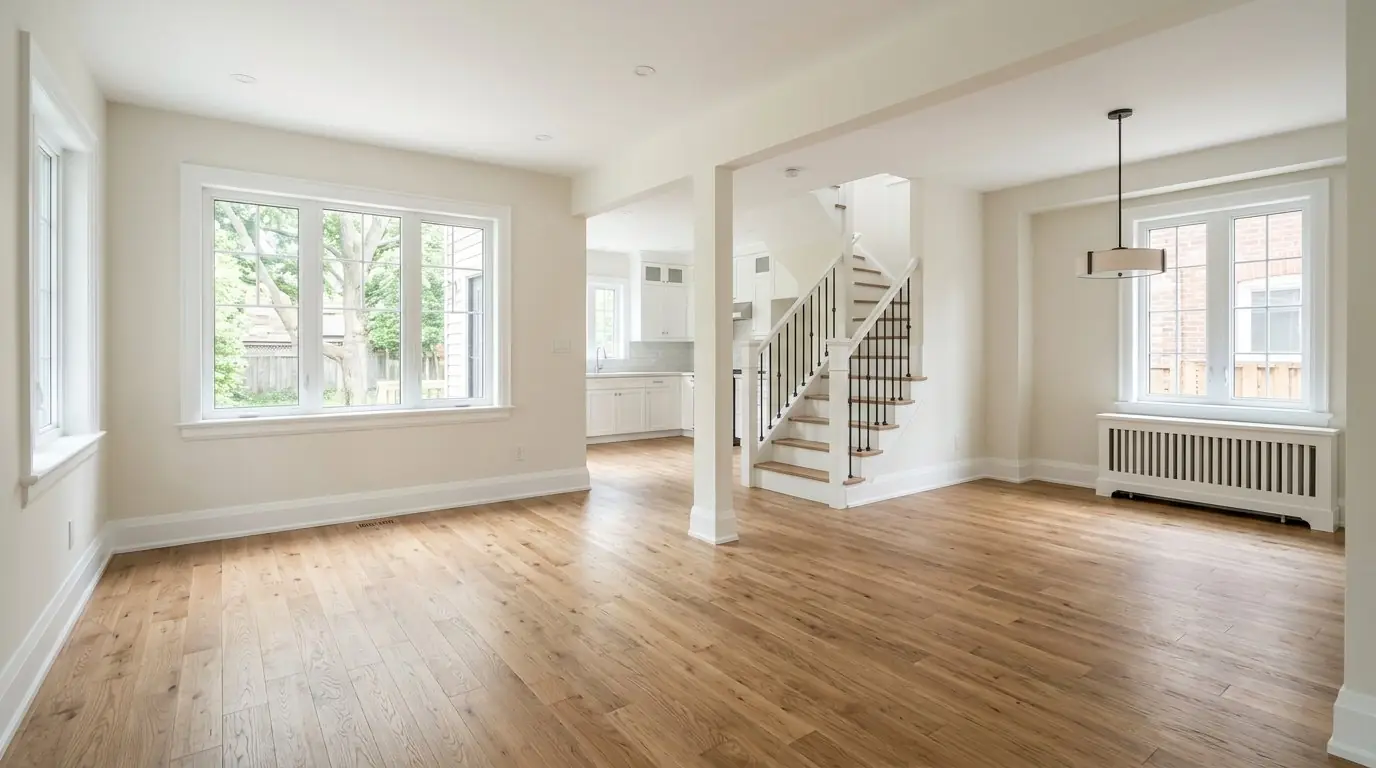
Project Inspection and Closeout
As the repairs conclude, final diligence ensures your property is safe for reoccupation and that all project elements meet agreed standards. Careful attention in this last phase protects your investment and closes out your insurance file.
Project closeout checklist:
- Prepare and review a deficiency list. Document any remaining touch-ups, fixes, or incomplete work.
- Ensure all municipal permits and inspections have been completed and signed off. Secure final approvals and occupancy certificates from local authorities.
- Collect closeout documents: Warranties, operation manuals for new systems, maintenance instructions, and all contractor invoices.
- Request clearance certificates for environmental remediation (such as mold & asbestos abatement) when relevant.
- Verify return of personal or business belongings that were removed for cleaning or storage.
- Do a thorough final walkthrough, checking every item on your scope of work and deficiency list before authorizing project completion or issuing final payment.
Common Mistakes to Avoid in Large Loss Repairs
Mistakes in large loss situations can result in costly delays, denied claims, and ongoing disputes. Guard against the most frequent pitfalls:
- Inadequate documentation of emergency repair work: Without proper records, insurance recovery may be limited. Always keep live logs and photographic evidence.
- Initiating permanent repairs before required inspections: Permitting issues or insurance coverage gaps can arise if work is completed out of order.
- Ignoring updated permit or code requirements: Ontario’s rules as of 2026 require strict assessment. Confirm all legal obligations before starting work.
- Authorizing scope or budget changes informally: Verbal agreements rarely stand up in dispute scenarios. Use signed change orders for every adjustment.
- Delaying decisions on important project details: Late choices for materials, design elements, or access permissions can halt trades and incur rush fees.
Attention to these aspects keeps repairs on time, within budget, and covered under your insurance claim.
Frequently Asked Questions
What qualifies as a large-loss property claim? A large-loss claim involves severe property damage that surpasses normal insurance policy limits or requires comprehensive restoration services and lengthy project management. Events like fires, extensive floods, or major structural collapse often fit this profile.
Can emergency repairs start before a full damage assessment? Yes - urgent actions to prevent further harm (such as boarding up or water extraction) should proceed, provided you document everything with photos, notes, and receipts for insurance validation.
What documents should I keep for my insurance claim? Maintain a central file with:
- Documented photos and videos of all affected areas
- Communications with insurers and contractors
- All repair estimates, contracts, and invoices
- Proof of payment and receipts for every expense
- Required permits, inspection certificates, and warranties
How do I ensure my contractor’s scope aligns with estimates? Ask for a detailed, written scope of work. Make sure inclusions and exclusions are clearly spelled out, and that all tasks required by insurers or local codes are addressed.
Do I always need a building permit for major repairs? Nearly all structural, plumbing, electrical, or significant repair work in Ontario will require a permit. Some cosmetic repairs may not - but always confirm with your municipality, especially under 2026 code changes.
Who approves additional costs due to concealed damage? Approval typically rests with whoever is designated in your contract or insurance agreement - often the owner, insurer, or their authorized agent. Document all approvals in writing before proceeding.
What can I do to avoid project delays? Respond quickly to requests for decisions, maintain easy access to your property, prepare all permit materials in advance, and schedule regular project check-ins for real-time tracking of progress and issues.
How do I confirm completion before signing off on repairs? Participate in a detailed, room-by-room walkthrough, using your deficiency list as a guide. Only sign completion or occupancy releases when every agreed repair or adjustment has been finalized.
This guide is provided for general informational purposes only. It is not intended as legal, insurance, engineering, or construction advice. Requirements may vary by property, policy, and municipality. Always consult your insurance provider, licensed professionals, and local building authority for advice on your specific situation.
For expert assistance, comprehensive project management, and transparent guidance tailored to your property and loss, Request a Free Quote for Your Restoration Project from TGV Construction Group Inc. Our dedicated Ontario team can help you restore your peace of mind and your property - start your recovery today.