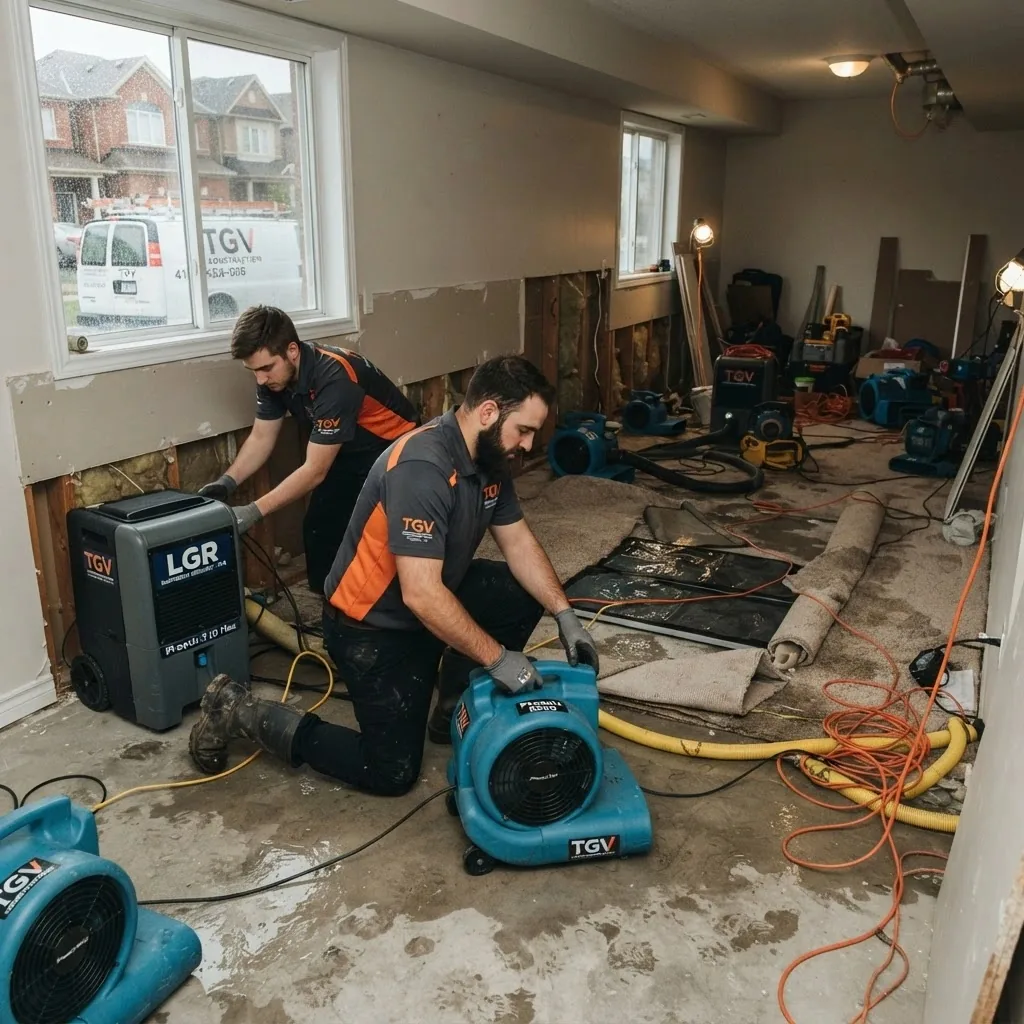
When a flood, fire, or destructive storm strikes, property owners are forced to make urgent decisions that will affect the future integrity, safety, and value of their property. Every minute counts, and the experience and reliability of your restoration partner can shape the outcome for months or even years to come. For homeowners, business owners, and property managers across the Greater Toronto Area and Ontario, TGV Construction Group Inc. offers a rapid, professional, and customer-focused emergency mitigation solution backed by expertise, transparency, and proven results.
Operating in Toronto, Vaughan, Concord, and throughout the region, TGV Construction delivers both immediate containment and long-term property recovery. Since its founding by Tamara Gavrilenko in 2017, the company has built a reputation for clear communication, safety, and a hands-on approach tailored to the unique demands of Ontario properties. When an emergency strikes, trusting your property to seasoned professionals brings peace of mind, reliable results, and a clear path forward.
Understanding Emergency Mitigation
Property emergencies rarely come with instructions. Knowing what emergency mitigation means, and how it fits into the broader recovery process, helps you make timely, confident decisions.
The Difference Between Mitigation, Restoration, and Reconstruction
- Mitigation refers to the immediate actions taken to stop further damage after an incident. This can include extracting floodwater, securing damaged roofs or windows, preventing the spread of contamination, and stabilizing the affected area.
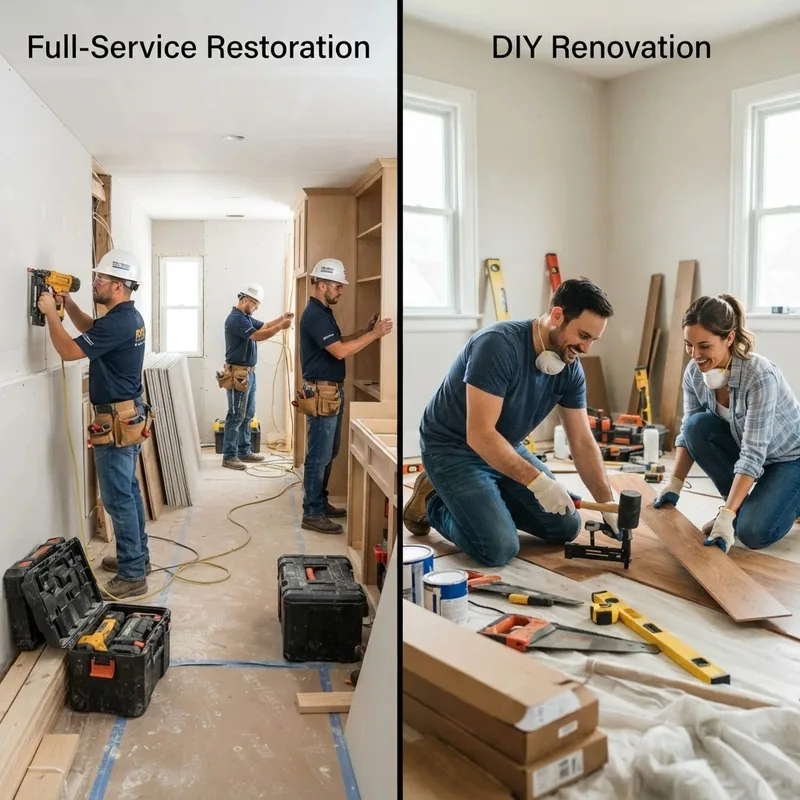
- Restoration begins after mitigation and focuses on cleaning, sanitizing, repairing, and returning the property to a livable or workable condition.
- Reconstruction follows when damaged areas must be completely rebuilt, for example, replacing drywall, floors, or major building elements that are too damaged to restore.
Mitigation is the critical first step in protecting the property and supporting a successful recovery, while limiting loss and the risk of secondary damage.
Typical Emergencies Requiring Mitigation
- Water and flood damage: Burst pipes, overflowing appliances, stormwater entry, or sewer backups can quickly flood floors and walls, threatening structural and electrical safety.
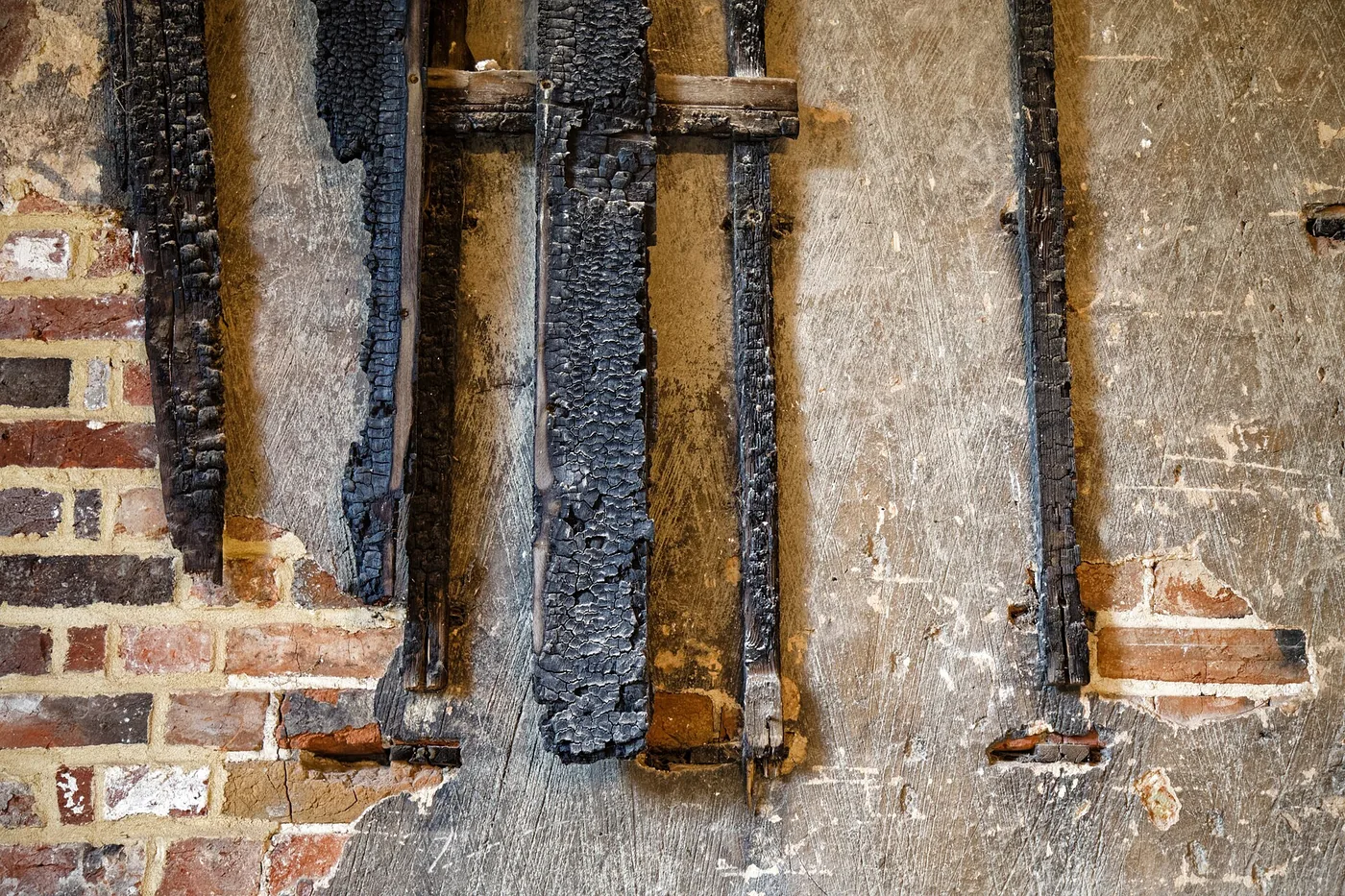
- Fire and smoke incidents: Even quickly extinguished fires leave behind water from firefighting, persistent smoke odour, and hazardous soot that can affect health and building systems.
- Mould and asbestos exposure: Dampness, past leaks, and aging materials, especially in older Ontario homes, can lead to hidden mould or dangerous asbestos that requires skilled, controlled mitigation.
- Wind and storm damage: High winds, heavy ice, or falling trees can breach roofs, windows, and exterior walls. Fast action is needed to keep the elements out and reduce further loss.
- Contaminated water and sewage: Floods involving sewage or contaminated groundwater require careful containment, disposal, and disinfection for health, safety, and code compliance.
Each emergency carries its own risks, so a thorough assessment and a tailored plan are the foundation of effective mitigation.
What Sets TGV Construction Apart
When facing a disaster, property owners need more than a fast response. They need competence, clarity, and accountability. TGV Construction Group Inc. stands out for its dedicated team, established protocols, and deep knowledge of local regulations and property systems.
24/7 emergency response across the GTA and OntarioNo matter when disaster strikes, TGV Construction’s rapid response team is on call, ready to act quickly at any hour.
Expertise from 200+ completed restoration and contracting projectsOver years of service, TGV Construction has restored homes, offices, and commercial sites after every type of emergency. That experience means effective risk mitigation, fewer mistakes, and better outcomes for you.
A highly trained team that follows strict safety and compliance standardsEach technician is trained in health and safety, engineering controls, and current Canadian regulations. The team regularly trains for water, mould, asbestos, and smoke-related hazards, so every project meets provincial and municipal requirements.
Transparent communication and thorough documentation for insuranceProperty emergencies can feel overwhelming. TGV keeps an open dialogue at every phase, explaining procedures, sharing updates, and documenting all work with digital records, reports, and receipts to support your insurance claim.
A customer-centric process that connects mitigation with repair and restorationTGV’s end-to-end approach means the same trusted team can handle everything from damage control through complete restoration. This streamlines your recovery, reduces delays, and ensures quality and accountability throughout.
For more on TGV’s full service offerings and response procedures, see 24/7 Emergency Restoration & Mitigation Services. For company credentials and a closer look at Tamara Gavrilenko’s leadership, visit TGV Construction’s Experience and Leadership.
What to Expect When You Contact TGV Construction
Unexpected disasters call for a calm, systematic, and transparent response. TGV Construction’s process is designed so clients feel informed, supported, and confident from the first call onward.
Step-by-Step Emergency Response
1. Initial safety triage and information gathering on the call
- You’ll be asked about the location, the type of emergency, access to the property, and any immediate dangers.
- Safety guidance is provided if there is a risk from electricity, gas, or chemical exposure.
2. On-site assessment to identify visible and hidden damage
- Trained technicians carry out a thorough inspection, checking for moisture, contaminated air, compromised structures, and secondary hazards.
- Both visible and hidden damage are documented with notes, measurements, and photographs.
3. Prompt mitigation: water extraction, stabilization, and immediate repairs
- Mitigation may include rapid water removal, setting up drying equipment, boarding up or tarping exposed areas, debris removal, decontamination, and containment of hazardous materials.
4. Monitoring the drying process and coordinating restoration
- Moisture levels and air quality are checked continuously.
- Adjustments are made as conditions change to prevent new risks, such as mould growth.
- Plans for further cleaning or repairs are clearly communicated.
5. Ongoing communication and documentation for claims
- All findings, actions, and recommendations are recorded in clear language.
- You receive written logs, photographs, receipts, and summaries to support your insurance claim and guide the next steps.
Emergency Mitigation Workflow at a Glance
Phase | Focus | What Clients Receive |
Initial Contact | Urgency, safety, event details | Fast advice, next steps, safety guidance |
Site Assessment | Full damage review, risk identification | Visual inspection, notes, initial documentation |
Mitigation | Damage limitation, stabilization | Physical response (extraction, drying, cleanup) |
Monitoring and Updates | Verification, problem-solving | Regular reports, transparency throughout |
Final Reporting | Handoff to restoration, documentation | Full records for insurance and future reference |
Clients are kept informed at every stage, with no surprises or hidden costs.
Emergency Mitigation Services Offered by TGV Construction
TGV Construction delivers a comprehensive range of emergency mitigation services that address the full spectrum of property risks common in the GTA and Ontario. See Emergency Mitigation and Restoration Services Details for a full breakdown.
Water Extraction and Structural Drying with Advanced Equipment
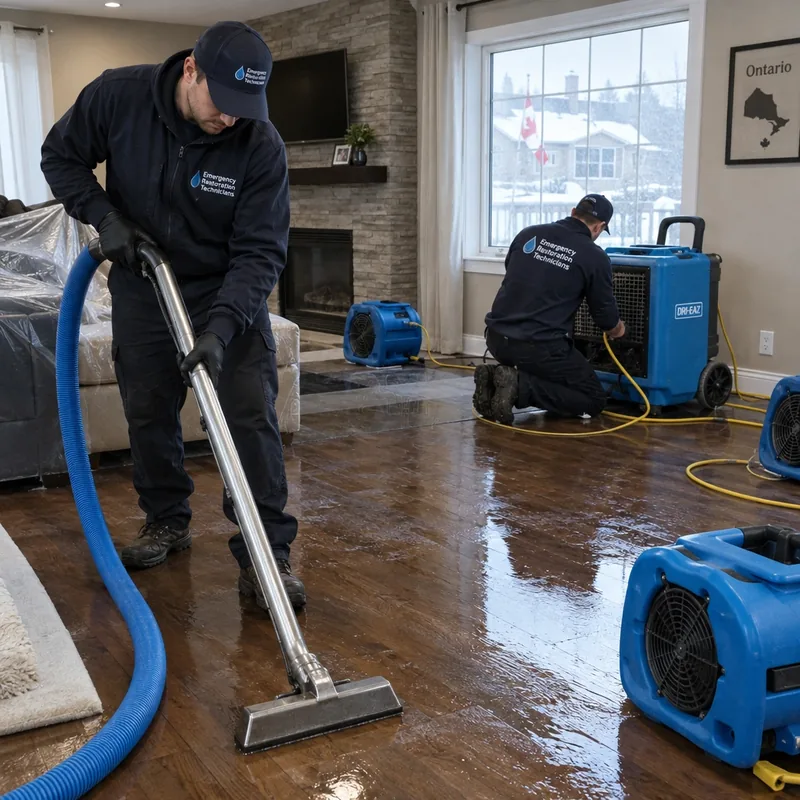
- Rapid water removal using truck-mounted extraction units, mobile pumps, and wet vacuums
- Moisture detection and mapping in walls, floors, and ceilings
- Controlled removal of unsalvageable materials (drywall, insulation, flooring)
- Industrial-grade dehumidifiers and air movers for complete drying
Fire and Smoke Damage Stabilization, Including Odour and Contamination Control
- Assessment and safe removal of fire-damaged debris and belongings
- Isolation and sealing of hazardous zones to protect indoor air quality
- Deodorization and contamination treatment using approved solutions
- Documentation of electrical and structural integrity after the fire
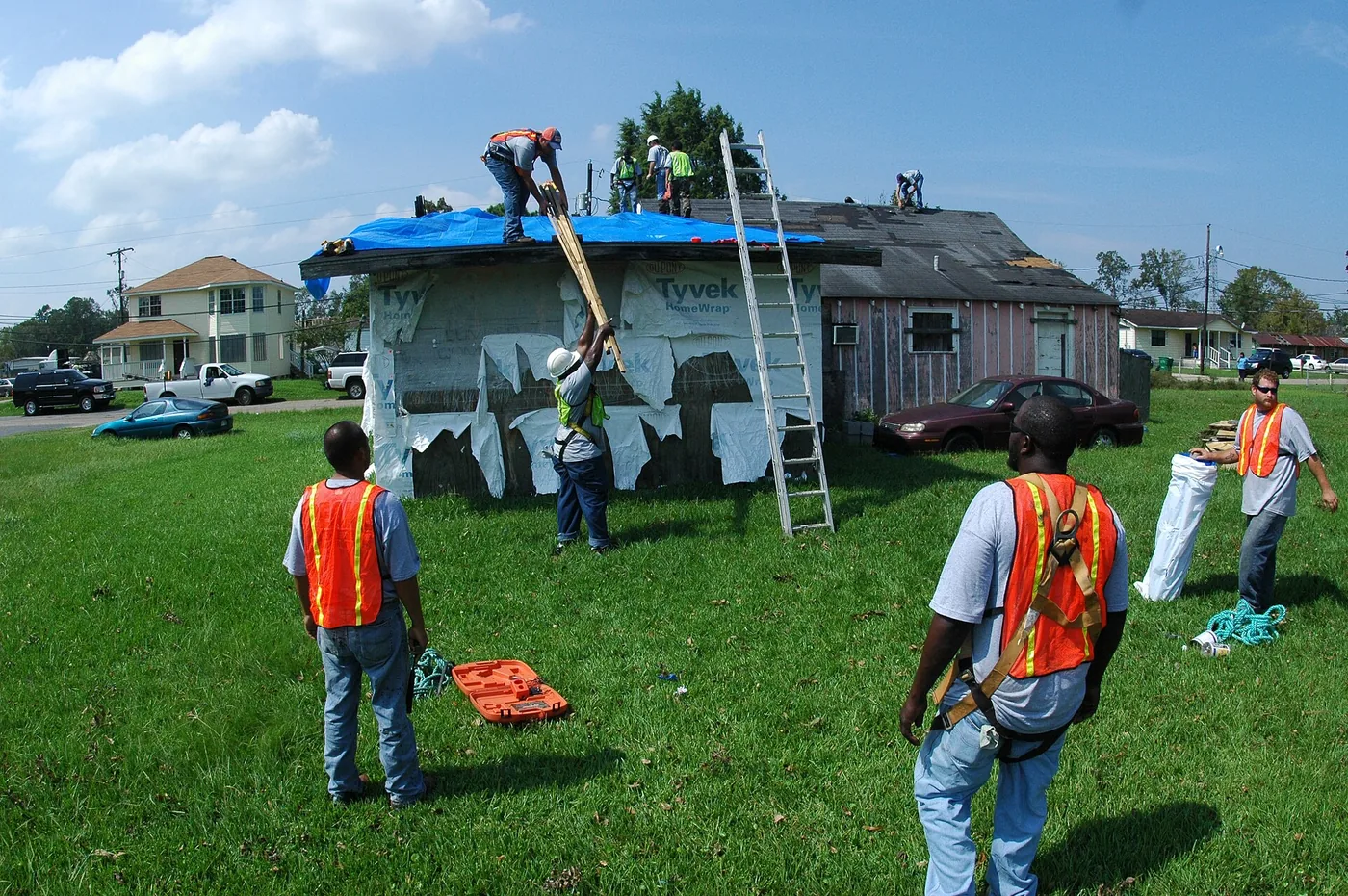
Storm Damage Repair and Temporary Protection
- Boarding up or tarping damaged roofs, windows, and doors
- Securing the exterior against rain, wind, animals, and unauthorized entry
- Removal of fallen trees, ice, or debris to restore safe access
- Preliminary structural checks for building stability
Mould and Asbestos Remediation Following Safety Protocols
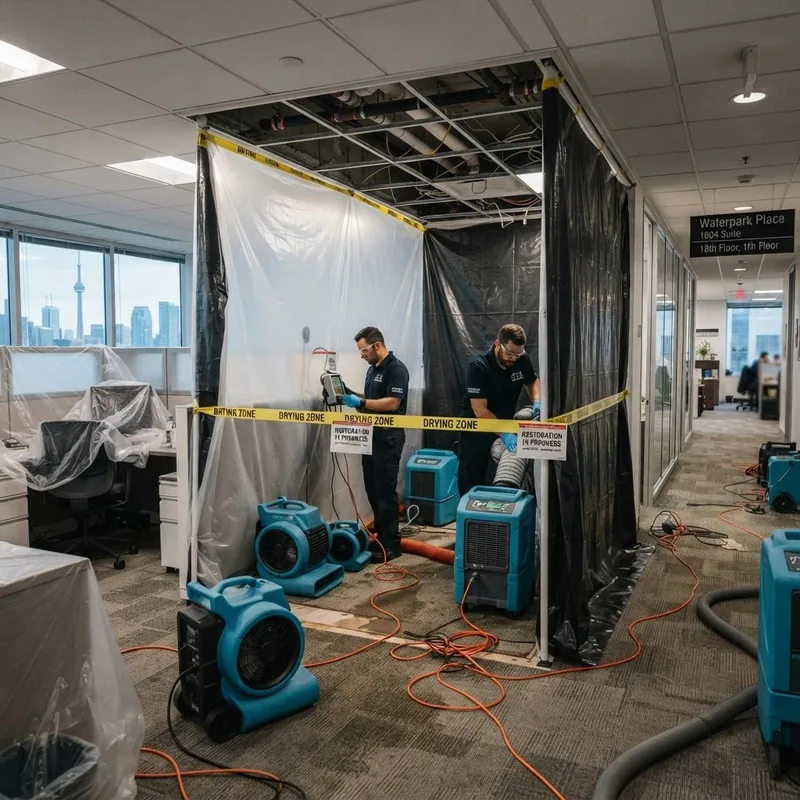
- Isolation of affected spaces with poly barriers and negative air pressure
- Removal and safe disposal of contaminated or hazardous materials
- HEPA air filtration and specialized cleaning agents
- Strict compliance with Canadian safety regulations and local permitting
Contaminated Water and Sewage Cleanup with Proper Safety Controls
- Immediate isolation of flooded areas with potential biohazards
- Step-by-step removal and disposal of unsalvageable contents
- Surface cleaning and sanitizing with industry-standard disinfectants
- Monitoring for residual odours, pathogens, or moisture
TGV Construction serves both residential and commercial clients, with the capacity to scale up for large-loss and challenging environments.
Steps to Take Before Help Arrives
Early actions can reduce loss and risk after an emergency. Follow this checklist to support both safety and a successful recovery:
- Evacuate and follow emergency authority guidance. Wait for official clearance before returning after severe events, fires, or suspected chemical exposure.
- Avoid electrical hazards by staying out of flooded or unsafe areas. Standing water and unseen damage can make spaces extremely dangerous.
- Start documenting the damage. Use your phone to photograph all affected areas while staying clear of hazards.
- Contact your insurance provider promptly. Report the event as soon as possible and ask what immediate steps and documentation they need.
- Don’t disturb or demolish anything until professionals assess the hazards. Do not remove drywall, flooring, or insulation, or attempt cleanup in areas with suspected mould, sewage, or asbestos.
- Start an inventory of damaged items. Include descriptions, values, and any supporting documents you have.
- Keep all receipts and record your communications. Organized records make insurance claims much simpler.
Safety note: Property owners should never attempt demolition, electrical, gas, or sewer work without qualified professionals. For regulated hazards such as mould or asbestos, always follow provincial law and get specialist advice.
Insurance and Documentation Guidance
Accurate records are the cornerstone of successful insurance claims and regulatory compliance. TGV Construction’s process supports both your claim and your peace of mind.
- How TGV Construction supports documentation: The team provides digital photographs, written reports, moisture readings, and time-stamped invoices, which can be shared directly with your insurance adjuster on request.
- Your role in documentation: Keep your own before-and-after photos, dated lists of damaged property, receipts, and summaries of all calls, emails, and claim-related communication.
- Contractor vs. insurance adjuster roles: TGV provides on-site expertise, mitigation recommendations, and documentation. Your insurance adjuster makes the final decisions about coverage and required procedures. Whenever possible, confirm with your insurer before authorizing major work.
- Why licensed, insured contractors matter: Working with a qualified, insured team protects your eligibility for coverage and ensures all mitigation, demolition, and restoration work meets building codes and legal standards.
Transparent processes protect you from future disputes and delays and create a clear paper trail that all parties can rely on.
Frequently Asked Questions
What is emergency mitigation compared to restoration?
Emergency mitigation refers to rapid actions, such as stopping flooding or stabilizing a fire-damaged structure, that prevent further loss. Restoration is the process of cleaning, repairing, and rebuilding the property once it has been stabilized.
Is it safe to enter my property after a flood or fire?
Only enter after authorities or professionals confirm that conditions are safe. Electrical systems, structural damage, and hazardous air can all pose serious risks.
How quickly must drying begin to prevent mould?
Water-damaged materials should be dried within 24 to 48 hours whenever possible to minimize mould. A delayed response often leads to further contamination and more costly repairs.
Does insurance usually cover mitigation work?
Most home and property policies expect policyholders to “mitigate the loss” and will pay for reasonable emergency service costs, but coverage varies. Always check your policy and contact your insurance company early.
What information should I have ready when contacting TGV Construction?
Have your property address, contact information, the type of event (water, fire, etc.), any immediate hazards, access details, and your insurance policy or claim number, if available.
What happens if hidden damage is discovered during mitigation?
TGV Construction will document any new findings, notify you, and coordinate with your insurance adjuster. Major scope changes require your approval before additional work begins.
Request Emergency Assistance from TGV Construction
Fast, informed action leads to the quickest resolution and helps protect your property, your health, and your insurance claim.
Before you call, gather:
- The address of the affected property
- A reliable phone number and email
- The type of incident (water, fire, storm, mould, etc.)
- Details about visible hazards or access limitations
- Your insurance provider and claim details, if available
For emergencies at any hour, call TGV Construction Group Inc. directly at (905) 669-2727. Help is available 24/7 across the GTA and Ontario.
For non-urgent support or ongoing projects:
- Use Contact TGV Construction for Assistance to ask questions or request a follow-up.
- If you’re planning a renovation or restoration, or want pricing, Request a Quote for Restoration or Renovation.
TGV Construction Group Inc. is committed to clear communication, expert service, and restoring your peace of mind from the first call through final repairs. For any emergency mitigation or restoration need, whether residential, commercial, or large-loss, your property is in expert hands.