When property disasters occur, or when it’s time to improve your living or working space through a renovation, one of the most important decisions you’ll make is choosing the right type of service provider. Property owners in Toronto, Vaughan, Concord, and across the GTA must decide between hiring a restoration specialist, a general contractor, or a company that offers both. This decision directly affects the security, value, and successful completion of your project, whether it’s emergency fire cleanup, a water-damaged basement repair, or a planned kitchen renovation.
Understanding the differences between restoration and general contracting services will help you protect your home or business. This guide explains how these specialists differ, outlines the situations suited to each, highlights local hiring considerations, and provides practical tools to help you choose wisely for restoration or construction work in the Greater Toronto Area.
Whether you’re responding to water, fire, or storm damage, or planning a complex remodel, knowing your options will help you get reliable results, budget with confidence, and ensure safety and full compliance.
Restoration Company vs. General Contractor: Understanding Their Roles
For many in the GTA, the line between restoration companies and general contractors may seem blurred, until you face an emergency or start a renovation. Here’s how their roles differ, and why some providers bridge both.
Key Service Differences
Restoration Companies
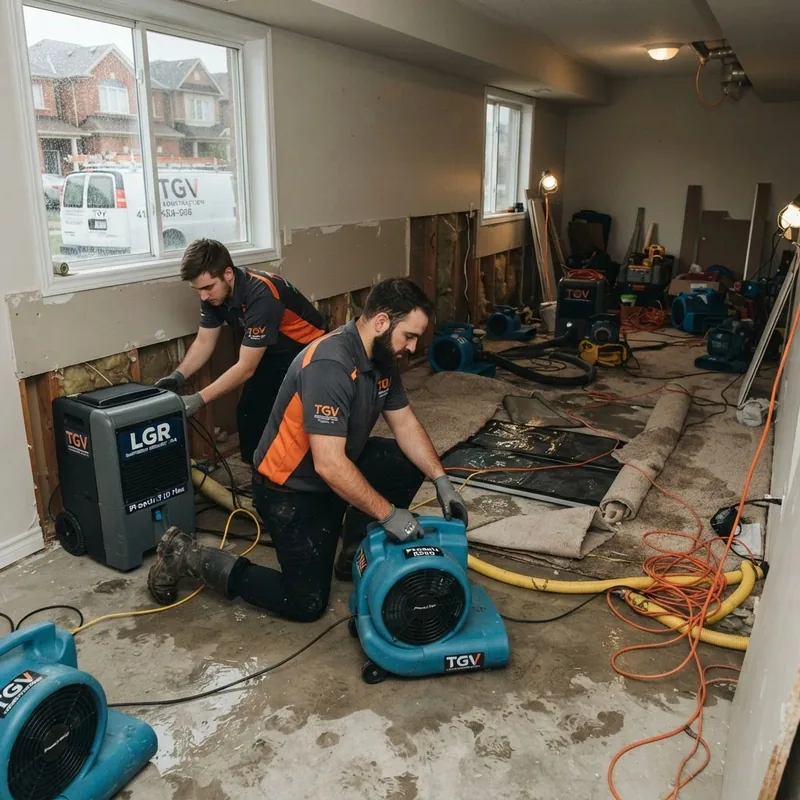
- Act as the first responder after disaster strikes: water infiltration, fires, storms, or contamination events.
- Deliver emergency mitigation, stopping further damage through moisture extraction, site stabilization, and debris removal.
- Specialize in microbial (mould) and hazardous material remediation (asbestos, lead) under strict containment and safety controls.
- Use technical equipment such as drying systems, HEPA filtration, and thermal imaging to document and address hidden damage.
- Document the loss for insurance and create safe conditions for repair work.
General Contractors
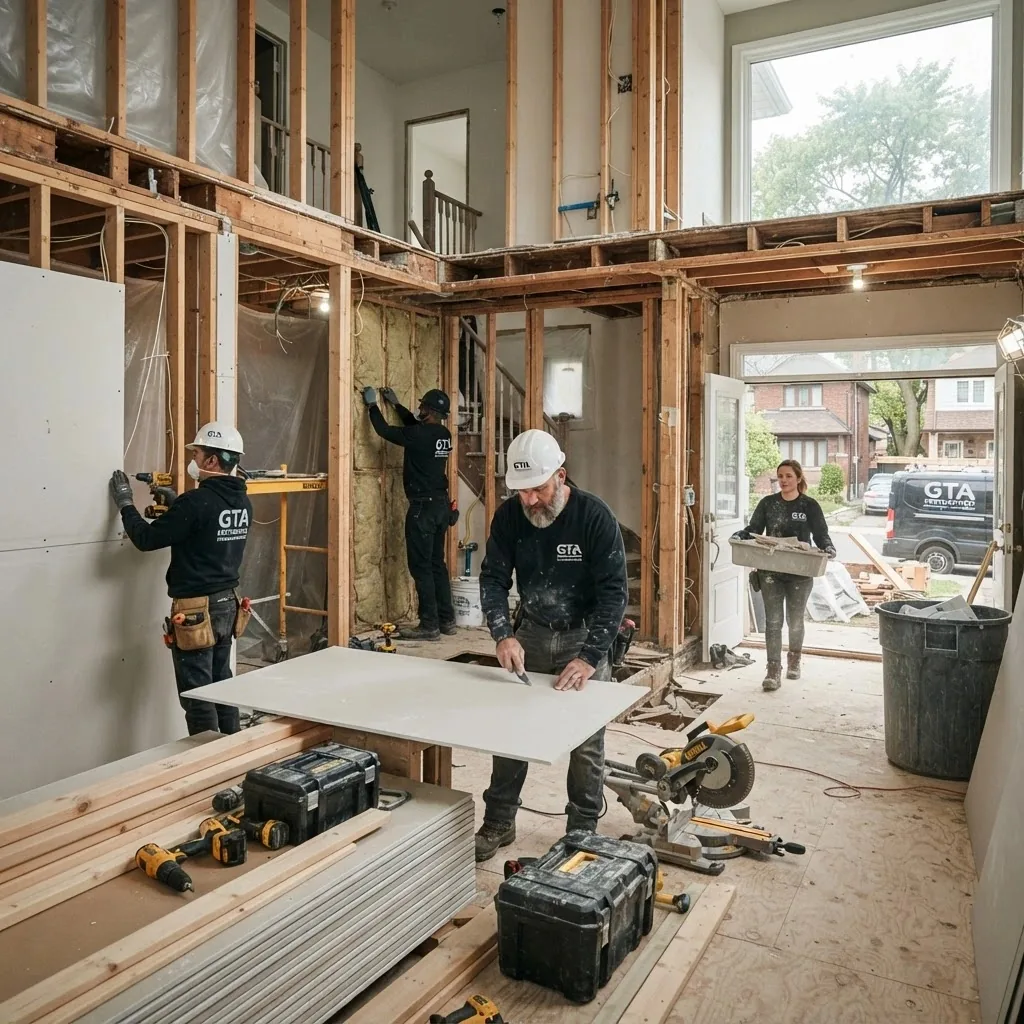
- Take charge of repairs, structural rebuilds, renovations, and property upgrades.
- Coordinate all construction trades, including framing, electrical, plumbing, HVAC, and finishes.
- Manage design-build projects, code compliance, permitting, scheduling, and quality assurance.
- Deliver planned improvements such as kitchen redesigns, commercial office retrofits, and large-scale residential renovations.
- Provide cost estimates, timeline projections, and contractual guarantees.
Integrated Service Providers
- Some companies, such as TGV Construction Group Inc., combine both roles, offering 24/7 emergency response followed by full restoration and renovation.
- This model reduces handoff delays, cuts down on miscommunication, and gives you a single point of accountability, especially for large-loss or multi-stage projects.
Services at a Glance: Comparison Table
Restoration Provider | General Contractor | |
Core Services | Emergency mitigation, site stabilization, hazardous remediation | Full repairs, reconstruction, renovations, upgrades |
When Engaged | Immediately after a fire, flood, storm, or contamination event | Once the site is safe, for planned construction or upgrades |
Key Skills | Fast response, expertise in hazard and environmental cleanup | Trade management, building code compliance, project oversight |
Scope Delivered | Assessment, containment, drying, loss documentation | Demolition, rebuilding, finishing, custom design |
Often Needed For | Insurance claims, sudden losses affecting safety | Property improvements, expansions, post-restoration repairs |
Overlap/Bridge | Some firms provide both mitigation and repairs | Some coordinate initial remediation with repairs |
Determining the Right Company Type for Your Project in the GTA
The right company type depends on your project’s starting conditions. Sometimes you’ll need both emergency and construction roles filled, either by one firm or in succession. Evaluate based on your circumstances:
Projects Best Suited for Restoration Companies
- Flood, pipe burst, or sewer backup: Immediate dry-out, moisture mapping, and dehumidification.
- Fire or smoke damage: Debris removal, odour control, safety assessment, and hazardous residue management.
- Storm or wind event: Boarding up, emergency tarping, glass removal, and stabilization of compromised structures.
- Mould outbreak or suspected asbestos: Safe containment, controlled demolition, and air quality assurance.
Cases involving hazardous materials, or where urgent action prevents further loss, require restoration expertise first, before any general contracting can begin. These firms arrive within hours, mitigate and contain the damage, and prepare reports for approval by insurers or owners.
Learn more about how emergency restoration and mitigation response in the GTA works during a crisis.
Projects Best Handled by General Contractors
- Renovations and property upgrades: Kitchen and bathroom remodels, basement finishing, additions, and exterior makeovers.
- Reconstruction after mitigation: Repairing or replacing framing, drywall, and finishes after the site is stabilized.
- Commercial build-outs: Office reconfigurations, retail space improvements, and accessibility upgrades.
- Design-build projects: Turnkey delivery from design through construction.
On stabilized or improvement-only jobs, a general contractor’s project leadership, code expertise, and trade network are vital for results that meet current standards and design goals.
Situations Where One Company Does Both
Some multidisciplinary providers deliver start-to-finish support. TGV Construction Group Inc., for example, can be engaged from the moment damage occurs, handling all mitigation and documentation, then transitioning directly into repairs, renovations, or upgrades based on the client’s wishes.
Typical Project Fit by Company Type:
- Emergency or contamination? Start with a restoration specialist for stabilization, loss control, and insurance documentation.
- Post-disaster rebuild or planned improvement? Engage a general contractor to rebuild, restore, and enhance.
- Major loss, full rebuild, or large institutional project? Look for a company that combines both disciplines for continuity and accountability.
Key Factors to Compare When Hiring Restoration or Contracting Services in the Greater Toronto Area
With hundreds of local options, it pays to look past advertising and focus on the factors that truly separate reliable providers from the rest. Use these criteria, tailored to Ontario’s regulatory and insurance environment.
Experience and Technical Qualifications
- Choose companies with extensive, verifiable project experience in the type of work you need: residential, commercial, or industrial.
- For restoration, ask for proof of recent flood, fire, storm, or hazardous remediation projects. For contracting, ask for examples of complex multi-trade jobs.
- Certifications matter. While there is no single “renovator licence” in Ontario, electrical, plumbing, HVAC, and asbestos or mould remediation work require specific credentials.
- Use TGV Construction Group’s experience in restoration and general contracting as a benchmark.
Availability for Emergencies
- Confirm genuine 24/7 service, not just an answering service that delays response. Fast mobilization means lower repair costs and less secondary damage.
- Ask about typical on-site arrival times, after-hours and holiday readiness, and access to specialty equipment.
- Review the scope of 24/7 emergency mitigation and restoration services for peace of mind.
Scope, Estimate Clarity, Exclusions, and Change Orders
- Every estimate should spell out exactly what’s included, what’s not, and unit pricing for any variable elements.
- Exclusions must be clear (for example, unforeseen hazardous materials or municipal upgrades).
- Changes after work begins should require written, signed change orders. Be cautious of firms that don’t explain this process, since costs can escalate quickly without controls.
- Ask how allowances are managed, especially for high-value fixtures or finishes.
Insurance, WSIB, Permits, and Trade Qualifications
- Always confirm liability insurance coverage and make sure the contractor’s name matches the documentation.
- Verify WSIB (Workplace Safety and Insurance Board) registration and request a clearance certificate with current effective dates.
- Require trade licences from anyone performing regulated work (ESA for electrical, Skilled Trades Ontario for plumbing).
- Ask who pulls, pays for, and tracks municipal permits. Most structural, significant electrical, and plumbing work in Toronto and elsewhere requires permits, and these details should be included in your contract.
- Never take “licensed and insured” at face value. Ask for documentation.
Communication, Documentation, and Project Oversight
- Strong providers assign a single point of contact and provide clear documentation, from daily logs and moisture maps to before-and-after photos and inspection records.
- Good communication signals professionalism. Look for companies that are responsive before you hire them.
- Project management is especially important on jobs that involve sequencing specialty trades, hazardous material abatement, or multi-phase construction.
Action tip: Ask for sample contracts and actually call references from GTA clients with similar projects.
How to Compare Quotes Fairly for Restoration and Contracting Services
Comparing proposals is never just about the initial price. Assess scope, scheduling, inclusions, and exclusions for a true apples-to-apples comparison.
Start by matching scope:
- Does each quote clearly specify emergency cleaning, hazardous material removal, and structural repairs?
- Are demolition, site protection, and cleanup explicitly covered?
- Are quantities and allowances for fixtures (such as cabinets or tile) reasonable and clearly stated?
- Has the contractor included city permits, inspections, disposal, and final finish requirements?
Typical Quote Elements Comparison Table
Component | Contractor A | Contractor B | Contractor C |
Emergency cleaning/mitigation | Included / Not included | ||
Demolition/disposal | |||
Drying or abatement | |||
Structural repairs | |||
Electrical/plumbing upgrades | |||
Materials/allowance details | |||
Municipal permitting | |||
Supervision/project oversight | |||
Exclusions/contingencies | |||
Payment schedule | |||
Warranty and aftercare |
Best Practices for Quote Comparison:
- Compare total project quotes (mitigation plus restoration or renovation), not individual phases, unless that’s how your contract is structured.
- Ask for a breakdown of exclusions, especially for hazardous materials or code upgrades.
- Review allowances carefully and understand how overages are approved and priced.
- Confirm who is responsible for permits and inspections.
- Payment terms should follow visible milestones (such as completion of drying, framing, or finishing), not arbitrary dates.
If one bid is much lower than the others, be cautious. Common reasons include missing insurance, unqualified trades, or omitted phases of work. Get clarity before accepting.
Request a free quote for restoration or renovation projects and see how a well-structured quote is documented.
Hiring Checklist for GTA Property Owners
Protect yourself and your property by following this checklist every time you hire a provider:
- Business verification: Confirm the registered company name, physical address, and active Ontario business status.
- Insurance and WSIB: Require current liability insurance and WSIB clearance for all workers on site.
- References: Ask for at least three references from projects similar in type and size.
- Portfolio review: Ask for recent GTA project photos and short job summaries.
- Permitting: Clarify who pulls city permits, pays fees, and coordinates required inspections.
- Subcontractors: Know who is an employee and who is a subcontractor, and how they will be supervised.
Written contract, including:
- A complete, itemized scope of work
- Timeline and scheduling milestones
- Allowances and detailed material specifications
- A change order process for unforeseen conditions
- Milestone-based payment terms
- A specified warranty (workmanship and materials)
- Clauses covering insurance, safety, and waste management
Don’t Overlook:
- Laboratory reports and abatement plans for any hazardous material remediation.
- Detailed photo logs and documentation before and after restoration or renovation.
- Copies of all permits, inspection approvals, and final sign-off documents.
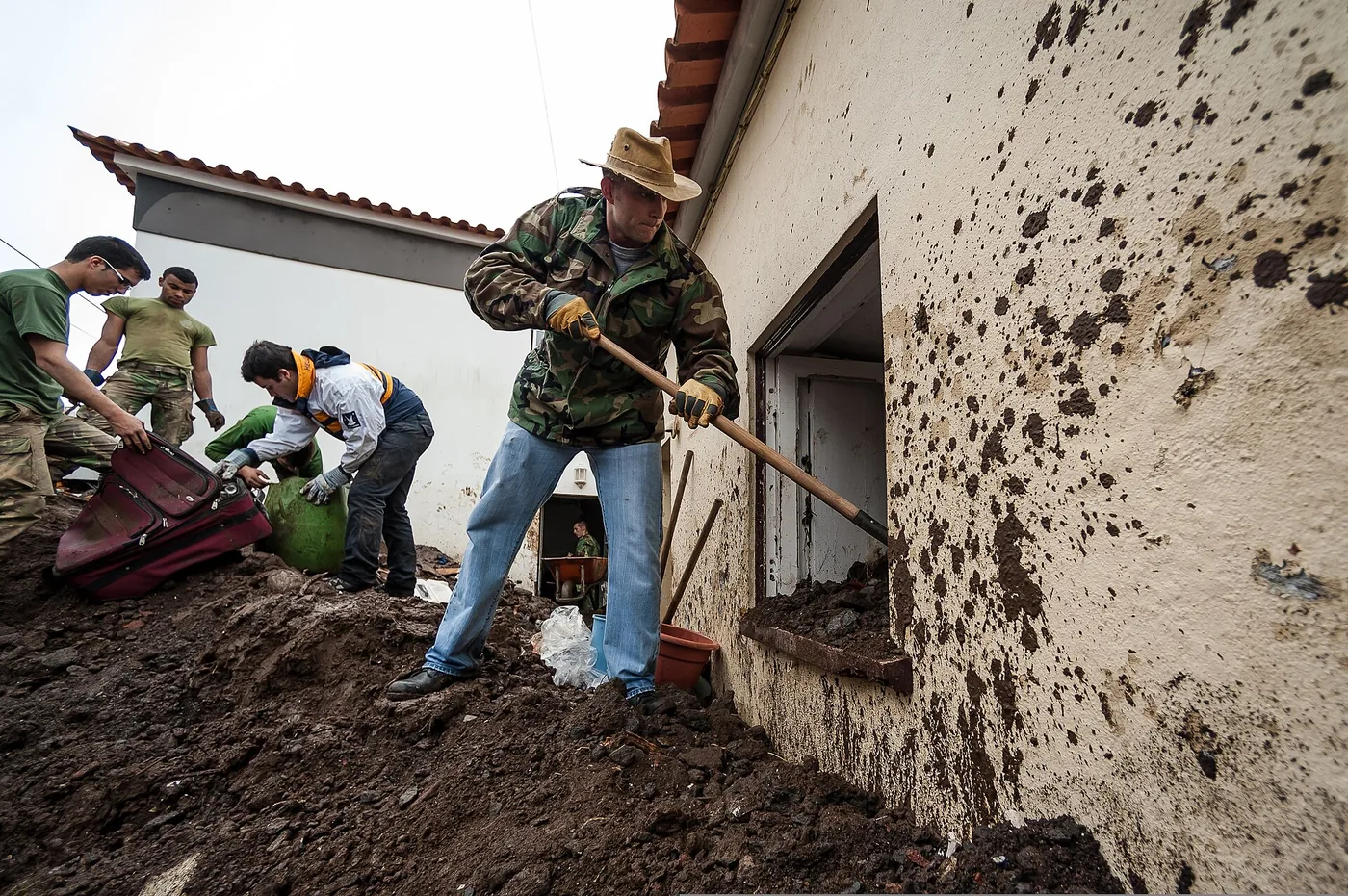
Red Flags to Watch for When Choosing a Restoration or Contracting Company
Avoid costly mistakes by spotting these warning signs before agreeing to any work:
- No insurance or WSIB documentation: Never rely on verbal reassurances.
- Vague or incomplete estimate or scope: Missing details can lead to cost overruns.
- References not provided or unreachable: This can signal a poor track record.
- Pressure tactics: Demands for large upfront payments or quick contract signing.
- No clear process for change orders: Expect disputes and rising costs.
- Significantly lower pricing: Find out what’s been left out, or whether proper materials and protocols will be skipped.
- Unclear permit arrangements: The contractor should state who manages and pays for all required permits.
- Unreliable communication: Slow replies or sudden staff changes can signal trouble once work begins.
Tip: Consult a trusted third party or get a second opinion if anything feels off in the documentation, assurances, or communication.
Frequently Asked Questions About Restoration and Contracting Services in the GTA
What’s the difference between a restoration company and a general contractor?
Restoration companies are experts in initial damage mitigation, acting fast to limit water, fire, storm, or environmental losses. General contractors take over once the site is safe, rebuilding the structure and finishes or managing complex renovations involving multiple trades.
Can one company handle both mitigation and construction?
Yes. Firms such as TGV Construction Group Inc. offer integrated services covering emergency response, site cleanup, abatement, and full reconstruction or renovation. This reduces handoffs and ensures consistency for the client.
How do I compare multiple service quotes effectively?
Make sure each quote is based on the same scope, materials, and finish levels. Review what is included and excluded, especially contingency costs, allowances, and permit fees. Check milestone-based payment schedules and the terms for changes or additions to the contract.
Is there a provincial licence for general contractors in Ontario?
There is no Ontario-wide general contractor licence for renovators. However, municipalities such as Toronto may require builder or renovator licensing. Regulated trades, such as electricians, must hold provincial certification through the ESA or Skilled Trades Ontario.
Do I need a building permit for all repairs or improvements?
Permits are required for most structural, electrical, plumbing, and HVAC work. Non-structural cosmetic updates generally don’t require permits, but requirements vary by city. Check with your local building department and make sure your contract states who manages the process.
Why are insurance and WSIB coverage so important?
If a site injury or property damage occurs, only proper insurance and WSIB coverage protect homeowners and business owners from liability. Accidents can happen even on direct homeowner contracts, so always insist on current documentation.
What documentation should I collect as a homeowner?
- A current certificate of liability insurance covering your property and project.
- Pollution or environmental liability documentation, if remediation is required.
- WSIB clearance for every person who will be on your site.
- Trade-specific licences for key roles.
- Copies of all permits and final inspections.
Should I choose a contractor recommended by my insurance company?
Insurance-recommended providers can be a good option, but you are still responsible for due diligence. Always review their licensing, insurance, experience, and past project documentation.
What should I do immediately after an emergency loss?
Contact your insurer to start the claim process. Take detailed photos and make notes about the type and extent of the damage. Arrange mitigation services quickly, since 24/7 emergency mitigation and restoration services prevent secondary damage and speed up the insurance review.
How can I confirm a provider’s credentials in the GTA?
- Search their business registration and municipal licence, if applicable.
- Ask for project references and call them.
- Check insurance, permit, and WSIB documentation, and confirm with official sources if you’re unsure.
- Make sure all details are documented before any money changes hands or a contract is signed.
This guidance offers practical starting points for GTA property owners but does not constitute legal, insurance, or financial advice. Building codes, insurance requirements, and WSIB regulations change over time. Always confirm details with municipal officials or qualified professionals before work begins.
Ready for trusted expertise or urgent help? Contact TGV Construction Group for expert contracting services.
TGV Construction Group Inc. is a leading provider of both restoration and general contracting services in the Greater Toronto Area, offering 24/7 emergency mitigation, design-build, renovation, and large-loss restoration for residential and commercial properties. With more than 200 completed projects and a commitment to safety, client satisfaction, and transparent communication, TGV is ready to help with both urgent restoration needs and major renovation goals, delivering detailed free quotes, clear documentation, and proven expertise every step of the way.