Water damage presents an immediate challenge to homes and businesses throughout Ontario, including the Greater Toronto Area. Whether caused by a burst pipe, basement flooding after heavy storms, or a sewer backup, the decisions made in the crucial first hours after an incident profoundly affect safety, health, and overall restoration costs. Understanding the correct response, knowing when to seek expert help, and planning for compliant and effective recovery is essential for property owners.
TGV Construction Group Inc. stands as a reliable provider of Emergency Mitigation, Restoration Services, and General Contracting in the GTA. With an emphasis on Safety First, regulatory compliance, and thorough project management, their expert team helps residents and commercial clients recover quickly and safely after water-related emergencies. For a deeper view of our expertise and company history, learn about TGV Construction Group’s experience in emergency restoration.
This comprehensive checklist delivers clear, actionable steps for addressing water damage. Designed for both residential and commercial properties, it aligns with Canadian standards, including IICRC S500 and Health Canada guidelines, and highlights the critical moments when professional intervention makes all the difference.
Please note: The information presented aims to support safer property management and informed decision-making. For regulated restoration steps, always consult licensed professionals to meet legal, insurance, and safety obligations.
Water Damage Restoration Checklist: Immediate Steps for Safety and Damage Control
Before anything else, ensure the safety of all occupants and do not take risks with contaminated water or live electrical circuits. Property owners should:
- Safeguard people and pets. Keep infants, seniors, pregnant individuals, and people with respiratory conditions away from the affected zones. Contaminated water and electrical risks pose significant hazards.
- Shut off the water source. If it can be done without personal risk, turn off main or localized water supply valves. Only attempt this if standing water is not present near electrical infrastructure.
- Stay clear of areas with standing water and electrical risks. If you suspect live power, do not enter. Notify the utility company or a qualified electrician immediately.
- Power safety. Only shut off power from an unaffected, dry area using the main breaker or fuse box. Never access electrical panels while standing on a wet floor.
Document the scene. If safe, take photographs or videos from multiple angles before moving anything. This protects your insurance claim and supports your restoration team.
Use personal protective equipment such as rubber boots and disposable gloves if you must approach wet areas. Never use powered tools or extension cords until all standing water is removed and circuits are confirmed safe.
Documenting Damage and Coordinating with Insurance
Accurate and detailed records are essential for insurance claims and for guiding effective mitigation and restoration. Steps include:
- Systematic photography and record-keeping. Take clear photos and videos of every damaged space, affected furniture, electronics, appliances, and all structural materials. Include close-ups of visible damage.
- Expense documentation. Keep all receipts for emergency items, temporary repairs, equipment rentals, and safety gear. Note costs and the purpose of each purchase.
- Early insurer contact. Notify your insurer as soon as practical, providing all required evidence of loss. Follow their guidelines for handling contents and starting cleanup.
Written communication log. Maintain a structured, dated journal of all calls and correspondence with insurance adjusters, restoration contractors, and city representatives.
Never discard damaged items unless instructed by your insurer, except when immediate removal is vital for health and safety.
Assessing Water Source and Extent of Damage
Not all water is the same. Proper assessment helps determine health risks, scope of work, and when to involve professionals.
- Identify the water type:
- Clean water: Sources like broken supply lines or rain through an open window. Generally safer for direct cleanup.
- Greywater: Used water from washers, appliances, or overflows with mild contamination. Can irritate skin or worsen allergies.
- Sewage or floodwater: Backed-up drains, street flooding, or river surcharges. Carries pathogens and toxins and requires professional handling.
Check penetration. Water migrates through floors, under carpet, into subfloors, walls, and even adjacent rooms. Use moisture meters or probe for dampness in materials.
- Monitor for concealed damage. Unexplained musty odours, paint bubbling, dark patches, or mould point toward lingering moisture.
Seek professional assessment when:
- The water is from sewage or external flooding
- The affected area exceeds a few square metres
- Damage involves multiple floors, hidden cavities, or complex structural components
If in doubt, request an inspection to ensure thorough and compliant scoping of repairs, especially in commercial or multi-unit buildings.
Safe Removal of Standing Water and Damaged Materials
Promptly removing excess water and affected materials helps limit escalating repair costs and health hazards.
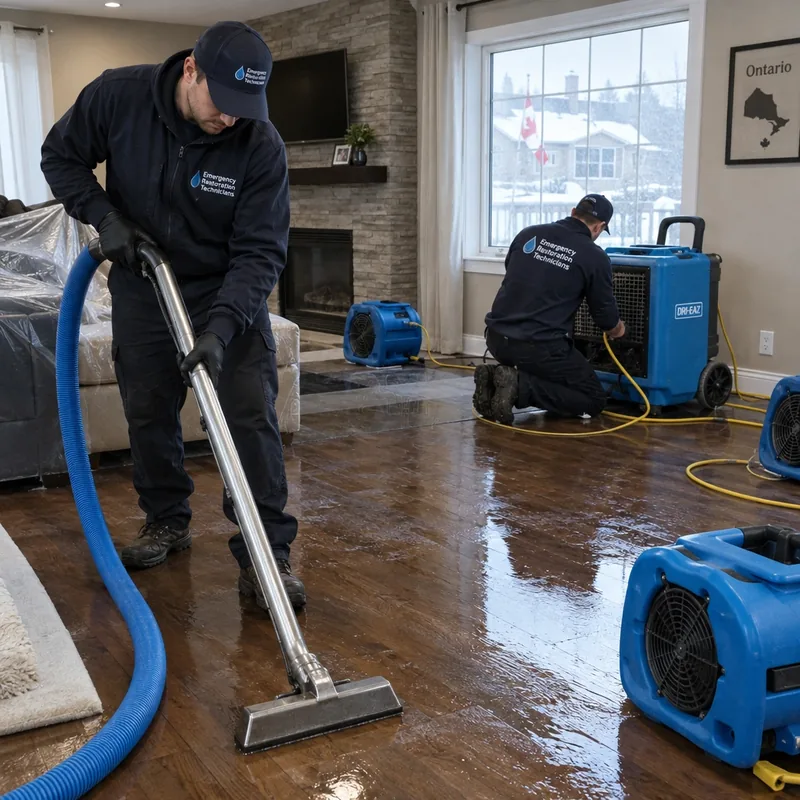
- Standing water extraction. Use only electrically rated wet/dry vacuums or submersible pumps once the electrical supply is confirmed safe. Never attempt this if power cannot be disconnected or the water is contaminated.
- Sort and salvage. Move valuable, non-porous items (metal, glass, certain plastics) to a dry, undamaged zone. Discard wet upholstery, bedding, drywall, insulation, or carpet that cannot be dried thoroughly within 48 hours or shows signs of contamination.
- Disposal practices. Bag and seal contaminated materials according to local municipal and provincial guidelines. Do not leave wet debris inside or near unaffected spaces.
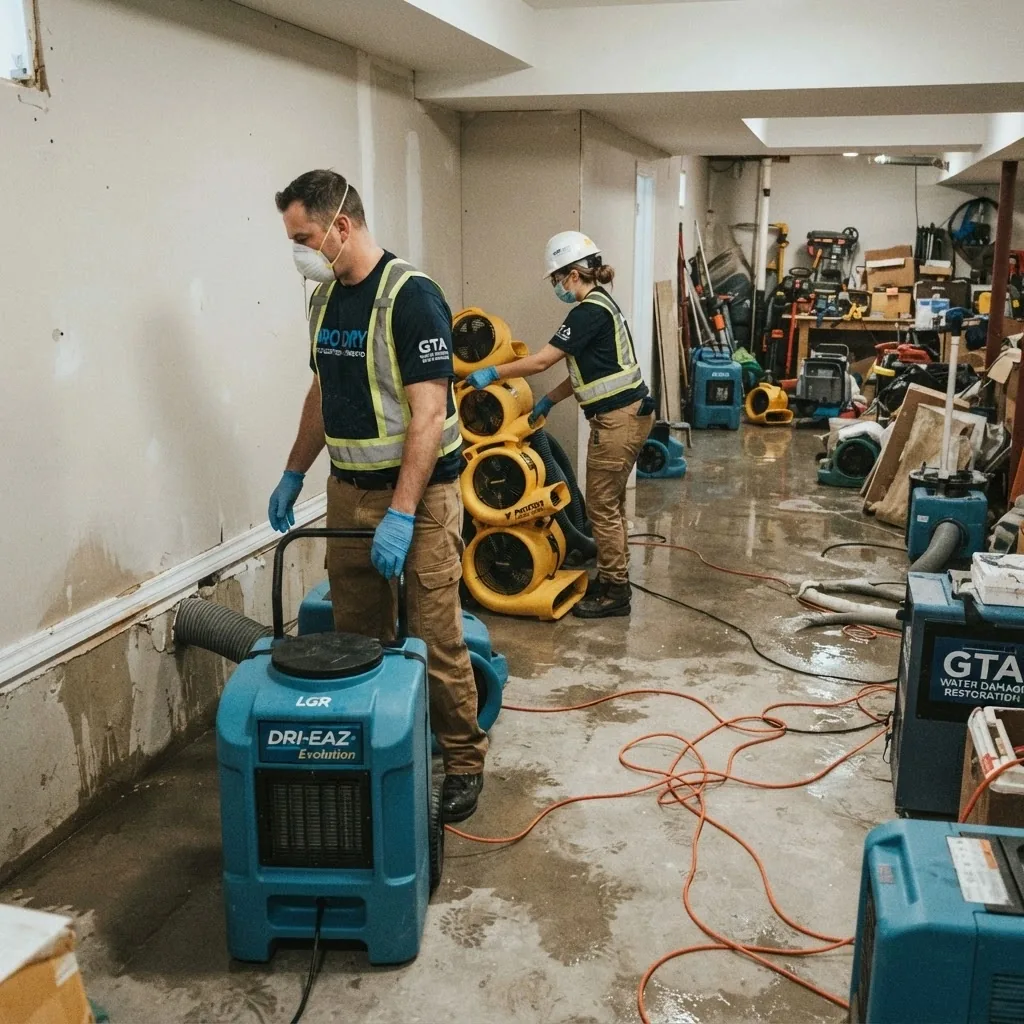
- PPE for cleanup. Wear gloves, an N95 or similar mask, and goggles. Ensure proper ventilation during removal activities.
Never use gasoline-powered equipment indoors, as even brief use can generate dangerous carbon monoxide levels. Follow all manufacturer safety instructions for cleanup equipment.
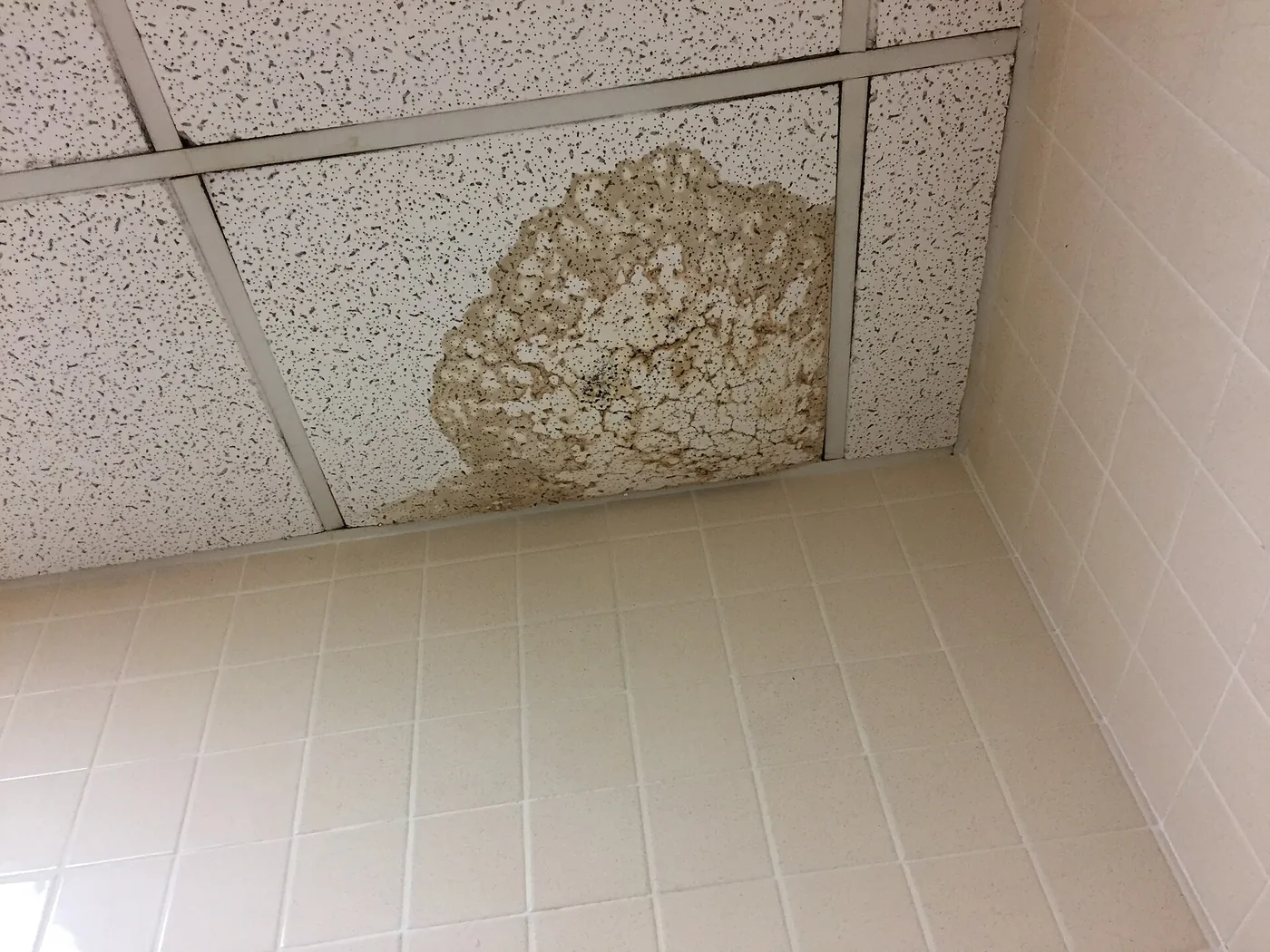
Cleaning and Drying Procedures to Prevent Mould and Structural Damage
Cleaning and drying are the critical next phase. If not handled quickly and completely, water can enable mould and degrade building materials.
- Soap-and-water cleaning. Clean non-porous surfaces (tile, metals, sealed woods) using soap and water. Avoid home remedies or bleach unless directed by restoration specialists.
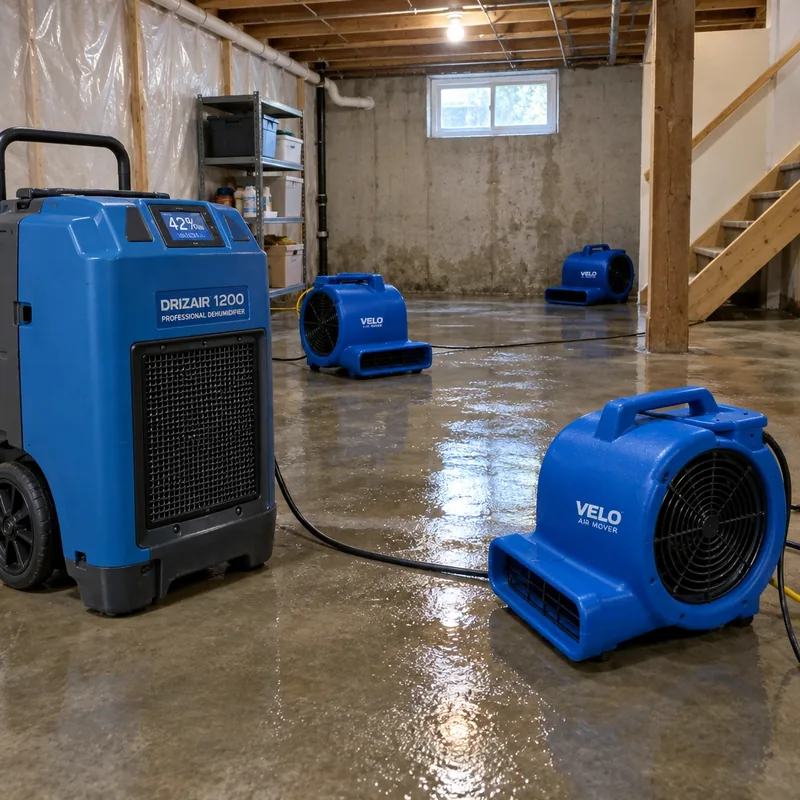
- Controlled ventilation. Open windows and doors only if outdoor humidity is below 60% and there is no additional rain risk. Supplement with high-velocity fans directed at damp surfaces.
- Humidity control. Use dehumidifiers to maintain indoor relative humidity between 30% and 50%. Home supply stores often rent these, but rapid action is key.
- Monitor and document. Use moisture meters to measure moisture content in walls, floors, and framing. Record these measurements at the start and at regular intervals. Surface dryness does not mean materials are fully dry internally.
- Act fast. Industry standards recommend drying within 48 hours of water exposure. Beyond this, the risk of mould rises substantially, but professional drying and remediation can still help limit new growth and future issues.
Only rebuild or refinish when moisture levels conform to the published standards for each material.
Inspection for Hidden Moisture and Mould: When to Call Professionals
Some water damage problems remain undetected until costly structural repairs or health complaints occur. Proactive inspection and a cautious approach protect both lives and property value.
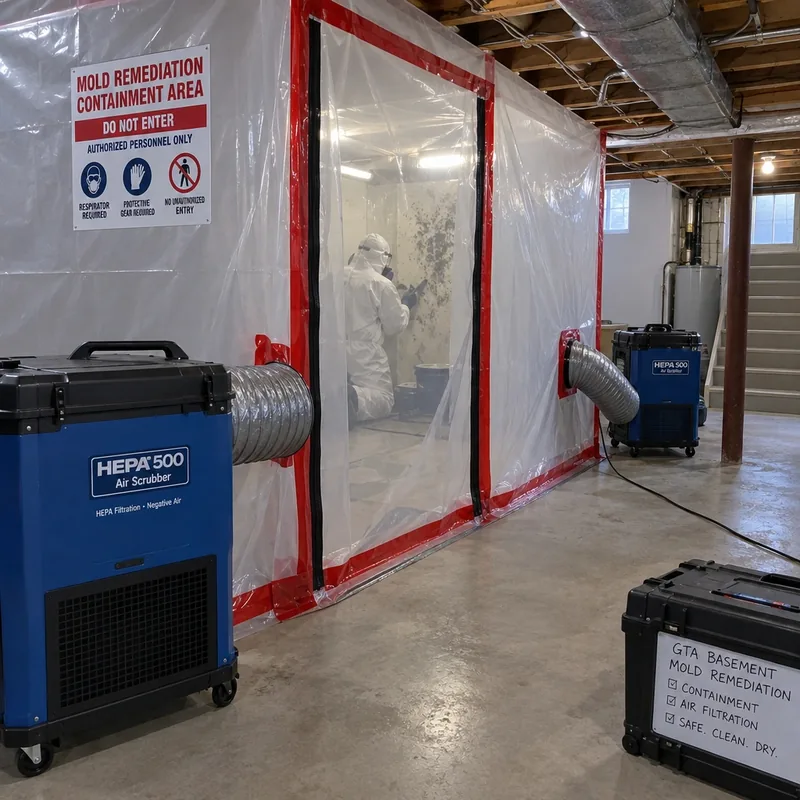
- Check concealed areas. Investigate wall cavities, insulation behind drywall, subfloor assemblies, closets, and under staircases. Use professional moisture testing devices whenever possible, as visual inspection alone is insufficient.
- Spot warning signs. Stubborn odours, recurring stains, or persistent mould regrowth indicate hidden problem areas.
- Vulnerable populations. If elderly residents, children, or people with chronic lung or immune conditions are exposed, professional remediation should always be arranged before reoccupation.
- Expertise advantages. Certified restoration firms use thermal imaging and moisture mapping, and maintain daily moisture logs. These records meet regulatory, insurance, and real estate due diligence requirements for properties throughout Ontario.
For widespread, recurring, or health-threatening scenarios, contact 24/7 emergency restoration and mitigation services in the Greater Toronto Area for immediate and professional intervention.
Water Damage Scenario | Main Concern | Recommended Initial Response |
Possible live electricity in flooded area | Electrical shock, electrocution | Stay out, call a licensed electrician or utility company |
Sewage/floodwater in residential or commercial spaces | Infection, hazardous material | Avoid contact, isolate the space, call certified restoration |
Clean supply leak, contained area | Concealed damage, recurring leak | Stop water flow, photograph, start safe drying, monitor |
Water in walls/floors beyond visible surfaces | Incomplete drying, mould, rot | Request a full moisture assessment, avoid premature repairs |
Repair and Restoration: Confirming Dryness and Correcting Root Causes
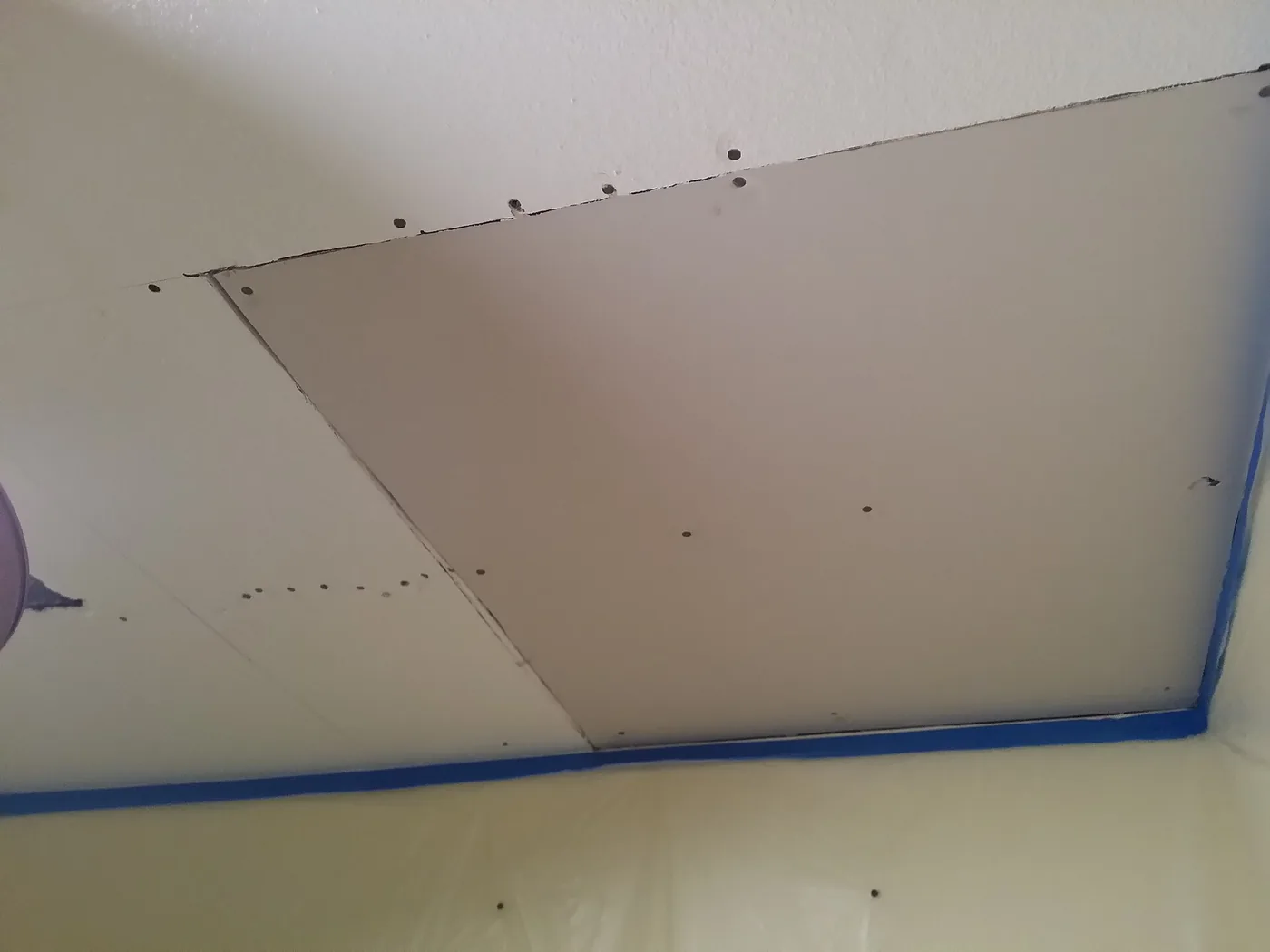
Proper restoration relies on more than drying. Making repairs before verifying material dryness can cause recurrence and shorten building life.
- Verify with measurement. Trusted professionals certify that all wood, drywall, concrete, and subfloors are dried to their dry-standard percentage, per manufacturer or building code guidance, before covering or finishing.
- Address root causes. Complete repairs that solve the original water issue, whether it’s a plumbing defect, poor drainage, inadequate sealing, or exterior water intrusion. Routine maintenance of sump pumps and drains reduces recurrence.
- Meet code and permit requirements. All rebuilding, especially involving load-bearing walls or system upgrades, must comply with the Ontario Building Code, the Electrical Safety Code, and municipal regulations. Permits and licensed trades protect your safety, insurance coverage, and resale value.
- Engage experienced restoration providers. Look for strong project management, transparent reporting, and references. The comprehensive restoration and mitigation services offered by TGV Construction Group ensure seamless coordination from initial demolition through final inspections and finishing.
A customer-centric approach at every step means clear communication, safety prioritization, and high-quality outcomes.
Preventing Future Water Damage: Practical Tips and Maintenance
Reducing repeat events saves time, money, and stress.
- Plumbing and drainage checks. Arrange periodic inspections by a licensed plumber. Fix minor leaks and slow drains immediately.
- Sump pump and backflow protection. Install and maintain sump pumps and backwater valves where required, especially in basement units or areas with stormwater risk. Test devices seasonally.
- Basement and crawlspace moisture monitoring. Use inexpensive humidity gauges to keep relative humidity in the safe, mould-resistant range (30–50%). Run dehumidifiers in damp conditions.
- Exterior envelope maintenance. Replace missing shingles, seal exterior window frames, and inspect weather-stripping. Ensure all gutters and downspouts channel water well away from the foundation.
- Prepare emergency contacts. Keep a current list of reliable restoration providers with true 24/7 emergency services, plumbers, electricians, and municipal numbers posted in key areas.
To better prepare, manage costs, and get ahead of maintenance, read more about property restoration tips and cost guides.
Water Damage Restoration FAQs
What are the first steps when water damage occurs?
Prioritize the physical safety of everyone on the premises. Shut off power from a safe, dry location if possible, then the water source. Document visible damage before moving anything, unless health or safety makes immediate removal necessary.
How soon should drying start after water exposure?
Drying should begin as soon as it is safe to do so. Materials kept wet for more than 48 hours foster mould and degrade, so start drying or bring in professionals right away.
Can water damage be managed without a professional?
Minor incidents with clean water and full accessibility may be handled by following this checklist and using proper safety equipment. If you encounter extensive or contaminated water, wide-area impacts, or suspect hidden damage, contact restoration professionals.
Are bleach and disinfectants necessary during cleanup?
No. Health Canada advises soap and water for most hard-surface cleaning unless directed otherwise. Bleach is not recommended for typical home cleanup and poses its own risks if mishandled or mixed with other products.
When must I contact my insurer or a restoration company?
Contact your insurer at the earliest possible stage. Professional restoration services are essential for sewage or floodwater, large-scale or multi-room incidents, or if electrical or hidden hazards are present.
How do I confirm my property is ready for rebuilding after water damage?
Only begin repairs after certified professionals provide documented proof, measured with a moisture meter, that all affected building elements have reached their standard dry level. This verification prevents concealed mould and repeat damage.
For more topics, guides, and practical resources on budgeting and restoration standards, read more about property restoration tips and cost guides.
Take Action
Use licensed trades, obtain the necessary permits, and prioritize Project Management and Quality Assurance for lasting results. TGV Construction Group Inc. supports property owners across the Greater Toronto Area and Ontario with 24/7 service and proven restoration expertise.
For timely and detailed support, or to begin planning your recovery, request a free quote for your water damage restoration project. Every situation is unique. Secure peace of mind and lasting property value with professional, customer-focused restoration.