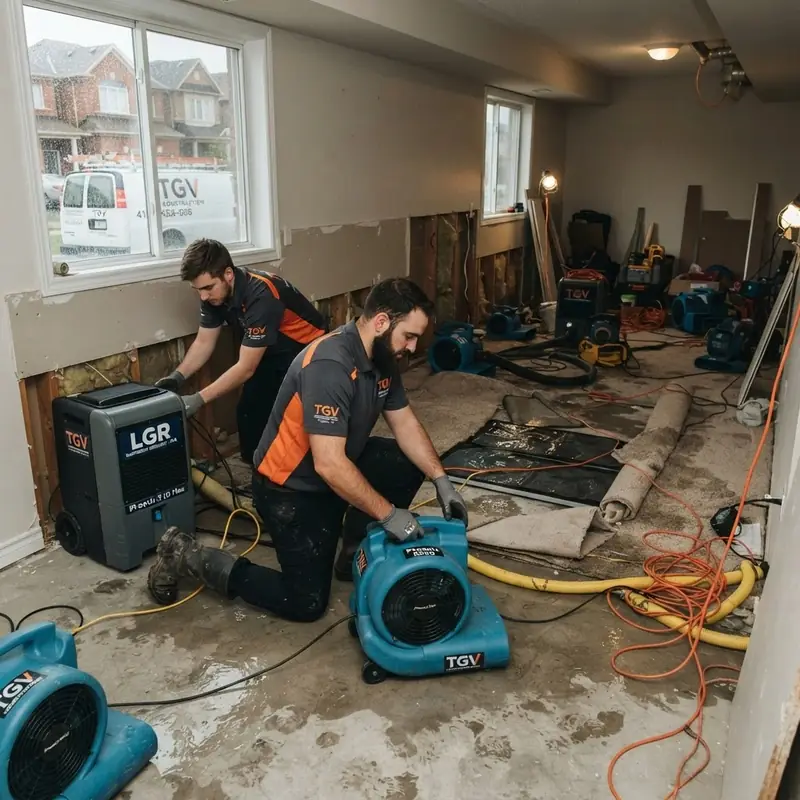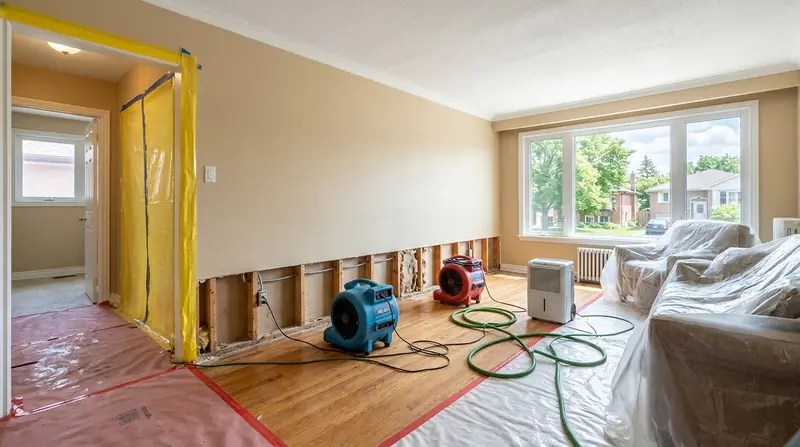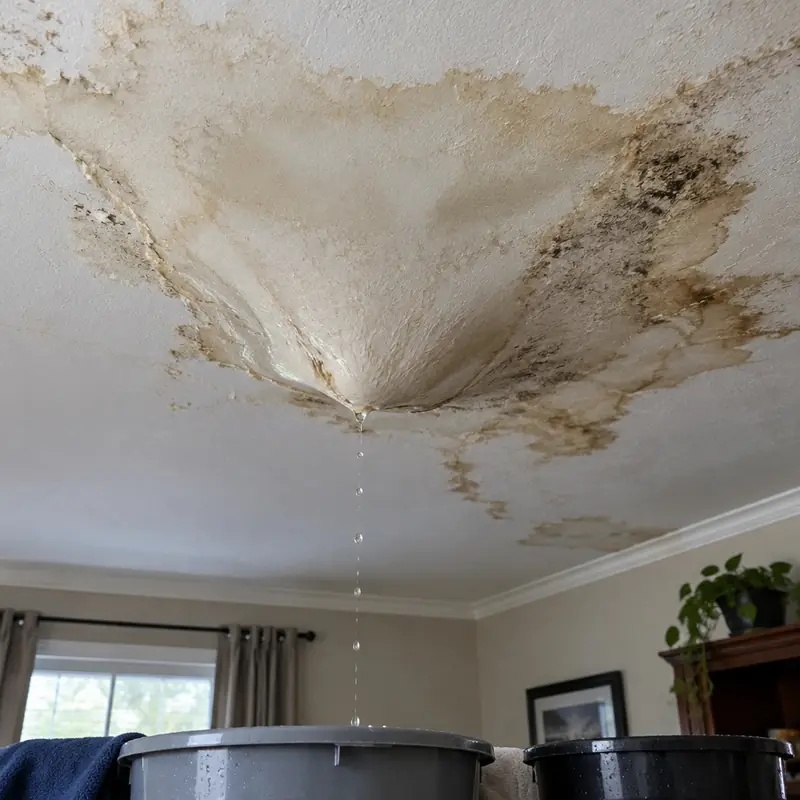
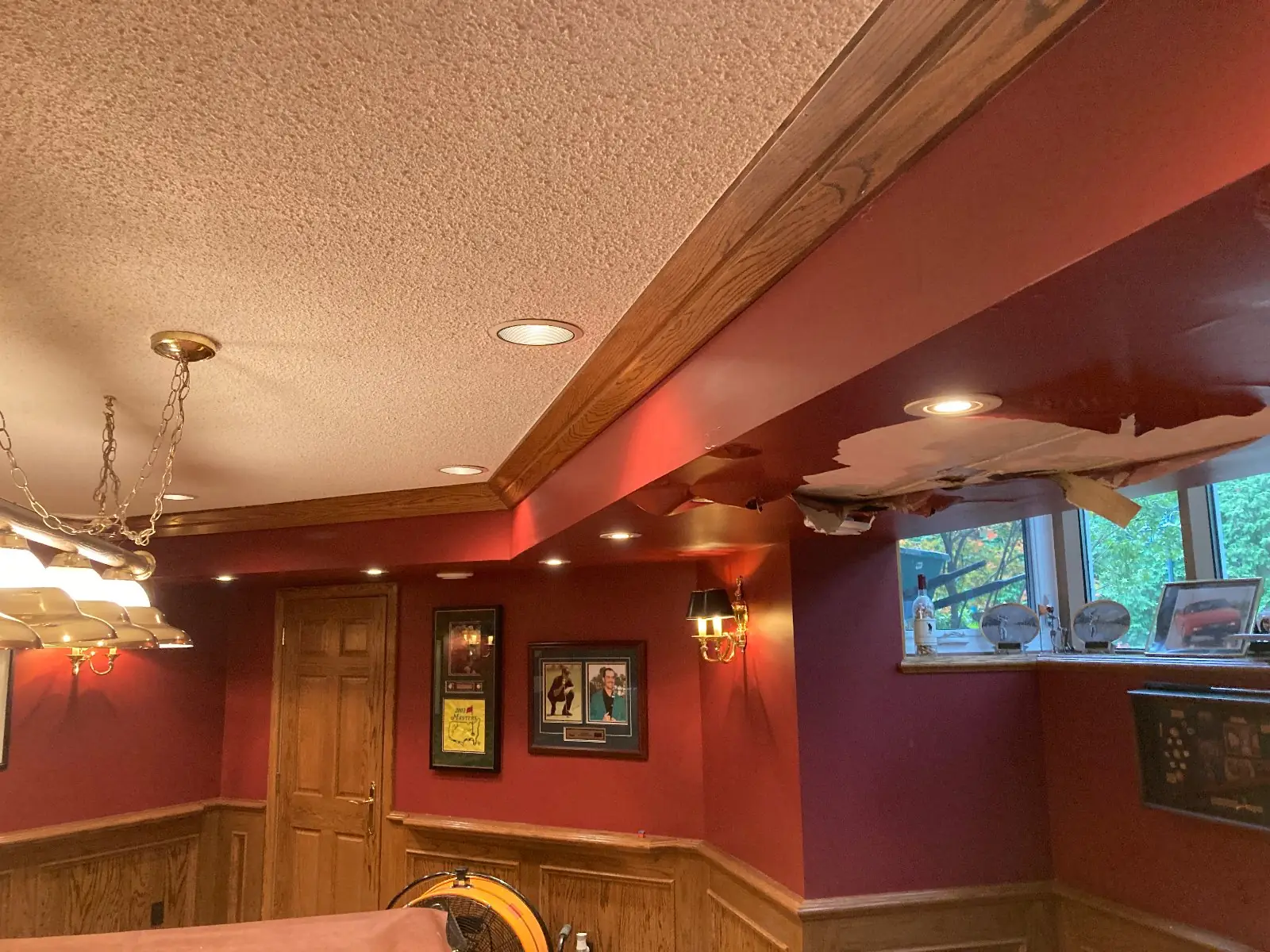
When a property suffers sudden damage from water, fire, smoke, mould (mold), or storms, response time and safety actions are absolutely critical - whether the job ahead is water damage restoration, fire and smoke cleanup, or storm damage repair. Property owners and managers across the Greater Toronto Area (GTA) and Ontario face high-pressure decisions that influence not only structural recovery, but also personal safety, insurance claims, and the timeline for a return to normalcy.
TGV CONSTRUCTION GROUP INC. brings years of experience in 24/7 disaster restoration for residential and commercial clients throughout the GTA and Ontario. With more than 200 projects completed and a strong, customer-centric reputation, the company helps clients manage disaster recovery with prompt action, transparent communication, and an unwavering commitment to safety and Quality Assurance. The guidance below draws on national best practices and local expertise to empower property owners and managers with clear, practical protocols - from first response to the arrival of restoration professionals.
Above all, the health and safety of families, staff, and pets is always the foremost concern. No documentation or property salvage action is worth risking personal injury. The following sections outline proven steps to navigate the first hours after damage occurs, ensuring recovery with confidence while respecting the boundaries between urgent owner responsibilities and specialized restorative work.
Your actions in the critical window before emergency services arrive can limit further damage, clarify your insurance claim, and build the foundation for a fast, safe restoration. Every recommendation below is tailored to the Greater Toronto Area’s environment and building codes, reflecting TGV CONSTRUCTION GROUP INC.’s expertise and the high standards expected by clients throughout Ontario.
This information is intended for educational purposes and does not replace the advice of licensed professionals, insurance adjusters, or authorities. When in doubt regarding safety, always err on the side of caution.
Immediate Actions After Home Damage
Reacting quickly, but carefully, is essential when a home or property is struck by fire, flooding, storm impact, or another disaster. Immediate actions set the stage for a safe recovery while avoiding hazards that could put occupants at risk.
People - then property. Safety is always the first priority.
-
Ensure the safety of people and pets
- Evacuate everyone, including pets, from the affected area without delay if there are risks from fire, smoke, gas smell, contaminated water, or visible structural compromise.
- Account for all household or building occupants. Alert emergency responders if someone is unaccounted for or needs help leaving, including people with mobility or health limitations.
- For commercial properties, ensure staff, clients, and pets are moved from harm’s way and a roll call is completed.
-
Follow instructions from emergency officials and authorities
- Be alert for arrival of firefighters, police, paramedics, municipal safety officers, and utility representatives. Comply immediately with any evacuation, re-entry restrictions, or orders to shut off utilities.
- Monitor official communications for your area - these will include vital warnings (like boil-water advisories), updates on neighbourhood safety, or permissions for safe return.
-
Avoid entering unsafe properties
- Remain outside if you see:
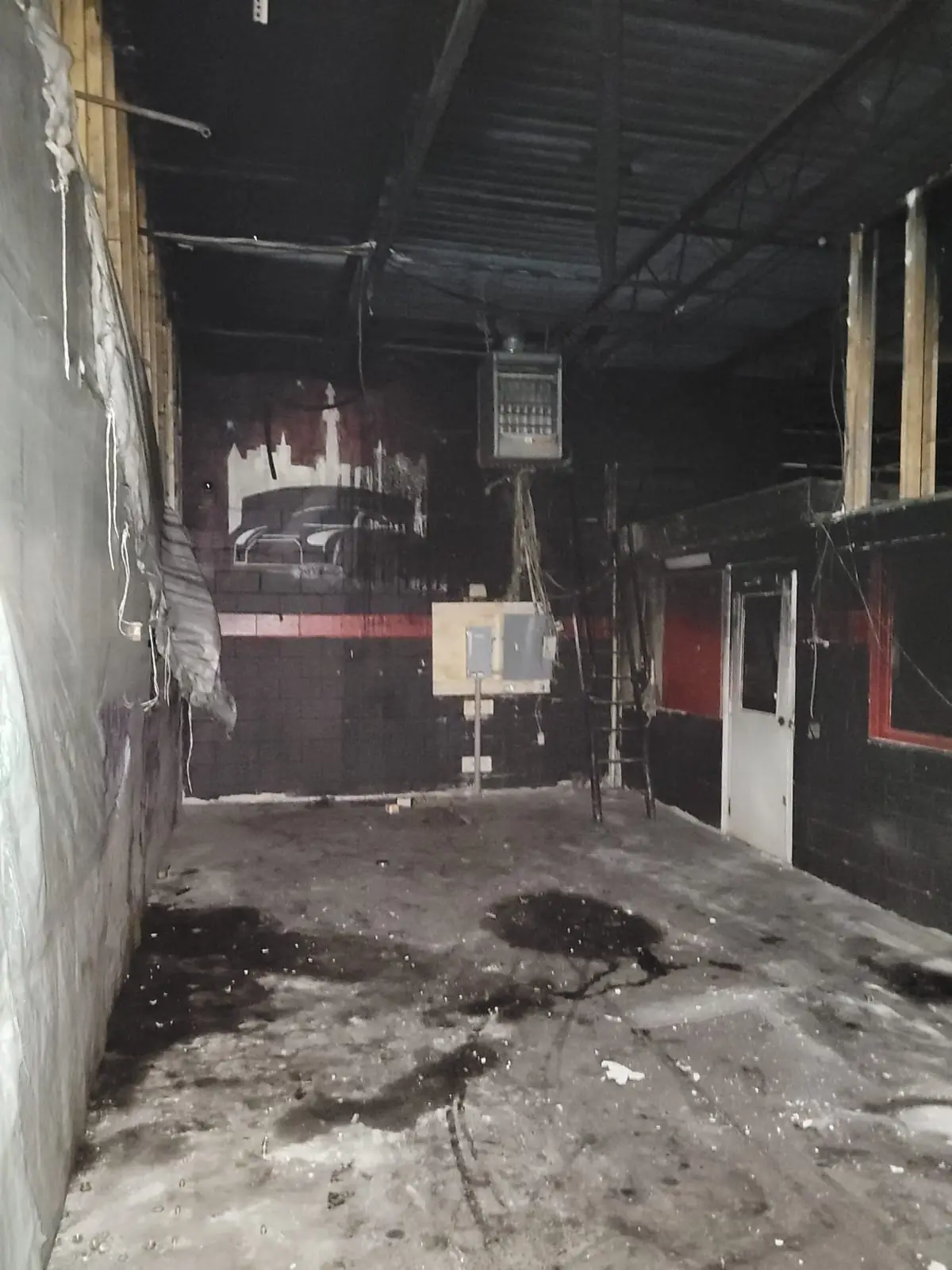
- Obvious structural damage: fallen ceilings, bowed walls, sagging floors.
- Water above outlets, or if electrical systems have not been confirmed as shut off.
- Any smell of gas (rotten egg odour) or sounds like hissing near gas pipes.
- Downed or exposed power lines on or near the property.
- Smouldering debris, hot surfaces from recent fires, or compromised supports.
- Do not enter until fire, building, or utility authorities confirm that entry is safe.
- Remain outside if you see:
If you are unsure about any hazard, prioritize safety - wait for professionals and never risk a return for belongings or documentation.
Contacting Your Insurance Company and an Emergency Restoration Company
Once personal safety is confirmed and authorities have signalled it is safe to access the property, connect immediately with your insurance carrier and arrange for restoration professionals. Early, organized communication preserves your documentation and helps accelerate restoration.
Have this information at hand before making your calls:
- Type of damage: Water & Flood Damage, Fire & Smoke Damage, Mold or Asbestos concerns, Wind & Storm Damage, or combinations.
- Scope and location: Precisely which rooms, units, or zones are affected. Note visible damage or hazards.
- Timeline: When was the incident discovered and when did it likely occur?
- Known ongoing risks: Such as leaks, active flooding, power outages, unstable areas, or mold smell.
- Access arrangements: Locked gates, security systems, parking or elevator limitations.
Checklist for effective communication:
- Call your insurer promptly. Ask about immediate steps, required documentation, and whether an adjuster must view the property before removal or disposal of anything damaged.
- Clearly state the type, location, and extent of damages, including any present hazards (leaking water, standing water by outlets, visible mold, fire debris, etc.).
- Record claim numbers, adjuster names, and key contacts for future reference.
- Arrange a qualified restoration company as soon as you are able. Confirm their timeline for arrival, access procedures, and any initial safety needs.
Prompt action matters. 24/7 emergency restoration and mitigation services in the GTA can respond to disasters at all hours and coordinate with your insurer to limit secondary damage and accelerate project planning.
Documenting Damage Before Cleanup
Careful documentation is essential for insurance claims and fair assessment of losses. Only proceed with documentation tasks when the property has been cleared for safe entry by authorities or emergency personnel.
Safe documentation checklist:
- Take broad and close-up photos and video of all affected spaces - rooms, flooring, ceilings, fixtures, equipment, and contents.
- Prepare an inventory of damaged or lost property, including type, estimated value (purchase cost or replacement), and brief written descriptions.
- Hold onto all receipts related to emergency expenditures: hotel stays, repairs, temporary rentals, protective materials, supplies, and professional fees.
- Write down a log of conversations with your insurer, restoration company, adjusters, and authorities: date, person spoken to, and a summary of outcomes or advice received.
Caution:
Do not enter areas with standing water that could be electrified, suspected mold contamination, or structural instability. Never disturb debris if you are unsure whether it hides sharp objects, broken glass, chemicals, or potential asbestos.
Wait for clearance - do not risk your safety for documentation.
Preparing Your Home for the Restoration Team
Simple preparation ahead of the restoration team’s arrival allows professionals to move efficiently and perform their work without unnecessary delay or additional risk.
- Clear an accessible pathway to the main damaged zone, but do not attempt to move heavy items or debris if there is any risk of injury or further collapse.
- Move unaffected valuables, medications, and personal essentials from areas that will become work zones if it is safe to do so. Secure them outside the affected area or remove them from the property if vacating.
- Arrange for pets and children to be kept out of the work zone. Designate a space for animals or have them temporarily relocated to avoid exposure to hazards and busy work areas.
- Share detailed access instructions and known safety issues: Alert the restoration team about blocked stairwells, utility threats, locked gates, or common area limitations in multi-unit or commercial buildings.
By following these steps, you contribute to an efficient, customer-focused restoration process that upholds TGV Construction Group Inc.'s expertise and customer-centric approach.
Limiting Further Damage Before Restoration
While waiting for restoration crews, certain safe measures can prevent damage from escalating - but only take such action if there is no hazard to you or others.
| Scenario | Safe Measures You Can Take | Actions That Present Risk (Do NOT do) |
|---|---|---|
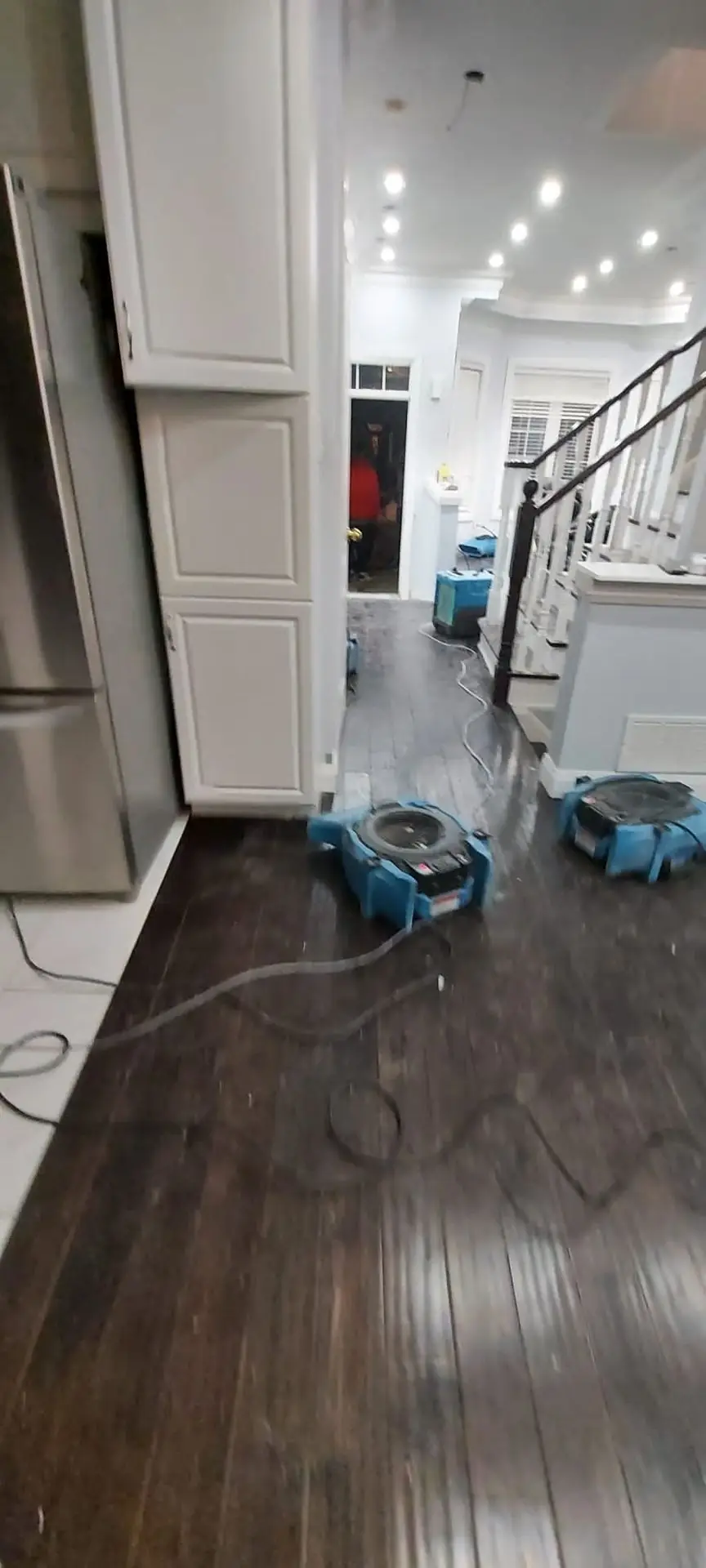
| Water leakage or flooding | Close the nearest main water valve if immediately accessible and dry. Place towels or a bucket under contained drips. Move dry, portable items from water’s path. | Do not use or touch electrical equipment near water. Do not enter rooms where water may be live with electricity. |
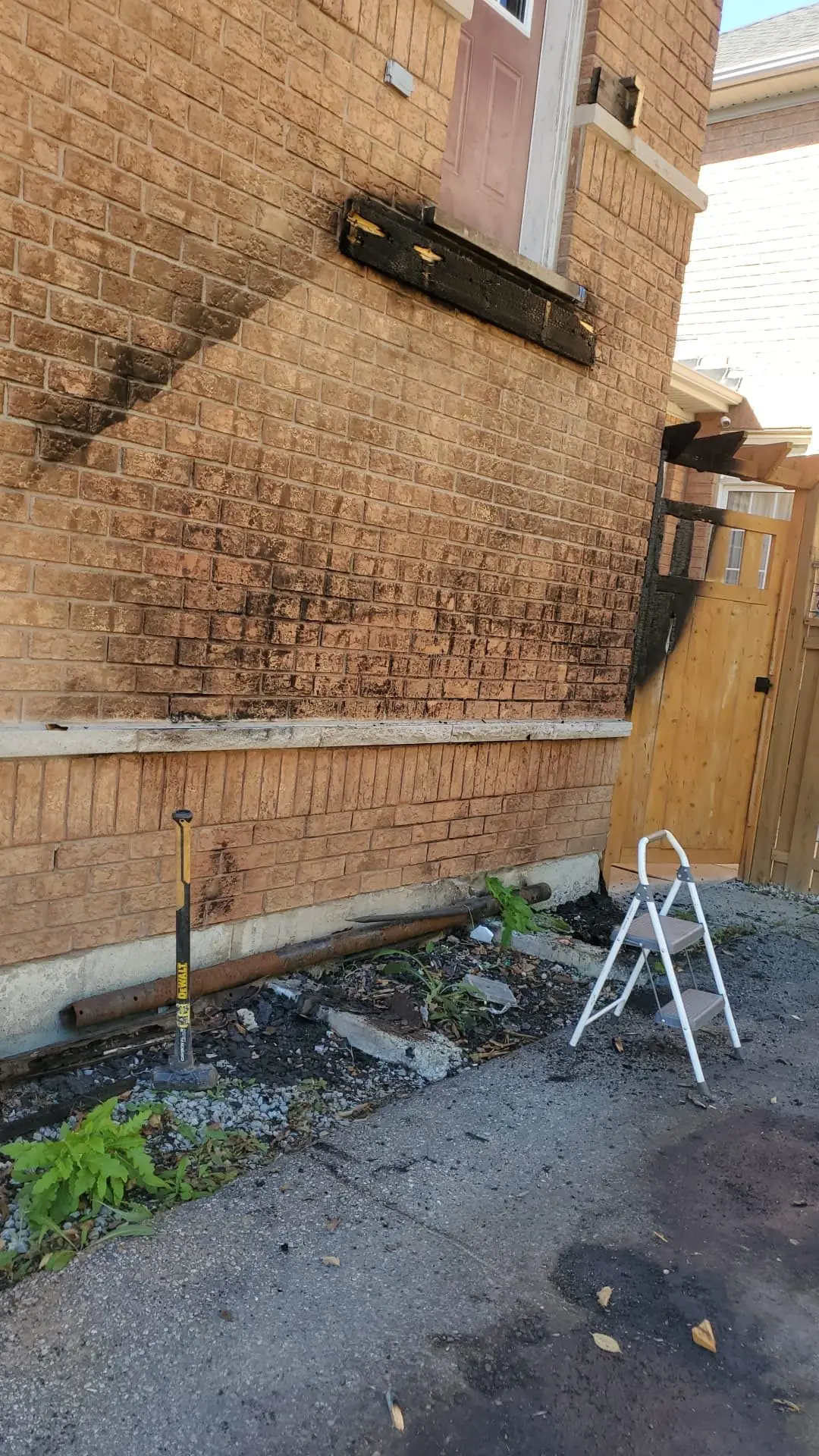
| Fire or smoke aftermath | Prevent others from entering the affected space. Keep doors closed to contain smoke odour if safe. | Do not disturb charred items or walk through debris. |
| Severe storm/wind | From outside only, cover broken windows with boards or plastic if safe. Move valuables away from open windows. Our storm damage repair guide covers what comes next. | Never approach fallen power lines or climb onto roofs. |
| Suspected mold growth | In unaffected, dry areas, ventilate with open windows if humidity/temperature allow and air quality is acceptable. | Do not turn on fans if visible mold is present; do not attempt cleaning moldy items. |
| General hazard | If you are certain it is safe, turn off main utility switches (water/gas/electric) to prevent further issues. | Avoid using portable generators or fuel tools indoors. Do not mix or use strong chemicals in confined areas. |
Never discard, remove, or destroy damaged items until insurance or restoration professionals confirm it is permitted. Some materials may contain hazardous substances requiring specialist removal.
Do not restore electrical circuits, turn on appliances, or attempt any repairs to systems that have been exposed to water or fire.
Never attempt extensive cleaning, demolition, or restoration work unless you are fully trained and equipped for those hazards.
What to Expect During the Initial Professional Assessment
Restoration experts initiate the process by conducting a thorough, safety-focused inspection and establishing next steps for mitigation and recovery.
Key steps in the initial assessment:
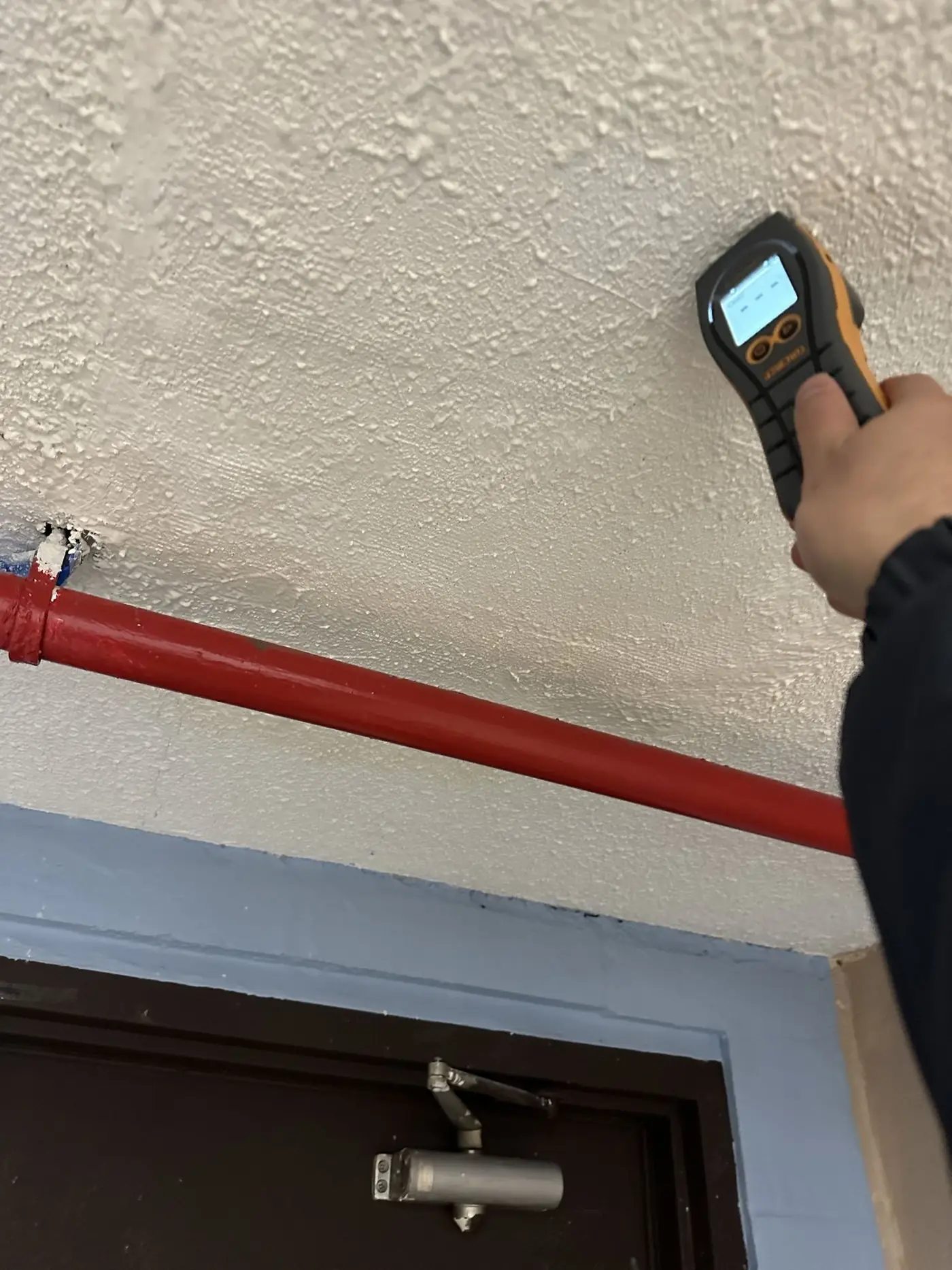
- Inspection: Areas are checked with moisture meters, cameras, and structural tools to locate hidden damage, assess contamination, check for mold, and identify any physical dangers or need for PPE.
- Discussion: Team members will review immediate actions (like water extraction or temporary protective boarding), assess safety, and outline the initial scope. Explain your observations and any unique property considerations (historic features, medical needs, business continuity concerns).
- Next steps: Expect a clear plan with timelines for cleaning, repairs, and further visits. All required permits or inspections for affected utilities, electrical systems, or building materials will be identified.
- Communication: You'll be shown who to contact for updates, what reporting will be shared, and what to expect for coordination with your insurer.
Good questions for your restoration team:
- Which actions will happen today vs. in later phases?
- Will hazardous materials testing or abatement be required (e.g., suspected asbestos)?
- How long will each restoration phase take, and what access will I need to provide?
- How will I be updated if plans, schedules, or work scope change?
For comprehensive information on the comprehensive restoration and mitigation services offered by TGV Construction Group, visit our overview page, which details residential, commercial, and specialty service offerings.
Common Preparation Mistakes to Avoid
Some well-meaning actions can make restoration or insurance challenges worse. Avoid these errors as you respond to disaster:
- Entering a property before it has been declared safe by emergency or utility personnel.
- Turning on electrical systems or plugging in appliances after exposure to water, fire, or unknown residue.
- Discarding damaged belongings or debris before an adjuster or restoration professional reviews and documents the site.
- Attempting extensive cleaning, chemical treatments, or mold removal without approval or proper protective equipment.
- Operating gas-powered generators or tools inside the home, basement, garage, or other enclosed spaces, due to the risk of carbon monoxide poisoning.
- Demolishing, removing, or altering structural materials yourself, especially if they might contain asbestos or other regulated hazards.
If you are unsure whether an action is allowed or safe, wait for a professional or your insurer’s direction.
Frequently Asked Questions
What should I do first after discovering damage?
Remove everyone from danger, including pets, then call emergency services if health or major safety risks exist. Only prioritize property after all occupants are safe.
When should I call insurance vs. a restoration company?
Call both as soon as possible. Your insurer can confirm claim requirements and initial guidance. Restoration professionals will provide prompt response and help prevent damage escalation.
Is it safe to go back inside for photos after fire or flood?
Not until authorities confirm the site is safe. Hazards may linger after the immediate threat is gone. Do not re-enter for documentation until officially cleared.
Should I start cleaning up before professionals arrive?
Only take minor steps - moving unaffected personal items to safety or containing a drip - if there’s no risk. Do not clean, remove, or dispose of any damaged items needed for your claim.
What information do I need for insurance/restoration calls?
Damage type, location, date/time discovered, current hazards, list of affected areas, your policy number, and a reliable method of contact.
Which belongings should I move or protect?
Vital medications, identification, cash, legal papers, and items of medical need - if safely accessible. Leave damaged property in place until cleared for removal.
How quickly should water-damaged areas be dried?
Drying should start within 48 hours where possible - see our water damage restoration checklist. Mold risk increases after two days, but never attempt large-scale drying or removal yourself if any risk remains.
When can I turn the power or appliances back on?
Only after a licensed electrician or utility technician has inspected and cleared all affected circuits and appliances.
Can I discard or clean damaged items before an adjuster arrives?
No. Wait for explicit instructions. Removing items early can jeopardize your insurance claim.
What if I smell gas or see downed wires?
Evacuate the area immediately. Call 911 and your utility provider (for gas in most of the GTA, Enbridge Gas). Never approach or attempt repairs yourself.
For additional details and further reading, consult further restoration tips and insights from our blog.
Informational Notice:
This guide is intended for information purposes only and is not insurance, legal, health, or professional restoration advice. Always follow emergency and official instructions and confirm all actions with your insurer and contracted professionals.
For support by an experienced, safety-first restoration team operating throughout the GTA and Ontario, request a free quote for restoration services from TGV CONSTRUCTION GROUP INC.
Your safety, property, and peace of mind are our highest priorities.