Asbestos remains a hidden hazard in many Toronto and Ontario properties - homes, commercial buildings, and industrial sites alike. During renovations, repairs, or emergency restoration, the unexpected discovery of asbestos-containing materials can create urgent safety, health, and legal risks. Whether you are planning a kitchen or bathroom remodel, managing an older apartment complex, or responding to storm or flood damage, understanding a safe, compliant process for asbestos testing, abatement and removal is essential.
TGV Construction Group Inc. is dedicated to protecting the health of communities across the Greater Toronto Area. Led by Tamara Gavrilenko, our team applies robust knowledge of Ontario regulation, strict safety standards, and accountable project management for every Mold & Asbestos and property restoration project. Our commitment to customer satisfaction and transparency supports informed decision-making.
This comprehensive guide establishes how to navigate asbestos challenges safely, following each step from first discovery through licensed removal, site clearance, and record-keeping. Confirm all requirements with a qualified professional before beginning work, as Ontario’s regulations and best practices continue to evolve. To learn more about TGV Construction Group’s experience and leadership, visit our About page to learn more about TGV Construction Group’s experience and leadership.
Asbestos Removal in Toronto: Safety First
Discovering or suspecting asbestos during construction or renovation calls for immediate, measured action. Mishandling these materials - even simply drilling or sanding an old tile or pipe wrap - can expose demolition teams, residents, and neighbours to lasting health hazards and legal consequences.
Immediate Action Checklist:
- Stop all work that could disturb suspected asbestos materials.
- Restrict access. Keep people, children, and pets away. Never allow vacuuming, sweeping, sanding, or breaking of the material.
- Do not attempt to collect samples yourself. Only certified, trained professionals should handle materials that could contain asbestos.
- Contact a qualified asbestos professional. If the situation follows fire, water, or storm damage, seek 24/7 emergency mitigation and restoration to assess risks and secure the site promptly.
Why Caution Is Essential:
- Asbestos fibres are invisible and can stay airborne for hours.
- Breathing in asbestos dust may cause serious lung diseases, including asbestosis, mesothelioma, and cancer, often years after exposure.
- Legal duties and Ontario Regulation 278/05 require strict measures: personal protective equipment (PPE), notification of authorities, and regulated disposal.
Safe asbestos management is not only about complying with the law - it’s about safeguarding everyone in and around the property. Professional assessment and abatement by qualified contractors protect your health, investment, and peace of mind.
Materials That May Contain Asbestos
Across Toronto and the GTA, many older buildings were constructed or renovated when asbestos was a common ingredient in materials. Some are obvious; others are hidden behind walls, under floors, or in pipe insulation.
Common Asbestos-Containing Materials
-
Friable Asbestos Materials (can be crumbled or reduced to powder by hand):
- Sprayed fireproofing on beams or ceilings
- Pipe or boiler insulation (often wrapped in a cloth-like or solid white blanket)
- Acoustical or decorative plasters on ceilings and walls
- Loft or attic insulation products (esp. vermiculite)
-
Non-Friable Materials (fibres bound in solid matrix, risk increases if cut, sanded, or deteriorating):
- Vinyl floor tiles (typically 9" x 9", 12" x 12")
- Old vinyl sheet flooring and adhesives
- Transite/cement board siding, shingles, or panels
- Textured ceiling coatings (“popcorn” ceilings)
- Patch, mud, and joint compound up to the early 1980s
- Some roofing felts and mastics
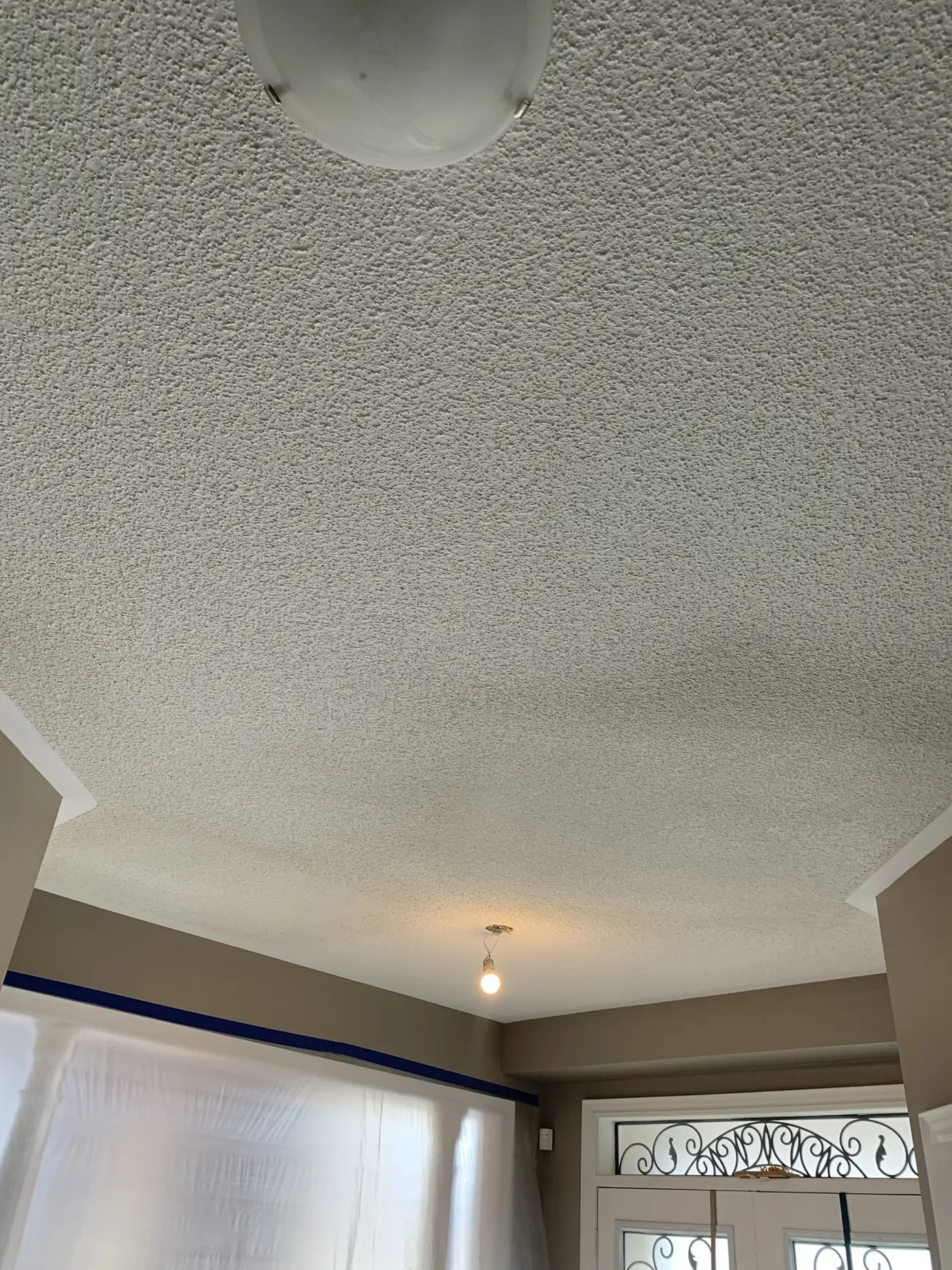
Key Facts:
- Visual identification is unreliable. Modern materials often appear nearly identical to those made with asbestos. Building age alone is never a guarantee.
- Testing or formal assessment is the only way to conclusively identify asbestos-containing materials (ACMs).
- If original construction materials are undamaged, sealed, and left undisturbed, a professional may recommend management-in-place rather than removal. Always confirm with an expert familiar with Ontario regulations.
Step 1 - Stop Work and Limit Access
First response protects everyone. If you find or suspect ACMs:
- Pause all construction, renovation, or demolition near the suspect area.
- Shut off the affected space. Close doors, block off with tape, and post warning signage if available.
- Do not sweep, wipe, vacuum, drill, or break any material. Mistaken attempts to clean or “check” a material are high-risk.
- Avoid any do-it-yourself removal, even for seemingly minor tasks.
If the situation follows an emergency - such as a burst pipe, fire, or storm - calling for 24/7 emergency mitigation and restoration ensures rapid professional help, helping secure property and limit further exposure.
Step 2 - Arrange Asbestos Testing and an Assessment
When the immediate area is secured, arrange for a formal asbestos assessment by a licensed professional who understands both Ontario’s rules and Toronto’s local requirements.
How to Proceed:
- Choose a qualified, insured asbestos assessor familiar with both residential and commercial properties. For commercial and multi-unit buildings this is often done as a designated substance survey (DSS).
- The assessment typically involves:
- Thorough inspection of all suspect materials (ceiling tiles, walls, pipework, insulation, etc.)
- Safe collection of samples for laboratory testing
- Clear reporting on findings: locations and types of any ACM, risk evaluations, and next steps
- Assessment is crucial for planning any restoration, renovation, or abatement. It can help forecast budget, schedule, and regulatory requirements.
Do not skip this step. Many additional ACMs are only found as walls or floors are opened up. A comprehensive report arms you with the facts for a safe project.
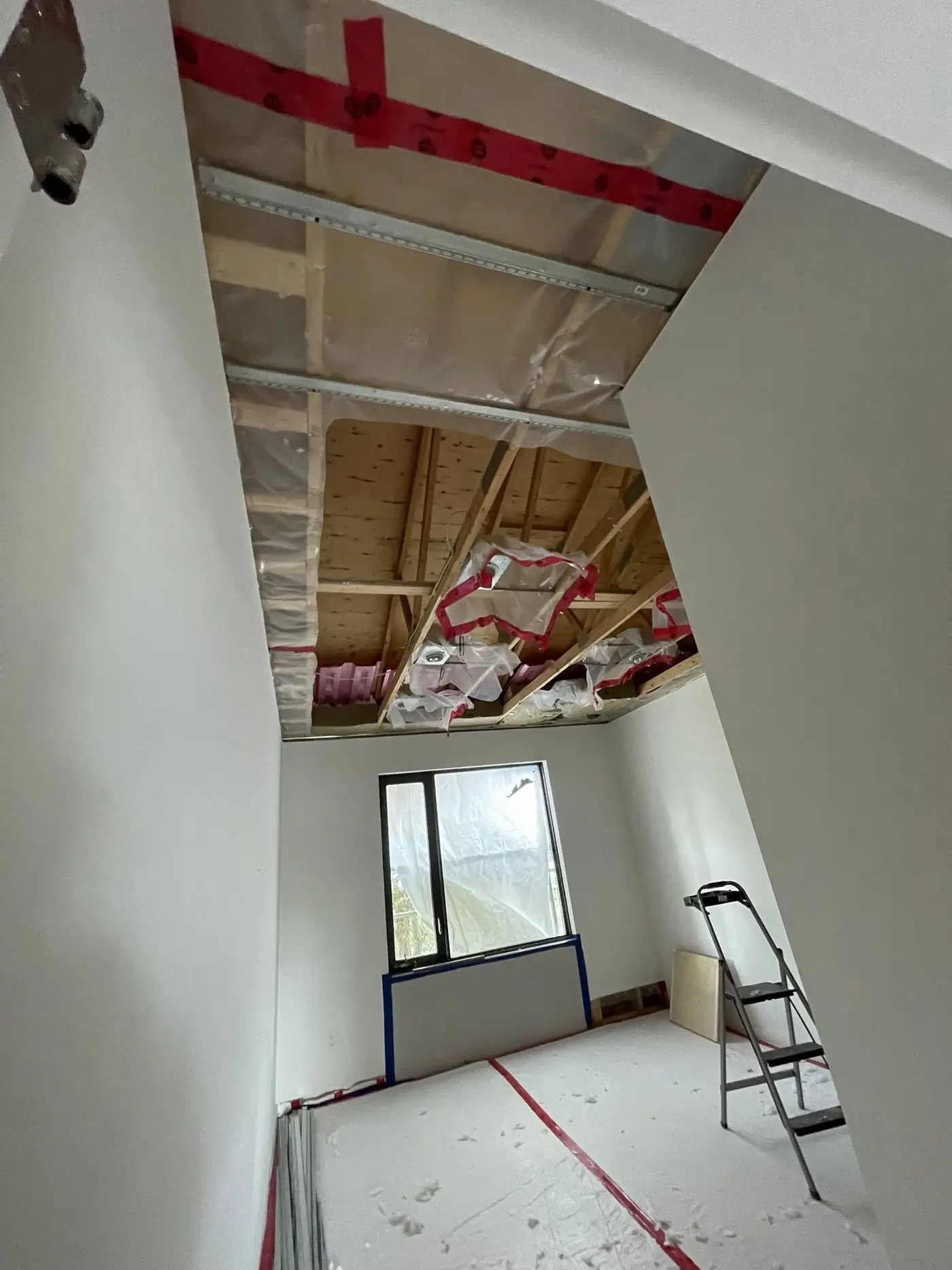
Step 3 - Understand Ontario's Asbestos Work Classifications
Ontario’s Regulation 278/05 divides asbestos-related activities by risk and procedure. These categories - Type 1, Type 2, and Type 3 operations - determine required safety controls, notifications, and documentation.
| Classification | Description | Typical Examples | Notification Required? | Key Controls |
|---|---|---|---|---|
| Type 1 | Low risk, non-friable ACM; minimal disturbance | Removing vinyl tiles (if whole); minor removal of cement board | Not typically* | Barriers, minimal PPE, wet methods |
| Type 2 | Moderate risk, small-scale friable, or use of power tools; glove-bag removal | Removing pipe or duct insulation with glove-bags; disturbing up to 1m² of friable ACM; power tool use with HEPA vac | For 1m²+ glove-bag insulation* | Enclosures, signage, HEPA vacuums |
| Type 3 | High risk, >1m² friable ACM disturbed; demolition | Large-scale fireproofing, demolition, aggressive cutting | Always required | Full containment, negative air, full PPE, clearance testing |
*Notification requirements can change and depend on project specifics. Confirm before starting work.
Critical points:
- Classification depends on both material condition and the work method, not just type or location.
- Higher-risk (Type 2 and Type 3) operations require added controls such as enclosures and specialized PPE. Ministry of Labour notification is required before every Type 3 operation and before glove-bag removal of 1m² or more of insulation.
- All contractors must thoroughly document which classification applies to each aspect of work.
Step 4 - Choose a Qualified Asbestos Abatement Contractor
Hiring an experienced, certified abatement contractor is essential for both legal and safety reasons. Here’s what you should verify before proceeding.
Contractor Selection Checklist:
- Experience handling asbestos removal for similar property types in the GTA or Ontario
- Staff who are certified and trained to the correct level (Type 1, 2, or 3)
- Valid liability insurance and clearance from WSIB (Workplace Safety and Insurance Board)
- Relevant building permits and compliance with all Ontario safety standards
- Written, clear project scope: specific materials to be removed, detailed plans for containment and area access, cleaning protocols, and waste management
- Defined responsibility for Ministry of Labour notification/submission (mandatory for Type 3 and some Type 2 projects)
- Timeline for work and specific cleaning and verification steps (including occupancy restrictions)
- Procedures for handling changes, such as hidden ACMs discovered mid-project
- Plan and documentation for transporting and disposing of asbestos waste
For an in-depth consultation or transparent cost guidance, review TGV Construction Group's general contracting and restoration services. For direct support or to schedule an assessment, contact TGV Construction Group for asbestos assessment and removal.
Step 5 - Prepare the Site and Occupants
Before removal begins, the site and everyone in the building must be prepared for safety and a smooth process.
Preparation Checklist:
- Communicate detailed plans with all residents, occupants, and relevant neighbours. Explain schedules, restricted areas, and safety controls.
- Work closely with property management if applicable; coordinate access in multi-unit settings or commercial spaces.
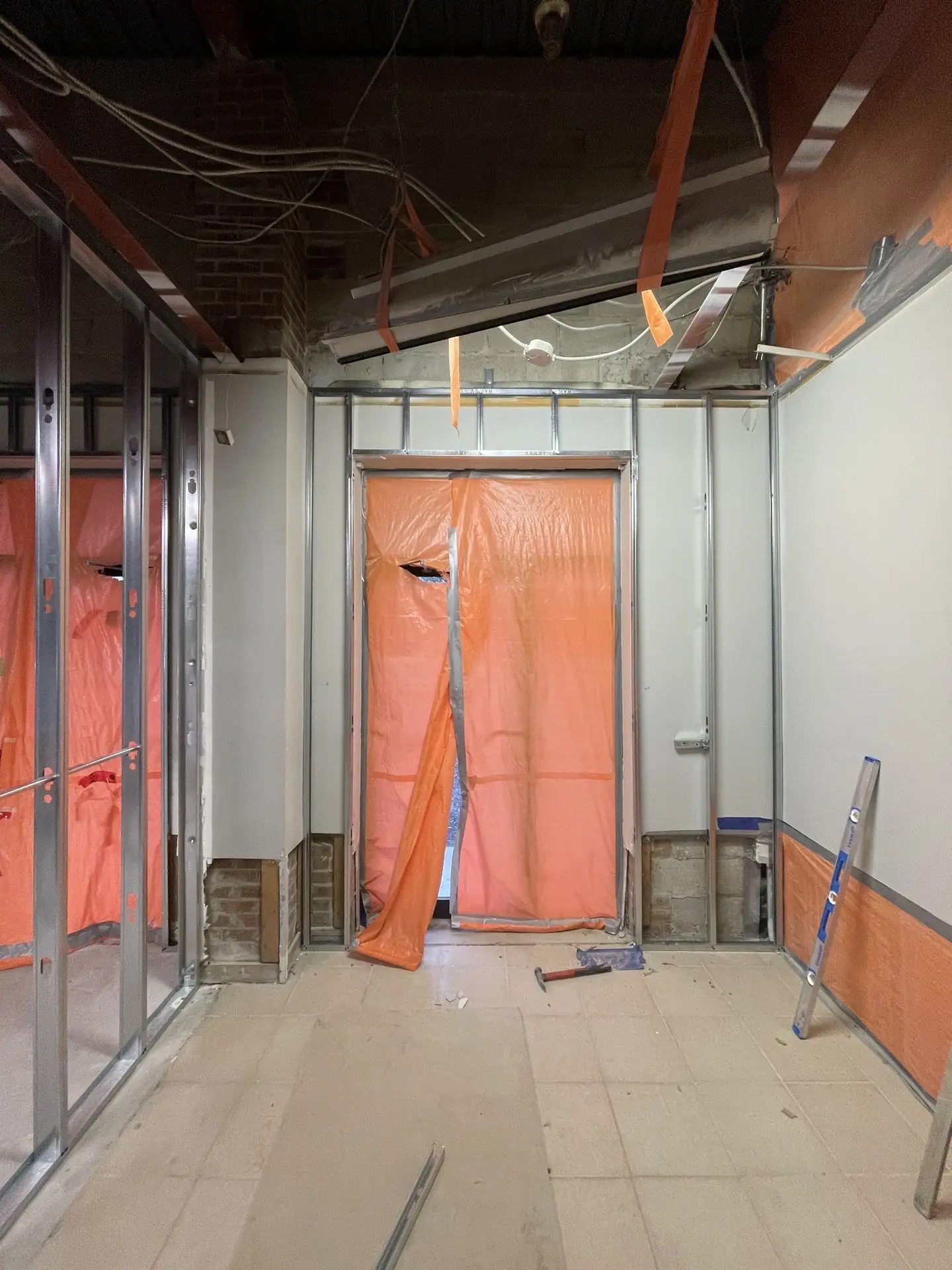
- Isolate the affected area using robust barriers, signage, and, for higher-risk jobs, air-lock systems to prevent accidental access.
- Shut down or seal HVAC, vents, or duct systems connected to the abatement area.
- Decide on the best schedule for work, considering business operations, sensitive uses, school timings, etc.
- Remove or protect personal items, furniture, inventory, or pets from the workspace as recommended.
- Confirm with your contractor that all required PPE, containment supplies, and HEPA equipment are available and operational before starting.
These steps reduce risk of exposure, protect sensitive individuals, and support efficient project delivery.
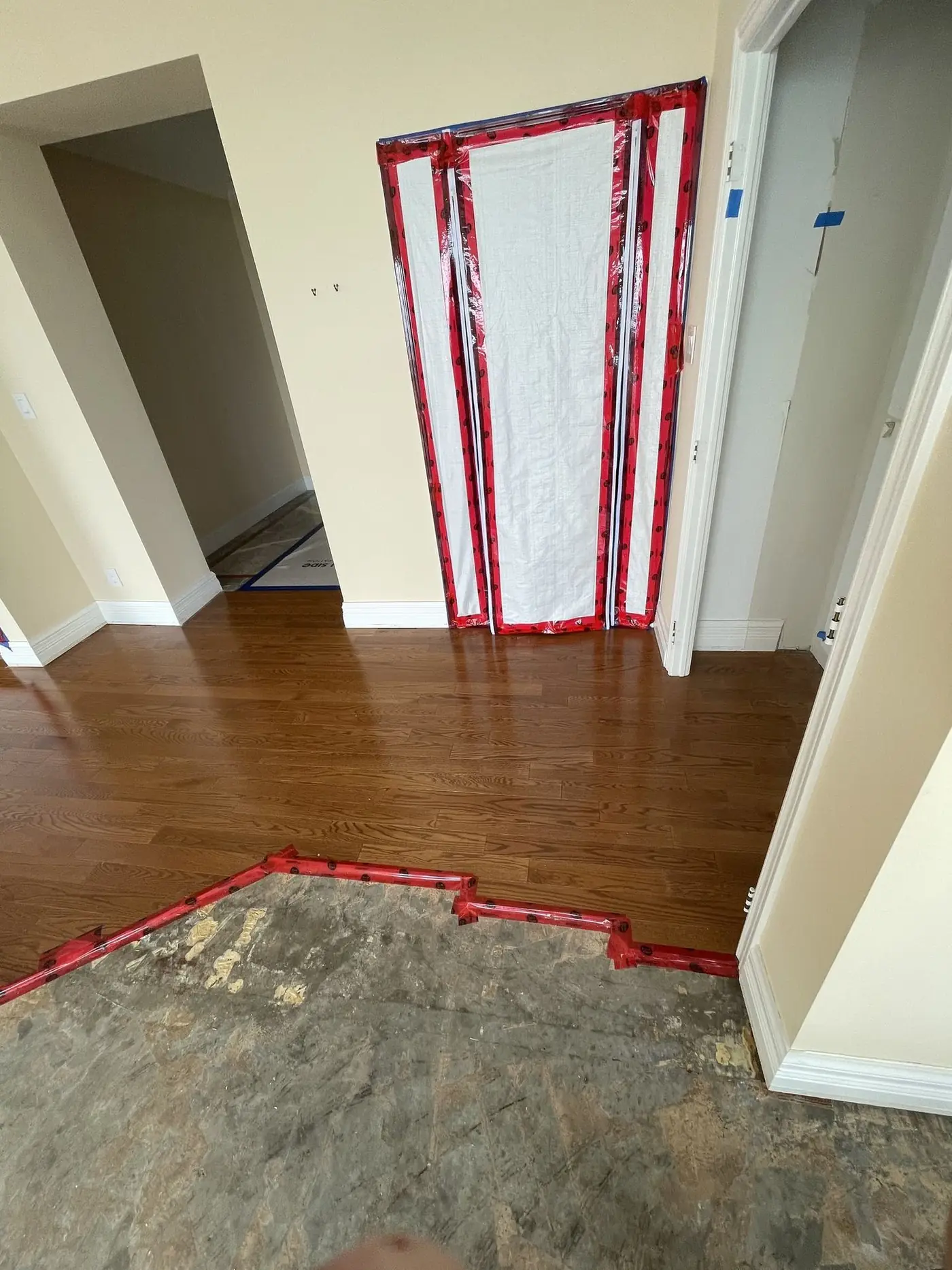
Step 6 - Conducting the Asbestos Removal Safely
Abatement and removal are carried out only by trained and licensed professionals under carefully controlled conditions. Ontario standards specify the methods, protections, and documentation required.
During Removal:
- Contractors seal and contain the work area fully, using polyethylene barriers and, for Type 2 or 3, negative air units to prevent fibre escape.
- Warning signage is posted at all access points.
- All workers inside the controlled area wear regulatory-approved respirators, disposable suits, gloves, and eye protection. Respirators must be NIOSH-approved, as Ontario Regulation 278/05 requires.
- Work is performed using wetting and low-dust methods; power tools are equipped with HEPA filtration. Compressed air is never used for cleaning ACM.
- ACM waste is packaged in leak-proof, double-bagged, labelled containers for transport.
- Ongoing decontamination is enforced: workers pass through a required decon station to prevent tracking of dust to clean areas.
Each procedure mirrors the requirements of Ontario Regulation 278/05 and the specifics in your assessment report.
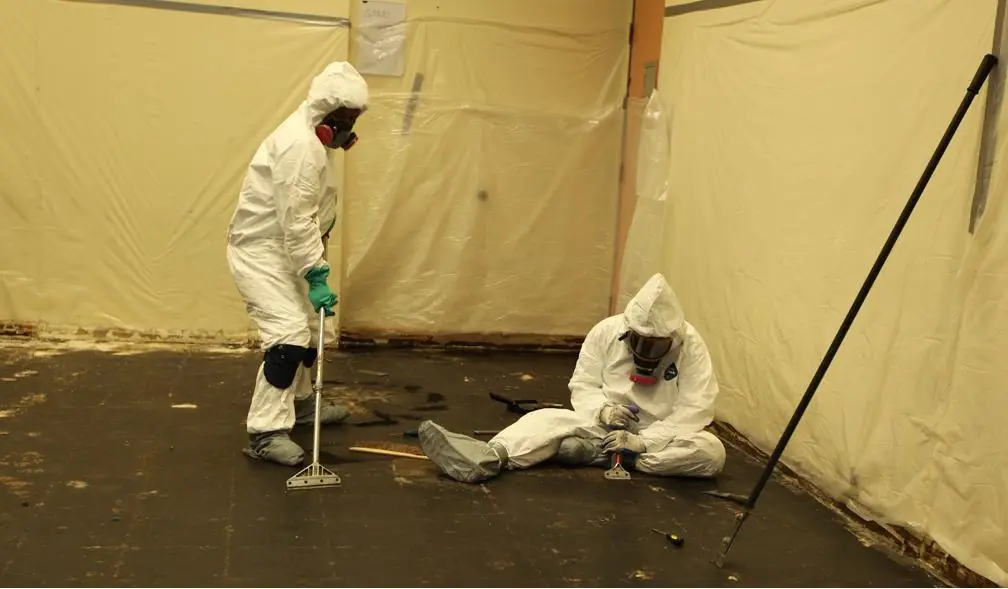
Step 7 - Cleaning, Verification, and Documentation
Proper project closure is as important as safe removal. Regulatory compliance, future renovations, real estate transactions, and peace of mind all depend on rigorous cleaning and records.
Project Closure Checklist:
- Contractors clean the area repeatedly, using only HEPA vacuums and approved damp wiping methods. Dry sweeping and conventional vacuums are strictly prohibited.
- After Type 3 work inside an enclosure, the law requires clearance air testing by a competent person before the enclosure comes down (buildings about to be demolished are the exception). For other work your consultant may still call for it - ideally done by a party independent of the removal contractor - to confirm the area is safe before re-occupancy.
- Final inspection ensures all ACM debris is removed, containment is removed safely, and that the space is safe for use.
- Homeowners and managers should retain all documentation:
- Assessment and lab reports
- Project scope and completion summary
- Ministry of Labour notifications (if required)
- Waste transportation and disposal certificates
- Clearance test results
Maintaining comprehensive records is vital for future renovations or if you plan to sell the property. Further support, including step-by-step advice on asbestos safety and restoration, is available in our detailed restoration and asbestos removal guides.
Step 8 - Proper Transport and Disposal of Asbestos Waste
Strict rules protect both public health and the environment from asbestos waste.
- Toronto’s waste depots and curbside collection DO NOT accept asbestos waste. Illegal disposal can result in fines and environmental hazards.
- A licensed hazardous waste contractor - usually the abatement company - must take responsibility for all asbestos waste transport and disposal. Only Ministry-approved facilities may accept this waste.
- All asbestos waste is packed in double, sealed, labelled bags or rigid containers.
- You must receive clear documentation showing the chain of custody and final disposal - an important record for both compliance and property value.
Discuss all waste arrangements before work begins. Do not let waste accumulate on-site, and never attempt disposal through regular garbage or recycling.
Common Asbestos Removal Mistakes to Avoid
- Attempting so-called “minor” or DIY removal. Without proper training and containment, this presents real danger to everyone in and around the site.
- Hiring non-certified contractors, or those who skip notification and safety steps. Lack of documentation and legal compliance is a major risk.
- Failing to submit Ministry of Labour notification when required for Type 2 or Type 3 abatement.
- Skipping critical containment, air testing, or thorough project cleaning.
- Improper waste transport or disposal - disposing with regular garbage is never allowed.
- Not keeping records of work performed, which complicates future renovations, inspections, or sales.
If in any doubt, stop work and seek qualified advice immediately.
Frequently Asked Questions
How do I recognize asbestos materials safely in my Toronto property?
Do not rely on visual checks or construction age alone. Many ACMs appear identical to safe alternatives. Only certified professionals should take samples and test materials.
Is removal mandatory for all asbestos found in a building?
No, not always. If ACM is in good condition and undisturbed, it may be managed in place under a formal management plan. Removal is necessary if the material will be disturbed or is deteriorating.
Are all asbestos removal projects subject to Ministry of Labour notification?
No. Type 1 activities typically require no notification, but Type 3 work and glove-bag removal of 1m² or more of pipe or duct insulation must be reported in advance.
Can a homeowner or handyperson do asbestos removal on their own in Ontario?
Do-it-yourself removal is highly discouraged and usually not permitted when risk is moderate or high. Type 3 work must be done by workers and supervisors certified in asbestos abatement, and every contractor must follow Ontario Regulation 278/05.
If air testing is required, when does it happen?
Ontario’s regulation requires clearance air testing after Type 3 work inside an enclosure, once the area is cleaned and dry. For Type 1 and Type 2 work the regulation does not require it, but a consultant may specify it.
Do Toronto household waste depots accept asbestos materials?
No. Never bring asbestos waste to City drop-off depots or put it with trash. Licensed abatement contractors will arrange safe, legal disposal at proper facilities.
What should an asbestos removal quote include?
A quality quote documents the materials to be removed, safety and containment plans, notification procedures, cleanup and clearance testing (if required), waste handling, and all documentation you will receive post-project.
When can my family or tenants safely return after removal?
After removal and cleaning, once clearance air tests (if mandated) confirm safe air and the contractor documents area clearance and waste disposal.
What happens if more ACM is found during the project?
Certified contractors should pause work, explain findings, update documentation, and seek your agreement on revised safety, scope, timeline, and cost before proceeding.
Safety and legal compliance remain central to every renovation, emergency response, or restoration project involving asbestos. TGV Construction Group Inc. brings years of experience, a commitment to inclusive communities, and a transparent process to every job - whether a kitchen renovation or a complex commercial abatement.
For prompt advice, inspection, or a clear cost estimate, contact TGV Construction Group for asbestos assessment and removal. Every project is managed with safety, transparency, and your satisfaction as the top priorities. Always verify present-day regulations before proceeding, as requirements may change over time.