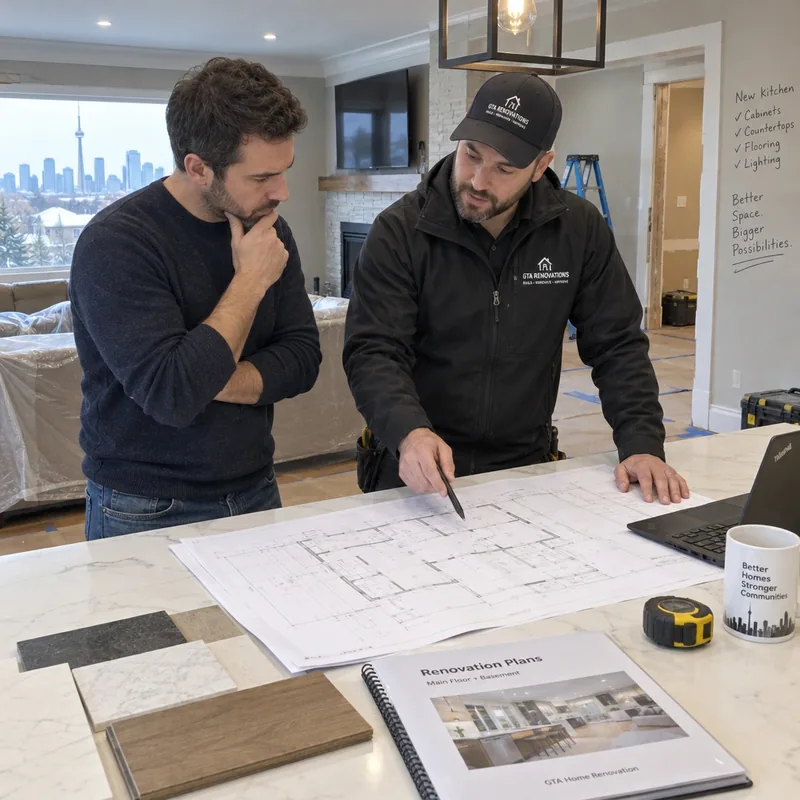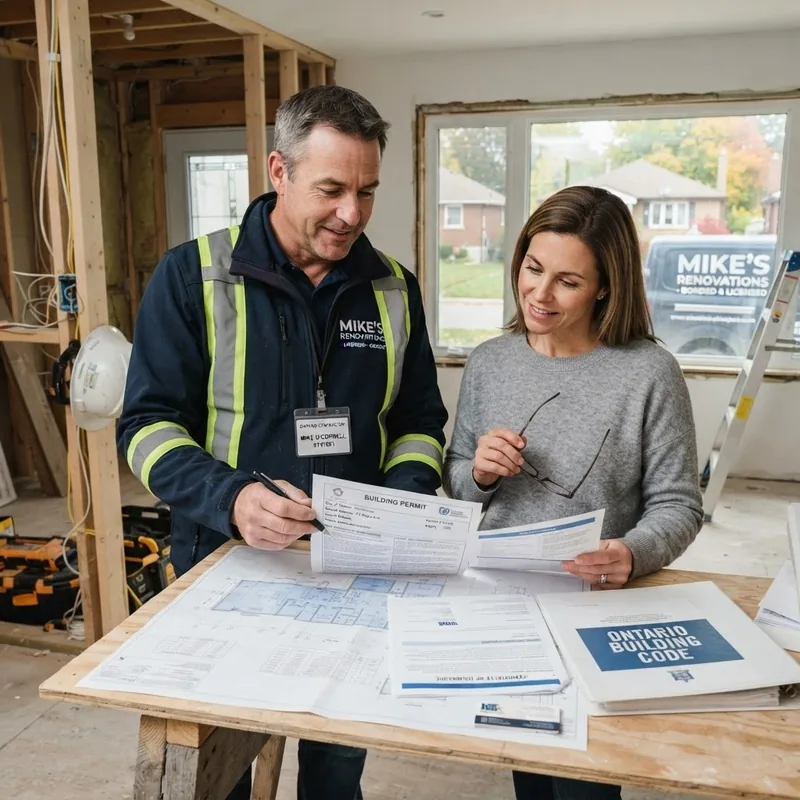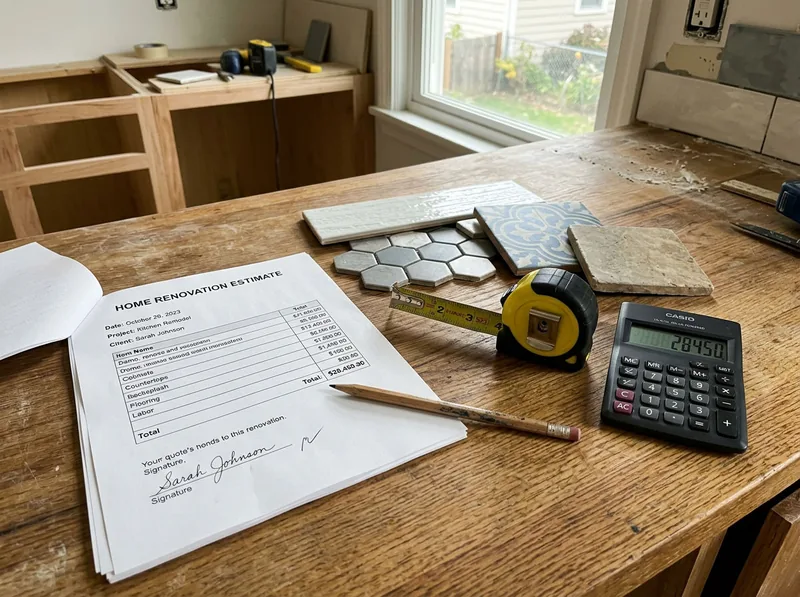

Renovation projects in Ontario require careful planning, clear communication, and trust in the professionals you hire. Whether you’re updating your family home in the Greater Toronto Area or improving a commercial property, your choice of general contractor is pivotal. The right contractor affects not only the finished result but the entire process, including timelines, budget management, safety, and how efficiently unexpected issues are resolved.
A qualified general contractor coordinates all licensed trades, handles building permits, manages the project schedule, oversees risk, and maintains rigorous standards for safety and quality. Choosing the right professional involves more than comparing prices. It calls for a thorough review of credentials, transparent contracts, and evidence of responsive communication and leadership.
This guide provides straightforward, Ontario-focused advice to help you make informed decisions. Topics include local permit and inspection requirements, contract essentials, insurance checks, budget planning, and recent legal changes, such as payment holdback rules, that apply in the GTA and across Ontario. If your project involves restoration, fire or water damage, or hazardous material removal, choosing experienced leadership with a proven safety record is especially important.
This guide is for informational purposes only and does not constitute legal advice. Always consult a qualified professional or your local municipality about contracts, permits, or legal compliance for your specific project.
What Does a General Contractor Do?
A general contractor is the manager and central point of contact for construction, renovation, and restoration work, especially when multiple trades, permits, or inspections are involved. TGV Construction Group Inc. provides comprehensive general contracting and renovation services for residential and commercial projects throughout the Greater Toronto Area and Ontario.
Key responsibilities of a general contractor:
- Coordination: Manages the project schedule, arranges deliveries, coordinates licensed trades, and oversees daily construction activities.
- Site management: Maintains site safety, ensures regulatory compliance, and manages temporary protection and waste removal.
- Permits and inspections: Guides clients through the permits needed for structural, plumbing, electrical, and other regulated work, and oversees inspection scheduling and compliance.
- Budgeting: Prepares detailed quotes, tracks project costs, and manages change orders.
- Communication: Provides regular updates, communicates changes, and keeps clear records of client instructions.
- Quality control: Enforces quality assurance standards from start to finish.
How a general contractor differs from a trade contractor:
- General contractor: Manages the entire project, coordinating multiple trades and handling all subcontracts, permits, and quality checks on your behalf.
- Trade contractor: Specializes in a single discipline (such as plumbing, electrical, or tiling) and is typically hired or supervised by the general contractor or property owner for specific tasks.
By hiring a qualified general contractor, you gain a professional who takes responsibility for the overall coordination, compliance, safety, and delivery of your renovation or restoration.
Defining Your Renovation Project
Success starts with preparation. Before inviting bids, clarify your goals, define the full scope, and set a clear budget and schedule. Without clear planning, even the best contractor can struggle to meet expectations, and costs can climb unexpectedly.
Steps for clear renovation planning:
- Define the project scope: List every room, area, or system to be updated, such as the kitchen, bathroom, basement, or exterior.
- Set priorities: Decide which elements are essential and where you can be flexible if adjustments are needed.
- Establish a budget range: Set your maximum investment and reserve a contingency fund (typically 10–15%) for unforeseen issues.
- Identify scheduling needs: Note any deadlines, such as a target move-in date or seasonal business needs.
- List known challenges: Document possible concerns with your property (like old wiring, asbestos, or water issues) that could affect scope or cost.
Prepare plans and specifications:
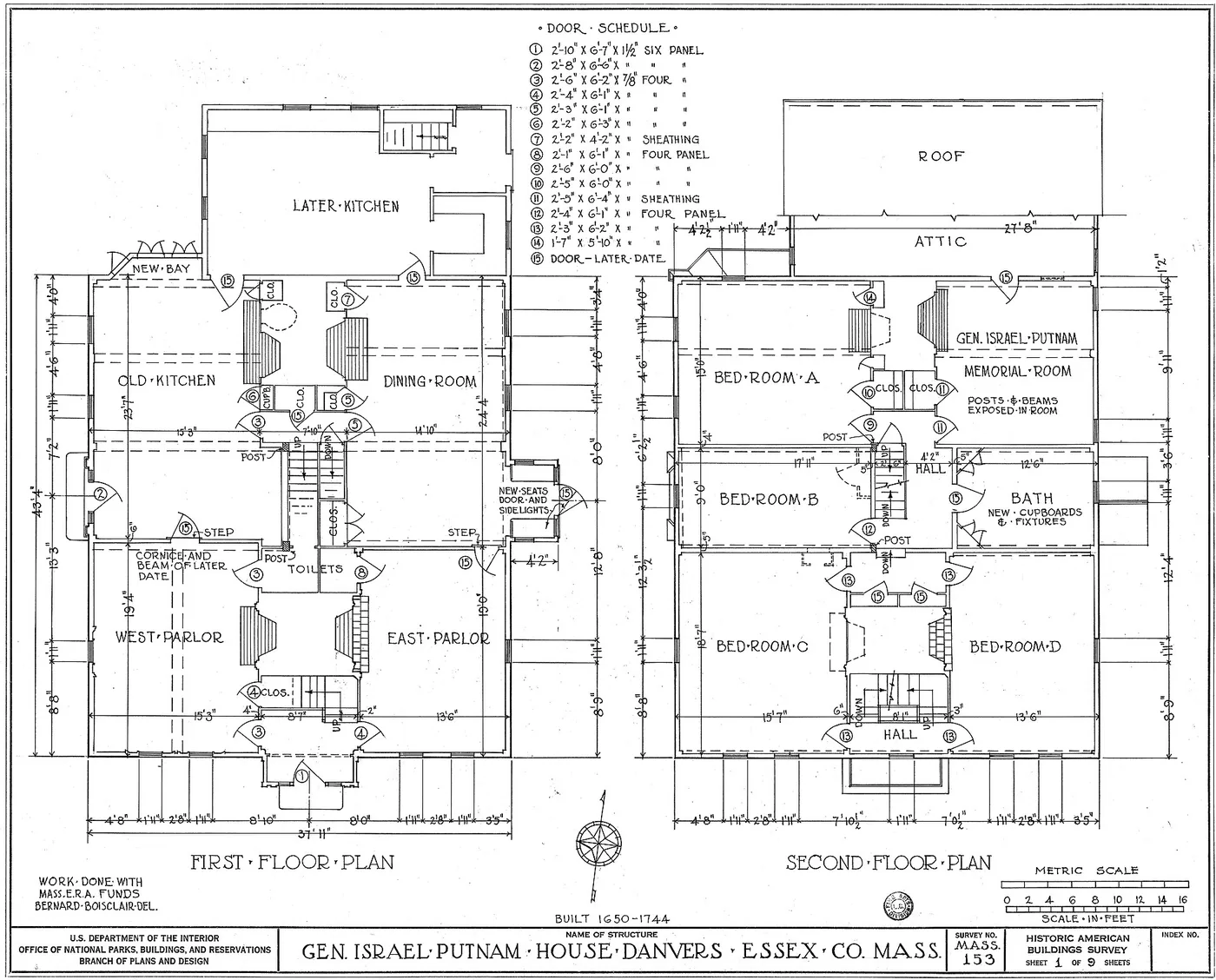
- Sketch the desired layout, or work with a designer to produce basic drawings.
- Specify preferred materials, finishes, cabinetry, fixtures, flooring, and appliances.
- Prepare a detailed list for each room and check your selections against your budget.
- Decide who will make selections for any “allowance” items, and set target values.
With thorough documentation, every contractor bids on the same work, and hidden costs are greatly reduced.
For budgeting help tailored to the Ontario market, visit our detailed budgeting and renovation cost guidance.
Where and How to Find Suitable General Contractors
Finding a competent contractor takes more research than a quick search or a single recommendation. Taking the time to source and compare contractors properly helps prevent delays, cost overruns, and disputes.
Ways to find and shortlist experienced contractors:
- Ask for referrals: Talk to people you trust, such as friends, family, colleagues, or design professionals, about similar renovation projects.
- Review completed projects: Look for contractors who can show documentation, photos, or references for work similar in size and scope to yours.
- Consider specialization: Contractors experienced in both residential renovation and commercial restoration are often well equipped to manage complex, multi-trade projects.
- Check professional standing: Look at company websites for evidence of completed projects, business partners, industry affiliations, or awards.
- Get written bids: Request standardized written quotes from a shortlist of three to five firms, based on clear specifications and material lists that match your outline.
Checklist for shortlisting general contractors:
- Do they have recent experience with projects of similar size and complexity?
- Are they familiar with municipal and safety requirements in your area?
- Can they provide written, scope-matched bids with clear inclusions and exclusions?
- How do they respond to questions about permits, licensed trades, and safety procedures?
Properties at risk of flooding or fire may benefit from choosing a firm with in-house 24/7 emergency mitigation and restoration services.
Vetting General Contractors for Your Renovation
Once you have bids, take time to evaluate each contractor’s track record, credentials, safety practices, and communication. Careful vetting protects your investment and ensures all legal and insurance requirements are met.
How to check a contractor’s credibility:
- Confirm experience: Ask for addresses and photos of comparable recent projects, and ask how any issues were managed and resolved.
- Request client references: Speak with at least two past clients. Ask about schedule adherence, workmanship, site cleanliness, and responsiveness.
- Review reputation and qualifications: Look for signs of industry leadership, business longevity, and evidence of completed projects and partnerships.
You can learn about TGV Construction Group’s experience and leadership for insight into what makes a reliable contractor.
Verify insurance and workplace safety coverage:
- Get a certificate of liability insurance that is valid for your project and names your property address.
- Confirm Workplace Safety and Insurance Board (WSIB) coverage for the contractor and all subcontractors by contacting WSIB directly.
- For all regulated trades (electrical, plumbing, HVAC, gas), check that the professionals are fully licensed and current under Ontario requirements.
Review permits and project compliance:
- Get written confirmation of who will obtain the permits, and make sure this is included in your contract.
- Ask for copies of all required permits and proof that inspections are scheduled.
- Insist that any work involving hazardous materials (such as mould remediation, asbestos removal, or water damage restoration) follows Ontario’s prescribed safety standards and protocols.
Assess communication and site management:
- Find out who your on-site contact will be: the owner, a project manager, or a supervisor.
- Understand the process for daily updates, unexpected findings, scope changes, and documenting approvals or instructions.
- Ask for a full list of trades and subcontractors who will work on site, and request introductions or their credentials.
This diligence protects you from uninsured or poor-quality work, safety violations, and avoidable risks. Reputable firms like TGV Construction Group Inc. are consistently transparent and thorough in these areas, reflecting their commitment to quality assurance.

Understanding Renovation Contracts
Ontario consumer protection law requires a written contract for home renovation work over $50. The contract protects both you and your contractor by setting clear expectations for responsibilities, payment, changes, and delivery.
A complete renovation contract should specify:
- Scope of work: Defined in clear language, listing every included and excluded task or material.
- Material selections: Brands, models, finishes, and specifications for all key products.
- Price structure: Whether the contract is a fixed price, a written estimate, or cost-plus, along with any allowances for product choices.
- Allowances and changes: How overages, upgrades, and changes to the original plan will be approved and priced.
- Payment schedule: Payments tied to verifiable milestones (such as completion of demolition or installation). Avoid paying for the entire project upfront.
- Change orders: The process for all contract changes, with written documentation and signatures required before extra work begins.
- Schedule: Start and completion dates, with procedures for delays or unforeseen obstacles.
- Dispute resolution: How to raise complaints or warranty claims, including contacts and timelines.
- Cleanup and waste management: Who is responsible for cleanup and for protecting existing structures and finishes.
- Permits and inspections: Who is responsible for obtaining and closing all required municipal or provincial permits.
Save and organize all documents throughout the project, including signed contracts, receipts, insurance certificates, change orders, and correspondence.
Comparing Quotes and Payment Terms
Evaluate every quote on what’s included, not just the bottom-line price. Bids need to match on scope, specified products, allowances, and payment structure to be compared meaningfully.
Quote Comparison Table
Comparison Factor | What to Request | What to Check |
Scope | A detailed written list of included and excluded work | Do all bids cover the same areas and tasks? |
Material Selections | Listed products, brands, or allowances | Are allowances sufficient? Are key items clearly specified? |
Price Structure | Fixed price, written estimate, or cost-plus? | Are the conditions for changes or overages explained? |
Experience Evidence | Photos, addresses, or lists of similar completed projects | Has the contractor successfully delivered comparable jobs? |
Insurance Documents | Certificates showing valid dates, coverage limits, and the named property | Is there coverage for the contractor and all subcontractors? |
Permits | Written responsibility for applications and inspections | Are all required permits included and accounted for? |
Payment Terms | Deposit, progress, and final payment structure | Are payments tied to tangible progress milestones? |
Schedule and Communication | Timeline commitments and update process | Are completion dates and update procedures realistic? |
Managing deposits and payments:
- A deposit of about 10–15% of the total project cost is common, with further progress payments tied to agreed milestones.
- Avoid large upfront or all-cash payments. Insist on detailed, signed invoices and receipts for every payment.
- Keep a secure file of all payment records, change order approvals, and communications.
Permits, Inspections, and Legal Responsibilities
Ontario, including every municipality in the GTA, enforces building codes and permit laws to protect property owners and the public. Compliance also affects insurance coverage and resale value.
- Check municipal requirements: Projects involving new structures, major plumbing or electrical changes, moving or removing walls, or HVAC changes almost always require a municipal permit. Simple updates (painting, replacing cabinets) usually don’t, but confirm with your local building department.
- Coordinate inspections: Inspections are required at key project stages. Make sure they are scheduled and the results documented by the responsible party (often the general contractor).
- Assign and verify responsibility: The contract must state which party will obtain each required permit, and you should receive copies before construction begins.
- Use licensed trades: Electrical, plumbing, gas, and HVAC work must be done by fully licensed professionals in Ontario.
Extra compliance for hazardous materials:
- If the work involves mould remediation or asbestos removal, additional certification, engineering, or municipal oversight may apply. Hire only qualified firms and ask for clear documentation of their plan and how they meet Ontario’s safety standards.
Reminder: Skipping required permits and inspections risks legal penalties, loss of insurance coverage, and costly delays. Never let work begin without written proof that all requirements are met.
Warning Signs and Red Flags When Hiring a Contractor
To avoid costly mistakes or scams, watch for these warning signs:
- The contractor refuses to provide a written contract with a detailed scope, terms, and schedule.
- No proof of liability insurance or WSIB coverage is available on request.
- No relevant client references or completed project examples.
- Requests for the full project price, or a very large sum, before any work starts.
- Unwillingness to handle permits or provide copies before work begins.
- Evasive answers about credentials, project supervision, or how they’ll communicate day to day.
- Only a cell number or PO box, with no traceable business address.
- Avoids on-site meetings or is slow to share clear progress updates.
Get thorough answers and documentation before moving ahead. Trustworthy professionals are transparent and responsive from the start.
Key Questions to Ask Before Hiring Your Contractor
As you narrow down your options, prepare targeted questions to confirm each contractor’s readiness and fit for your job. Reliable contractors will answer directly and back up their answers with documents.
- What experience do you have with residential renovation or commercial restoration projects of a similar type and scope?
- Can you provide current certificates of liability insurance and proof of WSIB coverage?
- Who will supervise the project, and which licensed trades or subcontractors will be involved?
- Who is responsible for applying for all necessary permits and coordinating inspections?
- How are changes, delays, or hidden issues documented and approved?
- What warranty coverage do you provide, and how do I make a claim?
Take notes on the answers and save all correspondence to guide your decision and protect your interests.
Frequently Asked Questions About Hiring General Contractors in Ontario
Do general contractors in Ontario need a province-wide licence for renovations?
There is no province-wide licence for general contractors. However, all electrical, plumbing, gas, and HVAC work must be done by people holding Ontario-recognized licences. Always verify trade qualifications for every regulated part of your renovation.
How can I verify a contractor’s insurance and workplace safety coverage?
Ask for a valid certificate of liability insurance that lists your address and covers the dates of your project. Check WSIB coverage by contacting the Workplace Safety and Insurance Board to confirm the contractor’s current standing.
Who is responsible for obtaining renovation permits?
The property owner is responsible unless the contract names the contractor as the applicant. In that case, you should receive all permit documents before work begins.
What should a proper home renovation contract include?
A thorough contract covers the scope of work, specific materials and exclusions, price structure, schedule, payment arrangements, warranty details, who obtains permits, and a dispute resolution process.
What rights do I have if I sign a contract at my home?
Contracts of $50 or more signed at your home come with a 10-day cooling-off period under Ontario’s Consumer Protection Act, allowing you to cancel without penalty. Confirm the timeframe and cancellation process when signing, and consult a legal professional if needed.
What is the difference between an estimate and a fixed-price quote?
An estimate is a best projection, and by law your final bill can’t exceed it by more than 10% unless you agree in writing to the extra work. A fixed-price quote sets the cost for a defined scope and protects you from overruns, except for approved changes.
What should I do if the renovation is delayed or unexpected changes come up?
Well-drafted contracts define how changes and delays are handled. Require written documentation of any updates or new costs, and never approve work verbally. Good contractors communicate promptly and keep records.
How do payment protections such as holdbacks work in Ontario?
Under Ontario’s Construction Act, a 10% holdback is generally retained to protect against lien claims. Since January 1, 2026, owners must release accrued holdback annually, on each anniversary of the contract, for longer projects, with transition rules for contracts signed before that date. Because these rules are technical, discuss holdback terms with your legal advisor or a qualified construction lawyer.
What if the project involves emergency damage or hazardous materials?
Choose a contractor with experience and certification in emergency mitigation, restoration, mould remediation, and asbestos removal, one that follows Ontario’s strict safety standards and offers prompt 24/7 emergency response.
Plan Carefully, Hire Confidently
Careful planning, diligent contractor selection, and detailed written agreements help keep your renovation on schedule, on budget, and built to last. By focusing on experience, full compliance, and open communication, you protect both your property and your peace of mind.
If you’re ready to discuss a renovation or restoration, or need help with hazardous material remediation in the Greater Toronto Area or Ontario, request a free quote for your renovation project. TGV Construction Group Inc. delivers high-quality general contracting, design-build, emergency mitigation, and restoration services, all grounded in safety, transparency, and a customer-focused approach to construction. For urgent help, our team is available 24/7 at (905) 669-2727.