Mould removal in Oakville usually starts with a smell or a stain: a musty basement, a dark patch on a bathroom ceiling, or black spots behind furniture against an outside wall. What you see is often the small part. Mould grows where materials stay wet, and the wet part is frequently inside a wall, under a floor or in an attic. Removing it properly means finding that moisture, containing the work so spores do not spread through the house, taking out the affected materials and fixing the cause. This guide explains how professional mould remediation works in Oakville homes.
TGV Construction Group Inc. handles water damage restoration and mould remediation across the GTA and has completed more than 300 projects since 2017. Our mould removal page describes the service; for the water side, see the Oakville water damage guide.
Where mould grows in Oakville homes
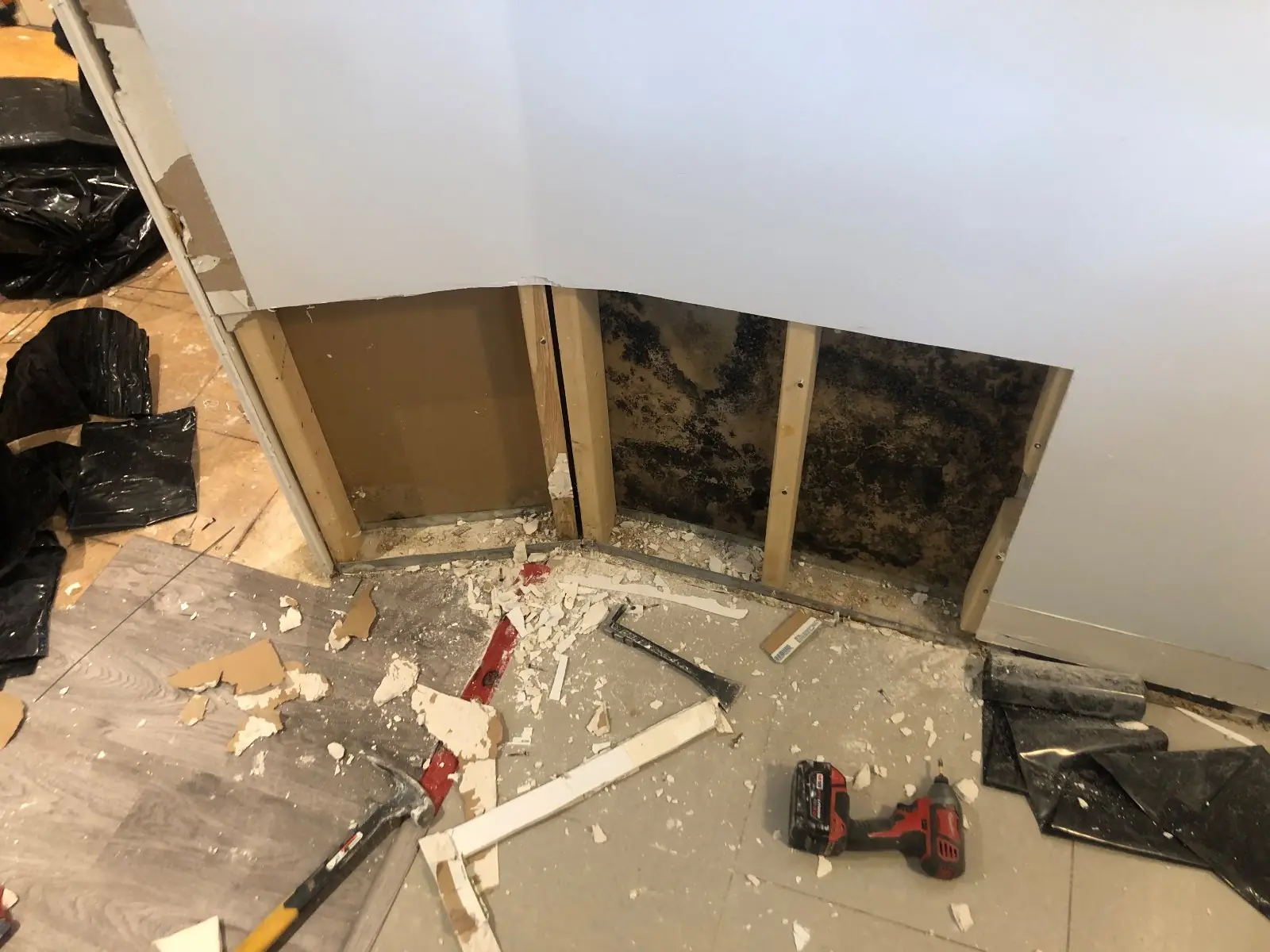
Basements. Damp foundation walls behind finished drywall, carpet over cold concrete and storage rooms without air movement. Basement leaks are the most common start; our article on basement waterproofing in Oakville covers the fix.
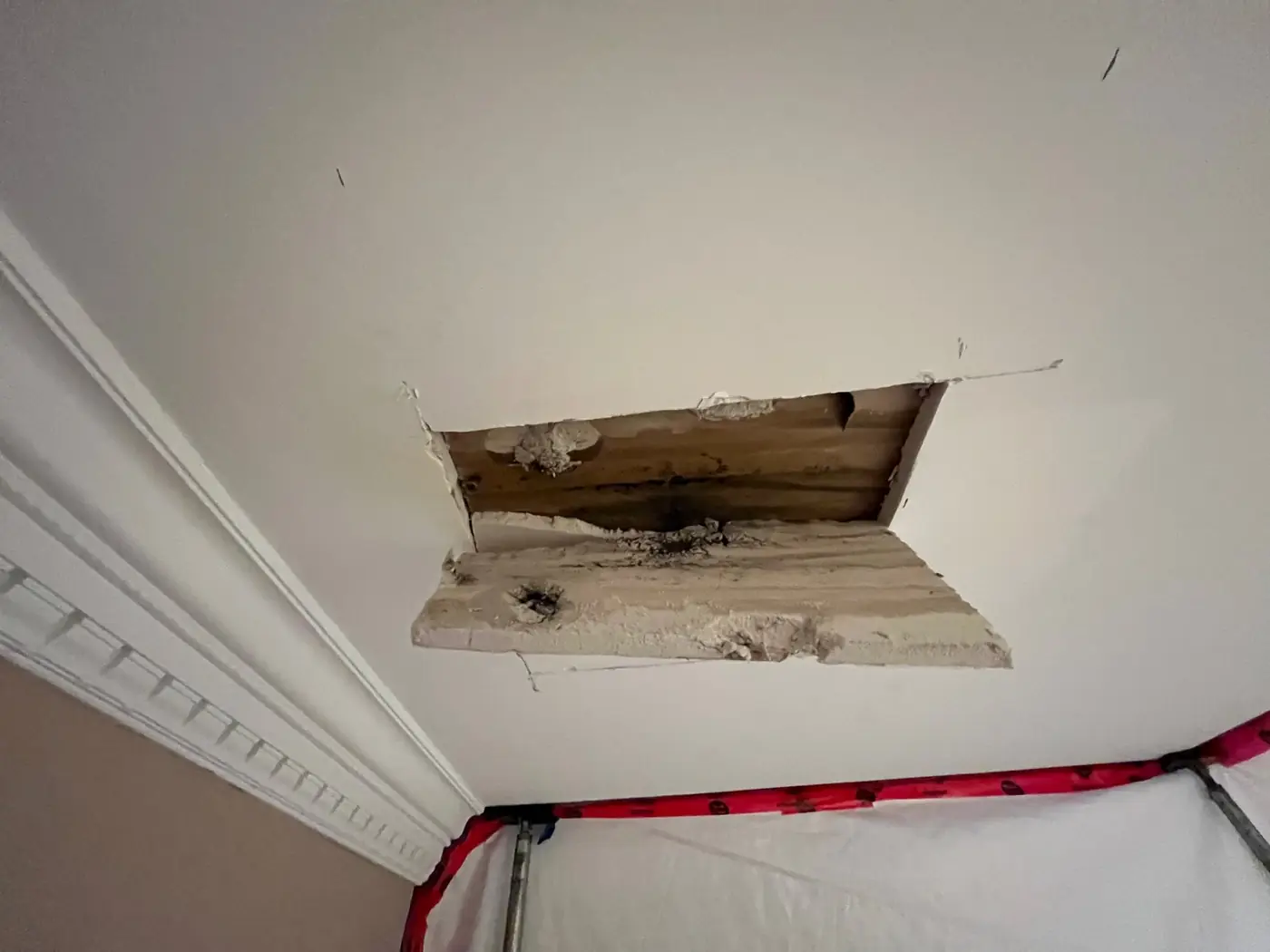
Bathrooms. Weak or missing exhaust fans, fans that vent into the attic instead of outside, and slow leaks behind tub and shower walls.
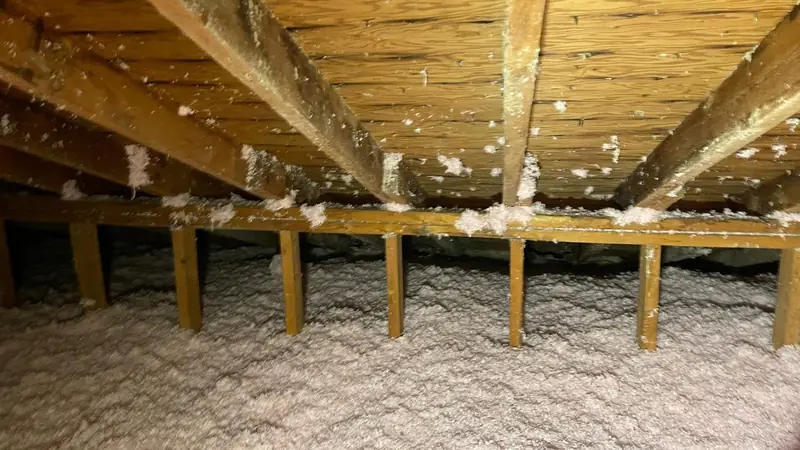
Attics. Warm, moist air from the house leaking into a cold attic condenses on the roof sheathing in winter. Bathroom fans venting into the attic make it worse. See attic mould removal.
Behind furniture and in closets on outside walls. Cold wall surfaces plus little air movement give condensation a place to sit.
After a leak or flood. Wet drywall and insulation that are not dried within a day or two can start growing mould.
Mould removal in Oakville: how professional remediation works
- Find the moisture. Mould needs water. We find the source first: a roof or plumbing leak, a basement wall, condensation, or a bathroom fan venting into the attic.
- Measure the extent. Moisture readings and small test openings show how far the problem reaches behind finished surfaces.
- Check for asbestos in older homes. Before demolition in older houses, materials such as plaster, drywall compound and vermiculite are tested; our workers are trained under Ontario's asbestos regulation.
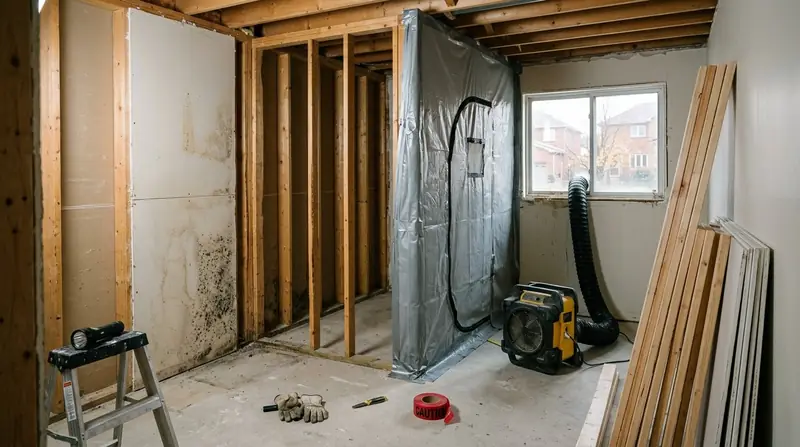
- Set up containment. The work area is sealed with plastic sheeting and zippered doors, and the HVAC is closed off so spores do not travel.
- Create negative air. Air scrubbers with HEPA filters keep the work area under negative pressure and filter the air.
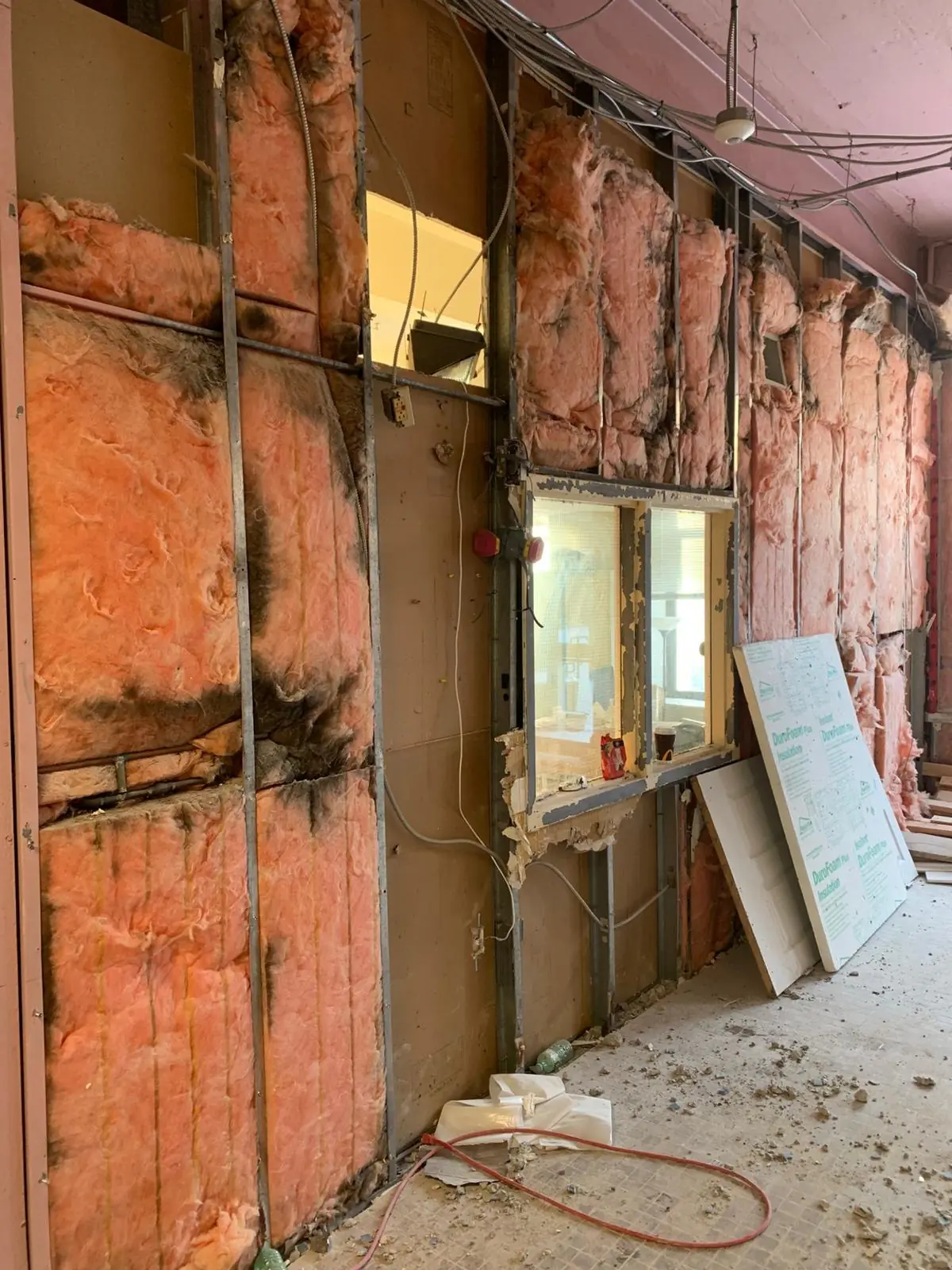
- Remove affected materials. Mouldy drywall, insulation, carpet and trim are cut out and bagged inside the containment.
- Clean the structure. Framing and concrete are HEPA-vacuumed and cleaned; wood is treated where needed.
- Dry it. Dehumidifiers and air movers bring materials down to normal moisture before anything is closed.
- Fix the cause. The leak, the ventilation or the drainage problem is repaired so the mould does not return.
- Rebuild. Insulation, drywall, paint and finishes are restored, with moisture-resistant materials where they make sense.
Older Oakville homes
Old Oakville, Bronte and the streets near the lake have many houses built before 1990. Their plaster, drywall joint compound, textured ceilings, old flooring and vermiculite attic insulation can contain asbestos. Before we open walls or ceilings in an older home, suspect materials are tested, and if asbestos is present it is removed safely before the mould work continues. Our asbestos removal article explains the process.
Keeping mould from coming back
- Vent bathrooms outside with a fan sized for the room, and run it during and after showers.
- Keep indoor humidity moderate in winter; a hygrometer costs little and tells you when to adjust.
- Fix leaks quickly, and dry anything wet within a day or two.
- Keep water away from the foundation with downspout extensions and soil that slopes away.
- Leave space between furniture and outside walls, especially in basements.
Our guide to mould prevention in Ontario has more.
An example from a Bronte bungalow
The owners of a 1960s bungalow notice a musty smell in the finished basement and dark spots at the bottom of the drywall in a corner. Test openings show mould on the back of the drywall and on the insulation along two walls, from a slow leak at a crack in the foundation. The area is contained and put under negative air, the drywall and insulation are removed and bagged, the concrete and framing are cleaned and dried, the crack is sealed through the wall, and the walls are rebuilt. The rest of the basement, tested and dry, is left alone.
Frequently asked questions
Can I clean mould myself?
A small spot on a hard surface, such as a little mould on a window frame or a bathroom ceiling, can usually be cleaned by a homeowner with soap and water and good ventilation. Larger areas, mould inside walls or ceilings, mould after a flood, or mould in the home of someone with asthma or a weak immune system should be handled by trained professionals.
Why does mould keep coming back in my bathroom?
Usually because the moisture stays: a fan that is too weak or vents into the attic, no fan at all, or a leak behind the tile. Cleaning removes the mould you see; fixing the moisture stops it returning.
Does home insurance cover mould removal in Oakville?
It depends on the policy and the cause. Mould from a sudden covered event, such as a burst pipe, may be part of that claim; mould from long-term humidity or slow leaks often is not. Call your insurer early, and we can document the damage with photos.
How long does mould remediation take?
A small contained area is often a few days, including drying. A basement or several rooms takes longer, plus the rebuild. We give you a schedule after the inspection.
Is black mould more dangerous?
Any mould growing indoors should be removed, whatever its colour. The colour alone does not tell you the species or the risk; the size of the area and who lives in the home matter more.
Book a mould inspection in Oakville
We inspect and remove mould in Oakville, Burlington, Mississauga and across the GTA, and we fix the moisture that caused it. For urgent water damage, call any hour.
Phone (365) 363-6995, email estimating@tgvconstructiongroup.ca, or tell us about your mould problem in Oakville on the Get a Quote page.