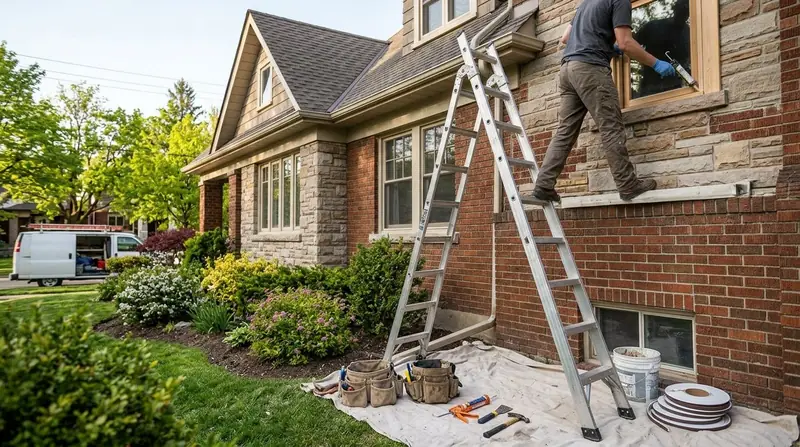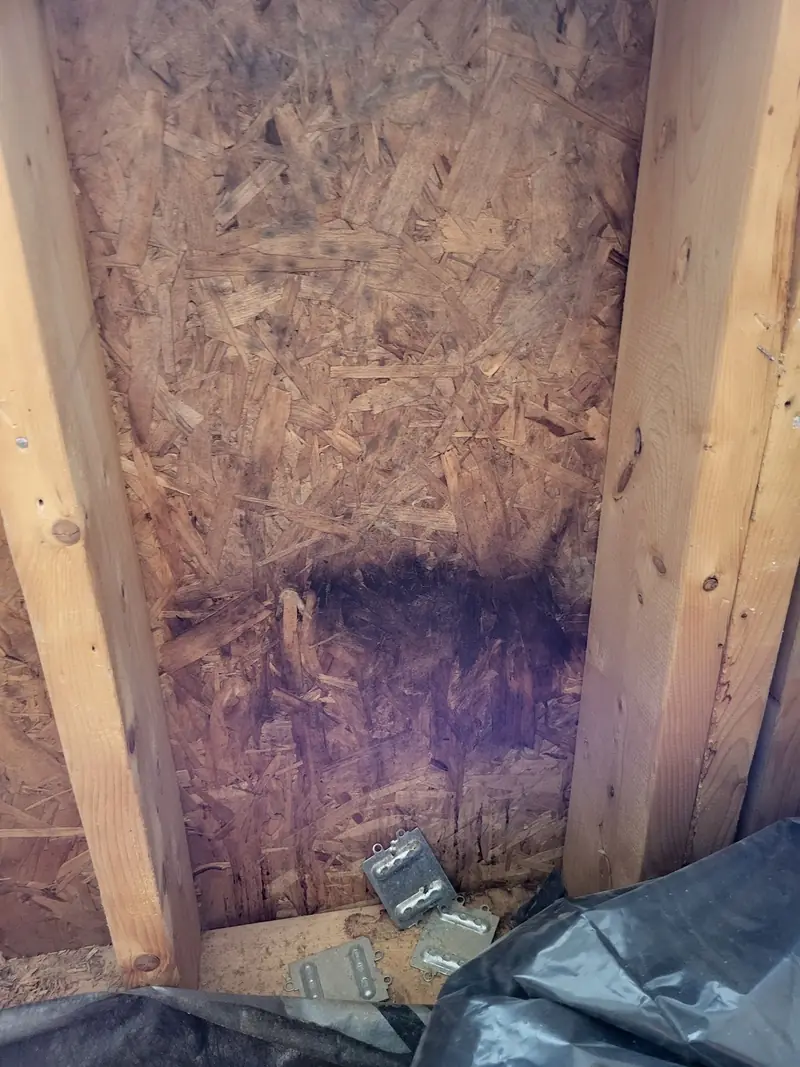
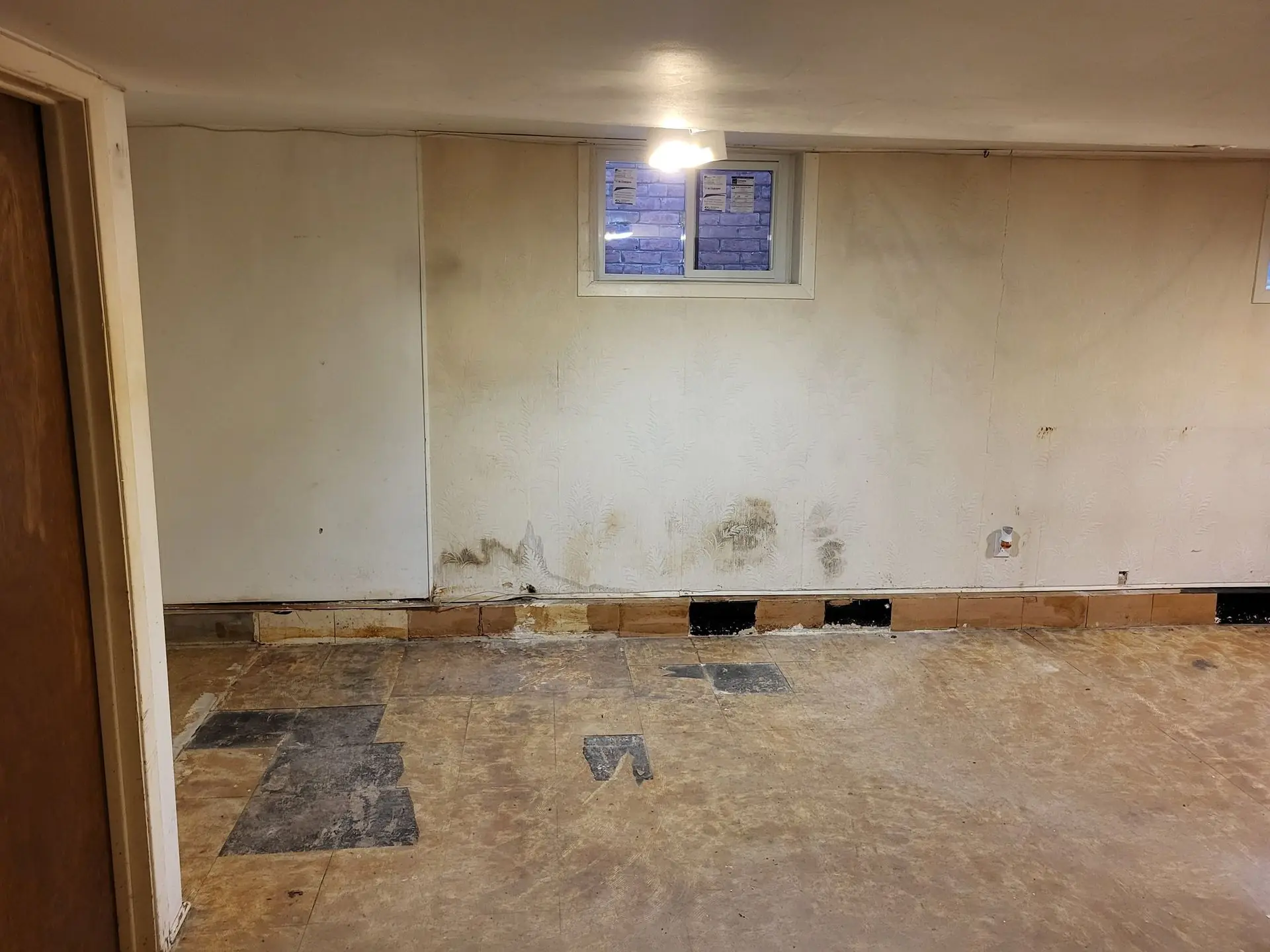
Ontario homes are regularly exposed to unique moisture challenges, including high humidity, temperature swings, and frequent water events. These factors create ideal conditions for mold (mould) growth if not managed proactively. Mold is not merely an aesthetic concern - it can undermine structural components and impact indoor air quality. In areas such as the Greater Toronto Area, where weather can shift from humid summers to damp, cold winters, every homeowner benefits from clear, practical mold prevention strategies that reduce risk and protect property.
Quick action after water intrusion, attentive humidity management, and efficient ventilation are foundational steps to ensure a healthier, more comfortable living space. Effective long-term prevention relies on more than just cleaning: it requires tackling hidden sources of moisture before they cause persistent or recurring problems. TGV Construction Group Inc., renowned across Ontario for its certified mold remediation, general contracting, and 24/7 emergency restoration services, emphasizes prevention and rapid response as the best protection for your investment and well-being.
Why Mold Prevention Matters for Ontario Homeowners
Mold spores are part of the natural environment, but once they find the right conditions inside a home, they colonize quickly. Managing and minimizing moisture is the single most effective strategy for preventing mold in Ontario residences. If mould is already growing, see our homeowner's guide to mould prevention and remediation.
What Mold Requires to Grow
- Moisture: Mold cannot thrive without a consistent water source. This can stem from high humidity, leaks, spills, floods, or chronic condensation.
- Temperature: Typical indoor conditions - between 15°C and 30°C - support most mold varieties.
- Nutrients: Many construction and household materials, such as drywall, wood, insulation, wallpaper, and even dust, serve as food sources for mold.
Common Indoor Moisture Sources in Ontario Homes
- Condensation: Forms on windows, pipes, and cold surfaces when warm, humid air meets something cooler - common in Ontario winters.
- Plumbing Leaks: Slow drips under sinks, tub surrounds, or within walls offer hidden moisture reservoirs that feed mold.
- Flooding: Weather-driven events like snowmelt, storms, or failed sump pumps can lead to sudden water entry into basements and lower levels.
- Roof and Foundation Leaks: Damaged shingles, ice dams, and poor drainage direct water into attics and foundations.
- Daily Activities: Cooking, bathing, showering, drying laundry indoors, and running humidifiers add water vapour continuously.
Potential Risks of Mold Growth
- Damage to Property: Mold weakens drywall, discolours paint, warps flooring, and can erode structural wood if left unchecked.
- Indoor Air Quality Concerns: Active mold growth releases airborne spores and byproducts, which can settle on surfaces and linger as odours.
- Hidden Deterioration: Small visible patches often signal larger problems behind walls, beneath floors, or within ceiling cavities.
Prompt prevention and moisture control are essential, not only to protect investment but to maintain peace of mind.
Maintaining the Ideal Indoor Humidity Level Within a Safe Range
Managing indoor humidity is a key component of mold prevention. The recommended range for residential properties in Ontario is 30% to 50% relative humidity (RH) year-round. Staying within this window helps curb mold risk and keeps living environments comfortable.
Recommended Relative Humidity: 30% to 50% Across the Seasons
- Winter: Target 30–40% RH. Lower humidity minimizes condensation on windows and cold walls; any higher and you’ll notice frost or droplets by morning.
- Summer: Aim for no more than 50% RH. Higher levels can make spaces feel muggy and foster mildew or mold growth behind walls and under flooring.
If air feels dry (below 30%), static electricity and dry skin become common. If air remains clammy or you see frequent condensation, humidity is likely above 50%.
Using a Hygrometer for Continuous Monitoring
A hygrometer is an inexpensive, easy-to-use device that shows room humidity in real time.
- Keep it in a main living space, then periodically move it to basements, bathrooms, or problem rooms to spot trouble areas.
- Check humidity after running fans, humidifiers, or during different times of day.
Tools for Controlling Humidity
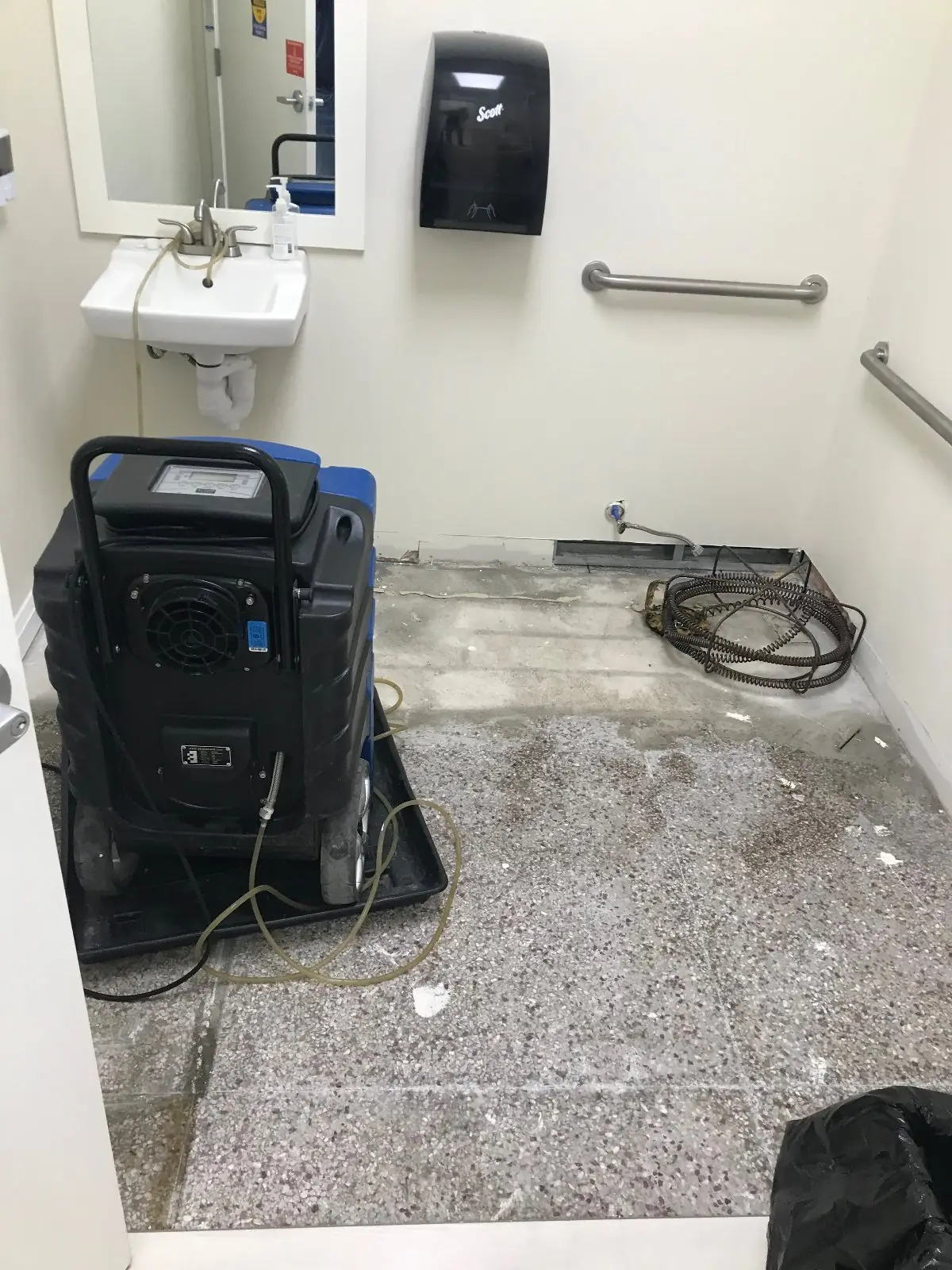
- Dehumidifiers: Particularly useful in summer or for basements. Choose a model sized for the area (capacity in litres per day), empty the tank regularly, and clean or replace filters.
- Humidifiers: Use only if humidity drops below 30% during dry winter months. Empty reservoirs and disinfect them weekly to avoid bacterial or mold growth inside the device.
- Air Conditioners: These naturally lower humidity levels when running. For best results, doors and windows should remain closed while the AC is in use.
- Exhaust Fans: Located in kitchens, bathrooms, and laundry rooms, these fans move humid air outside - vital for keeping surfaces dry.
Recognizing Signs of Improper Humidity
- Condensation: Water beading on windows or cold surfaces, especially after cooking or bathing.
- Musty Odours: Persistent earthy smells signal moisture accumulation.
- Blistered Paint or Stains: Discolouration or bubbling along walls and ceilings.
- Mold Growth: Any visible mold signals excess moisture.
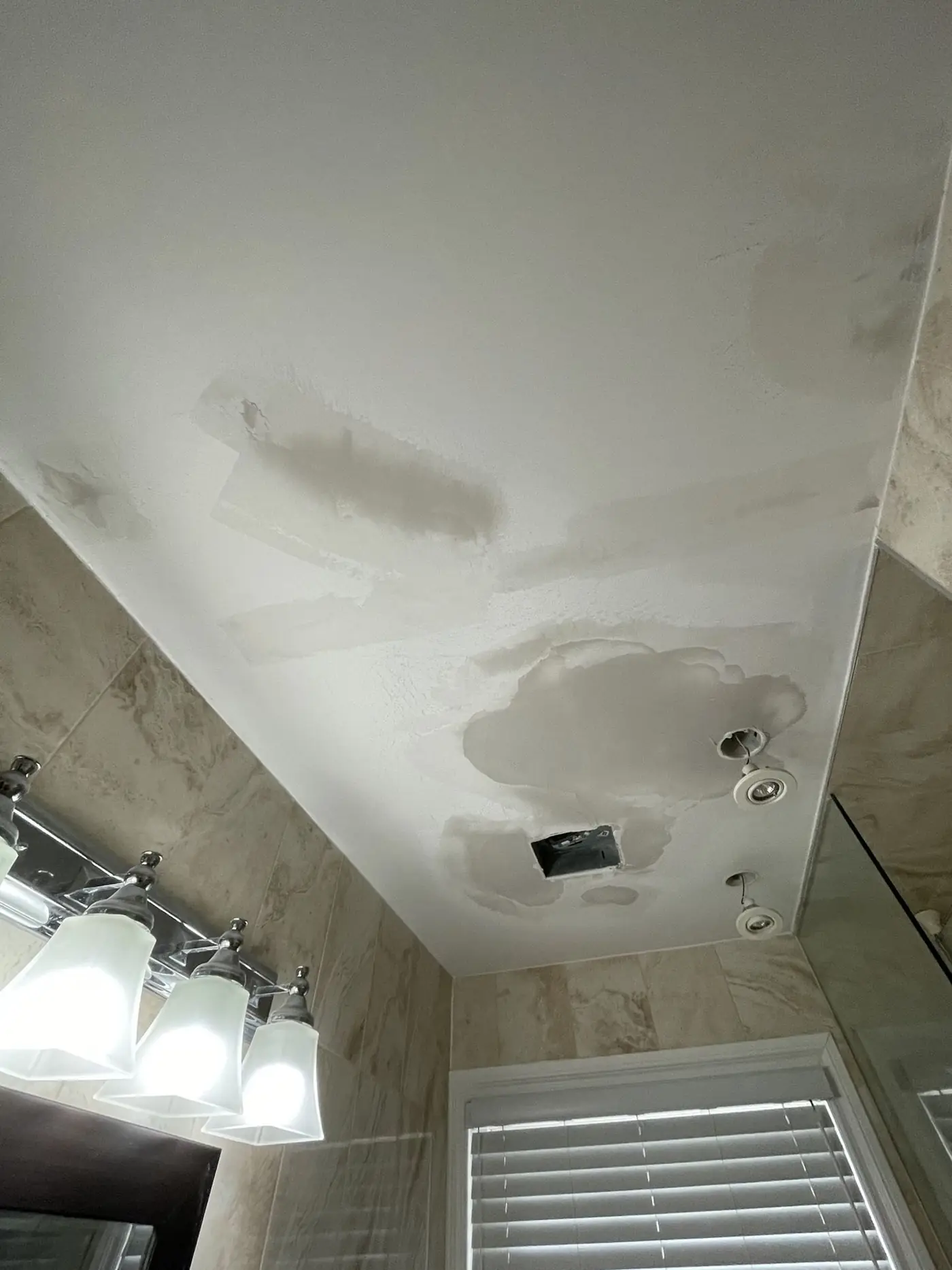
Promptly address elevated humidity: run a dehumidifier, increase air movement, or locate and fix leak sources.
Improving Ventilation in Moisture-Prone Areas
Effective ventilation is crucial to maintaining low moisture levels in the most vulnerable areas of your home. It removes damp air, speeds drying, and keeps surfaces inhospitable to mold.
Using Exhaust Fans in Bathrooms and Laundry Rooms Correctly
- Always turn on the bathroom fan during showers or baths - let it run for at least 15 minutes after finishing.
- Routine in laundry rooms: operate the fan while using washers or dryers. Without proper venting, laundry rooms become prime sites for humidity buildup.
- Verify that all fans vent directly outdoors - not just into attics, garages, or wall cavities.
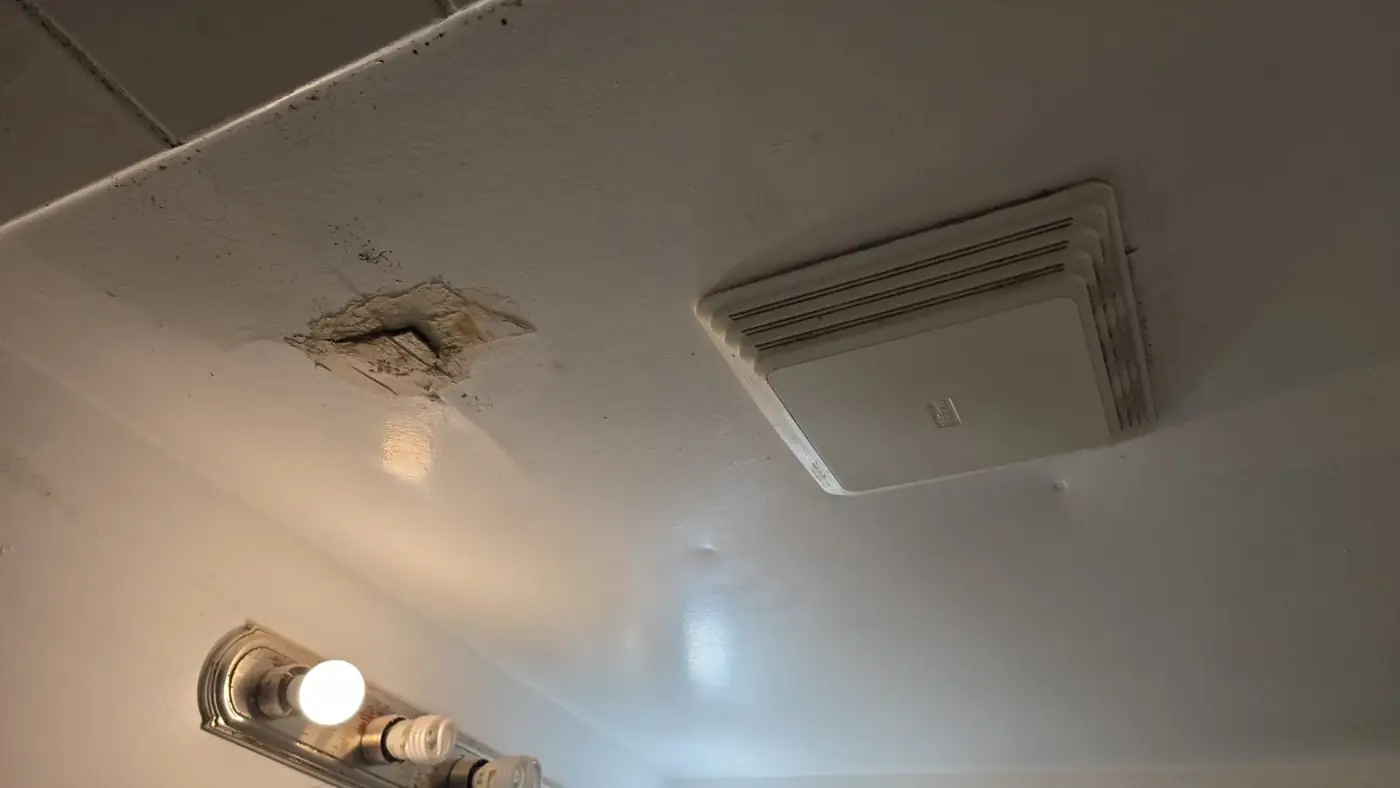
Ensuring Kitchen Range Hoods Vent Outdoors
- Only range hoods ducted outside remove moisture and airborne particles generated during cooking. Recirculating hoods fail to capture water vapour, leaving it in the air.
- Monthly, check and clean or change hood filters.
Confirming Clothes Dryers and Other Appliances Exhaust Properly
- Dryers must vent through rigid or flexible metal ducts outdoors. Avoid long or kinked hoses.
- Check the vent cap at least monthly, removing lint and confirming unobstructed airflow.
Safe Use of Open Windows for Air Circulation
- When outdoor air is dry and temperatures are comfortable, open windows on opposite sides of the house for several minutes to create a strong cross-breeze.
- Avoid opening windows during rain or periods of high outdoor humidity.
- Never run a dehumidifier or AC with windows open, as this negates their drying impact.
For homeowners seeking to upgrade HVAC systems or address persistent air movement problems, TGV Construction Group Inc. offers General contracting and renovation services in the Greater Toronto Area to deliver dependable, modern solutions.
Keeping Basements and Foundations Dry
Basements and building foundations are especially vulnerable to persistent moisture because of soil contact, water infiltration, and seasonal temperature changes. Careful attention to drainage and barriers is essential for maintaining dry, mold-resistant spaces.
Managing Gutters, Eavestroughs, and Downspouts
- Inspect and clear gutters and downspouts every spring and fall.
- Extend downspouts at least two metres from the house to keep water from pooling at the foundation.
- After heavy precipitation, walk around the perimeter to check for standing water against the home.
Proper Grading Around the Home’s Foundation
- The soil at the base of your house should slope away by at least 15 cm over three metres (approximately a 5% slope).
- Correct dips or low points by adding soil and ensuring a continuous decline. Avoid excessive mulch or plant beds holding water near the wall.
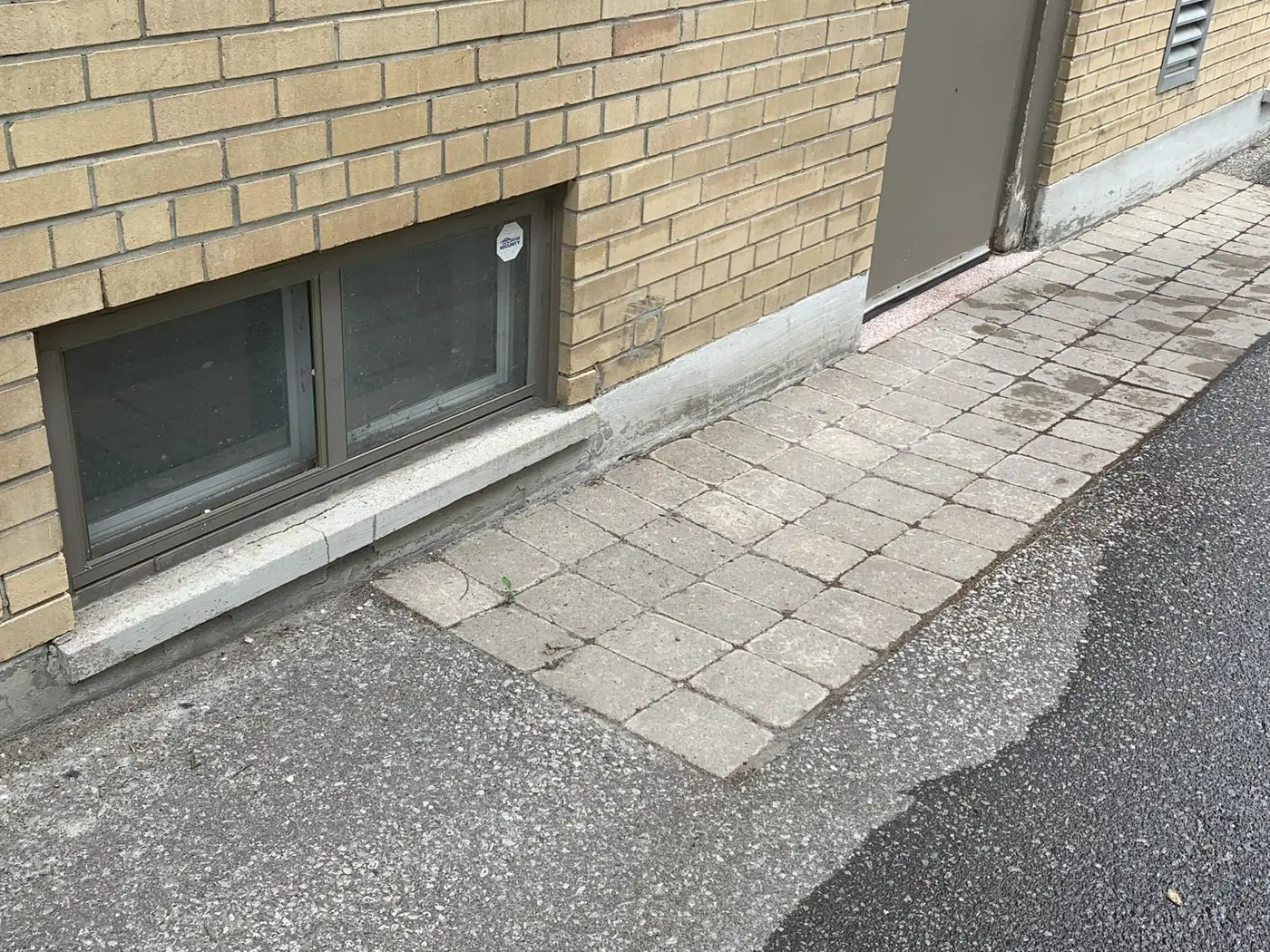
Identifying and Repairing Plumbing Leaks and Seepage
- Check for wet spots, water stains, or puddles in basements - especially after rain.
- Examine pipes for corrosion, mineral deposits, or slow drips.
- Act quickly to repair even small leaks - persistent moisture supports hidden mold and can harm the foundation over time.
Using Dehumidifiers Appropriately in Basements
- Operate a dehumidifier continuously during humid months, especially in finished basements.
- Ensure room air can circulate freely to the unit - avoid closing off closet doors or placing the appliance behind obstacles.
Early detection, proactive repairs, and consistent basement humidity control (below 50%) reduce risks dramatically for below-grade spaces.
Preventing and Managing Condensation on Windows and Cold Surfaces
Condensation frequently leads to mold growth in Ontario, especially on windows and exterior walls during seasonal transitions.
Daily Habits to Quickly Wipe and Dry Condensation
- Each morning, wipe window sills and glass where droplets appear - dry any pooled water or dampness.
- Pay attention to corners and behind blinds or curtains, where moisture may accumulate unnoticed.
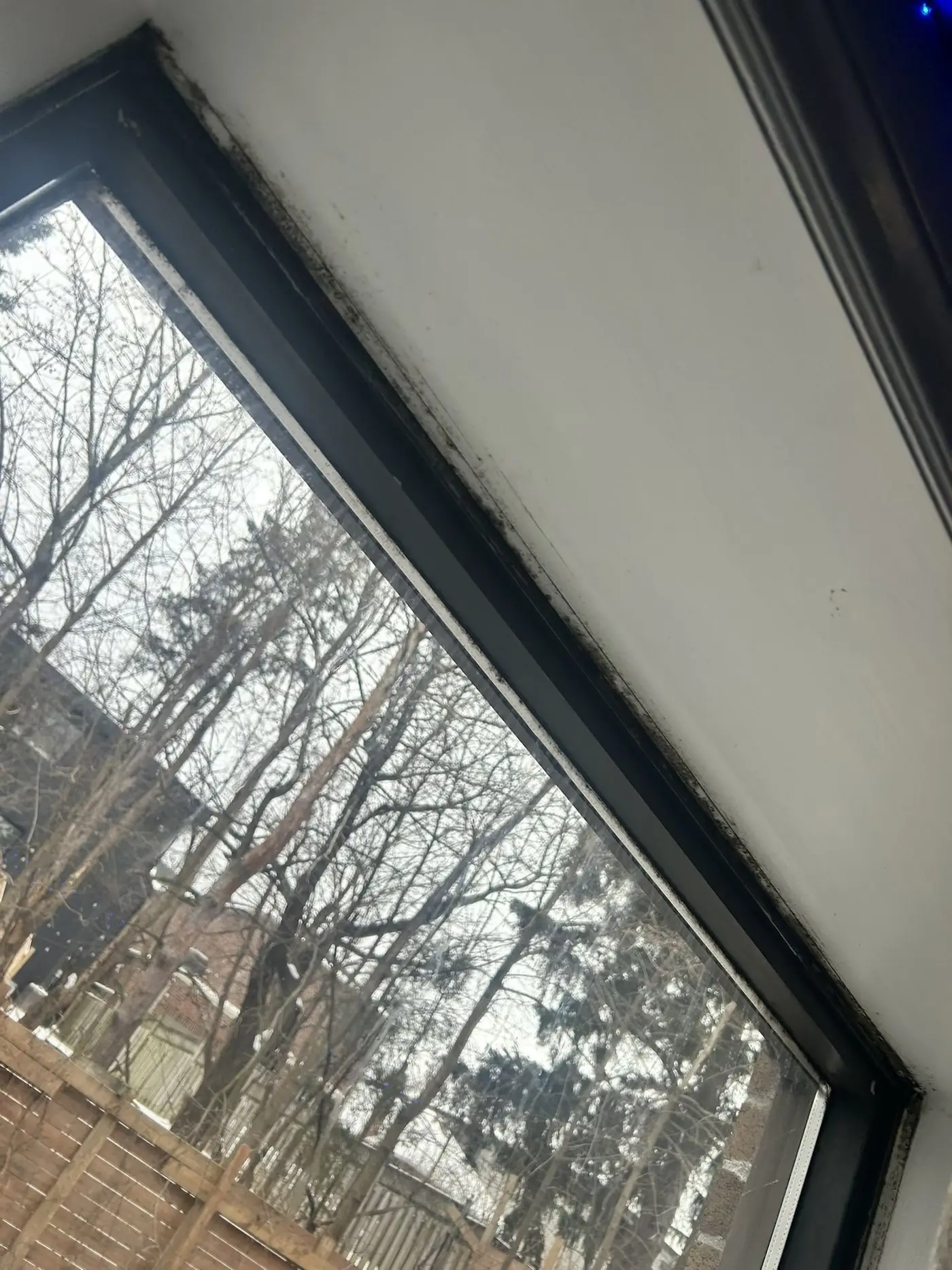
Ensuring Warm Air Circulation Around Exterior Walls and Windows
- Move furniture away from exterior walls by at least 5 cm to encourage airflow.
- Open heavy drapes and blinds during the day, letting sunlight and warm air reach window surfaces.
- Ensure heat vents are unobstructed; keep baseboard heaters at low settings for moderate, continuous warmth.
Recognizing Repeating Damp Spots and Investigating Underlying Causes
-
If one area consistently develops condensation or water stains, check for:
- Persistent exterior leaks.
- Inadequate insulation causing cold spots.
- Deficient or broken venting systems.
-
Chronic problems suggest the need for professional inspection and targeted repairs.
Routine Home Inspection and Prompt Response to Moisture Issues
A home maintenance routine focused on moisture control allows you to identify and address problems before they escalate.
Regular Checks of Roofs, Plumbing, Appliance Seals, and Hidden Damp Places
- Roof: After major weather events, look in attics for stains, water drips, or mold near joists and under insulation.
- Plumbing: Inspect under all sinks, around appliances, and beneath washrooms for leaks, corrosion, or damp patches.
- Window and Door Frames: Check for paint blisters, soft spots, or swelling wood, particularly after storms.
- Basement Corners and Walls: Smell for musty odours; look for efflorescence (white deposits) on concrete.
Responding Swiftly to Leaks, Spills, and Flooding Within 48 Hours
- Mop up and dry all spills and pooled water immediately.
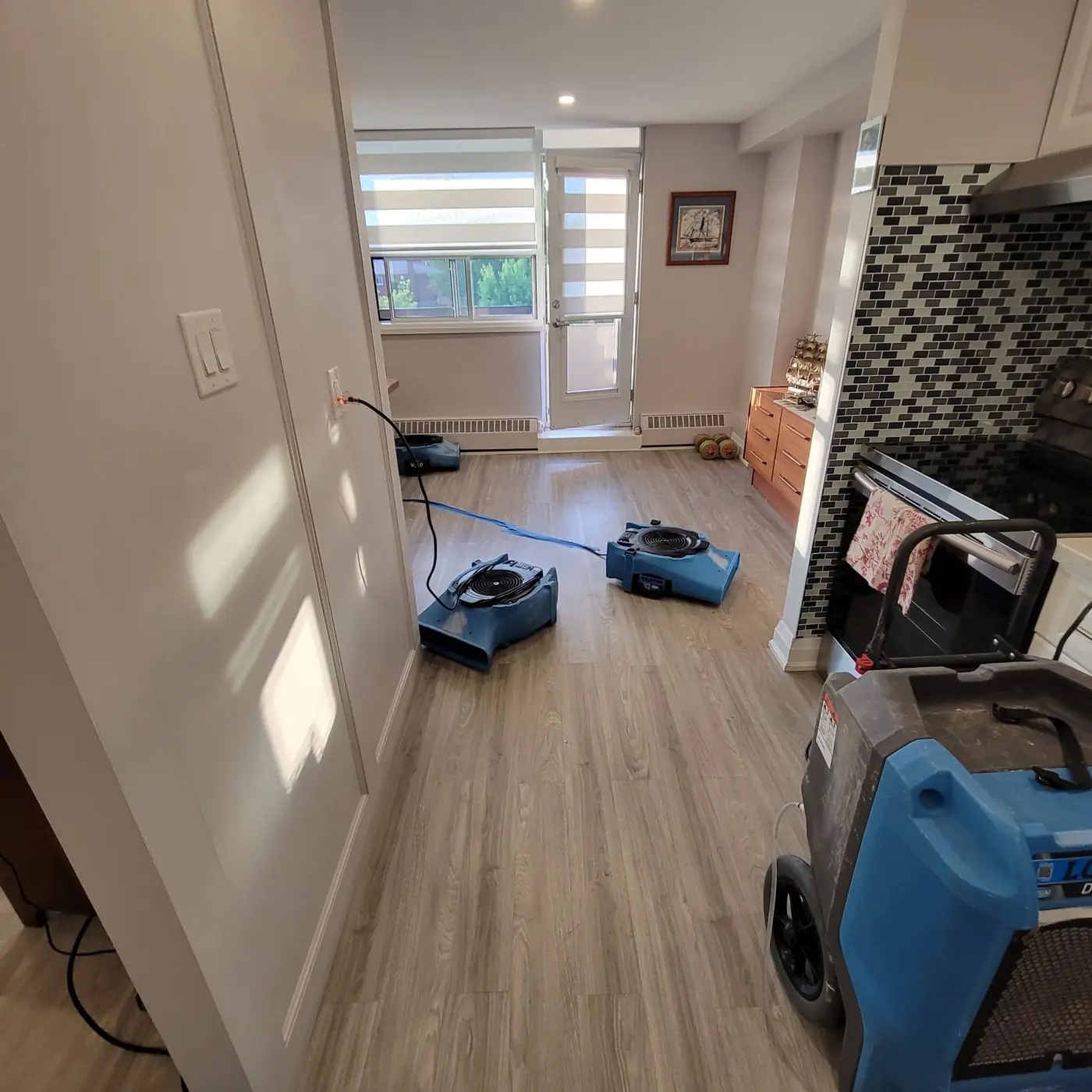
- Use fans and dehumidifiers to speed up air drying in affected areas.
- Remove water-soaked materials (carpets, baseboards, drywall) if they cannot be thoroughly dried in two days. More in our guide on preventing mould growth after flooding.
Cleaning Small Mold Patches Safely
- For non-porous surfaces with minor mold (less than 1 m²), clean using soapy water, a scrub brush, gloves, goggles, and an N95 mask.
- Keep the area ventilated during and after cleaning. Bag any disposable rags or cleaned debris.
- Bleach is not recommended for general home mold cleaning - routine household cleaners are usually sufficient.
When to Contact a Professional for Larger or Recurring Problems
- If mold returns after cleaning, exceeds one square metre, or involves soft, damaged materials, schedule an expert assessment (see the 7 signs you need professional mold remediation).
- Unexplained persistent odours, recurring leaks, or hidden dampness demand professional remediation for a lasting solution.
- For urgent water damage, major leaks, or extensive mold, TGV Construction Group Inc. delivers 24/7 emergency restoration and mitigation services to safeguard your home and manage complex repairs.
Seasonal Mold Prevention Checklist for Ontario Homes
Tailoring maintenance tasks to Ontario’s seasons helps control mold risk year-round. Use the following checklist for consistent results.
| Season | Preventative Actions |
|---|---|
| Spring | - Clear eavestroughs and downspouts after snowmelt - Confirm grading and drainage - Inspect basements for seepage or leaks - Test all sump pumps |
| Summer | - Monitor and manage indoor humidity with dehumidifiers and air conditioning - Assure good ventilation in all rooms - Inspect attics, bathrooms, and basements for moisture |
| Fall | - Clean gutters and check roof for loose or damaged shingles - Inspect weatherstripping on windows and doors - Finalize exterior grading or landscaping for drainage |
| Winter | - Inspect and dry windows daily to counter condensation - Keep humidity lower by adjusting or turning off humidifiers as needed - Warm basement spaces to prevent cold-side dampness |
All seasons: Repair leaks or water entry as soon as detected, and monitor basements and attics for hidden dampness.
For further details and expert tips, visit Restoration insights and tips for Ontario homeowners.
Frequently Asked Questions About Mold Prevention in Ontario Homes
What indoor humidity level should Ontario homeowners maintain?
Maintain 30% to 50% relative humidity. In winter, aim closer to 30–40% to decrease condensation risk. Use a hygrometer in several rooms for an accurate picture of your home's overall moisture levels.
Is bleach necessary for cleaning household mold?
No. For small patches on hard surfaces, soapy water works well. Bleach is not required for routine removal and can cause irritation. Materials such as drywall or ceiling tiles that have become moldy should be removed and replaced.
How quickly must flood or leak damage be dried to prevent mold?
Aim to dry all wet materials within 48 hours. Mold spores can take hold quickly when moisture persists, so prompt drying and removal of damaged building elements is vital.
When should a professional mold remediation service be hired?
Hire a professional if:
- The moldy area is more than one square metre.
- Mold returns after home cleaning.
- Material is crumbling, deeply stained, or structural damage is suspected.
- There are persistent leaks or unexplained odours.
A certified team can diagnose the source and restore the area safely.
Why do windows collect condensation and how can it be minimized?
Condensation results when moist indoor air contacts cold window surfaces. Reduce room humidity, wipe off moisture daily, install weatherstripping, and ensure furnishings do not block heat flow to windows.
Are mold odors reliable indicators of visible mold?
Musty odours often suggest hidden mold, but absence of smell doesn’t guarantee a space is mold-free. Investigate musty smells, especially if they return after cleaning or ventilation.
Do all ventilation fans need to vent outdoors?
Yes - bathroom, kitchen, and dryer fans should vent outdoors to keep humidity out of the house. Recirculating vents trap moisture inside, increasing mold risk.
For further reading, browse Restoration insights and tips for Ontario homeowners.
When Professional Help Makes the Difference
If you catch moisture or mold early, home treatment and maintenance may suffice. For larger areas, chronic moisture, returning mold, or structural materials at risk, professional intervention brings safer and more thorough results. TGV Construction Group Inc., led by Tamara Gavrilenko and trusted by homeowners throughout the Greater Toronto Area, provides certified mold remediation, emergency restoration, and property restoration. Our licensed teams offer prompt assessment, clear communication, and quality repairs tailored to your situation.
For urgent support or peace of mind, Request a free quote for mold remediation or repair work.
Stay proactive and informed: Subscribe to renovation and restoration updates for timely guidance, checklists, and local homeowner education, strengthening both your knowledge and your property’s health.
This information is provided for educational purposes and does not constitute health or legal advice. For significant or persistent mold issues, consult a certified professional.