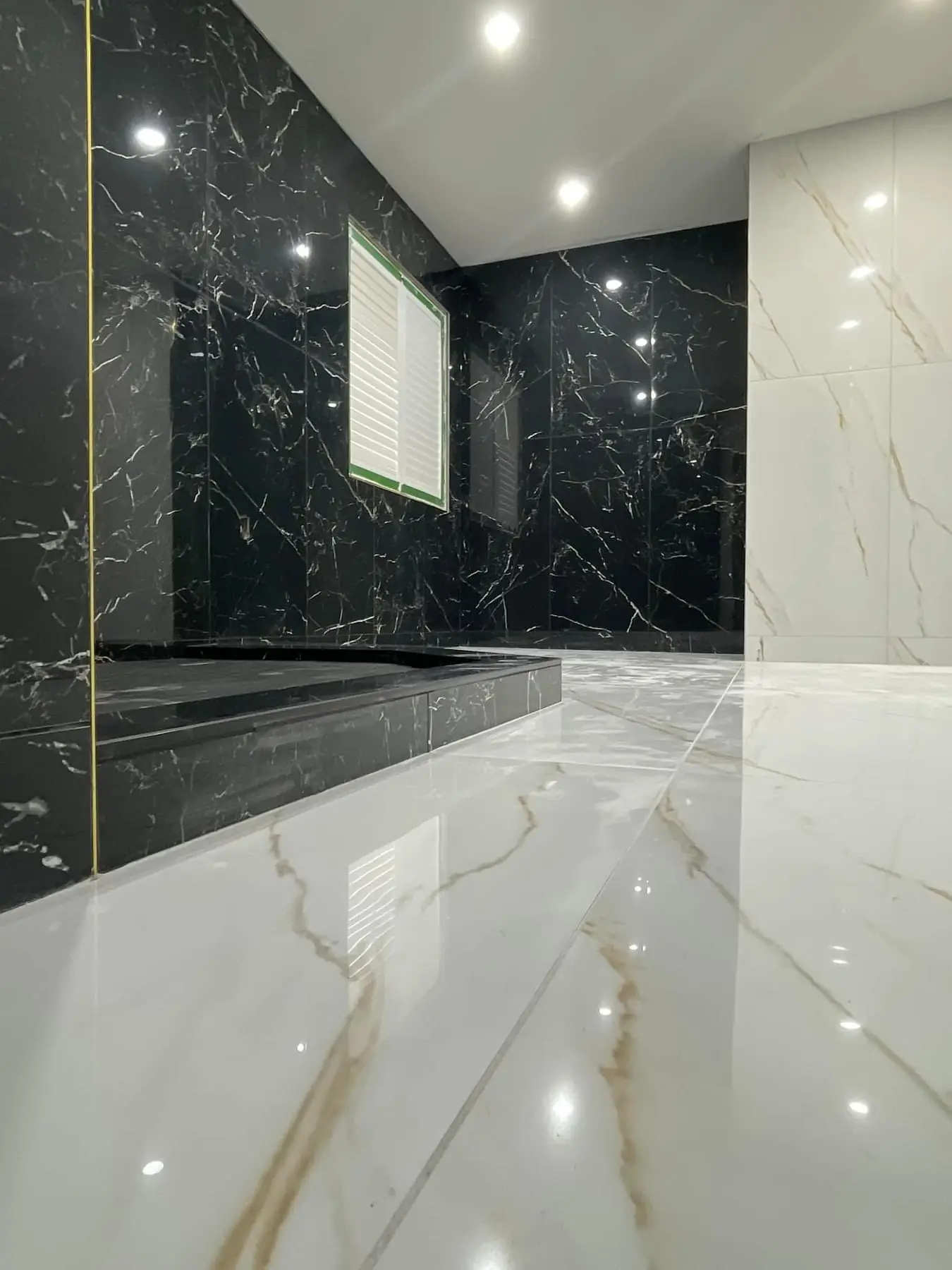
Renovating a home or investment property in the Greater Toronto Area (GTA) presents both valuable opportunities and serious responsibilities. Whether your focus is a sleek kitchen remodel, renovating a basement after water damage, or upgrading for energy efficiency, the home renovation services you choose will directly influence the outcome. Reliable service is about more than construction skill - it requires consistent project management, transparent processes, and careful attention to legal and safety rules unique to Ontario.
GTA homeowners and commercial property managers must navigate a busy market, distinct permit procedures, and high standards for lasting value and safety. TGV Construction Group Inc. brings together experience, strict adherence to safety protocols, and attentive customer service. Drawing on over 300 completed projects throughout Toronto, Vaughan, Markham, Mississauga, and across Ontario, the TGV Construction Group Inc. team delivers General Contracting, Emergency Mitigation, and Restoration services with a customer-first approach.
If you want complete project management, 24/7 emergency response for water, fire, mould (mold) or storm events, and assurance that your property meets all codes and permit requirements, consider the value of comprehensive renovation and restoration services in the GTA. Detailed project planning, safety standards, and informed guidance make the renovation process more predictable and less stressful.
All content in this guide is for general information only; homeowners should always verify requirements and best practices with local authorities and professionals before starting renovation work.
What to Look for in Home Renovation Services in the GTA
Selecting a renovation contractor involves more than checking for construction skills. Use these criteria to build a shortlist and develop trust before you commit:
-
Experience with Your Project Type and Local Properties in the GTA
Properties in Toronto, Vaughan, Mississauga, and surrounding areas differ widely - from century homes and downtown condos to new subdivisions. Look for a contractor with documented success in projects like yours, and knowledge of neighbourhood-specific challenges such as heritage restrictions, waterproofing older basements, or energy retrofits for recent builds. Requesting a portfolio and references is key to confirming past results - see our guide on how to choose the right general contractor. Homeowners can learn more about TGV Construction Group’s experience and credentials. -
Clear Communication, Project Management Skills, and Documentation Practices
Trustworthy contractors provide clear written contracts, precise design plans, schedules, and protocols for handling changes or delays. Ongoing updates at every stage - planning, demolition, construction, and finish - reduce misunderstandings. Proper documentation ensures issues are tracked and resolved quickly, making the process more transparent. -
Insurance, Credentials, Licensing, and Compliance with Ontario Regulations
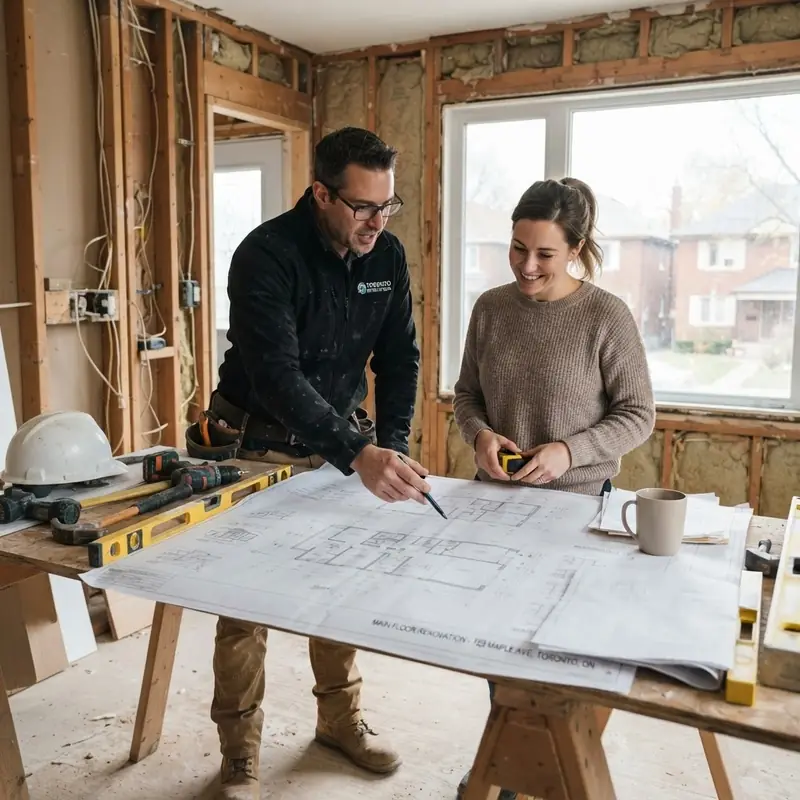
Confirm that your chosen contractor holds up-to-date liability insurance, Workplace Safety and Insurance Board (WSIB) coverage, and, if necessary, a Building Renovator licence for Toronto. All specialized trades (e.g., electricians, plumbers) must have the required certifications in Ontario. Compliance with safety standards is essential, especially where mould remediation, fire and smoke damage, water and flood damage, or wind and storm damage is involved. Contractors often manage permit applications, but property owners are still legally responsible for full compliance.
Match the Contractor to Your Renovation Needs
Each renovation project in the GTA brings specific requirements, and different contractors may specialize in different areas. Aligning your project with the right professional increases efficiency and outcome reliability.
-
Kitchens, Bathrooms, and Interior Updates
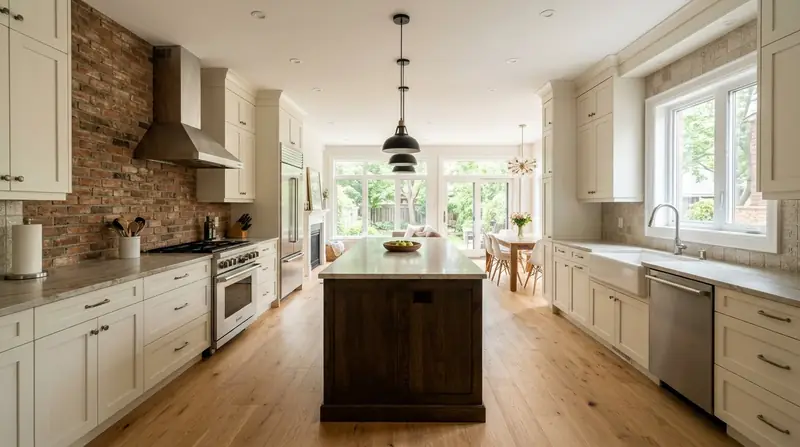
These renovations often involve precise finishes, specialized trades, and complex planning. Look for contractors with experience designing and building kitchens and bathrooms (see what a kitchen renovation costs in Toronto), including cabinetry, tiling, plumbing, electrical, and custom finishes. TGV Construction Group Inc. has handled kitchen, bathroom, and main floor renovations with a focus on quality assurance and project management.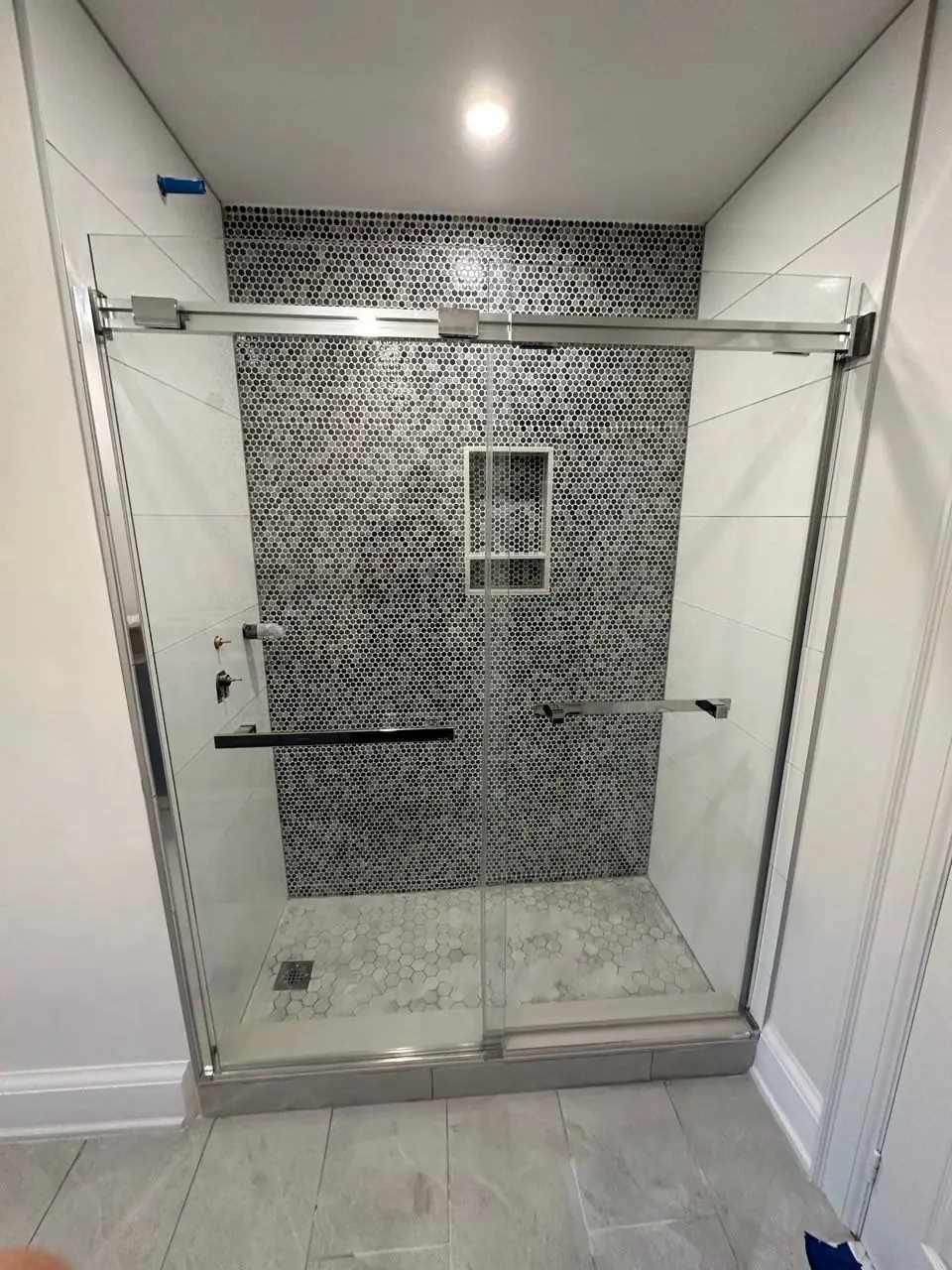
Our job in Scarborough: a walk-in shower with a penny-tile feature wall. -
Basement Renovations and Secondary Suites
Basements in the GTA require solutions for moisture and insulation (see basement renovation and finishing costs), especially for legal secondary suites or family living space. Look for renovation providers with expertise in waterproofing, egress windows, fire code compliance, and health considerations like mould control. Proper project management prevents delays and meets all permit expectations.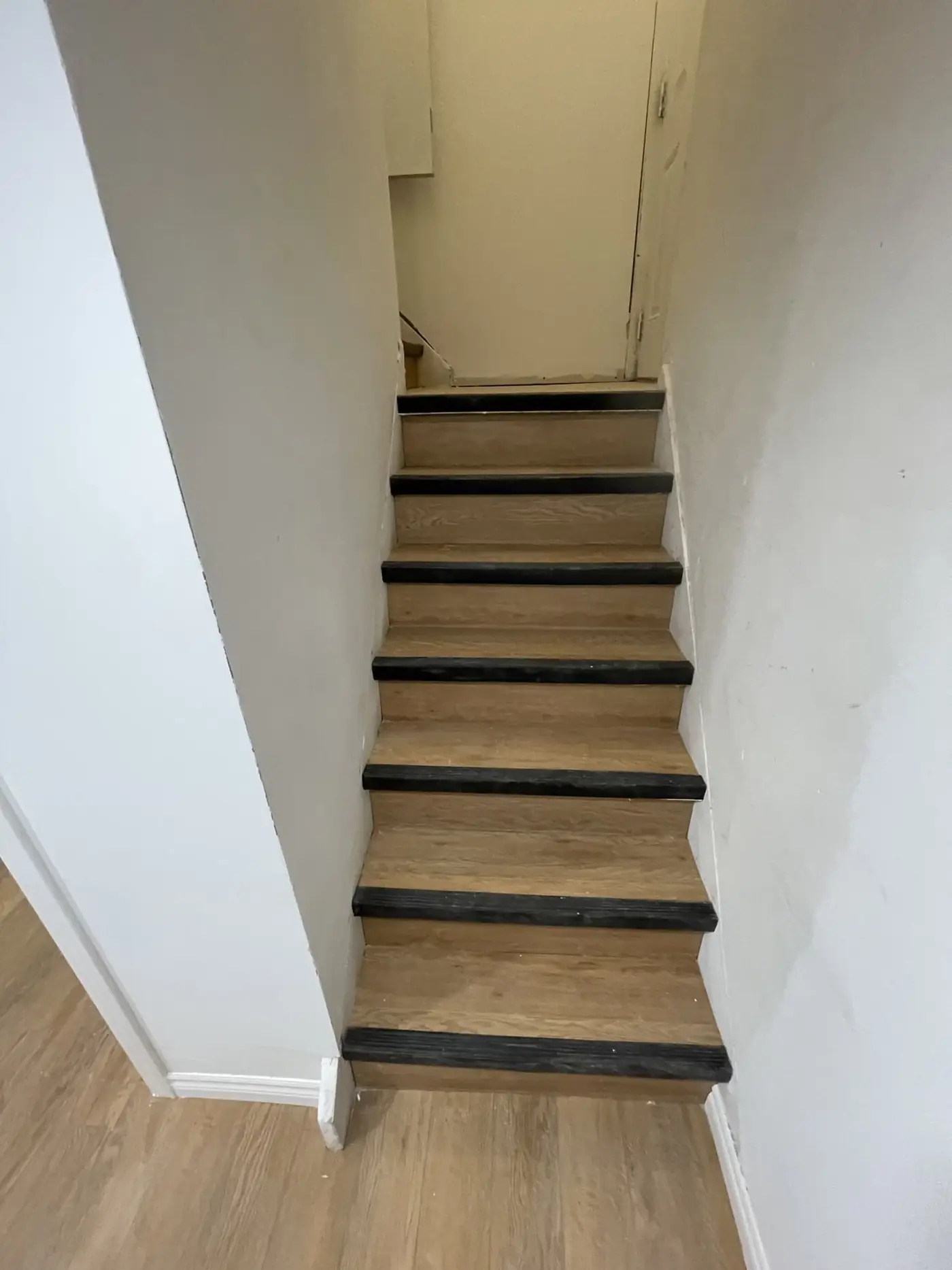
Our job in Scarborough: a basement stairwell finished with new treads. -
Additions, Structural Changes, and Exterior Projects
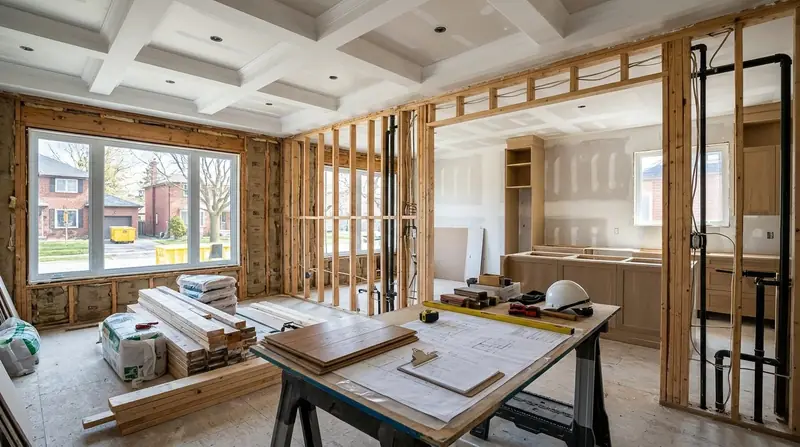
When undertaking structural changes, room additions, or outdoor construction such as decks and garages, you need a contractor skilled in coordinating engineering, securing permits, and meeting code requirements. Professional management of design, construction, and inspections ensures both safety and lasting value.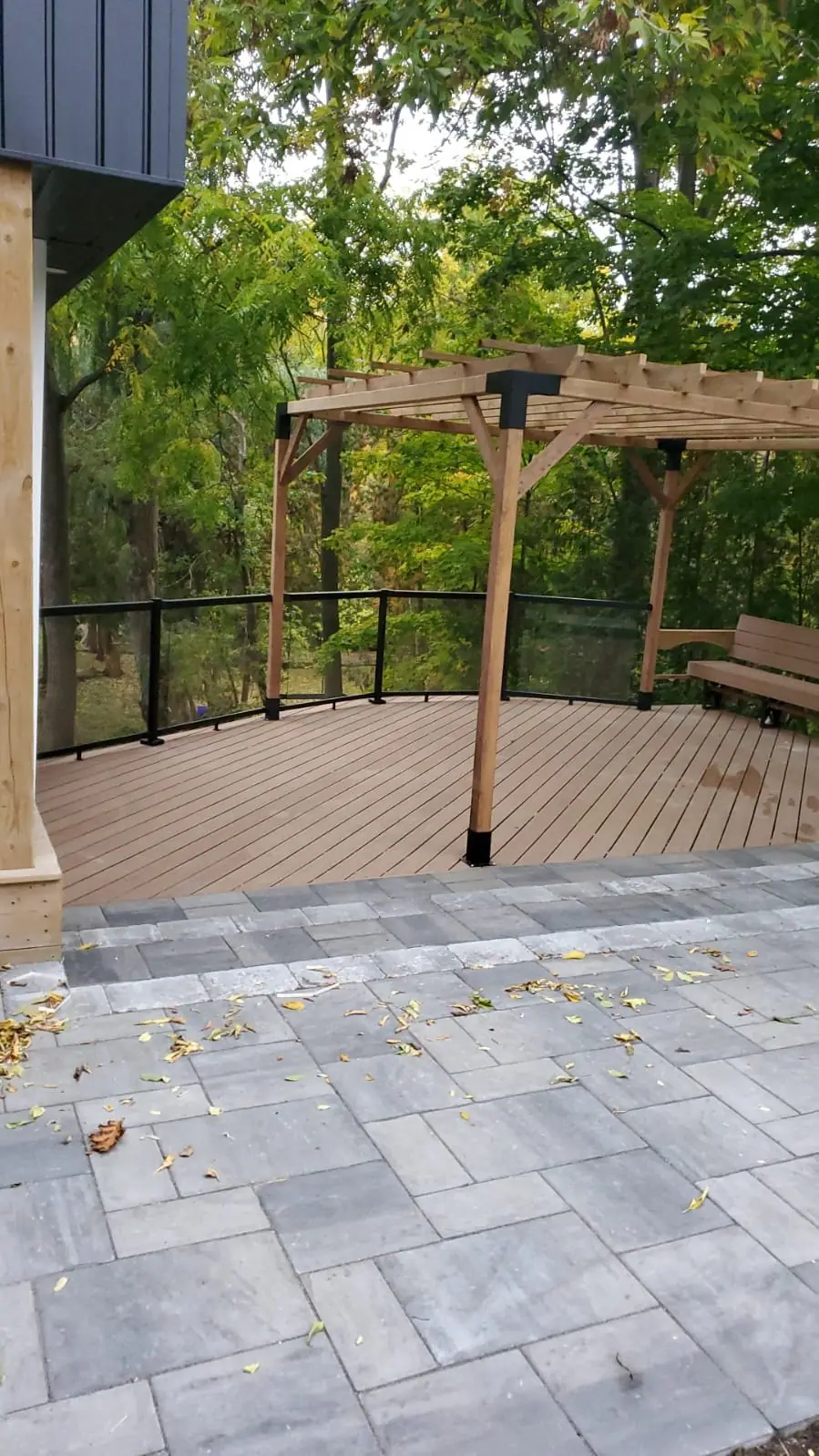
Our job in Pickering: a backyard deck rebuilt with a pergola and glass railings.
For disasters or urgent repairs, immediate action is needed. TGV Construction Group Inc. offers 24/7 emergency restoration and mitigation services to address water, fire, mould or storm events anywhere in the GTA. Quick and professional mitigation preserves safety and property value.
How to Compare Renovation Quotes Effectively
Many homeowners find contractor quotes difficult to compare because of inconsistent detail or assumptions (our full guide: how to read and compare renovation quotes). For a clear and fair comparison, remember:
-
Ensuring Quotes Cover the Same Scope, Materials, and Assumptions
Make sure each contractor visits your property and provides a written, itemized quote based on the same specifications: room sizes, finishes, layout changes, and fixture selections. If you are comparing kitchen renovations, for example, confirm cabinet types, counter surfaces, and whether appliances and hardware are included. -
Understanding Allowances, Exclusions, and Potential Change Orders
Allowances are estimates for items you’ll select later (flooring, tiles), while exclusions clarify what is not included. Ask contractors to describe the process for managing change orders and price increases if you alter your selections or if unexpected issues arise. -
Clarifying Payment Milestones, Deposit Expectations, and Schedule Assumptions
Reputable contractors link payments to completed work stages. Large deposits are risky. The contract should spell out the project calendar, expected completion date, and how issues like weather or supply delays would be handled.
Sample Renovation Quote Comparison Table
| Line Item | Contractor A | Contractor B | Contractor C |
|---|---|---|---|
| Demolition | Included | Included | Separate estimate |
| Cabinetry | Custom Maple ($12,000 allowance) | Stock Oak ($8,000 allowance) | Custom Maple ($10,000 allowance) |
| Flooring | Engineered hardwood | Laminate | Engineered hardwood |
| Countertops | Quartz, 40 sq. ft | Granite, 35 sq. ft | Quartz, 40 sq. ft |
| Plumbing | New rough-in included | Repairs only | New rough-in included |
| Electrical | Licensed electrician incl. | Included | Included |
| Permit Fees | Excluded | Excluded | Included |
| Waste Removal | Included | Excluded (add $1,000) | Included |
| Payment Schedule | 15% deposit, 3 progress payments | 50% upfront, 50% on completion | 10% deposit, monthly draws |
| Completion Timeline | 8 weeks | 7 weeks | 9 weeks |
| Exclusions | Appliances | Appliances, painting | Appliances |
Meet with each contractor to review the details, and get any changes confirmed in writing before work begins. For more in-depth resources, see detailed renovation cost guides and budgeting tips.
Navigating Permits and Approvals for GTA Home Renovations
Ontario regulations and local bylaws require permits for many renovation activities. While your contractor may handle permit applications, as the owner you are responsible for ensuring approval before work proceeds. Review these typical requirements (more detail in our guide to renovation permits in the GTA):
Scenarios Often Requiring a Building Permit:
- Building additions or new structures (garages, porches, decks over 60 cm high)
- Structural changes (removing or adding load-bearing walls, underpinning, new windows/doors with larger openings)
- Basement finishing, especially where bathrooms or bedrooms are added, or if you plan to create a legal secondary suite
- Mechanical, plumbing, or HVAC system installations or significant alterations
- Chimneys, fireplaces (except direct-vent gas units)
- Sheds or accessory structures over 10 sq. m
Other Required Approvals and Steps:
- Electrical permits are mandatory for almost all wiring or service upgrades, handled via the Electrical Safety Authority (ESA)
- Plumbing and mechanical work often need their own permits; the process may be part of or separate from the building permit
- Permit fees range widely, typically from several hundred to several thousand Canadian dollars based on scope
Code and Municipal Compliance Checklist:
- Get written confirmation from your contractor about who will apply for and manage permits, but keep copies yourself
- Do not begin demolition or construction before all approvals are obtained - the city can issue stop-work orders or fines
- Heritage, rental, or multi-unit properties may present extra approval layers
You should consult your local building department with project details to confirm what is required for your renovation. This information is intended for guidance only and should not replace advice or approval from official authorities.
Step-by-Step Contractor Selection and Project Planning Process
A structured approach will minimize risks and set your project up for success:
-
Define Scope and Prepare Municipal Inquiries
- List all spaces and goals for your renovation
- Take basic measurements and photographs
- Research whether preliminary permits or heritage restrictions may apply
-
Obtain and Compare Written Quotes
- Reach out to at least three contractors for itemized proposals, ensuring all use the same work scope and desired finish standards
- Ask about project timelines, team structure, and process for handling changes
-
Assess Credentials, Experience, and References
- Verify General Contracting licensing, WSIB status, and insurance
- Request references for comparable projects and call these clients directly
- Inquire about site supervision practices and who will be present on-site
-
Thoroughly Review Contracts, Payment Terms, and Permit Handling
- Confirm scope, inclusions/exclusions, warranties, and dispute resolution process
- Specify payment structure, ensuring each milestone matches completed work
- Clarify who is securing and paying for permits, and how documentation will be shared
-
Confirm Permits and Approvals Before Construction
- Check that all city permits and inspections are posted on-site and remain valid throughout the build
-
Monitor Job Progress and Communication
- Keep regular contact with your contractor
- Document any issues, delays, or changes and ensure they are addressed in writing
-
Manage Final Inspections and Project Closeout
- Walk through and inspect all completed areas with the contractor, identifying any deficiencies
- Schedule city or third-party inspections for permit closure and code compliance
- Collect warranties, manuals, and a full record of permits, contracts, and payment receipts for your files
Should you wish to begin with a personalized quotation or have specific questions, request a free renovation quote from TGV Construction Group.
Renovation Trends and Planning Priorities for GTA Homes in 2026
Renovation priorities in 2026 reflect the evolving needs and preferences of GTA homeowners (see also the top 10 renovation trends in Toronto for 2026). Options to consider include:
-
Energy Efficiency Upgrades with Ontario Rebates
- Improved insulation, air sealing, and high-performance windows and doors can reduce utility bills. Ontario rebate programs such as the Home Renovation Savings Program (delivered with Enbridge Gas) may offset some of these costs; check for current incentives and eligibility.
-
Durable, Low-Maintenance Materials Suited to Local Climate
- Products like composite decking, waterproof vinyl flooring, and quartz countertops withstand humidity, winter freeze-thaw cycles, and heavy use much better than some traditional finishes.
-
Accessibility Features and Flexible Living Spaces
- Barrier-free showers, wider doorways, lever handles, and entry ramps make homes more usable for all ages. Flexible layouts can accommodate remote work, guests, or evolving family needs.
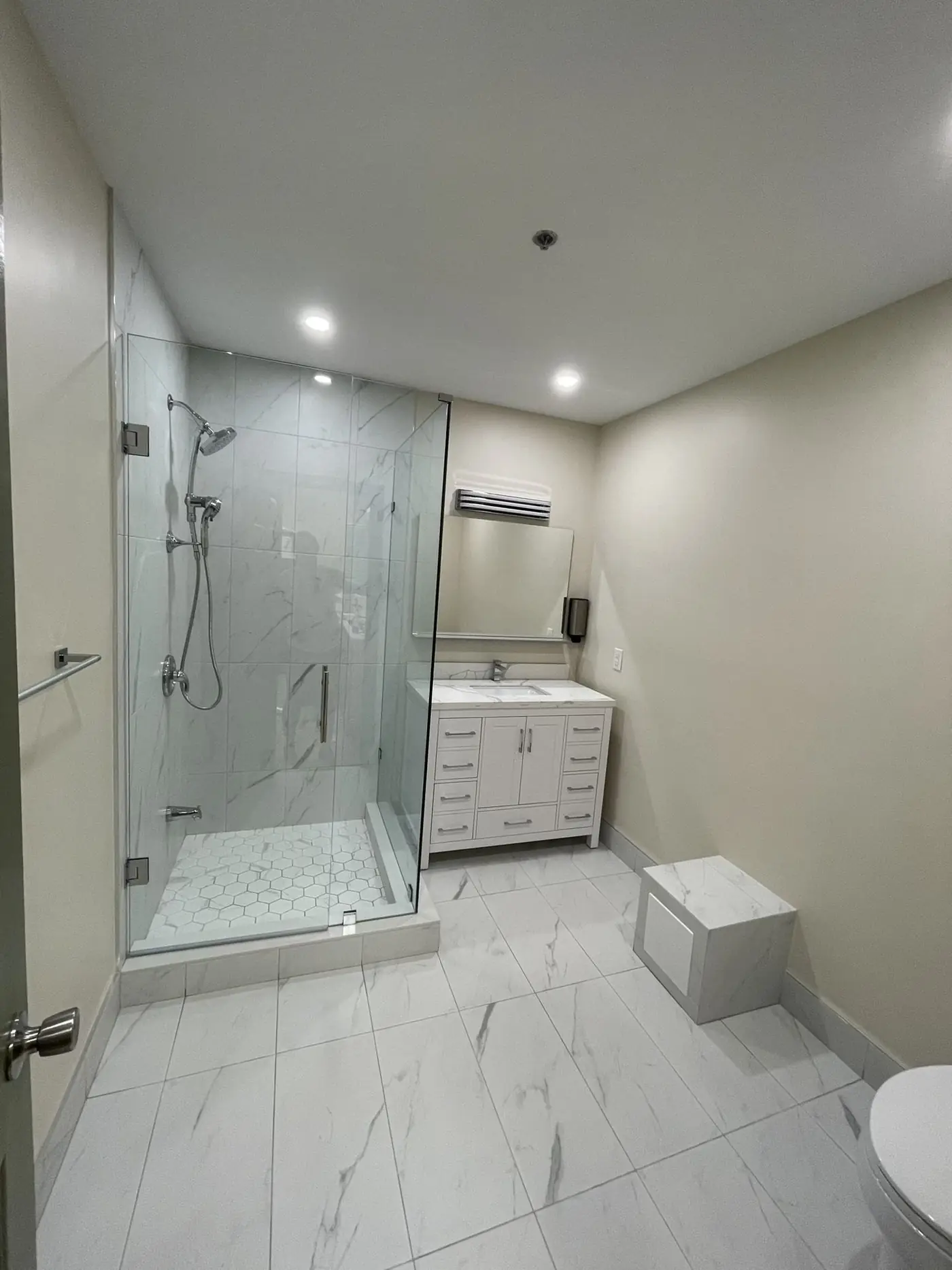
Our job in Brampton: an accessible bathroom with a glass walk-in shower. -
Improved Storage and Organization
- Custom closets, built-in cabinetry, and well-designed mudrooms help maintain order and maximize usable space in GTA homes, where square footage is often at a premium.
Each property and family has unique priorities, so it is wise to discuss these themes with your contractor when planning the project scope and selecting materials.
Common Mistakes to Avoid When Hiring a Renovation Contractor
Many renovation problems can be avoided by steering clear of these pitfalls:
-
Failing to Verify Licensing and Insurance
- Only hire contractors who provide documentation for insurance, WSIB coverage, and relevant city or provincial licenses.
-
Comparing Quotes With Different Scopes or Insufficient Detail
- All quotes should align in scope, materials, and finish quality. Vague or lump-sum estimates make meaningful comparisons impossible.
-
Assuming the Contractor Handles All Permit Responsibility
- The owner is always responsible for ensuring permits and inspections are completed. Clarify before signing any agreement.
-
Paying Large Deposits Upfront
- Industry norm is a modest deposit (10–15%), with additional payments tied to verified stages of work completion.
-
Lack of Documentation and Project Communication
- Keep organized records of contracts, drawings, correspondence, inspection reports, and all change orders - these serve as proof and support warranty claims if needed.
Taking a proactive approach minimizes cost overruns, disputes, and legal or safety issues.
Frequently Asked Questions About GTA Home Renovations in 2026
How do I choose a reputable renovation contractor in the GTA?
Look for a contractor with documented local experience, insurance, and references for similar project types. Written agreements, transparent communication, and clarity on permit handling and inspections help establish credibility. For extra assurance, learn more about TGV Construction Group’s experience and credentials.
Do I need a permit for my specific renovation?
Building permits are generally required for changes to structure, plumbing, electrical systems, or use of space. Always contact your local building department for requirements specific to your project. Separate permits, such as for electrical work, may be necessary.
What should a detailed renovation quote include?
A complete quote should outline all costs: labour, materials, finishes, allowances, exclusions, permit fees, project timeline, payment structure, and a change order policy.
Who handles permit applications and inspections?
Some contractors include permit handling as part of their services, but homeowners remain legally responsible for compliance and final approvals. Confirm the responsibility in your contract and maintain copies of all applications and approvals.
How many contractor quotes should I compare?
Obtain a minimum of three detailed, written quotes based on a consistent scope. This cross-comparison identifies inconsistencies and outliers.
What if hidden damage is found during my renovation?
Uncovered issues, like rot or mould, may necessitate extra work. Ensure your contract specifies how such change orders will be processed and priced.
How should I organize my documentation?
Use a dedicated physical or electronic folder to store all project paperwork - contracts, permits, correspondence, change orders, inspection reports, and product warranties. These materials protect your investment and may be necessary for future insurance or property sales.
For tailored project management, a focus on Safety Standards, and a commitment to Customer Satisfaction, trust TGV Construction Group Inc. - led by Tamara Gavrilenko - to bring your vision to life or restore your property with care. Reach out to TGV Construction Group Inc. for a free quote and guidance tailored to homes and businesses in the GTA and Ontario.