Selecting the right general contracting partner has a direct impact on the quality, safety, and experience of any renovation, restoration, or new construction project in Toronto. As the city and the Greater Toronto Area continue to expand, property owners - whether residential, commercial, or institutional - require services that deliver reliability, clear project management, and compliance with current regulations.
TGV Construction Group Inc. stands out as a trusted provider across the region, recognized for delivering residential renovation, commercial restoration, design & build, and 24/7 emergency mitigation for water, fire, storm, and environmental events. Understanding the roles, responsibilities, and local requirements is essential to achieving finished projects that meet expectations on time and budget.
Before launching your next property improvement or recovery, it is important to clarify how the general contractor role functions, what specific services are available, current regulatory requirements, and how to plan for successful outcomes. For more insight into company leadership and background, you can learn more about TGV Construction Group's experience and leadership.
What Does a General Contractor Do?
A general contractor manages and coordinates every aspect of a construction, renovation, or restoration project. This includes planning, scheduling, procurement, trade supervision, and ensuring all work complies with municipal, provincial, and federal regulations.
- Project planning, coordination, and management
- Coordinate trades, suppliers, and daily jobsite activities
- Develop and update project schedules
- Maintain clear communications among all stakeholders
- Enforce safety protocols and ensure regulatory compliance
- Differences between a general contractor and individual trades
- The general contractor serves as the main responsible party for the entire project, integrating the specialized work of electricians, plumbers, carpenters, and other licensed professionals.
- Individual trades are hired to perform particular tasks, whereas the general contractor ensures sequencing, quality, and accountability across all trades.
- Scope variations depending on contract terms
- Some contract agreements are all-inclusive, covering design support, permit management, materials procurement, and every phase of construction.
- Others may focus solely on construction and require the client to manage preliminary steps, such as obtaining approvals or architectural drawings.
- Responsibility for areas like permit applications, site cleanup, and post-construction documentation should be outlined in writing.
A skilled general contractor delivers more than construction execution - they bring organization, quality assurance, and risk management to every stage of the project.
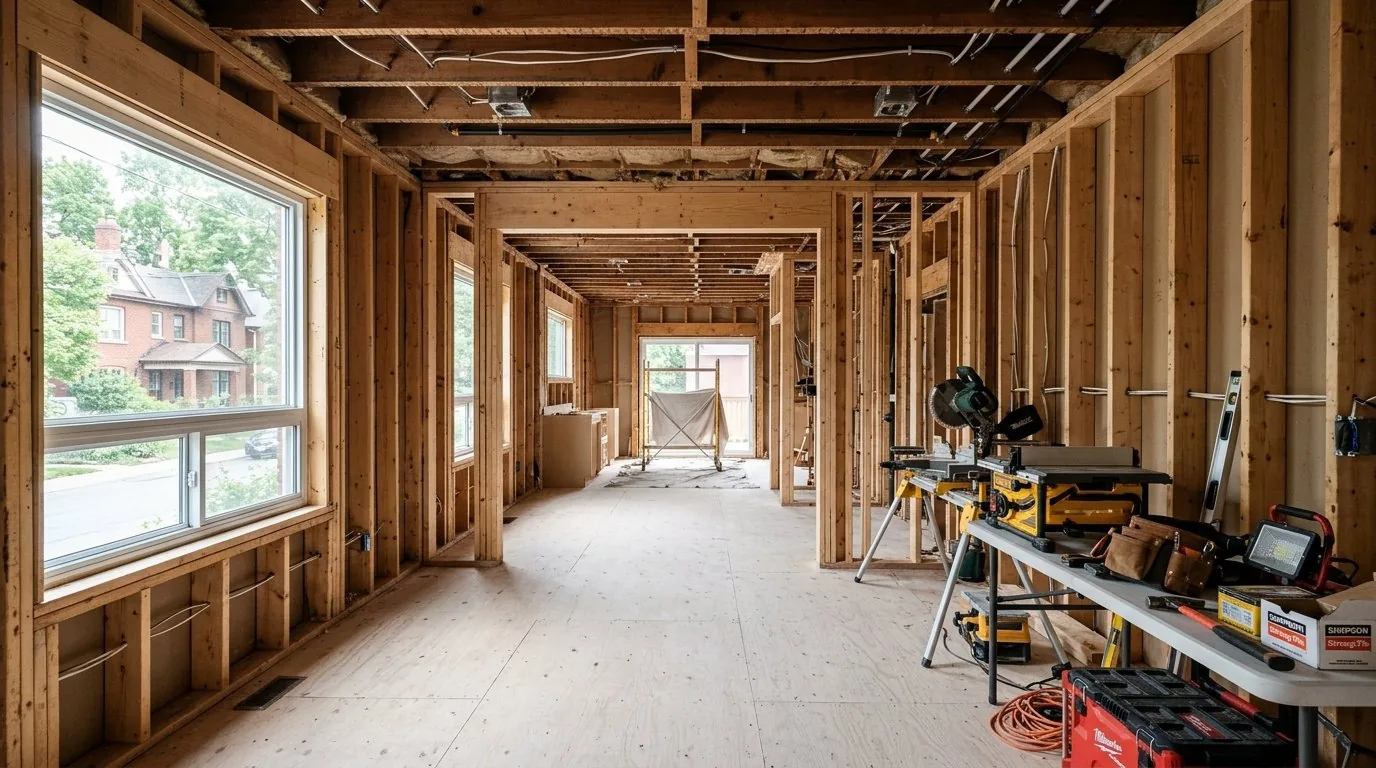
General Contracting Services Toronto Residents May Need
Property owners in Toronto require a diverse set of construction, renovation, and emergency response services to maintain and enhance their properties. Whether planned in advance or demanded by an unexpected event, these services can range from minor renovations to major structural recovery.
Typical categories of service include:
- Whole-home renovations and interior alterations
- Redesigning living spaces, updating finishes, improving layouts, and modernizing mechanical systems
- Addressing dated features, adding resale value, and optimizing building performance
- Kitchens, bathrooms, and basement renovations
- Kitchen reconfiguration or upgrades for improved efficiency, safety, and aesthetics
- Bathroom remodels including fixtures, tiling, ventilation, and accessibility improvements
- Basement finishing for added living space, rental suites, or recreational use, ensuring legal egress and moisture protection
- Additions and structural work
- Building new rooms, second-storey expansions, or adding square footage through extensions
- Structural reinforcements or repairs as required by building code or property condition
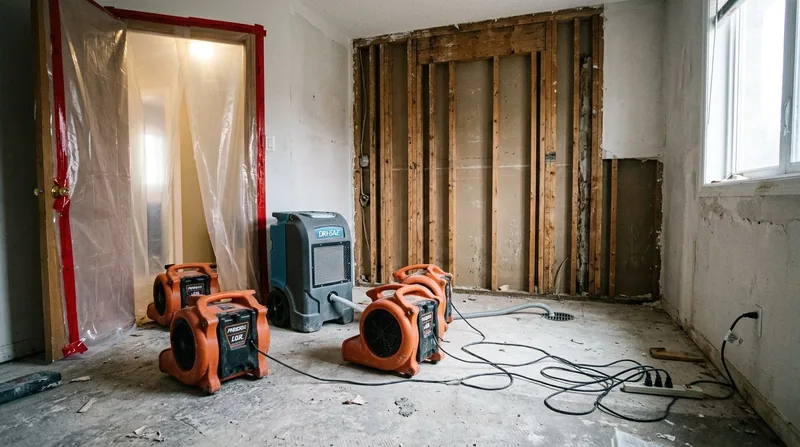
- Emergency mitigation and restoration after fire, water, mold, storm damage
- Rapid property stabilization and repair in response to floods, fires, smoke, wind, storm impact, sewer backup, or mold growth
- Site securing, hazardous material abatement (such as asbestos or mould), and full reconstruction services
- Explore the emergency mitigation and restoration services available 24/7 provided by TGV Construction Group for urgent needs
- Finishing work and project-specific upgrades
- Painting, flooring installation, carpentry, custom cabinetry, millwork, and exterior cladding
For detailed descriptions and full service options, see the general contracting and restoration services offered by TGV Construction Group, including Design & Build, Property Restoration, Mold & Asbestos remediation, Fire & Smoke recovery, Water & Flood cleanup, Wind & Storm restoration, and more.
How to Choose a General Contractor in Toronto
Selecting a general contractor is a major decision that impacts project quality, cost, and peace of mind. Careful evaluation, transparent communication, and documented expectations are key to avoiding misunderstandings and project setbacks.
Checklist for vetting your contractor:
- Match contractor experience to project type
- Review the contractor’s portfolio for projects similar to yours - condo, heritage restoration, commercial, or specialized emergency work. Each brings distinct requirements and best practices.
- Verify business licence (Toronto Building Renovator licence) and insurance
- Ensure the contractor holds a current City of Toronto Building Renovator licence
- Ask for certificates of general liability insurance and check if WSIB (Workplace Safety and Insurance Board) coverage is in place
- Check references and trade qualifications
- Request project-specific references and follow up with those clients to discuss satisfaction, communication, and problem resolution
- Confirm that all sub-trades (e.g., plumbing, electrical, asbestos abatement) are certified and licensed for their scope of work
- Review detailed written scopes, quotes, and contract terms
- Obtain a scope of work that details each task, inclusion, and exclusion, as well as allowances for materials and fixtures
- Make sure the payment schedule, milestones, and handling of change orders are clear
- Clarify responsibility for permits, inspections, and subcontractors
- Decide who manages permit applications, inspections, and all trade appointments
- Responsibilities should be written explicitly into the contract
Conducting this due diligence supports project quality, legal compliance, and customer satisfaction.
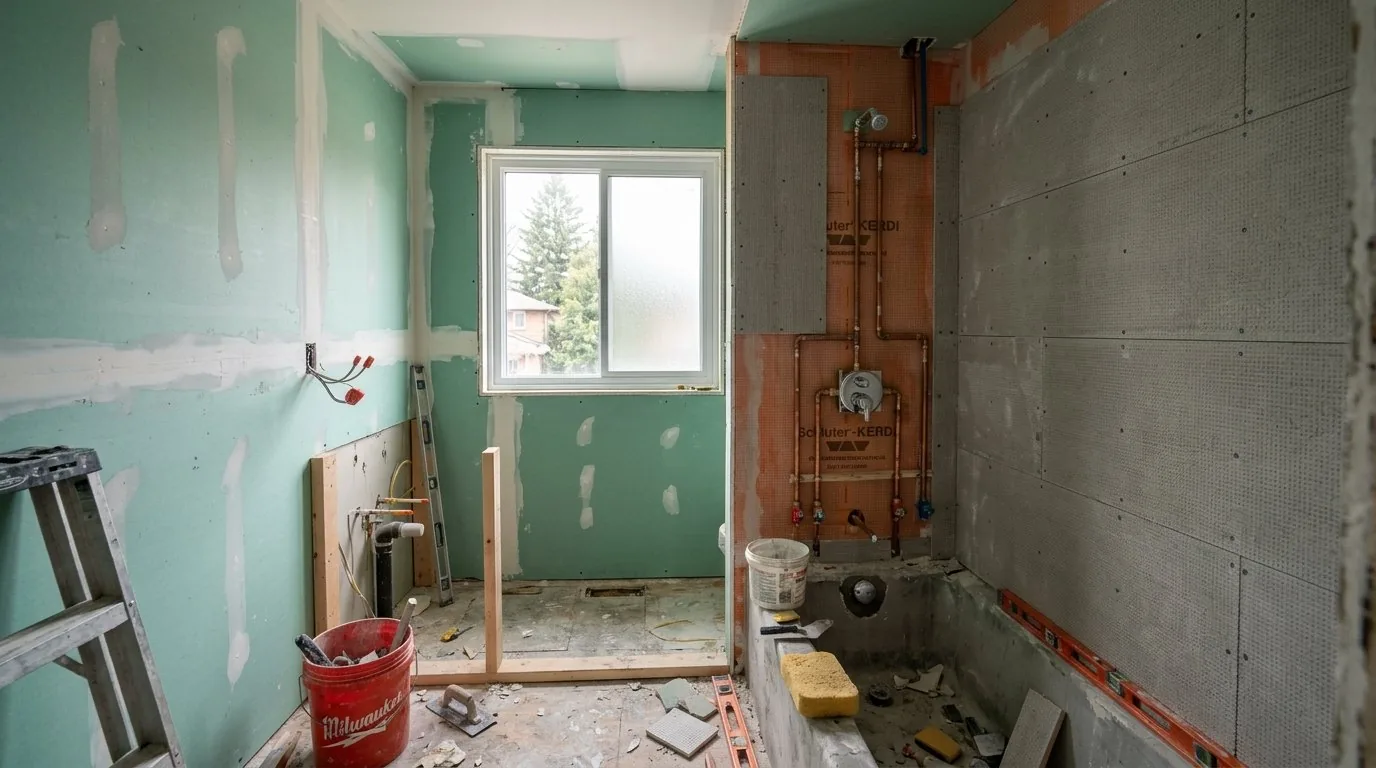
Permits and Approvals Required in Toronto Renovations
All construction and renovation projects in Toronto may be subject to various municipal and provincial permitting requirements. Failing to secure appropriate approvals can result in costly delays, safety hazards, or insurance difficulties.
Essential permit and approval considerations:
- Building permits: requirements, applications, and timelines
- Most work involving structural changes, expansions, interior partitioning, or new plumbing requires a City of Toronto building permit
- Applications must include detailed drawings (to scale), completed city forms, and, if necessary, supplemental engineering documents
- Permit fees are set by project size and category; example: for 2026, single-family residential building permit fees typically start at $13.41/m²
- Timeline for permit review averages 10 business days for a complete residential application
- Electrical permits from Electrical Safety Authority (ESA)
- Any electrical work - panels, new circuits, or extensive rewiring - requires a separate ESA permit
- Building permits and electrical permits are managed through separate processes - clarify contractor responsibility at contract signing
- Zoning, heritage, condominium, and rental-renovation considerations
- Zoning by-laws may restrict additions, secondary suites, or change of use - verify before planning
- Heritage-listed properties may need additional approval from the Toronto Heritage Preservation Services
- Condominium boards often require design approvals and evidence of sufficient insurance prior to renovation
- Rental properties may require a screening form and possibly a rental renovation licence
- Permit application preparation: drawings, forms, and documentation
- Permits require complete, accurate architectural and engineering drawings, schedules, and owner/contractor declarations
- Incomplete or inaccurate submissions can create delays, so engage qualified professionals for complex projects
- Construction should not start until all required permits are issued; all work must pass final inspection for legal occupancy
This material is intended for information only. Always confirm requirements directly with municipal and provincial authorities, as regulations may change or vary by scope.
What to Expect During the Renovation Process
Renovation and restoration projects follow defined stages that help establish clear expectations and quality outcomes. Understanding the step-by-step process allows for better planning and informed decision making.
Usual stages in the renovation or restoration process:
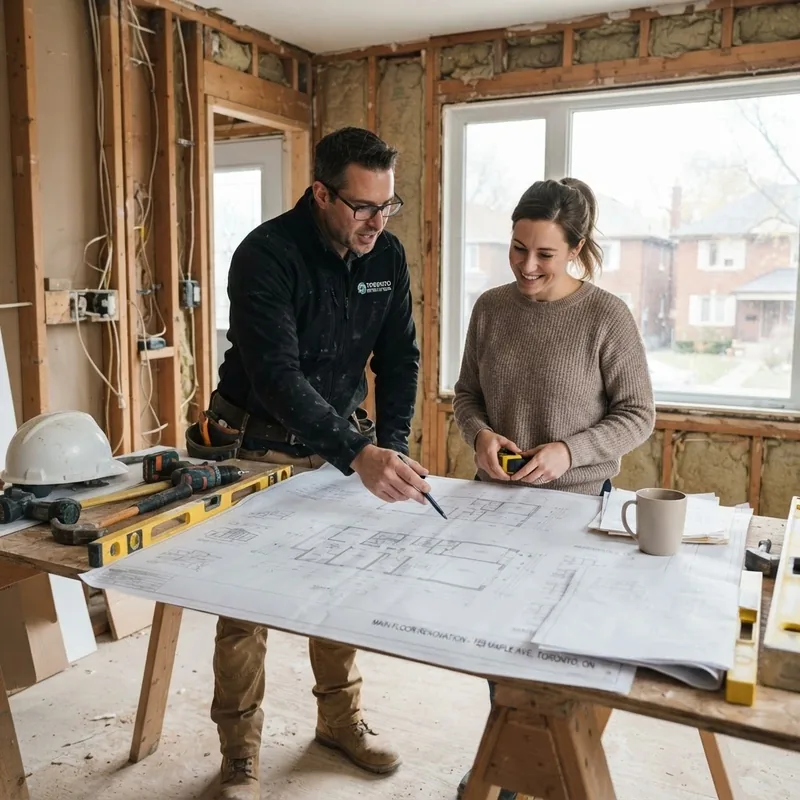
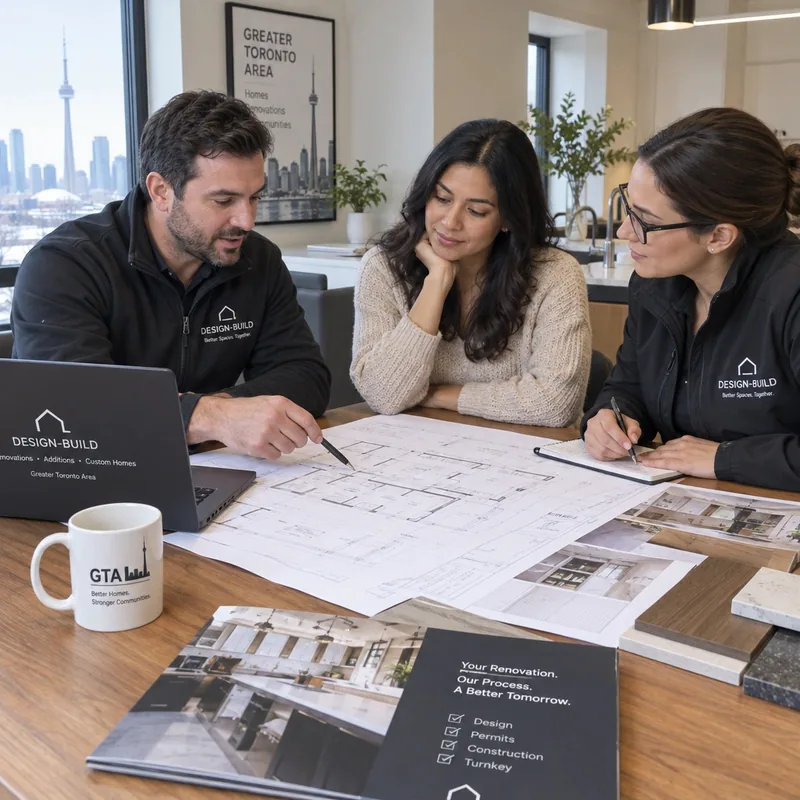
- Initial consultation, defining scope, design, and cost estimation
- Site visit to understand goals, assess challenges, and discuss requirements
- Develop a written scope of work and preliminary budget or quote
- If required, begin architectural or design development
- Contract signing, approvals, and scheduling
- Finalize and sign a contract specifying detailed scope, timeline, and payment structure
- Apply for all necessary municipal or provincial permits
- Schedule trade partners and material procurement
- Construction phase, change orders, inspections
- Project manager supervises all activities, trades, and supplier deliveries
- Unexpected site conditions may require documented change orders, including costs and revised timelines
- Coordinate municipal or ESA inspections as scheduled in the permit
- Project closeout, documentation, and warranty
- Conduct a walk-through (deficiency check) and note any items to resolve before completion
- Provide collected documents: permit closures, inspection sign-offs, warranties, manuals, and final invoice
- Offer warranty coverage as specified in contract documents
Clear, proactive communication and documented status at each phase foster satisfaction and minimize disputes.
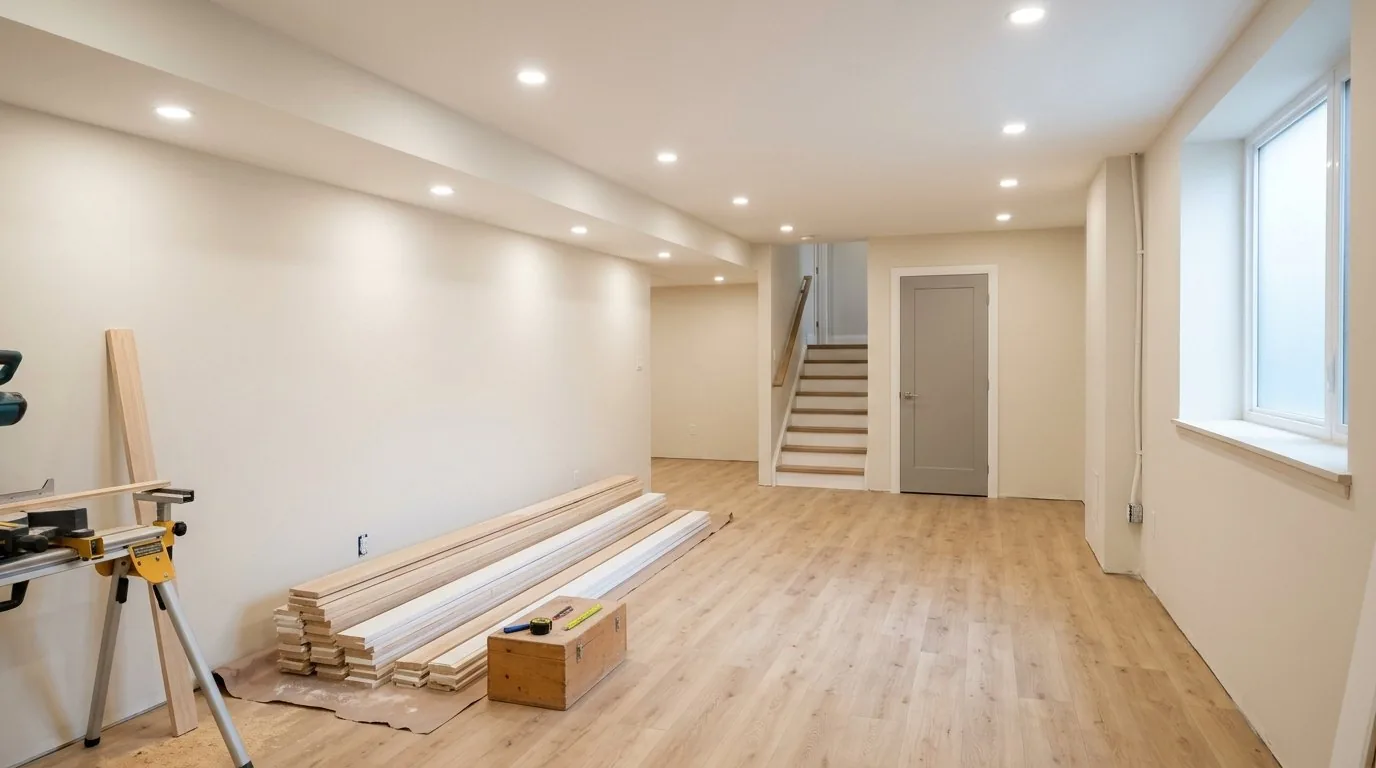
Budget and Timeline Planning for Toronto Renovations
Budgeting and scheduling are central to project success. Toronto-area renovations often involve variables that can increase costs or extend timelines if not anticipated in the planning stage.
- Factors affecting price and duration:
- Project size and complexity: Major additions or whole-house renovations require more resources, while specific upgrades may be completed faster
- Existing conditions: Older structures may reveal hidden wiring, asbestos, or unusual framing, requiring remediation or upgrades
- Permits and bureaucracy: Permit review, zoning, heritage, or condo board approvals can add time before work begins
- Trade and supplier schedules: Popular trades and specialty materials may not be available immediately
- Access and logistical challenges: Downtown sites, high-rises, or attached properties can take more planning for deliveries and waste removal
- Contingency planning for changes and disruptions:
- Set aside 10–20% of your base budget for unforeseen site conditions or scope changes
- Outline in your contract how significant changes will be managed and approved
- Comparing cost components in contractor quotes:
- Ensure the scope aligns among different contractor estimates (same rooms, finishes, fixture allowances, etc.)
- Review payment schedule, including deposits, progress payments tied to milestones, and final holdback for completion
- Clarify allowances, exclusions (e.g., dumpster rental, permit fees, hazardous material removal), and contractor management fees
Well-structured plans and transparent documentation help avoid miscommunication or unplanned expense along the way.
Key Questions to Ask Before Hiring a General Contractor
Prepare for your project by asking targeted questions during your contractor interviews. Specific answers reduce risk and foster a successful working relationship.
- What experience do you have with projects like mine?
- Who will manage permits and coordinate trades?
- How do you handle unexpected issues and change orders?
- What insurance and licensing do you hold?
- Can you provide references from recent clients?
Always document these answers and ensure all agreements are reflected in your written contract.
Frequently Asked Questions
Do I need a building permit for my renovation?
Most structural, plumbing, or electrical renovations in Toronto require a building permit. For surface-level updates - like painting, cabinet swapping, or flooring replacement - permits may not be required. Confirm with municipal authorities before proceeding.
Does my contractor take care of permits?
Some contractors manage the entire permitting process; others expect clients to do so. Always clarify and include this responsibility in your contract.
What is the Toronto Building Renovator licence?
Renovators and contractors working in Toronto must be licensed under the City’s Building Renovator program. This publicly listed licence verifies legitimacy and minimum insurance.
Are general contractors licensed by provincial authorities?
Renovation contractors in Ontario are not licensed at the provincial level, except those building or selling new homes (who are regulated by the Home Construction Regulatory Authority). However, individual trades require provincial certification.
Does a building permit include electrical work?
No. Electrical work requires a separate permit issued by the Electrical Safety Authority. Confirm responsibility for securing and closing ESA permits in your contract.
What should a good renovation contract include?
A comprehensive contract specifies detailed scope, all material allowances, payment structure, project timeline, terms for changes (change orders), insurance and warranty provisions, and party responsible for permits.
How can I compare contractor quotes effectively?
Align project scopes first, then review for differences in allowances, inclusions, exclusions, and payment terms. Ask for clarification on any vague items or missing elements.
What can cause delays during renovations?
Common causes include permit application processing, discovery of concealed building issues, difficulty in sourcing materials, and unavailability of required trades.
What documents do I receive when the project is complete?
Final permits, inspection documentation, warranties, user manuals, and signed change orders. The contractor should also provide written confirmation that all municipal or regulatory requirements are satisfied.
For personal support or to request a free quote for your renovation or restoration project, reach out to TGV Construction Group Inc.
Next Steps
Every property improvement, restoration, or expansion in Toronto begins with proper planning, clear expectations and detailed contract documentation. TGV Construction Group Inc. delivers reliable expertise, recognized safety standards, and 24/7 emergency response across the GTA and Ontario for residential homeowners, commercial property owners, and property managers.
From initial scoping to project completion - whether you need General Contracting, Emergency Mitigation, Restoration, or Design & Build - TGV Construction Group supports its clients with quality assurance and complete transparency. To move your project forward, contact TGV Construction Group for expert consultation and services.