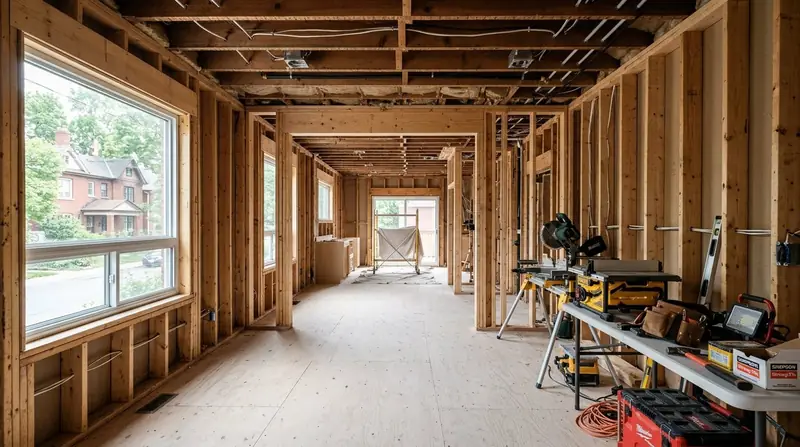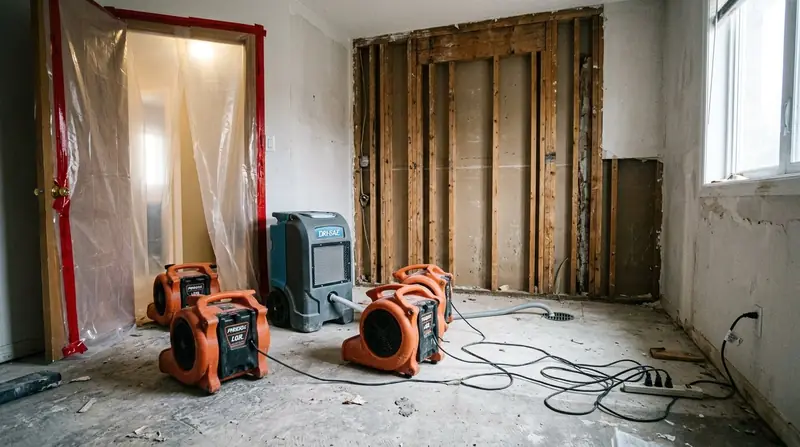
Renovating or restoring a home in Ontario or the Greater Toronto Area requires more than choosing materials or styles - it demands disciplined planning, reliable project management, and a thorough understanding of local building requirements. Property owners face a range of challenges, from selecting responsible contractors to ensuring code compliance, managing budgets, and dealing with unexpected emergencies like fire, flood, or wind damage. The right preparation and partnership will help protect your investment, minimize stress, and ensure a successful result.
TGV Construction Group Inc. is recognized for its expertise in General Contracting, Emergency Mitigation, and Restoration services tailored to the Greater Toronto Area and Ontario. This guide distills essential practices every homeowner should follow, whether planning a kitchen remodel, a complete property restoration, or tackling storm or mould damage. The advice below is grounded in Ontario’s regulatory environment and the realities of managing residential construction and restoration projects today.
This information is provided for general guidance. For specific legal, code, or regulatory questions related to your project, consult relevant professionals or your local municipality.
Understanding the Role of a General Contractor and When to Hire One
The success of any renovation or restoration often depends on the roles you assign and who manages various parts of the work. Here’s how different industry professionals contribute to your project:
- General Contractor: Responsible for overseeing the entire project, coordinating all trades and suppliers, scheduling, obtaining required permits, managing site safety, and serving as the homeowner’s main point of communication. Provides contracts, ensures work meets quality standards, and oversees billing and compliance.
- Subcontractor: Specialists who handle individual aspects (e.g., electrical, plumbing, drywall). Hired and managed by the general contractor for large projects; sometimes directly by a homeowner for simple jobs.
- Designer: Plans layouts, produces technical drawings, and helps with finishes and material choices. May operate independently or as part of a Design & Build team that handles both design and construction.
- Project Manager: Typically oversees schedule, budget, and communication, ensuring milestones are achieved and risks managed. Can be part of the contractor’s team or hired directly to represent the client’s interests.
Advantages of Hiring a General Contractor for Complex Projects
- Simplified Management: With multiple trades and overlapping tasks, a general contractor brings organization, schedules work to avoid delays, and takes responsibility for site safety and quality.
- Compliance and Permits: General contractors are accustomed to navigating local requirements, managing building permits, and coordinating city inspections.
- Accountable Communication: Homeowners benefit from a single point of contact. Disputes, changes, and urgent matters are addressed by someone directly accountable.
- Risk Management: General contractors have insurance and WSIB coverage, minimizing the homeowner’s exposure to liability.
- Emergency Response: After a disaster (water, fire, smoke, wind), engaging specialists in 24/7 Emergency Mitigation and Restoration services ensures rapid safeguarding of your property and professional technical remediation.
When Directly Hiring Trades May Be Appropriate
- Small, Clearly Defined Jobs: If the work involves a single trade or a straightforward, isolated scope - such as a tub replacement, repainting, or repairing a short fence - homeowners may safely manage trades directly.
- Experience with Construction Oversight: If you regularly coordinate projects, handle permits, and can assess workmanship, direct hiring may be efficient. However, be realistic about time and expertise required; uncoordinated work often leads to hidden costs or delays.
- Cost Control vs. Convenience: Managing separate quotes and trades may save on contractor fees but requires strong communication and problem-solving skills.
No matter your choice, ensure clear communication, documentation, and a reasonable approach to project risks.
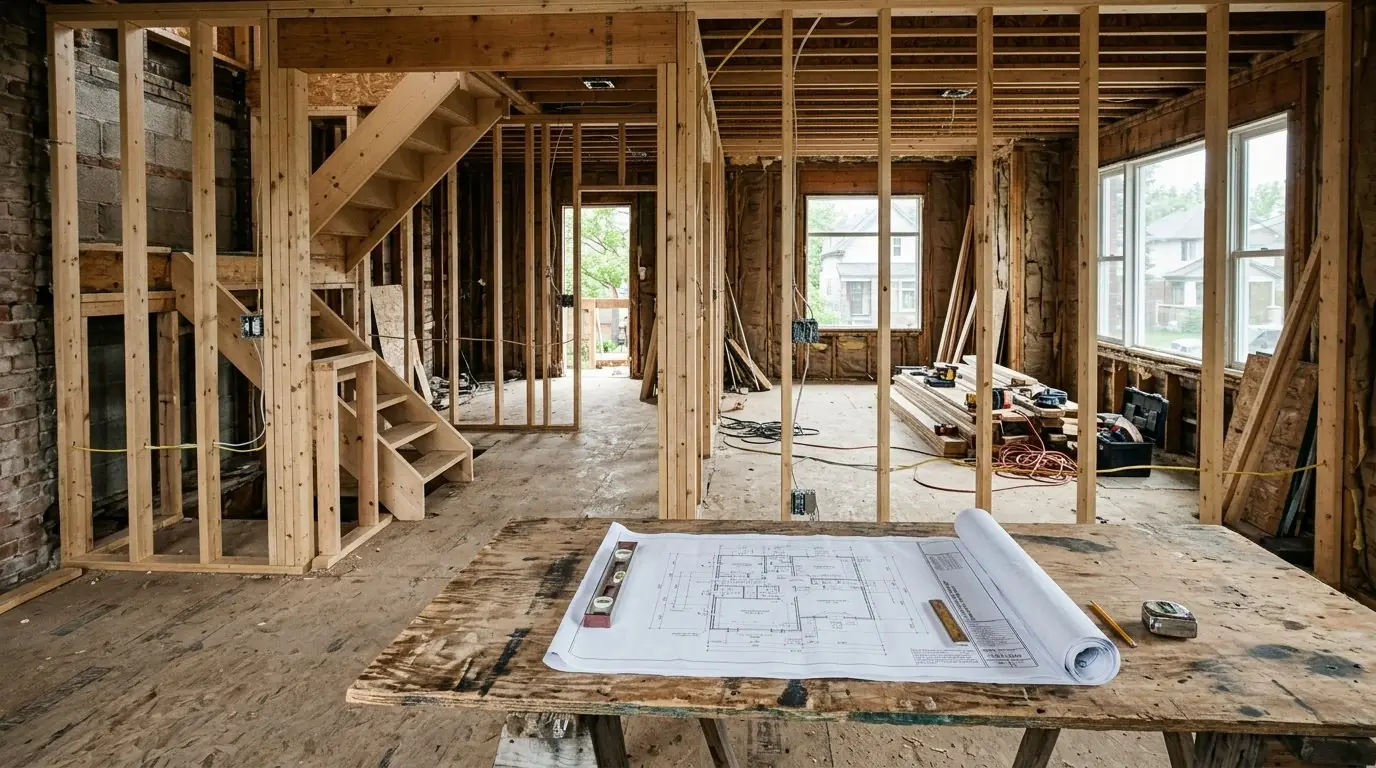
Defining Your Renovation or Restoration Project Before Requesting Quotes
Accurate project scoping is the foundation of cost control and avoids surprises throughout construction. Vague requests often result in inconsistent bids, change orders, or disputes.
Homeowner Project Scoping Checklist:
- Define the Areas Involved
- Specify all locations (e.g., kitchen, basement, exterior porch, bathrooms).
- Note existing elements to remain versus those to be demolished or changed.
- Create a Written Scope of Work
- List all specific tasks, such as demolition, framing, insulation, electrical, and finishes.
- Clarify inclusions (e.g., site cleanup, waste disposal) and exclusions (appliances, landscaping).
- Indicate any owner-supplied materials or self-managed tasks.
- Gather Plans and Specifications
- Provide measured floor plans and elevations, if available.
- Include or reference product cut sheets for windows, tile, flooring, cabinets, and fixtures.
- List known selections or identify which items have budget allowances.
- Note if engineering, architectural, or permit drawings are required but not yet produced.
- Set a Realistic Budget with Contingency
- Establish a total budget including HST, professional fees, and permit costs.
- Prepare for unknowns: For new homes or condos, a 10% contingency typically covers minor surprises. For century homes, older wiring, or poorly documented buildings, aim for at least a 20% buffer.
- Plan for possible delays - supply chain issues, weather, inspection backlogs - and build flexibility into your schedule.
- Outline Timelines
- State your preferred start date and target completion.
- Identify any hard deadlines (e.g., move-in, special events).
For more strategies and cost benchmarks tailored to the Greater Toronto Area, see our Renovation and restoration budgeting advice.
Vetting General Contractors in Ontario
Selecting a reputable general contractor protects your property, budget, and peace of mind. Ontario’s construction sector is regulated for safety, not all renovation providers are subject to the same licensing as new-home builders. Here is how to qualify your contractor:
- Review Project-Specific Experience
- Ask for references and case studies similar to yours (i.e., renovation vs. new build, home type, size of job).
- Ensure the general contractor has familiarity with local building types, especially if you own a condo (rules on access, hours, and site protection often differ).
- Past performance in the Greater Toronto Area or Ontario indicates awareness of regional codes and permitting.
- Verify Insurance and WSIB
- Obtain current proof of commercial general liability insurance. The certificate should clearly name the policy holder, coverage levels, and expiry date.
- For projects with on-site labourers, request a valid Workplace Safety and Insurance Board (WSIB) clearance certificate.
- Note: Sole proprietors may have different coverage requirements. Confirm legal compliance for your project’s scope.
- Check Trade Qualifications
- Electrical, plumbing, and HVAC work must be done by licensed tradespeople in Ontario.
- Ask for credentials and verify their status online if needed.
- Understand Project Management Approach
- Clarify who supervises work daily and who will be on-site.
- Ask about subcontractor selection, oversight, and how the contractor responds to unexpected events (e.g., hidden mould or code issues).
- Know Licensing Limits
- General and renovation contractors are not licensed by the Home Construction Regulatory Authority (HCRA). Only new-home builders and sellers fall under HCRA.
- Company Track Record
- Assess longevity, financial stability, and commitment to customer support. Review leadership credentials and organizational values for About TGV Construction Group’s expertise and track record.
For trusted General Contracting services in Toronto and GTA, apply these checks at the outset - before signing any agreements or paying deposits.
Key Elements of a Strong Renovation Contract
A clearly written renovation or restoration contract sets expectations and establishes recourse if problems arise.
Core Contract Requirements:
- Detailed Scope: Includes all agreed-upon work, supported by plans, specifications, and product lists. Exclusions must be itemized.
- Transparent Pricing and Milestones: The contract should show total fixed price or clearly define allowances. Payment stages (deposit, progress draws, holdback) must correspond to specific deliverables.
- Timeline: Start date, expected completion, and a process for updating milestones if delays occur (e.g., due to permit or inspection issues).
- Change Order Process: Extra costs or substitutions require written, signed approval before commencement.
- Handling Concealed Conditions: Should specify steps if unexpected problems like hidden wiring, leaking pipes, or undisclosed asbestos are found - including potential cost or schedule adjustments.
- Permit and Inspection Responsibility: Indicates who will submit for permits, interact with building officials, and retain required documentation.
- Safety, Cleanup, and Site Security: Sets expectations for maintaining safe sites, daily and end-of-project cleaning, and controlling property access.
- Warranty and Disputes: Describes duration and coverage of workmanship/materials warranty, procedures for service calls, and steps for resolving disagreements (e.g., mediation before litigation).
| Contract Feature | Details Required | Where to Find It |
|---|---|---|
| Scope of Work | List of included and excluded tasks | Main contract body, appendix |
| Price/Allowances/HST | Detailed in quote, with allowance flags | Pricing summary section |
| Payment Milestones | Deposits, progress draws, final payment | Payment schedule |
| Change Order Policy | Written approval needed, impact on timing | Change order form |
| Permits/Inspections | Named responsible party and steps | Specific contract clause |
| Cleanup & Site Access | Contractor/owner duties, access hours | Site management section |
| Warranty Terms | Timeframe and what is covered | Warranty certificate |
| Dispute Process | Defined steps for resolution | Dispute resolution section |
Always insist on a full written agreement before work begins. Do not settle for verbal commitments.
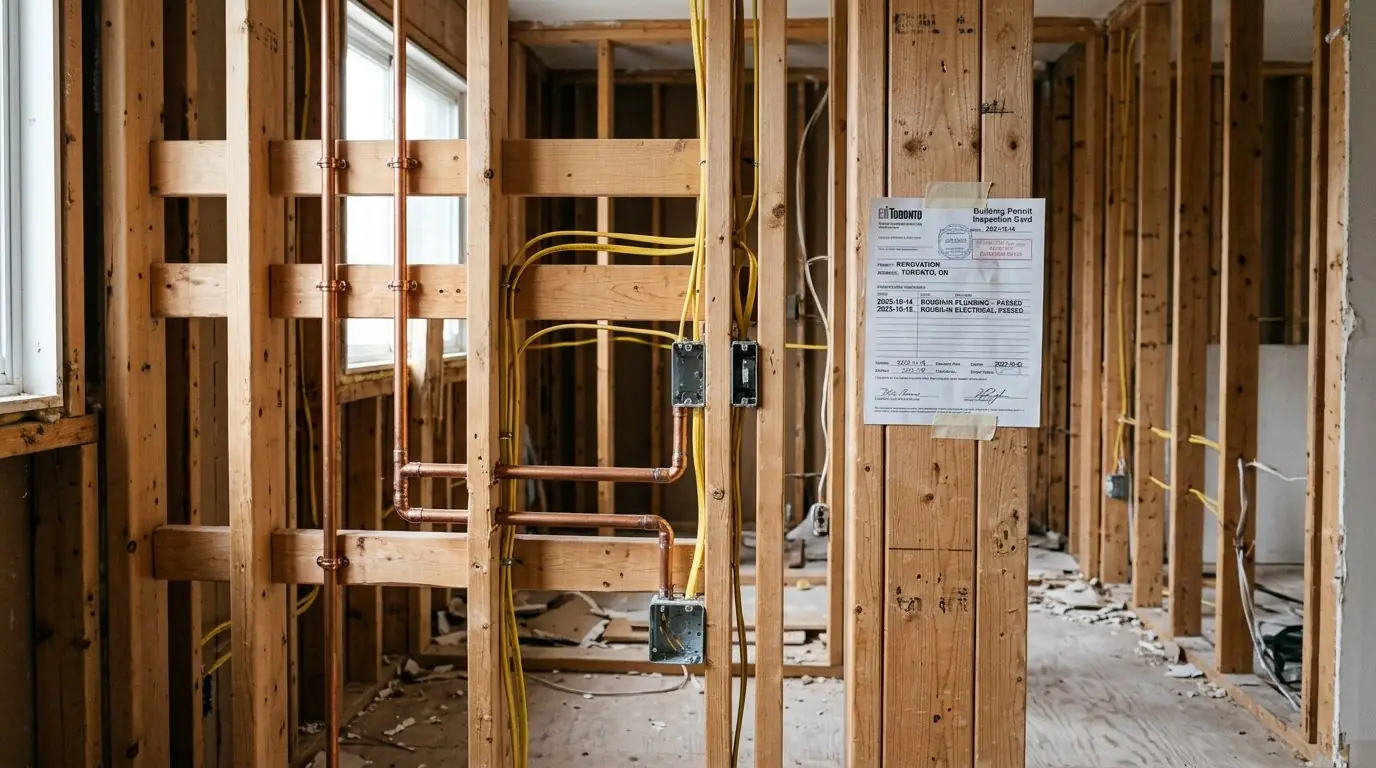
Navigating Permits, Code Compliance, and Inspections in Ontario
None of the technical or safety benefits of a renovation matter if the work is not properly permitted or does not meet code. Understanding permit obligations protects you physically and legally.
- When Are Permits Required?
- Additions, structural changes (e.g., removing load-bearing walls), or modifications to plumbing, electrical, and HVAC systems require permits under the 2024 Ontario Building Code (effective April 2025 for new applications).
- New decks, porches, and significant changes to building use also require municipal approval.
- Cosmetic work, such as painting, flooring, or changing cabinet faces, typically does not - but always confirm with your local building department, as practices and thresholds vary.
- Assigning Permit and Inspection Duties
- The contract should clearly state who applies for permits and oversees inspections. Both homeowners and contractors can serve as applicants, but only one party should submit documentation, pay fees, and receive city responses.
- Keep a log of all permit documents, correspondence, inspection reports, and deficiency notices.
- Retaining Records
- Store all permits and inspection certificates with your other renovation documentation. Municipalities or home insurance may request proof in the future.
- Promptly address noted deficiencies to avoid delays or fines.
Municipal requirements can differ, and the provincial code is evolving. During the transition to the new Ontario Building Code, always verify current policies directly with your local building department.
Managing Your Project During Construction
Construction projects, especially those in occupied homes, run most smoothly when the homeowner remains engaged. Consistent oversight and clear communication prevent small issues from turning into major headaches.
- Request Written Updates and Job Site Photos
- Have your contractor send progress notes, site photos, or summaries - either weekly or at major phases.
- Maintain a Project File
- Keep change orders, schedules, correspondence, permits, invoices, and site reports all together (paper or digital).
- Document Changes and Unexpected Findings
- Use signed change orders for any approved alterations. Record with date, detail, and pricing.
- Promote Site Safety
- Confirm that the site meets Ontario’s safety standards (barriers, PPE, active hazard control).
- If an issue arises, communicate concerns in writing and request a prompt plan of action.
An organized project record is the homeowner’s best defense if disputes arise, and simplifies future resale or insurance claims.
Payments, Statutory Holdback, and Lien Awareness
Financial best practices safeguard both budgets and legal standing. Ontario’s Construction Act governs how payments and liens are managed, with strict rules for holdback and documentation.
- Link Payments to Progress
- Payments (deposit, progress draws, final payment) should match work that has been completed and inspected.
- Request photographic evidence or in-person walkthroughs to confirm milestones.
- Understand Statutory Holdback
- Ontario law requires owners to retain 10% of each payment as holdback until 60 days after project substantial completion is published or declared. This protects against construction liens.
- Do not release holdback early unless advised by a lawyer or experienced advisor.
- Maintain Invoices and Receipts
- Document all payments, retain invoices, and track payment method (electronic transfer, cheque, etc.).
- Ensure receipts indicate work completed, date, and details for your records.
| Payment Stage | Documentation Needed | Recommended Record |
|---|---|---|
| Initial Deposit | Signed contract, deposit invoice | Contract with receipt, confirmation of payment |
| First Progress Draw | Site report, interim invoice | Updated contract, dated photos, payment record |
| Second/Final Progress Draw | Site walkthrough, signed draw | Inspection reports, payment receipts |
| Statutory Holdback Release | Final invoice, proof of no liens | Lien search, all-clear letter, copy of payment |
Never make full, upfront payment. All payments should correspond to specific, completed milestones.
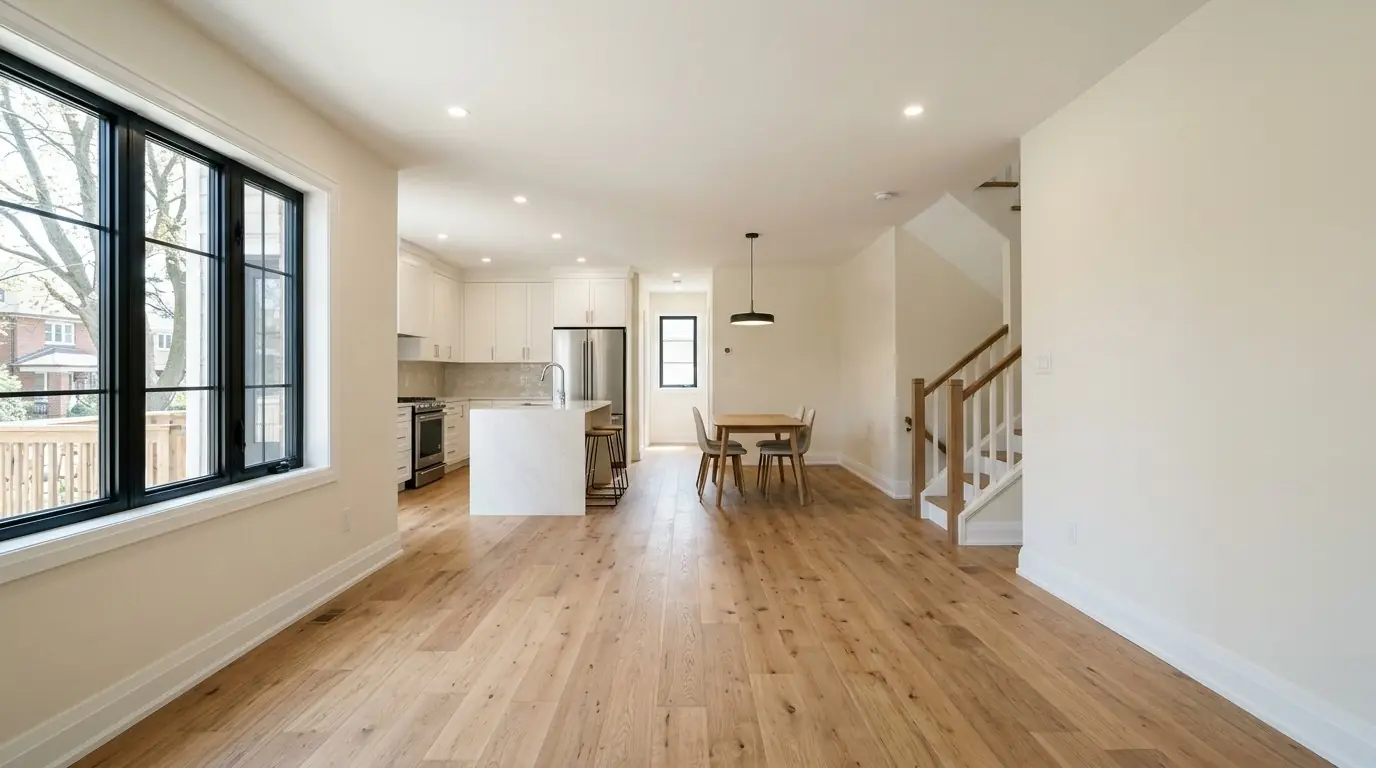
Final Walkthrough and Project Closeout
A careful closeout formalizes the transition from construction to occupancy and ensures no details are left unresolved.
- Deficiency (Punch) List
- Conduct a final inspection with your contractor.
- Document any incomplete, damaged, or unsatisfactory work. Set completion deadlines for each item.
- Collect Documentation
- Gather all warranty statements, system manuals, supplier warranties, backup for any change orders, and city inspection approvals.
- Retain confirmation of permit closures.
- Finalize Payments
- Ensure that all contract and change order items are complete before releasing the final payment or statutory holdback.
- Keep comprehensive records for future needs (resale, warranty service, or property insurance).
Do not release final funds until all paperwork, completed work, and deficiencies are resolved to your satisfaction.
Frequently Asked Questions About General Contracting in Ontario
Do all renovations require a building permit?
Most projects involving structure, plumbing, electrical, or HVAC need permits. Cosmetic improvements (painting, flooring, cabinets) often do not, but local rules differ. Always confirm with your municipality.
Who is responsible for permits and inspections?
Your contract should state who handles applications and inspection coordination. Both homeowners and contractors can serve as applicants, but only one party should interface with city officials.
Are renovation contractors licensed by HCRA?
No. Only new-home builders or sellers are licensed by the Home Construction Regulatory Authority (HCRA). Renovators and general contractors must follow relevant laws and have trade-specific qualifications for certain work.
What should be compared in contractor quotes?
Look beyond price: review scope of work, allowances for materials, schedule, whether HST is included, details of cleanup, warranty, and permit responsibilities.
What must a renovation contract include?
Detailed scope, fixed or allowance pricing, payment schedule, timeline, change order process, permit duties, site safety and cleanup provisions, warranty coverage, and a clear dispute process.
How do I handle extra work or changes?
Do not approve verbally. Use a written, signed change order for any changes to scope, cost, or schedule.
Is insurance and WSIB coverage necessary?
Yes. Ensure your contractor has valid liability insurance and, if applicable, WSIB coverage for site workers. Request current certificates and retain copies.
What is statutory holdback?
Ontario requires a 10% holdback from each payment to protect against liens. Hold this amount for 60 days after substantial completion unless a lien has been filed.
Which documents should I collect before final payment?
Gather all city sign-offs, product manuals, warranties, proof of all payments, and written confirmation that there are no active liens.
Does Tarion warranty cover renovations?
No. Tarion covers new homes only. Renovations and additions depend on your contractor’s warranty. Review those terms directly in your contract.
For further information or if you have specific project questions, Contact TGV Construction for a quote or project inquiry. TGV Construction Group Inc. delivers expertise in General Contracting, Design & Build, Property Restoration, Emergency Mitigation, Residential & Large Loss, and Project Management throughout the Greater Toronto Area and Ontario. Every client receives a commitment to Quality Assurance, rigorous safety standards, and timely execution - ensuring your renovation or restoration project is managed with professionalism and care.