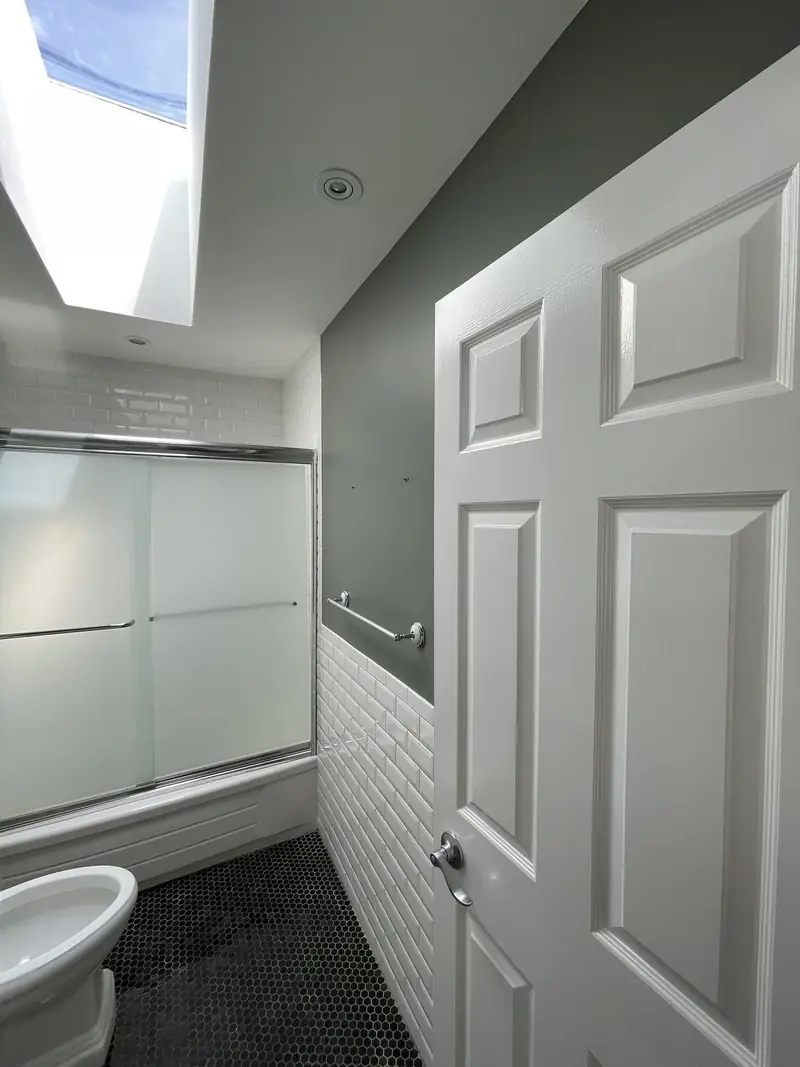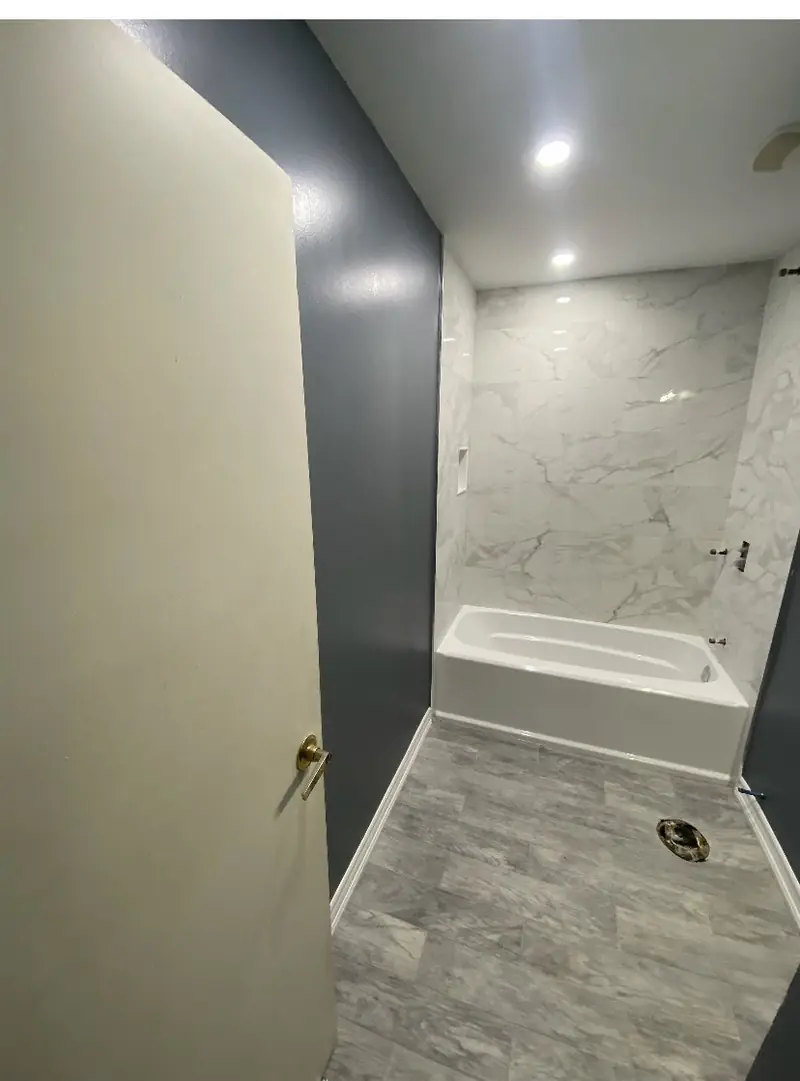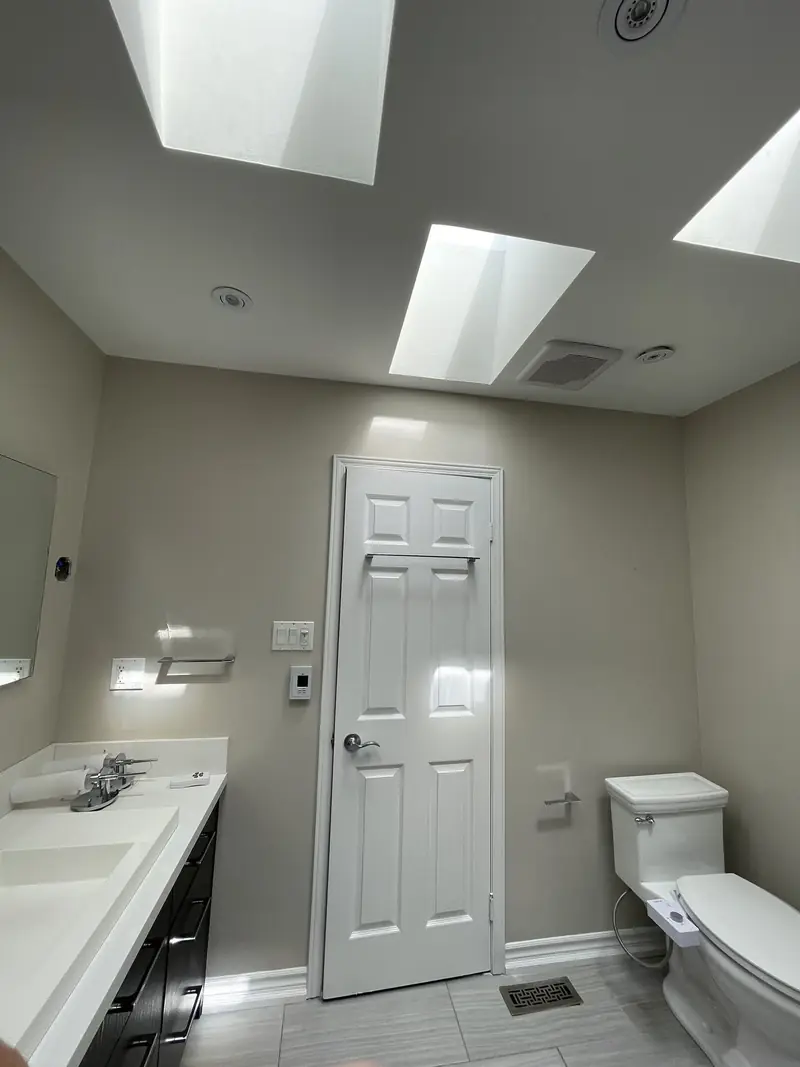
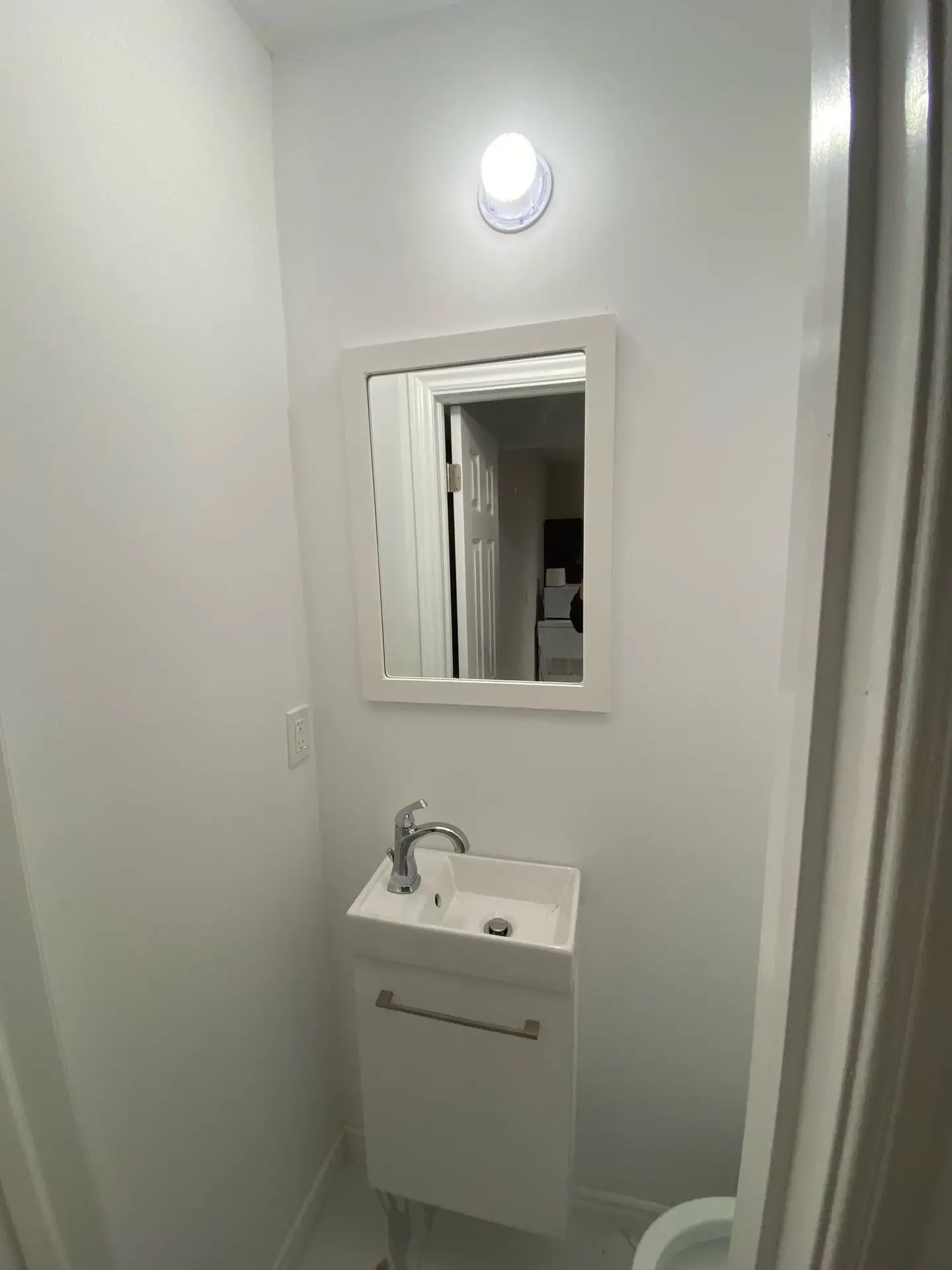
A bathroom renovation in Aurora usually costs between $18,000 and $45,000, depending on the size of the room, whether plumbing moves and the finishes you choose. Aurora has century homes near the historic downtown on Yonge Street and Wellington, 1970s and 1980s houses in Aurora Heights and Aurora Highlands, and newer homes in Bayview Wellington, Aurora Grove and Aurora Estates. Each one brings its own bathroom: small and full of character, practical and dated, or large but builder-plain.
TGV Construction Group Inc. is a licensed and insured contractor that has completed more than 300 projects across the GTA and Ontario since 2017. Our bathroom renovation services cover full renovations, ensuite upgrades and accessible bathrooms.
Bathroom renovation in Aurora: common projects
Ensuite makeovers. Many 1990s and 2000s ensuites have a large corner tub that nobody uses and a small shower stall. Replacing both with a big walk-in shower and a freestanding tub, or just a larger shower, is the most popular change.
Family bathrooms. The main bathroom upstairs works hard. A durable tub and tile surround, a vanity with drawers, a quiet fan and good lighting make mornings easier.
Powder rooms. A small room with a big impact. A new vanity, toilet, mirror, lighting and paint transform it in a week or two.
Accessible bathrooms. More families in Aurora are planning for parents moving in or for staying in their own home longer. Accessibility features are easier and cheaper to include during a renovation than to add afterwards.
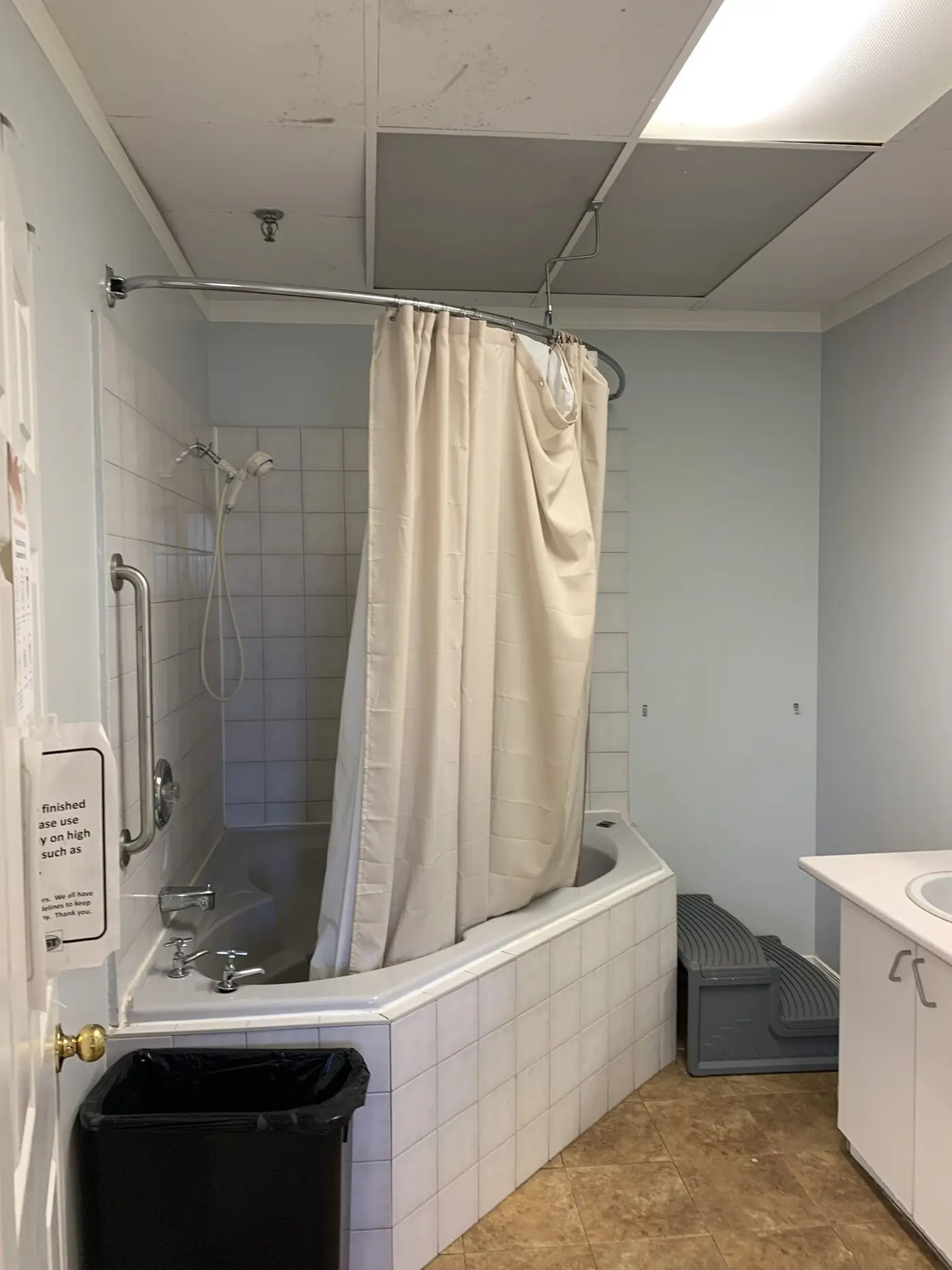
Older homes, newer homes
In older Aurora houses, opening the walls often reveals old galvanized pipes, cast-iron drains, uneven floors and wiring that needs updating. These are not reasons to avoid a renovation, but they do belong in the budget reserve. We inspect what is found and explain the options before anything is replaced.
In newer homes the structure is usually sound, but builder-grade fixtures, thin tile and minimal waterproofing are common. A renovation is the chance to install a proper membrane, a better shower valve and a fan that actually removes moisture.
Heritage properties need some extra thought. Interior bathrooms are usually handled like any other, but exterior changes, such as a new window, can need approval in a heritage area.
Steps from planning to finish
- Decide who the bathroom is for. A family bathroom, an ensuite, a powder room or a bathroom for an older relative each need different features.
- Check the existing room. Look for soft spots in the floor, stains on the ceiling below and signs of past leaks.
- Keep or move the plumbing. Keeping fixtures where they are saves the most money. Moving them is possible but adds work.
- Plan storage and lighting. Drawers in the vanity, a niche in the shower and good light at the mirror make a bathroom easier to use.
- Choose finishes and order early. Tile, glass, vanities and fixtures can take weeks to arrive.
- Prepare the rest of the house. Clear the route to the bathroom and plan which bathroom the family will use during the work.
- Demolish, repair and rough in. Remove old finishes, fix anything found underneath, update plumbing and electrical.
- Waterproof, tile and finish. Membrane in the wet areas, then tile, glass, vanity, toilet, fixtures, paint and a final clean.
Ideas that work in Aurora bathrooms
Walk-in showers with a bench. A built-in bench is comfortable, useful for shaving legs and a safety feature for older users.
Heated floors. A warm tile floor on a January morning is one of the most appreciated upgrades.
Double vanities. In ensuites with enough width, two sinks end the morning queue.
Niches instead of shelves. A recessed niche in the shower wall holds bottles without cluttering the room.
Better lighting. A combination of ceiling light, mirror lighting and sometimes a light in the shower makes a dark bathroom bright.
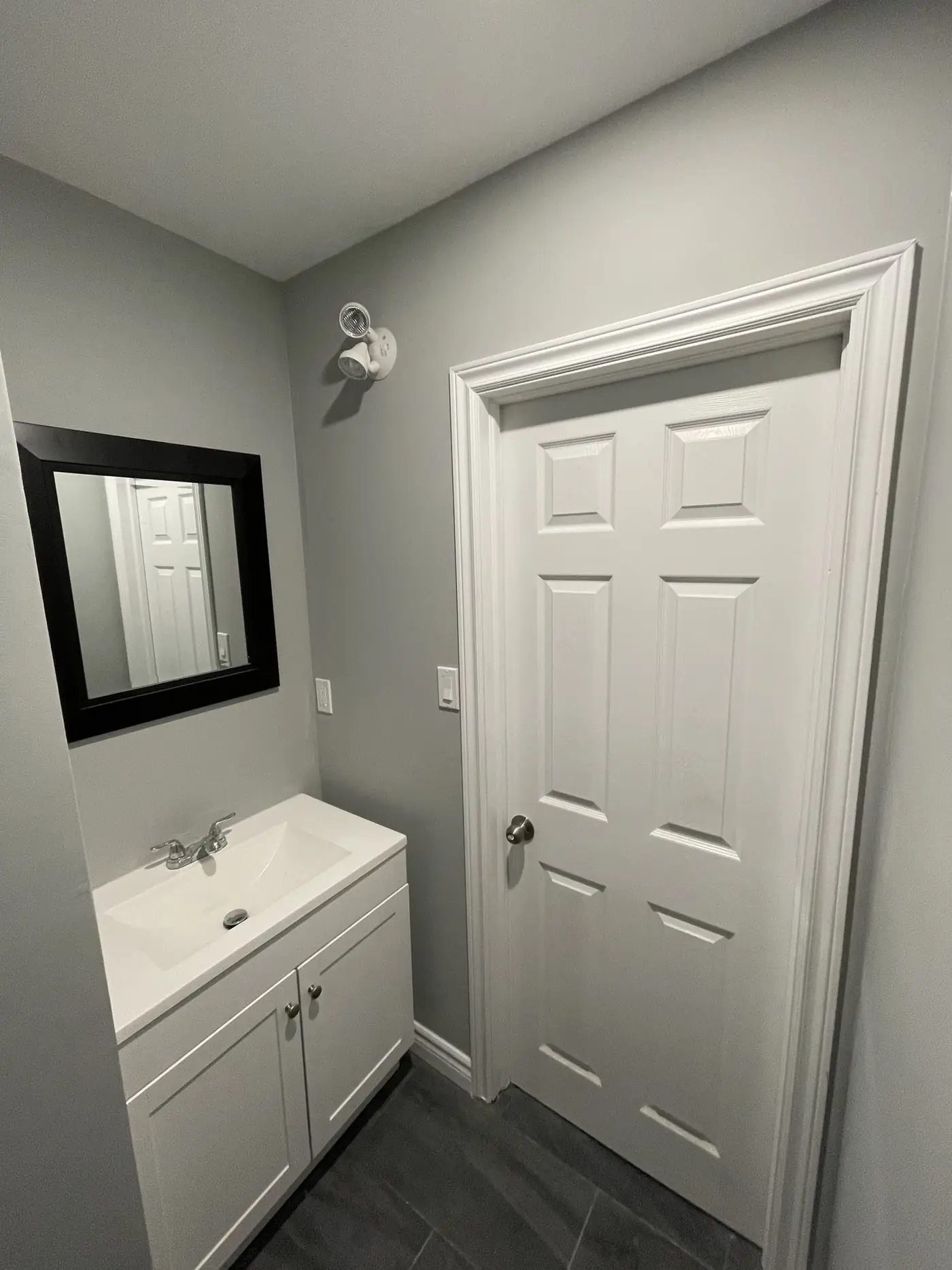
Where the money goes
Skilled labour for demolition, plumbing, waterproofing and tile is usually the largest share of the cost. Fixtures, the vanity, the toilet, the tub or shower base and glass come next, followed by tile, lighting and ventilation. Moving drains and custom glass are the items that increase the total the most. For more detail, see our guide to average bathroom renovation costs and our Newmarket bathroom guide, which covers similar houses next door.
Waterproofing and ventilation come first
The parts of a bathroom that matter most are the ones you never see once it is finished. Tile and grout let some water through, so the shower walls and floor need a continuous waterproof membrane behind them, sealed at every corner, niche and pipe. Around the tub, the membrane runs down over the tub flange. Done properly, it keeps water out of the walls and the floor for decades.
Ventilation is the second half. A fan sized for the room and vented to the outside, not into the attic, removes the steam that would otherwise soak into the drywall and the ceiling. A humidity sensor or a timer switch makes sure it runs long enough after every shower. In older Aurora houses we regularly find fans that vent into the attic or were never connected to a duct at all, which can lead to mould on the roof sheathing.
How long you will be without the bathroom
For most projects the room is out of use for two to four weeks. The first days are demolition and repairs, followed by plumbing and electrical rough-ins, then waterproofing and tile, which need drying time between coats and before grout. Glass doors are measured after tile and often take one to two weeks to arrive, so a curtain may be used for a short time. If the house has only one bathroom, tell us at the first visit and we will plan the order of work to keep the toilet usable as much as possible.
An Aurora Highlands example
A 1980s house in Aurora Highlands has a main bathroom with a pink tub, a small vanity and a fan that vents into the attic. After demolition, the old drain is replaced and the fan is ducted outside. A new tub with a tiled surround, a wider vanity with drawers, a comfort-height toilet and LED lighting complete the room. The work takes about three weeks, and the family uses the ensuite in the meantime.
Bathroom renovation in Aurora: frequently asked questions
How much does a bathroom renovation in Aurora cost?
Most bathroom renovations in Aurora fall between $18,000 and $45,000. A standard family bathroom with the same layout sits at the lower end; a larger ensuite with moved plumbing, custom glass and premium tile sits higher. Your written quote sets the final price after a site visit.
How long does it take?
Two to four weeks for most bathrooms once materials are on site. Larger ensuites and plumbing changes can take longer.
Do I need a permit in Aurora?
Replacing finishes and fixtures in place usually does not. Adding a new bathroom, moving drains or making structural changes does. The Town of Aurora building division confirms the requirements.
Can you make a bathroom accessible for an older parent?
Yes. Typical features are a curbless or low-threshold shower, grab bars backed by solid blocking, a comfort-height toilet, a handheld shower and lever handles. Planning blocking in the walls now makes future changes easy.
Is heated flooring worth it?
In Aurora's winters, many owners say yes. An electric mat under porcelain tile is a modest cost in a full renovation and makes the room comfortable all year.
Book a visit
We look at the room, the plumbing and the ventilation, listen to what you want and send a written quote with a clear scope and schedule.
Phone (365) 363-6995, email estimating@tgvconstructiongroup.ca, or tell us about your bathroom on the Get a Quote page.
Related reading: home renovation in Aurora, vanity replacement costs and bathroom renovation costs in Richmond Hill.