Emergencies disrupt homes and businesses in the Greater Toronto Area and Ontario - sometimes in a matter of minutes. Whether facing a basement flood, kitchen fire, burst pipe, or windstorm, property owners need swift action from professionals who understand local requirements and can limit ongoing and future damage. A prompt, expertly managed response saves money, reduces disruption, and protects health and safety.
TGV Construction Group Inc. is dedicated to supporting residential, commercial, and institutional clients with specialized emergency mitigation and restoration services. Our team acts quickly to safeguard property, organize clear communication, and prepare for complete restoration. This practical guide will help you understand how emergency mitigation works, how to compare providers fairly, and why TGV Construction Group Inc. remains a trusted choice throughout the GTA and Ontario.
Understanding Emergency Mitigation Services
Mitigation Versus Restoration and Reconstruction: Roles and Definitions
Emergency mitigation refers to the urgent interventions immediately after incidents - actions aimed at limiting the spread or escalation of damage. While often used interchangeably with “restoration” or “reconstruction,” each plays a unique role:
- Mitigation: Stops further damage by addressing immediate hazards. This includes shutting off water, removing standing water, initiating drying, securing breaches from wind, and containing hazardous materials (like asbestos or mould).
- Restoration: Focuses on cleaning, deodorizing, removing smoke or soot, and salvaging structures and contents.
- Reconstruction: Covers rebuilding and repairs once hazards are removed, restoring the property to its pre-incident condition or better.
Professional project management ensures an organized process from initial stabilization (mitigation) through final repairs. TGV Construction Group Inc. integrates General Contracting, Emergency Mitigation, and Restoration Services under one roof, streamlining each phase for homeowners, property managers, and commercial stakeholders.
Common Emergency Scenarios: Water, Fire, Smoke, Storm-Related Damage
Emergency mitigation needs in Toronto and Ontario typically arise from:
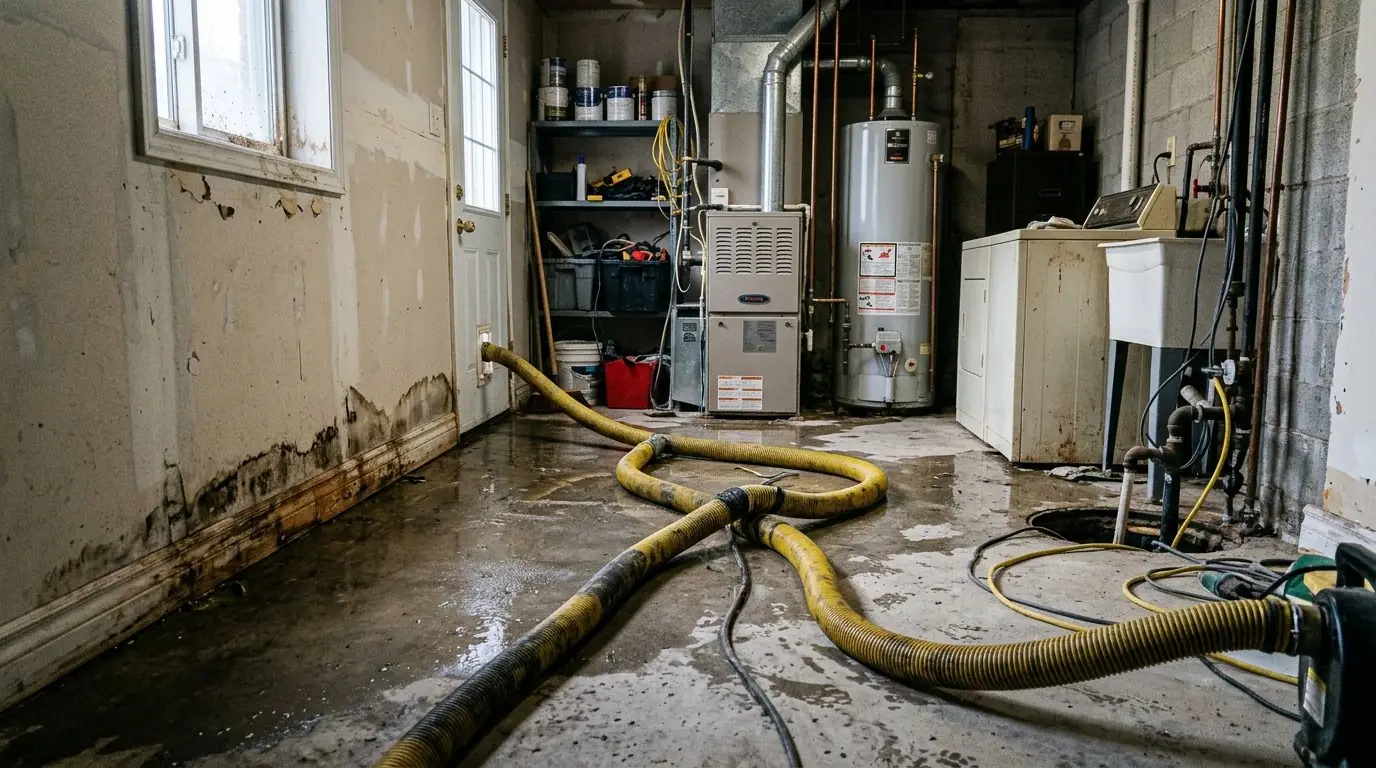
- Water & Flood Damage: Burst pipes, appliance leaks, rainwater flooding, and firefighting runoff. Fast water extraction and structural drying are key to minimizing structural and health risks.
- Fire & Smoke Damage: Fire can directly destroy materials, while smoke and soot can travel widely, affecting rooms not visibly involved in the fire. Odour and contamination require systematic removal.
- Wind & Storm Damage: Extreme wind events break windows, strip roofing, and compromise building envelopes. Rapid action is essential to prevent further internal water or wind damage.
- Mold & Asbestos: Prolonged moisture exposure may lead to mould growth. Older buildings may involve asbestos-contaminated debris, which must be handled under strict containment procedures.
For a complete list of services and tailored solutions for every property and scenario, visit Our Comprehensive Service Offerings.
Types of Properties Covered: Residential, Commercial, and ICI
TGV Construction Group Inc. delivers specialized mitigation and restoration across a spectrum of property types:
- Residential: Single family homes, condominiums, multi-unit dwellings, rental properties.
- Commercial: Offices, retail stores, restaurants, hotels, malls, and industrial warehouses.
- Institutional, Commercial, and Industrial (ICI): Healthcare, educational, logistics, and heritage buildings with unique operational and regulatory considerations.
Responsive service adapts to each site’s special requirements, from sensitive contents to occupancy demands and municipal building code compliance.
The Emergency Mitigation Process: What to Expect After a Disaster
A well-structured emergency mitigation process brings order and safety during chaos, supporting rapid insurance claims and smoother recovery. Here’s how a typical engagement unfolds with TGV Construction Group Inc.:
Initial Safety Inspection and Comprehensive Damage Assessment
- Evaluate immediate health and safety risks: structural instability, electrical hazards, gas leaks.
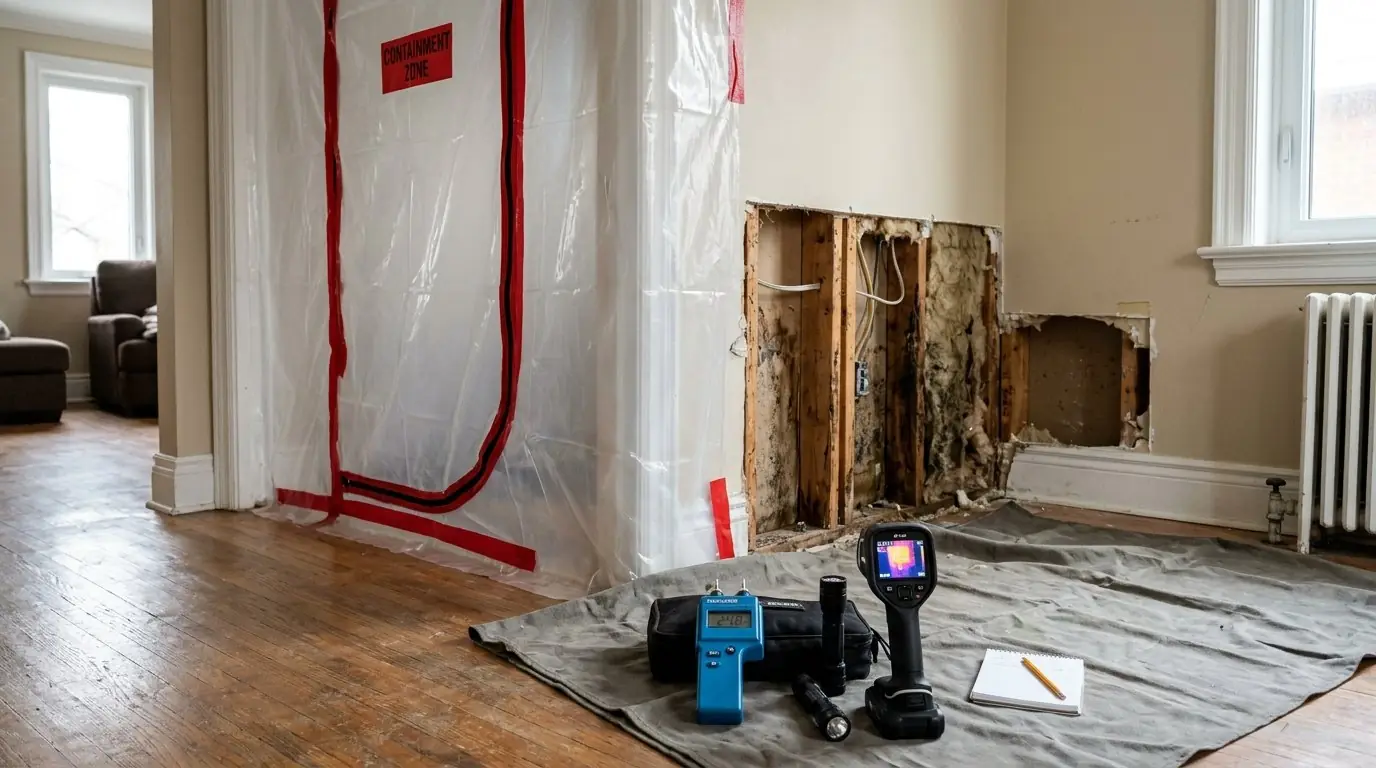
- Perform walk-through with moisture meters, thermal imaging, and photo documentation.
- Map affected and at-risk areas, including behind walls, ceilings, or below floors.
- Prepare a summary report for owner review and insurance submission.
Stopping Water Leaks, Fire Hazards, and Protecting Undamaged Areas
- Identify and shut off water, power, and gas as necessary.
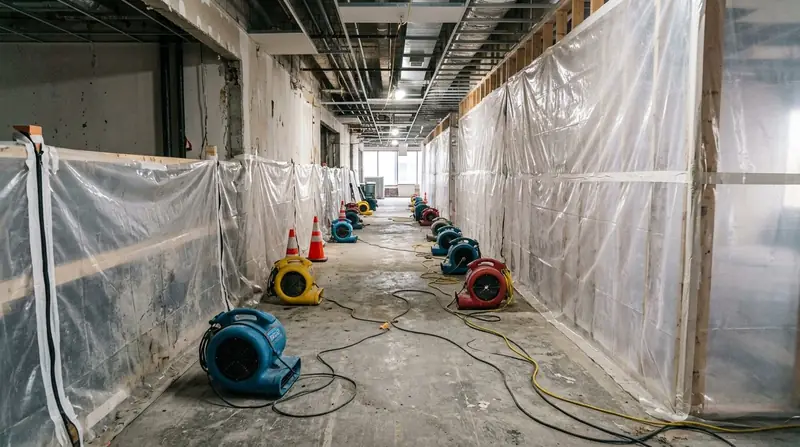
- Contain affected zones using plastic sheeting, physical barriers, or air scrubbers.
- Secure open roofs, windows, and doors with emergency boarding and tarps to prevent weather intrusion or unauthorized entry.
- Set up containment units when dealing with mould, asbestos, or other hazardous materials.
Water Extraction, Structural Drying, and Ongoing Monitoring
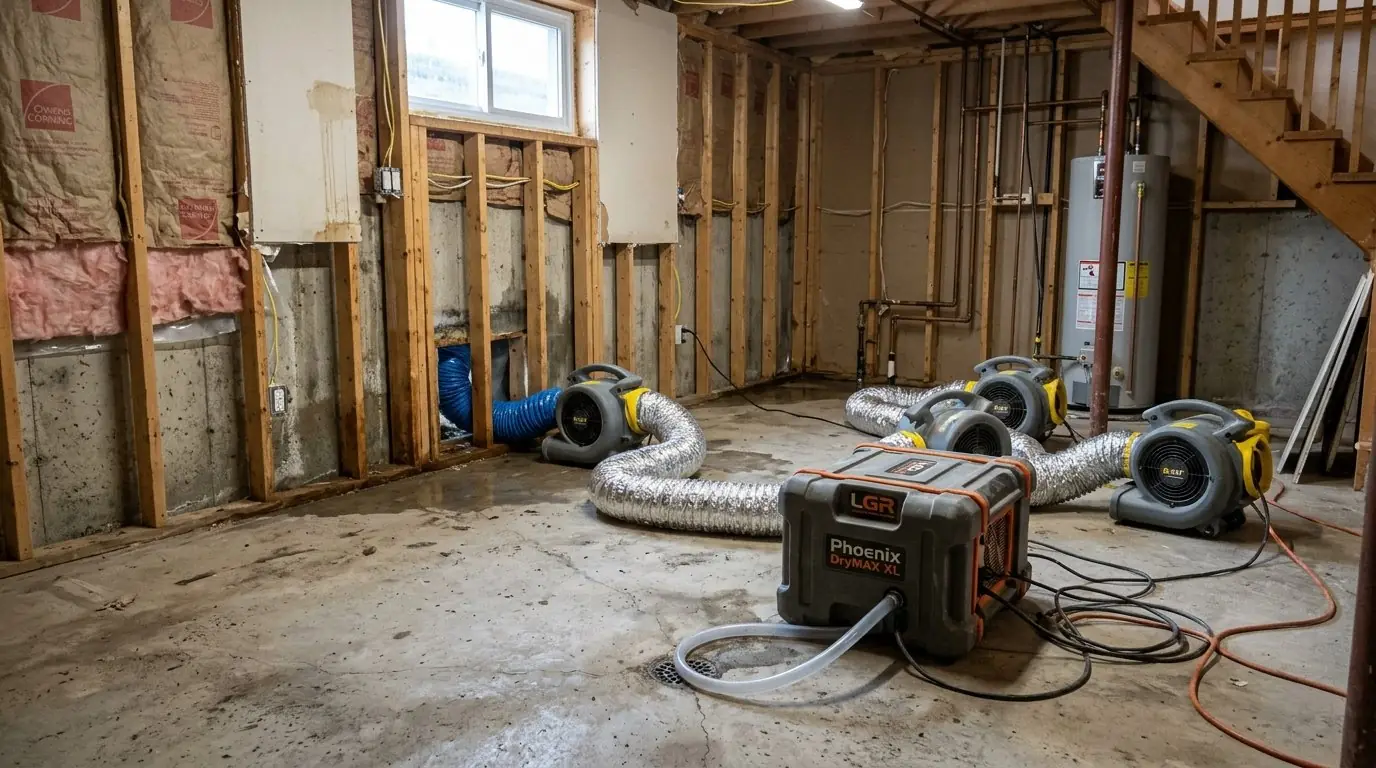
- Employ portable and truck-mounted pumps to extract standing water.
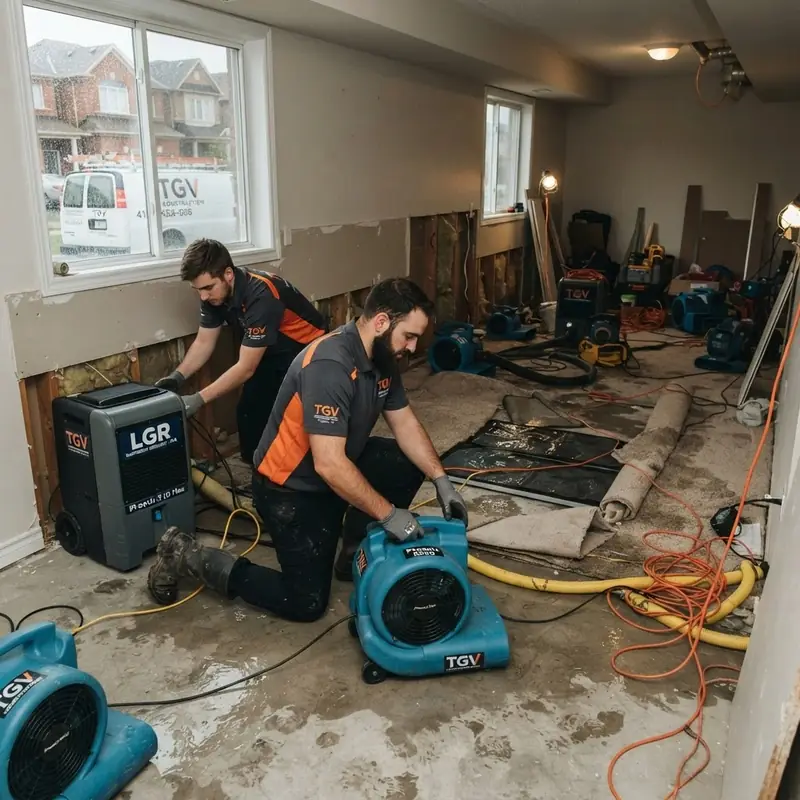
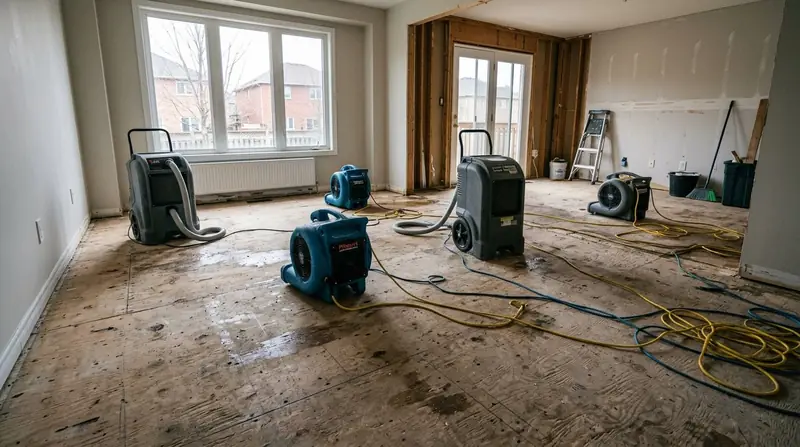
- Set industrial dehumidifiers and air movers to begin moisture reduction.
- Log daily readings with moisture meters at key locations to monitor progress.
- Move and prop furniture, lift carpets, and remove unsalvageable items where necessary.
Cleaning Smoke and Soot, Odour Removal Protocols
- HEPA vacuum and clean hard surfaces and structural elements.
- Apply odour-absorbing gels or materials, air scrubbers, and - if appropriate - ozone or hydroxyl generators (never used while the property is occupied).
- Remove soot and residues from HVAC systems to prevent ongoing contamination.
- Dispose safely of non-salvageable sections, in accordance with Ontario waste standards.
Handling Contents and Preparing for Restoration or Repair
- Inventory possessions; relocate, clean, or dispose of items based on damage and material type.
- Secure unaffected valuables in a separate, protected area.
- Coordinate restoration of sensitive contents - such as electronics or documents - through specialized partners.
- Leave the site secured and ready for thorough restoration or reconstruction.
Project Documentation and Closeout Communication
- Provide clear, written progress updates and final reports to owners and insurers.
- Specify which efforts addressed immediate mitigation and which set the stage for coming repairs.
- Document all work, supporting smooth insurance claims and future quality assurance.
Every phase is aimed at protecting your property and minimizing added costs or health risks. Transparent communication and documentation enable informed decision-making at every step.
Criteria for Comparing Emergency Mitigation Services
Not every company delivers emergency mitigation by the same standard. Carefully evaluate providers by these critical qualities - ask concrete questions for each:
| Criteria | What to Ask Providers |
|---|---|
| 24/7 Service Availability | Is round-the-clock emergency response always accessible? |
| Site Assessment Thoroughness | How will you document the full extent of visible and hidden damage? |
| Equipment and Monitoring | What specific tools and monitoring systems will be used? |
| Experience and Training | Can your team handle my property type and all main damage scenarios? |
| Insurance Support | How will you document and coordinate for my insurance claim? |
| Permitting and Licensing | Do you provide licensed trades, and handle necessary permits? |
| Safety Standards | What safety procedures and protective gear are in place? |
| Communication Clarity | How and when will you communicate changes, costs, or site updates? |
A dependable mitigation provider serves as more than a cleanup crew - they become your advocate, documenting everything required for insurance and peace of mind. Aim for transparent, traceable, and fully insured service.
What Distinguishes TGV Construction Group Inc.
TGV Construction Group Inc. offers a uniquely responsive and accountable emergency mitigation and restoration service model. Here’s what sets us apart for clients throughout the GTA and Ontario:
- Verified 24/7 Emergency Dispatch Across GTA and Ontario Emergency calls are answered promptly any time, any day, deploying specialized response teams for water, fire, smoke, storm, and hazardous material incidents. For further details, consult our 24/7 Emergency Restoration & Mitigation Services.
- Dedicated Project Management and Updates From first contact through project completion, our in-house managers provide detailed reporting and clear next steps - keeping clients and insurers informed from assessment to sign-off.
- Certified Specialists in Water, Fire, Smoke, Mould, Asbestos, and Storm Mitigation Every project is managed by certified personnel, compliant with Ontario workplace safety and environmental codes. This includes experienced trades for complex abatement or contamination scenarios.
- Full Licensed Trades and Permit Guidance We ensure regulatory compliance by engaging only Ontario-licensed electricians, plumbers, and structural specialists. Permit assessments and applications are handled internally, removing hassle for owners.
- Local Leadership with National Recognition As a multi-million-dollar company led by Tamara Gavrilenko - an advocate for diversity and inclusion in construction - TGV Construction Group Inc. boasts a record of more than 200 projects serving households and organizations throughout the region. Learn more at About TGV Construction Group Inc.
- Customer-Focused, Safety-Driven Execution Safety, quality assurance, and accountability are at the centre of every job. Our team’s commitment is reflected in ongoing communication, thorough documentation, and a culture of service that puts clients’ concerns and satisfaction at the forefront.
We promise to deliver every service aligned with current Ontario safety standards, transparent billing, and open communication - no shortcuts, and no compromises with your safety.
Steps to Take Before Professional Help Arrives
Immediate action protects both people and property. Follow these guidelines while awaiting your mitigation team:
- Prioritize Safety and Evacuation
- Leave the building immediately if you detect fire, gas leaks, live wires, or structural movement.
- Avoid Electrical Hazards and Contaminated Water
- Do not enter flooded or fire-damaged rooms until cleared by authorities. Water levels and electrical risks are unpredictable.
- Do Not Move Heavy or Damaged Materials
- Personal attempts to shift soaked furniture, appliances, or building materials can cause harm or aggravate the impact.
- Document Damage Safely
- If conditions permit, photograph all affected areas and any high-value belongings without putting yourself at risk.
- Notify Insurance and Emergency Services Early
- Prompt reports to your insurer lay the groundwork for faster claims handling. Reach out to fire, police, or municipal utilities as warranted.
Resist the urge to begin significant cleanup, demolition, or repairs on your own. Professional and licensed trades are equipped to manage hazards and preserve documentation essential for recovery.
Note: The information in this guide is intended for general knowledge. Always consult trained, licensed professionals and follow the specific instructions of insurance providers and emergency authorities when responding to property emergencies.
Key Questions to Ask Your Emergency Mitigation Provider
Before granting approval to begin emergency work, arm yourself with answers to these essential questions:
- What emergency services do you offer for my damage type and address?
- How do you inspect and document all areas before beginning?
- What immediate steps will you take upon arrival - and why each is needed?
- How do you measure and record drying or decontamination progress?
- Which activities are limited to mitigation versus what will require further repair?
- Are licensed tradespeople and permits part of this process? Will you coordinate their involvement?
- How will you keep me informed, and what should I expect regarding adjustments in scope or cost?
- Will you help coordinate insurance paperwork, and what level of support do you provide?
Ideally, all responses should be clear, direct, and tied to both the needs of your property and current Ontario codes and customs.
Frequently Asked Questions About Emergency Mitigation
How is emergency mitigation different from restoration?
Mitigation stops and stabilizes the situation - halting further spread of water, fire, or contamination - while restoration focuses on repairs, cleaning, and returning your space to use.
What are my first responsibilities after fire, flood, or storm damage?
Ensure everyone’s safety and evacuate if any hazards are present. Avoid all high-risk areas. Only document the scene if it is safe. Contact your insurance agent and a qualified mitigation specialist as soon as possible.
When should the property be professionally assessed?
Ideally within hours of discovery. Fast response prevents secondary damage from water absorption, mould, or soot. Immediate assessment is especially vital for high-value properties or those with vulnerable occupants.
What does insurance typically require?
Most Canadian insurers require a detailed initial assessment, photographic evidence, and an itemized record of emergency interventions. Policy details and deductibles can vary, so keep all receipts and correspondence.
How can I be sure cleanup addresses hidden damage?
Professional mitigation teams use calibrated moisture meters, thermal imaging, and wall cavity inspection to find moisture and contamination not visible on the surface. Reports are shared with you at each stage.
Can I remove floodwater or soot myself?
No. Water, soot, and potentially contaminated materials are hazardous. DIY methods risk injury and may invalidate insurance coverage. Allow licensed personnel to handle all significant removal work.
How do professionals perform odour and smoke removal?
Teams combine thorough cleaning with air purifiers, odour-absorbing products, and, where required, safe use of advanced deodorizing equipment between occupancy periods.
Are specialist trades or permits necessary for mitigation?
Yes, in cases involving plumbing, electrical, asbestos, or structural work. Ontario law requires licensed professionals and - often - municipal permits for this work. TGV Construction Group Inc. manages permitting and specialist involvement.
What is the expected communication during mitigation?
Owners receive ongoing updates: initial inspection results, status checks, moisture readings, any changes to work plans, and final project documentation. Open, clear communication is part of our customer satisfaction commitment.
How do I know when mitigation is complete?
When all immediate hazards are addressed, affected areas dried or stabilized, and a final inspection/report is issued recommending progression to restoration or reconstruction.
Ready to Secure Your Property?
Choosing an emergency mitigation provider means entrusting the wellbeing of your home, investment, or business to a team that must deliver on safety, compliance, and quality at every stage. Response time matters, but so do clear documentation, transparency with insurance, and respectful engagement throughout the process.
TGV Construction Group Inc. offers expert, accredited support - ready to answer your questions and manage your project with the rigour it deserves. If you need immediate help in the GTA or Ontario, Request a Free Quote for Emergency Mitigation, or Contact TGV Construction Group for urgent assistance and guidance on your next steps.
A single call secures a process defined by knowledge, communication, and a focus on restoring safety and confidence - one property at a time.