Water can enter a property suddenly, or go unnoticed for hours or even days. For homeowners and property managers in the Greater Toronto Area and Ontario, responding quickly to water damage is critical for safety, for protecting your investment, and for controlling repair costs. Even a minor leak can turn into a major problem if it’s ignored.
Standing water, soaked drywall, or a persistent musty smell signal more than an inconvenience. They threaten your property’s structure and the well-being of everyone inside. Without prompt action, water damage can lead to mould growth, weakened building materials, and even electrical hazards. Effective restoration depends on careful assessment and timely decisions.
TGV Construction Group Inc. is known for quality assurance, safety, and customer satisfaction, delivering emergency mitigation and complete restoration services across Toronto and Ontario. Spotting urgent water damage early, and knowing what to do next, helps protect your home, your business, and the people who depend on them. To learn more about our local history and expertise, learn about TGV Construction Group Inc.’s expertise and history.
The Top 5 Signs You Need Emergency Water Damage Restoration
Every water problem needs attention, but some situations demand immediate action. Ignoring early warning signs can drive up costs and health risks. Here are the five most urgent signs that you need emergency water damage restoration:
1. Standing Water, or Water That Keeps Coming Back
- Pools of water in basements, utility rooms, crawlspaces, or main living areas, even shallow ones.
- Water that reappears after cleanup, which signals an ongoing source.
- Common causes include heavy rain, burst appliance hoses, and plumbing failures.
2. A Sudden Leak, Burst Pipe, or Water Coming In from Outside
- A gushing pipe or leaking appliance.
- Water entering through walls, foundations, windows, or doors during severe weather or flooding.
- Speed is critical. The longer water flows, the greater the risk to floors, walls, insulation, and even the building’s structure.
3. Water Near Outlets, Electrical Equipment, or the Electrical Panel
- Water touching plugs, switches, breakers, or wiring.
- Appliances sitting in wet areas.
- Water travelling along baseboards or behind walls into electrical systems.
- This is a serious safety hazard, with a risk of electric shock or fire.
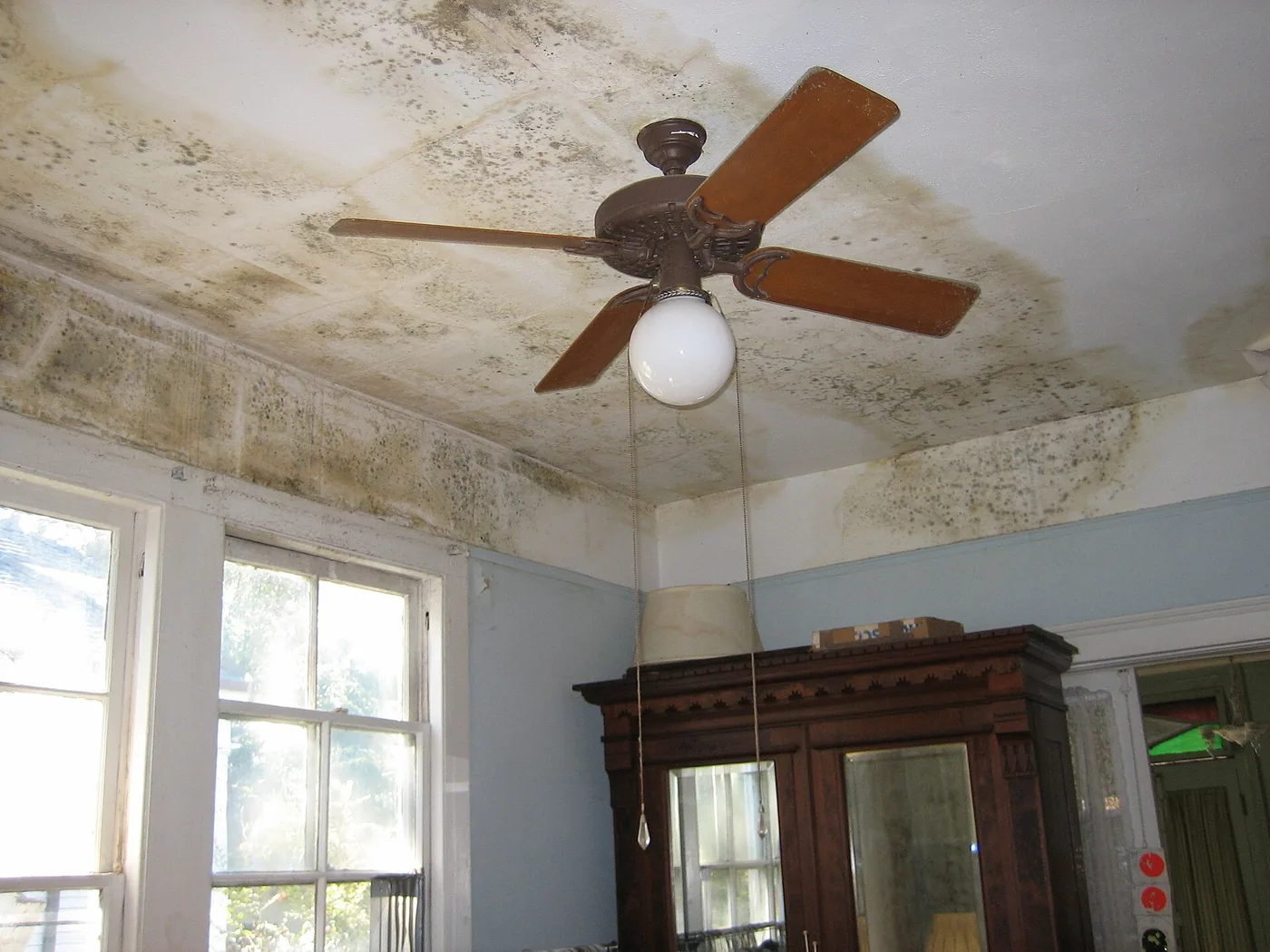
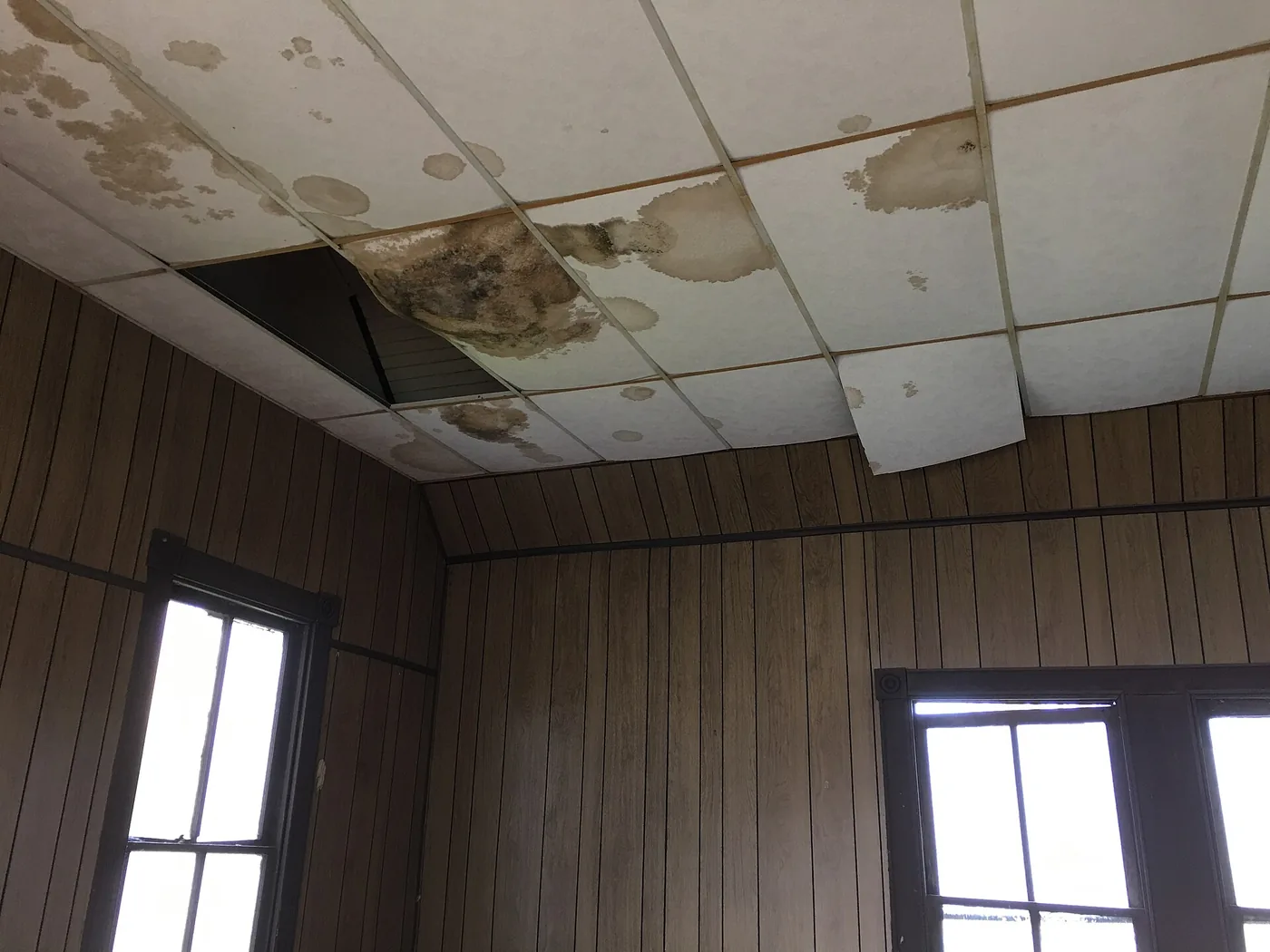
4. Wet, Sagging, Stained, or Soft Ceilings, Walls, or Floors
- Floors that feel spongy underfoot may have moisture trapped inside.
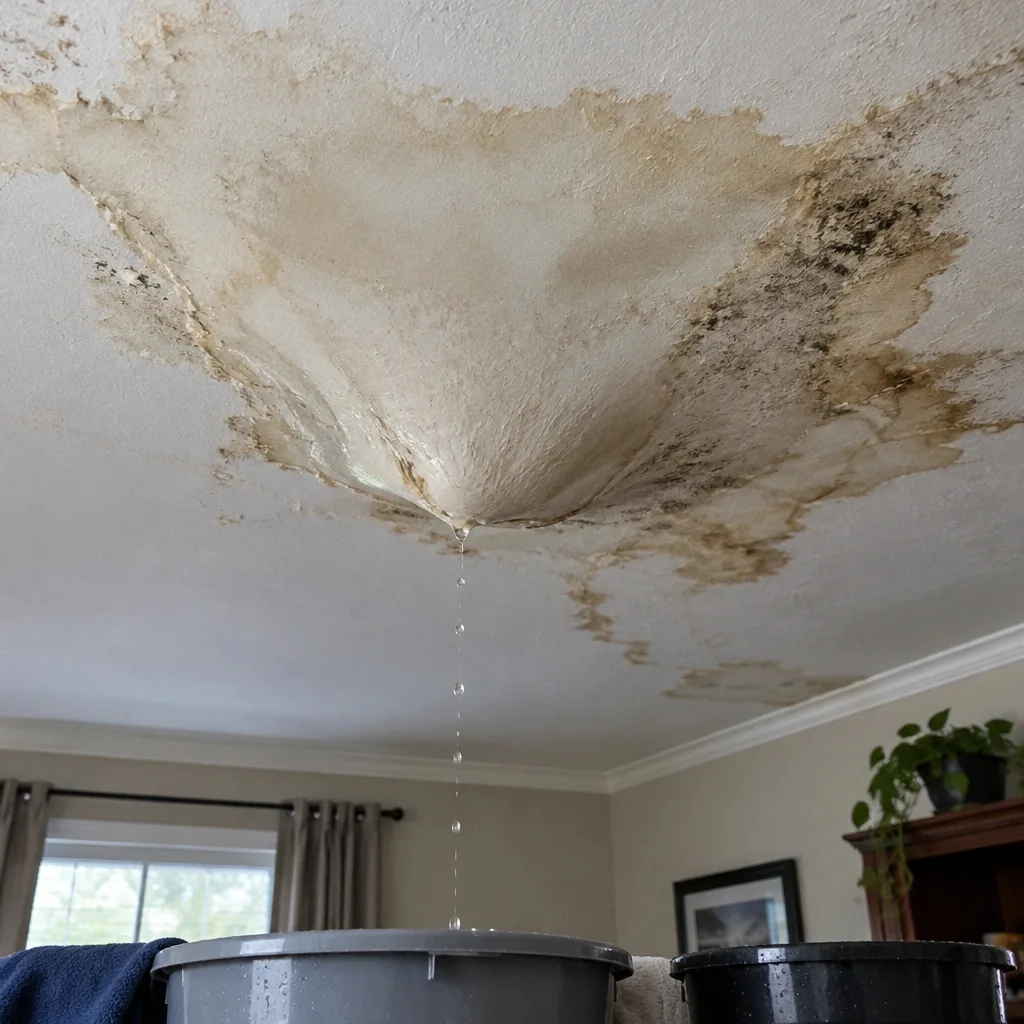
- Bulging ceilings, spreading stains, peeling paint, or discoloured drywall.
- Sudden structural changes, such as a sagging floor, need urgent investigation.
5. Musty Odours, Visible Mould, or Persistent Dampness
- A lingering earthy or musty smell, especially after a water event or in humid weather.
- Black, green, or white fuzzy spots on drywall, baseboards, or furniture.
- Carpets, belongings, or rooms that stay damp, which suggests ongoing or hidden moisture.
If you notice any of these warning signs, contact a qualified restoration team. A fast, professional assessment limits further damage and helps you plan your next steps.
What to Do Immediately When You Notice Water Damage
Fast, informed action limits damage and keeps people safe. Use this checklist if you find signs of water damage in your home, business, or managed property:
- Stay away from wet electrical areas. Don’t enter rooms where water is near outlets, electrical panels, or appliances, and never touch switches or equipment while standing in water. When in doubt, call an electrician or emergency services.
- Avoid unstable structures. Don’t walk under sagging ceilings or across spongy floors, which may collapse.
- Stop the water source only if it’s safe. If a nearby shut-off valve (for a leaking appliance or pipe) is easy and safe to reach, turn it off. Never cross wet areas or put yourself at risk.
- Don’t use fans or electrical equipment until it’s cleared. Running fans or vacuums before you know the water is clean can spread contaminants, and electricity in wet areas is dangerous.
- Document the damage. From a dry, safe spot, take photos or videos showing where the water reached and what it affected. These help with restoration planning and insurance.
- Call emergency restoration professionals promptly. For widespread, hidden, or contaminated water, arrange 24/7 emergency restoration and mitigation services with a trusted provider.
- Notify your insurer or property manager right away. Keep receipts for any urgent expenses, follow the claim instructions, and record your communications and actions.
Urgency Levels and Safe Actions
Sign | Why It Needs Immediate Attention | Safe Next Step |
Water near outlets or electrical equipment | Risk of electric shock or fire | Stay away and get professional help |
Sewage or contaminated floodwater | Health hazard from pollutants and pathogens | Stay clear and call professionals |
Sagging ceiling or soft, spongy floors | Risk of collapse or extensive hidden damage | Leave the area and get an expert assessment |
Musty odour or visible mould | Hidden moisture and possible health risks | Arrange a professional inspection |
If you feel uncertain or unsafe at any point, put your safety first and call the experts. Protecting people always comes before protecting property.
What Emergency Water Damage Restoration Involves
Understanding the restoration process helps you make informed decisions and set realistic expectations. TGV Construction Group Inc. provides water and flood damage restoration in Toronto, the GTA, and across Ontario. Here’s what professional service typically includes:
Inspection to Find the Source and Extent of Damage
- Restoration specialists pinpoint where the water came from and how far it travelled, including inside walls, under floors, and above ceilings.
- Tools like moisture meters and thermal cameras reveal hidden pockets of water.
Water Extraction and Moisture Assessment
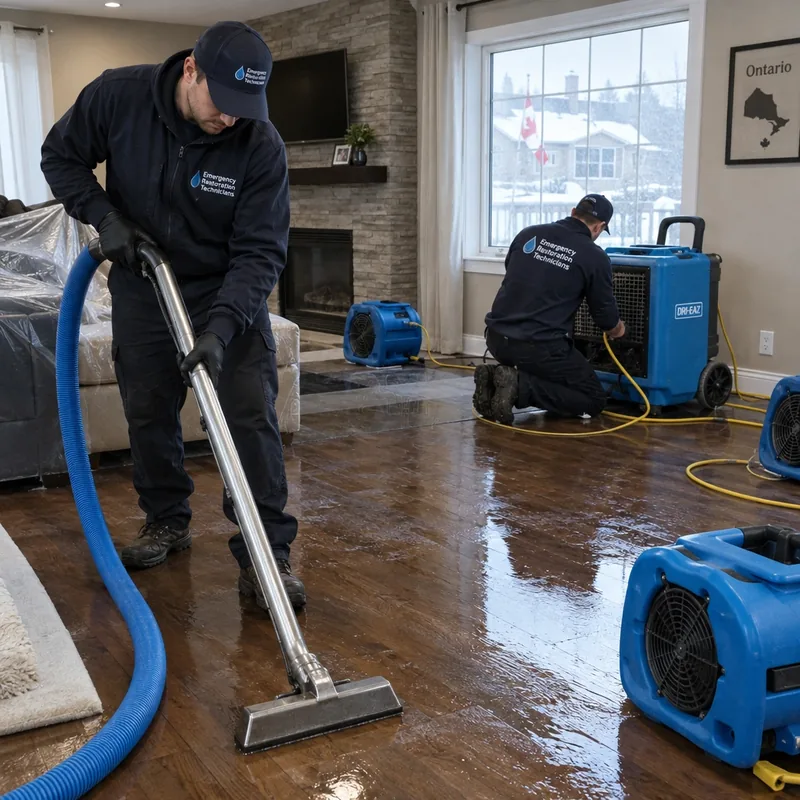
- Pumps remove standing water, and powerful extraction equipment is used on carpets, furniture, and flooring.
- Crews measure how deeply the water has soaked into surfaces and materials, including hidden areas.
Drying with Industry-Standard Equipment and Methods
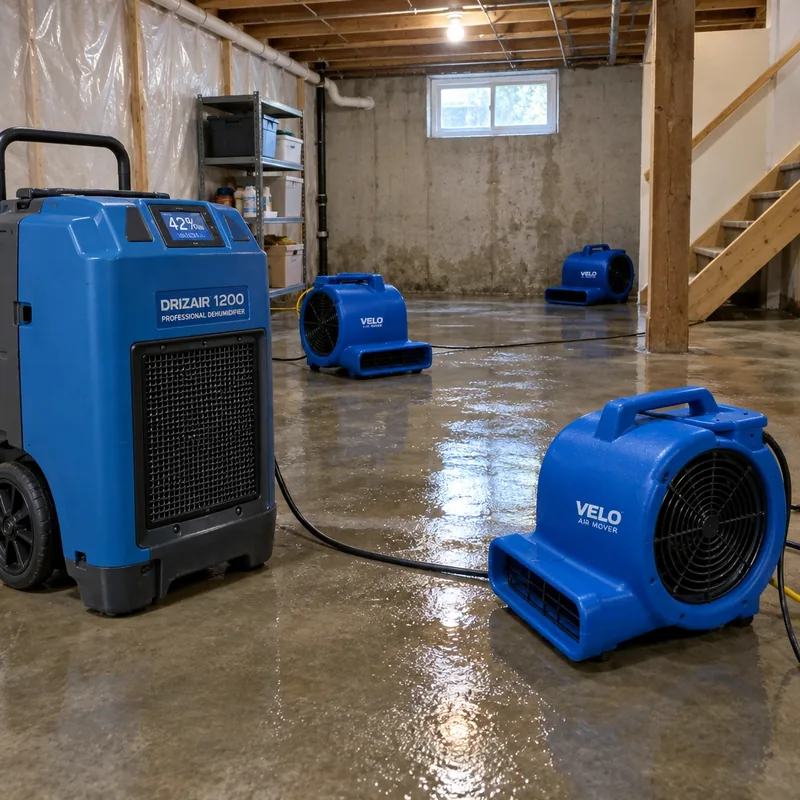
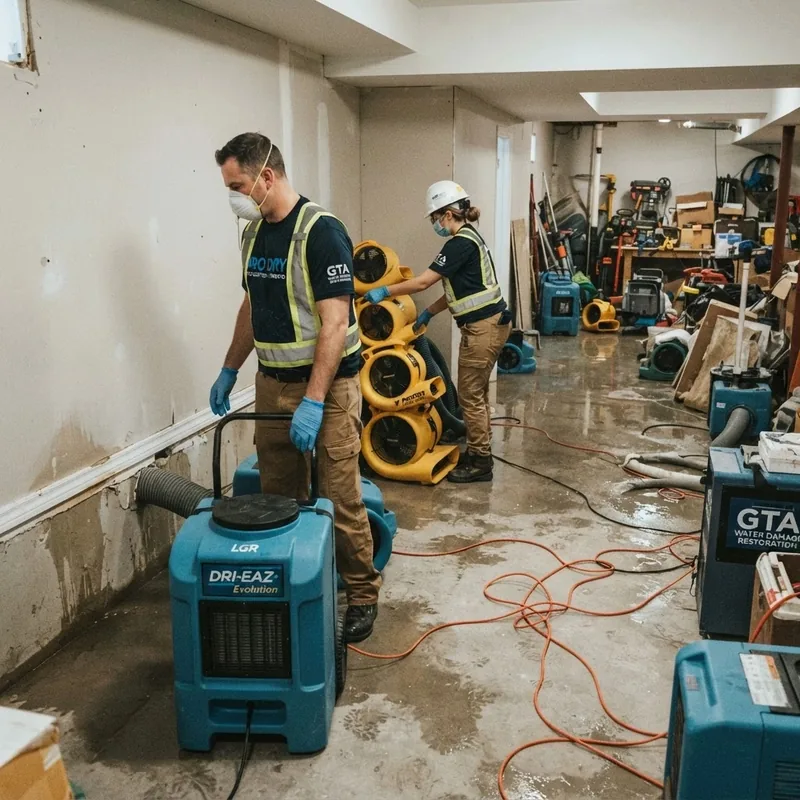
- Professionals set up industrial dehumidifiers and air movers, and may use controlled ventilation to bring down indoor humidity.
- The goal is to lower humidity below 60% (ideally to 30–50%) and bring materials back to their normal dry levels, confirmed by comparing readings with unaffected materials in the same building. For framing lumber, that’s typically around 8–12% moisture content.
- The US Environmental Protection Agency (EPA) recommends drying wet materials within 24–48 hours to limit the risk of mould. Even fast drying can’t guarantee mould won’t develop, though, since hidden or porous materials may stay at risk.
The IICRC S500 standard classifies water by contamination level:
- Category 1 (clean water): From sanitary sources like supply pipes, with the lowest risk if dried quickly.
- Category 2 (grey water): Contains some contaminants, for example from appliances, and requires special cleaning.
- Category 3 (black water): Dangerous water from sewage or flooding, which usually means removing porous materials.
The standard also uses “classes” to describe how much material is saturated. Class 1 is minimal, while Class 4 can involve entire subfloors, walls, or insulation.
Cleaning, Sanitizing, and Disposal of Contaminated Materials
- Water-damaged carpet, drywall, insulation, and furnishings may need to be removed for special cleaning or proper disposal.
- Every step is documented for your protection and to support your insurance claim.
Repairs, Restoration, and Final Moisture Verification
- Licensed trades complete the repairs needed to restore the property, finish surfaces, and ensure a healthy environment.
- Final moisture and air quality checks confirm the property is ready for safe use.
To see everything we do, from fire and smoke to wind and mould restoration, visit our page on comprehensive restoration services, including water damage cleanup.
When Can Homeowners Safely Handle Small Water Damage?
Not every water problem needs urgent professional service. Knowing the difference between a minor incident and an emergency can save time and money, but the line can be thin, so caution is always wise.
DIY cleanup may be appropriate when:
- The water came from a clean, isolated source, such as a spilled glass or a small, contained supply line leak.
- No water reached electrical systems, appliances, or structural materials.
- The affected surfaces and any absorbent materials can be fully dried within 24–48 hours.
- There are no signs of swelling, warping, stains, or lingering odours.
Call professionals if:
- The water came from an unclear or contaminated source, such as sewage, flooding, an appliance overflow, or a storm.
- The affected area is larger than about 1 square metre or involves more than one room.
- You’re not sure how far the water travelled, since moisture often seeps under and behind surfaces.
- Any materials are still damp after 24 hours.
- Stains, musty odours, or visible mould appear.
- There’s any risk to electrical systems, or you can’t safely reach the whole affected area.
Areas that aren’t completely dry can grow mould, even if nothing appears for several days. For more guidance on handling both small and major incidents, plus typical restoration price ranges, see our restoration advice and cost guides.
Remember: Wear gloves and a mask during any water cleanup, make sure the water is truly clean, and don’t use electrical devices or fans until you’re sure there’s no shock or contamination risk. Keep an eye on the area for several days after drying, since new stains, odours, or changes in materials need immediate attention.
Frequently Asked Questions About Emergency Water Damage Restoration
How quickly should I act after water damage?
Immediately. The US EPA recommends drying wet areas and materials within 24–48 hours to reduce the risk of mould and further damage. The longer moisture lingers, the higher the repair costs and safety risks.
What makes water damage an emergency?
Active or significant water intrusion, possible contamination (sewage or floodwater), damage to electrical or structural systems, and hidden water that may get worse over time. A fast professional response minimizes loss and health hazards.
Is it safe to use fans or electrical equipment after a leak?
Not until you know the water is clean and there’s no risk to electrical systems. Running equipment in contaminated or uncertain conditions can spread pathogens or cause electric shock. Wait for clearance from a professional.
Can water damage hide behind walls or under flooring?
Absolutely. Water wicks through building materials, soaking insulation, subfloors, and wall cavities. Professional tools are often needed to find the true extent, and a dry surface doesn’t mean the materials underneath are dry.
Does all water damage lead to mould?
Not always, but the risk rises if wet materials stay above normal moisture levels, especially organic materials like wood and drywall. Mould can develop within 24–48 hours, though it sometimes takes longer or appears much later in hidden spots.
Can I clean up sewage or contaminated water myself?
No. These situations require specific training, protective equipment, and proper disposal. DIY cleanup puts your health at risk and often leads to incomplete restoration. Leave sewage and other contaminated water to certified professionals.
What should I do before the restoration team arrives?
Put safety first and keep everyone out of affected areas, especially near hazards. If it’s safe, document the damage, shut off the water supply, and gather your insurance information. Avoid handling heavy or potentially contaminated materials.
Will insurance cover restoration costs?
It depends on your policy and the cause of the damage. Notify your insurer promptly, document all damage and expenses, and follow their instructions. Professional documentation and evidence of a fast response will support your claim.
What happens during the restoration process?
Restoration starts with a thorough inspection and moisture mapping. Crews extract the water, dry affected areas with specialized equipment, remove damaged materials, clean the space, and restore the property with repairs and finishes. Final testing confirms it’s safe to move back in.
Can I stay in my home during restoration?
It depends on the extent of the damage, the repairs needed, and whether contamination is involved. A minor clean-water leak may allow you to stay, while larger jobs or contamination such as sewage may require temporary relocation for health and safety.
Get Help Fast
If you’re dealing with an urgent water problem or planning a recovery project, request a free quote for water damage restoration from our specialists, or call us 24/7 at (905) 669-2727.
TGV Construction Group Inc. delivers professionalism, responsive service, and high standards for every homeowner, property manager, and business that needs general contracting, property restoration, or 24/7 emergency services. Our team of licensed trades works throughout the GTA and Ontario with a focus on safety, reliability, and clear communication.
This article is for informational purposes only and does not replace safety, legal, or insurance advice. Consult qualified professionals or emergency services based on your situation.