Hiring painters in North York is easy; hiring painters in North York who prepare the surfaces properly is what makes the job last. A fresh colour looks good on the first day whatever is under it. Two years later, poor preparation shows as cracks along taped drywall joints, peeling over a glossy old finish, stains bleeding through from a past leak and brush marks on trim that was never sanded. Most of a painter's real work happens before the first coat, and it is also the part a homeowner is least likely to see in a quote.
TGV Construction Group Inc. is a licensed and insured contractor that has completed more than 300 projects across the GTA and Ontario since 2017. Painting is part of nearly every renovation we finish, from single rooms to whole houses, condo suites and commercial spaces. For painting on its own or with small repairs, see our handyman services; for painting as part of a larger project, our home renovation services.
What good painters in North York do before painting
Protect the house. Furniture is moved to the centre and covered, floors are protected with drop cloths or paper, and switch plates, outlet covers and door hardware are removed rather than painted around.
Repair the surfaces. Nail holes, dents and cracks are filled, popped drywall screws are reset, and cracked corners are re-taped. Sound plaster in older North York houses is repaired rather than replaced, which keeps the walls solid and quiet.
Sand and clean. Glossy old paint on trim and doors is scuff-sanded so new paint can grip. Kitchen walls are washed to remove grease. Dust is removed before painting, not painted into the finish.
Prime where it matters. Patches, bare wood, water stains and big colour changes get a primer. Stain-blocking primer stops old marks from bleeding through, and a bonding primer helps new paint stick to slick surfaces.
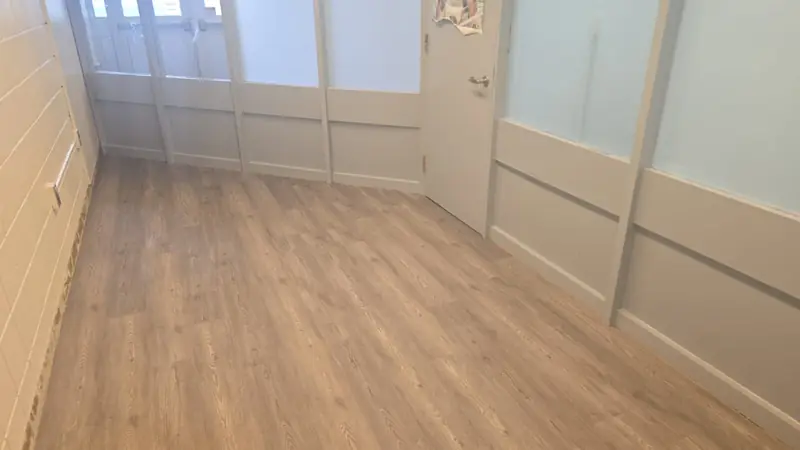
Caulk the trim. Gaps between baseboard, casings and walls are caulked so the finished trim reads as one clean line.
Choosing paint, colour and sheen
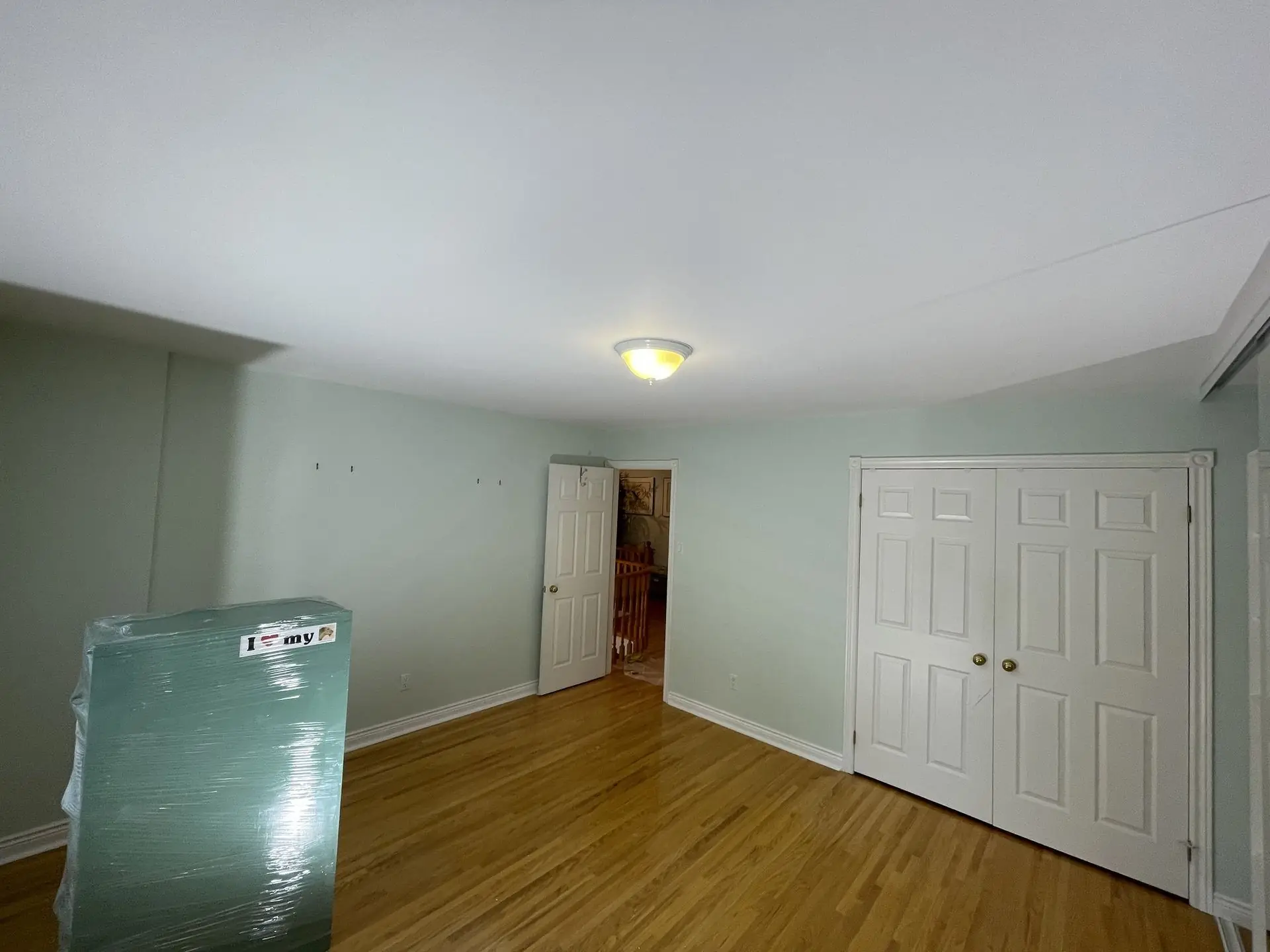
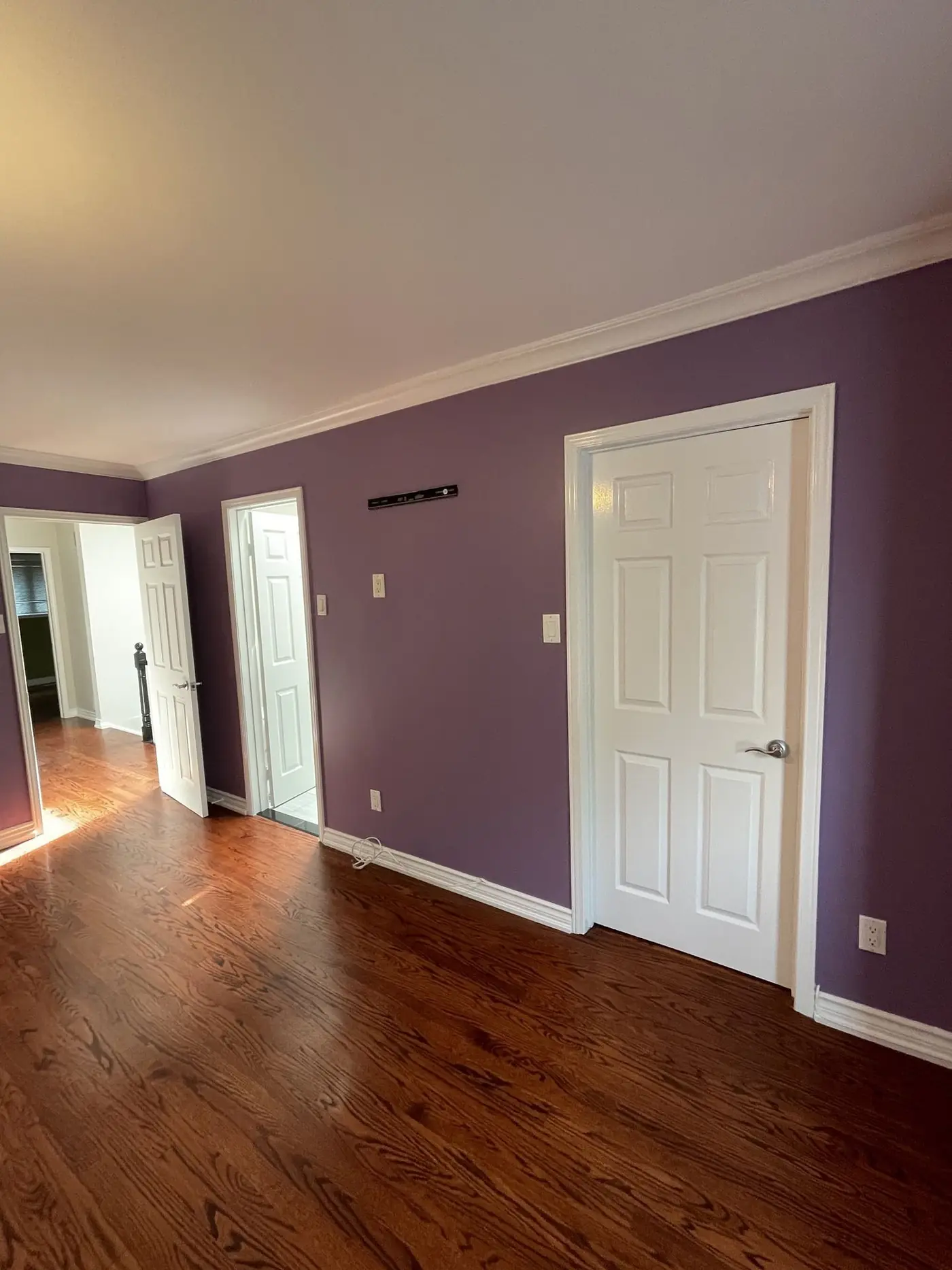
Quality paint covers better, washes better and keeps its colour longer, so it often saves a coat and years of touch-ups. Sheen matters as much as colour. Flat or matte finishes hide uneven drywall and suit ceilings and bedrooms. Washable low-sheen finishes work in living rooms and hallways. Kitchens, bathrooms and children's rooms need a finish that stands up to scrubbing. Semi-gloss on trim and doors makes them easy to wipe and gives a crisp edge against the walls.
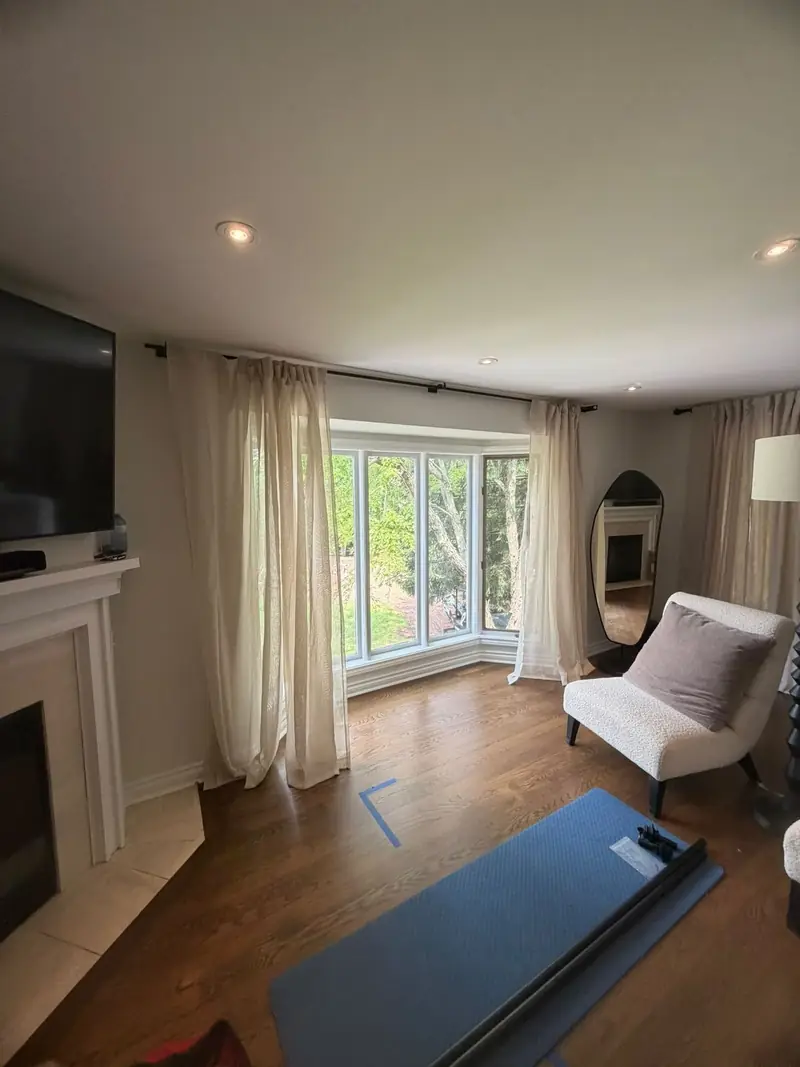
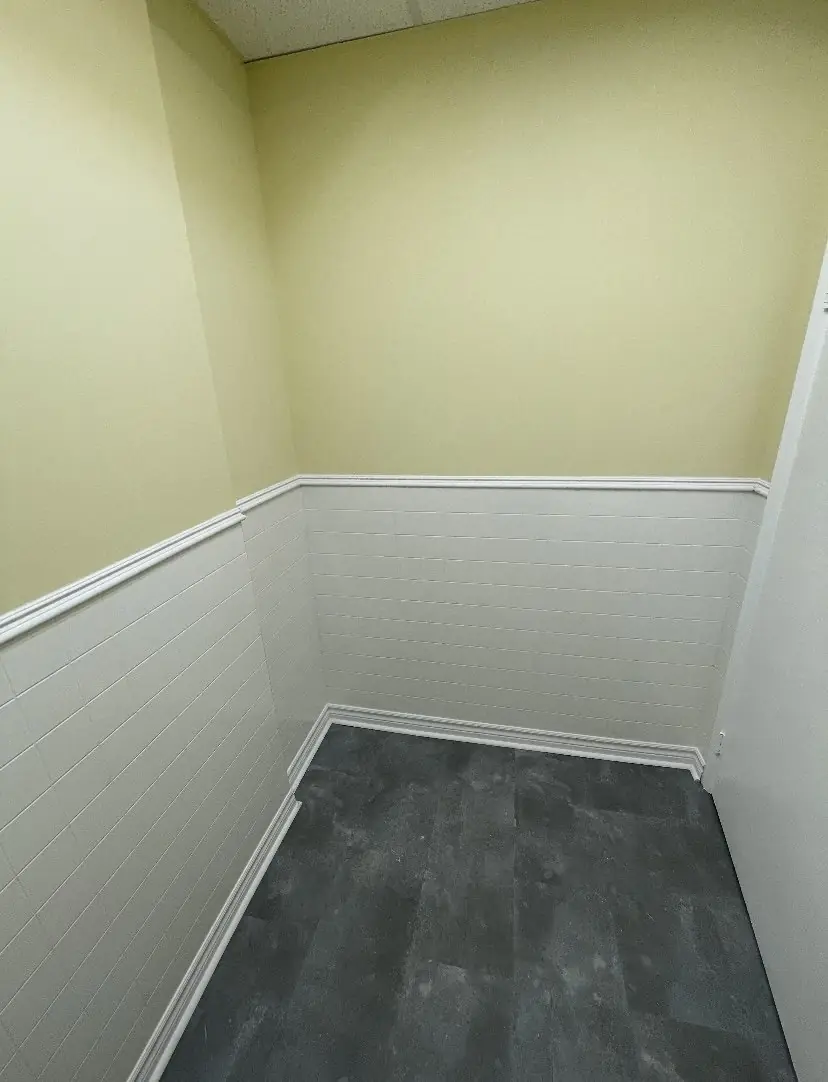
Colours change with light. North York houses facing north get cool, even light; west-facing rooms turn warm in the evening. Large samples painted on two or three walls of the actual room, looked at in the morning and at night, avoid surprises that small chips cannot show. A two-tone wall with wainscoting, an accent wall behind a bed or a darker colour on doors can change a room more than a whole new colour scheme.
Older houses: lead paint and plaster
Many of the bungalows and split-levels in Willowdale, Bathurst Manor, Lawrence Manor and Don Mills were built in the 1950s and 1960s, and some older houses in the area are older still. Health Canada advises that paint in homes built before 1960 is likely to contain lead. Intact paint is not the problem; dust from sanding and scraping is. Painters in North York working on these houses keep dust down with careful scraping, wet sanding or sanders with vacuum attachments, contain the work area, and clean with methods that pick up fine dust rather than spreading it. Families with young children or pregnant members should plan to stay out of the work area until it is cleaned.
Plaster walls also behave differently from drywall. Hairline cracks open and close with the seasons, so they are opened slightly, filled with a flexible compound and primed before painting, rather than simply covered.
Painters in North York condos
Thousands of North York households live in towers along Yonge Street, around Sheppard and in Bayview Village. Painting a suite is simpler than most condo renovations, but the building's rules still apply. Management usually sets working hours, requires elevator bookings for materials, and may ask for the contractor's certificate of insurance. Low-odour, low-VOC paints, protected hallways and doors kept closed while painting keep the neighbours comfortable. Our condo renovation guide for Toronto covers the approval process in more detail.
Exterior painting in North York
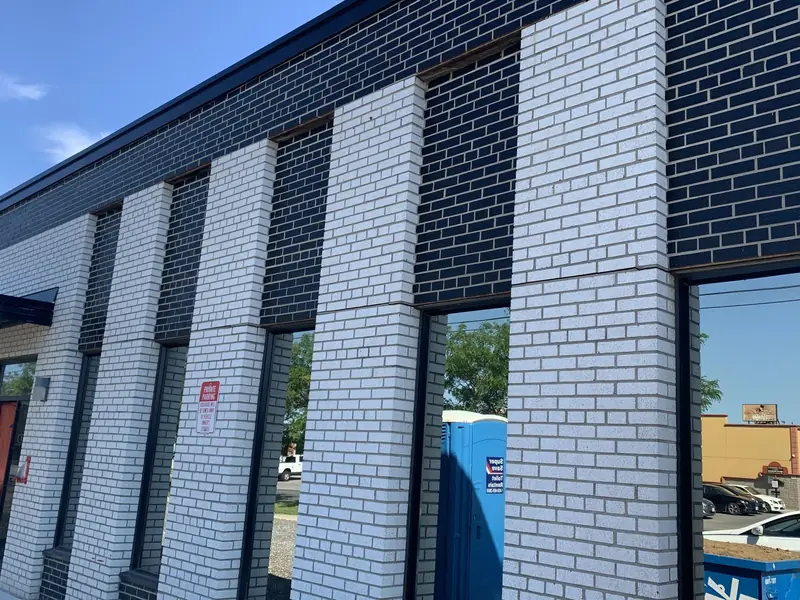
Exterior surfaces need different products and better timing. Wood siding, soffits, fascia, garage doors, front doors, railings and fences can all be painted; each needs scraping of loose paint, sanding, repair of rotten wood and the right primer first. Brick and stone are usually best left unpainted, because paint can trap moisture in masonry; where brick has already been painted, a breathable masonry coating is used. Exterior paint needs dry surfaces and temperatures above the label minimum while it cures, so in Toronto the season runs roughly from late spring to early fall.
What a good painting quote lists
A clear quote from painters in North York names every surface to be painted, the preparation and repairs included, the primer, the paint brand and line, the sheen and the number of coats. It says who moves the furniture, how floors are protected, how long the work takes and how leftover paint is labelled for touch-ups. It also comes from a company with liability insurance and WSIB coverage. Our guide on how to read and compare renovation quotes shows what to look for beyond the price.
The steps of a painting project
- Walk the rooms and list the surfaces. Walls, ceilings, trim, doors, stairs, cabinets and any exterior surfaces, with notes on damage and stains.
- Check for lead in older paint. In houses built before 1960, assume older layers may contain lead and plan dust-safe preparation.
- Choose colours and sheens. Test large samples on the actual walls in daylight and at night before deciding.
- Get a written scope. The quote should name the surfaces, the preparation, the primer, the products and the number of coats.
- Prepare the rooms. Move and cover furniture, protect floors, remove hardware and switch plates, and tape where needed.
- Repair and prime. Fill holes and cracks, sand, spot-prime repairs and stains, and caulk gaps in trim.
- Paint in order. Ceilings first, then walls, then trim and doors, with the drying time each product needs between coats.
- Final walk-through. Check every room in good light, touch up, reinstall hardware and keep the colour names and leftover paint for later.
Painters in North York: frequently asked questions
What sheen should I use on walls, ceilings and trim?
Flat or matte on ceilings hides imperfections. Matte, eggshell or a washable low-sheen finish suits most walls; kitchens, bathrooms and busy hallways do better with a scrubbable finish. Semi-gloss is the usual choice for trim and doors because it wipes clean.
Is the paint in my older house a lead hazard?
Health Canada advises that paint in homes built before 1960 is likely to contain lead, and homes built up to about 1990 may have some. It is not a hazard when intact; the risk comes from dust when it is sanded or scraped. Painters working on older surfaces use dust-safe methods, protect the area and clean up carefully.
When can exterior painting be done in Toronto?
Exterior paint needs dry surfaces and temperatures above the minimum on the product label, both during application and while it cures. In Toronto that usually means late spring to early fall, avoiding rain, early-morning dew and the cold nights of late autumn.
Can painters work in my North York condo?
Yes, within the building's rules. Management usually sets working hours and elevator bookings and may ask for the contractor's insurance certificate. Low-odour, low-VOC paints and good floor and hallway protection keep neighbours comfortable.
How long does it take to paint a house interior?
A few rooms often take two to four days including preparation and two coats. A whole interior with ceilings, trim and doors can take one to two weeks, depending on repairs, colour changes and how much furniture has to be moved.
Book a painting visit
We look at the rooms or the exterior, check the condition of the surfaces, talk through colours and finishes, and send a written quote that lists the preparation, the products, the coats and the schedule.
Phone (365) 363-6995, email estimating@tgvconstructiongroup.ca, or tell us about your painting project on the Get a Quote page.
Related reading: interior painting in Toronto, home renovation in North York and flooring installation in Toronto.