Property owners in the Greater Toronto Area and throughout Ontario face a range of risks that can threaten their homes, buildings, and budgets - burst pipes, heavy storms, blocked gutters, electrical faults, and the hidden spread of mould. Emergency restoration services are critical when disaster strikes, but the most effective approach is prevention and preparedness. Regular property maintenance significantly lowers risk, reduces the scope of damage when problems do occur, keeps buildings attractive and safe, and brings much-needed predictability to ownership costs.
TGV Construction Group Inc. brings extensive local expertise, having completed over 200 restoration and construction projects under the leadership of Tamara Gavrilenko - a recognized advocate for quality, safety, and representation within the industry. Our focus on clear communication, inclusivity, and responsive service underpins every project. We understand that disciplined, property-specific upkeep offers the greatest protection against disruption and costly restoration work. To see how these values shape our company’s growth and service philosophy, you can learn more about TGV Construction Group’s history and leadership.
Regular maintenance does not guarantee that emergencies will never happen, but it delivers real, measurable benefits. For property owners, staying proactive means more time enjoying your investment and less time worrying about avoidable losses.
Why Regular Property Maintenance Matters
How Minor Defects Can Escalate Into Costly Emergencies
- Small issues grow over time: Minor roof leaks, worn caulking, or slow plumbing drips can go unnoticed for weeks. Once exposed to storms, freezing, or neglect, these issues may quickly lead to water intrusion, structural decay, or rapid mould growth.
- Conditions unique to Ontario - freeze–thaw cycles, sudden downpours, and aging building stock - intensify risks when maintenance is put off.
- Skipped or delayed repairs can complicate warranty or insurance claims, leading to higher direct costs for owners and longer business or residential interruptions.
What Emergency Restoration May Require
Emergency restoration aims to address severe damage from specific incidents, including:
- Water and flood damage: Caused by burst pipes, foundation leaks, sewer backups, or extreme weather
- Fire and smoke damage: Resulting from electrical faults, kitchen accidents, or appliance failure
- Mould and asbestos remediation: Following persistent leaks, condensation, or if hazardous building materials are uncovered
- Wind and storm damage: Affecting roofs, windows, siding, or outbuildings
Specialists like TGV Construction Group Inc. typically:
- Remove unsalvageable and contaminated materials
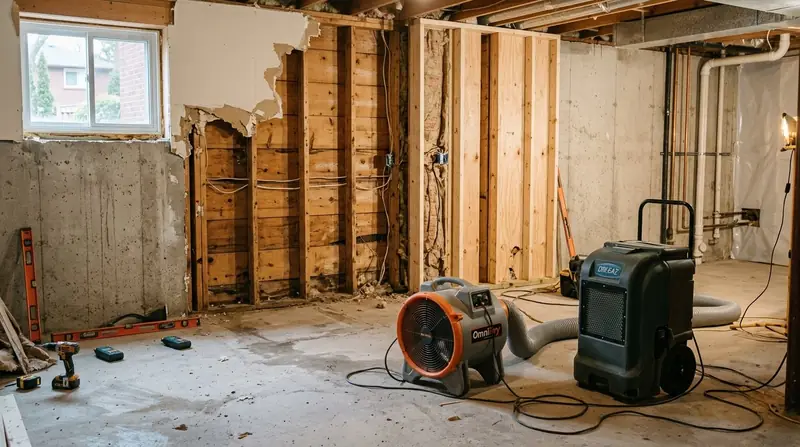
- Use commercial drying and cleaning equipment
- Assess air quality and contain affected zones to prevent further spread
A swift 24/7 emergency response is crucial to minimize further damage and start recovery promptly.
The Benefits of Proactive Maintenance
- Risk reduction: Routine checks identify leaks, corrosion, or deterioration before major losses occur.
- Lower repair costs: Preventing emergencies through maintenance is almost always less expensive than a full restoration, and can also reduce insurance claims.
- Property value protection: Buildings that have been consistently maintained appeal to occupants, tenants, and buyers - and recover more quickly from disruption.
- Occupant safety: Regular attention helps catch hazards like carbon monoxide leaks, faulty wiring, or hidden moisture and mould.
Common Maintenance Issues That Can Lead to Emergency Restoration
The climate and building profiles around the GTA and Ontario mean certain maintenance tasks should be prioritized to prevent avoidable emergencies.
Roof, Flashing, and Exterior Drainage Problems
Roof and exterior water protection are critical. Key risks include:
- Roof leaks: From torn shingles, deteriorated flashing, or clogged ice dams can cause water infiltration and widespread ceiling and wall damage.
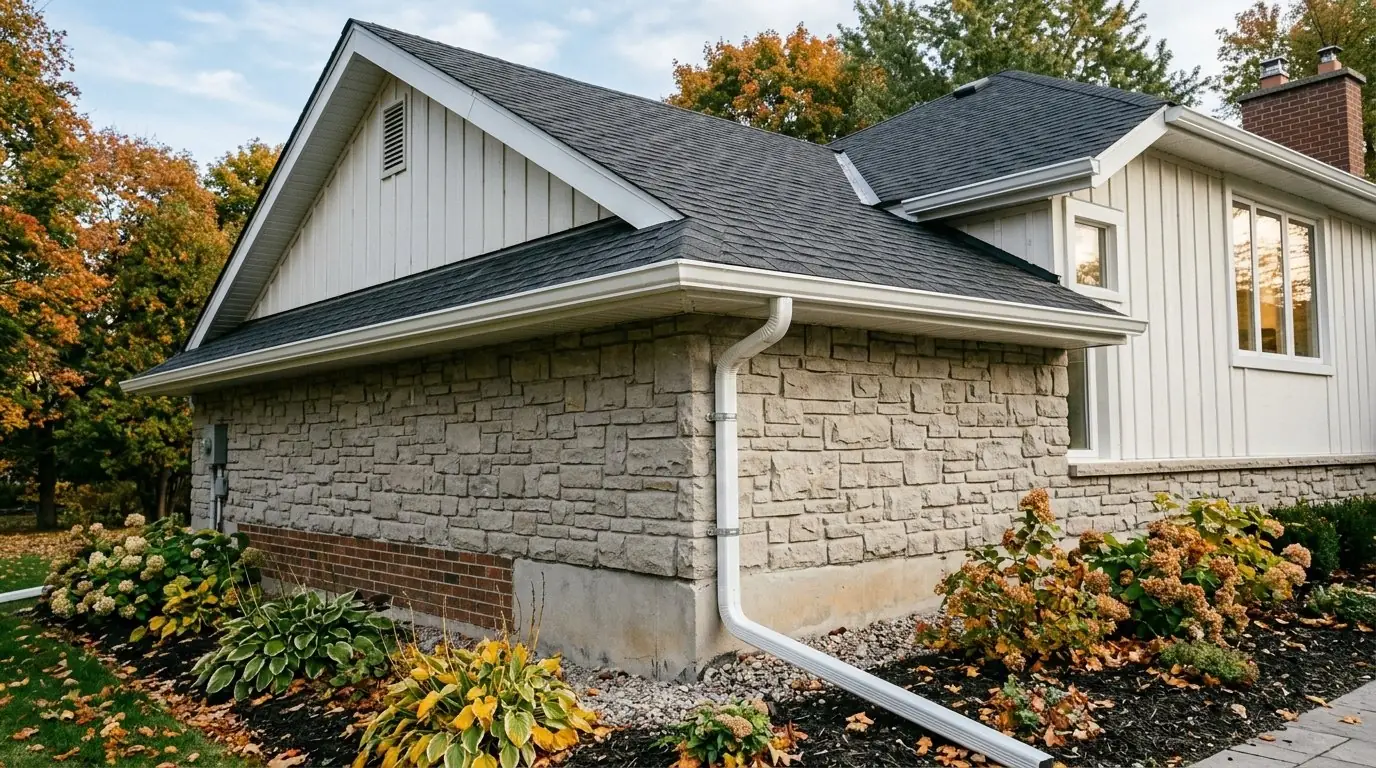
- Eavestrough and downspout issues: Debris that blocks water flow leads to roof pooling or foundation seepage, particularly during rain or melt.
- Ground grading: Yards that slope towards the house push water into basements, crawlspaces, and foundations.
Action points:
- Check the roof and flashing after major weather for loose or missing materials.
- Regularly clear all gutters and downspouts, and check that outlets discharge well away from the foundation.
- Confirm ground slopes away from building walls by at least 5–10 cm per 1.5 metres (2–4 inches per 5 feet).
Plumbing Leaks, Drain Blockages, and Sump Pump Failures
Plumbing and drainage are leading sources of preventable emergencies. Watch for:
- Small leaks: Under sinks or behind walls often cause gradual rot or mould.
- Clogged drains/backups: Floor drains, sinks, or toilets can overflow during storms or heavy use.
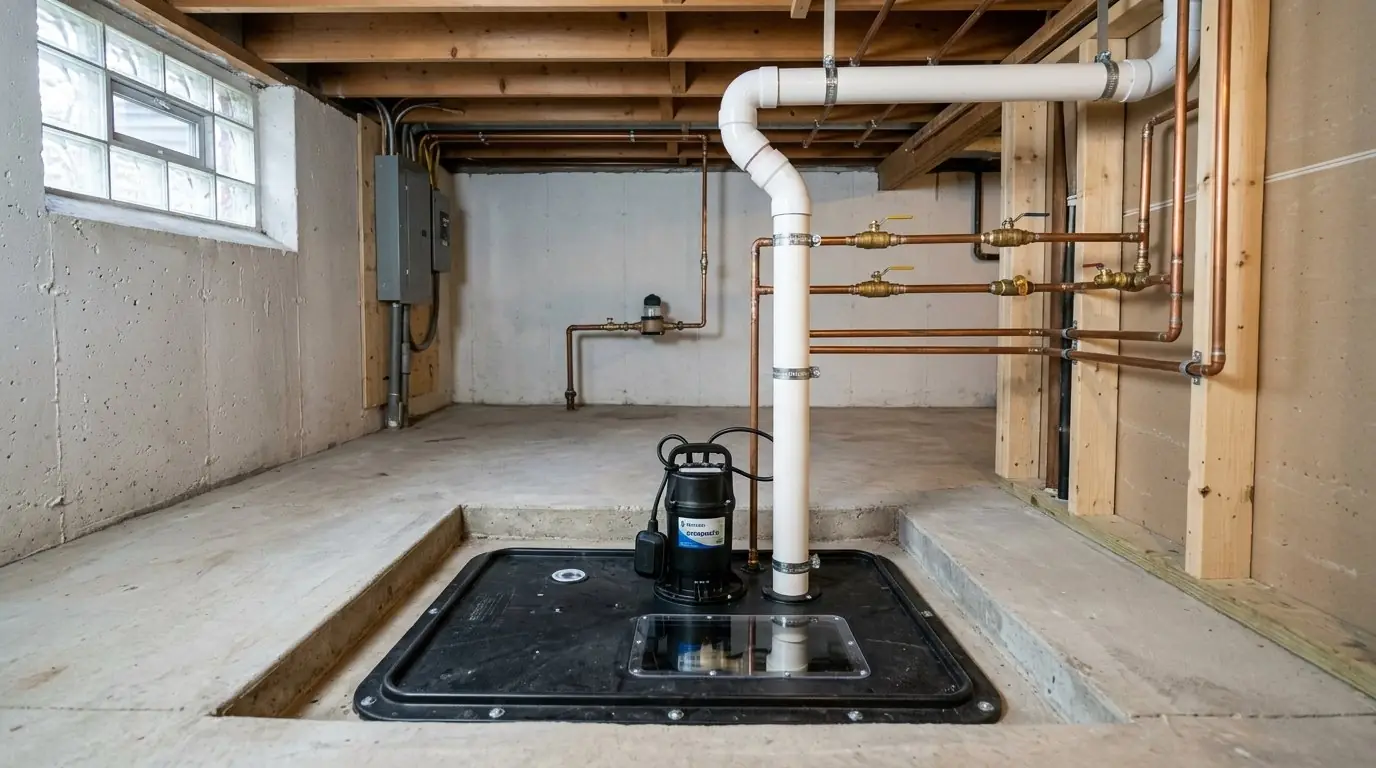
- Sump pump failures: Primary or backup systems may fail when most needed, allowing flooding.
Action points:
- Inspect regularly for stains, musty odours, or softness around cabinets, floors, and lower walls.
- Test drain flow and watch for slow movement or bubbling.
- Operate the sump pump by pouring water in and observing the cycle at least once a year.
- Have backwater valves checked annually by a licensed plumber; pay extra attention after storms.
HVAC System Neglect Leading to Condensation, Moisture, and Mould
Poorly maintained heating, ventilation, and air conditioning allow excess indoor moisture, which increases the risk of mould and building decay.
- Condensation: On vents and pipes can indicate insulation or ventilation issues.
- Blocked exhaust fans: Reduce moisture removal in kitchens and bathrooms.
- Dirty or full filters: Strain the system and lower indoor air quality.
Action points:
- Replace or clean HVAC filters following the manufacturer schedule.
- Check and clear fan vents; ensure all vent directly outdoors, especially in kitchens and bathrooms.
- Watch for condensation or increased humidity and address causes quickly, using dehumidifiers or added insulation as needed.
Fire-Safety and Electrical Maintenance Gaps
Electrical and fire safety system negligence can lead to devastating and abrupt emergencies.
- Inoperative smoke/carbon monoxide alarms: Provide no early warning in case of fire or gas leak.
- Outdated/faulty wiring: Is a principal fire hazard, especially in older buildings.
- Blocked exits, broken extinguishers: Increase the risk to occupants during a fire.
Action points:
- Test smoke and CO alarms monthly.
- Replace batteries yearly or as directed.
- Book an electrician to inspect old, damaged, or overloaded wiring.
- Ensure extinguishers are serviced and that egress routes are always clear.
Seasonal Property Maintenance Checklist for Greater Toronto Area
GTA weather means property owners must adapt their schedules by season to keep buildings in top condition. Proactive attention throughout the year addresses the most common sources of damage and reduces emergency restoration needs.
| Season | Key Areas | Priority Actions |
|---|---|---|
| Spring | Roof, gutters, drains, foundation, sump pump | Inspect for ice/water damage, clear eavestroughs, check flashing, test sump and backwater valves |
| Summer | Plumbing, HVAC, exterior seals | Look for leaks, service AC, replace caulking, check vent fans |
| Fall | Gutters, downspouts, drainage, alarms | Remove debris from drainage, prepare plumbing for cold, test detectors |
| Winter | Pipes, attic, basement, indoor humidity | Monitor for ice dams, protect pipes, watch condensation, keep drains clear |
Note: Inspection and repair frequency should be tailored to property age, type, and prior issues. When in doubt, consult with a professional to ensure complete coverage.
Spring
- Inspect roofing (shingles, flashing, attic) for water penetration or visible damage.
- Clear all gutters and downspouts, ensuring discharge extenders are in place to guide water away from the house by at least 1.5 to 2 metres.
- Test sump pumps and alarms - pour water in until active. Check backup power if installed.
- Walk foundation perimeters to spot cracks or water stains.
- Have a plumber inspect and service the backwater valve.
Summer
- Examine plumbing (sinks, appliances, water heater) for drips or leaking seals.
- Clean HVAC filters and arrange air conditioning service.
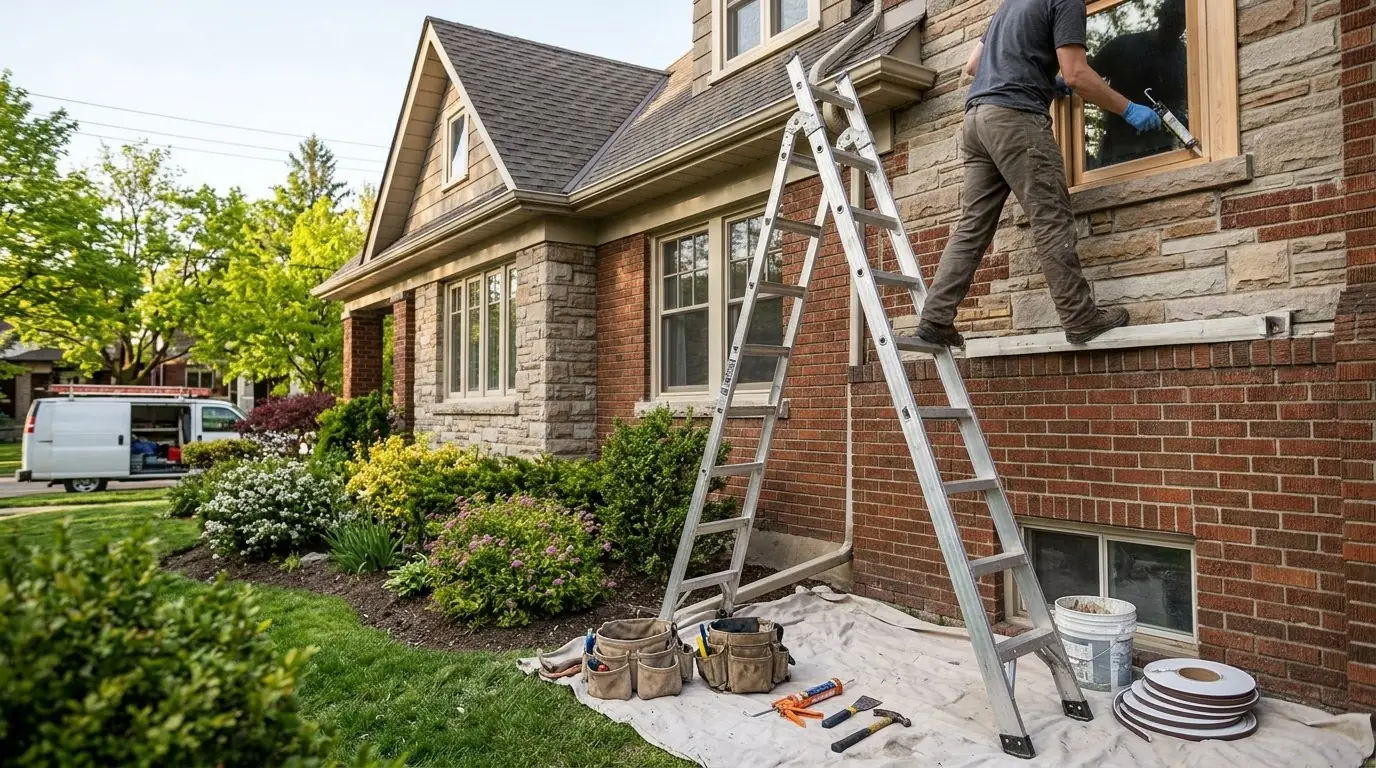
- Address failed exterior caulking on windows and doors, focusing on sun-exposed elevations.
- Confirm bathroom and kitchen vent fans work and vent outdoors.
- Watch humidity levels, especially in basements. Use dehumidifiers as needed.
Fall
- Clear leaves/debris from gutters, downspouts, exterior drains, and window wells.
- Ensure proper slope around the foundation before winter frost.
- Drain and store garden hoses, cover taps, and insulate exposed pipes.
- Schedule a heating system check with a qualified technician.
- Test and replace smoke/CO alarm batteries, and check extinguishers.
Winter
- Monitor for ice damming on roofs after snow or thaw events; watch for interior water stains.
- Keep room temperatures above 10°C in unoccupied or rarely used areas to prevent pipe freezing.
- Run dehumidifiers or open windows briefly to manage condensation and indoor moisture levels.
- Periodically check that floor drains are free-flowing and sump pits remain dry and operational.
For those looking to prepare budgets or compare local construction and restoration costs, explore renovation and restoration cost guides for up-to-date, regionally specific data.
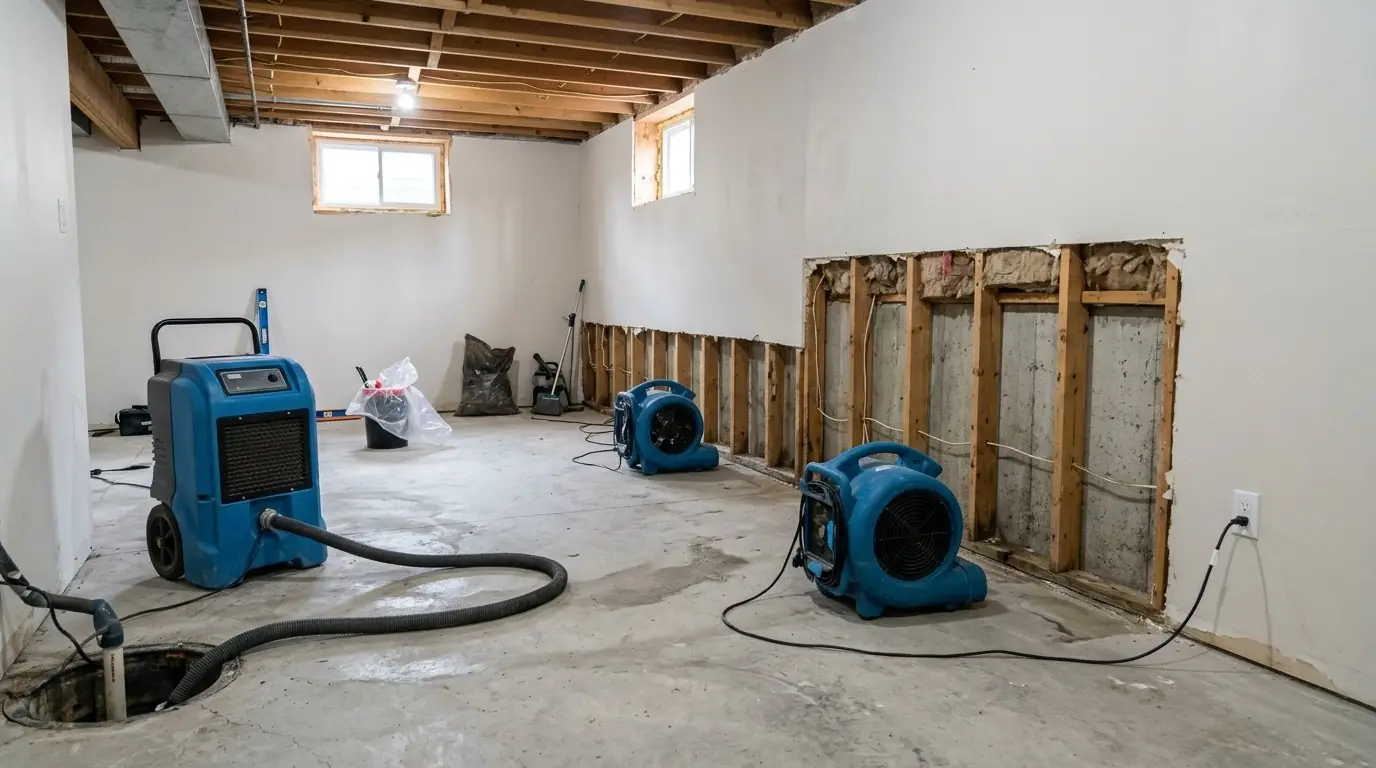
Responding to Leaks or Signs of Damage
Timely and thoughtful response to leaks, floods, or suspicious signs can limit the disruption and scope of repairs. Use the following steps to protect your health and property:
Immediate Safety Measures and Documentation
- Never enter flooded areas with electrical equipment unless power is confirmed off.
- Shut off water at the main valve if possible.
- Relocate valuables/artwork/furnishings from affected areas.
- Wear proper protective gear (gloves, goggles) for cleanup.
- Document visible damage with clear photos and brief notes (including time and location).
When and How to Engage Qualified Inspection and Repairs
- Contact a licensed professional if you cannot quickly identify the source, if damage is spreading, or there are safety hazards (electrical exposure, structural problems).
- For suspected mould, asbestos disturbance, or contaminated water (sewage backup), it is safest to pause cleanup and seek an assessment.
- Ask for a written, itemized plan of work and request credentials (licences, insurance, references).
Drying, Cleanup, and Moisture Source Elimination Before Restoration
- If safe, use mops, wet vacs, and fans to remove standing water. Avoid using household fans where suspected mould or contaminated water is present.
- Remove water-logged carpets, underpads, and baseboards as needed to access wet substrates.
- Dry affected areas thoroughly within 24–48 hours to reduce the risk of mould.
- Repair or correct the underlying source (replace plumbing, adjust grading, seal windows) before restoring drywall or finishes.
- Obtain professional clearance before closing up previously wet or structurally affected areas.
When to Contact TGV Construction Group Inc. for Maintenance or Restoration
Some situations call for specialized support, advanced equipment, or coordinated project management. TGV Construction Group Inc. offers regional expertise and a comprehensive range of services tailored to the Greater Toronto Area and Ontario clients:
- 24/7 emergency mitigation and restoration services: We respond to water, fire, smoke, mould, and storm damage with a qualified team at any hour.
- General Contracting and renovations: Our robust structural repair and design & build options ensure your property is durable and resistant to future risks.
- Mold and asbestos remediation: Certified professionals safely remove or encapsulate hazardous materials.
- Complete property restoration: Our project managers provide clear timelines, transparent estimates, and continuous updates to guide you from cleanup through finished repairs.
- Support for all client communities: Led by Tamara Gavrilenko, TGV Construction Group Inc. champions responsive customer care and advocates for underrepresented groups in the trades.
To see how our solutions can address your specific needs, reach out for a specialized consultation, or discover our emergency mitigation and restoration services for immediate help.
Informational note: This guide is for educational purposes. Construction and restoration involve complex variables; always consult qualified technicians for assessments specific to your property and region.
Frequently Asked Questions
- How often should property maintenance inspections occur? For most homes and commercial buildings, aim for monthly visual surveys and thorough checks every spring and fall. Sump pumps, backwater valves, and other critical systems should be tested at least annually or after severe weather events.
- Which maintenance tasks offer the highest impact against emergencies?
- Keeping roofs, gutters, and downspouts clean and intact
- Promptly repairing exterior seals and window caulking
- Testing and servicing sump pumps and backwater valves
- Regularly maintaining HVAC systems and vent fans
- Frequently testing smoke and CO alarms
- How often should sump pumps and backwater valves be tested? Sump pumps: At least once per year (ideally after winter and before wet spring seasons) and after severe storms. For backup systems, review specific manufacturer recommendations. Backwater valves: Annual professional cleaning and inspection are recommended, along with post-storm and post-blockage checks.
- What are early warning signs of leaks or mould?
- Persistent musty odours
- Discoloured or bubbled paint, soft drywall, or wood
- Staining around windows, doors, or ceilings
- Unusual water sounds when fixtures are not in use
- Condensation buildup on cold surfaces
- Can regular maintenance eliminate mould risks entirely? While careful upkeep greatly lowers the risk, it cannot provide absolute prevention, especially following severe water events or unnoticed leaks. Early intervention and consistent moisture control remain essential.
- What should I do first if I discover water damage?
- Ensure personal safety by avoiding water near live electricity or visible structural sagging
- Shut down water flow if possible
- Relocate valuable belongings
- Take photos for reference and insurance
- Contact a restoration specialist for professional evaluation
- When should I hire a professional for maintenance or restoration? For detailed cost planning to support regular budgeting and emergency preparedness, explore renovation and restoration cost guides.
- If you cannot clearly diagnose or safely manage an issue
- Where persistent leaks, mould, or electrical problems recur
- After major storms, plumbing, or fire events
- When documentation for insurance, code compliance, or warranties is required
Maintaining a property in Ontario’s unique climate requires both diligence and reliable support. While no approach can remove all risk, regular inspection and prompt maintenance - backed by skilled professionals - will limit emergencies, control costs, and enhance safety and value.
Ready for support with your maintenance plan or facing a challenging property issue? Start with expert guidance or arrange a priority response - request a free quote from TGV Construction Group Inc. today. Serving the GTA and Ontario, our team delivers responsive, trustworthy care for your residential and commercial needs.