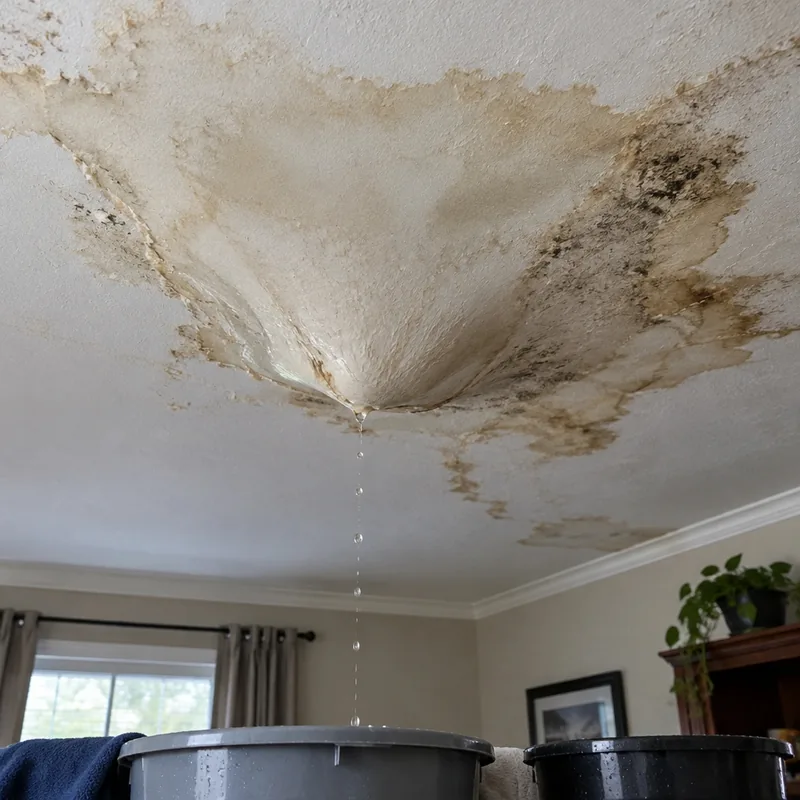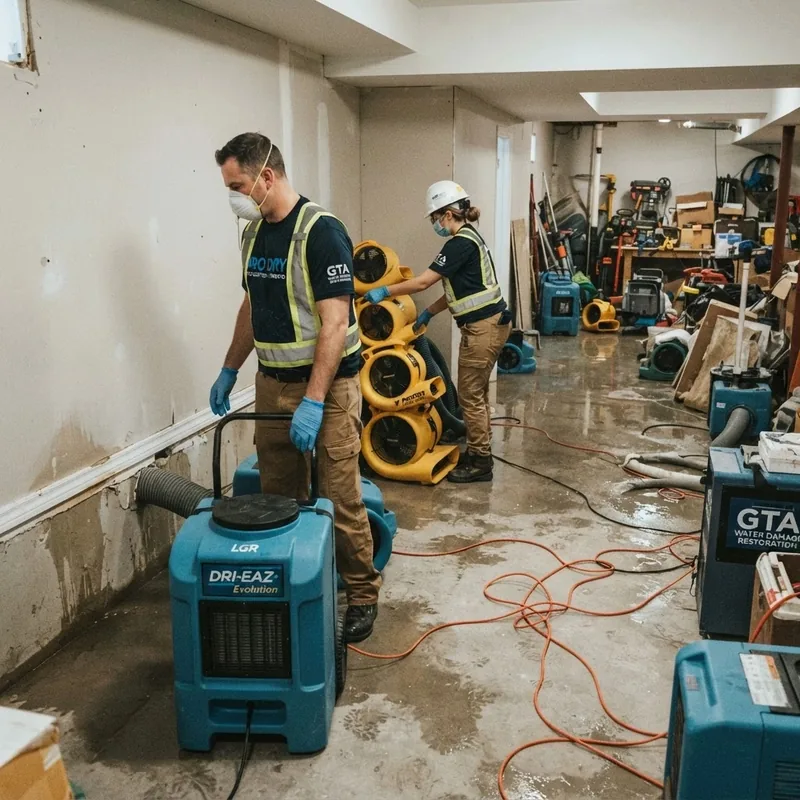
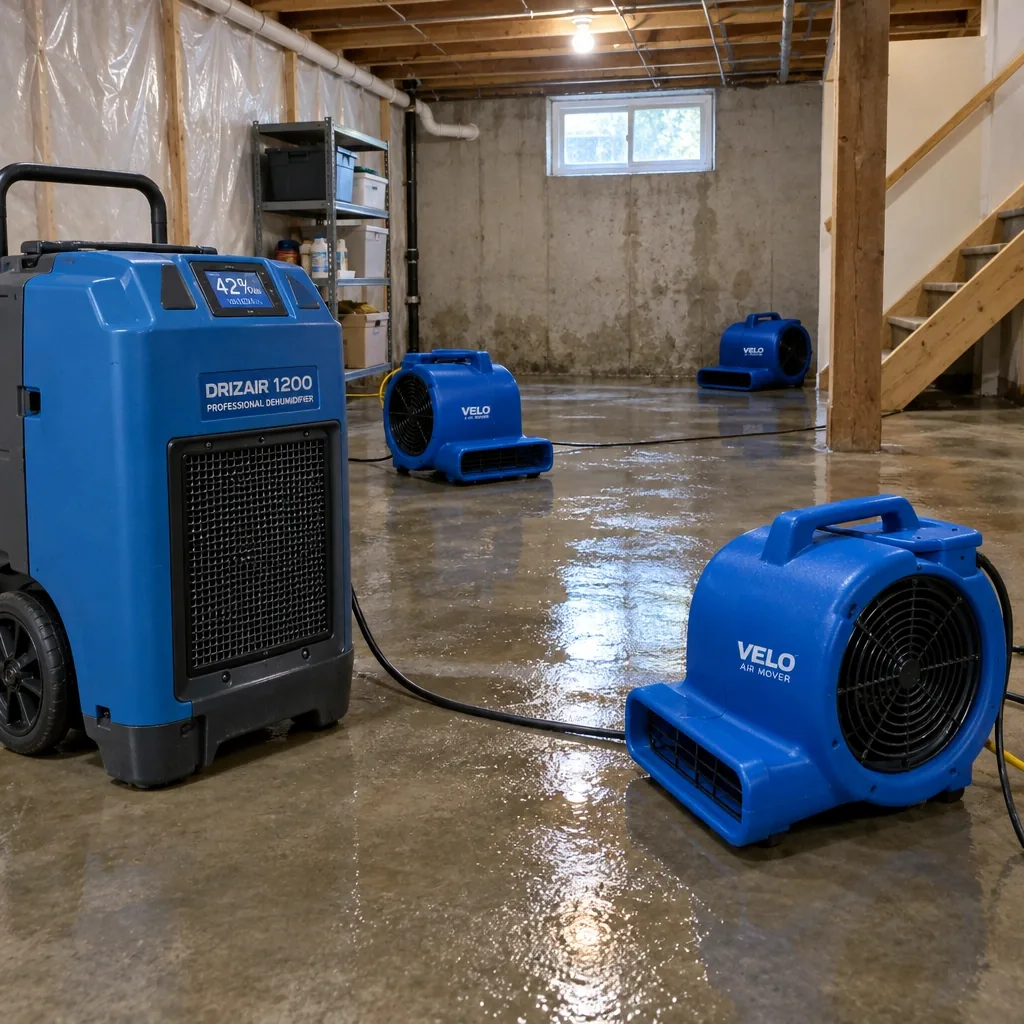
Flood damage to a home or business can have lasting consequences that go well beyond the initial cleanup. In Toronto, the Greater Toronto Area (GTA), and communities across Ontario, mould is a common and persistent hazard after flooding. Mould thrives in wet environments and can take hold on surfaces and inside walls within a day or two if moisture remains. Without fast, careful action, mould can threaten both the building and the health of the people inside it, sometimes with costly long-term effects.
Responding quickly and safely is the key to preventing mould after a flood. Knowing which immediate actions to take, which cleanup steps make a difference, and when to call in specialized help gives property owners control and peace of mind. Drawing on the expertise of TGV Construction Group Inc., a trusted name with more than 200 completed projects in Ontario, this guide outlines practical, locally relevant steps to prevent mould and approach recovery with confidence.
The tips and checklists below are designed for both homeowners and commercial property managers. You’ll learn the crucial first steps after water damage, how to dry and clean effectively, essential safety precautions, and clear guidance on when to bring in professional restoration services. TGV Construction Group Inc. is proud to serve the Greater Toronto Area with professional workmanship, 24/7 emergency service, and a deep commitment to safety and customer satisfaction.
Act promptly, follow clear procedures, and use this Ontario-focused guidance to protect your home, business, and well-being after a flood.
What to Do First After a Flood
Quick, responsible action right after a flood sets the stage for a successful cleanup and a mould-free recovery. Safety comes first.
Essential post-flood checklist:
- Wait until it’s confirmed safe to enter. Only go into your property once municipal authorities or emergency responders say it’s safe. Hazards may include gas leaks, live electrical wiring, sewage contamination, and unstable structures.
- Shut off electricity and gas. If any part of the property is flooded, never walk through standing water to reach a breaker panel or gas valve. Call your utility provider or a licensed technician to shut off services safely.
- Check for signs of contamination. Floodwater may carry sewage, chemicals, or hazardous debris. If contamination is present, avoid direct contact and arrange professional remediation.
- Wear personal protective equipment (PPE). At minimum, wear rubber boots, gloves, and safety glasses to protect your skin and eyes, even if you’re only inspecting the damage.
- Limit access to the area. Keep young children, pets, older adults, and anyone with respiratory conditions away from flood-damaged areas until they are fully cleaned and dried.
- Document the damage for insurance. Photos and notes are helpful, but don’t wait for an adjuster before starting essential safety work or removing hazardous materials.
Review each point before beginning cleanup. If you’re unsure about structural safety, utility hazards, or contamination, contact a restoration or emergency mitigation professional immediately.
Why the First 24–48 Hours Are Critical
The risk of mould rises quickly in the first two days after water exposure. Canadian restoration and health professionals use the 24–48-hour window as a general benchmark for starting and completing most drying work to minimize mould growth.
Understanding the 24–48-Hour Rule
- Aim to remove standing water and dry affected rooms and materials within the first two days, if possible.
- This timeframe isn’t a guarantee. Temperature, airflow, and hidden pockets of water can speed up or slow down mould growth.
- Missing the benchmark increases the risk but doesn’t mean mould will definitely form. How porous the materials are, how much water was present, and indoor humidity all matter a great deal.
Where Moisture Hides
- Water often wicks up behind drywall, under floors, into insulation, and beneath baseboards.
- Subfloors, joists, cabinets, and wall cavities can stay wet even after visible surfaces look dry.
- Moisture in hidden spaces can support mould growth that may not become visible for days or even weeks.
Treat the 24–48-hour window as a best practice: start drying immediately, but keep monitoring and drying for as long as it takes. Recheck high-risk areas, and don’t rely on visual inspection alone.
How to Prevent Mould Growth After Flooding
Effective mould prevention after a flood depends on fast, methodical steps to remove moisture, reduce contamination, and confirm complete drying. TGV Construction Group Inc. serves the GTA and Ontario with water and flood damage cleanup, microbial remediation, and professional-grade drying of structures and contents. Home and business owners can take the following steps to keep mould from taking hold.
Step 1: Remove Standing Water and Debris
- Pump or vacuum out standing water as soon as it’s safe.
- Use pails or wet/dry vacuums, but don’t use electrical equipment until all safety hazards are resolved.
- Shovel out mud and debris, which can trap moisture and harbour mould.
- Dispose of obvious garbage and dirt.
Step 2: Remove Wet Materials and Open Up Wet Spaces
- Move furniture and open cupboards and closets to allow airflow.
- Remove baseboards, carpet underpad, and built-in shelving or fixtures as needed to expose wet areas.
- Pull up saturated carpet and vinyl flooring, which can trap water and allow mould to grow underneath.
- Cut out and dispose of drywall and insulation that is wet, swollen, or stained. Don’t close up walls until the cavities are dry and clean.
Step 3: Clean Surfaces Thoroughly
- Wash non-porous surfaces (such as tile, metal, and glass) with soap or household detergent and water, then rinse and dry right away.
- Wipe wood and other semi-porous surfaces gently, since hard scrubbing can release spores into the air.
- Remove small visible spots of mould with a mild detergent, avoiding over-wetting, and dry the area afterward.
- Don’t dry-sweep mould or dirt, which releases particles and spores into the air.
Step 4: Dry Completely with Ventilation and Dehumidification
- Only use fans, dehumidifiers, or heaters once all electrical hazards are resolved and the area is safe.
- Open windows and doors if the weather and security allow. Cross-ventilation speeds up drying.
- Run one or more dehumidifiers, especially in enclosed spaces or where damp odours persist.
- Keep drying for several days and track progress with humidity readings if possible.
Step 5: Inspect All Hidden and High-Risk Areas
- Check under stairs, in crawlspaces, under cabinets, and inside closets.
- Use a moisture meter, or call a professional restoration service if you suspect hidden water.
- Return regularly to previously affected areas and watch for musty smells or new spots of mould.
Safety reminders:
- Never mix bleach or other cleaning products with ammonia or acidic products, as this creates dangerous fumes.
- Don’t run your HVAC system after a flood until it has been inspected and cleared.
- Always wear PPE and ventilate the area when using cleaning products.
For more on safe and effective drying, Ontario case studies, and expert tips, visit our restoration insights and guidance.
For large, complex, or hazardous water damage, TGV Construction Group Inc. provides property restoration and mould remediation services that minimize downtime and health risks for homeowners and businesses across the region.
Deciding What to Keep, Clean, or Discard
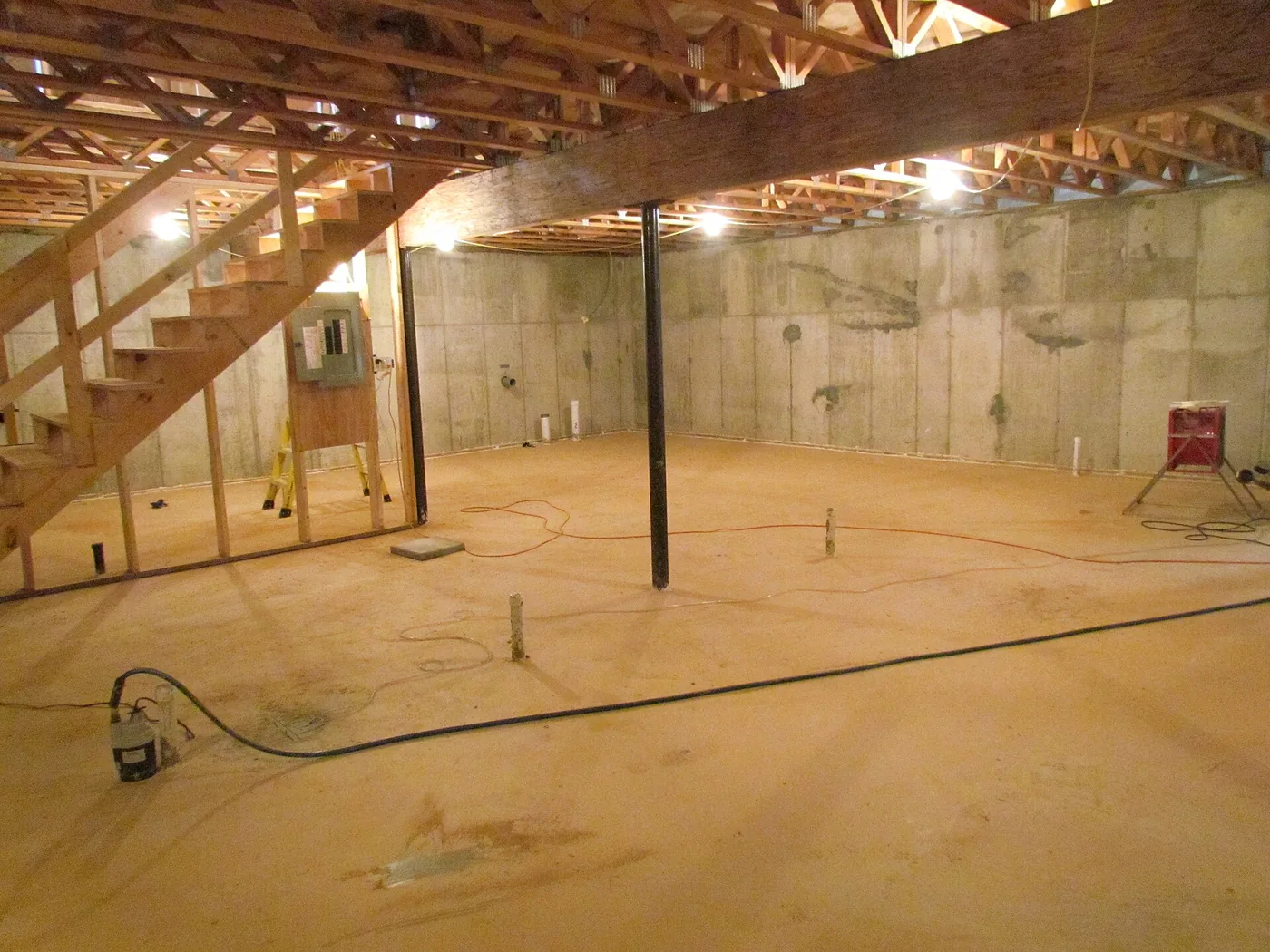
Not every material or item can be saved after exposure to floodwater. Preventing mould sometimes means letting go of certain contents and finishes. The decision depends on the type of material, how much water it absorbed, how long it stayed wet, and whether the water was contaminated.
Material or Area | Recommended Action | When to Call Professionals |
Hard, non-porous surfaces | Clean, disinfect, and dry | Persistent mould, pitted surfaces, or contamination |
Carpet and underpad | Remove if saturated; air-dry only if exposure was very brief | Large, valuable, or contaminated items |
Drywall and insulation | Cut out and discard wet or mouldy sections | Extensive damage, high walls, or suspected asbestos |
Upholstered furniture and mattresses | Discard if saturated; keep only if the value justifies professional restoration | Antique or irreplaceable items, heavy mould |
Wood floors and framing | Dry and monitor for warping or mould | Ongoing swelling, odour, or deep moisture |
Documents and photos | Air-dry gently; freeze them if you can’t dry them right away | Large volumes needing commercial drying or freezing |
HVAC systems and ductwork | Don’t operate until inspected | Always get a professional inspection and cleaning |
Materials exposed to sewage or chemicals should not be kept unless they are professionally restored.
Protecting People During Cleanup
Flood recovery involves electrical, biological, and airborne hazards. Make the safety of occupants and workers a priority, and know when to stop and call for professional help.
Personal Protective Equipment (PPE) Checklist
- An N95 respirator (or higher) to protect against mould and dust
- Waterproof gloves (nitrile, rubber, or similar)
- Unvented safety goggles to protect against splashes and particles
- Long sleeves, long pants, and waterproof footwear
Additional safety steps:
- Keep non-essential people, pets, and anyone with asthma or a weakened immune system out of the area.
- Wash your hands and face after every work session, and change or clean PPE as needed.
- Don’t eat or drink in affected areas.
Cleaning Products and Air Quality
- Use mild detergent and warm water to clean non-porous items, then rinse and dry them completely.
- Never mix bleach with ammonia or other chemicals.
- Open windows for fresh air if the weather allows, and only use fans in uncontaminated areas with no electrical hazards.
When to Call Professional Restoration Services
- The affected area is large, covers multiple rooms, or spans more than one level.
- Category 2 or 3 water is involved (greywater, sewage, or other contaminated sources).
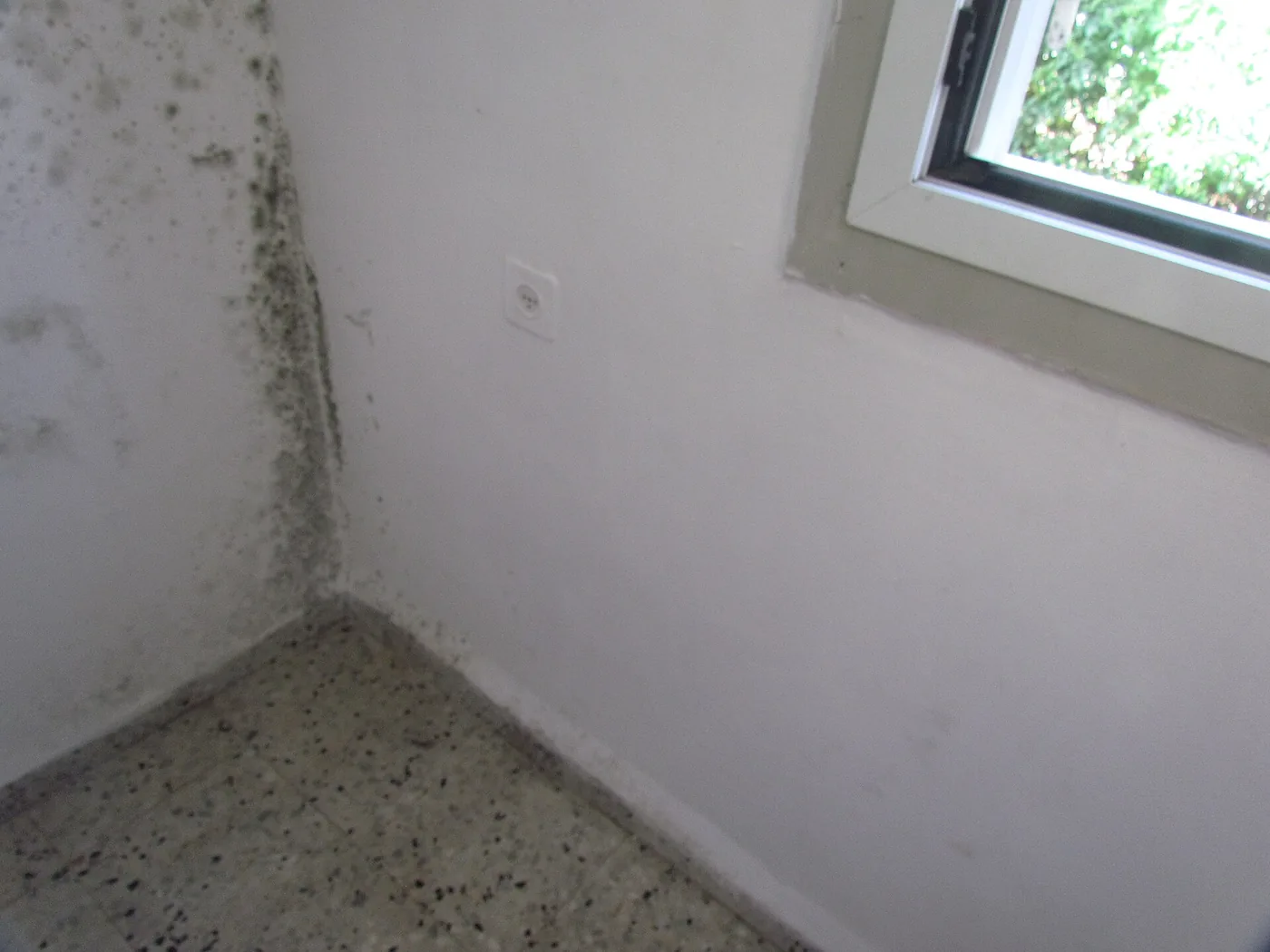
- Mould is visible in several places or keeps coming back after cleaning.
- You suspect asbestos in drywall or insulation, or the materials date from before 1990.
- HVAC, ductwork, or utilities were flooded or contaminated.
- Someone in your household has a health condition that could be affected by the cleanup.
TGV Construction Group Inc. provides 24/7 emergency restoration and mitigation services across Toronto and Ontario. Our team is trained in safe containment, microbial remediation, and thorough structural drying for all property types.
How to Confirm Your Property Is Fully Dry and Mould-Free
Making sure every wet area and hidden cavity is truly dry prevents future mould and avoids unnecessary repairs later. A thorough check before rebuilding or returning to normal use gives you peace of mind, and it’s a standard part of every professional restoration.
Checklist to confirm safe drying:
- Visual inspection: Check every room for lingering stains, new discoloration, bubbling paint, or warped floorboards.
- Smell: Musty or sour odours suggest water may still be trapped behind surfaces.
- Touch: If floors, walls, or trim still feel cool, damp, or soft, water is likely still present.
- Humidity levels: Use a hygrometer to keep indoor humidity below 50% during and after drying.
- Ongoing monitoring: Recheck previously affected areas regularly for several weeks. Returning stains or odours usually mean there’s more moisture or new mould.
- Moisture meters and infrared imaging: These tools reveal hidden moisture behind walls, under floors, and inside cavities. Professional services can provide these assessments.
- Don’t paint, refinish, or seal any surface until you’re certain it’s completely dry and mould-free.
If new mould, stains, or odours appear after you think cleanup is finished, reassess all previously wet materials or book a professional moisture inspection and restoration consultation.
Frequently Asked Questions About Preventing Mould After a Flood
How fast do I need to dry my property to prevent mould?
Aim to fully dry all wet materials and furnishings within 24–48 hours if possible. Fast action significantly reduces mould risk, while delays increase the chance of mould forming in hidden cavities or porous contents.
If something stayed wet for more than 48 hours, is mould guaranteed?
Not always, but the risk rises considerably. Watch for visible signs and strong odours, and when in doubt, remove porous materials or consult a professional. Mould sometimes appears a week or more later.
Is it safe to use fans and dehumidifiers right away?
Only after all safety and contamination concerns are resolved and any visible mould has been gently cleaned. Never use electrical equipment in floodwater, and clean surfaces before blowing air across them to avoid spreading spores.
Should flood-damaged carpet be saved or thrown out?
Usually discard it if it was saturated or exposed to contaminated water. After a minor clean-water leak, carpet can sometimes be saved with washing and rapid drying. Water trapped in the subfloor is a major risk for lingering mould.
Can I use bleach on mould after a flood?
Bleach may kill surface mould on hard, non-porous surfaces, but thorough cleaning and complete drying matter more than disinfecting. Bleach isn’t recommended for porous items like fabric or drywall, and it should never be mixed with other cleaners.
When should HVAC and air systems be checked?
Any HVAC system or ductwork exposed to water or visible mould should be assessed by trained professionals before you run it. A contaminated air system can spread mould spores throughout the building.
For answers to specific challenges in Ontario homes, explore more of our restoration insights and guidance.
Taking the Next Step Toward Safe Restoration
Flood recovery brings demanding physical and technical challenges, especially in multi-storey properties, older homes, and commercial spaces in the GTA. TGV Construction Group Inc. specializes in mould and asbestos remediation, structural drying, and high-quality property restoration, all delivered with a commitment to safety, clear communication, and customer satisfaction.
If you need reliable help with damage assessment, safe drying, or complete restoration, request a free quote for mould and flood damage restoration. For urgent needs or questions, contact TGV Construction Group to speak directly with our restoration specialists, or call us 24/7 at (905) 669-2727.
This guide is for informational purposes and is not a substitute for expert advice on electrical, structural, or regulated matters. Always follow Ontario regulations and get qualified help if you’re unsure about safety, permits, or special risks at your property.