Mold (or mould, as it is often spelled in Canada) is a persistent problem facing homeowners and commercial property managers throughout Toronto, the Greater Toronto Area, and Ontario. More than an appearance issue, mold growth signals excess moisture and can cause significant damage to building materials, disrupt operations, and impact comfort or the perceived quality of your space. Deciding when to call a professional isn’t always straightforward - many owners attempt cleanup, unsure at what point expert support becomes essential.
Understanding when professional mold remediation is necessary is vital for maintaining the integrity, safety, and reputation of your property. Proper intervention not only restores materials and air quality, but also demonstrates care for everyone using your building. This detailed guide is built on practical recommendations from Health Canada and the U.S. EPA, further strengthened by insights from TGV Construction Group Inc., a trusted name in restoration, emergency mitigation, and general contracting across the GTA. Under Tamara Gavrilenko’s award-winning leadership (2023 Top 40 Under 40 in Canadian Construction), TGV Construction Group is known for professionalism, service to the community, and strong advocacy for safe, high-quality repairs.
The information below will help property owners, facility managers, and those responsible for building safety to recognize urgent warning signs, choose the right response, and partner with a reputable remediation contractor when needed.
Anyone acting to correct mold in their space should also note: Information provided here is for educational purposes and does not constitute medical or legal advice. Consult the relevant authorities or a health professional for individual concerns.
Understanding Mold Remediation and the Importance of Managing Moisture
Mold is a naturally occurring fungus that grows wherever sufficient moisture is present, and it can quickly colonize both visible and concealed areas of a building. Successful mold remediation requires more than just removal; it also demands that the underlying source of water is found and fixed.
What Mold Is and Where It Grows
Mold spores are microscopic and always present in our environment, but growth occurs only when these spores find moisture and a food source. In Canadian buildings, common mold-prone areas include:
- Basements with damp walls, hidden leaks, or groundwater infiltration
- Kitchens and bathrooms, especially under sinks, behind tubs or showers, and where ventilation is inadequate
- Attics suffering roof leaks or poor insulation
- Around windows where condensation accumulates
- On or behind drywall, paneling, wallpaper, and insulation
- Crawlspaces or behind appliances such as washers, hot water tanks, or dishwashers
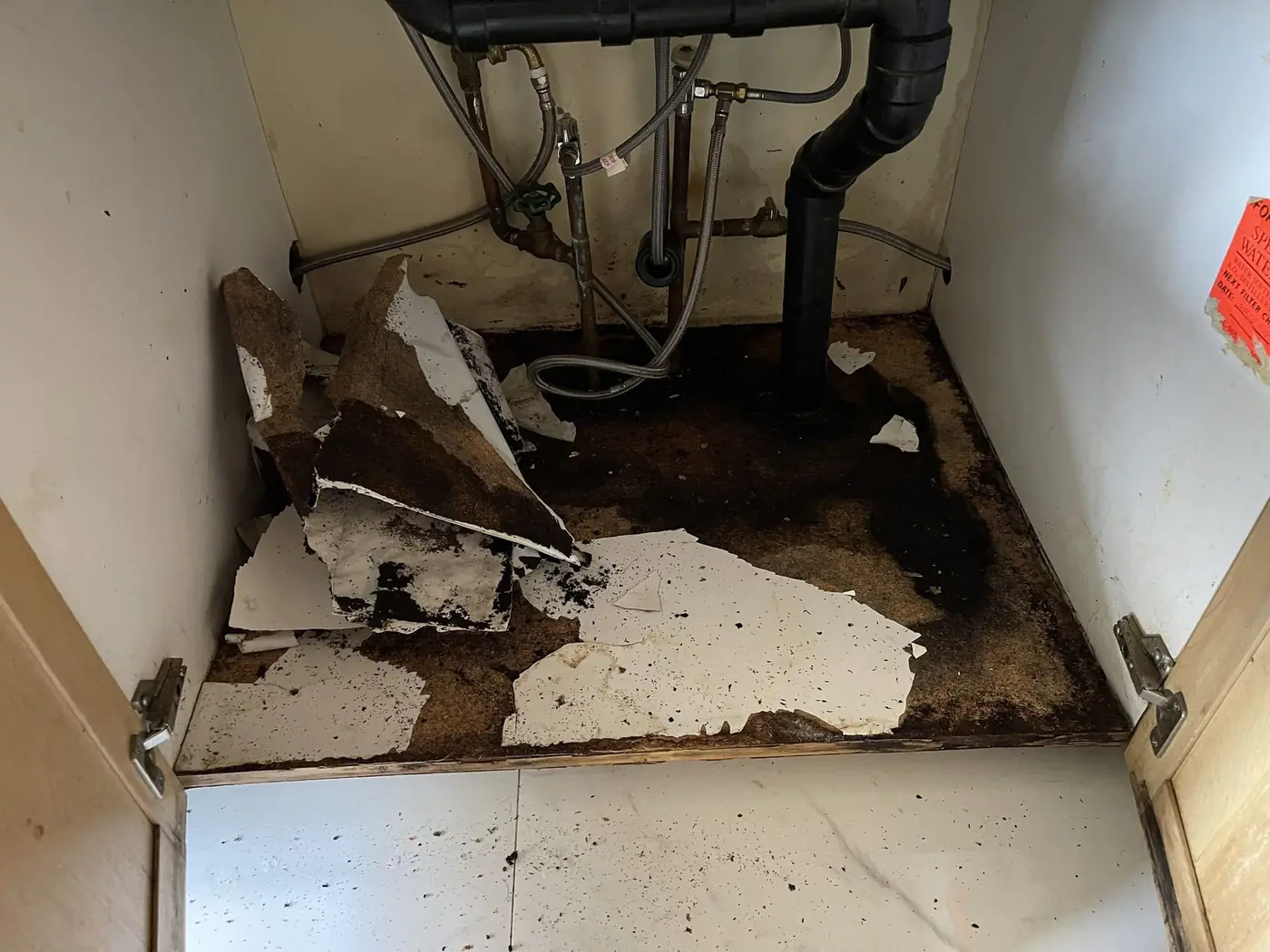
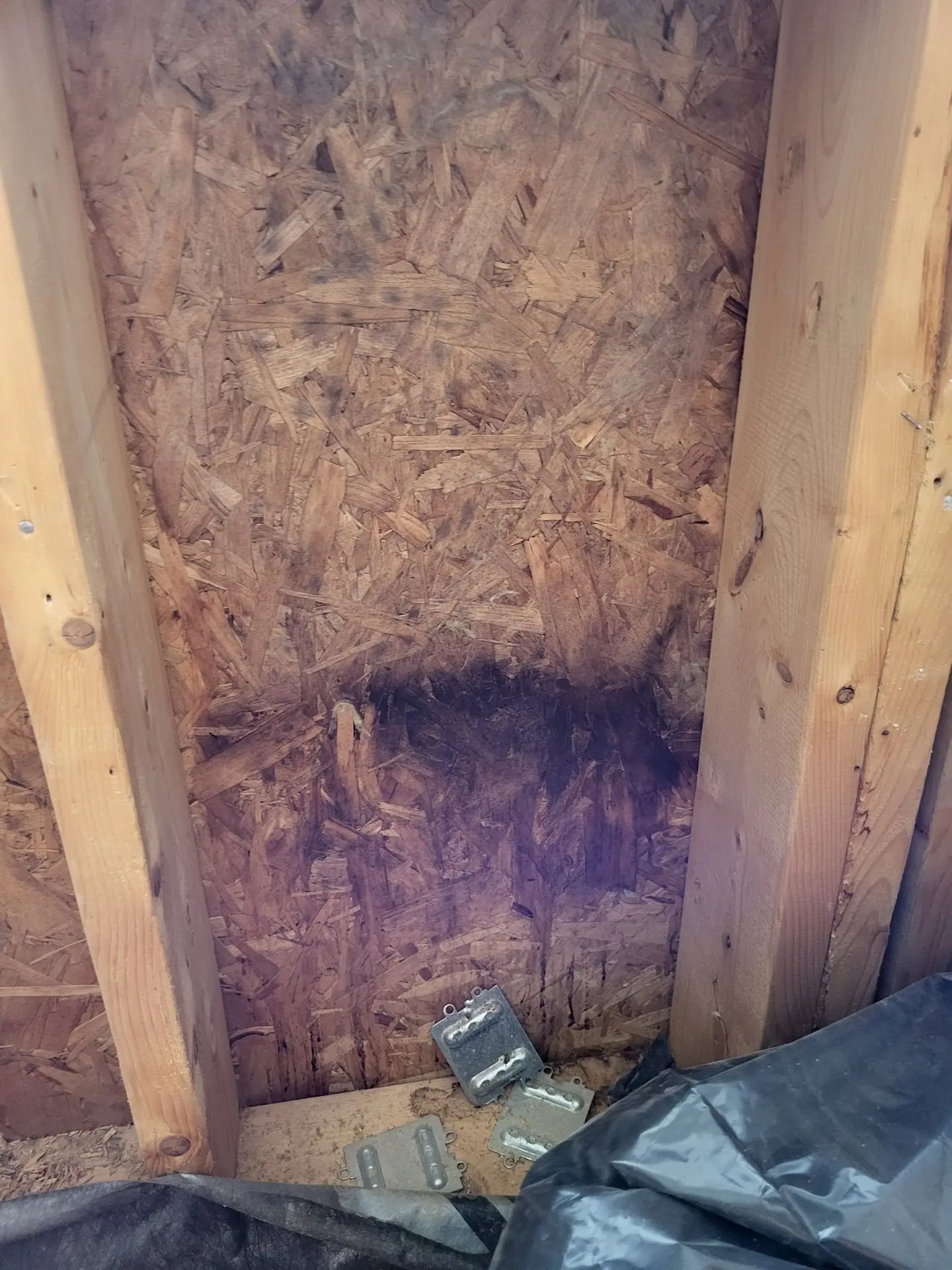
Often, visible mold is only a portion of the actual growth. Hidden infestations behind walls, under flooring, or in ceilings may exist for weeks or months after undetected leaks or floods. Clues include:
- Staining, warping, or swelling of materials
- Blistered or peeling paint
- Persistent musty odours even after cleaning
- Soft, crumbling drywall or trim
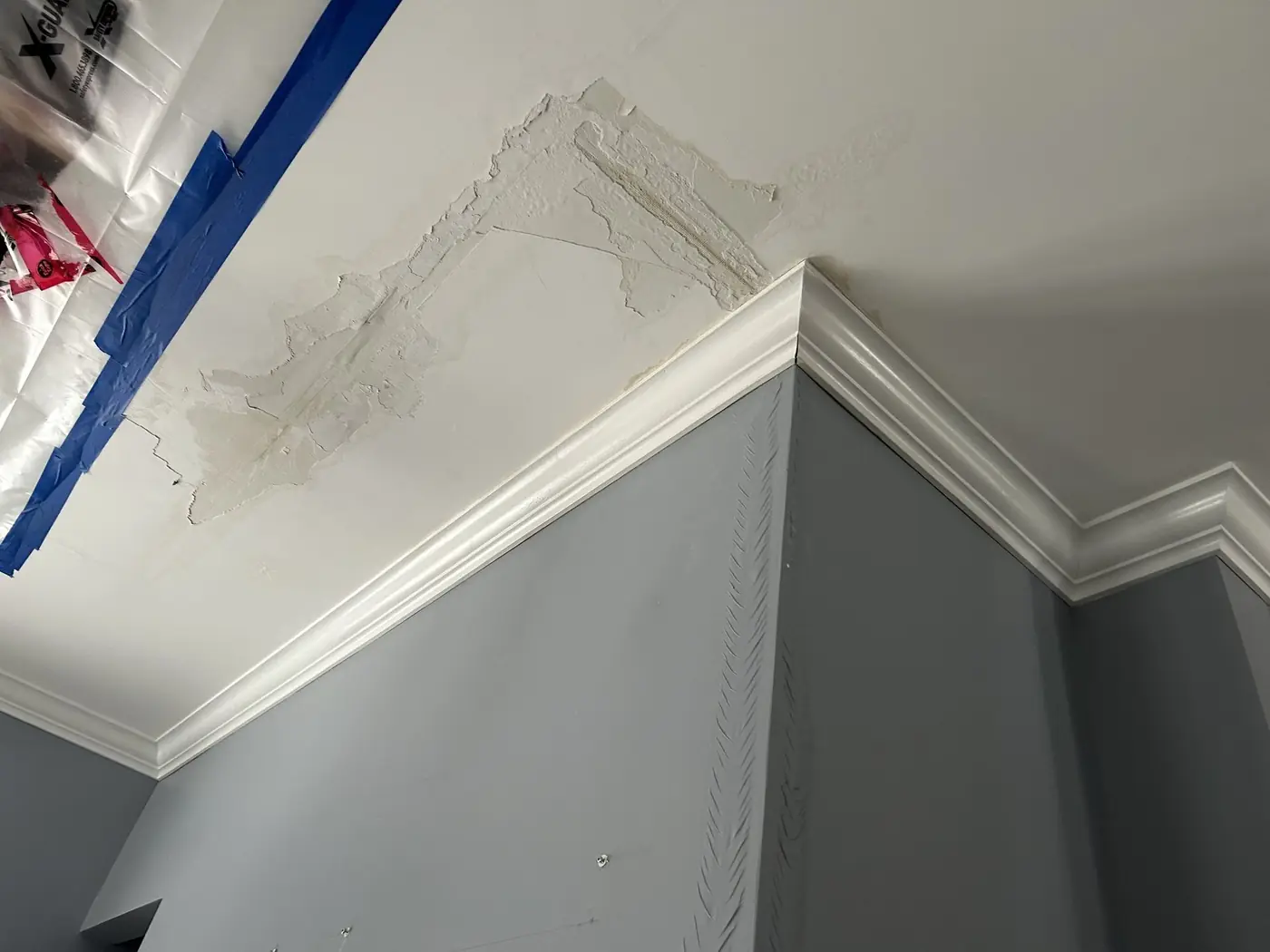
How Moisture from Leaks, Floods, Humidity, or Poor Ventilation Causes Mold
Moisture is the key ingredient supporting mold growth indoors. Typical sources include:
- Sudden events like pipe bursts, roof failures, drain overflows, or flooding
- Ongoing leaks from aging plumbing, failed sealants, or damaged flashing
- Condensation on cold surfaces (foundations, windows) from high interior humidity
- Poor ventilation in bathrooms, laundry rooms, and kitchens allowing steam to remain
- Ineffective grading or drainage outside, letting water seep through foundations
- Malfunctioning appliances, sump pumps, or blocked gutters
When water lingers for more than 24–48 hours, absorbed building materials become hosts for mold. Repeated wetting “seeds” growth in drywall, insulation, ceiling tiles, baseboards, and carpets. Without addressing both the moisture source and the resulting mold, even extensive cleaning will likely fail.
Why Addressing Moisture Is Key to Successful Remediation
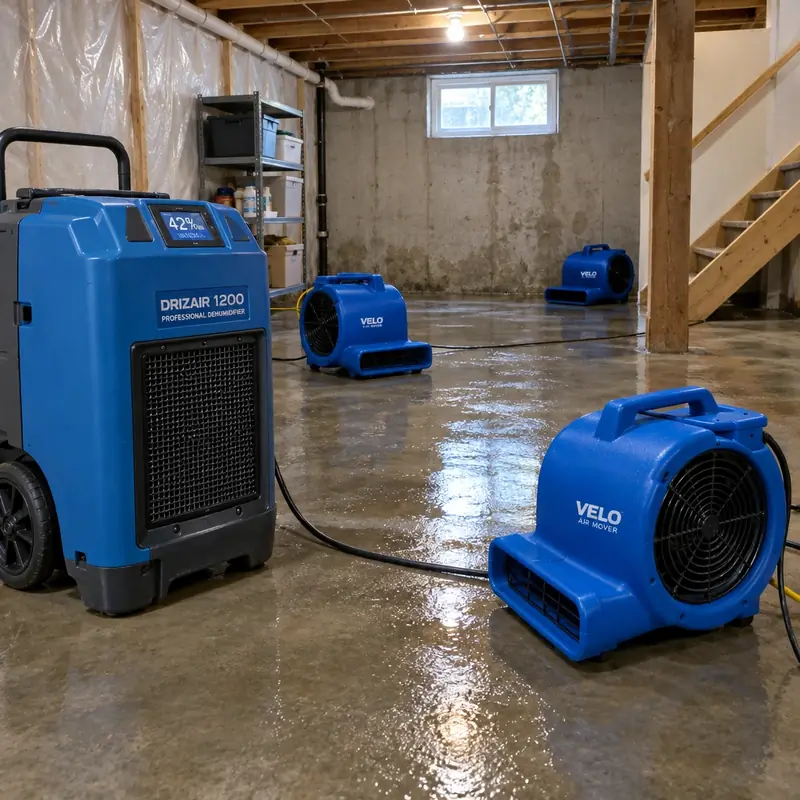
Physical removal solves only half the challenge. Leftover moisture, even in small quantities behind surfaces or beneath materials, enables regrowth weeks or months after apparent cleanup. Effective mold remediation always includes:
- Fixing leaks, improving drainage, installing or upgrading ventilation
- Drying all wet spaces and maintaining low interior humidity (ideally below 50%)
- Ongoing monitoring for future water intrusion
A professional contractor will assess and fix both visible damage and underlying causes, ensuring a safe, long-lasting result. Our homeowner's guide to mould prevention and removal covers prevention in more detail.
Top 7 Signs You Need Professional Mold Remediation Now
Identifying the following warning signs will help you protect your property and decide when to call a certified remediation professional. In certain cases, prompt action is critical to avoid spread or worsening of health risks. Here are the seven most urgent scenarios:
-
Mold Covers a Large Area Exceeding 3 Square Metres or Is Spreading
- Health Canada considers mold patches larger than 3 m² (about 32 sq. ft.) extensive. Such areas can release massive spore loads and are difficult to contain or clean without specialized equipment and protocols.
- Mold spreading across several rooms, floors, or apartments indicates systemic moisture issues.
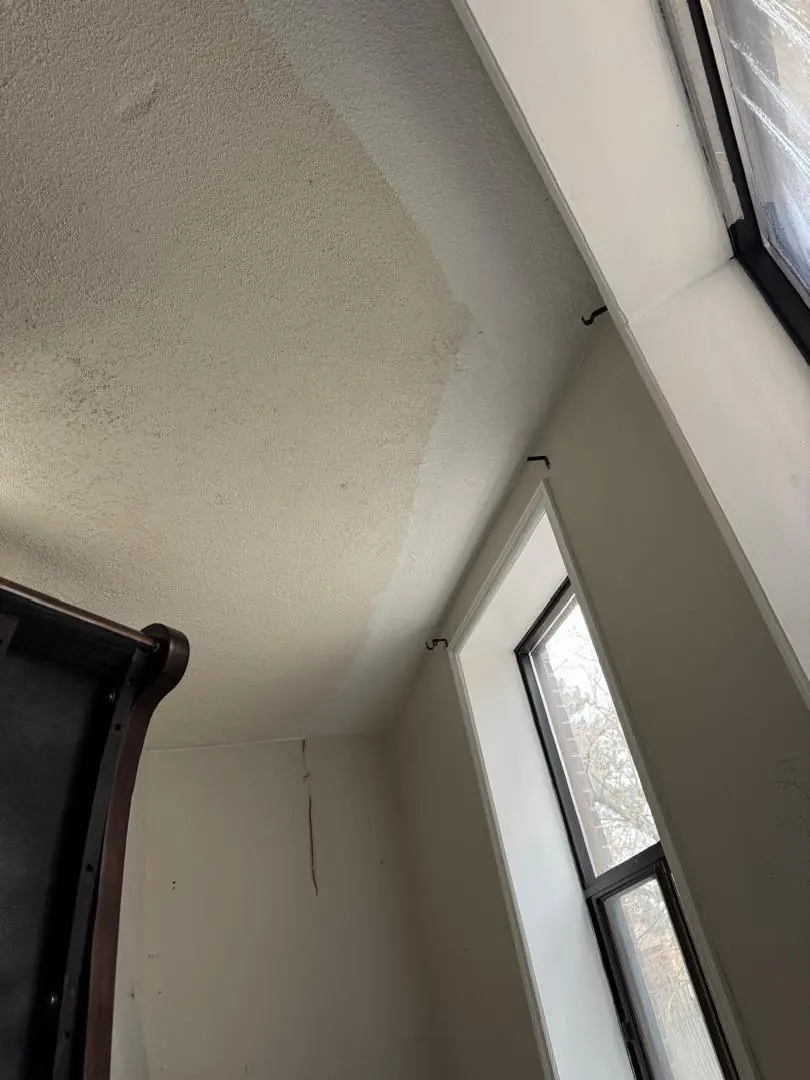
Our job in East York: mould across a ceiling at an institutional building, before remediation. -
Mold Returns Repeatedly After Cleaning Efforts
- If mold comes back after scrubbing or washing, the underlying source of moisture remains unresolved.
- Repeated regrowth, especially within days or weeks, often means leaks or humidity haven’t been corrected - or that mold persists in hidden cavities.
-
Suspected Mold Hidden Behind Walls, Ceilings, or Flooring with Signs Like Musty Odor or Staining
- Swollen or stained drywall, musty smells, persistent dampness, or soft flooring signal concealed mold.
- Specialized inspection, moisture probing, and safe opening of walls may be needed, requiring skilled containment.
-
Recent Flooding, Sewage Backup, or Major Water Leak Occurred
- Water disasters saturate materials beyond surface drying. If not handled within 24–48 hours, mold begins to flourish deep behind surfaces and beneath floors (see how to prevent mould growth after flooding).
- Sewage contamination brings added health hazards and requires professional decontamination.
-
Mold or Damage Affects HVAC Systems or Ductwork
- Mold in or near HVAC systems means spores can distribute throughout the building. Only experienced technicians with HEPA filtration and safe protocols should attempt these cleanups.
- Duct cleaning and sanitization after mold problems should never be attempted without proper containment.
-
Mold Growth on Porous Materials or Building Elements That Are Difficult or Unsafe to Remove
- Mold on drywall, insulation, ceiling tiles, carpets, or upholstered furnishings cannot be fully solved by surface cleaning.
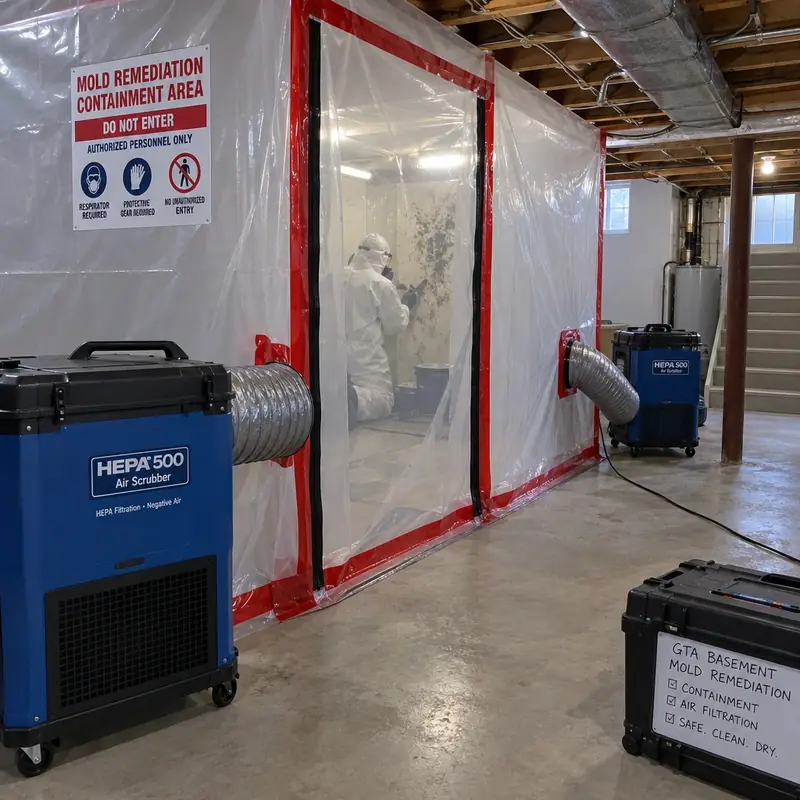
- Safe, compliant disposal and dust containment (using negative pressure enclosures, HEPA vacuums, and protective gear) are essential for work on porous and complex assemblies.
-
Occupants Have Health Problems or Vulnerabilities Related to Mold Exposure
- New or worsening coughs, wheezing, nasal congestion, or allergies may relate to indoor dampness. People who are very young, older adults, those with asthma, or immunosuppressed individuals are at greater risk.
- In these situations, avoid do-it-yourself cleanup. Health authorities recommend consulting with both medical professionals and certified abatement teams.
Thresholds for DIY vs Professional Remediation:
Small, isolated growth (under 1 m² on non-porous surfaces) may be manageable with gloves, a respirator, and detergent. When in doubt, err on the side of safety: area, location, and health context all matter.
Steps to Take Before Professional Remediation Begins
If you suspect or discover mold, certain actions are immediately helpful:
-
Stop Active Water Intrusion (If Safe)
- Shut off affected plumbing, patch leaks, or weatherproof areas to halt moisture ingress.
- For electrical hazards, heavy flooding, or sewage, wait for professional help rather than enter hazardous spaces yourself.
-
Limit Access and Avoid Disturbing Moldy Areas
- Close doors or post warning signs to keep employees, tenants, children, or pets out.
- Do not scrub, tap, or peel materials unless instructed by a professional. Disturbing contaminated surfaces can cause spores to spread rapidly.
-
Avoid Vacuuming, Dry Brushing, or Using Fans
- Common household cleaning methods (fan drying, shop vacuums, brooms) spread airborne spores throughout clean spaces.
- Only use HEPA equipment with engineered containment in coordinated restoration plans.
-
Document Visible Damage and Moisture
- Take clear photos and notes about mold locations, visible water ingress, standing water, and any plumbing or roofing issues.
- Maintain a timeline - this is valuable for insurance claims and when briefing contractors.
-
Discuss Remediation Scope, Containment, and Verification with Chosen Professional
- Ask about how the crew will isolate the affected zone, prevent dust and spore escape, and ensure a safe, code-compliant result.
- Plan for post-work verification (visual inspections, moisture checks, or formal clearance where required).
For more detailed checklists and expert perspectives, see the TGV Construction Group archive of expert insights on restoration and mitigation.
Choosing the Right Mold Remediation Professional in Toronto and GTA
Engaging a tested, certified mold remediation contractor is the most effective way to resolve both visible and hidden issues while upholding standards of safety, professionalism, and long-term property value - and it usually costs less in the long run.
What to Look for When Hiring
-
Relevant Experience in Restoration
- Select a team familiar with water and mold damage restoration for your property type (home, condo, apartment, office, retail, institutional).
- Ask about previous projects in the Greater Toronto Area (for example, our mould remediation work in Concord), and experience with both large and small-scale remediation.
-
Reference Projects and Certifications
- Inquire about training and credentials in mold abatement and water damage repair.
- Ask for references or proof of work on similar jobs.
-
Scope Details: Moisture Source Assessment, Containment, Removal, Disposal, and Follow-up Checks
- A detailed written proposal should cover:
- Source identification and correction
- Site containment and negative air pressure setup
- Detailed plan for safe removal and compliant disposal of affected materials
- Verification steps after cleanup (visual, moisture measurement, or air clearance as needed)
-
Clarity on Repairs, Insurance, and Responsiveness
- Confirm if the contractor will restore finishes (drywall, paint, flooring) once removal is complete.
- Ensure they are covered by liability and workers’ compensation insurance.
- Opt for contractors offering 24/7 emergency mold remediation and restoration to handle urgent needs.
-
Professionalism and Leadership
- Work with companies recognized for ethical standards, customer satisfaction, and genuine advocacy. Learn more about TGV Construction Group’s leadership and community commitment and their support of underrepresented groups in the industry.
-
Warning Signs and What to Avoid
- Do not hire anyone who:
- Promises to “diagnose” mold species by appearance or odour alone
- Guarantees health results or instant cures
- Suggests spraying chemicals or fogging without removal/disposal of contaminated material
- Cannot provide references or refuses written contracts
For complex or large-loss projects, teams offering comprehensive emergency mitigation and restoration services can give peace of mind that every stage - cleanup, repair, final fit-and-finish - will be handled with expertise.
Frequently Asked Questions About Mold and Remediation
How much mold can I safely clean myself?
You may attempt to clean up single, visible patches smaller than 1 square metre (about 10 sq. ft.) on hard, non-porous surfaces. Wear gloves, an N-95-class mask, and goggles. Larger areas, porous/soft materials, or recurring cases require professional help.
Does mold always have a musty smell?
No. Some indoor molds cause strong odours, others are almost scentless. A lack of odour does not rule out a moisture or mold problem.
Can mold hide behind walls or floors?
Yes. Longstanding leaks, recurring condensation, or improper past repairs allow mold to establish out of sight. Tell your contractor about any recent water issues, and look for clues such as staining, swelling, or softness on walls or floors.
Do I need mold testing before remediation?
Generally not. Unless testing is needed for court cases or insurance disputes, most guidance recommends fixing the water source and removing mold rather than focusing on air/surface sample results.
Is bleach effective for mold cleanup?
Bleach is not required or recommended for routine indoor mold remediation, according to Health Canada and EPA guidance. Physical removal and detergent cleaning, combined with moisture correction, are most effective.
Why does mold come back after cleaning?
Ongoing or hidden moisture remains present - common causes include slow plumbing leaks, foundation seepage, or poor ventilation. Without addressing moisture, mold will return no matter how well the surface was cleaned.
What to do after flooding or sewage incidents?
- Evacuate people, pets, and sensitive occupants if unsafe.
- Arrange immediate repairs to stop further water entry.
- Avoid unauthorized cleanup, especially if sewage or electrical hazards are present.
- Keep records for insurance; call experienced professionals quickly.
Should HVAC systems be shut off during remediation?
Sometimes. If mold is present inside ductwork, or the remediated area connects to the system, a professional may recommend deactivating HVAC temporarily to prevent spreading spores.
How to confirm remediation is complete?
Remediation is complete when:
- The water source is corrected and space is dry
- No visible mold remains (on cleaned or replaced surfaces)
- Musty odours are gone
- If appropriate, clearance testing shows acceptable air quality and dryness
What questions to ask before hiring a contractor?
- Can you share references from similar properties?
- Will you provide a written outline of the work, timing, and cost?
- What steps are taken to protect occupants and unaffected spaces?
- Are your staff trained and insured?
- Do you also restore finishes after remediation, if needed?
- How soon can you respond to an urgent request?
For more detailed explanations on related issues - fire, flood, large-loss, or specialty restoration - explore our expert insights on restoration and mitigation.
DIY or Call a Professional? Quick-Reference Table
Use the following guide to determine the best course of action.
| Situation | Practical Next Step |
|---|---|
| Small, isolated patch (<1 m²) on a hard, washable surface | Clean up yourself using PPE; correct source of moisture |
| Recurrent regrowth or multiple patches | Contact a professional remediation company |
| Mold present after flooding, major leakage, or sewage backup | Seek professional cleanup - special measures and safety required |
| Mold in HVAC systems, large ducts, or building assemblies | Call certified professionals - specialized equipment and protocols necessary |
| At-risk or health-compromised occupants present | Avoid disturbing the area; consult both remediation and healthcare professionals |
Always consider area, material type, and health factors - not just size - when making decisions about remediation.
Crafting a Lasting Solution: The Value of Expert Mold Remediation
Mold infestations in Ontario properties often signal deeper vulnerabilities - undetected leaks, design flaws, or accumulated humidity. Addressing these problems at their root, with a methodical and thorough approach, preserves property value, occupant safety, and comfort.
TGV Construction Group Inc. is recognized for comprehensive mold remediation, emergency mitigation, and restoration services tailored to the needs of homes, businesses, and large-loss properties throughout Toronto and the GTA. With a focus on complete solutions, skilled project management, and ethical conduct, TGV stands ready to support your restoration - day or night.
To protect your property and restore confidence, request a free consultation and quote for mold remediation today. Immediate, expert assistance can make the vital difference in ensuring your environment is safe, healthy, and fully restored.