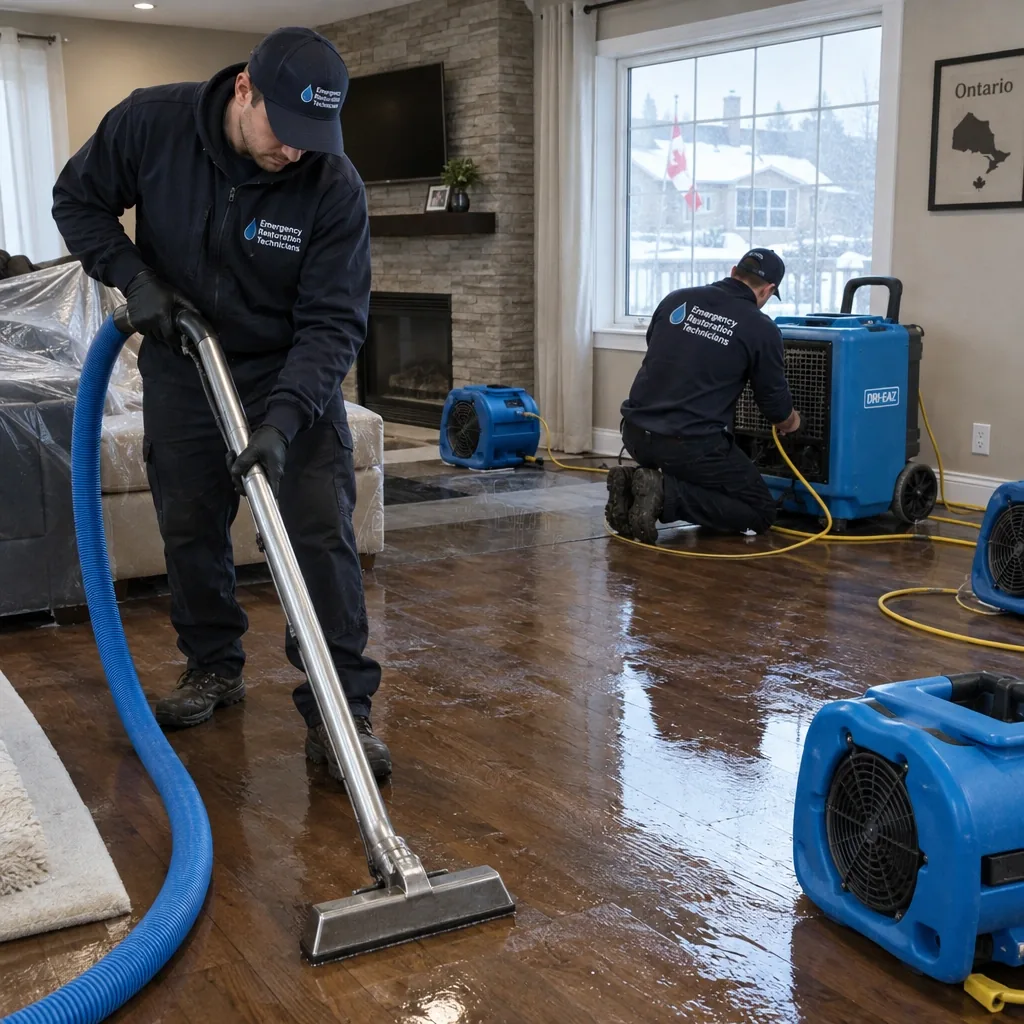
Property emergencies, from sudden flooding to fire, storms, or hazardous materials, can disrupt homes, businesses, and daily routines across Ontario. Whether you’re dealing with a flooded basement, a smoke-damaged rental suite, or persistent mould after a leak, fast action and the right response team are vital to protecting your property, your health, and your investment.
TGV Construction Group Inc. has become a trusted name across the Greater Toronto Area and Ontario for both rapid emergency mitigation and long-term restoration. With more than 200 completed projects and the leadership of founder Tamara Gavrilenko, the TGV team combines technical expertise, careful project management, and a strong focus on client needs. Every assignment, residential or commercial, is handled with a commitment to safety, quality assurance, and clear communication. Learn more about our leadership and experience.
This guide offers practical information for homeowners, property managers, developers, and business owners facing a property emergency. You’ll find detailed steps, safety considerations, and industry insights tailored to Ontario’s climate, regulations, and building stock.
What Are Emergency Restoration Services?
Emergency restoration services provide critical intervention when a property is compromised by water, fire, mould, storms, or hazardous incidents. Available 24/7, they focus on immediate stabilization and timely restoration to keep damage from escalating and return the property to a safe, functional condition.
Emergency mitigation vs. repair and reconstruction
- Mitigation: Immediate actions that contain hazards and prevent further damage, such as extracting water, boarding up windows, or isolating contaminated areas.
- Repair and reconstruction: Once the site is stable, this stage returns the property to its pre-loss condition through repairs, cleaning, replacement of damaged materials, and rebuilding as needed.
Services for residential, commercial, and industrial properties
Emergency restoration firms like TGV Construction Group Inc. tailor their approach to:
- Residential properties: Protecting the home, belongings, and the well-being of occupants.
- Commercial and industrial sites: Minimizing business disruption, meeting regulatory requirements, and protecting assets and inventory.
Key property restoration services include:
- Water and flood damage cleanup
- Fire and smoke damage recovery
- Mould and asbestos inspection and removal
- Wind and storm damage repair
- Hazardous materials cleanup
- Structural stabilization and contents restoration
To see how these services come together on real projects, explore our comprehensive restoration and general contracting services.
When Should You Call for Emergency Restoration Help?
Prompt professional help is often essential to stop further damage and control costs. Watch for these situations:
Water intrusion and flooding
- Burst pipes, overflowing appliances, sump pump failures, or heavy rain that leaves standing water
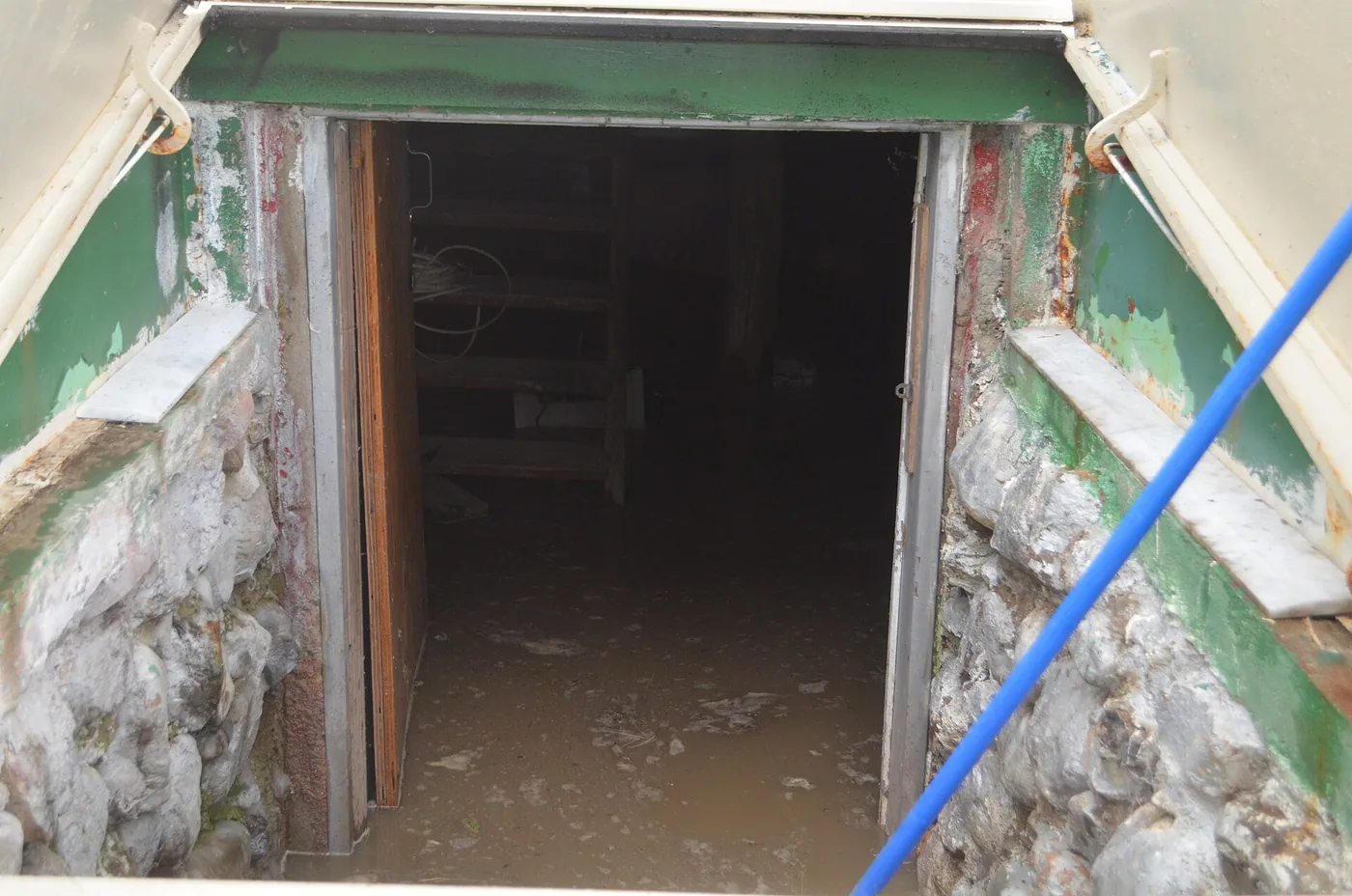
- Sewage backups or basement flooding
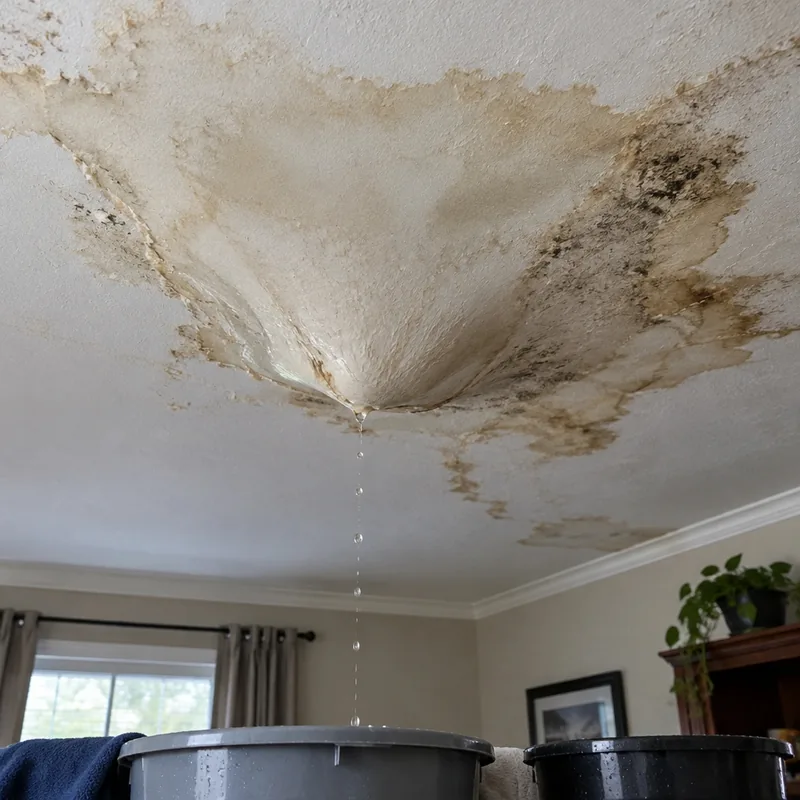
- Signs such as wet carpet, warped flooring, stained ceilings, or a persistent musty smell
Fire, smoke, and soot damage
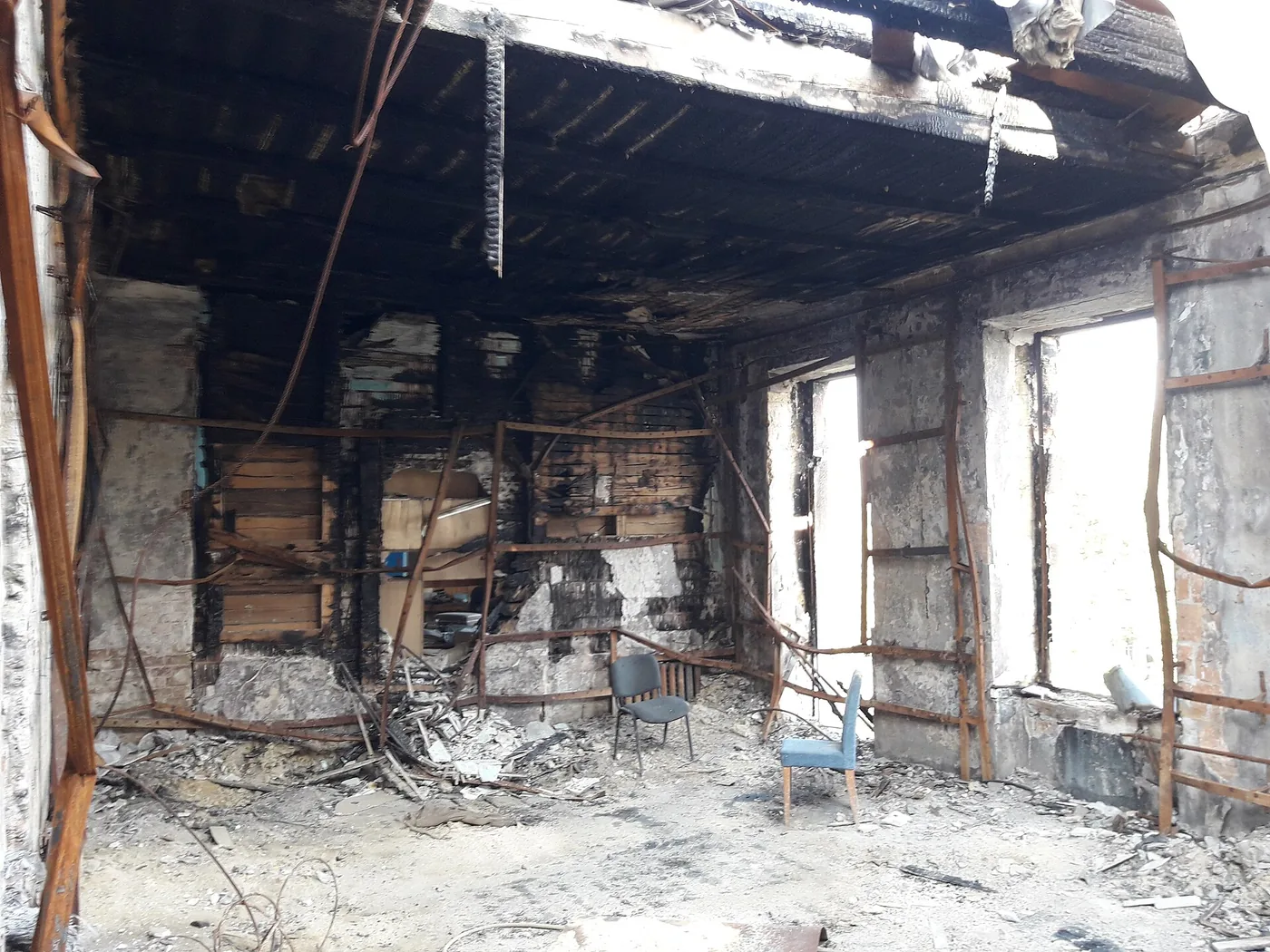
- Any fire, even a small, contained one, since leftover smoke, soot, water, and chemicals keep causing damage after the flames are out
- Appliance fires, electrical shorts, or nearby fires that spread smoke or debris
- Yellowed or blackened surfaces, powdery residue, lingering odours, or changes in air quality
Mould growth and ongoing moisture problems
- Visible spots or fuzzy patches (often black, green, or white) on walls and ceilings, or in hidden areas like attics or behind baseboards
- A damp or earthy smell indoors, even after cleaning
- Unresolved leaks, high humidity, or past water events where areas weren’t fully dried within 48 hours
Storm, sewage, and other specialized losses
- Structural damage after storms: missing shingles, broken windows, tree impact, or lost exterior cladding
- Sewer, drain, or stormwater backups that create unsanitary conditions or affect electrical components
- Damage that exposes older building materials, which may contain asbestos or lead
If there’s any safety risk, air quality concern, or uncertainty about hidden damage, contact a professional restoration service right away.
Immediate Steps to Take After Property Damage
Acting quickly and safely minimizes permanent loss and helps prevent health problems. Follow these guidelines after an incident:
Protect occupants and avoid unsafe areas
- Leave any area with fire, gas, electrical, or structural hazards.
- Don’t re-enter or start cleanup until authorities say it’s safe.
Stop the source only if it’s safe to do so
- Shut off water, electricity, or gas at the main valves only if you’re certain there’s no risk.
- Leave hazardous materials, visible mould, and unknown substances alone.
Document the damage and contact your insurer promptly
- Photograph and list all visible damage before any cleanup begins.
- Note the source of the incident and which rooms or floors are affected.
- Keep receipts for emergency repairs or temporary accommodation.
- Notify your insurer or building manager right away and follow their reporting instructions.
Action checklist:
- Make sure everyone is safe, and evacuate if needed.
- Secure or block access to hazardous areas.
- Avoid any contact with standing water near live electrical sources.
- Take photos from several angles, including damaged contents.
- Keep samples or receipts for removed or damaged items.
- Call a professional emergency restoration team if needed.
Caution: Don’t attempt structural, electrical, or sewage repairs, or disturb hazardous materials, unless you have the training and required permits.
What Happens During an Emergency Restoration Response?
A structured, step-by-step process keeps restoration both safe and effective.
1. Initial safety assessment and hazard control
- The restoration team checks for immediate structural, electrical, chemical, and biological risks.
- Dangerous areas are isolated with barriers or ventilation as needed.
2. Water extraction, debris removal, and structural stabilization
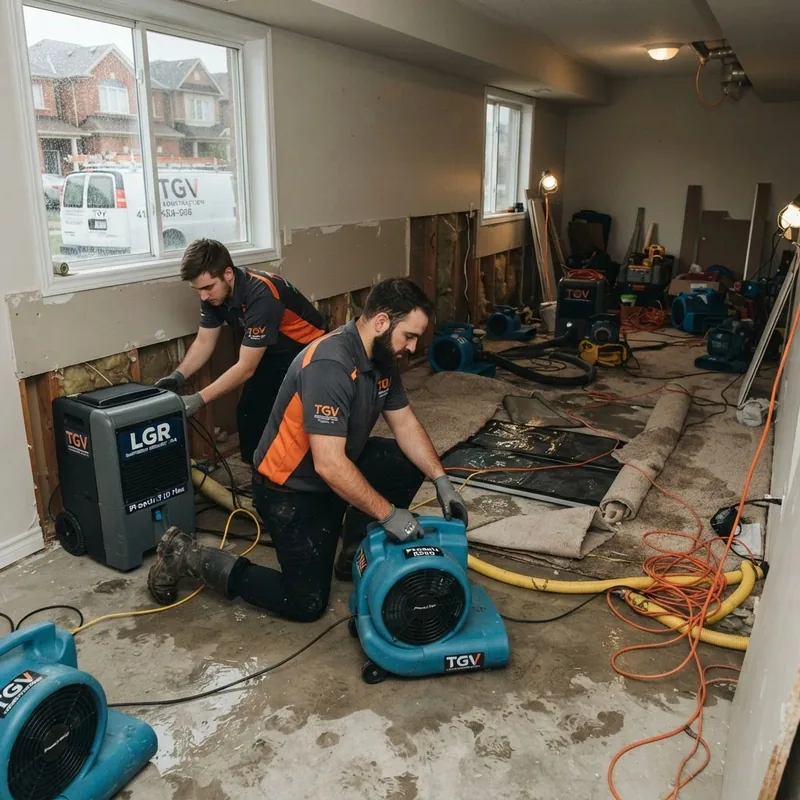
- Standing water is removed quickly with pumps and extractors.
- Debris and unsalvageable or hazardous materials are taken out.
- Temporary supports may be installed to reinforce weakened areas.
3. Moisture mapping, monitored drying, and environmental controls
- Technicians survey all affected areas with moisture meters and thermal cameras.
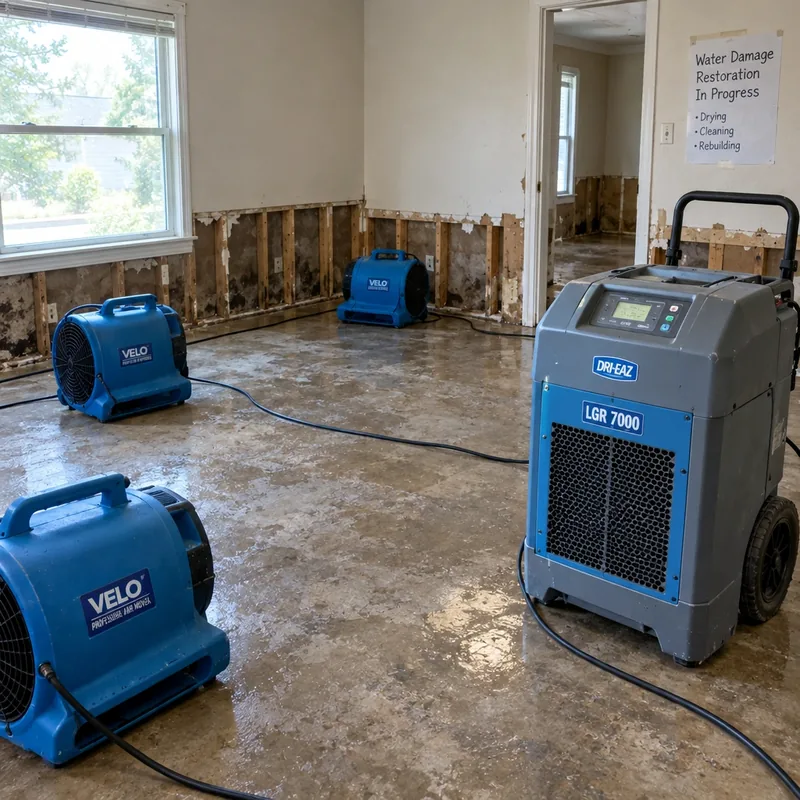
- Drying equipment such as dehumidifiers and air movers is set up.
- Readings are taken daily to track drying progress.
4. Cleaning, mould and asbestos remediation, and contents handling
- Cleaning methods are matched to the contamination (for example, HEPA vacuuming for particulates and wet cleaning for soot).
- Mould is contained and removed following industry standards such as IICRC S520, and asbestos is handled under Ontario’s asbestos regulations.
- Affected contents may be packed out, inventoried, restored off-site, and returned.
5. Repairs, verification, and project completion
- The property is rebuilt and finishes are restored.
- Final moisture readings, photos, and reports are provided.
- The owner or manager receives a project summary, warranty information, and closeout documents.
At a glance:
Assessment and safety → Source control → Extraction and cleaning → Drying and monitoring → Mould or asbestos remediation if needed → Repairs and verification
Understanding Water Damage Restoration
Effective water damage restoration involves much more than drying what’s visible. A professional approach is technical, precise, and well documented.
Identifying the water source and contamination level
Water is classified into three categories:
- Category 1 (clean water): From sources like a broken supply line
- Category 2 (grey water): From appliance leaks or washing machine overflows
- Category 3 (black water): Sewage, river flooding, or any water carrying pathogens or chemicals
The contamination level determines the safety protocols and may require removing more building materials.
Structural drying and moisture verification
- Surfaces and wall cavities are checked with moisture meters, not just by touch or sight.
- Technicians compare affected areas with unaffected “dry standard” materials in the same property.
- Drying equipment runs until readings reach acceptable levels, typically with daily checks over several days.
Documentation that supports insurance claims
Thorough drying logs include:
- The date and time, exact location, material tested, meter reading, and equipment used
- Photos, marked-up floor plans, equipment lists, and drying records
Accurate documentation supports your insurance claim and confirms when the area is ready for repairs.
Moisture measurement FAQ
How do restoration teams know an area is dry enough?
They use calibrated meters to compare readings from damaged areas with readings from unaffected materials in the same property, along with accepted benchmarks for each material type.
Why is thorough documentation so important?
It shows the cause, scope, and progress of the loss, supports insurance claims, and protects both the owner and the contractor in inspections or disputes.
Prompt drying is crucial, since mould can start growing within two days of a water event.
Fire and Smoke Damage Restoration Explained
Restoring a fire- or smoke-damaged building involves much more than surface cleaning and repairs.
Types of soot and residue
- Fires produce dry soot (from paper and wood), oily soot (from plastics and synthetic materials), and protein residue (from cooking fires).
- Each type needs its own cleaning method. The wrong technique can set stains, worsen odours, or permanently damage surfaces.
Odour and contamination control
- Restoration crews use HEPA-filtered air scrubbers, thermal fogging, or sealants to deal with persistent odours.
- Cleaning covers not just visible surfaces but hidden areas like wall cavities and HVAC systems, where odours and contaminants travel.
When is an HVAC assessment needed?
- If smoke or water has reached the air handling system, specialized HVAC cleaning or restoration may be required, following IICRC S590 and manufacturer guidelines.
- Not every smoke event requires whole-system cleaning. A direct inspection and documented findings determine the scope.
Note: Cleaning soot with store-bought products or the wrong tools, without proper PPE, can spread contamination and expose occupants to harmful particles. Leave this work to certified professionals.
Mould and Moisture Remediation Techniques
Mould poses both health and structural risks, and fixing the moisture problem is just as important as removing visible growth.
Find and fix the moisture source
- Remediation always starts with the underlying cause. Leaks, condensation, or groundwater problems must be fixed first.
Contain and properly remove mould-affected materials
- Crews seal off work areas with plastic barriers and run negative air machines to keep spores from spreading.
- Heavily contaminated drywall, carpet, and insulation are carefully removed, bagged, and disposed of according to environmental regulations.
- Remaining surfaces are cleaned with HEPA vacuums and antimicrobial cleaners.
The value of independent environmental verification
- In complex cases, such as multi-unit buildings, occupants with health sensitivities, or legal and insurance disputes, an independent consultant can assess air quality, define the scope, and verify the results.
Industry standards call for more than removal: they require documenting and verifying that both the water problem and the resulting contamination have been resolved.
Choosing a Qualified Restoration Provider
Restoring a property safely and efficiently depends on both technical training and good customer service. When choosing a provider, look for:
Proven expertise
- Are the technicians trained and certified (for example, through the IICRC, WHMIS, or provincial requirements)?
- What does emergency mitigation include, and how do they separate immediate response from permanent repairs?
- How do they document progress, drying, and safety?
Clear separation of mitigation and repairs
- Understand which services stabilize the property and which restore it fully. Ask for clear definitions and written estimates.
Insurance support and communication
- The provider should help with insurance documentation, including logs, photos, and receipts, and coordinate directly with your insurer where appropriate.
- Regular, direct updates keep expectations clear throughout the project.
TGV Construction Group Inc. emphasizes safety, responsive communication, and high standards on every assignment. Learn more about our 24/7 emergency restoration and mitigation services.
Costs, Insurance, and Restoration Timelines
Restoration costs and timelines vary depending on the type of event, the property, regulatory requirements, and insurance factors.
What affects scope and duration
- The size and extent of the damage, the type of water or contaminant (such as sewage, mould, or asbestos), and the building’s construction
- Access challenges, material availability, repair complexity, and permit requirements, all of which can extend the timeline
Estimates and insurance approvals
- Restoration companies provide detailed, itemized estimates after assessing the site.
- Major repairs beyond the emergency phase may need pre-approval from your insurer or property manager.
- Adjusters may ask for schedules, pricing breakdowns, and evidence supporting the necessary repairs.
Documenting claims and change orders
- Keep every receipt, communication log, photo, and written change authorization.
- Update your insurer about any changes to the scope or new findings once work begins.
- Keep all documentation until the claim is fully resolved.
For typical price ranges and budgeting guidance, see our restoration cost guides and educational resources.
Informational note: This information is for guidance only and does not constitute legal, insurance, engineering, or safety advice. Coverage and permit requirements depend on each case and municipality. Always consult your insurer and qualified professionals.
Common Mistakes to Avoid During Restoration
Do:
- Take thorough photos and records before any cleanup or repairs.
- Keep samples or receipts for damaged items and emergency purchases.
- Ask detailed questions about drying standards, hazardous materials, and building permits.
- Clearly separate emergency stabilization from full restoration work.
Don’t:
- Start major repairs or throw items away before they’ve been assessed and documented.
- Enter or disturb unsafe or contaminated areas (electrical hazards, sewage, asbestos, or significant mould).
- Cover up odours or stains with paint or air fresheners. Have professionals address the source.
- Skip confirming that the area is dry and clean before rebuilding or moving back in.
Frequently Asked Questions About Emergency Restoration
What qualifies as emergency restoration?
It includes immediate actions to address hazards from water, fire, storms, or contamination, such as water extraction, site stabilization, and removal of hazardous materials.
How soon should I call a professional?
As soon as everyone is safe. Early intervention limits further damage and speeds recovery.
Does insurance usually cover these services?
It depends on your policy, the cause of the loss, and any required approvals. A qualified restoration provider will document the loss and support your claim, but only your insurer can confirm coverage.
Can I stay in the property during restoration?
Sometimes partial or full occupancy is possible, but many situations require leaving because of debris, air quality, or active repairs. Always follow the guidance of your restoration team and insurer before returning.
When is an independent assessment a good idea?
Consider independent verification for extensive mould, asbestos, unclear air quality, or situations involving multiple parties or legal disputes. Environmental consultants can provide testing, reports, and clearance documentation.
Get Help When You Need It Most
Whether it’s a minor leak or a major disaster, timely professional restoration reduces loss, controls costs, and protects your health. TGV Construction Group Inc. is committed to reliable, attentive service across the Greater Toronto Area and Ontario for projects of any size.
If you need urgent support, have questions, or are ready to start the recovery process, contact TGV Construction Group for emergency restoration help, or call us 24/7 at (905) 669-2727.
This article is informational only and does not provide insurance, legal, engineering, environmental, or safety advice. For property-specific questions or assistance, consult your insurer and appropriately qualified professionals.