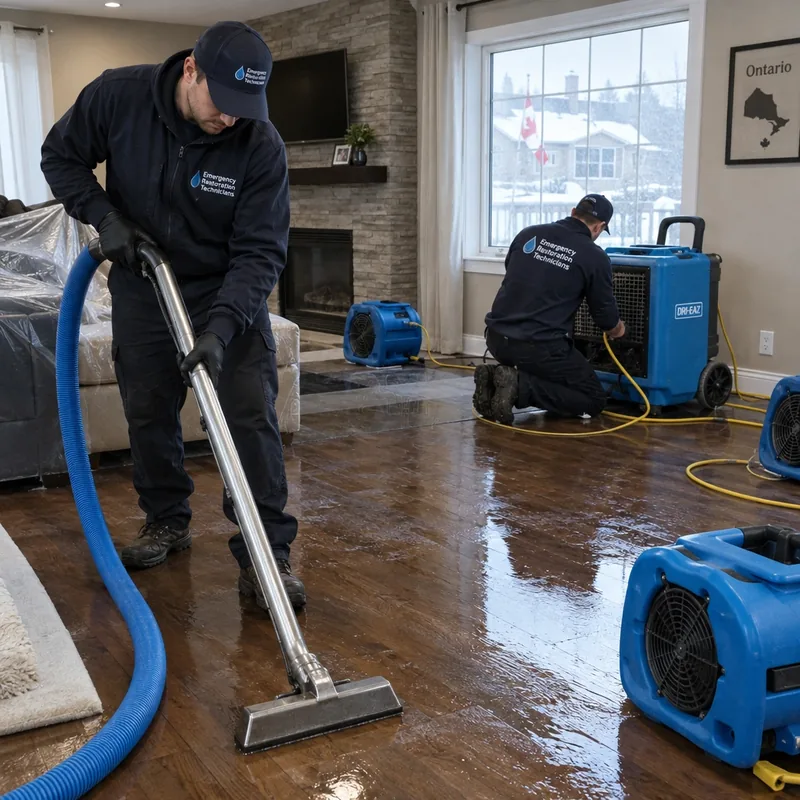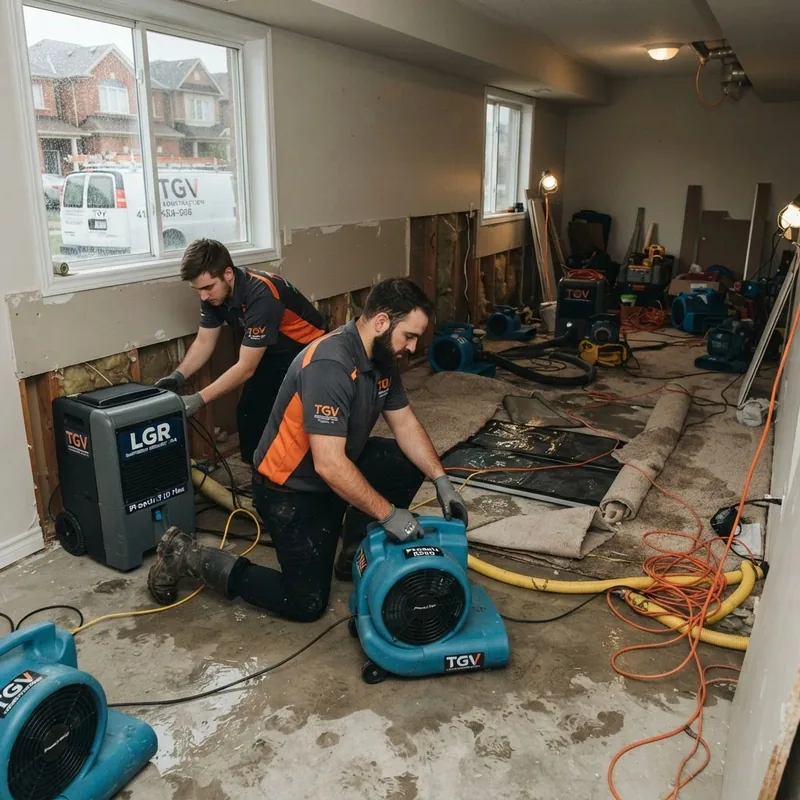
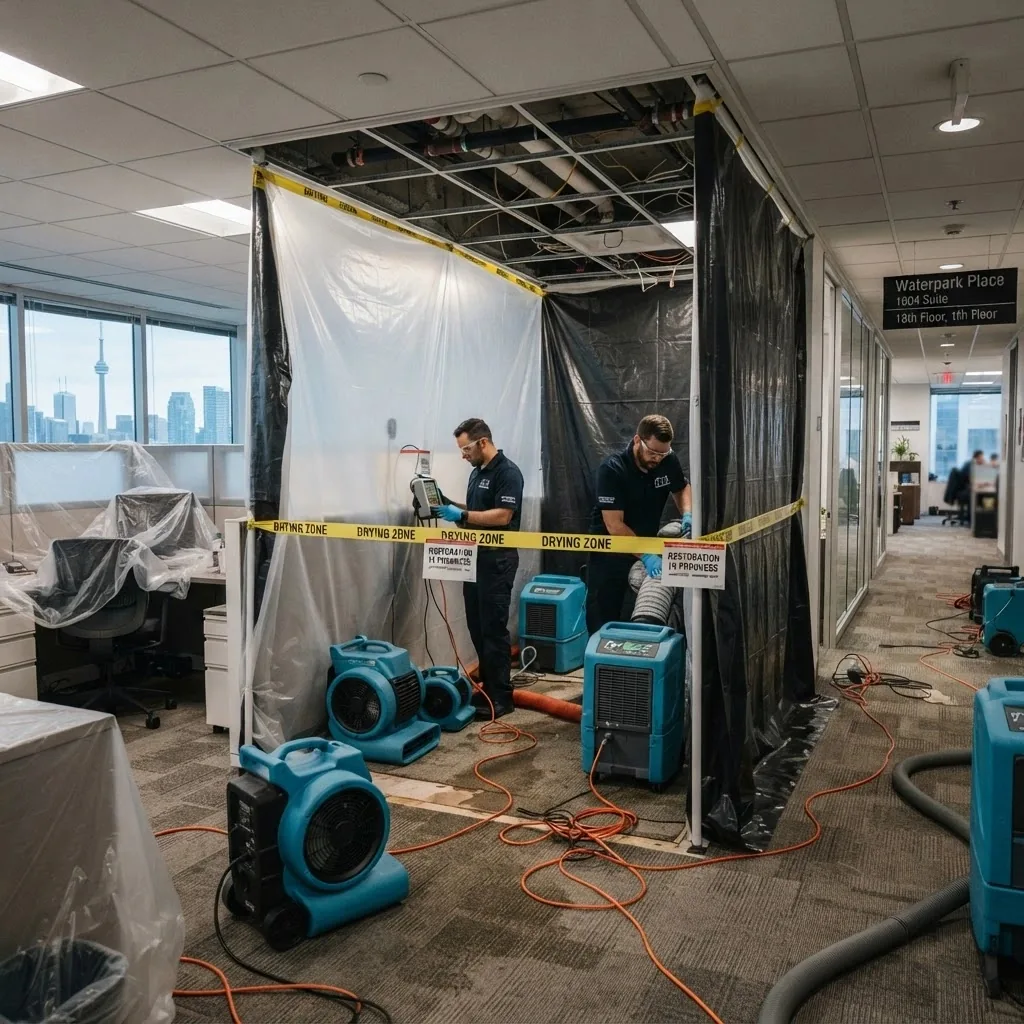
Restoring a commercial property after a fire, flood, storm, or hazardous contamination is a critical process for owners and managers across the Greater Toronto Area and Ontario. An orderly plan protects people, preserves assets, speeds up business recovery, and meets strict local and provincial regulations. Working with an experienced partner like TGV Construction Group Inc. keeps the approach focused on safety, transparency, thorough documentation, and consistent communication.
This guide is for commercial property owners, facility managers, and key stakeholders who need practical direction through the entire restoration process in Ontario. It covers every phase, from the first emergency steps through reopening, and draws on real-world experience from more than 200 completed projects across the GTA. Each step prioritizes regulatory compliance, budget control, and stakeholder satisfaction to support your property and business through every stage of recovery.
This guide is for informational purposes only and does not constitute legal, insurance, or health and safety advice. For regulated issues, consult the appropriate professionals.
Understanding Commercial Property Restoration
Commercial property restoration is a multi-stage process involving legal oversight and coordinated effort from multiple parties. Errors and misunderstandings often happen when roles or compliance obligations aren’t clear.
- Mitigation: Immediate steps to prevent further damage or hazards, such as water removal or boarding up after wind damage.
- Restoration: Returning the property to its pre-loss condition through repairs, cleaning, replacements, and specialized remediation where needed.
- Reconstruction: Rebuilding or replacing structures and systems that have been substantially damaged.
Each phase requires its own planning and records for insurance, budgeting, and compliance.
Who Is Involved and When?
Stakeholder | Main Role | When to Involve |
Property Owner/Manager | Authorizes work, maintains project records | From discovery of the incident onward |
Insurer/Broker | Validates claims, determines covered repairs | Immediately after the incident |
Restoration Contractor | Handles emergency response, restoration, and documentation | During mitigation and restoration |
Licensed Trades (e.g., Electrical) | Makes systems safe, performs regulated repairs | After the site is stabilized |
Environmental/Hazard Specialist | Assesses asbestos, mould, or hazardous substances | Before any intrusive work |
Municipal Authority | Confirms permits and compliance | As early as possible |
Tenants/Occupants | Coordinate access, receive safety and timeline updates | Throughout the project |
Key point: Early coordination with everyone involved reduces delays and creates clarity on approvals, costs, and scope.
Regulatory Overview: Permits, Safety, and Hazardous Materials
Restorations in Ontario, especially in the GTA, must meet strict standards:
- Permits: Structural, electrical, and plumbing changes often require permits. Secure the right approvals as soon as significant work is expected.
- Ontario Building Code: All alterations must comply with the OBC and its requirements for fire safety, energy efficiency, and general safety.
- Designated substances (e.g., asbestos, lead): These are tightly regulated. Under Ontario’s Occupational Health and Safety Act, owners must identify designated substances present on a project site and provide that list to contractors before work is tendered or awarded, and Ontario Regulation 278/05 sets specific rules for handling asbestos. A professional survey may be required if suspect materials are present.
Never allow demolition, removal, or repairs involving possible hazardous materials without a professional assessment, certified abatement, and complete records.
Step 1: Ensure Safety and Prevent Further Damage
Prompt, careful action protects occupants and property value while preserving the evidence needed for insurance or regulatory review. The actions below start the process with safety and compliance in mind.
Immediate Safety and Stabilization Checklist
Restrict access
- Install barriers and clear hazard signage at all entry points.
- Log every entry, especially when emergency crews or contractors need access.
Emergency stabilization
- Board up windows and doors as needed.
- Extract standing water with pumps and set up drying equipment once conditions are safe.
- Disconnect utilities (power, gas, water) where safety is in question, unless they’re needed for temporary systems approved by a licensed trade.
- Provide temporary lighting, heating, or weather protection.
Document everything
- Take extensive, time-stamped photos and videos before touching or clearing any debris.
- Keep damaged materials until insurance adjusters or inspectors give further instructions, unless immediate removal is necessary for safety.
Call in licensed and certified experts
- Bring in licensed electricians or plumbers to assess and address system hazards.
- If there are signs of asbestos, mould, or chemical hazards, have certified environmental professionals evaluate the site before any further work.
Safety compliance: Only certified professionals may handle regulated hazardous materials. Ontario law requires strict safety equipment and containment for asbestos and mould abatement.
For immediate stabilization and damage control, contact our 24/7 emergency restoration and mitigation services in the GTA.
Step 2: Notify and Coordinate Stakeholders
Prompt notification and organized communication speed up claim processing and set clear expectations for everyone involved.
Essential Steps for Timely Notification
Insurance broker or provider
- Notify your insurer or broker as soon as you discover the damage.
- Share the incident details: date, nature and scope of the loss, and affected areas.
- Ask about specific documentation or inspection procedures for the claim.
Tenants, managers, and partners
- Inform tenants or occupants about site access and safety measures as soon as details are clear.
- Provide regular updates on restoration progress, deadlines, and any service disruptions.
- Identify which parts of the property are business-critical and prioritize updates for them.
Assign clear roles
- Decide who has authority to approve emergency expenses and direct contractors.
- Set a single point of contact to make decisions quickly and avoid confusion.
Example Communication Flow
Trigger Event | Responsible Party | Necessary Documentation |
Damage Discovery | Facility staff notify owner/manager | Incident log, photographs |
Insurance Notification | Owner/manager contacts insurer | Policy and claim numbers, images |
Tenant Notification | Owner/manager contacts tenants | Written notices, emails |
Contractor Engagement | Owner/manager/insurer approves | Contracts, scope of work documentation |
Accurate logs of all communications support your claim and reduce delays.
Step 3: Document Damage and Assess Scope
Insurance adjusters, regulators, and contractors all rely on thorough documentation and professional assessments. This step lays the foundation for defining scope, budgeting, and compliance.
Effective Damage Documentation
Photo and video inventory
- Capture overviews and close-ups of every damaged space and item.
- Include identifying details, such as brand and model numbers, on high-value equipment.
- Use timestamps and keep a photo log linked to project events.
Specialist inspections
- Bring in engineers, architects, or environmental consultants to assess:
- Structural safety
- Electrical and mechanical system integrity
- The extent and type of water, smoke, or soot contamination
- Air quality, especially mould or hazardous substances
Get and save all official written reports and recommendations.
Keep emergency and permanent repair work separate
- Use separate logs for immediate mitigation (e.g., water removal) and long-term repairs (e.g., rebuilding walls).
- Separate categories streamline insurance claims and regulatory reviews.
Hazardous material requirements
- Get an asbestos and designated substance survey, especially if the building was built before 1990 or contains any suspicious materials.
- Share survey results with all contractors before work is tendered or awarded.
- Keep copies of all hazardous material reports, clearance certificates, and health and safety records.
Documentation tip: Back up all digital and paper files in secure off-site or cloud storage in case of further incidents.
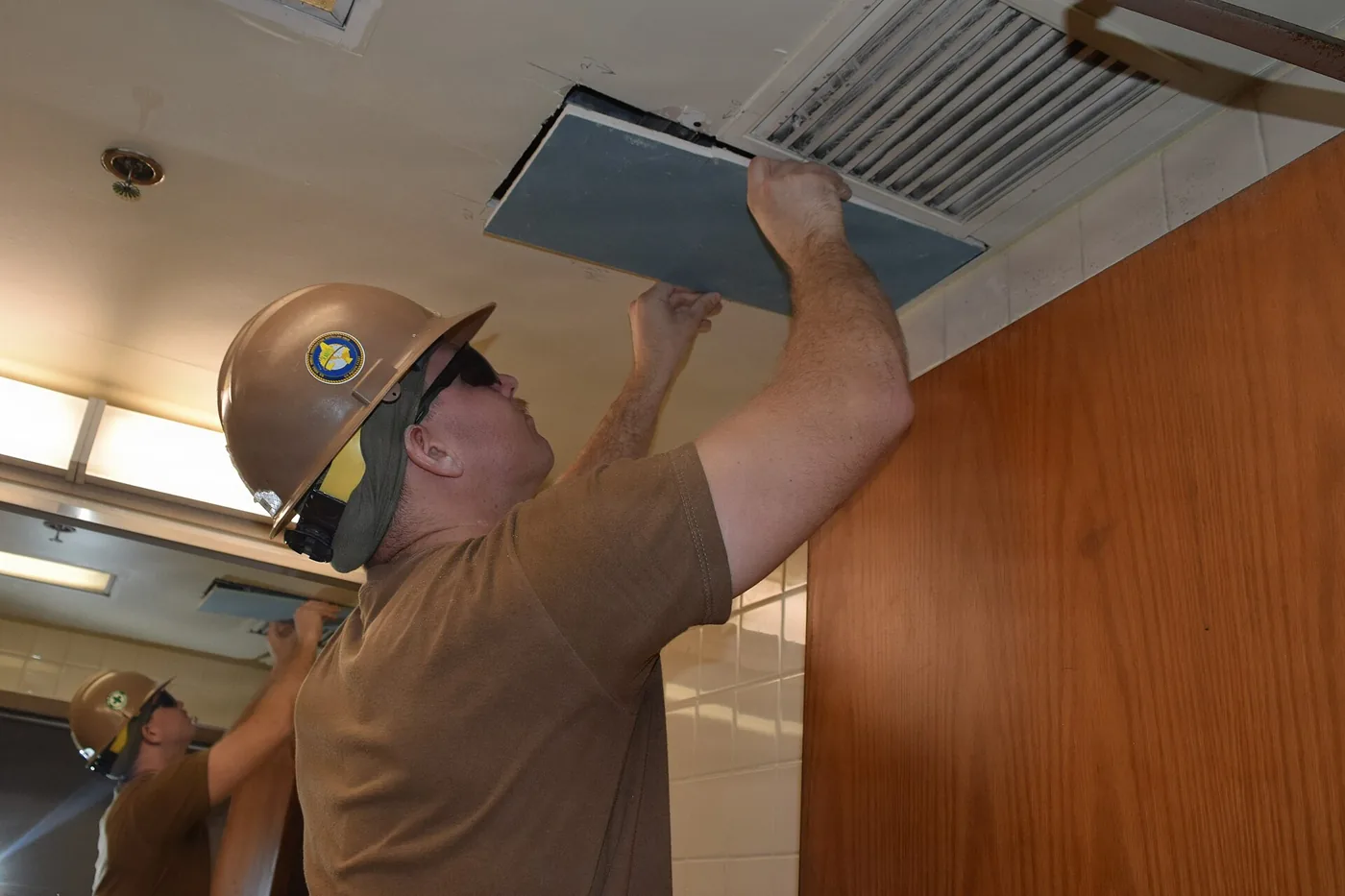
Step 4: Develop a Restoration Plan and Budget
A detailed, phased plan aligns safety, permits, costs, and business needs. Good planning helps you secure funding, meet regulatory requirements, minimize downtime, and control project risk.
Restoration Planning Essentials
Set priorities and task sequence
- Address critical safety repairs (electrical, structural) first.
- Identify and schedule work for areas essential to ongoing business or tenant operations.
- Consider a phased reopening, if possible, to shorten downtime.
Permits and approvals
- Determine which work requires municipal building permits, which are often needed for plumbing, electrical, or fire system repairs.
- Hold pre-start meetings with city departments to clarify expectations and timelines.
- Build time for permit processing and mandatory inspections into your schedule.
Build a comprehensive budget
Include line items for:
- Initial stabilization and emergency cleanup
- Structural repairs or rebuilding
- Remediation (such as mould or asbestos abatement)
- Cleaning or replacing inventory and contents
- Consultant and permit fees, including engineering or environmental reviews
- Testing and clearance documentation
- A contingency for unforeseen challenges
Sample Budget Categories
Budget Category | Typical Items Included |
Site Protection/Emergency Work | Barricades, board-up, water extraction |
Demolition & Disposal | Debris hauling, hazardous waste management |
Remediation | Mould, asbestos, or lead abatement |
Major Structural Repair | Wall and framing repair, roofing, foundation work |
Mechanical/Electrical/Plumbing | Temporary and permanent system restoration |
Interior Finishes | Drywall, paint, flooring, fixtures |
Project Administration | Permits, inspections, consultant fees |
Testing & Clearance Documentation | Air quality and environmental safety reports |
Contingency | Unplanned repairs, overruns |
Timeline contingencies
- Allow plenty of time for drying, cleaning, and air quality remediation before construction begins.
- Factor in lead times for special-order materials or equipment.
- Account for municipal or specialist inspection wait times in each phase.
Clearly communicating these phases to everyone involved, including owners, tenants, and contractors, prevents conflict and missed deadlines.
Step 5: Select Contractors and Manage Execution
Choosing experienced contractors and keeping clear project management protocols in place ensures the restoration moves forward safely, legally, and on time.
Contractor Selection and Coordination
Gather and compare detailed written scopes
- Get itemized proposals and quotes that spell out inclusions, exclusions, and assumptions.
- Compare not only price, but also scheduling, access to licensed trades, and track record on similar GTA projects.
Verify licensing and safety compliance
- Confirm valid business registration, current insurance, and trade licences.
- Assess the contractor’s experience with the Ontario Building Code, hazardous materials (e.g., asbestos, mould), and municipal inspections.
- Check references from similar local restoration projects.
Establish communication and access protocols
- Assign a lead project manager or supervisor to coordinate all parties.
- Set a regular meeting schedule and a fast path for resolving issues.
- Define procedures for site access, change orders, and unforeseen work.
Require rigorous safety practices and record keeping
- Insist on compliance with Ontario Ministry of Labour and local safety rules.
- Make daily project logs, safety checks, and inspection reports available for review.
- Keep clear, accessible documentation of all work, issues, and resolutions.
Contractor Responsibilities
Project Responsibility | Owner/Manager | Contractor/Restoration Team | Notes |
Secure Permits | Shared | Contractor (typically leads) | Confirm in the contract and track status |
Arrange Inspections | Shared | Contractor | Owner may need to provide access |
Maintain Site Safety | Shared | Contractor | Owner monitors and requests regular reports |
Update Project Records | Owner | Contractor | Set a schedule for sharing documentation |
Approve Scope Changes | Owner | Contractor recommends | Formal written change order required |
Work with a provider of comprehensive general contracting and restoration services that delivers transparent communication, thorough documentation, and proven solutions at every phase of recovery.
Step 6: Complete Restoration and Prepare for Reopening
The final phase focuses on certification, documentation, and getting the property ready for staff and tenants to return. A careful closeout supports insurance, warranty, and regulatory compliance.
Critical Closeout Actions
Keep emergency work and permanent restoration separate
- Keep records, invoices, and communications for emergency stabilization and permanent repairs separate for clarity during audits or claims.
Secure all approvals and certifications
- Schedule and pass all required municipal and specialty inspections.
- Get final testing or clearance after mould, asbestos, or hazardous substance remediation.
- Obtain formal sign-off from city inspectors wherever permits were required.
Compile warranties, manuals, and project documentation
- Gather all system manuals, material warranties, and as-built drawings for the property record.
- Keep copies of permits, inspection forms, environmental test results, and closeout letters.
Plan and communicate a phased reopening
- Develop a step-by-step plan for re-occupancy if restoration finishes in stages.
- Notify tenants, staff, and insurers as each area becomes available.
- Update emergency response and maintenance procedures for the restored property.
Best practice: Clear, timely updates at this stage prevent tenant frustration and set the foundation for smooth ongoing facility management.
Common Mistakes to Avoid When Planning a Restoration
Avoiding these traps helps minimize extra costs, delays, and compliance issues:
- Delaying or skipping hazardous material assessment: Early environmental surveys are essential for legal and safety reasons, and they prevent mid-project shutdowns.
- Combining records for emergency work and full repairs: Mixing them complicates insurance claims and budget tracking.
- Missing permits or inspections: Bypassing building department requirements can lead to fines, delays, or having to redo completed work.
- Inadequate communication: Poor information flow between contractors, insurers, and tenants leads to disputes and missed claims.
- Failing to plan for business continuity: Ignoring operational needs and staged reopening slows business recovery.
Addressing these points early supports a smooth, resilient restoration.
Frequently Asked Questions
What’s the difference between mitigation and restoration?
Mitigation covers immediate actions to control or limit further damage, such as structural stabilization or water removal. Restoration covers permanent repairs and refurbishment to return the property to normal operation, and it requires separate planning and documentation.
How soon should the insurance company be notified?
Notify your insurance broker or provider promptly, ideally within hours of discovering the damage, to protect your claim rights and allow the adjuster to inspect before conditions change.
What records are essential during restoration?
- Time-stamped photos and videos of each area and item before, during, and after the work
- Detailed inventories of all damaged items, including serial and model numbers
- Copies of correspondence with all stakeholders (insurers, tenants, contractors, regulators)
- Separate invoices and receipts for emergency work and repair work
- Reports from inspectors and remediation specialists
- Copies of permits, final inspection approvals, hazardous material clearances, and warranties
Are permits always required for restoration work?
Permits are generally required when restoration involves structural, electrical, plumbing, or life-safety changes. Always check with your municipality, such as the City of Toronto, before proceeding.
How is asbestos managed during restoration?
In Ontario, owners are legally required to identify asbestos and other designated substances before work begins that could disturb them, and to share that information with contractors. Only qualified, certified specialists should carry out assessment, abatement, and final clearance, and all documentation must be kept and available for inspection.
How can business operations continue during restoration?
Business continuity planning involves identifying critical functions, prioritizing their restoration, organizing a phased or partial reopening, and keeping occupants, staff, and customers regularly informed about safety and timelines.
For more practical tips and local guidance, browse our restoration insights and cost guides for the GTA.
Begin Your Restoration Planning
Restoring a commercial property in the Greater Toronto Area or elsewhere in Ontario requires expertise, structured project management, and careful compliance with local safety standards. TGV Construction Group Inc. delivers tailored general contracting for restoration, 24/7 emergency response, licensed skilled trades, and the leadership of Tamara Gavrilenko’s team, backed by more than 200 successful projects.
Our focus is on transparent communication, full regulatory compliance, quality assurance, and complete documentation, protecting your property and business at every stage.
Ready to plan your recovery? Request a detailed restoration or renovation quote for thorough guidance from emergency response to project handover. For emergencies, call us 24/7 at (905) 669-2727.