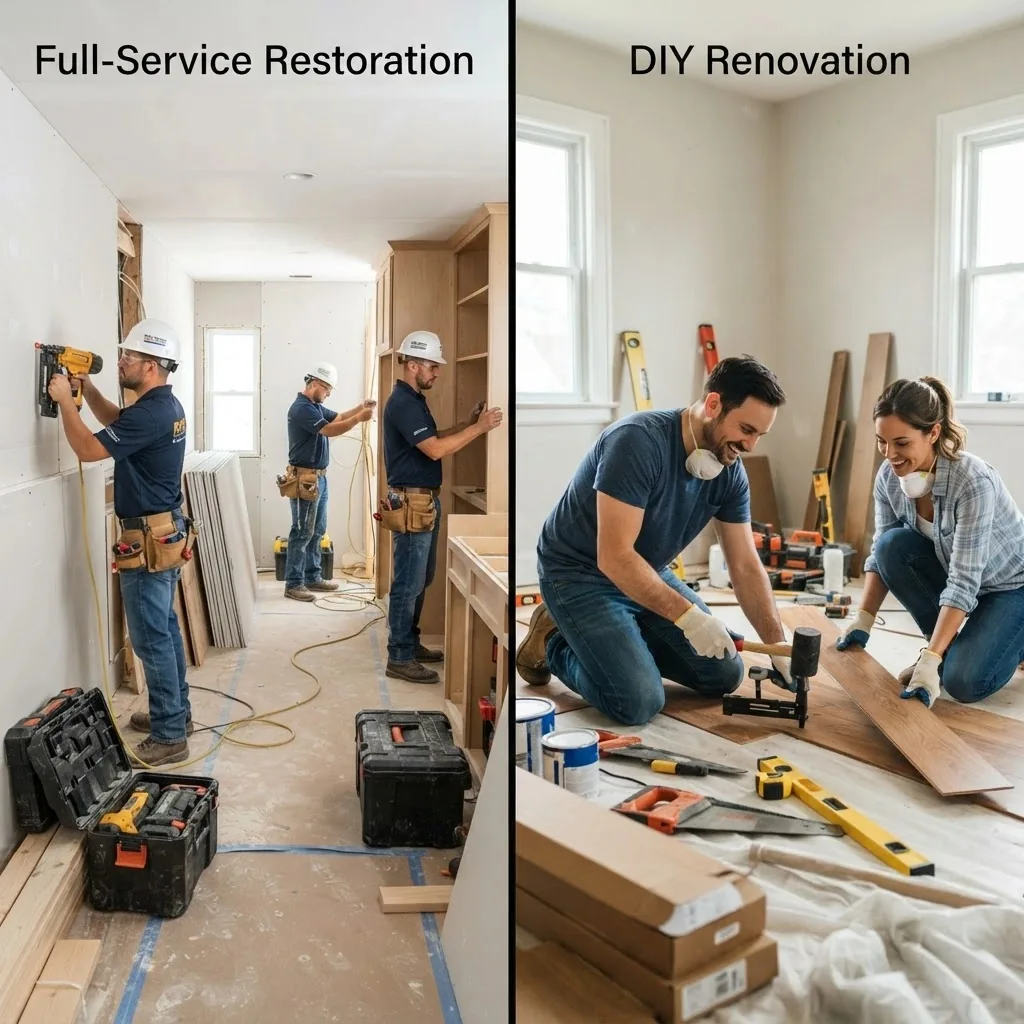
Property damage from water, fire, mould, or severe storms presents immediate challenges for homeowners and property managers throughout the Greater Toronto Area (GTA) and Ontario. When disaster strikes, the decision to restore your property yourself or call in a professional can affect not just repair costs, but safety, property value, and future peace of mind.
Full-service restoration, delivered by experienced firms like TGV Construction Group Inc., provides a coordinated process: emergency mitigation, expert assessment, safe remediation, full repairs, and detailed documentation for insurers. DIY approaches may appeal to those seeking savings and hands-on involvement, especially with minor incidents. However, hidden dangers, persistent moisture, and incomplete repairs can result from inexperience or insufficient tools.
Clear, practical information is essential for owners, managers, and commercial clients making restoration choices after property damage. The following in-depth comparison will help you weigh the right approach for your situation.
Full-Service Restoration vs. DIY: The Key Considerations
Picking between do-it-yourself and professional restoration involves several critical factors. The correct approach depends on the origin, degree, and hazards of the damage, as well as personal safety, available equipment, and insurance requirements.
Overview of Full-Service Restoration
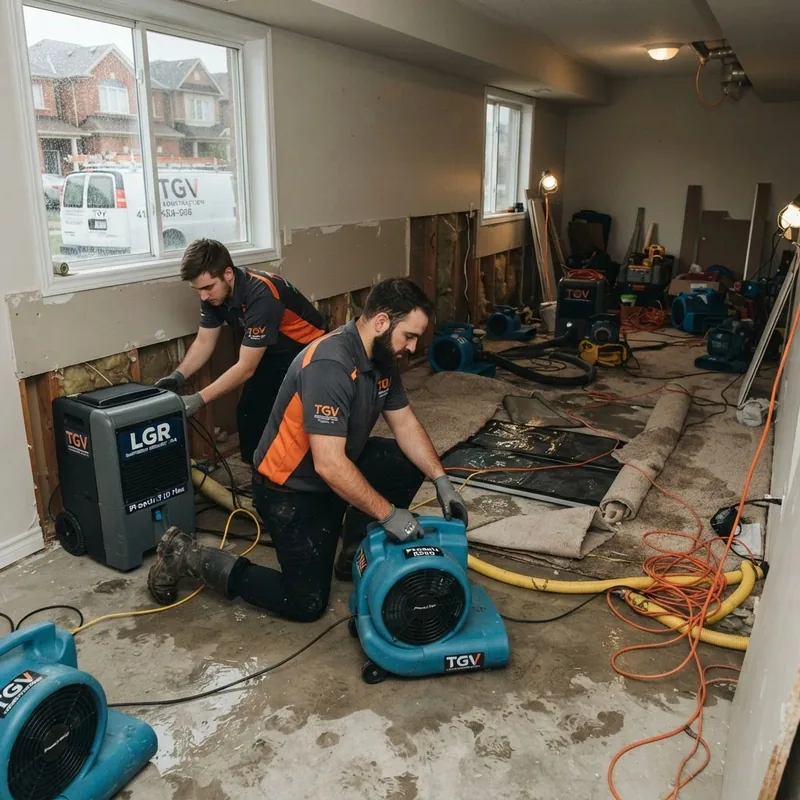
Hiring a professional team such as TGV Construction Group Inc. means every step is coordinated and quality-controlled:
- Rapid on-site emergency mitigation (water removal, structural shoring, or board-up)
- Comprehensive site assessment with commercial-grade sensors (moisture meters, infrared imaging)
- Safe and thorough cleaning, structural drying, and removal of unsalvageable materials
- Remediation for mould and asbestos, biohazards, and hazardous debris
- Complete repairs, reconstruction, and finishing to return the property to pre-loss condition
- Full photographic and technical documentation for insurance and owner records
Consistent communication and customer-centric care throughout
When a DIY Approach Might Be Reasonable
A homeowner or property manager may handle restoration themselves for:
- Very small, clean water incidents, such as a kitchen sink overflow quickly contained and dried
- Scenarios with no evidence of contamination (no sewage, no mould, no chemical risk)
- Projects not involving electrical, gas, or structural hazards
- Situations where all affected areas are easily accessible for cleaning and drying
- Owners with access to suitable drying equipment who can fully document every step
If uncertainty exists about contamination, safety, or the project’s complexity, professional input is recommended.
When Professional Restoration Is Advised
Professional restoration is required or highly advisable in the following cases:
- Water damage from flooding, sewage, or grey/black water sources
- Fire, smoke, or soot affecting building structure or systems
- Suspected or visible mould, asbestos, or other hazardous materials
- Structural instability, including sagging ceilings or damaged framing
- When utilities (gas/electricity) are jeopardized or need controlled shutoff
Incidents where documentation for insurance or compliance is needed
Decision Checklist
Before starting any cleanup, ask:
- Is everyone safe, and is there an immediate hazard?
- Can the damage source be safely identified and stopped?
- Is there a risk of hidden contamination or structural harm?
- Do my insurance and municipality require professional documentation?
- Am I confident I can address moisture, contamination, and repairs fully?
If you’re uneasy or unsure about any of these, it is safer and more effective to seek a trusted restoration contractor.
What Full-Service Restoration Includes
Professional restoration projects follow a sequence designed for efficiency, safety, and insurance acceptance.
Emergency Mitigation and Stabilization
When a loss occurs, the first hours are crucial:
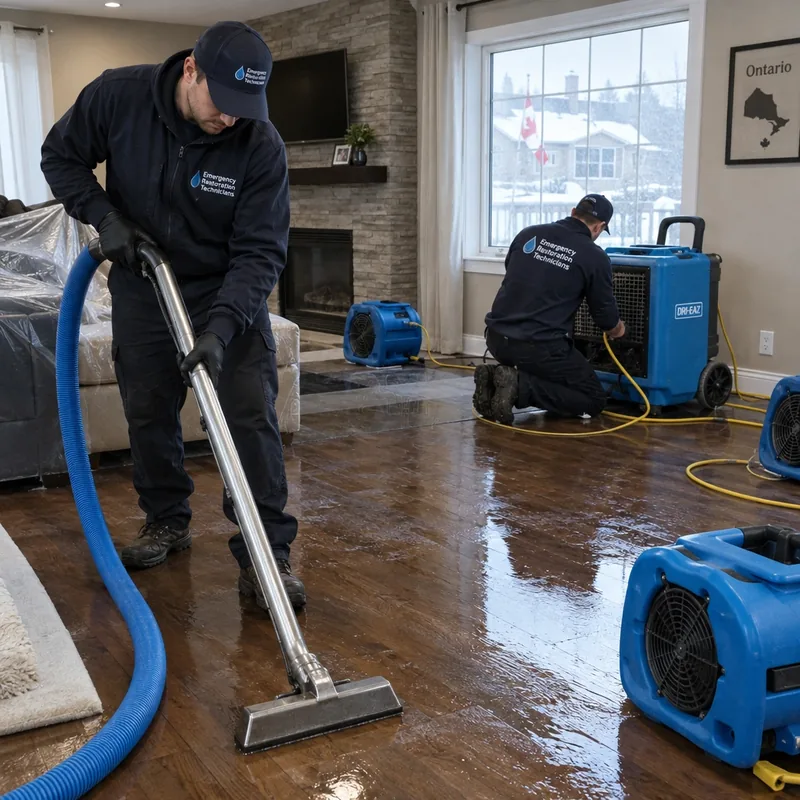
- Quick water extraction with commercial pumps and vacuums
- Securing the property by tarping roofs, boarding windows and doors, or shoring up unstable areas
- Shutting off utilities if needed
Removal of debris and hazardous materials to prevent secondary harm
Assessment, Cleanup, Drying, and Remediation
- Full inspection to reveal the true scope of moisture and contamination
- Advanced tools (moisture meters, thermal cameras) detect hidden water in floors, walls, and cavities
- Careful demolition and removal of materials that cannot be salvaged
- Deep cleaning using antimicrobial solutions and specialized equipment
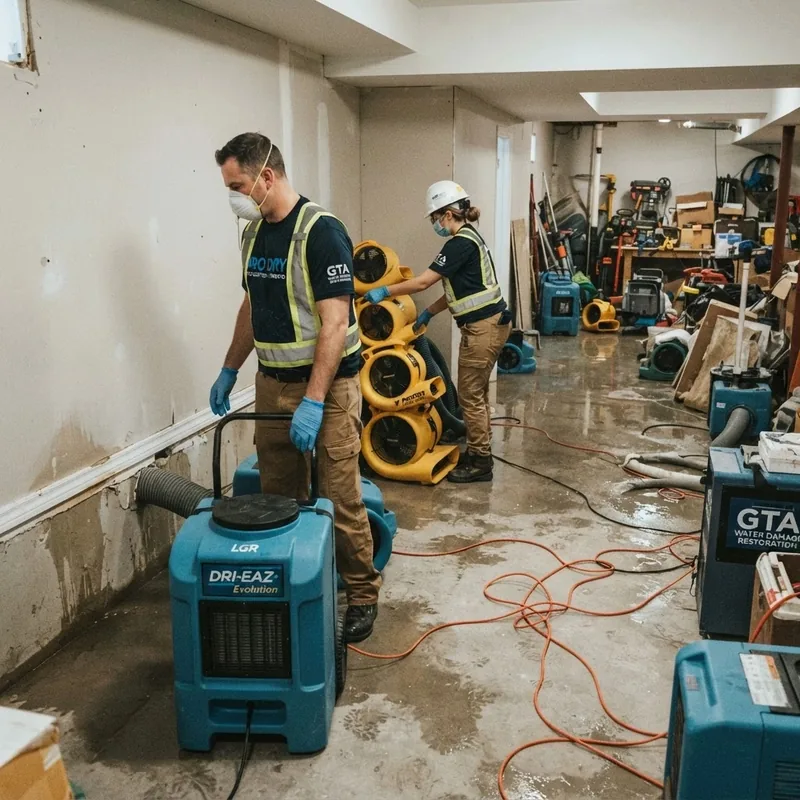
- Structural drying with industrial air movers, dehumidifiers, and targeted airflow, with daily monitoring and records
Addressing mould and asbestos according to regulations, applying safe containment and removal practices
Repairs, Reconstruction, and Documentation
- Rebuilding and refinishing all impacted areas (drywall, floors, cabinetry, paint, exterior surfaces)
- Management of external trades (licensed electricians, plumbers, HVAC)
- Compilation of detailed documentation: photos, dry logs, costs, and insurance-ready itemizations
For an overview of professional offerings and related project types, see TGV Construction Group’s full range of services.
Pros and Cons of DIY Restoration
DIY restoration may sometimes provide cost and scheduling flexibility but carries serious caveats.
Potential Benefits
- Lower up-front spending: no contractor fees or project management surcharges
- Opportunity to address minor issues promptly and personally
- Ability to control material selection and repair method
Full access and oversight, for those with the skills and attention required
Main Risks and Drawbacks
- Undetected moisture: incomplete drying below floors or inside walls can cause hidden mould
- Inadequate disinfection: viruses and bacteria may linger after unskilled cleaning
- Danger of handling contaminated water, fire debris, or unknown substances
- No access to commercial drying equipment or HEPA filtration
- Lack of technical knowledge: risk of missing electrical, gas, or structural hazards
- Inadequate documentation: may undermine insurance claims or resale value
Secondary and escalating costs: mistakes may lead to more expensive future repairs
Key Cautions
DIY is never recommended if:
- Water is contaminated (sewage, stormwater, chemical leaks)
- Smoke, soot, or fire residues are present
- Mould or asbestos is suspected
- There are structural or electrical safety risks
You are unable to fully document and monitor the restoration process
Advantages and Disadvantages of Professional Restoration
When restoration is left to verified professionals, clients receive thorough, safe service; however, it involves investment and possible short-term inconvenience.
Strengths of Professional Services
- Advanced diagnostic tools (infrared, sensitive moisture meters) catch hidden damage
- Trained, certified teams apply industry protocols, essential when addressing major water and flood, fire and smoke, mould and asbestos, or wind and storm events
- Thorough project management, with a single liaison coordinating all phases
- Insurance-ready documentation and efficient claims communication
- Commitment to safety first for all occupants and workers
Adherence to permitting, occupational health, and Ontario Building Code standards
Potential Disadvantages
- Service fees, materials, and specialized remediation costs are higher than DIY expenses
- Some portions of the property may be inaccessible during the project
Schedules depend on both the extent of damage and trade availability; complex jobs may take multiple weeks
Verifying a Professional Contractor’s Scope
Before hiring, ask for:
- A complete written scope and breakdown of service phases
- Full credentials (licensing, insurance, certifications like IICRC)
- An estimated start-to-finish timeline with explained allowances and contingencies
- Clear procedures for progress interruptions or unforeseen discoveries
Documentation guarantees (photos, dry logs, work orders)
DIY vs. Professional Restoration Comparison
Factor | DIY (When Possibly Suitable) | Professional Restoration (Main Situations) |
Damage size | Very limited, localized, no hidden spread | Multilevel, complex, or hidden moisture migration |
Water source | Clean and quickly contained | Grey/black water, sewer, flood, storm |
Materials | Modern, hazard-free, easy access | Pre-1990s construction, possible asbestos or mould |
Equipment | Basic fans, household tools | Commercial dehumidifiers, air scrubbers, HEPA filtration |
Documentation | Basic photos, logs | Full technical logs, photos, insurer compliance |
Safety risk | None identified | Any electrical, structural, or hazardous-material risk |
Insurance needs | No major claim expected | Major insurer-required investigation |
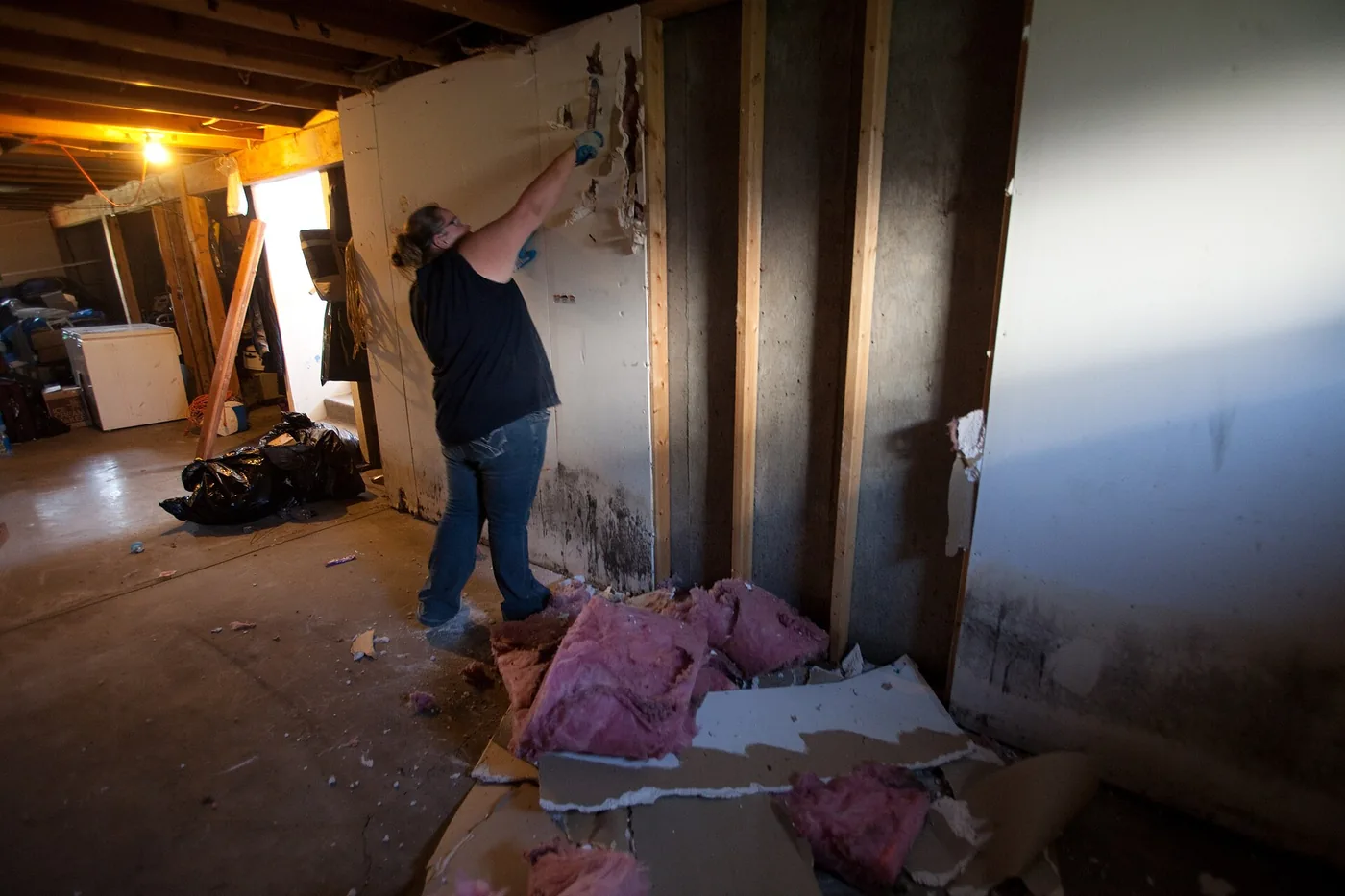
Choosing the Right Approach Based on Damage Type
A clear assessment of the nature and origin of property damage drives the best restoration plan.
Clean Water, Isolated Incidents
- Overflow from a fixture, quickly stopped, with no apparent spread to walls or subfloors
- DIY can be considered if the water is clean, there’s no building or electrical impact, and the area is less than a few square metres
Use a moisture meter to verify dryness, and photo-document every step for possible insurance review
Sewage, Flood, or Suspect Water
- Backups, street flooding, or any water with odour, silt, or colour
- DIY is not appropriate; the water may harbour dangerous bacteria, chemicals, or pathogens
A full professional response is needed for proper removal, disinfection, and legal disposal
Fire, Smoke, and Soot Damage
- Soot penetrates deep into surfaces and ventilation systems
- Cleaning without prescribed methods may spread toxins and create unseen health risks
Qualified assessment is vital for full removal and odour abatement; properties often need air monitoring before reoccupation
Mould and Asbestos
- Any visible, suspected, or odour-related mould must be treated as a hidden risk
- Older properties in the GTA may hide asbestos in floor tiles, insulation, or ceiling finishes
Only licensed, trained professionals with proper containment and PPE should address these hazards
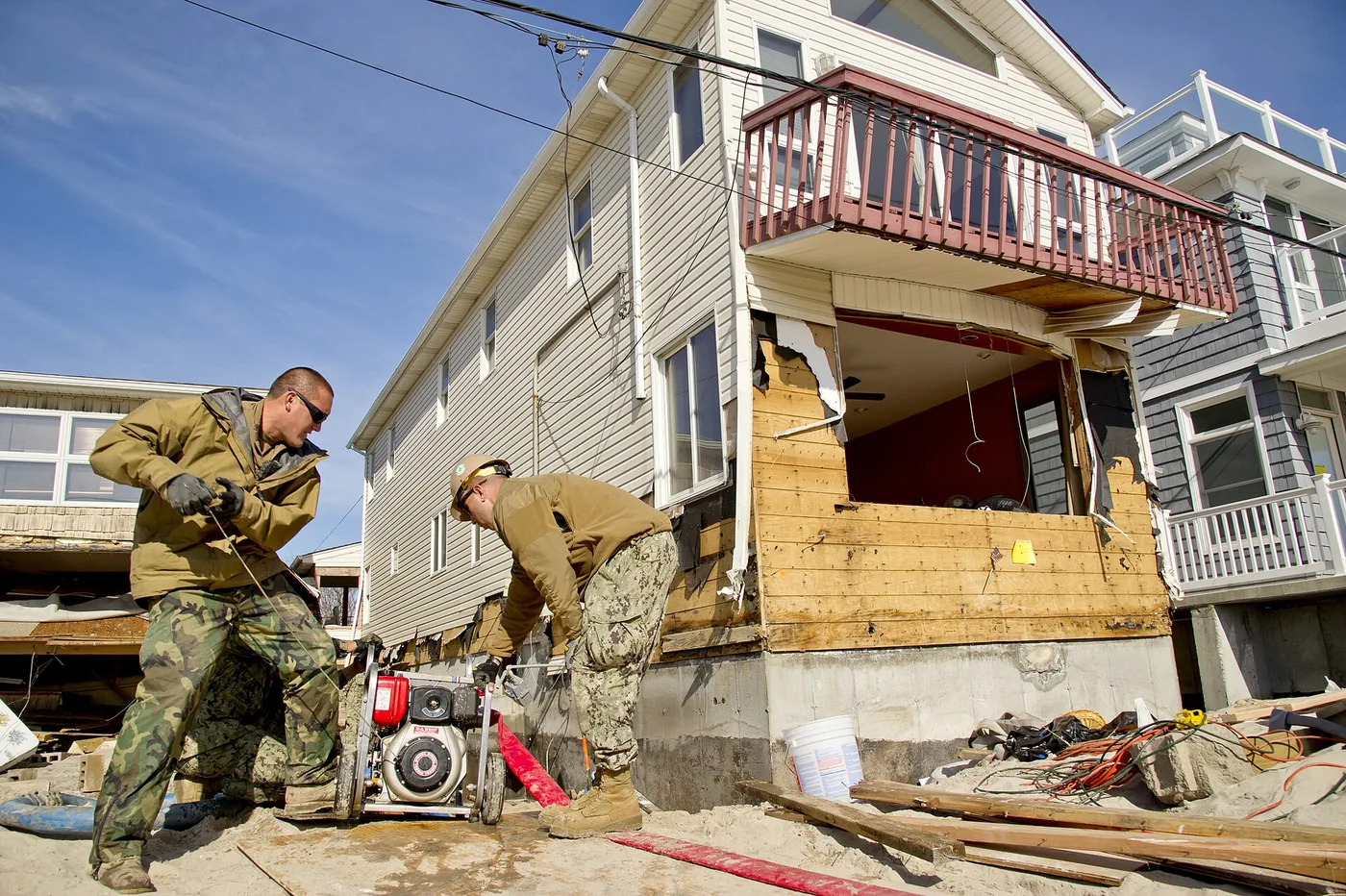
Wind, Storm, and Structural Events
- Roof, siding, and window breaches may let water into concealed areas, compromising structural members
Storm damage should prompt immediate stabilization and full assessment, since delays can increase both cost and hazard
Immediate Steps After Property Damage
Responding quickly and methodically after property loss greatly reduces both risk and final cost. Use this sequence:
- Ensure personal safety. Evacuate if there’s danger from structural failure, fire, floodwater, gas leaks, or live electricity.
- Stop the loss at its source, if and only if it’s safe to do so (close valves, shut off power or gas).
- Photograph and video all affected areas before moving contents. Document the damage origin, room location, and time.
- Contact your insurer promptly. Provide policy details, explain the circumstances, confirm required documentation, and ask about preferred contractors if applicable.
- Limit further damage if possible. Relocate unaffected items and restrict access to contaminated or unsafe areas. Document all protective steps and expenses for your claim.
For after-hours events or widespread damage, don’t wait. Secure 24/7 emergency restoration and mitigation services to safeguard your interests.
How to Select a Trustworthy Restoration Contractor
Even under stress, careful vetting of your restoration partner protects both property value and claim outcomes:
- Request clarity: Which phases are included: emergency mitigation, cleaning, microbial remediation, full repairs?
- Check credentials: Insist on up-to-date certifications (like IICRC), WSIB coverage, and adequate liability insurance.
- Demand a detailed written scope and estimate: Insist on itemized pricing, clear terms, and identification of all trade partners and subcontractors.
- Review documentation policies: Will you receive daily status updates, moisture readings, and photo records?
- Confirm permits, testing, and trades: Ask who handles municipal permits and electrical and asbestos checks, and whether third-party environmental oversight will be used.
- Ask openly: A credible company welcomes transparency on cost, timeline, remediation methods, and specialized risks.
If you want a full, transparent, and commitment-free assessment, request a free quote for your restoration project. TGV Construction Group Inc. provides prompt, reliable insight and planning across the GTA and Ontario.
Frequently Asked Questions
What services does full-service restoration cover?
Services can include rapid mitigation, water and debris removal, deep cleaning and disinfection, structural drying, mould and asbestos remediation, full repairs, and completion documentation. Every situation is different, so ask for a specific written breakdown.
Is DIY cleanup ever recommended, and when should you not try it?
DIY efforts may be reasonable for small, clean water incidents if the damage is contained and there are no safety or contamination concerns. Never attempt DIY for any event involving sewage, fire residues, suspected mould, or complicated repairs.
How do I document damage and communicate with insurers?
- Photograph every impacted area, including wide and close-up shots
- Keep a written log of actions and mitigation steps by date and time
- Keep receipts and notes from conversations with insurance representatives
Confirm with your provider which documentation standards apply to your incident
Are there safety risks with household drying methods?
Yes. Household fans and dehumidifiers lack the power to dry inside walls and under flooring, risking future mould growth and decay. Professional systems provide controlled airflow, humidity tracking, and full drying logs.
How can I confirm walls and floors are thoroughly dry?
Visual checks are unreliable, because moisture may be trapped out of sight. Certified restorers use advanced meters, reference measurements, and logged readings to confirm structural dryness before repairs begin.
What should I know about insurance coverage for restoration work?
Coverage depends on your specific policy, how quickly mitigation starts, and whether insurer guidelines are followed. Never assume coverage; always ask for confirmation and approve only permitted work. This information is general, so consult your insurance provider for your specific requirements.
When is temporary relocation advisable?
Known contamination, major demolition, air quality concerns, or loss of essential services may require a temporary move. Follow your contractor’s and insurer’s recommendations.
What questions should I ask before approving restoration work?
- Is the estimate complete, or are certain services billed as extras?
- Which work is needed immediately to limit further damage?
- How will milestones and completion be reported?
- Who will provide ongoing updates and answer questions?
- Are safety certifications and government permits in place?
- What warranties or post-completion support are offered?
Looking for more depth? TGV Construction Group’s restoration guides and tips provide project examples, best practices, and further advice.
Contact and Support
Taking control after property damage starts with reliable facts, clear planning, and a team that delivers results. TGV Construction Group Inc. stands behind every project with proven expertise in general contracting, emergency mitigation, restoration services, and renovation and reconstruction throughout the GTA and Ontario.
Every client receives a dedicated, customer-centric approach, from the first call to final inspection. With “Safety First” always at the forefront, TGV delivers prompt, organized, and fully documented solutions, with 24/7 emergency services.
For trustworthy guidance, detailed quotes, and to discuss your restoration or reconstruction needs, contact TGV Construction Group for expert consultation.
Every minute counts when safety, health, or significant property value is on the line. Get in touch for specialized support, so you can navigate restoration with confidence and clarity.