When a water emergency affects your property in the Greater Toronto Area or anywhere in Ontario, swift action is vital - not only to limit distress but also to control future repair costs and protect your investment. Water from a burst pipe, foundation leak, or sudden storm can rapidly seep through hidden spaces, infiltrating walls, subfloors, insulation, and contents. The consequences of even minor delays can be severe, resulting in structural deterioration, persistent odours, and expensive mould remediation - problems that often remain hidden until they escalate.
Many homeowners and business operators are tempted to wait, hopeful that a damp area will air-dry on its own or that a quick pass with a towel or household fan will suffice. Yet even a few hours of hesitation can set the stage for much more extensive repairs. In the humid Ontario climate and with unpredictable weather swings, risks compound rapidly - especially in basements and older structures found throughout Toronto and neighbouring communities.
Efficient Emergency Mitigation is not about unnecessary haste. It’s about precise, well-informed steps to minimize permanent harm. At TGV CONSTRUCTION GROUP INC. - founded and led by Tamara Gavrilenko - we understand the stress such incidents create. With years of experience and a local presence, our specialists have restored hundreds of residential and commercial properties, earning a reputation for Customer Satisfaction, Quality Assurance, and trust across the GTA. Learn how expertise makes the difference at About TGV Construction Group Inc..
Why Quick Water Damage Mitigation Saves You Thousands
Every minute after water damage occurs, the potential for major loss increases. Immediate action helps limit the scope, cost, and health risks of restoration. Here’s why rapid mitigation is so effective:
- Water migration is faster than many realize: Within minutes, liquid seeps beneath baseboards, into drywall cavities, under floors, and behind built-ins.
- Secondary damage is time-dependent: Mould organisms can multiply within 24–48 hours, and wood or drywall can begin to degrade.
- Delays multiply costs: The longer moisture remains, the more surfaces and systems become affected, driving up repair and material expenses.
Recognized industry standards (like the IICRC S500) and Health Canada advisories stress that most building materials and contents need drying within 48 hours to keep damage - especially from mould and bacterial growth - under control. When drying is delayed, professional intervention becomes more complex and expensive due to deeper, often concealed damage.
How Water Spreads Beyond What You See
- Gravity sends water to low points - into basements, crawl spaces, and beneath floors.
- Porous materials (such as drywall, wood, and carpet) absorb and distribute moisture horizontally and vertically through capillary action, reaching spots far from the original leak.
- Hidden areas, including wall cavities, insulation, floor assemblies, and behind built-in cabinets, act as reservoirs for trapped water, frequently escaping detection without professional equipment.
- Long-term moisture in enclosed spaces fosters ideal conditions for mould and rot, which aren’t always visible early on, especially where vapour barriers or older assemblies are involved.
Secondary Damage Risks That Escalate with Delay
Acting quickly reduces or prevents these consequences:
- Mould development: Even clean tap water supports mould growth in damp drywall, carpeting, and upholstery within 24–48 hours.
- Structural degradation: Subfloors, joists, and studs may lose strength as wood swells, warps, or decays with prolonged exposure.
- Deterioration of finishes and personal items: Flooring, cabinetry, electronics, papers, and furnishings can reach a point where restoration is no longer possible.
- Odour and indoor air quality concerns: Persistent moisture fosters odours and unhealthy airborne contaminants, which can linger even after visible water is removed.
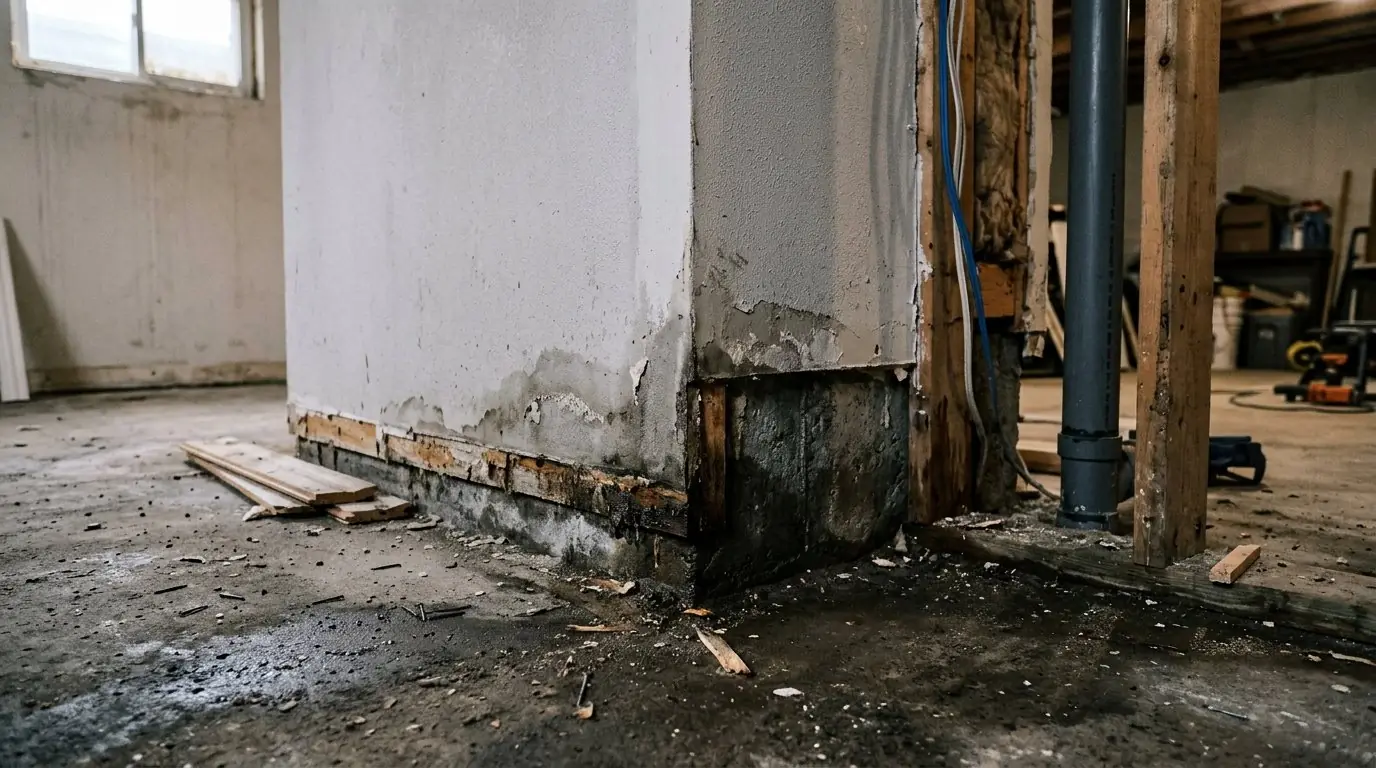
Drying Timelines and Their Impact on Restoration Costs
| Stage | Action & Conditions | Impact on Restoration and Expenses |
|---|---|---|
| Immediate | Stop water safely, document damage, begin assessment | Limits secondary spread, increases insurance claim success |
| Within 24 hours | Remove standing water, start intense drying | Keeps repair restricted to affected finishes, reduces demo or loss |
| 24–48 hours | Continue drying, monitor hidden areas | Still possible to contain issues, but risk of hidden moisture rises |
| After 48 hours | Risk of active mould growth, deeper material decay | Larger areas affected, more extensive repairs and cleaning required |
| Before rebuild/repairs | Confirm all materials are dry and hazard-free | Prevents concealed mould or odour beneath new finishes |
A prompt and organized approach almost always saves on overall cost and disruption, especially compared to discovering secondary problems weeks or months later.
Immediate Steps to Take After Water Damage Occurs
Knowing what to do in the first minutes and hours can make a crucial difference in recovery. Here’s a step-by-step guide to managing an incident as safely and effectively as possible:
-
Ensure safety first
- Stay clear of flooded rooms where electricity may be live or structural hazards exist.
- Never touch outlets, switches, or the electrical panel in damp areas.
-
Stop the water source if it is safe
- Turn off your main water valve to halt continued inflow.
- If plumbing is inaccessible or damage is ongoing (such as rain intrusion), wait for help rather than risking injury.
-
Document damage thoroughly
- Photograph all wet areas, soaked belongings, and weather or plumbing conditions that contributed.
- Record discovery times, who was present, and actions taken (including shutting off water).
-
Contact your insurance provider promptly
- Notify your insurer as soon as possible and follow their advice on documenting loss and performing emergency mitigation.
- Retain all communication records.
-
Limit further exposure and contamination
- Move valuables and unaffected items from wet zones, but avoid cross-contaminating other spaces.
- Do not use central HVAC or fans if there’s risk of spreading contaminants or if the equipment is wet.
-
Arrange for professional restoration assessment and drying
- Reach out to certified restoration experts trained in moisture detection and safe remediation.
- Don’t rely on sight or touch alone - the inside of walls or flooring can remain wet long after the surface appears dry.
-
Gather receipts, notes, and communications
- Retain invoices for any services or materials used in mitigation, as well as costs of temporary accommodation if applicable.
Taking these steps not only limits the scope of damage but also positions you for an efficient insurance claim process and the best possible outcome during restoration.
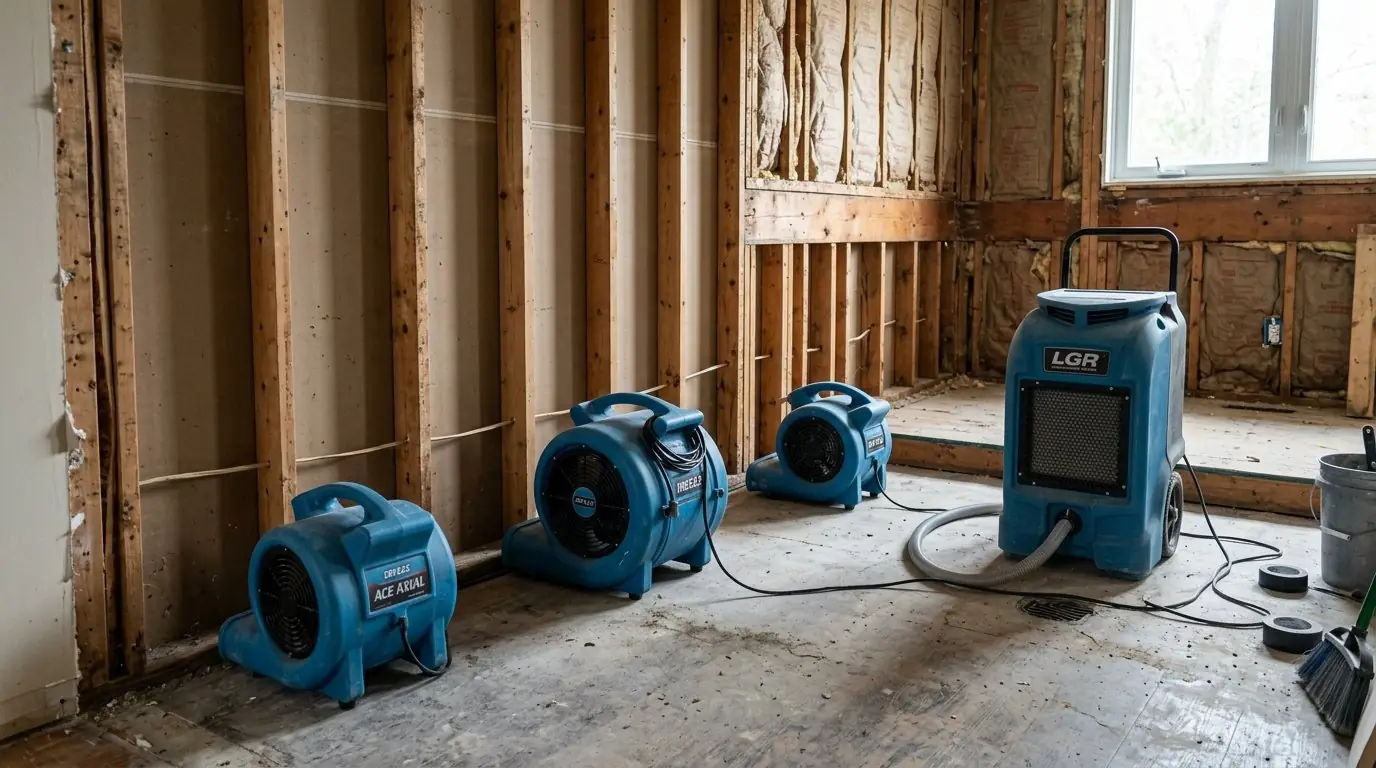
Professional Water Damage Mitigation and Restoration Process
Addressing water intrusion involves technical skill and specialized equipment to ensure a safe, thorough result. Here’s an overview of what professionals do:
-
Inspection and Moisture Assessment
- Certified technicians use moisture meters, thermal imaging cameras, and direct inspection to find all affected areas, often uncovering damage that would be impossible to detect otherwise.
- Sources and categories of water (from clean supply lines to contaminated floodwater) are assessed to determine safety procedures and scope.
-
Water Removal and Material Handling
- Industrial pumps and vacuums extract standing water swiftly, minimizing secondary spread.
- Affected materials are evaluated for restoration: hard surfaces are disinfected and dried, while porous materials like saturated insulation or extensively wet drywall are carefully removed to avoid trapping moisture.
- Salvageable contents may be moved and cleaned offsite.
-
Drying, Dehumidification, and Monitoring
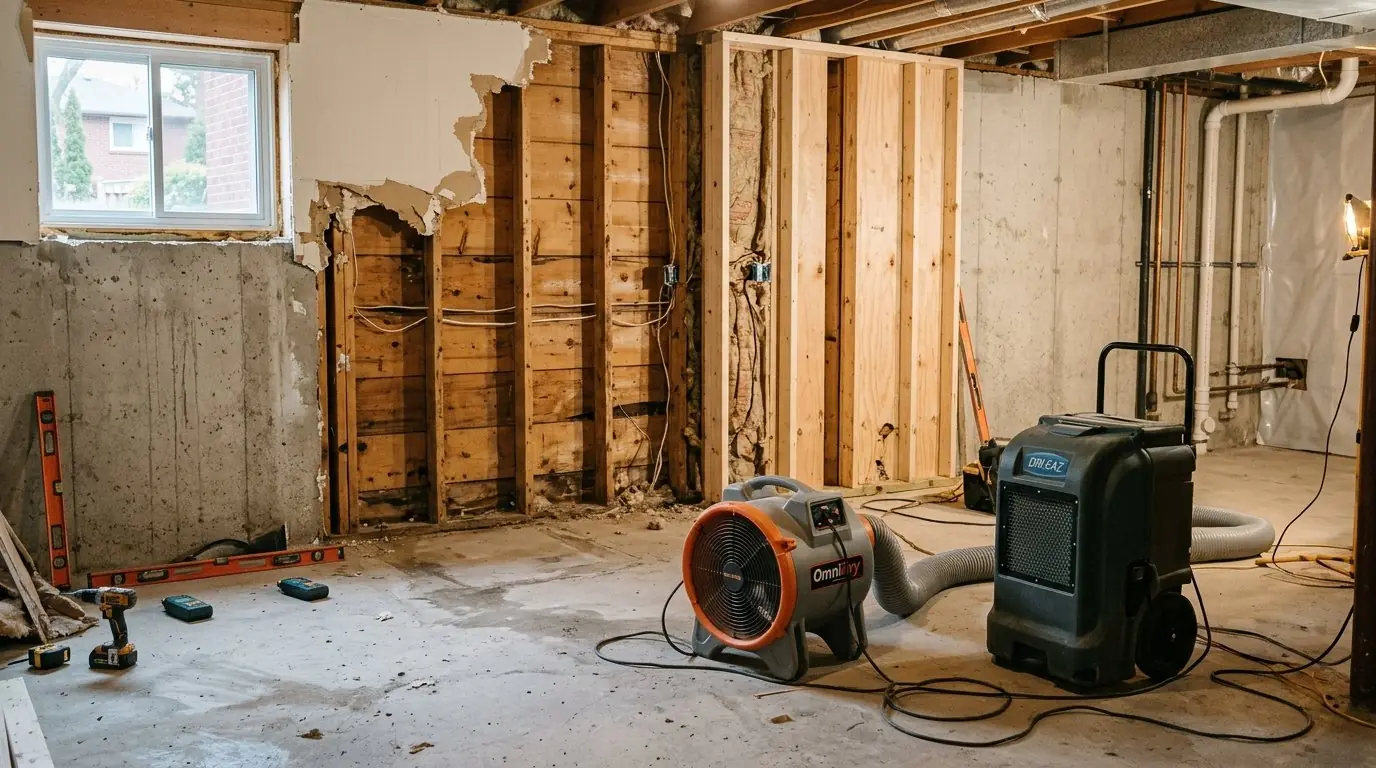
- Air movers and dehumidifiers are positioned based on IICRC S500 standards for rapid, even drying.
- Monitored drying includes regular mapping of moisture levels using digital meters to establish safe conditions for every material - rather than relying on subjective judgment.
- This process can take from a couple of days for minor incidents to a week or more when water has penetrated deep structures.
-
Final Verification and Clearance
- Before walls, floors, or ceilings are closed up (repaired or refinished), professionals retest to ensure no excess moisture remains.
- Additional steps are taken where there is evidence or risk of mould, following strict safety standards and Ontario regulations.
-
Post-Mitigation Repairs
- Once cleared, permanent repairs to flooring, drywall, cabinetry, or paint can begin, restoring the property’s appearance and structural soundness.
Learn what comprehensive emergency response looks like, including details about Ontario safety and reporting standards, on our 24/7 Emergency Restoration & Mitigation Services page.
Factors Influencing Water Damage Mitigation Time and Cost
The cost and timeline of water mitigation in homes and businesses across Toronto and Ontario are shaped by several critical variables:
-
Type and category of water
- Category 1 (clean water) from supply lines is lower risk.
- Category 2 (grey water) from appliance overflows poses moderate contamination risk.
- Category 3 (black water) from sewage or floodwater requires stringent controls due to health hazards and increased scope.
-
Duration of water exposure
- The longer water sits, the more deeply it penetrates porous materials, requiring more materials to be replaced rather than dried.
- Fast discovery reduces the need for demolition.
-
Building construction and materials
- Drywall, wood framing, carpet, and underlayment soak up water quickly and can support mould if not promptly dried.
- Concrete and non-porous finishes may withstand brief contact if water is removed quickly.
- Older Toronto-area properties may contain legacy materials (such as plaster and asbestos-based finishes) that require specialized approaches.
-
Extent and accessibility of affected areas
- Restoration timelines and costs rise with the scale of the incident, building complexity, and how easily technicians can access hidden spaces.
- Multi-unit or commercial properties may introduce logistical considerations and phased work.
Examples: A minor leak promptly contained in a tiled bathroom could require only drying and minor refinishing. In contrast, an undiscovered pipe burst saturating a finished basement might necessitate large-scale demolition, advanced drying, and complex restoration, especially if electrical or HVAC systems are affected.
Acting swiftly is the single most effective way to keep these variables manageable and mitigate cost escalation.
Common Mistakes That Increase Water Damage Costs
Every year, property owners make avoidable errors that turn manageable water issues into costly repairs. Being aware of these pitfalls helps you avoid unnecessary expenses:
-
Waiting too long before acting
- Delays beyond 24–48 hours virtually guarantee moisture-related issues and raise the odds of denied insurance claims if mitigative action was not taken.
-
Conducting repairs without certified drying
- Applying new drywall, paint, or flooring before professional moisture clearance seals hidden dampness - creating new pockets for mould and degradation.
-
Overlooking areas of concealed damage
- Assuming only visible wet spots matter misses water behind walls, beneath cabinets, or inside floor assemblies.
-
Attempting DIY cleanup without the right knowledge or tools
- Using shop vacs or household fans can leave deeply soaked materials untreated, stir up spores, or - if electrical systems are still moist - create hazards.
-
Discarding affected items without documentation
- Without photos or inventories, insurance claims for lost contents may be denied or disputed.
-
Reoccupying areas too soon
- Premature use of rooms or systems can worsen secondary damage or compromise health, especially for children, seniors, or those with allergies.
Knowledge, thorough documentation, and a methodical approach - supported by qualified professionals - are the best defence against cost overruns.
Preventing Future Water Damage in Your Property
While no building is entirely immune to leaks or flooding, a few preventive measures greatly reduce your risk of repeat events and give early warning before problems grow:
-
Schedule routine property inspections and plumbing service
- Regular checks - especially in older GTA homes - spot aging pipes, deteriorated seals, or drainage issues before they fail.
- Annual maintenance for appliances with water supply (washing machines, dishwashers, water heaters) prevents hose and connection failures.
-
Install water sensing alarms and emergency shut-off valves
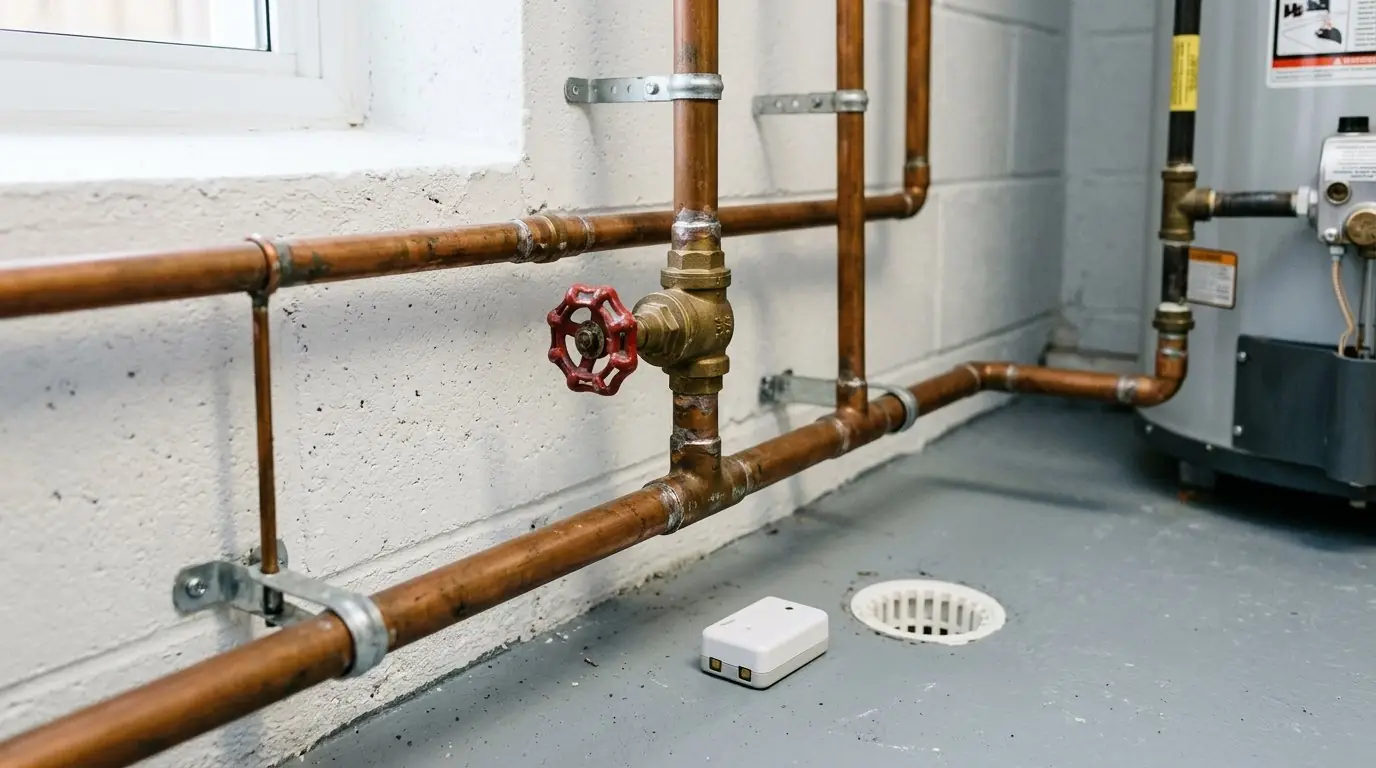
- Place leak detectors under sinks, beside appliances, and in utility rooms to trigger alerts at the first sign of moisture.
- Modern smart shut-off valves can automatically stop water flow, containing a leak to a small area.
-
Promote effective ventilation and moisture management
- Use exhaust fans in bathrooms, kitchens, laundry rooms, and basements.
- Keep humidity below 50% with portable or integrated dehumidifiers, especially in below-grade spaces.
-
Work with a reputable restoration and general contracting company
- Establish a relationship before disaster strikes. Local experts are familiar with Toronto and Ontario building codes, permitting, and insurance requirements.
- For both planned upgrades and unanticipated emergencies, rely on full-service teams like TGV CONSTRUCTION GROUP INC., who offer General Contracting and Restoration Services from assessment through reconstruction.
Simple actions - implemented proactively - can make the difference between a manageable incident and a disruptive, expensive ordeal.
Frequently Asked Questions About Water Damage Mitigation
How quickly should I respond to water damage?
Immediately, once you confirm it is safe to do so. Delaying more than 48 hours increases the risk of mould and permanent structural damage.
Is it always necessary to hire professional drying and restoration services?
Not all small leaks require professional intervention, but any situation with standing water, extensive dampness, or unknown spread is best addressed by trained technicians. Professional tools and expertise ensure complete drying and eliminate guesswork.
Can I tell if materials are dry simply by touch or appearance?
No. Surfaces often appear dry while moisture lingers inside or behind assemblies. Only specialized moisture meters and thermal imaging can confirm safe moisture levels.
Does acting quickly guarantee that mould will not develop?
Prompt action significantly reduces the risk, but cannot entirely eliminate it. Some materials may still harbour spores if microscopic moisture pockets remain.
When should I contact my insurance company?
Contact your insurer as soon as you discover water damage. Early notification, full documentation, and clear records of actions taken help streamline claims and approvals.
Are household fans and heaters safe to use after a flood?
Safe use depends on the origin of water and electrical integrity. Never use fans or electrical appliances if the source may be contaminated (such as sewage) or wiring has been exposed to water. Fans will not suffice if large volumes or hidden areas are affected.
When can I start repairs or refinishing after mitigation?
Repairs should begin only after verified clearance from restoration professionals showing that all affected materials are dry and clean. Rushing this step creates risk for future problems.
For more detailed Ontario-focused practical advice, visit our Water Damage and Restoration Blog Resources.
Take Control of Water Events - Trust Local Experts
Water emergencies threaten the value, safety, and comfort of your home or business, but swift, informed action makes a difference. Relying on a dedicated restoration partner with proven local experience gives you peace of mind throughout the recovery process, from first response to final repairs.
TGV CONSTRUCTION GROUP INC. stands ready with 24/7 Emergency Services for the Greater Toronto Area and Ontario - combining technical skill, regional insight, and commitment to Safety Standards and Quality Assurance. We put Customer Satisfaction at the core of every project, led by owner Tamara Gavrilenko and an experienced team passionate about helping neighbours and local businesses move forward with confidence.
Have questions about water damage, project timelines, or want transparent guidance before disaster strikes? Get a Free Quote for Your Project and let our team help you protect your property and your future.
This article is intended for informational purposes only and does not constitute insurance, legal, or health advice. Restoration needs vary depending on your specific situation. Consult your insurer and qualified professionals for recommendations tailored to your property and event.