Property owners in Toronto and the Greater Toronto Area know that moisture problems and visible mould often point to deeper building issues. Cosmetic cleaning may remove surface stains, but it rarely fixes the root cause, which leads to repeated regrowth, growing repair bills, and disruption for residents or tenants. Choosing professional mould remediation is about more than meeting standards. It’s a smart investment that protects property value, controls future costs, and supports a healthier environment for everyone in the building.
TGV Construction Group Inc. works with residential and commercial clients across Ontario, providing thorough assessments and tailored solutions focused on lasting results. Through careful planning, transparent processes, and specialized expertise, our team helps minimize long-term maintenance costs and prevent recurring mould and water problems. Understanding the full remediation process, and what separates professional work from basic cleaning, helps property owners make informed, cost-effective decisions.
How Professional Mould Remediation Saves Money Over Time
Delaying remediation or treating only visible mould may seem economical, but these decisions often lead to repeated repairs and rising costs. Professional remediation goes beyond surface fixes to protect both the integrity and the value of your property.
It addresses the moisture source directly
- Mould can’t grow without ongoing moisture from leaks, condensation, or poor ventilation. Professionals find and correct these sources, hidden or obvious, so mould doesn’t simply return after cleaning.
- Eliminating the conditions mould needs breaks the cycle of temporary fixes, which quickly add up in cost and hassle.
It preserves structural materials and finishes
- When mould and moisture go unchecked, drywall, insulation, framing, and flooring deteriorate. Early, targeted removal guided by industry standards can often limit the amount of demolition and reconstruction needed.
- Delaying action allows hidden damage to spread, increasing the need for extensive, expensive repairs.
It reduces disruption for occupants and businesses
- Recurring mould problems can mean repeated room closures or even relocating tenants or staff, causing financial and emotional strain.
- Thorough remediation is less likely to need repeat work, minimizing future downtime and inconvenience.
A practical scenario:Picture a GTA homeowner whose basement floods. If the drying and cleaning are incomplete, hidden mould survives behind the newly installed finishes. Months later, odours and stains reappear, and both the new and existing materials have to be torn out and replaced. Handling the water and mould properly the first time would have avoided the repeat construction and cost.
Careful remediation and moisture control reduce ongoing maintenance, support insurance eligibility, and protect your investment, whether your property is a family home, a rental building, or a commercial facility.
Understanding the Professional Mould Remediation Process
Effective mould remediation is a methodical, multi-step process designed to remove both the growth and the conditions that support it. TGV Construction Group Inc. follows industry-recognized protocols and standards to meet high quality and safety expectations for residential and commercial clients in Ontario.
1. Inspection and Moisture Assessment
- Qualified specialists inspect affected spaces to locate visible and hidden mould, using moisture meters, thermal imaging, and knowledge of common problem areas such as wall cavities, ceilings, and under flooring.
- The inspection also identifies the source of excess moisture, such as plumbing, water infiltration, or ventilation issues. In older buildings, materials are tested for hazardous substances like asbestos before work begins, as required by provincial regulations.
2. Containment and Safe Material Removal
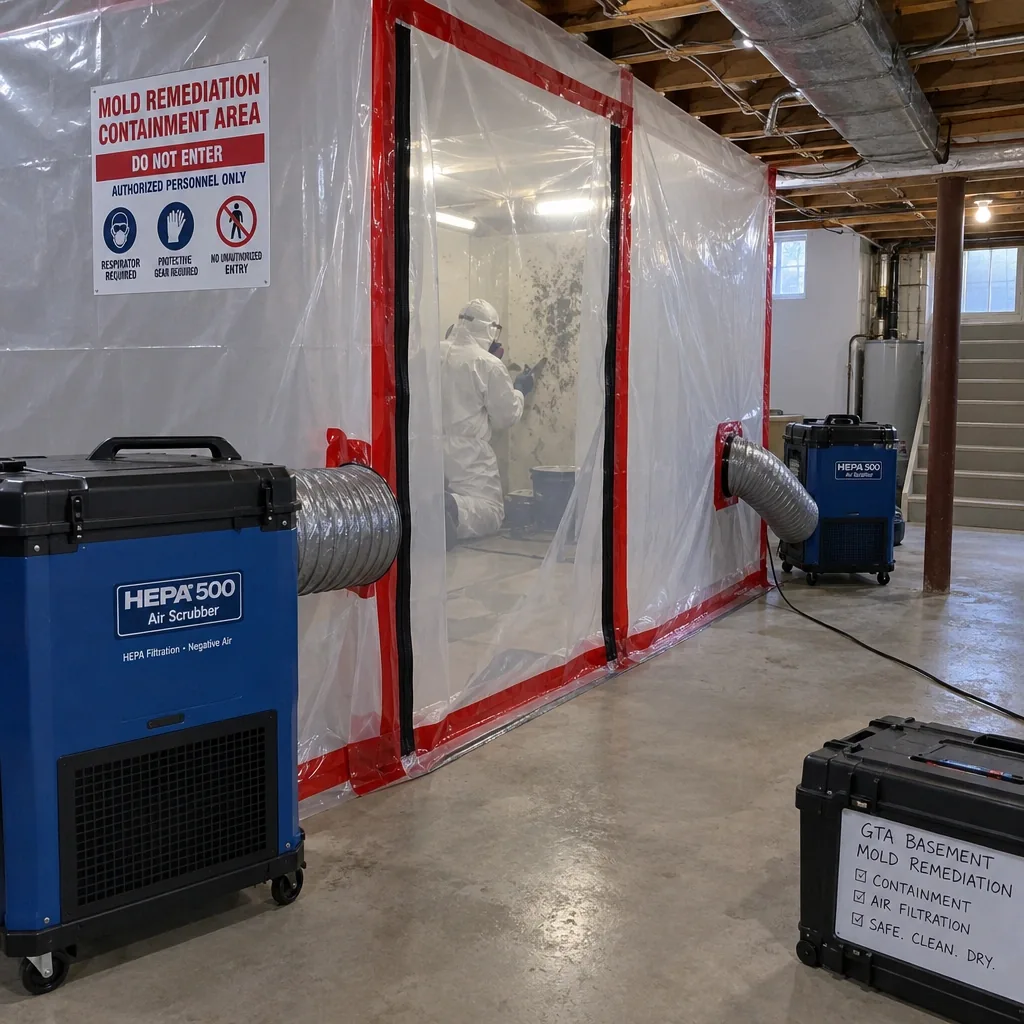
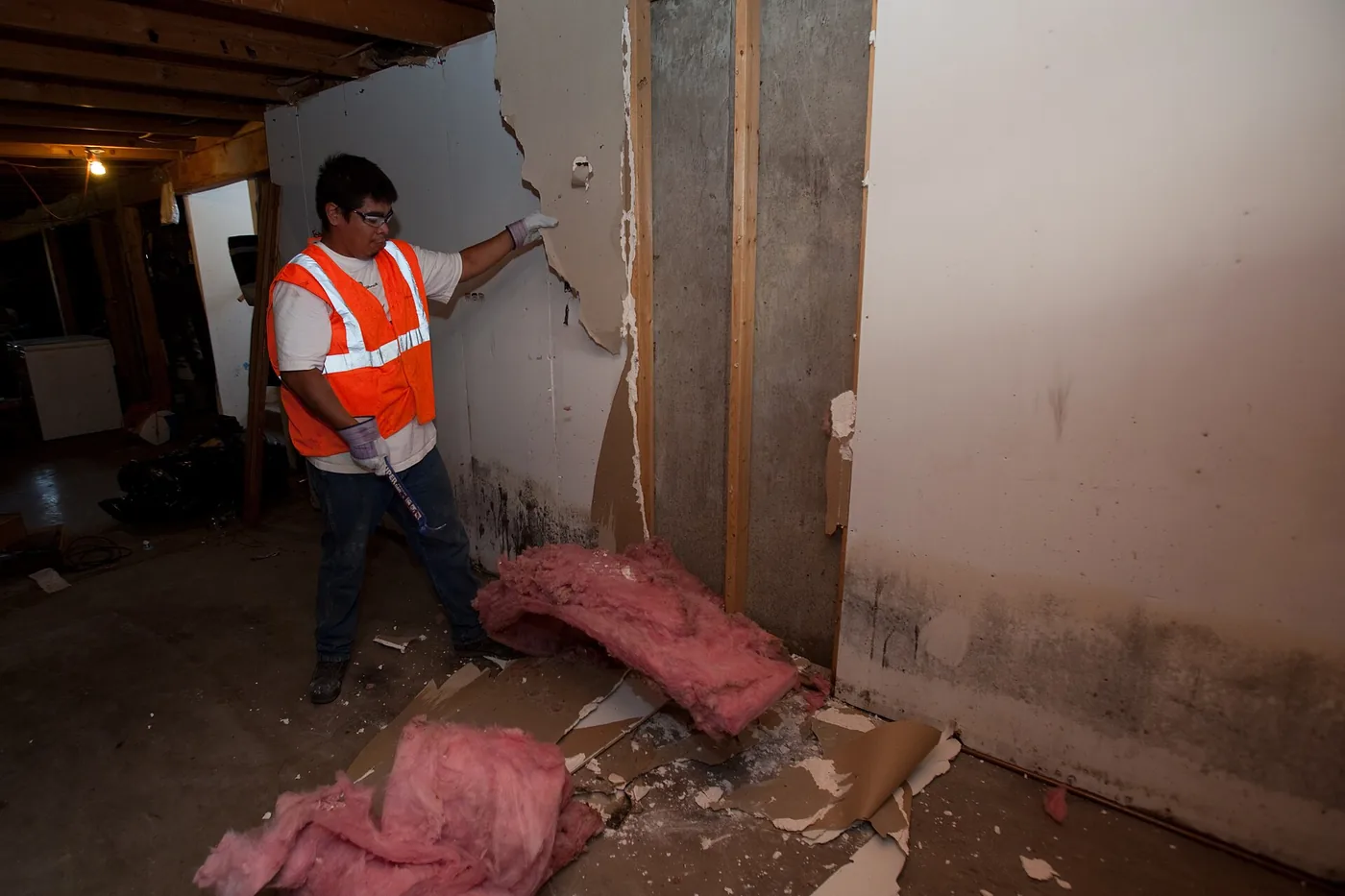
- The work area is sealed off from occupied spaces with barriers and, when needed, negative air pressure to stop contaminated dust and spores from spreading.
- Mould-contaminated materials that can’t be saved (such as drywall, insulation, and some flooring) are carefully removed and sealed for disposal according to local rules.
- Workers use personal protective equipment and HEPA (high-efficiency particulate air) filtration.
3. Cleaning, Drying, and Disposal
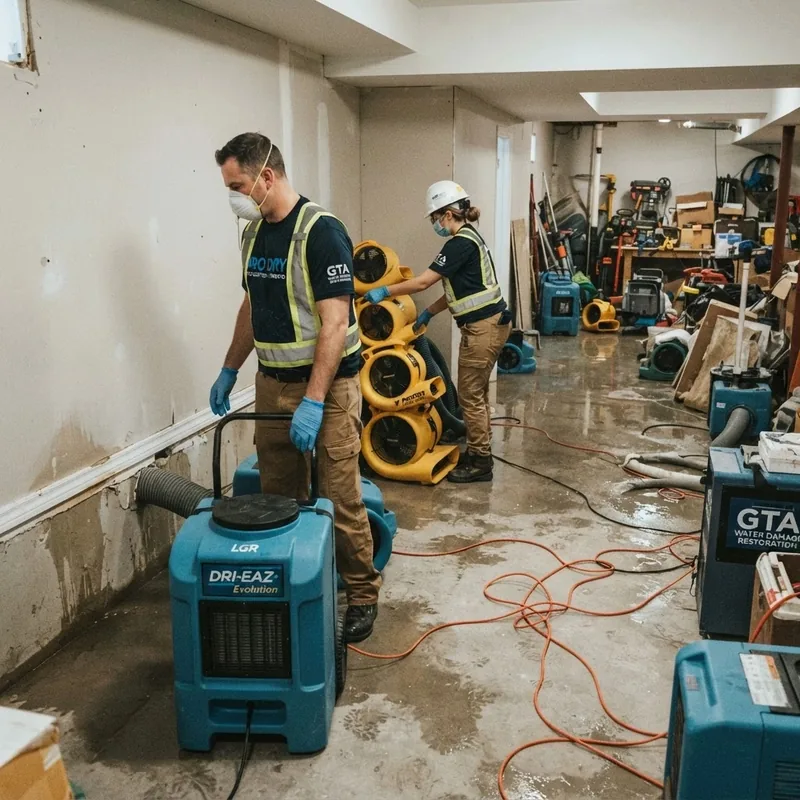
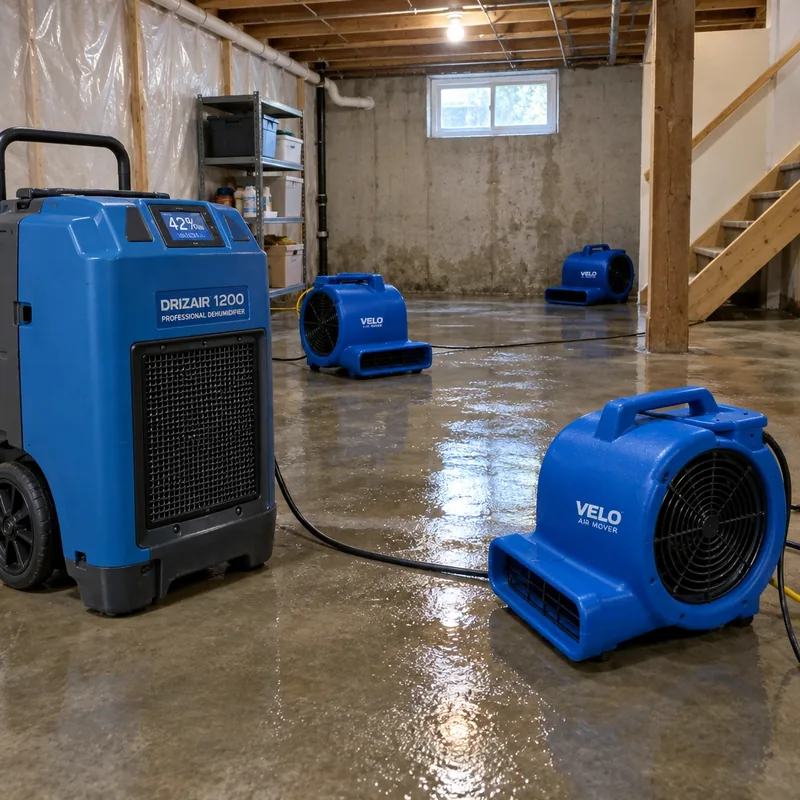
- Salvageable surfaces are cleaned with appropriate products and dried thoroughly. Commercial dehumidifiers and air movers may be used to stabilize conditions.
- Debris is removed promptly, and wet materials are dried or removed as quickly as possible, ideally within 24–48 hours of a water event, to stop further growth.
- Materials that can’t be dried or cleaned are safely discarded.
4. Post-Remediation Evaluation and Documentation
- The cleaned area is visually inspected and, where appropriate, checked for moisture. Some projects include third-party clearance testing or air quality checks for added assurance.
- Detailed documentation records the findings, the work completed, and recommendations for any further building repairs.
- Remediation typically doesn’t include related plumbing, roofing, or structural repairs. These are arranged separately with qualified trades and may require permits under the Building Code.
For more details, see our mould remediation and property restoration services.
If your property is affected by water, storm, or other disaster damage, TGV’s 24/7 emergency restoration and mitigation services provide immediate response to limit further damage.
When to Hire a Professional Mould Remediation Service
Property owners are often unsure whether a mould problem can be handled with household cleaning or needs a specialist. In many cases, especially where the risks are higher, bringing in trained professionals reduces long-term costs and produces better results.
Situations that call for professional remediation:
Large or recurring growth (more than 3 square metres)
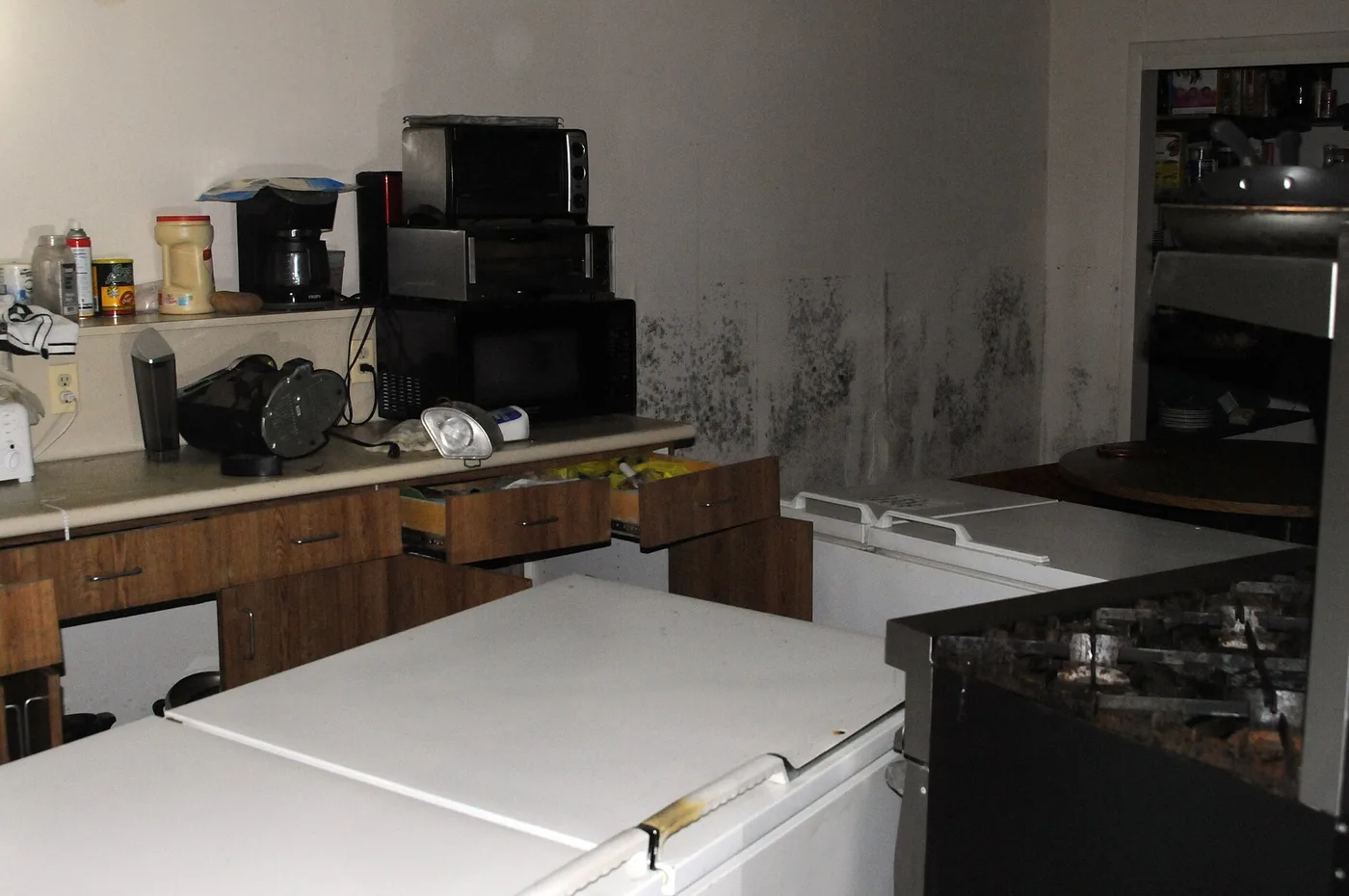
- Mould covering an area larger than a sheet of plywood, multiple patches throughout a space, or repeated regrowth all signal an unresolved moisture problem and possible hidden spread.
Hidden or water-damaged areas
- Mould after floods, plumbing failures, or slow leaks often hides in wall cavities, under subfloors, or in HVAC systems. Trying to clean these areas yourself risks incomplete remediation and further spread.
Vulnerable occupants
- Children, older adults, and anyone with immune, respiratory, or allergy concerns should not be exposed to mould or its cleanup. Professional teams take specific steps to reduce airborne spores and control contamination.
What about smaller areas?Homeowners can usually clean very small, accessible patches (less than 1 square metre) with soap, water, gloves, and appropriate protective gear. Moderate areas between 1 and 3 square metres can sometimes be handled by homeowners with extra precautions, but professional advice is worthwhile, especially if anyone in the home is vulnerable. If mould keeps coming back or the moisture source isn’t fixed, the risks and costs climb quickly. For larger, persistent, or uncertain situations, professional remediation is the safer, more cost-effective choice.
What Affects the Cost of Mould Remediation?
Budgeting accurately is a common concern for residential and commercial clients facing a mould problem. Remediation costs vary for concrete reasons, and understanding them helps you plan and avoid surprises.
The size and location of the growth
- Larger affected areas require more labour and materials, especially in hard-to-reach spaces like attics, crawlspaces, or mechanical chases.
Repairs needed to fix the moisture source
- Costs rise if plumbing, roofing, or foundation work is required. Fixing these root causes often involves licensed trades, possible permits, and Building Code compliance.
Contents handling, containment, and technical drying
- Moving, cleaning, or discarding belongings, fixtures, or built-ins adds complexity.
- Professional containment and drying methods (such as negative air setups and commercial-grade dehumidifiers) are essential for thorough remediation and factor into the overall cost.
Open communication with your remediation contractor is essential. Every GTA property is different, and the building’s age, structure, materials, and occupancy all influence the scope and strategy.
How to Compare Mould Remediation Proposals
Choosing a remediation provider should start with a careful comparison of written proposals. Not all quotes are equal, and a higher or lower price may reflect major differences in scope or quality. Look at the following:
A complete scope of work
- Proposals should specify the affected locations, the planned containment, what materials will be removed, and the cleaning, drying, and verification steps.
- Detail about both visible surfaces and hidden assemblies signals experience and transparency.
Clear exclusions and responsibility for moisture repairs
- Does the proposal explain which repairs are and aren’t included? Who fixes leaks, repairs the building envelope, or rebuilds removed finishes?
- Will other trades be needed for plumbing, HVAC, or structural work, and how will they be coordinated?
Contractor credentials and insurance
- Confirm the provider carries appropriate insurance for mould and hazardous material work, has WSIB coverage, holds relevant training and certifications, and follows health and safety standards.
- Make sure you’ll receive documentation at the end of the project, and ask whether third-party clearance testing is available if needed.
Questions to ask before hiring:
- Is the written scope clear, specific to your property, and easy to understand?
- Will the moisture source be fully addressed, not just the mould?
- How will disruption to occupants or business operations be minimized?
- Does any of the work require a permit?
- How will successful remediation be confirmed?
Before choosing a contractor, always request a detailed remediation estimate that breaks down the full scope. It protects your interests and supports accurate budgeting.
Mould Cleanup Approaches at a Glance
Approach | Best For | Limitations |
DIY cleaning | Very small, accessible surfaces (under 1 m²) | Not suitable for hidden, recurring, or extensive mould |
Professional remediation | Larger areas, hidden sources, commercial sites | Requires an assessment; cost reflects scope and complexity |
Remediation plus building repairs | Water entering through the structure, with repairs needed | Involves multiple contractors and possibly permits |
Preventing Mould from Coming Back After Remediation
Remediation greatly reduces the risk of mould returning, but only if active moisture problems are fixed and ongoing maintenance continues. Prioritizing prevention pays off in both financial and health benefits.
Fix leaks promptly
- Repair roof, plumbing, or foundation leaks right away.
- Dry out wet materials, such as drywall, carpet, and insulation, within 24–48 hours.
Maintain good drainage and ventilation
- Clean gutters and downspouts, and make sure water drains away from the foundation.
- Seal exterior wall penetrations and maintain window and door flashing.
- Make sure kitchen, bathroom, and laundry fans vent moisture outdoors.
Control indoor humidity
- Aim to keep indoor humidity between 30% and 50%, and never let it stay above 60%.
- Use dehumidifiers in basements and other damp areas.
- Run air conditioning or ventilate regularly.
- Don’t push furniture or boxes tightly against exterior basement walls.
Watch for early warning signs
- Look out for musty odours, discoloured patches, or condensation, especially after storms or plumbing issues.
- Check behind appliances and in utility areas monthly.
Schedule annual inspections
- In older or recently renovated buildings, periodic professional checks can catch moisture problems before they become costly.
Find more practical tips in our property restoration and damage mitigation blog.
Frequently Asked Questions About Mould Remediation
When is professional remediation necessary?
Professional help is recommended for mould covering more than 3 square metres, recurring growth, mould after flooding, or growth in hidden or hard-to-reach areas. The presence of vulnerable occupants is another reason to call a professional.
Can I clean small mould areas myself?
Small, accessible spots (less than 1 square metre) can often be cleaned with soap and water while wearing protective gear. Dispose of damp debris and dry the area completely. For larger areas, or if the mould comes back, get professional help.
Why does mould come back after cleaning?
Recurring mould means the underlying moisture problem, such as a leak or condensation, hasn’t been fixed. Only repairing the source along with cleaning provides a long-term solution.
Does remediation include fixing the moisture source?
Not always. Remediation teams identify the source of excess moisture and may handle basic repairs, but specialized plumbing, roofing, or structural work is usually done by licensed trades and may require a permit. Clarify responsibilities upfront.
What should a mould remediation estimate include?
- The locations and scope of affected areas
- Containment, removal, and disposal details
- Cleaning and drying procedures
- Post-remediation inspection
- Insurance and certification information
- A clear explanation of included and excluded repairs
Before work begins, make sure the proposal addresses all your concerns and expectations.
Protect Your Property and Your Budget
Professional mould remediation carried out to recognized Canadian standards reduces future costs, provides peace of mind, and creates safer indoor environments for GTA families and businesses. The information here is for general guidance and is not a substitute for an assessment by qualified professionals. Hazardous materials and extensive moisture problems call for prompt, qualified intervention.
For specialized help with mould, asbestos, water, or storm damage in Toronto and Ontario, reach out to TGV Construction Group Inc. We provide general contracting, emergency mitigation, and full property restoration with care and compliance. If you need urgent service or a detailed assessment, contact us for a free quote today, or call us 24/7 at (905) 669-2727. Our team is dedicated to quality, safety, and transparent, client-focused service.