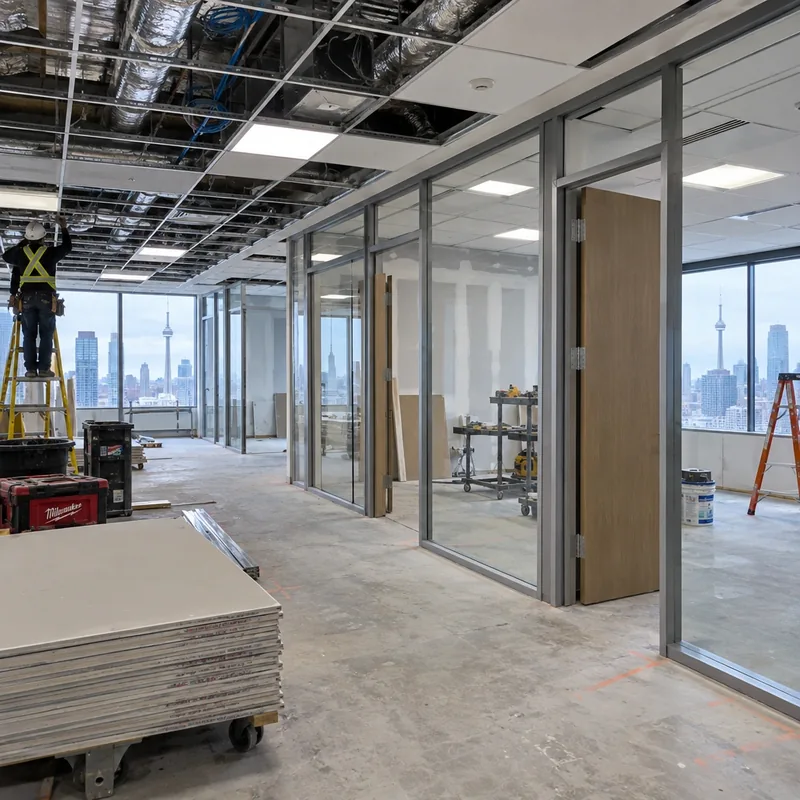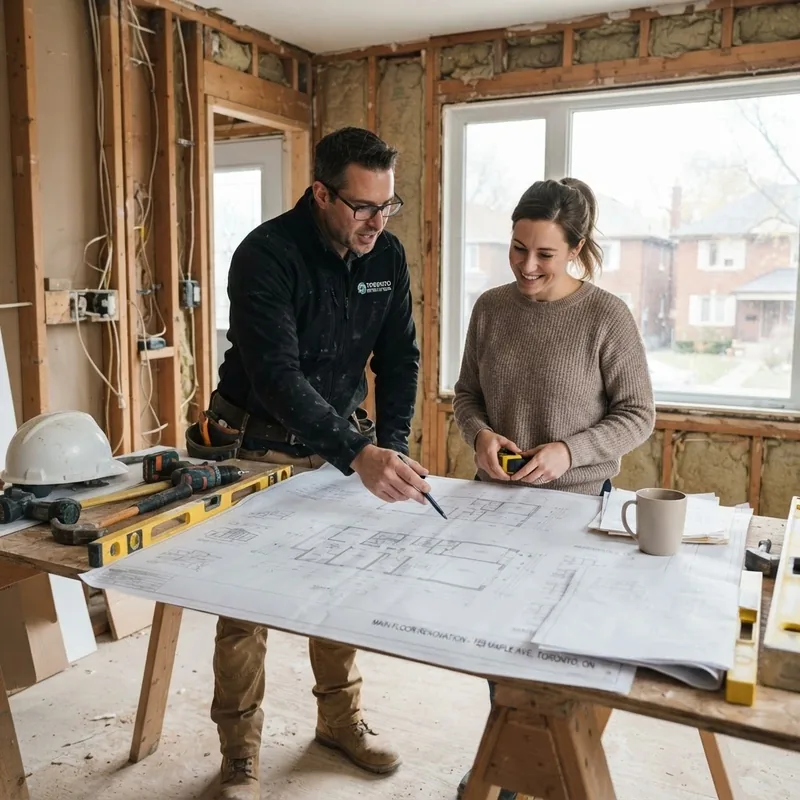
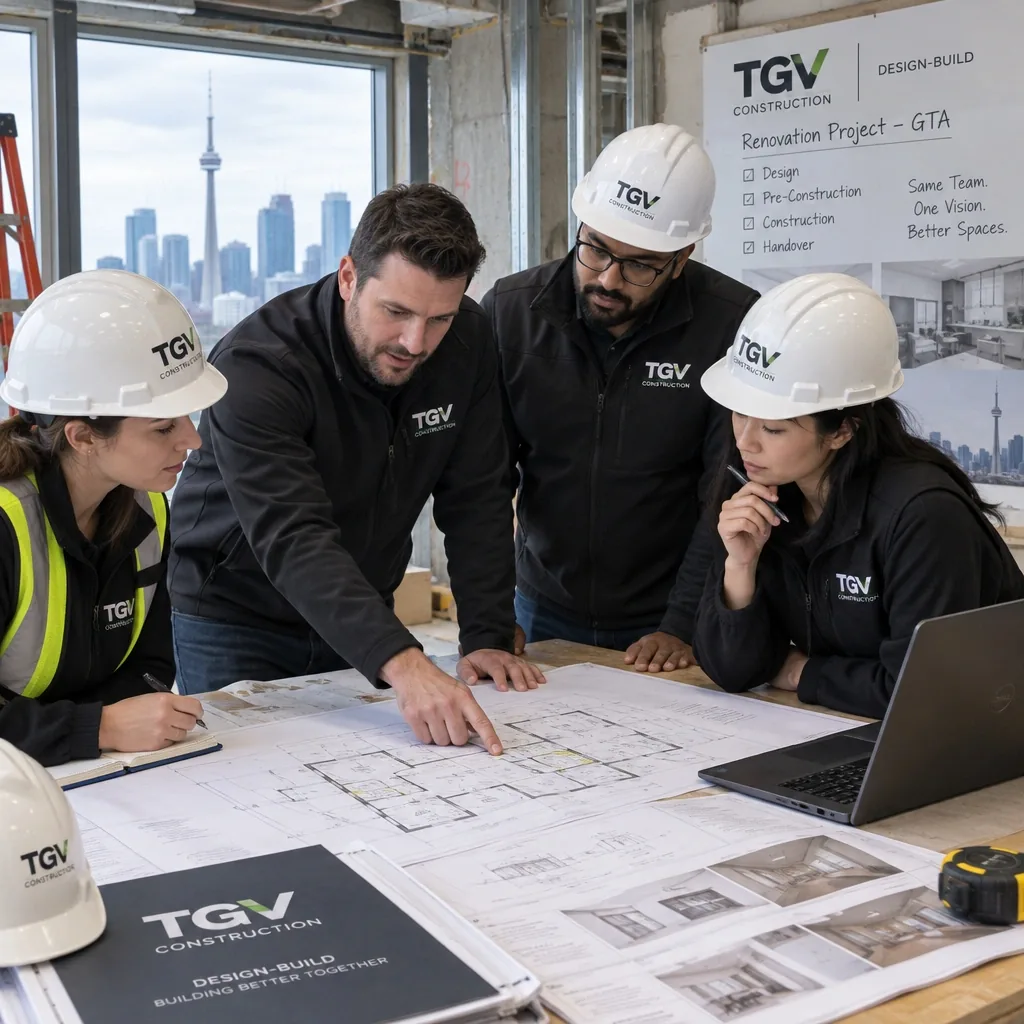
The place you live or work should reflect your goals, your vision, and the value you want to protect or grow. Whether you manage a commercial property in downtown Toronto, own a home in the Greater Toronto Area, or are planning a major renovation, the construction approach you choose, and the company you trust, will shape every step of your project. More and more property owners are turning to the design-build method for its efficiency, streamlined communication, and cohesive management.
TGV Construction Group Inc. is recognized across Ontario for its expertise in general contracting, property restoration, and emergency mitigation, and brings substantial experience to design-build delivery for both residential and commercial clients. Understanding what design-build means, how it works with TGV Construction, and when it’s the right fit will help you make informed decisions about your next construction or restoration project.
This guide covers the essentials of design-build, explains the process in practical terms, and outlines how TGV Construction Group Inc. supports clients through each phase with reliability, transparency, and respect for your goals.
Understanding the Design-Build Approach
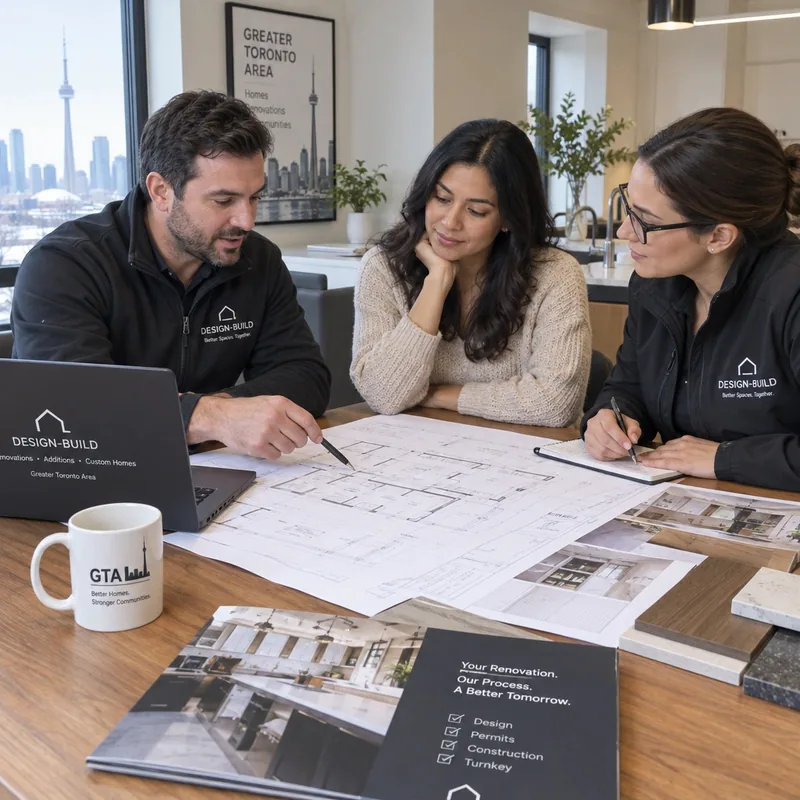
Design-build (also called design and build) is a project delivery method where a single company manages both design and construction. Unlike the traditional “design-bid-build” approach, which separates the designer and builder into different contracts, design-build places coordination and accountability under one contract and one team.
How Design-Build Works
In a design-build arrangement:
- One company, the design-builder, oversees both design (architecture and engineering) and construction.
- The design-builder brings in all the expertise needed, whether from its own staff or trusted licensed professionals.
- You have one main project manager for the whole project, while keeping authority over major decisions.
- The contract spells out the roles and deliverables for every phase.
This structure streamlines communication, aligns design and budget early, and supports a process focused on both creativity and practical execution.
Design-Build vs. Separate Design and Construction Contracts
Ontario property owners often weigh design-build against the more segmented design-bid-build method. Here are the main differences:
Feature | Design-Build | Design-Bid-Build |
Contract Structure | One contract covers design and construction | Separate contracts for design, then construction |
Main Point of Contact | A single project manager or company | Multiple: architect, builder, and sometimes other consultants |
Design Coordination | Integrated from the start, with designer and builder working together | Designer works alone; builder joins after design is complete |
Budget Input | Builder cost feedback included early | Budget estimated after the design phase |
Timelines | Design and construction can overlap | Construction starts only after design is finalized |
Managing Changes | Handled within the design-build team | Requires negotiation across contracts |
Best Suited To | Projects needing integration and coordinated timing | Projects emphasizing design independence or external review |
Benefits and Practical Considerations
Benefits of design-build include:
- Early, realistic budgeting, since design and costing inform each other from the start
- Faster timelines, by overlapping phases where possible
- Smoother communication, with updates, issues, and ideas flowing through one contact
- Integrated management of permits, changes, and site challenges
Practical points to consider:
- You’ll need to make decisions promptly to avoid delays.
- Your input on design happens collaboratively within the design-build team. Independent reviews are possible but should be agreed on upfront.
- Early estimates may change as more site and regulatory details come to light, especially in older or previously renovated properties.
- Success depends on a clear scope, regular communication, and expectations agreed in the contract.
What Sets TGV Construction Apart for Design-Build
Choosing a design-build contractor is a significant commitment that calls for trust, technical skill, and broad experience, especially within Ontario’s regulatory environment. TGV Construction Group Inc. has become a dependable partner for residential, commercial, and industrial, commercial, and institutional (ICI) projects throughout the Greater Toronto Area and beyond.
Unified project coordination
TGV Construction provides a single, responsive point of contact who manages every aspect of your project, reducing confusion and missed details.
Expertise across sectors
With more than 200 completed projects across residential, commercial, and ICI work, TGV’s team understands the requirements of each property type, from new construction to heritage restoration and emergency rebuilds.
Commitment to quality and licensed trades
Every phase is supervised to high standards of workmanship and safety. All work complies with the relevant codes, including the Ontario Building Code and the Ontario Electrical Safety Code, and is carried out by certified professionals and licensed trades.
Emergency readiness around the clock
Building on its roots in emergency mitigation, TGV Construction offers true 24/7 emergency restoration and mitigation. If your property faces water, fire, or storm damage during a renovation or at any other time, help is available to protect your progress and investment.
Strong leadership and community contribution
Founder Tamara Gavrilenko brings extensive experience in project management and industry leadership, and has grown TGV Construction into a multi-million-dollar company recognized for ethical business practices and support for underrepresented groups. Our story and values are detailed on the TGV Construction Group leadership and company history page.
Client-focused processes
Every project is built on thorough planning, transparent communication, and structured project management. Customer satisfaction is central, and the team takes pride in clear communication and reliable follow-through.
For a closer look at everything we offer, see our comprehensive design-build and general contracting services in Toronto and across Ontario.
The Design-Build Process with TGV Construction
TGV Construction’s design-build approach is structured, adaptable, and built around your input at every phase. Understanding each stage helps you support efficient progress and the best possible results.
1. Project Discovery
- Your objectives, site conditions, and operational needs are reviewed to align on project goals.
- The TGV team carries out a detailed site assessment and gathers relevant reports and drawings, starting an open, collaborative conversation.
2. Preliminary Scope, Concept Design, and Costing
- Functional requirements are defined, and concept plans are drafted to show how the space will be used.
- An early budget is set, with allowances for selections (fixtures, materials, restoration needs) that will be finalized later.
3. Design Development, Permits, and Approvals
- Designs are refined with input from architects, engineers, and code specialists.
- Permit requirements are identified. TGV prepares and submits the applications, though you may need to provide property documents or sign forms required by the municipality.
- The budget is updated to reflect design changes or regulatory requirements.
4. Construction, Communication, and Change Management
- Construction begins once the design and permits are approved.
- You receive regular updates on progress, site discoveries, and any changes you’ve requested.
- Every change to cost or schedule is documented and submitted for your approval before work continues.
- Ongoing quality inspections and a strong focus on safety protect people and property.
5. Completion, Handover, and Ongoing Support
- A thorough walkthrough identifies any deficiencies, which are fixed before handover.
- You receive complete closeout documents, permits, inspection reports, and warranties.
- Ongoing support is available, including 24/7 emergency services and maintenance guidance.
Each step is tailored to your project and expectations, providing both structure and flexibility.
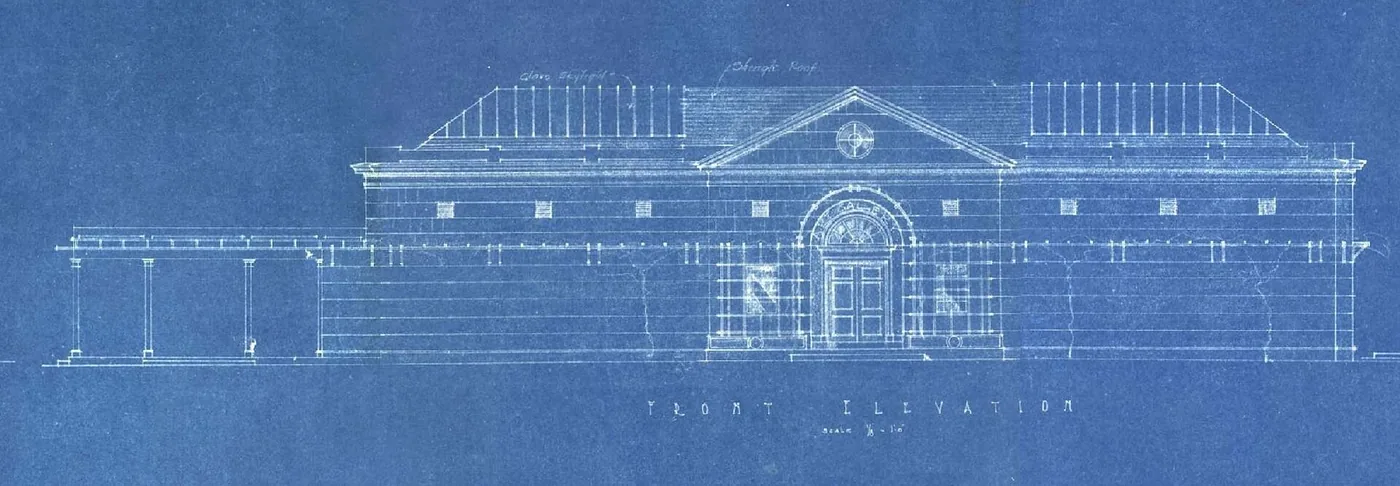
Is Design-Build the Right Fit for Your Project?
No single method is perfect for every owner, project, or situation. A thoughtful evaluation helps you decide whether design-build or a more traditional approach is best.
Ideal Projects for Design-Build
New construction and major renovationsA good fit for owners who want budget and constructability input from day one, value responsive progress, and can make timely decisions.
Restoration or repairs involving multiple tradesWhen disaster recovery and rebuilding must be tightly coordinated (for example, after flood, fire, or wind damage), design-build can minimize downtime and simplify communication.
Time-sensitive, multi-phase, or challenging sitesProjects needing fast-tracked delivery, phased occupancy, or coordination with complex regulations often benefit from design-build efficiency.
When Independent Design May Be Better
A distinct creative vision or third-party review requirementsProjects where owners want full independence from their designer, plan to tender the final design to several builders, or want an architect advocating for them throughout.
Institutional, heritage, or regulatory complexityBuildings that require extensive design scrutiny, committee approvals, or heritage compliance may benefit from a separate design phase.
Sites with many unknownsProperties with uncertain structural, environmental, or regulatory conditions may need in-depth investigation before a builder can provide detailed costing.
Pros and Cons at a Glance
Strengths of design-build:
- One source of accountability from design to delivery
- Shorter timelines thanks to overlapping phases
- Early awareness of costs and constructability issues
Points to consider:
- Owner input is crucial early on, and delayed or uncertain decisions affect budgets and schedules.
- Contracts should spell out any requirements for outside review or independent design roles.
- Surprises still happen. Site, regulatory, or code issues can affect scope, price, and schedule under any delivery model.
Two scenarios
Scenario A: A Toronto business owner faces extensive flood and fire damage and needs to restore operations quickly. A design-build partner like TGV can coordinate mitigation, design, and construction without delay.
Scenario B: A heritage property planning an adaptive reuse, with dedicated artistic oversight and multiple layers of approval, may prefer to hire an architect separately and then tender the project for construction.
Key Considerations Before Signing a Contract with TGV
Your contract sets expectations, risk sharing, and processes, so it directly shapes your experience and results. TGV Construction follows industry standards and best practices, aligned with Ontario law and market norms.
Scope, Allowances, and Assumptions
- Detailed scope: The contract lists which rooms, systems, and materials are included in the price, and what falls outside the contractor’s responsibility.
- Allowances: Certain budget items (finishes, fixtures, or restoration contingencies) are set aside for decisions made as the project develops.
- Assumptions: Scope, pricing, and schedule are based on the known condition of the existing property. Unknown issues, such as structural problems or hazardous materials, may require revised plans and pricing.
Price Basis and Contingency Planning
- Pricing models: Contracts may be fixed price (stipulated sum), cost-plus, or progressive, depending on the project. Early pricing is provisional and becomes firmer as plans develop.
- Contingency: TGV typically recommends a 10–20% contingency for unexpected conditions and price changes, especially for older properties or restoration work.
- For more practical information, see our detailed cost guides and budgeting advice.
Permits, Approvals, and Compliance
- Permits: TGV Construction arranges the permits for its design and construction work, including building, electrical, and plumbing approvals. Some owner responsibilities remain, such as signatures, property documents, or advance notice of site constraints.
- Compliance: All construction meets the Ontario Building Code and the requirements of the relevant safety authorities. Specialized inspections may be required for electrical work, fire safety, or hazardous materials.
Note: This information is for general awareness only. Projects may involve unique requirements, and responsibility for compliance will be set out in your contract with TGV Construction Group Inc.
Changes and Communication
- Change orders: Every requested change or site-driven adjustment is clearly documented, priced, and approved before work proceeds.
- Updates: Regular project meetings, reports, and documentation let you track progress and give feedback.
Schedule and Your Role
- Milestone-based schedules: The contract sets target completion dates and identifies the key decisions you’ll need to make.
- Decision deadlines: Plan for deadlines on design selections and approvals to keep the schedule on track.
Checklist before signing:
- Have you reviewed all inclusions, exclusions, and allowances?
- Do you understand the pricing basis and contingency?
- Are permit and approval responsibilities clear?
- Do you know how changes will be handled, and who approves them?
- Are payment milestones, handover terms, and your obligations clearly set out?
Preparing for Your First Conversation with TGV
Good preparation makes for a productive first conversation and a smoother proposal process. Use this checklist:
Project goals and priorities
- Clearly describe your goals, such as adding space, restoring after damage, future-proofing a property, or updating amenities.
- List which features are essential and which are flexible.
Budget range
- Share an honest preliminary budget that includes contingency, permits, and taxes.
Existing information
- Gather any surveys, previous designs, renovation records, photos, or inspection reports.
- Note concerns like past water damage, possible asbestos, or working around tenants.
Decision-makers and timing
- Identify everyone who needs to review or approve decisions.
- Share any fixed deadlines, such as move-in dates, lease expiries, or business openings.
Your level of design involvement
- Decide how involved you want to be in selections, reviews, and design phases.
- Share any preferences about meetings, design visuals, or outside consultants.
Coming prepared lets the TGV team give you more accurate advice and move faster toward a contract and construction.
Frequently Asked Questions About Design-Build with TGV Construction
What is design-build, and how does it work?
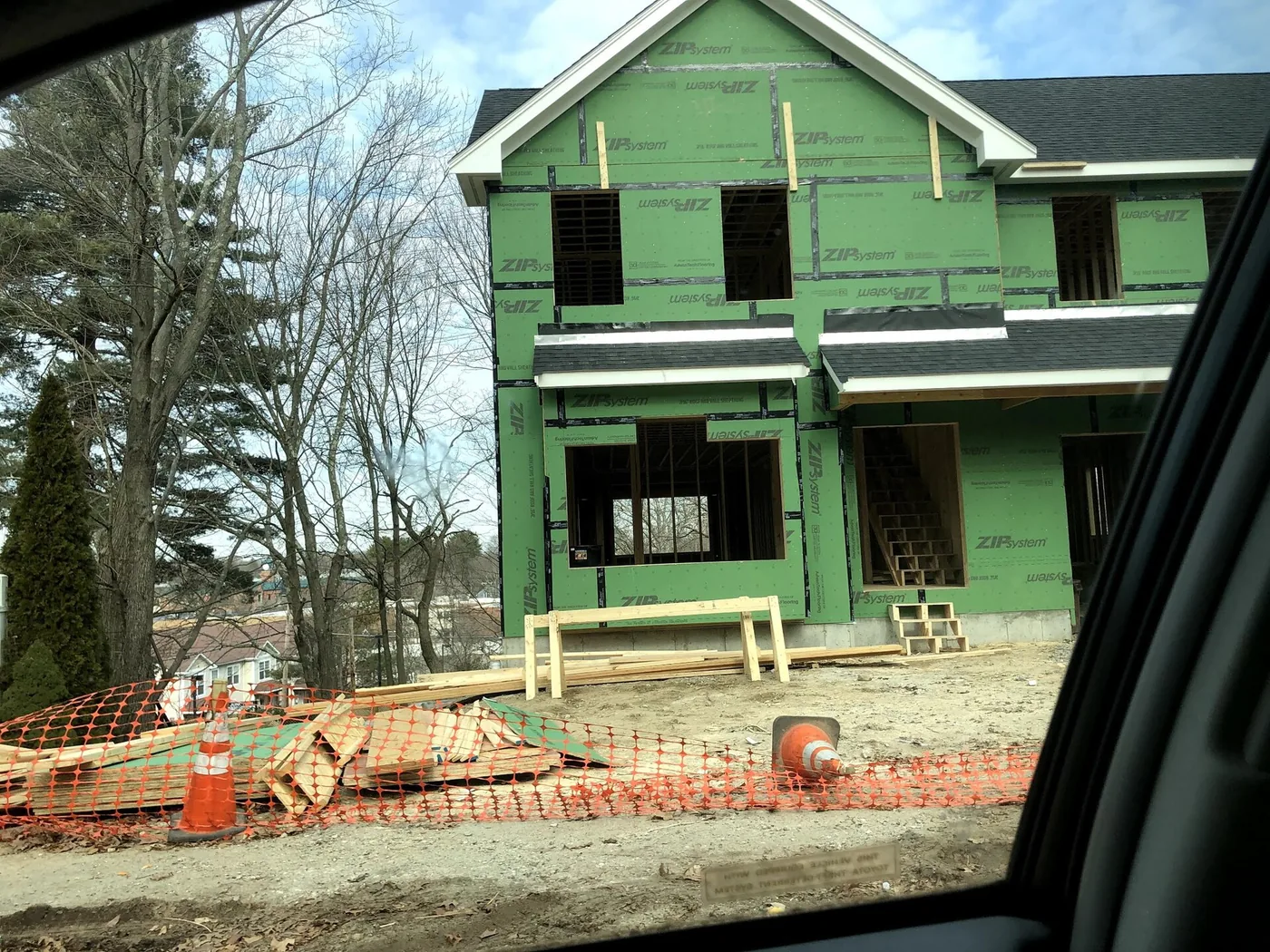
Design-build means signing one contract with TGV Construction Group Inc. for both design and construction. This leads to streamlined coordination, faster problem-solving, and a consistent vision from planning through completion.
How is pricing determined and managed?
Budgeting starts with estimates based on the site and initial scope. As plans and specifications develop, pricing is refined. Contracts may be fixed price, cost-plus, or a hybrid, with change orders documented for any additions or adjustments.
Who is responsible for permits and inspections?
TGV Construction leads permit applications and coordinates inspections for work within its scope under the Ontario Building Code. Some owner paperwork may be required, and full responsibilities are set out in the contract.
How are changes handled during construction?
Every change, whether you request it or it’s caused by unforeseen conditions, goes through a structured change order process. Changes are priced in writing, reviewed with you, and approved before work proceeds.
Is design-build suitable for renovations and restoration?
It’s often the preferred approach for larger renovations, post-disaster repairs, and upgrades involving several trades. TGV has extensive experience using design-build for both new spaces and the complex realities of building restoration.
When is the construction price finalized?
The final price is usually provided once design and regulatory approvals are in place, just before construction starts. Some contracts set pricing milestones as more information becomes available.
Can TGV respond to emergencies during my project?
Yes. TGV Construction has a skilled team providing 24/7 emergency restoration and mitigation services to minimize risk and protect your progress at any stage.
What should I bring to the first meeting?
Your project goals, a rough budget, all relevant documents (plans, permits, site photos), and a clear list of decision-makers and priorities. This speeds up the process and keeps the focus on solutions that fit your needs.
What about unique municipal, permit, or compliance issues?
TGV identifies all regulatory requirements and manages permits for work within its scope. Project details, site conditions, and changing municipal rules may still require your participation, and final responsibilities are documented in your contract.
Where can I find more advice on project costs and budgeting?
See TGV Construction’s detailed cost guides and budgeting advice for insights tailored to the GTA.
Take the Next Step
If you’re planning a design-build project, whether a renovation, addition, or post-disaster restoration, TGV Construction Group Inc. brings proven expertise, coordinated management, and an unwavering commitment to quality. Review your goals, gather your documents, and request a free quote for your project to get started with a team respected across Toronto and Ontario. For emergencies, call us 24/7 at (905) 669-2727.
Working with TGV Construction means partnering with professionals who value safety, reliability, and transparent communication. Whether you’re rebuilding after a disaster or shaping your ideal space, TGV brings trusted experience to guide you to durable, successful results throughout the Greater Toronto Area and beyond.