Property damage can upend daily life, interrupt critical business operations, and create safety or health risks for anyone present in the building. In Ontario, restoration services address these disruptions across a diverse range of properties, including private homes, condominiums, apartment complexes, office spaces, retail stores, and industrial or institutional buildings. While the main objective remains restoring safety, function, and comfort after damage, the processes, regulations, and project complexity often differ based on whether the property is residential or commercial.
For homeowners, property managers, and business owners in the Greater Toronto Area and throughout Ontario, understanding the important similarities and differences between residential and commercial restoration makes it far easier to plan effectively, manage expectations, and minimize disruption. As an established leader, TGV CONSTRUCTION GROUP INC. offers proven expertise, specialized equipment, and a dedication to customer satisfaction for both residential and commercial clients. Whether facing flood, fire, mould, storm, or other kinds of damage, qualified restoration professionals can help restore your property with the right approach for your needs.
Below, you will find a practical comparison, easy-to-follow explanations, and a stepwise guide to support Ontario property owners and managers facing restoration projects.
Residential vs. Commercial Restoration at a Glance
Restoration projects in Ontario share many common goals, but the context and execution can be markedly different for residential and commercial buildings. Here’s a quick-look comparison to help clarify key distinctions:
| Consideration | Residential Restoration | Commercial Restoration |
|---|---|---|
| Typical Priorities | Safety, privacy, contents, dwelling habitability | Occupant safety, business continuity, asset security, public access |
| Coordination | Homeowner, household, insurance, select trades | Property manager, owners, tenants, business ops, multiple trades |
| Work Planning | Around daily routines, pets, belongings | Phased, restricted zones, operating hours, tenant coordination |
| Building Considerations | Home layout, utilities, personal effects, finishes | Mechanical systems, elevators, zoning, specialized spaces |
| Documentation | Incident reports, estimate, completion sign-off | As for residential, plus operational logs, stakeholder updates |
| Scope Determinants | Type/cause of loss, extent, occupant needs | Same, with added operational, health, and systems considerations |
Definitions and Ontario Property Types
- Residential properties include single-family homes, condominiums, apartments, and other dwellings where security, comfort, and privacy are central. Restoration priorities focus on family safety, protecting personal property, and quickly returning spaces to daily living.
- Commercial properties cover offices, retail stores, restaurants, warehouses, factories, and public or mixed-use buildings. Priorities extend to business continuity, staff and public safety, ease of access, code compliance, and sometimes specialized occupancy requirements.
Both property types are susceptible to causes like water and flood, fire and smoke, mould or asbestos exposure, and wind events, but the scale and operational stakes often differ.
What Restoration Services Include
The restoration process involves multiple phases to control damage, protect occupants and property, and bring the damaged environment back to pre-incident condition. Services for both residential and commercial properties typically include:
- Emergency Response and Damage Assessment
- Swift on-site arrival limits the spread of water, mould, soot, or structural risk.
- Trained assessment uses moisture meters, thermal imaging, and thorough visual inspection.
- Safety checks (electrical, structural, hazardous material presence) dictate next steps.
- 24/7 Emergency Restoration & Mitigation services available across the Greater Toronto Area support rapid response and client reassurance.
- Water Removal, Drying, Cleaning, and Repairs
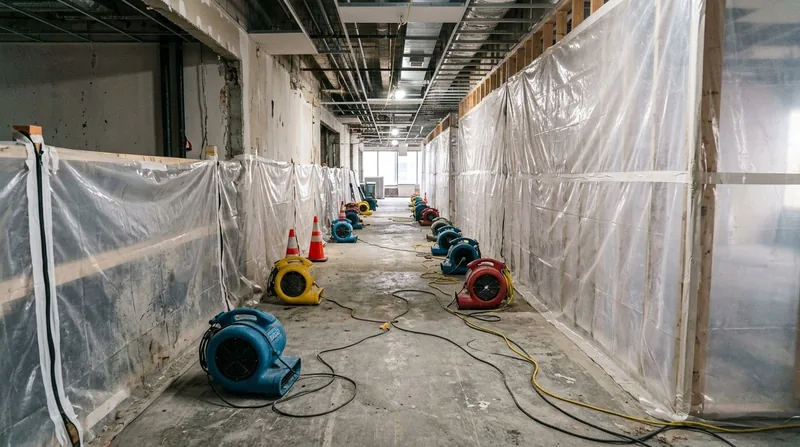
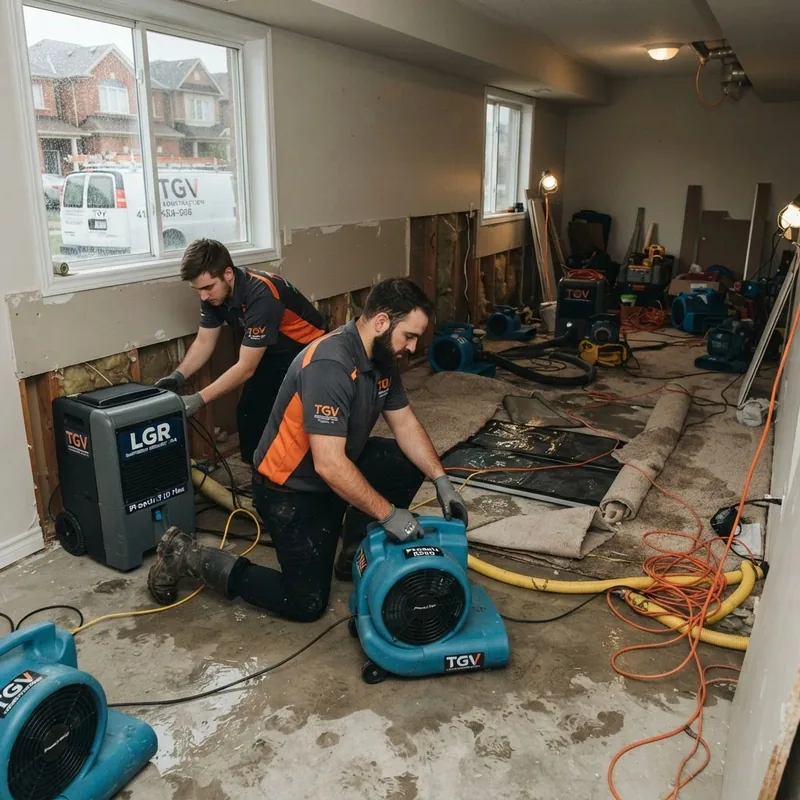
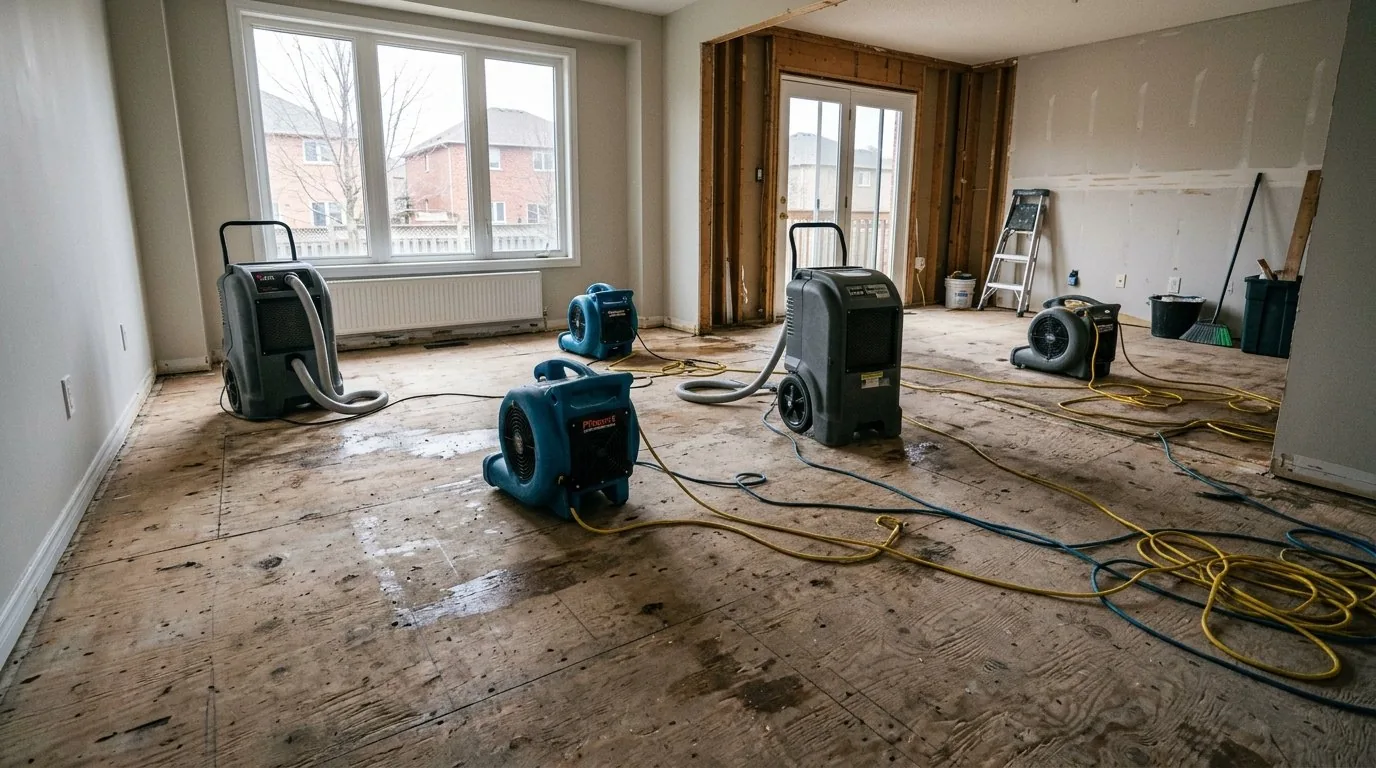
- Specialized pumps, extractors, air movers, and dehumidifiers remove standing water and quickly dry affected structures.
- Antimicrobial treatments reduce the risk of mould and remaining microbial contaminants.
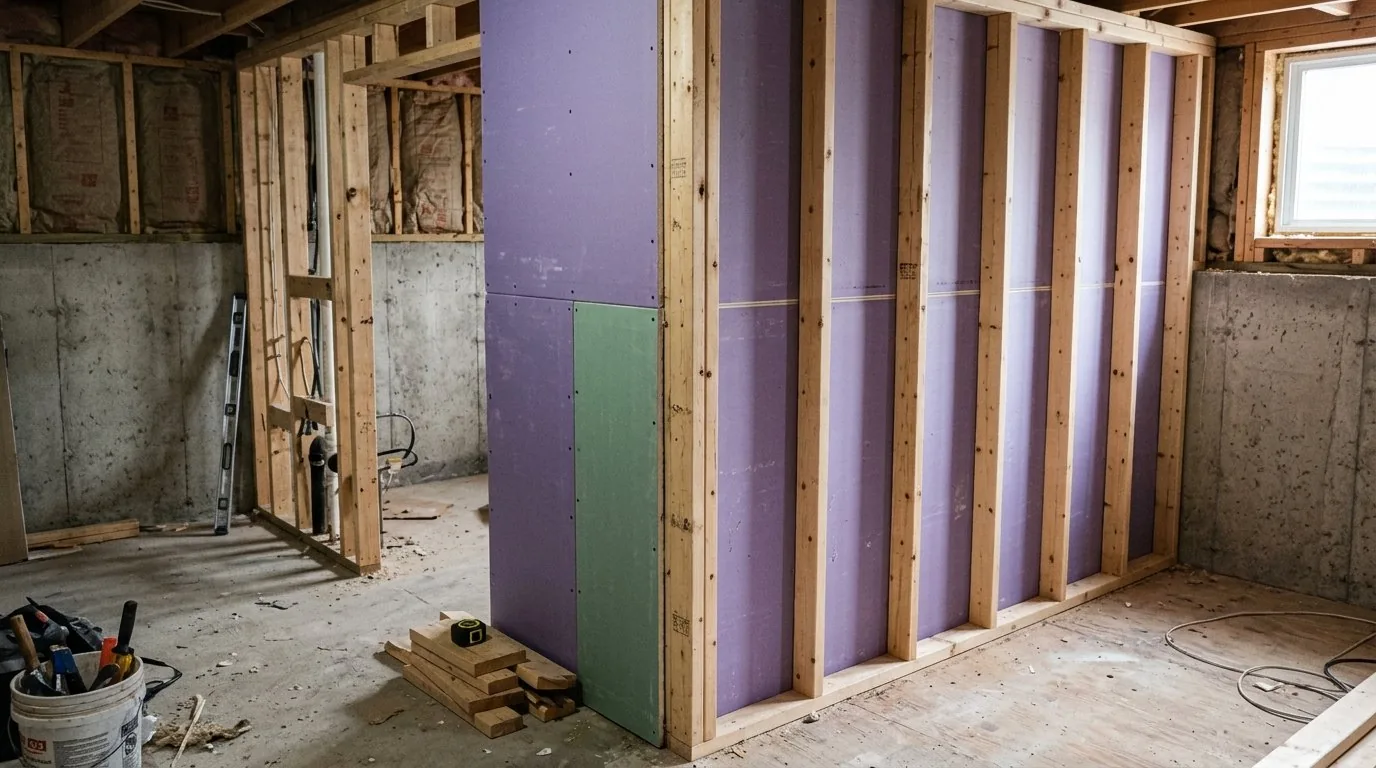
- Careful repair of damaged drywall, flooring, cabinetry, or structure is conducted only after verifying that all affected areas are dry and safe.
- All cleaning solutions and processes are selected to meet local and provincial standards for safety and indoor air quality.
- Fire, Smoke, Mould, and Other Damage Restoration
- Fire and smoke calls for removal of charred elements, advanced odour neutralization, and air quality treatment.
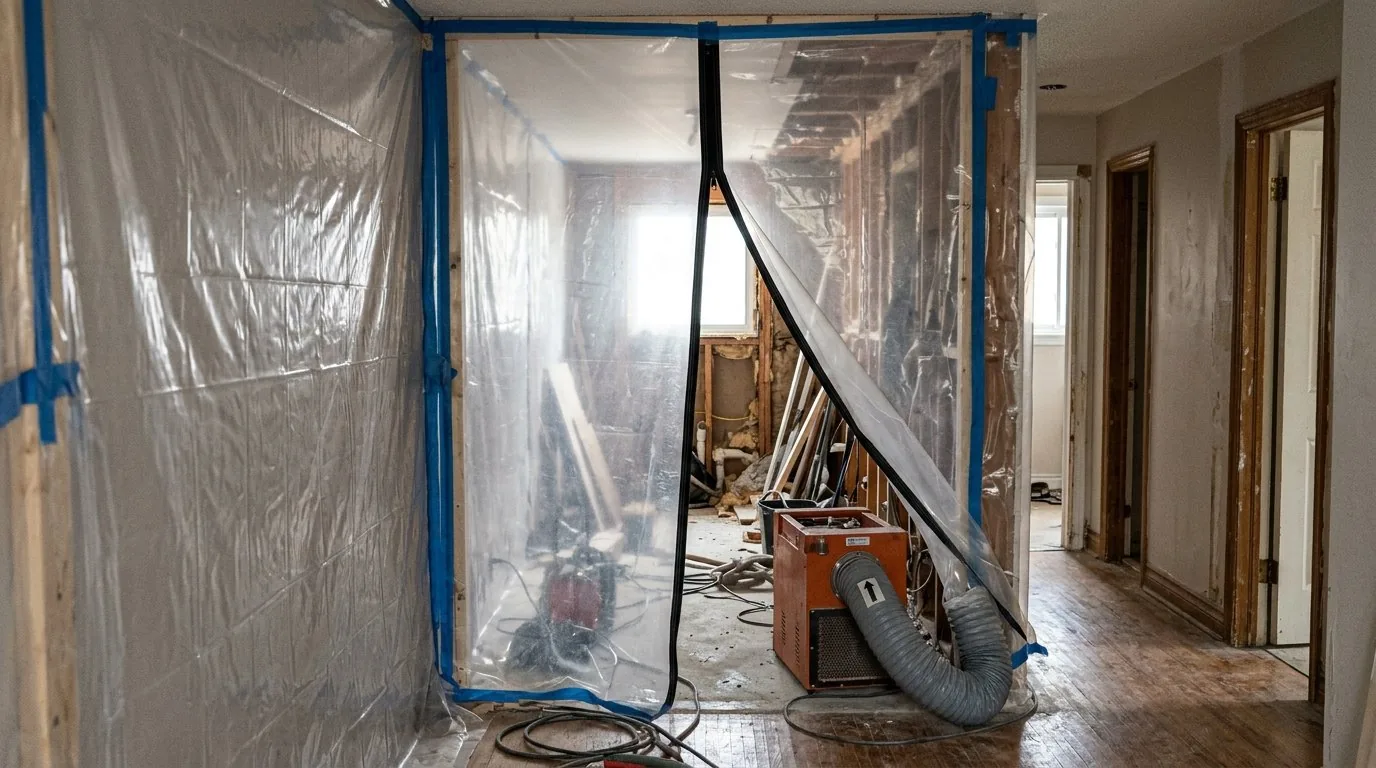
- Mould and asbestos require regulated containment (negative air, HEPA filtration, PPE) and disposal, following Ontario’s specific health and building codes.
- Wind and storm restoration handles both exterior envelope repairs and interior restoration of spaces exposed to weather or rain after the event.
To explore the full range of specialized options and tailored solutions, see the Comprehensive restoration and emergency mitigation services offered by TGV Construction Group.
Key Differences Between Residential and Commercial Restoration
Restoration for homes and businesses in Ontario may share fundamental steps but face different challenges and regulatory requirements.
Building Size, Systems, and Complexity
- Residential buildings often range from small apartments to single-family homes, usually with straightforward mechanical and electrical systems.
- Commercial properties may span thousands of square feet, multiple floors, and have HVAC, elevators, commercial kitchens, or labs. This complexity increases logistical planning for both mitigation and full restoration.
Occupants, Operations, and Access
- Homes require scheduling that respects family routines, privacy, children, or pets. Restoration crews must work sensitively in lived-in spaces and often on a condensed timeline.
- Commercial environments demand strict coordination with property managers, tenant notices, off-hours access, and business operations - to minimize downtime and maintain essential services where possible.
Safety, Containment, and Hazardous Materials
- Both property types in Ontario must comply with regulations for mould, asbestos, and other hazardous substances. Older commercial buildings especially may hide large areas of asbestos or lead-containing materials, requiring professional testing and legal abatement before restoration.
- Worker and occupant safety is paramount. Mould & Asbestos projects involve written plans, regulated work zones, and air quality testing.
Documentation and Coordination
- Residential jobs usually require clear records for insurance and homeowner tracking (photos, moisture readings, scope of work, and sign-offs).
- Commercial projects often expand on this with daily logs, detailed schedules, project milestones, regulatory inspections, and ongoing status updates for multiple stakeholders (owners, tenants, insurers, consultants).
Scheduling, Phases, and Return to Use
- Residential restoration aims for quick completion to restore full occupancy of the home.
- Commercial work is often phased, with critical paths set to reopen offices or sales floors as quickly as possible. Temporary access, noise restrictions, dust control, or staged reopening may be needed.
Common Elements in Both Residential and Commercial Restoration Projects
Despite differences, a robust restoration project - whether for a Toronto home or downtown office - relies on key shared pillars:
Stabilize the Property and Document All Conditions
- Technicians first secure hazards (power, gas, unstable structure), protecting life and limiting property loss.
- Digital photos, written logs, and mapped damage reports provide a record for insurance, compliance, and decision-making.
Control Moisture and Prevent Secondary Damage
- Prompt drying and moisture containment helps prevent hidden mould, odours, or lingering water-related damage.
- Equipment placement is designed to dry areas efficiently, with regular re-inspections and readings ensuring thorough remediation.
Clean, Repair, and Verify Quality of Restoration
- Removal and safe disposal of damaged materials restores health and removes future risk.
- Repairs are only completed once underlying issues (dryness, air quality, containment clearance) are confirmed by post-work measurement.
- Customer satisfaction is reinforced through independent verifications, detailed records, and a clear summary package.
- Explore restoration insights and guides in the TGV Construction blog for more information on these quality assurance steps.
Choosing a Restoration Contractor in Ontario
Choosing the right restoration contractor is vital for a safe, compliant, and successful outcome. Use the following checklist to guide your selection and ensure peace of mind.
Checklist for Selecting a Contractor
- Thorough Assessment and Communication
- Does the contractor supply a clear damage assessment and written restoration plan?
- Are photos, moisture or hazardous material findings included in initial reporting?
- Expertise in Hazard Management
- Do they verify presence of asbestos, lead, mould, and understand legal handling for all Ontario regulations?
- Are crews trained and certified for Mold & Asbestos, Fire & Smoke, and Water & Flood projects?
- Scope, Pricing, and Change Management
- Is the estimate transparent, calling out exclusions, included services, and possible “unknowns” (like hidden moisture or structure)?
- How will additional discoveries or changes in scope be communicated and priced?
- Permit and Code Compliance
- Will the contractor check permit needs for all aspects - structural, electrical, plumbing, accessibility - and manage municipal processes?
- Do they coordinate specialty trades (such as electricians, plumbers, abatement firms) directly?
- Documentation and Customer Service
- Is there a single point of contact for coordination and urgent questions?
- How does the contractor keep you updated on progress, setbacks, and milestones?
- Insurance Support
- Can the company generate documentation for your insurer, answer technical questions, and collaborate on claim requirements?
TGV CONSTRUCTION GROUP INC. brings a record of over 200 Projects Completed, comprehensive General Contracting and Restoration services, and hands-on leadership from Tamara Gavrilenko, known throughout Ontario for client advocacy and transparency. For more insight into our team and values, see About TGV Construction Group's expertise and leadership under Tamara Gavrilenko.
Ready for a detailed evaluation and proposal? Request a detailed quote from TGV Construction Group for your restoration project.
Steps to Take After Property Damage
Quick action following damage can strongly influence outcomes, costs, and the safety of everyone involved. Follow these steps if you experience property damage:
- Ensure personal safety first If fire, structural damage, or electrical hazards are suspected, evacuate occupants to a safe area. Contact emergency services if warranted.
- Stop the source if safe and possible Shut off water valves or power sources to minimize ongoing damage, but only if you can do so without risk.
- Notify your property insurer or representative Report the damage immediately. Obtain information on approved remediation steps, and expectations for claims documentation.
- Document the damage in detail Take clear photos and videos. Write down the type and extent of visible damage with date and time. Don’t throw away damaged items before documenting them unless they threaten safety or health.
- Arrange prompt professional assessment and mitigation Qualified contractors can uncover hidden issues, moisture, or hazards, and initiate stabilizing steps. Clarify the boundary between emergency mitigation and full restorative work for proper claim process and municipal compliance.
- Share known hazard or building information Provide records or knowledge of previous asbestos, mould, renovations, or major upgrades with responders to avoid delays and support legal compliance.
- Set communication and access protocols Define who can make decisions, approve extra work, and be contacted by the contractor. Establish access requirements for multi-tenant or business properties.
- Confirm permit requirements and inspections Before proceeding with anything beyond drying, ask about permits required for repairs, especially those involving structural, plumbing, or electrical changes.
- Request completion and verification documentation Upon project closure, seek written confirmation with before-and-after photos, moisture readings, and details of any work that should be monitored in the future.
Frequently Asked Questions
What distinguishes residential from commercial restoration?
Residential restoration serves occupied homes with a focus on privacy and immediate livability. Commercial restoration addresses business continuity, complex building systems, and multiple stakeholders, often with layered compliance and scheduling demands.
Are different restoration processes used for homes versus businesses?
While foundational steps - damage assessment, mitigation, drying, cleaning, and repair - are shared, commercial projects usually bring stricter timelines, more advanced mechanical systems, extensive documentation, and a need to coordinate among multiple parties.
What types of damage do restoration contractors address?
TGV CONSTRUCTION GROUP INC. manages Water & Flood, Fire & Smoke, Mold & Asbestos, Wind & Storm, and other property incidents, serving both residential and commercial clients in Ontario.
How quickly should damage assessment occur after fire or water?
A qualified assessment should occur as soon as possible - generally within hours - to prevent escalation and costly secondary damage. 24/7 Emergency Restoration & Mitigation services are available across the Greater Toronto Area.
Is it possible for a business to remain open during restoration?
Often, yes. With phased approaches, careful containment, and after-hours or restricted-access work, key portions of a business may remain functional. This depends on the extent of the damage, access, hazards, and operational needs of the business.
Are permits necessary for restoration in Ontario?
Some emergency actions and basic repairs may be permit-exempt, but work that shifts structural elements, plumbing, electrical, or egress generally does require permits and municipal review. Always consult your contractor and local authorities for the final word.
How should asbestos or hazardous materials be handled during restoration?
Handling of designated substances is strictly regulated. Professional testing, proper containment, and licensed abatement are essential. Never attempt personal removal of hazardous materials - this is both unsafe and unlawful in Ontario.
Does the contractor deal with insurance claims?
Restoration contractors facilitate claim documentation and directly communicate technical issues to your insurer, but final payment decisions fall to your insurance provider and policy.
How long does restoration typically take?
Recovery time varies widely by extent and type of damage, moisture required to dry, insurance or code reviews, and permit timelines. Simple water extraction may be finished in days; major multi-phase jobs or extensive rebuilds can require weeks or several months.
What should I clarify before signing a restoration estimate?
Review all inclusions and exclusions, understand change management practices for hidden damages, confirm ongoing communication processes, and ask how the company verifies quality, safety, and code compliance.
For more answers to restoration-related questions in Ontario, Explore restoration insights and guides in the TGV Construction blog.
This article is for informational purposes only. Always confirm requirements with local authorities, your insurer, and qualified professionals. Individual property needs, compliance measures, and budget considerations may vary based on location, scope, and the presence of regulated materials.
TGV CONSTRUCTION GROUP INC. delivers deep technical skill and proven results in General Contracting and Restoration services. Serving Toronto, the Greater Toronto Area, and Ontario-wide with a commitment to safety, customer satisfaction, and 24/7 Emergency Services, TGV is ready to help you restore peace of mind and property function - whenever you need it.