When significant damage occurs due to flooding, fire, storms, or other unexpected events, property owners and managers face urgent decisions that affect both the safety and usability of their buildings. Large loss restoration projects - those with substantial damage or complexity - demand unrelenting attention to quality, safety, and organization at every stage.
Property owners in Toronto, the Greater Toronto Area, and Ontario need confidence that their restoration partner will manage these projects effectively. TGV Construction Group Inc., founded by Tamara Gavrilenko and entrusted with more than 200 restoration and contracting projects since 2017, brings a rigorous, practical approach to every large loss. With a reputation built on experience, accountability, skilled personnel, and direct communication, TGV Construction supports clients through every phase - from emergency response to the final building handover.
This explainer details the step-by-step quality controls, documentation practices, and stakeholder collaboration that define how TGV Construction manages and ensures excellence in large loss restoration, so owners and managers know what to expect - and how to support a smooth and reliable recovery process.
Understanding Large Loss Restoration
Large loss restoration projects are fundamentally different from routine property repairs. They involve damage that impacts substantial building areas or systems, requires coordinated action by multiple skilled trades, and brings increased involvement from insurers, regulators, and technical consultants.
What Defines a Large Loss Restoration?
- In homes and multi-residential properties, a large loss usually means damage affecting several rooms, critical systems (like electrical, HVAC, plumbing), or shared amenity spaces.
- In commercial and institutional buildings, large losses often disrupt regular operations, cause extensive damage on various levels, and demand complex coordination between tenants, property managers, board members, and outside advisors.
Common Causes Leading to Large Loss Scenarios:
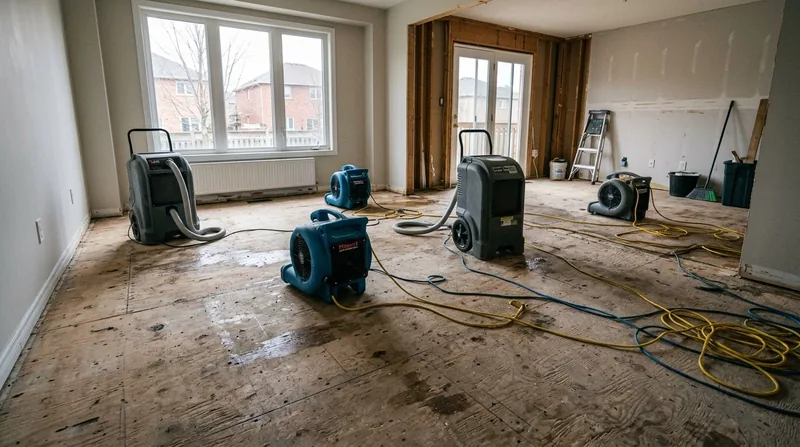
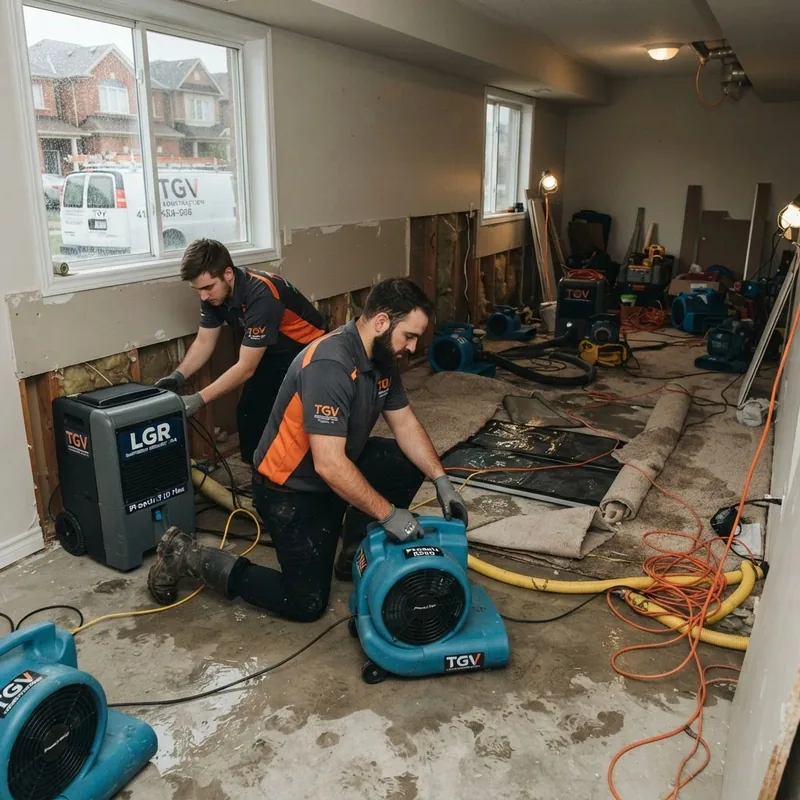
- Water & Flood Damage: Burst pipes, sewer backups, overland flooding - these introduce significant moisture, risking structural weakening and triggering rapid mold development.
- Fire & Smoke Damage: Fire may destroy building materials and systems quickly, while smoke can cause widespread contamination that reaches well beyond visibly burned areas.
- Mold & Asbestos: Persistent leaks or previous water incidents may enable significant mold growth or disturb older materials containing asbestos, both requiring regulated remediation approaches.
- Wind & Storm Damage: Severe weather events may strip away roofing, shatter windows, breach building envelopes, and cause collapse risks within minutes.
Differences in Approach for Large Losses:
- Scale and complexity demand specialized planning, immediate safety measures, and multi-disciplinary collaboration.
- Emergency stabilization is usually followed by a staged restoration effort, involving specialized trades (such as hazardous material technicians or structural engineers), detailed documentation, regulatory coordination, and transparent communication with stakeholders.
- Insurance claim documentation and code compliance requirements typically grow alongside the scale of the loss.
The Importance of Quality Control in Large Loss Restorations
Quality control is central to the success of any substantial restoration effort, especially when property safety, habitability, and business operations are on the line.
Why Is Quality Control Essential in Large Loss Restoration?
- Safety First: Workers and occupants are at elevated risk in unstable or contaminated environments. Securing sites, monitoring for hazards (such as electrical risks, airborne particles, asbestos, or mold), and enforcing safety measures are non-negotiable.
- Older buildings in Toronto and Ontario may contain hazardous materials regulated under provincial law, making professional assessment and mitigation mandatory before certain work proceeds.
- Schedule Assurance: Large loss projects impose serious disruptions - offices, condo towers, and retail spaces often cannot operate until restoration is completed. Keeping to agreed schedules requires close monitoring, obstacle resolution, and early identification of issues that could push deadlines.
- Stakeholder Coordination: Projects frequently involve multiple owners, boards, tenants, public officials, engineers, insurers, and specialty trades. Ensuring clarity of roles, timely communication, and documented responsibilities reduces confusion and disputes.
- Regulatory and Code Compliance: Large loss restorations may trigger requirements related to permits, health and safety legislation, environmental protection, and sometimes heritage preservation - especially in Toronto’s historic districts.
- Transparency and Accountability: Documented quality controls protect all parties, enable insurance claim substantiation, and are essential if any work is disputed or reviewed later.
Practical Ontario Examples:
- Timely, accurately documented water extraction may prevent longer-term liability for mold, a frequent risk with delayed or incomplete drying.
- Fire restoration in character neighbourhoods demands adherence to municipal heritage requirements and strict asbestos or lead abatement where pre-1980s finishes are involved.
- Commercial condos may face insurance requirements for inspection and progress documentation at each milestone to validate claims.
Quality control guides every stage of the process, from the first assessment through to final verification - not just as a “box-ticking” exercise at the end.
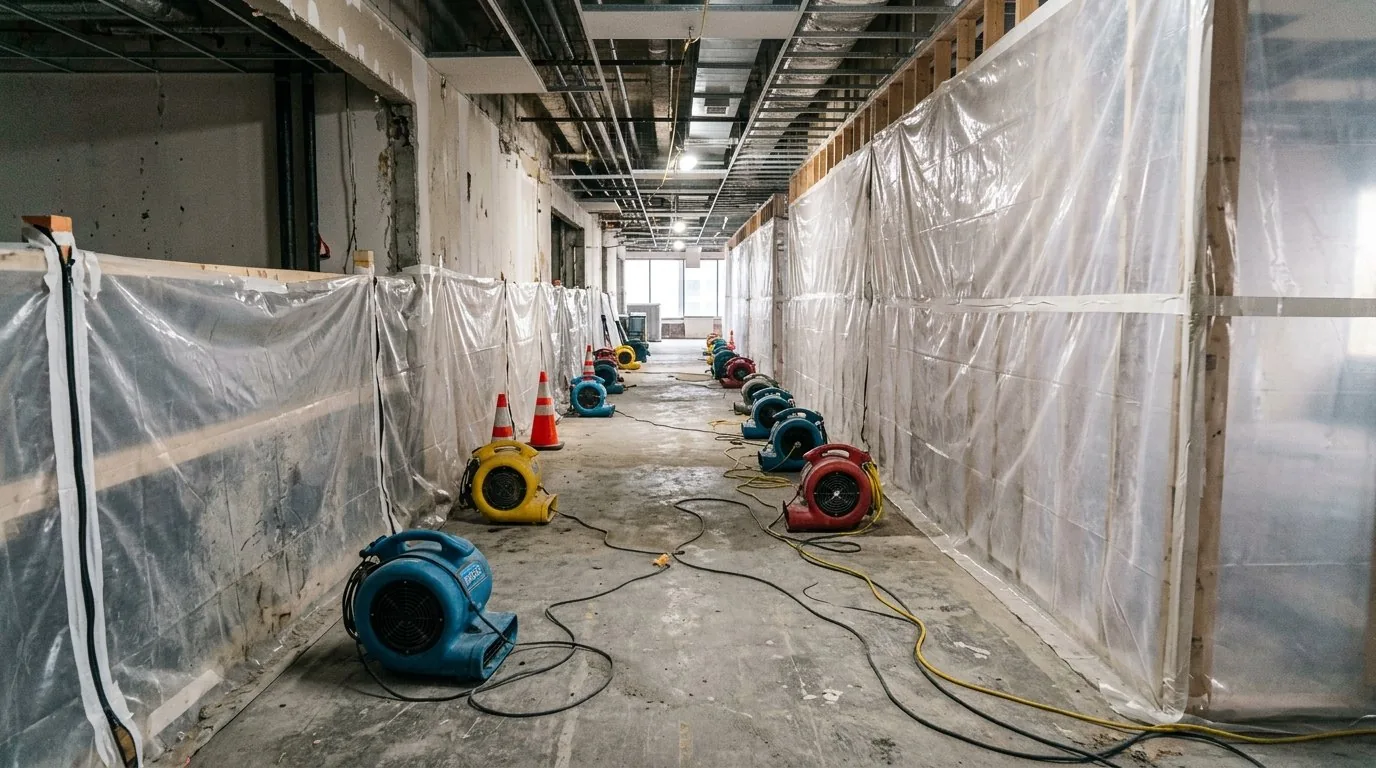
How TGV Construction Group Ensures Quality from Initial Assessment to Completion
TGV Construction Group’s approach to large loss restoration is methodical, transparent, and rooted in proven best practices.
Steps in the Quality-Controlled Process:
- Initial Site Assessment and Hazard Identification
- Safety is assessed immediately. Hazards such as live electrical circuits, unstable structures, and contaminants are identified, documented, and isolated. Occupants are briefed on safe zones and restricted areas.
- Written and photographic records are created, capturing the pre-restoration condition - an essential reference for insurance and compliance.
- Teams note the extent of visible and suspected damage, potential hazardous material presence, and any access limitations.
- To see a detailed overview of this approach, refer to the emergency restoration and mitigation services by TGV Construction.
- Developing the Restoration Work Plan
- A tailored project plan is developed, specifying:
- The detailed scope of work
- Priorities and staging
- Key milestones with verification points
- Allocation of skilled personnel, resources, and temporary facilities (such as power or HVAC if utilities are disrupted)
- Permitting, code compliance, and hazardous material abatement requirements are integrated into the plan.
- Work plans anticipate logistical challenges and outline procedures for adjusting as new findings emerge.
- A tailored project plan is developed, specifying:
- Assigning Roles and Communication Protocols
- A designated project manager serves as the primary contact for owners, managers, tenants, consultants, and trades. Backup contacts are established for efficient approvals and access.
- Communication protocols include scheduled reporting, rapid notification for issues requiring owner approval, and full documentation for significant decisions or change orders.
- Revised scopes and adjustments are always confirmed in writing, ensuring consent before critical changes proceed.
- Adhering to Recognized Standards and Regulatory Requirements
- Industry guidelines such as ANSI/IICRC S500 for water damage and emerging S700 (for fire and smoke restoration) inform best practices according to project conditions.
- Ontario building code, occupational health and safety law, and environmental/heritage obligations are addressed systematically.
- Hazardous material (including asbestos) protocols follow updated legal standards, always involving certified specialists for assessment and abatement.
- Continuous Quality Monitoring and Owner Engagement
- Milestone inspections, site logs, photo records, and written progress updates are maintained.
- Issues or suspected quality deviations are promptly flagged, discussed, and resolved in collaboration with owners and, if necessary, insurance professionals.
- Owners are kept in the loop - major decisions and any material substitutions or budget impacts are reviewed and approved with full transparency.
TGV Construction’s broader comprehensive restoration and general contracting services apply these same principles of accountability and systematic quality control to all phases of construction, renovation, and rebuilding.
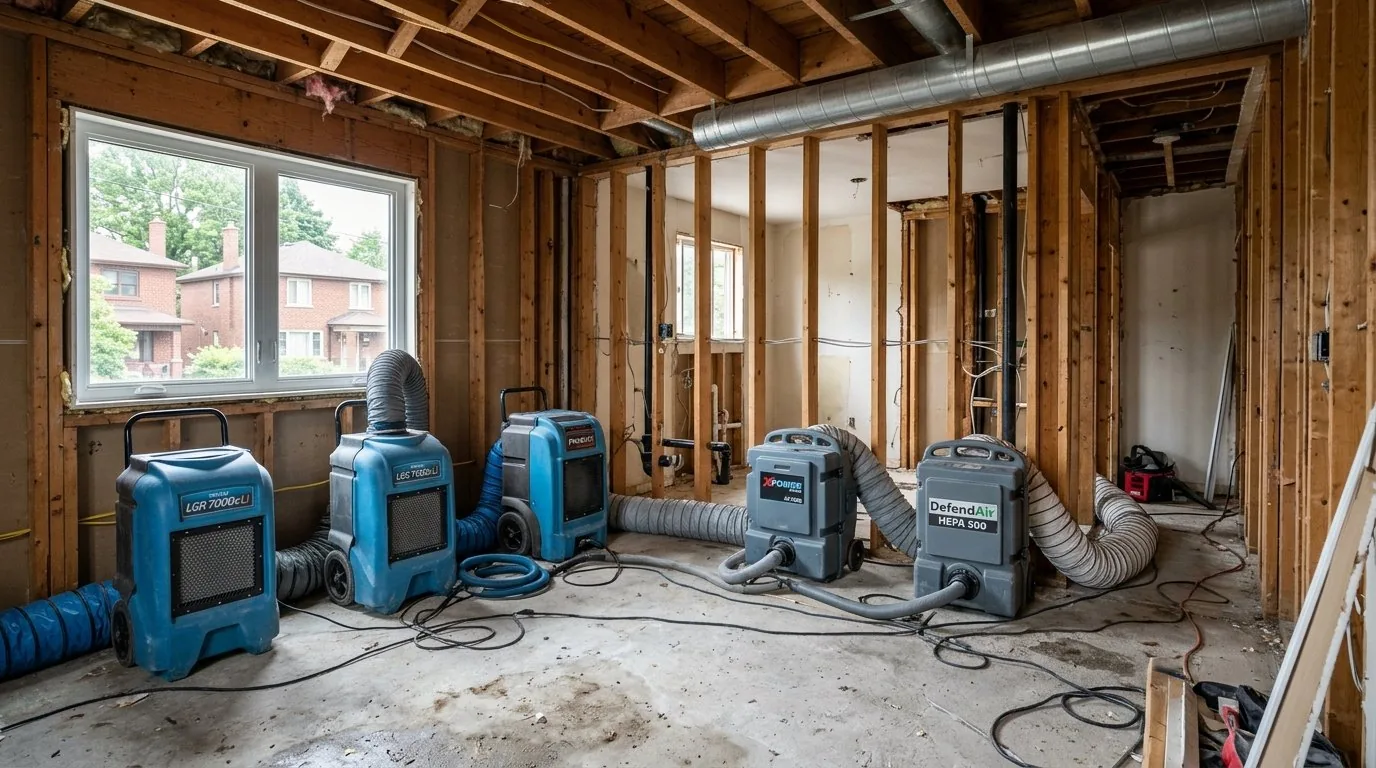
Quality Controls During Mitigation and Reconstruction Phases
Strict quality controls during mitigation (stabilization and containment) and reconstruction (repair and rebuilding) are critical to prevent secondary damage and ensure a reliable, durable result.
Quality Control Protocols and Practices:
- Containment and Environmental Controls:
- Temporary barriers and negative air machines are installed to prevent contaminants - mold spores, soot, asbestos fibres - from spreading to unaffected building zones.
- Work areas are clearly delineated, with signage and restricted access policies enforced.
- For microbial remediation and asbestos projects, protocols match regulatory requirements and are monitored throughout execution.
- Workmanship Verification and Progress Tracking:
- Frequent inspections are performed, documented in checklists and site logs.
- Deficiencies or incomplete work are identified early and addressed before proceeding to next stages.
- Progress is tracked against documented benchmarks; communication with owners is continuous, with updates provided in plain language.
- Managing Scope Changes and Unforeseen Issues:
- When hidden problems are revealed - such as water behind walls, compromised structural elements, or undisclosed hazardous materials - these are recorded through new photographs and reports.
- Project plans are updated and shared with owners, with adjusted budgets or timelines clearly presented and owner approvals retained.
- Use of Specialized Equipment and Trained Teams:
- Advanced drying systems, HEPA filtration, thermal cameras, and moisture sensors are used for efficient, evidence-based restoration.
- All technicians are trained in health and safety requirements, and their work is subject to periodic oversight by the project manager.
Quality Focus by Project Stage
| Project Stage | Quality Focus | Example Documentation |
|---|---|---|
| Assessment & Planning | Hazard identification, site safety, detailed scoping | Photographs, baseline reports, hazardous material surveys |
| Mitigation/Cleaning | Containment, stabilization, environmental safety | Containment checklists, drying logs, progress images |
| Reconstruction/Repair | Code compliance, material quality, skilled work | Inspection forms, permits, change records |
| Final Verification | Completion review, owner acceptance, documentation | Final walkthrough logs, closeout files, deficiency lists |
TGV’s sizable track record is visible when you explore our portfolio of completed restoration projects, which reflect a comprehensive, quality-focused process across a multitude of building types and losses in the GTA and Ontario.
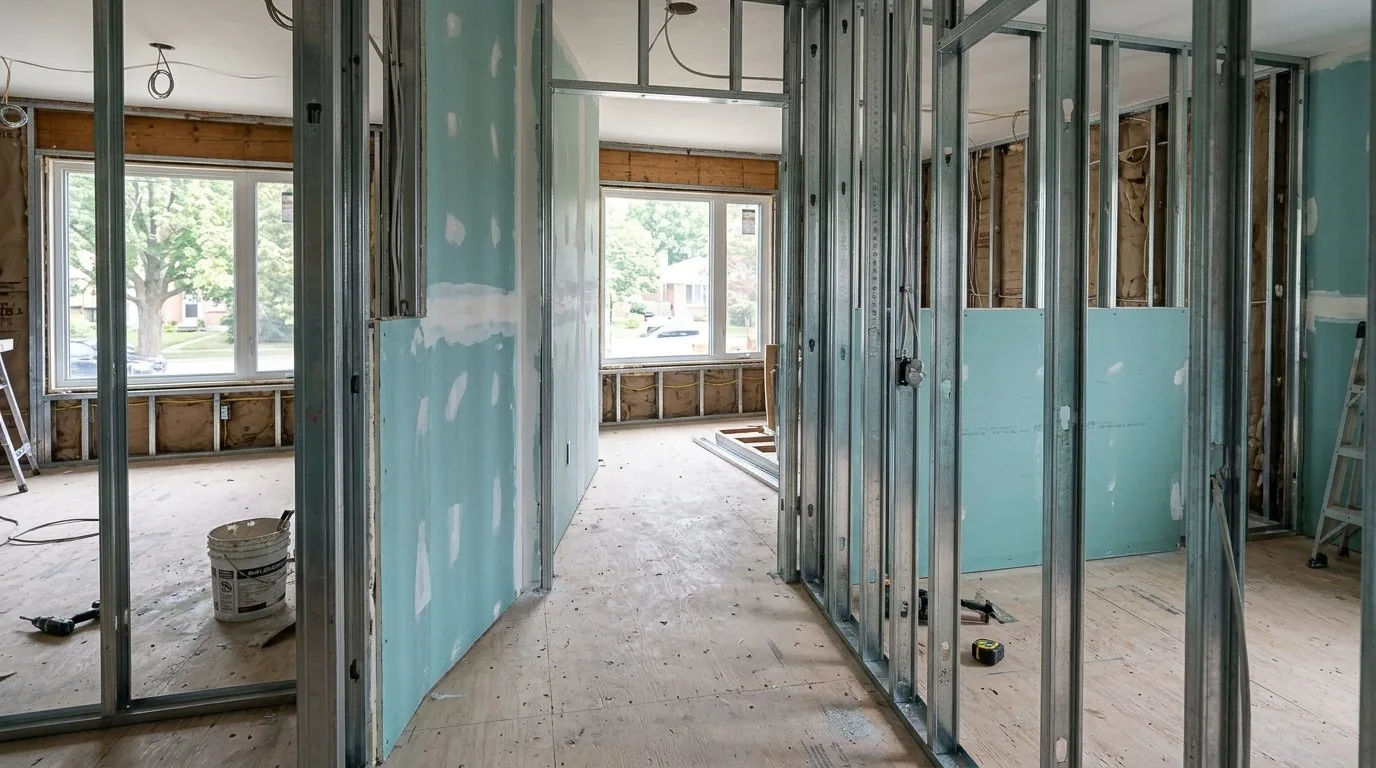
Final Verification and Project Closeout
As restoration nears completion, TGV Construction follows a detailed closeout process so owners can return with peace of mind.
Final Quality Verification and Handover Steps:
- Comprehensive Inspections:
- Every restored area, system, and component is inspected for completeness, adherence to documented scope, and compliance with applicable codes and owner expectations.
- Outstanding work is detailed in a deficiency list, and a plan for remediation is confirmed before final sign-off.
- Documentation and Owner Guidance:
- Owners receive a closeout package, which may include:
- A summary of work performed and replaced/retained components
- Copies of permits, inspection records, and compliance statements (as applicable)
- Supporting photo documentation and key contacts for future reference
- Insurance-claimed projects may require additional records for adjusters, provided in coordination with the client.
- Owners receive a closeout package, which may include:
- Orientation for Owners and Managers:
- Property owners and managers are briefed on any future maintenance needed, recommendations for monitoring for recurring issues (such as leaks or humidity), and whom to contact in an emergency or for warranty purposes.
Closeout Checklist:
- All required inspections and approvals completed and logged
- Open deficiencies reported and resolved, or listed for follow-up if accepted by owner
- Final documentation handed over (digital or physical, as agreed)
- Maintenance and emergency guidance provided
- Owner’s sign-off obtained and recorded
Clear, proactive communication is maintained throughout, so all parties finish the project informed and confident in the results.
Supporting a Successful Restoration: Tips for Property Owners and Managers
Owners and property managers are essential partners in any large loss restoration. Effective collaboration not only ensures safety but helps achieve smooth, timely recovery and durable results.
How To Support the Restoration Process:
- Designate a Primary Decision-Maker: Assign one person (with an alternate) to handle site access, sign-offs, and day-to-day communication so the project can move forward quickly when decisions are required.
- Share Prior Building Information Promptly: Provide available records - such as as-built drawings, previously completed hazardous material inspections, and recent maintenance logs - at the start.
- Document Observations Safely: Notice new damage or changes? Take photos and brief notes but always avoid entering suspect or unsafe areas or disturbing surfaces - especially where mold or asbestos could be present.
- Retain All Communications and Records: Archive emails, change-order approvals, insurance documents, deficiency lists, and payment records in one accessible location. Organized records clarify project history if questions arise.
- Report Ongoing Concerns Without Delay: If further problems emerge - additional leaks, odours, or safety hazards - let your project manager know immediately. Addressing issues early can prevent more costly repairs later.
These steps help support a quick, safe, and reliable restoration outcome that meets the needs of all stakeholders.
Frequently Asked Questions about Large Loss Restoration Quality
How is a large loss defined in restoration?
A large loss is typically recognized as property damage so extensive or complex - that it affects multiple spaces, essential systems, or critical business functions - that it requires a coordinated restoration team, multiple trades, and specialized project management. There’s no universal measurement; it’s assessed by scope and impact.
What quality checks happen during restoration?
Quality controls are systematic and ongoing: pre-work hazard assessment, containment setup, interim site inspections, progress tracking, approval of scope changes, and final deficiency walk-throughs. Records include photographs, logs, owner approvals, and any mandated inspector or adjuster reports.
How does TGV Construction coordinate multiple trades and contractors?
A dedicated project manager handles all communications, schedules, and expectations. Regular written updates, meeting summaries, and clear chains of approval ensure that all contractors, consultants, and owners work in sync from start to finish.
How are unexpected issues (like hidden damage) handled?
Any concealed damage or new hazards uncovered during work are immediately documented and communicated. The work plan and budgets are updated, with no work proceeding outside agreed, documented changes, and owner consent is secured.
How long does large loss restoration take, and what documentation will I receive?
Project timelines vary widely depending on damage type, approvals needed, and weather or supply factors. Owners will receive a record of restoration stages, photographic evidence, deficiency and completion records, inspection outcomes, and compliance statements as required.
What is the role of insurance and the client in restoration?
Owners, adjusters, and restoration professionals work together to define the loss, required scope, and claim details. TGV Construction supplies necessary documentation and access for adjuster review. Individual coverage, deductibles, and policy details govern claim outcomes, and clients should consult their insurance advisor regarding specifics. This article provides general information only. For advice regarding specific restoration, code, legal, insurance, or health matters, please consult the relevant qualified professional.
For further information tailored to your situation, property owners and managers across the GTA and Ontario are invited to contact TGV Construction for consultation and quotes.
TGV Construction Group Inc. is committed to quality at every stage of large loss restoration. Guided by Tamara Gavrilenko’s leadership, with more than 200 projects completed, our experienced team delivers reliable results for residential and commercial clients throughout Toronto, the GTA, and Ontario. Every project is an opportunity to restore safety, functionality, and peace of mind - through proven processes, transparent communication, and a passion for excellence.