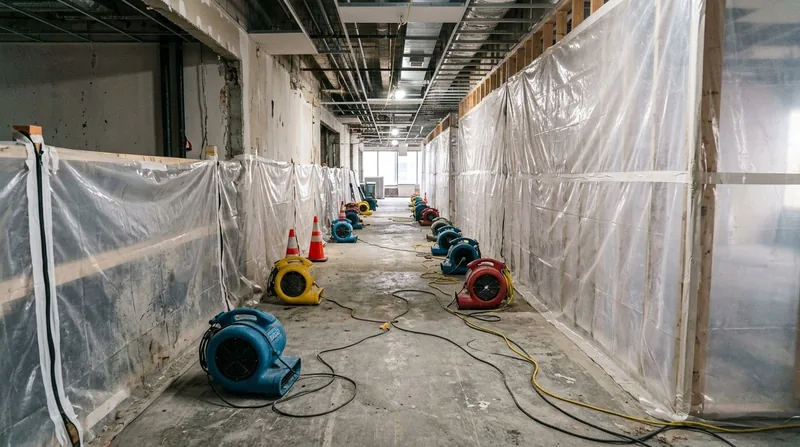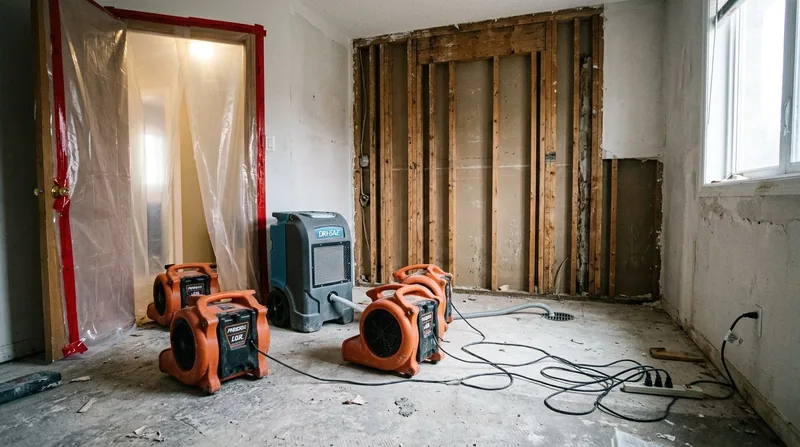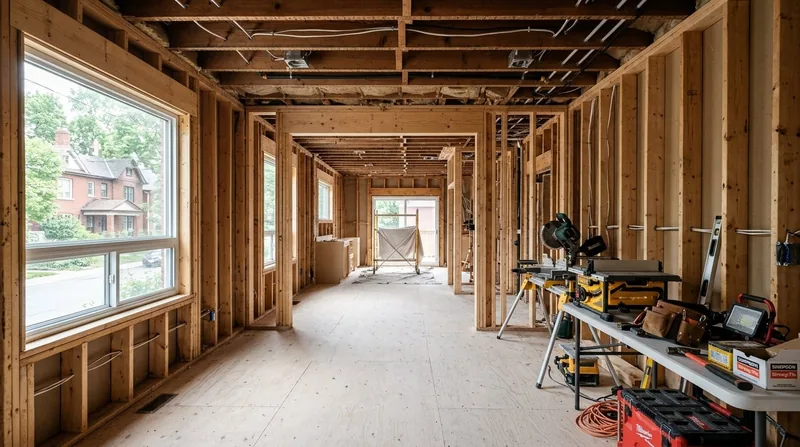
Safety is fundamental to every successful construction project in Ontario. Whether you are a homeowner in the Greater Toronto Area planning a residential renovation, a property manager overseeing commercial restoration, or a skilled tradesperson on site, understanding construction safety standards is essential. Ontario’s legal framework goes beyond common sense precautions; every party on a construction site - constructor, employer, supervisor, and worker - holds specific obligations. Recognizing these responsibilities protects your project, your team, and your community.
Restoration and emergency mitigation scenarios - such as fire or water damage - often introduce unique safety risks and additional regulatory requirements. Mold and asbestos remediation in older Toronto properties, large-scale reconstruction following storms, and urgent repairs all demand strict adherence to safety protocols. Upholding safety is a legal requirement and an ethical imperative, underpinning customer satisfaction, quality assurance, and timely project completion.
This guide explains how Ontario’s construction safety rules apply in real project situations - grounded in law, but presented clearly for residential, commercial, and industrial clients in the Greater Toronto Area and across Ontario. This information is meant as general guidance only; always consult the current Occupational Health and Safety Act (OHSA), accompanying regulations, and qualified professionals before making safety or legal decisions.
Overview of Ontario’s Construction Safety Standards
Ontario’s construction sector operates under a strong legal framework intended to prevent injuries, maintain high standards, and support the safe completion of property improvements.
- The Occupational Health and Safety Act (OHSA): This legislation is the central authority on workplace safety, assigning and defining safety responsibilities for constructors, employers, supervisors, and workers.
- O. Reg. 213/91 Construction Projects Regulation: This detailed regulation sets out day-to-day requirements for construction projects, covering residential renovations, commercial fit-outs, and large-scale design-build or restoration work.
The Occupational Health and Safety Act (OHSA)
The OHSA applies to almost every job site in Ontario, from family home additions to high-rise construction. The Act establishes the “internal responsibility system,” where every workplace party has a clear duty to contribute to safety.
O. Reg. 213/91 Construction Projects Regulation
This regulation outlines exact operational rules for construction work. Key areas include:
- Fall protection (guardrails, restraints, fall arrest)
- Personal protective equipment (headwear, footwear, eye and respiratory protection)
- Site inspections and recordkeeping
- Procedures for working with hazardous materials (mold, asbestos, lead)
- Worker training (including Working at Heights and WHMIS certification)
Project-specific hazards, whether dealing with mold and asbestos in older buildings or using heavy machinery during emergency mitigation, can add additional requirements for planning, documentation, and oversight.
Examples of hazards and work scenarios influencing safety requirements:
- Presence or disturbance of hazardous substances (e.g., asbestos, mold, silica, lead)
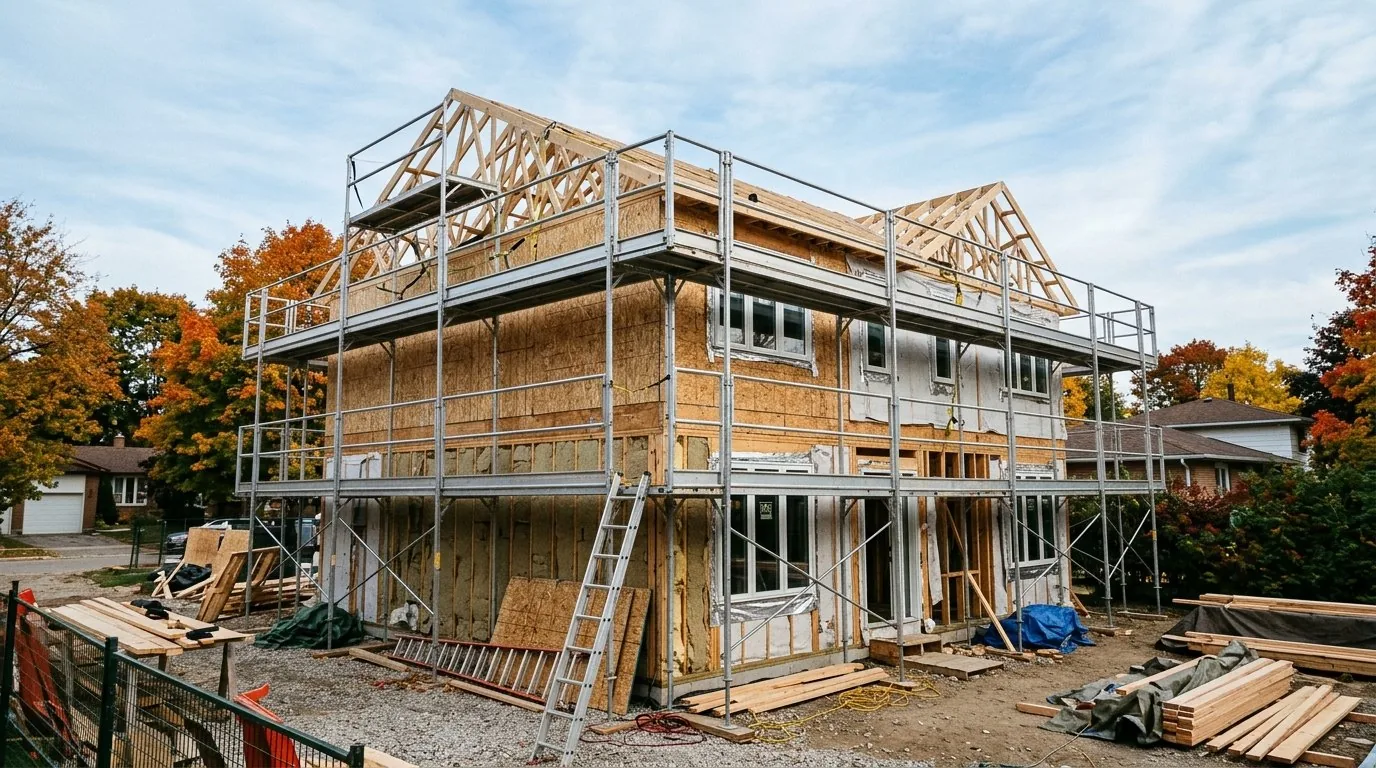
- Tasks performed at heights or on scaffolds
- Use of cranes, lifts, and other powered equipment
- Rapid response and restoration after water, fire, smoke, or wind damage
- Work in confined spaces or during major reconstruction
Always verify which rules apply to your site and work type. As part of our commitment to the GTA and Ontario, TGV Construction Group delivers comprehensive general contracting and restoration services with thorough attention to safety and compliance.
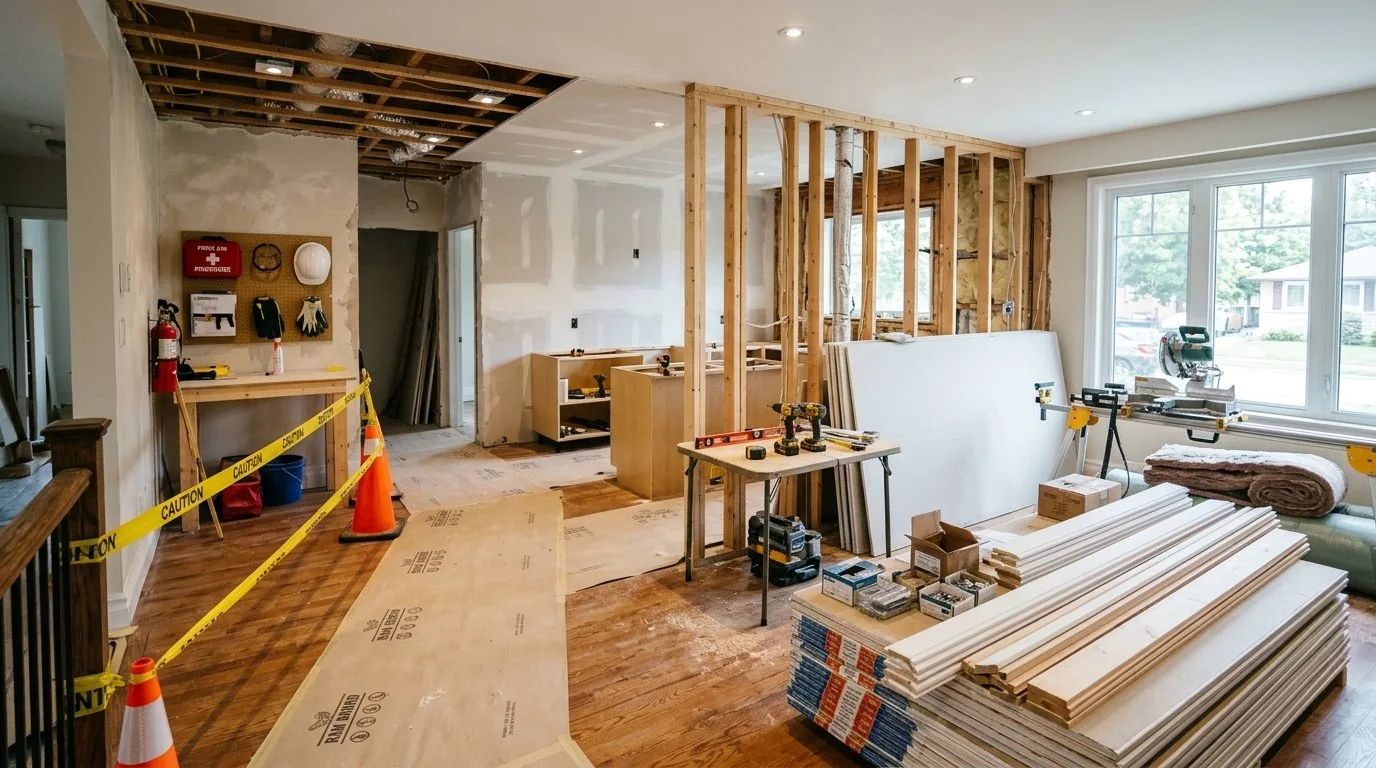
Roles and Responsibilities on Construction Projects
Clear assignment and understanding of safety roles is crucial for safe, compliant property renovation and restoration. Ontario law divides responsibilities among constructors, employers, supervisors, and workers.
Role Responsibilities Table
| Role | Primary Responsibilities |
|---|---|
| Constructor |
|
| Employer |
|
| Supervisor |
|
| Worker |
|
Misunderstanding these roles, especially in complex projects involving multiple subcontractors or rapid-response emergency restoration, can lead to gaps that put the team and property at risk. Proper role assignment is also key for scheduling inspections, navigating permit guidance, and achieving timely project milestones.
Essential Safety Requirements on Ontario Construction Sites
Construction and restoration sites present many hazards to workers, clients, and visitors. Effective safety management requires attention to the following regulatory standards and best practices.
Hazard Identification, Information Sharing, and Supervision
- Complete thorough hazard assessments before and during work.
- Communicate identified hazards clearly to all workers and supervisors.
- Assign a competent supervisor when five or more workers are present on site.
- Continually train and educate workers as site conditions or job scopes change.
Personal Protective Equipment (PPE)
- Hard hats and CSA-approved safety footwear are mandatory on nearly all Ontario construction sites.
- Additional PPE - such as safety glasses, gloves, hearing protection, and respiratory gear - must be provided for relevant tasks and correctly fitted.
- PPE supplements, but does not replace, primary risk controls such as engineering and administrative safeguards.
Fall Protection and Working at Heights Training
- All work at heights where a fall hazard exists must be protected with guardrails, travel restraint, fall arrest, or other valid protection systems.
- Workers using fall protection must complete Working at Heights (WAH) training approved by Ontario’s Ministry of Labour.
- WAH training is valid for three years and must be kept current.
- Employers must verify training certificates before permitting work at heights.
- Report and refuse any fraudulent training cards or unapproved certificates.
- Supervisors must confirm fall protection equipment is available, inspected, and used correctly before permitting work.
Equipment Inspection, Housekeeping, Access, and Egress
- Inspect all machines, tools, access ways, and emergency egress weekly, or more often if hazards are present.
- Document and promptly correct defective or unsafe equipment.
- Maintain clean, organized work areas to minimize tripping hazards and ensure unimpeded exits.
WHMIS and Exposure Prevention
- Provide WHMIS (Workplace Hazardous Materials Information System) training to all workers who may encounter hazardous materials.
- Label and provide Safety Data Sheets for all controlled products.
- Store, handle, and dispose of hazardous substances following legally mandated procedures.
- Keep training records current and accessible.
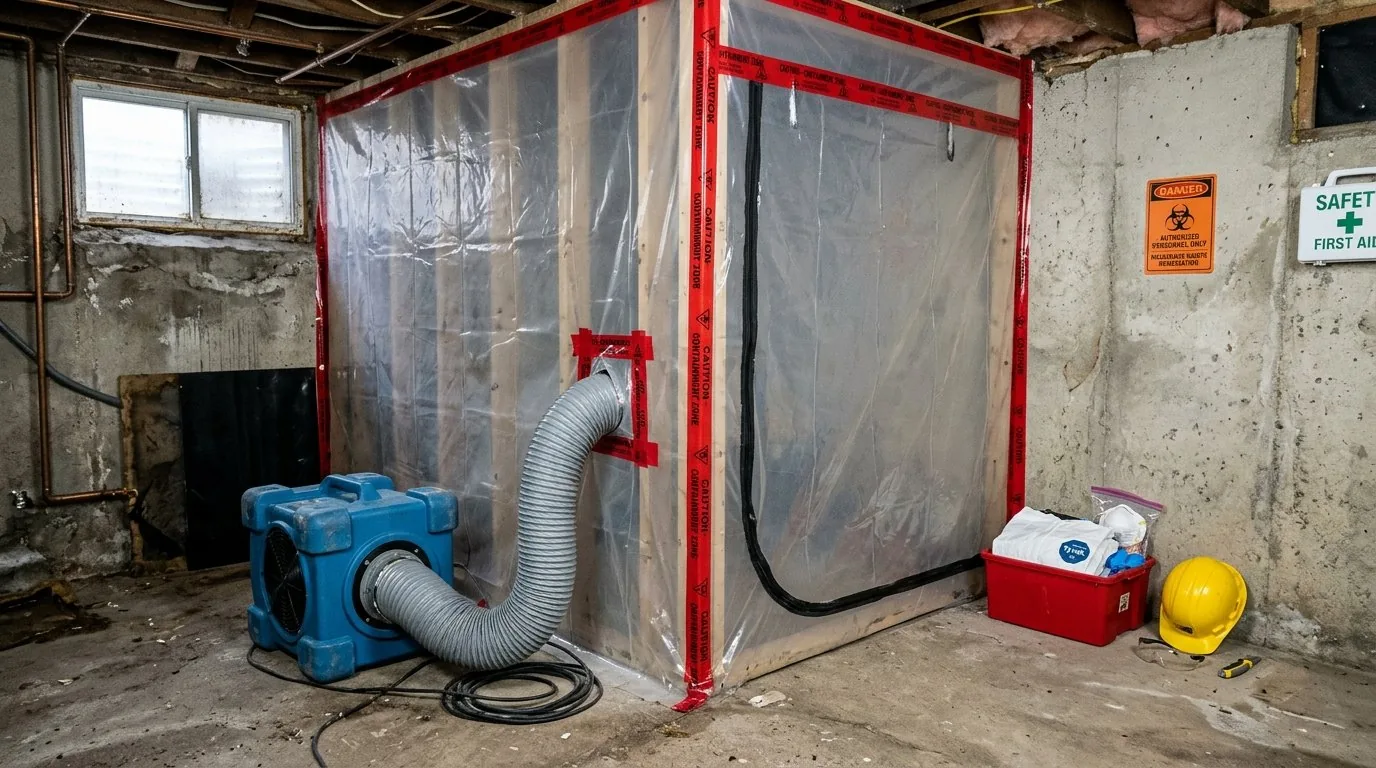
Safe Handling of Hazardous Substances: Asbestos and Mold
- Before starting work in older homes or buildings, assess for asbestos-containing materials and hidden mold.
- Never disturb these substances until professional testing and abatement planning are complete.
- Use only licensed trades and certified professionals for mold and asbestos remediation.
- Employ engineering controls, containment, and negative air equipment during disturbance or removal.
- Failure to manage hazardous materials properly can result in serious health consequences, regulatory enforcement, and delays.
Experiencing the stress of a recent fire, flood, or major storm? Emergency situations heighten safety risks and require prompt, expert mitigation. TGV Construction Group responds with 24/7 emergency restoration and mitigation services that uphold the highest standards of site safety and hazard control for clients throughout the GTA and Ontario.
Worker Rights and Hazard Reporting Procedures
Workers are the first line of defence against hazards. Ontario law gives all workers both the right and the responsibility to report hazards and, when necessary, to refuse unsafe work.
Hazard Reporting Checklist
- Cease work if an immediate danger is suspected or identified.
- Notify your supervisor or employer of the hazard or defective equipment, explaining clearly and specifically.
- Provide details in writing for site records if requested.
- Cooperate in any investigation; answer follow-up questions promptly.
- Wait for corrective action; do not resume unsafe work until the hazard is addressed.
- Escalate the report to the health and safety representative, joint health and safety committee, or directly to the Ministry of Labour if concerns persist.
The Right to Refuse Unsafe Work
- Workers may refuse work they believe is unsafe to themselves or others.
- The refusal and its reasons must be reported to the supervisor or employer, who is then required to investigate immediately.
- Workers should stay at a safe location while the investigation takes place.
- If not satisfied with the employer’s response, workers or representatives can seek assessment by a Ministry of Labour inspector.
- Law prohibits reprisals against workers acting in good faith.
Clear procedures are essential for effective hazard management. Employers and supervisors must respond promptly, investigate each report, and record actions taken.
Preparing for a Safe Construction Project
Careful planning improves both safety and efficiency, whether you are upgrading your home, managing commercial restoration, or undertaking a design-build development. Follow these key steps to ensure a safe result.
Pre-Project Planning
- Conduct a hazard assessment: Identify potential risks related to the project - falls, electrical, structural, chemical, noise.
- Define responsibilities: Assign constructor, employers, supervisors, and health and safety representatives.
- Verify equipment readiness: Inspect and certify all tools, machinery, and PPE for the project.
- Check training and certifications: Ensure every worker has valid training, including Working at Heights and WHMIS as needed.
- Establish emergency procedures: Develop clear plans for first aid, evacuation, and incident response.
- Record procedures and responsibilities as part of project management documentation.
Daily Safety Management
- Begin each day with a safety briefing and site check.
- Reassess site conditions after any incident, delivery, or major change.
- Ensure walkways and exits remain unobstructed and that all materials are stored securely.
- Promptly address new hazards, adapting safety measures as the work progresses.
Managing Changes During Work
Construction sites constantly evolve. New trades, changes in project scope, and weather shifts can alter risk profiles:
- Reevaluate hazard controls whenever tasks, teams, or physical conditions shift.
- Update site hazard communication and provide new instructions as situations change.
- Confirm certifications and policies remain valid and understood throughout project stages.
Integrating safety and project budgeting leads to fewer delays and more predictable outcomes. For further guidance, consult our detailed project cost and safety budgeting advice to help you plan effectively for your next project.
Common Compliance Challenges and How to Avoid Them
Most construction incidents and regulatory issues can be traced to overlooked responsibilities or missing documentation. By addressing common pitfalls, you can avoid costly and dangerous project setbacks.
- Unclear distinction between constructor and employer: Only the designated constructor can assume overall safety coordination. Multiple contractors must clarify roles in writing.
- Working at Heights (WAH) training gaps: Allowing untrained or improperly certified workers to perform work at heights creates liability. Validate all training before starting.
- Insufficient PPE supply or usage: Assign responsibility to check, fit, and replace protective equipment promptly. Supervisors must enforce usage at all times.
- Inattention to work or site changes: Always document revised hazards and controls as project circumstances change, such as after delivery delays or unforeseen restoration needs.
- Missing records: Maintain accurate, up-to-date paperwork on inspections, training, incident reports, and correspondence for legal compliance and permit guidance.
- Unsafe handling of hazardous materials: Only licensed, trained professionals should manage asbestos, lead, silica dust, or extensive mold. Document all abatement and disposal activities.
Referencing these points helps protect everyone on site and maintains the reputation and reliability of your construction or restoration project.
Frequently Asked Questions on Ontario Construction Safety
What key laws regulate construction safety in Ontario?
The Occupational Health and Safety Act (OHSA) and O. Reg. 213/91 Construction Projects Regulation. These set the standards for job site safety throughout the province, including Toronto and the GTA.
How do constructor and employer duties differ?
The constructor manages overall project safety and coordination of all parties, while employers are responsible for the training, supervision, and equipment of their direct employees.
When is a supervisor required?
Any time five or more workers are present on a project, a competent supervisor must be appointed to oversee daily activities.
Who must provide and enforce PPE?
Employers supply all PPE, ensure it works and fits correctly, and require that workers wear it. Supervisors are tasked with actively supervising PPE use.
Who needs Working at Heights training, and how long does it last?
All workers exposed to fall hazards or who need to use fall protection systems must complete approved Working at Heights training, valid for three years. Training must be refreshed to remain current.
How are hazards or defective equipment reported?
Reporting is mandatory: workers should inform supervisors/employers immediately and provide full details. Supervisors must investigate and document corrective measures.
What is the process for refusing unsafe work?
Workers report refusals to supervisors, remain at a safe location, and participate in an immediate investigation. If unresolved, the issue escalates according to OHSA protocol.
How often are inspections required?
Weekly inspections of site access, machines, and safety systems are the minimum; more frequent checks may be required based on the work and changing risk conditions.
What if a training card is suspected to be fraudulent?
Never accept a questionable training card. Verify its legitimacy with the original provider, and only approve recognized certifications.
Building Safety and Trust: Your Next Steps
Ontario construction safety depends on every participant, from planning and project management to emergency restoration and daily site work. TGV Construction Group, guided by Tamara Gavrilenko’s leadership and TGV Construction's expertise, delivers trusted, licensed trades and maintains rigorous safety standards for every project - residential or commercial - across the Greater Toronto Area.
Need support with General Contracting, large restoration, design & build projects, or emergency mitigation? Our team is ready to help you plan, implement, and maintain safety at every phase. For a detailed discussion about your project needs - and to ensure your plans meet or exceed provincial safety standards - request a free safety and construction project consultation.
This guide offers information to assist property owners, managers, and construction professionals in Ontario. Requirements may vary by project and location. For specific legal and regulatory guidance, refer to current Ontario laws and consult with qualified experts.