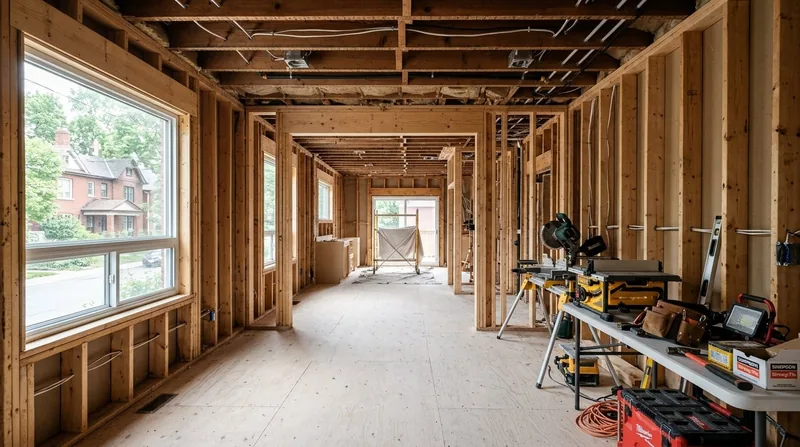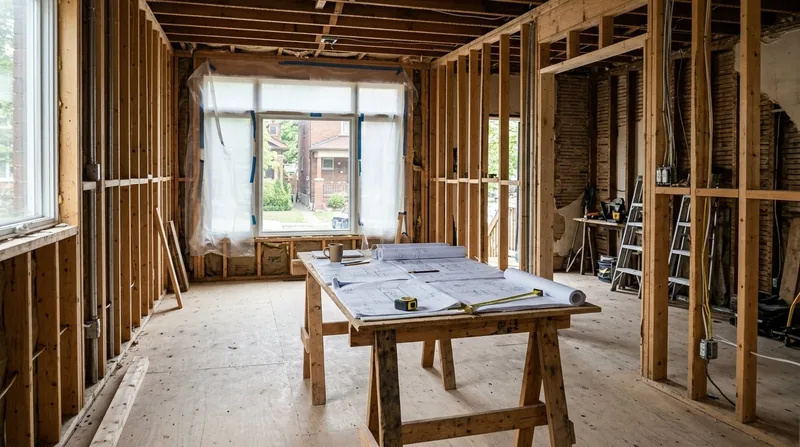
Property damage from water, fire, storms, or mould can disrupt lives and business operations across Ontario. Successful restoration goes beyond repairing what’s visible. It requires meticulous project management, adherence to safety and regulatory requirements, cost control, and a coordinated team. Residential and commercial property owners in the Greater Toronto Area and across Ontario rely on local experts such as TGV Construction Group Inc., whose experience in general contracting and restoration provides support from emergency response to project completion.
Owners face varying complexities, from sudden disasters to deferred repairs. Each stage - emergency mitigation, cleanup, reconstruction - involves its own technical and regulatory steps. Managing this process properly not only preserves property value but also helps ensure insurance eligibility and occupant safety. This guide details each phase of restoration project management, sharing actionable steps to help owners avoid common mistakes, understand compliance requirements, and approach rebuilding with confidence. For those interested in learning more about trusted local expertise, learn more about TGV Construction’s experience and leadership.
Please note: The information presented is educational and does not constitute legal, insurance, or safety advice. Requirements may vary by location and situation. Consult qualified professionals before starting restoration or compliance-sensitive work.
Understanding Property Restoration Project Management
Effective restoration requires a structured framework, clear roles, and coordination across assessment, mitigation, and rebuilding. Clarity in definitions, team responsibilities, and project phases sets the foundation for a successful process.
Defining Restoration, Mitigation, and Reconstruction
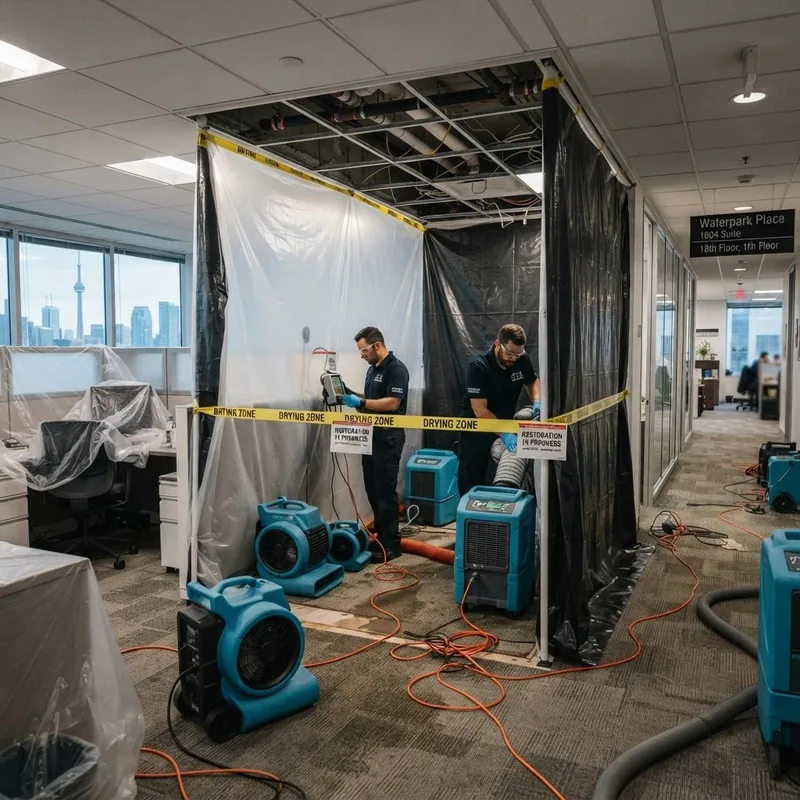
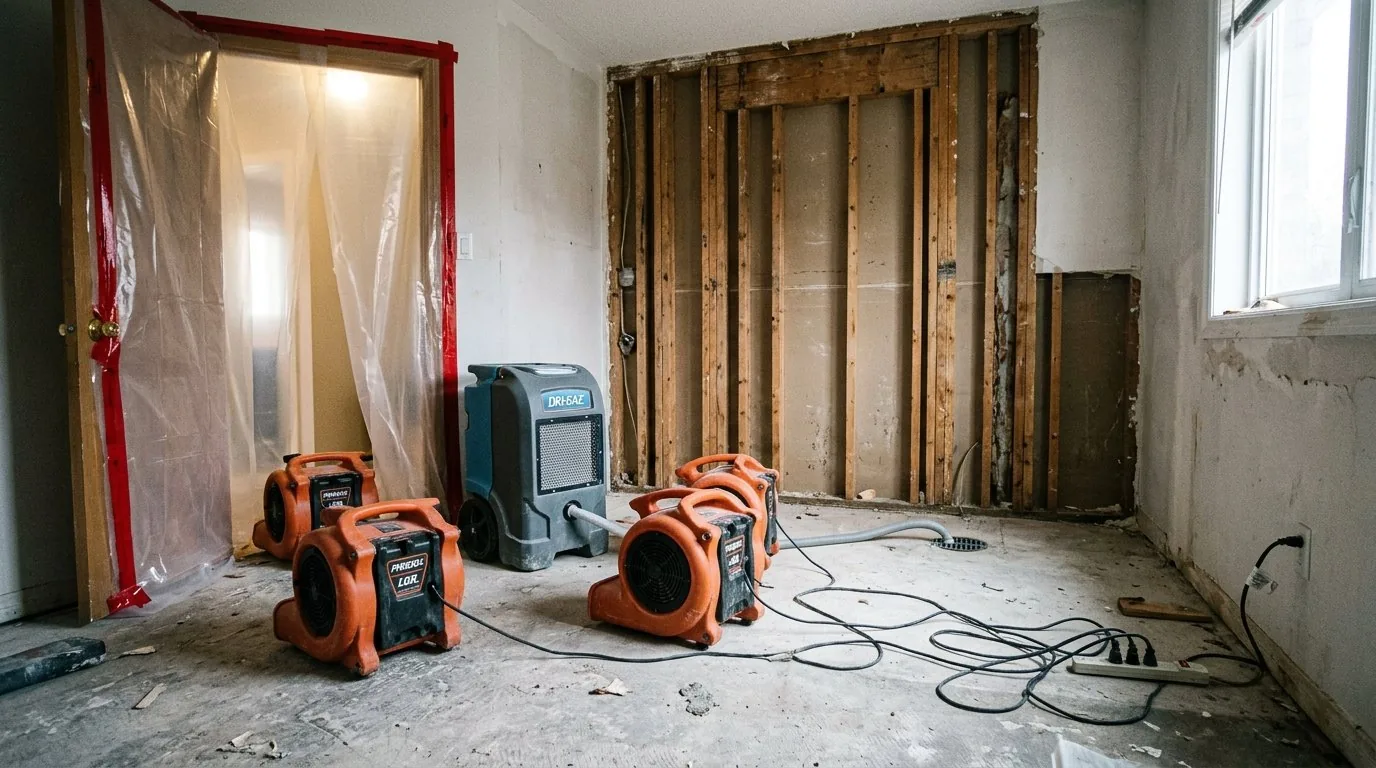
- Mitigation refers to urgent steps meant to limit further damage - such as water extraction, boarding up windows, or erecting containment within hours of an incident.
- Restoration involves actions that return the property to a usable, safe state: cleaning, repairing, removing hazards, and restoring utilities or finishes.
- Reconstruction covers rebuilding or replacing damaged structures, systems, or finishes - sometimes involving updated designs or materials, and often subject to formal inspections.
Distinctions among these phases clarify timing, scope, responsibilities, and compliance obligations.
Identifying the Typical Participants
Restoration projects often involve:
- Property owners or managers: Make decisions, approve work, and ensure compliance.
- General contractor/restoration firm: Coordinates trades, oversees work, ensures quality, and manages safety and documentation - such as TGV Construction Group Inc.’s dedicated teams.
- Insurance adjuster: Evaluates losses, approves scope for insured claims, and determines documentation needed.
- Specialists: May include structural engineers, environmental consultants (for asbestos/mould), and licensed trades for electrical, plumbing, and HVAC.
Clear roles reduce misunderstandings and keep projects on track.
Overview of Phases in a Restoration Project
Typical restoration projects include:
- Safety assessment and stabilization
- Reporting loss and initial documentation
- Detailed damage inspection and scope identification
- Urgent mitigation/containment actions
- Demolition, remediation, or hazardous material abatement
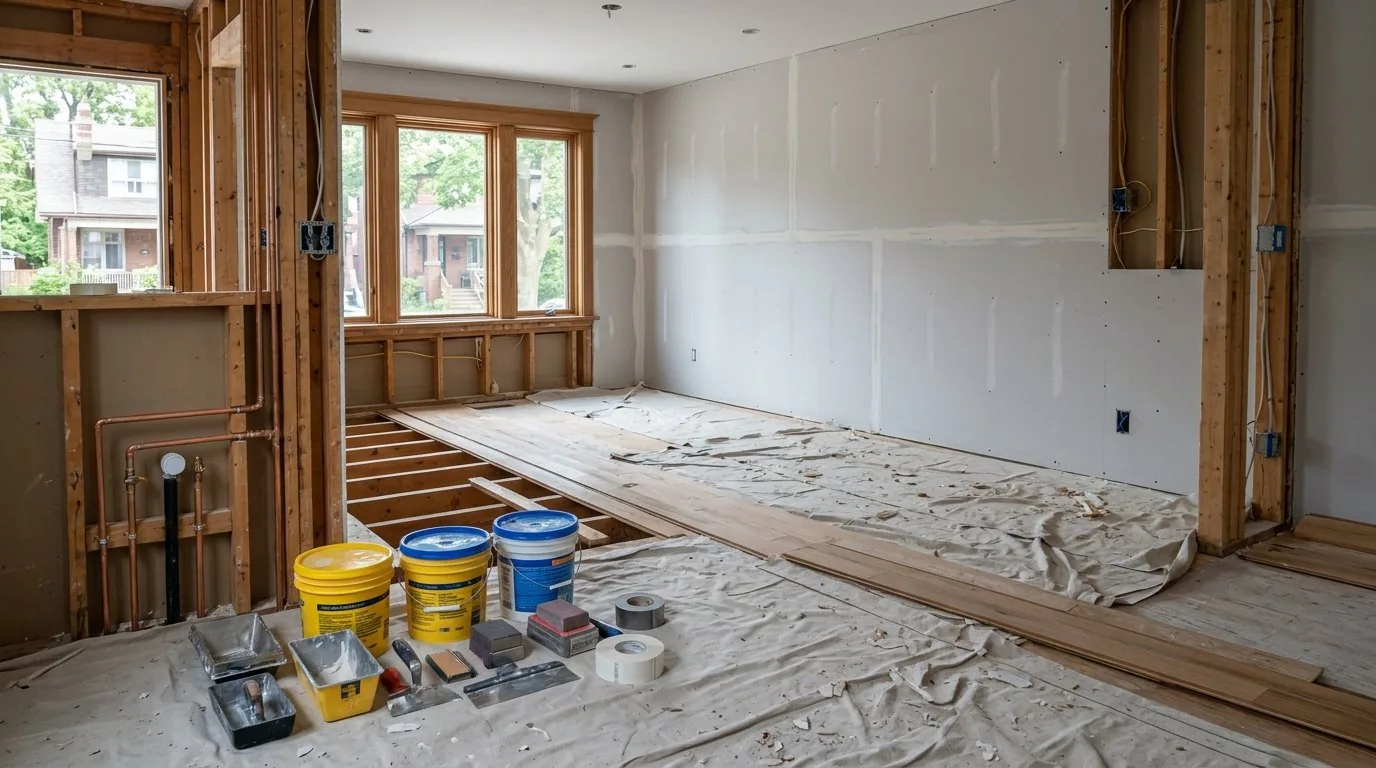
- Repair and reconstruction
- Final inspection, documentation, and project closeout
Each stage requires unique actions, approvals, and records.
Starting with Safety and Immediate Loss Stabilization
The first priority is safeguarding occupants and preventing further loss. Immediate stabilization actions both protect property and create safe working conditions for future repair.
Addressing Immediate Hazards
- Disconnect power, gas, or water if systems are affected or could cause secondary harm.
- Prohibit entry to areas compromised by structural failure, fire, or flooding.
- Identify chemical spills, smoke, fire residue, or electrical hazards.
- Never disturb suspected asbestos or contaminated materials before proper assessment.
Notifying Insurance Providers and Documenting Initial Damage
- Notify the insurer promptly to initiate the claim process.
- Photograph or film damage wherever safely possible.
- List damaged items and identify the most badly affected areas.
- Retain potentially relevant items until approved for disposal by your adjuster.
Establishing Site Access, Security, and Occupant Arrangements
- Mark hazardous zones and limit entry to authorized personnel.
- If living or business quarters are unusable, arrange temporary accommodations.
- Secure the property to deter trespass and theft.
Immediate Response Checklist
- Verify evacuation needs and ensure all occupants are accounted for
- Contact utility companies for compromised services
- Begin to document property and contents damage via photos and lists
- Apply temporary measures (tarping, boarding) to prevent worsening damage
- Block unsafe or contaminated areas from entry
- Notify your insurance provider and obtain claim/reference numbers
- Seek help from certified restoration professionals as needed
To access rapid support for damage control, reach out for 24/7 emergency restoration and mitigation services from qualified teams ready to intervene without delay.
Assessing Damage and Defining the Restoration Scope
Comprehensive assessment provides a roadmap for safe, effective restoration, revealing hazards that may not be immediately visible and shaping repair strategies.
Conducting Thorough Inspections and Tracing Damage Pathways
- Engage qualified inspectors to trace the migration of water, smoke, or soot (for example, behind walls, under flooring, or through ductwork).
- Use moisture meters, infrared cameras, or air sampling as warranted.
- Assess structural elements for compromise in cases of fire or major impact.
Screening for Concealed Damage and Hazardous Materials
- In Ontario, verify the presence of possible asbestos in older materials before demolition or intrusive repairs. Testing by accredited laboratories is required before removal.
- Mould assessment is advised if there has been water intrusion or persistent humidity - often masked behind wall cavities or in HVAC systems.
- Only authorized specialists should assess or remediate these hazards to remain compliant with regulations and to protect health.
Distinguishing Urgent Mitigation from Repair and Reconstruction
| Aspect | Urgent Mitigation | Repair and Reconstruction |
|---|---|---|
| Purpose | Limit escalation, stabilize property | Restore, rebuild, or upgrade |
| Activities | Water extraction, shoring, containment barriers | Carpentry, drywall, finish installation |
| Authorization | Owner or representative, immediate | Written scope, permits required |
| Expertise | Safety, hazardous material assessment | Engineers, trades, project managers |
Clear separation ensures timely, compliant action and accurate insurance documentation.
Building Your Project Team and Setting Communication Protocols
Selecting experienced professionals and setting clear communication rules improves project performance, transparency, and compliance.
Roles of Key Project Participants
- Property owner/manager: Sets objectives and makes final authorizations.
- General contractor/restoration firm: Manages trades, keeps site compliant, delivers updates, and leads quality assurance efforts. TGV Construction Group Inc. delivers these responsibilities along with comprehensive design-build, renovation, and restoration services.
- Insurance adjuster: Confirms losses, explains eligible repairs, and approves expense authorizations under policy limits.
- Specialists: Environmental consultants (for regulated contaminants), engineers (for safety-critical work), and trades oversee compliance and safe performance.
Setting Communication Channels and Approval Workflows
- Assign a single project lead for regular updates and emergency communications.
- Define approval steps for significant scope changes, cost increases, or sourcing of materials.
- Schedule routine progress reports - a necessity for larger or multi-phase restorations.
- Keep written records of significant communications, approvals, and changes requested or made.
Including Necessary Specialists
Larger or regulated projects may need:
- Environmental/testing consultants (asbestos, mould, hazardous materials)
- Structural or mechanical engineers for compromised building components
- Certified electricians and plumbers for regulated work needing inspection
Collaborative planning and documentation enhance compliance and streamline the process.
Planning Schedule, Budget, and Procurement Considerations
Early and realistic planning enables better control over timeline and finances, addressing both known requirements and possible surprises.
Sequencing Steps in Restoration
Projects typically follow:
- Mitigation: Immediate damage control, temporary repairs, containment, and hazard removal.
- Drying/Remediation: Moisture control, mould remediation, demolition of non-salvageable materials.
- Reconstruction: Permanent repairs, finishes, structural work, and inspections.
Each phase depends on the successful completion of the last and may require inspection or approval before advancing.
Permits, Inspections, Lead Times, and Unforeseen Conditions
- Building permits are mandatory for structural, electrical, and plumbing work across Ontario municipalities. Cosmetic work usually does not require permits, but always check local rules.
- Required inspections may include city building inspectors, Electrical Safety Authority, or specialized environmental clearance when hazardous materials were present.
- Material lead times (for specialty items, cabinetry, or fixtures) can affect the construction schedule. Supply chain factors and insurance approvals can also pose scheduling challenges.
- Uncovered issues - like hidden rot, substandard wiring, or asbestos - often arise. Plan for contingency time and budget.
Implementing Change Management
- Document scope changes, pricing adjustments, and causes in writing.
- No work should proceed without written approval, except forced by emergency, in which case document the rationale and communicate recovery steps promptly.
Milestone Checklist
- Urgent mitigation/containment complete
- Hazard assessments and surveys finished
- Written restoration scope established and approved
- Permits and approvals received
- Orders for critical materials placed
- Inspections scheduled
- Change orders logged and approved
- Project closeout planned
For step-by-step financial planning, reference detailed budgeting and cost planning guides for property owners in the GTA and Ontario.
Monitoring Progress and Maintaining Comprehensive Records
Supervision and thorough records ensure compliance, control costs, and support insurance claims or inspections. Robust documentation is a cornerstone of quality restoration.
Tracking Work Progress, Safety, and Costs
- Log daily activities, presence of contractors or specialists, and weather or environmental conditions.
- Record moisture readings for affected materials until dry standards are verified.
- Monitor all site safety checks, incidents, and mitigations.
Maintaining Logs, Photos, and Key Records
- Photograph conditions before, during, and after each stage - especially after demolition, remediation, and before concealing new work.
- Retain all permits, inspection sheets, and approvals for insurance and resale purposes.
- Secure correspondence, receipts, and change orders.
Communicating with Occupants
- Issue regular updates on restoration status, site access limitations, and revised timelines.
- Address concerns such as temporary relocation, dust control, and arrival of tradespeople.
Sample Project Log Contents
- Date and time
- Names and tasks of workers present
- Summary of work performed
- Moisture or environmental readings
- Safety walk-through notes/concerns
- Approval status updates
- Noted issues and how they were addressed
- Photo reference checklist
Comprehensive files reduce disputes and aid future care or claims.

Verifying Project Completion and Closing Out Successfully
Confirming project closeout ensures results match agreed standards and equips owners with the records and tools needed for future peace of mind.
Completion Verification
- Confirm all drying and remediation with moisture logs or third-party certificates.
- Inspect final repairs against scope agreements, including all finish and relevant safety points.
- Prepare for walk-through with owner and contractor to address any repairs or touch-ups.
Compiling Permits, Inspections, Warranties, and Documentation
- Gather building permits, inspection reports, and clearance records (e.g., for asbestos or mould remediation).
- File warranties for repairs and newly installed systems or appliances.
- Secure itemized final invoices, proof of payment, and maintenance manuals.
- Archive photographic records, project logs, and lessons for future reference.
Closeout Checklist
- All work confirmed completed to defined scope
- Required inspections and compliance documentation on file
- Owner/manager and contractor walk-through completed
- All change orders included in records
- Permissions for occupancy/use reinstated
- Records and manuals provided to owner
Well-documented closeout supports insurance, warranty, and resale requirements.
Common Mistakes to Avoid in Restoration Project Management
Steering clear of known pitfalls helps minimize delays and extra expenses.
- Proceeding without finalized scope/design or before securing permits can result in code violations, costly rework, or insurance complications.
- Neglecting thorough inspection for hazardous materials - such as asbestos or concealed mould - can trigger work stoppages, extra costs, and health risks.
- Failing to maintain detailed documentation or consistent communication may hinder claims, expose gaps with regulatory bodies, or delay resolutions among project stakeholders.
- Assuming repairs of the source incident are included in restoration contracts - for example, fixing a leaking pipe as distinct from repairing water damage - can create confusion and leave root causes unaddressed.
Stay vigilant by confirming scope, compliance, and documentation requirements before starting each step.
Frequently Asked Questions About Managing Restoration Projects
What distinguishes mitigation from restoration?
Mitigation refers to immediate steps taken to prevent further damage, such as extracting water or isolating hazardous areas. Restoration addresses repairing and returning the space to safe, functional use after the hazards are controlled.
Should emergency mitigation start before the insurance adjuster arrives?
Yes, preventing escalation is priority, but owners should clearly document all damage before and throughout mitigation with photos and logs. Most insurers allow urgent stabilization, but always check your policy for details and communicate promptly.
Who is responsible for fixing the cause of water or other damage?
Property owners typically handle repairs of the originating problem - such as a leaking pipe or damaged roof - while restoration companies manage repairs to affected property elements. Confirm responsibilities and scope in writing early in the process.
How do you know when it is safe to begin reconstruction?
Material moisture readings should match unaffected areas. Moisture levels must meet safe, industry-standard benchmarks. Have professionals supply written verification before rebuilding begins.
When is asbestos or mould testing required?
Under Ontario law, assessment for asbestos is mandated before disturbing materials that may contain it, especially in buildings constructed before 1990. Mould testing should be conducted when there is a history of water damage or unexplained health/safety concerns. Always use licensed professionals for assessment and any remediation.
Take the Next Step with Professional Support
Property restoration in the GTA and throughout Ontario depends on clear management, technical knowledge, and high standards. TGV Construction Group Inc. exemplifies property restoration project management built on safety, expertise, and client satisfaction for residential, commercial, and large loss scenarios.
To move forward with planning, get advice specific to your property, or arrange project assessments and detailed cost reviews, please contact TGV Construction Group for consultations or quotes. Trusted professionals can help you recover efficiently, safely, and in line with the region’s regulatory standards.