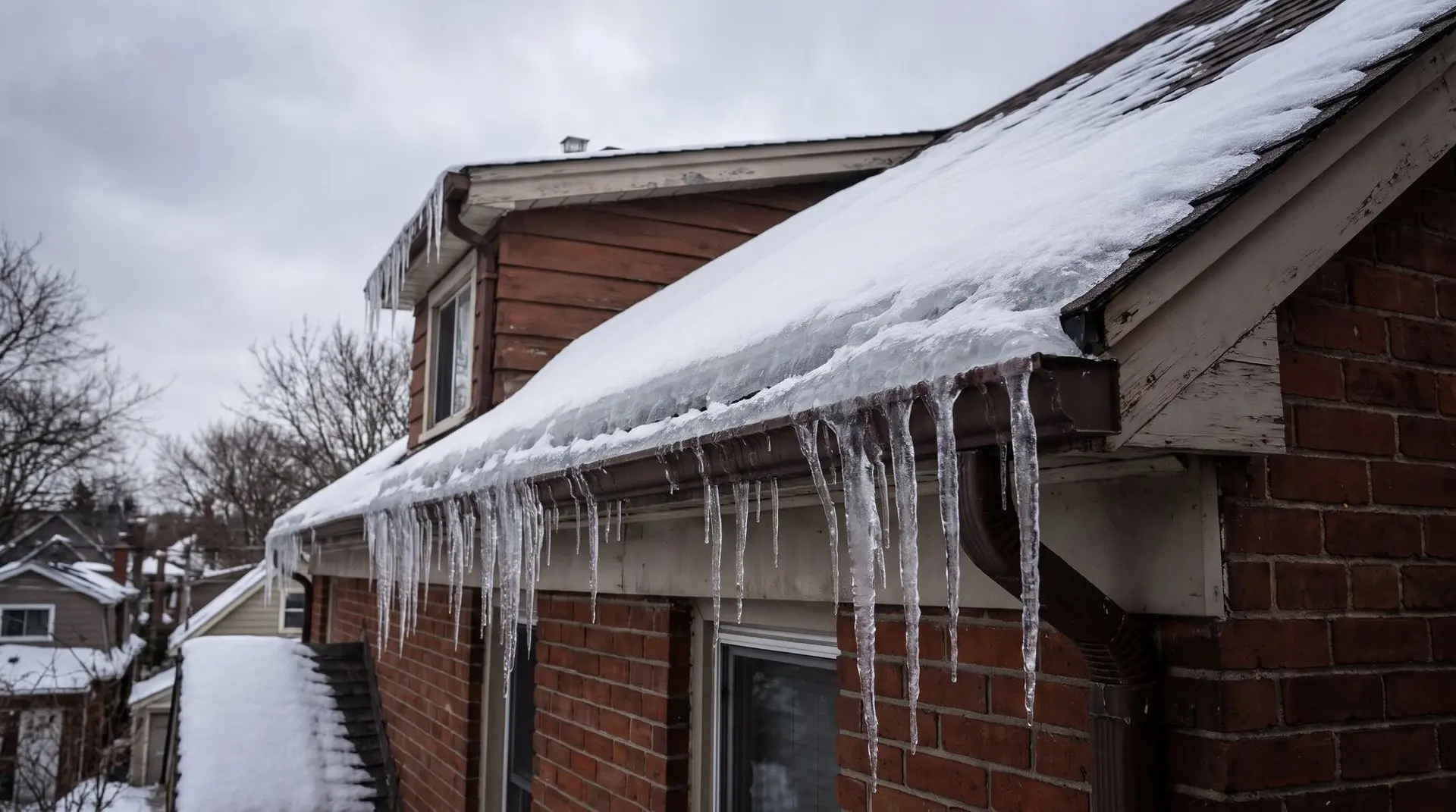
Ice dams are a familiar sight on GTA roofs in January and February: a thick ridge of ice along the eaves and long icicles hanging from the eavestroughs. They look harmless, but the water held behind the ice can back up under the shingles and leak into attics, ceilings and walls. This guide explains why ice dams form, the damage they cause and how to stop them.
TGV Construction Group Inc. has completed more than 300 projects across the Greater Toronto Area since 2017, with a restoration team that answers 24/7. Every quote is free - start yours on our Get a Quote page.
Why ice dams form
An ice dam needs three things: snow on the roof, a warm upper roof and a cold roof edge. Heat leaking from the house warms the roof deck and melts the snow from below. The meltwater runs down to the overhang, which sits outside the heated house and stays below freezing, and freezes there. Each melt adds to the ridge, and the pool of water behind it grows.
The damage ice dams cause
- Water backing up under shingles and leaking into the attic.
- Wet attic insulation, which stops insulating - and makes the next ice dam worse.
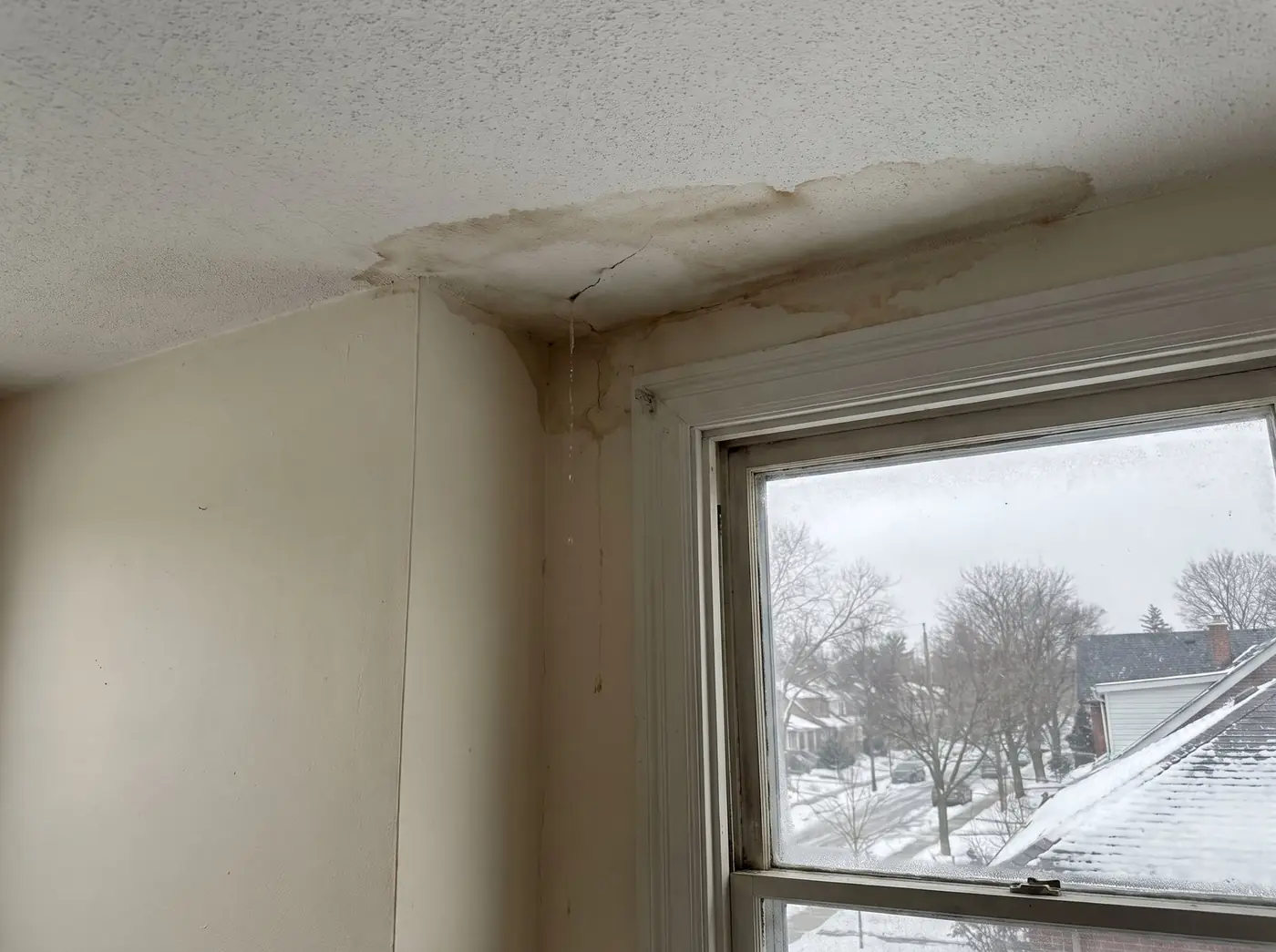
- Stained and sagging ceilings, peeling paint and wet walls along outside walls.
- Mould in the attic and inside walls if the moisture stays.
- Eavestroughs and fascia torn off by the weight of the ice.
What to do if you have an ice dam now
- Clear snow from the lower roof with a roof rake from the ground. Never climb onto an icy roof.
- Do not chip or hammer the ice - it breaks shingles.
- Check the attic and ceilings below the eaves for water, and put a container under any drip.
- Photograph the ice and any damage for your insurer.
- Call a professional if water is coming in, to remove ice safely and to dry and repair the inside.
How to prevent ice dams
- Seal air leaks into the attic - around light fixtures, the attic hatch, plumbing stacks and chimneys. Warm, moist air leaking up is the main cause.
- Add attic insulation so less heat reaches the roof deck.
- Ventilate the attic with soffit and roof vents, so the roof stays cold and even.
- Keep eavestroughs and downspouts clear before winter.
- Protect the roof edge when re-roofing - a self-adhering waterproof membrane under the shingles along the eaves keeps water out even if ice forms.
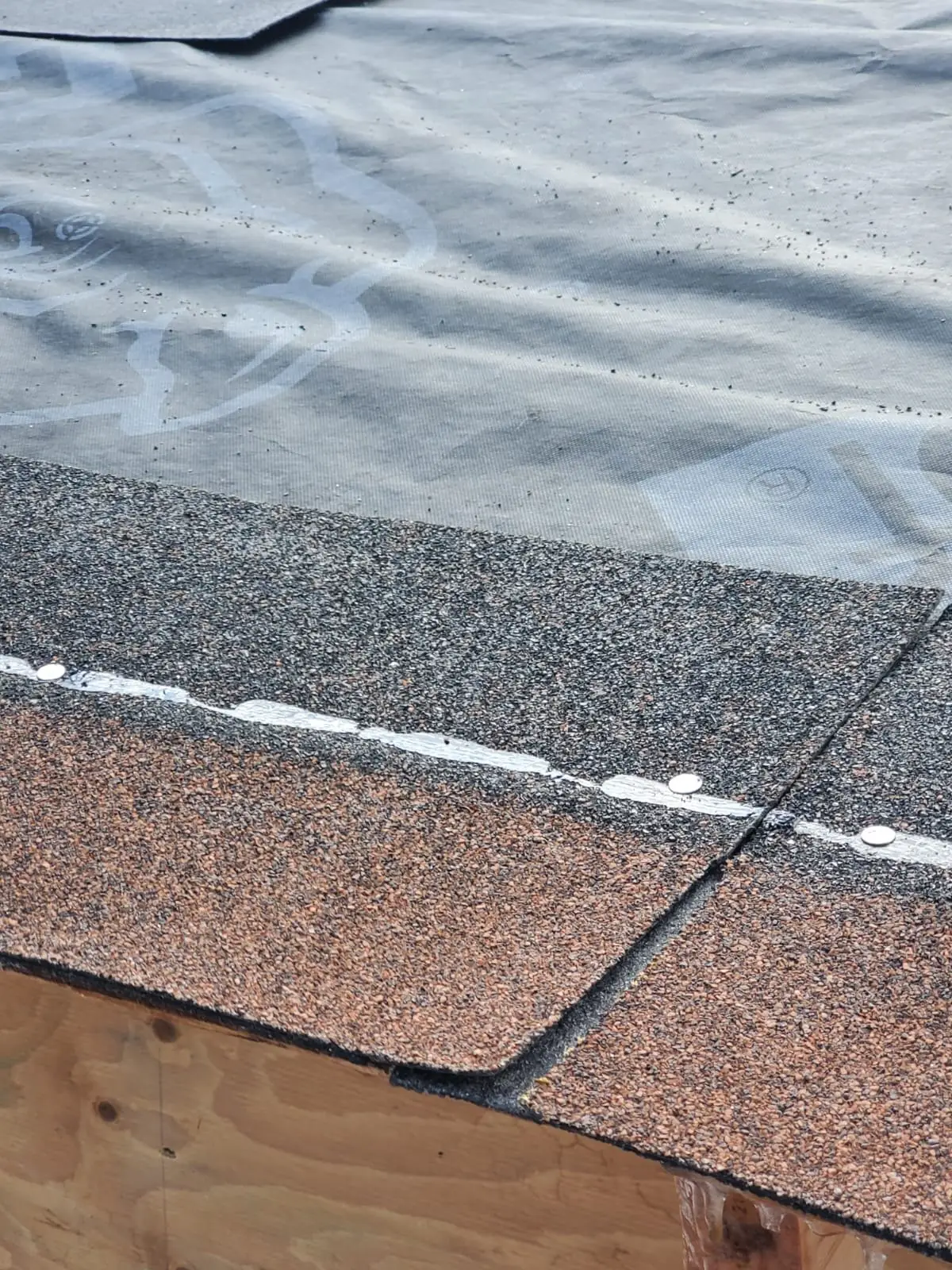
Ice dams are a symptom: the real problem is heat escaping into the attic. Fixing that also lowers your heating bill.
Frequently asked questions
What causes ice dams?
Heat escaping from the house warms the roof deck. Snow on the upper roof melts, the water runs down to the cold roof edge and freezes there. The ridge of ice grows and holds back more water, which can work its way under the shingles.
Are icicles a sign of an ice dam?
Large icicles and a thick ridge of ice along the eaves usually mean an ice dam is forming. Water stains on ceilings or walls near the outside walls in winter are a sign that water is already getting in.
Should I chip ice off my roof?
No. Chipping or hammering ice damages shingles and is dangerous on a slippery roof. A roof rake used from the ground can pull snow off the lower roof; ice removal on the roof is a job for professionals.
How do I prevent ice dams for good?
Stop the heat from reaching the roof: seal air leaks into the attic, add insulation and make sure the attic is ventilated. When a roof is replaced, a waterproof membrane along the eaves protects the lower roof if ice does form.
Does insurance cover ice dam damage?
Policies differ. Sudden water damage inside the home is often covered, while the ice dam itself and roof maintenance are not. Check your policy, and take photos of the ice and the interior damage.
Roof leak from an ice dam?
TGV Construction Group repairs roofs and the damage underneath - wet insulation, ceilings and walls - across Toronto and the GTA. See our storm damage and roof leak repair service, call our 24/7 line if water is coming in, or ask for a free quote.