Choosing a contractor for your renovation, restoration, or new construction project is one of the most important decisions you’ll make as a property owner in Ontario. Whether you own a home, manage a portfolio of buildings, or oversee commercial or industrial sites, making sure the professionals you hire hold the right licences directly affects the safety, value, and longevity of your property. This is especially true for services such as general contracting, emergency mitigation, property restoration, and 24/7 emergency services, where regulatory standards exist to protect consumers.
TGV Construction Group Inc. sets the benchmark for reliability, technical skill, and transparent project management in Ontario’s construction sector. The company background and leadership of TGV Construction Group reflect a commitment to both the community and the highest industry standards. This guide explains how contractor licensing actually works in Ontario, how these standards protect property owners, and how to safeguard your project, your investment, and your peace of mind.
Choosing a licensed contractor is about more than following regulations. It’s about professional accountability, avoiding costly errors, and securing quality workmanship. Understanding how licensing, permits, and credentials work in Ontario helps you make informed decisions, avoid common pitfalls, and approach your next project with confidence.
What Does “Licensed Contractor” Mean in Ontario?
There Is No Single Licence for Every Renovation Contractor
A common misconception is that all contractors in Ontario need the same type of licence. The province does not issue a one-size-fits-all general contractor’s licence covering every type of construction and renovation. Licensing depends on the type of work, the trade involved, and the regulatory authorities that apply to each project.
- General renovation and contracting: There is no province-wide licence for contractors doing general renovations such as kitchen or bathroom updates, flooring, or painting.
- Regulated trades: Electrical, plumbing, gas, and certain mechanical systems must be installed or supervised by tradespeople who hold trade-specific licences and certifications.
- New home builders and vendors: Any business building new homes or selling newly built residential properties must hold a specific licence and participate in the Tarion warranty program.
Different Rules for Trades, Municipalities, and New-Home Builders
Licensing and regulatory requirements can come from:
- Provincial authorities, for regulated trades such as electricians, plumbers, and gas fitters
- Municipal governments, for local business licences and building permits
- Provincial agencies, for new-home builders and vendors
Because of this patchwork system, it’s important to clarify which requirements apply to your project before hiring anyone.
The Main Licensing Authorities: ESA, Skilled Trades Ontario, TSSA, HCRA, and Municipalities
These are the key regulators to know for construction work in Ontario:
- Electrical Safety Authority (ESA): Licenses electrical contractors and master electricians, and enforces Ontario’s Electrical Safety Code.
- Skilled Trades Ontario: Runs provincial certification for trades such as plumbing, HVAC, and others.
- Technical Standards and Safety Authority (TSSA): Licenses contractors and technicians who do gas and fuel work.
- Home Construction Regulatory Authority (HCRA): Licenses new home builders and vendors, working alongside Tarion on warranty compliance.
- Municipal building departments: Issue some business licences and handle building permits and site inspections.
Knowing these distinctions helps property owners understand what to ask for and how to make sure the right professionals are doing regulated work.
Top Reasons to Hire a Properly Licensed Contractor
Hiring a contractor with the right licences and credentials delivers critical benefits for property owners who want long-term value, safety, and legal protection.
1. Qualified professionals handle regulated work like electrical and plumbingOnly registered, licensed tradespeople are legally allowed to perform high-risk work. This reduces the risk of dangerous mistakes or compliance problems that can affect your insurance and resale value.
2. Accountability and easy credential verificationLicensed contractors are overseen by recognized authorities (ESA, TSSA, HCRA, municipalities), which provide independent checks on their qualifications and business practices.
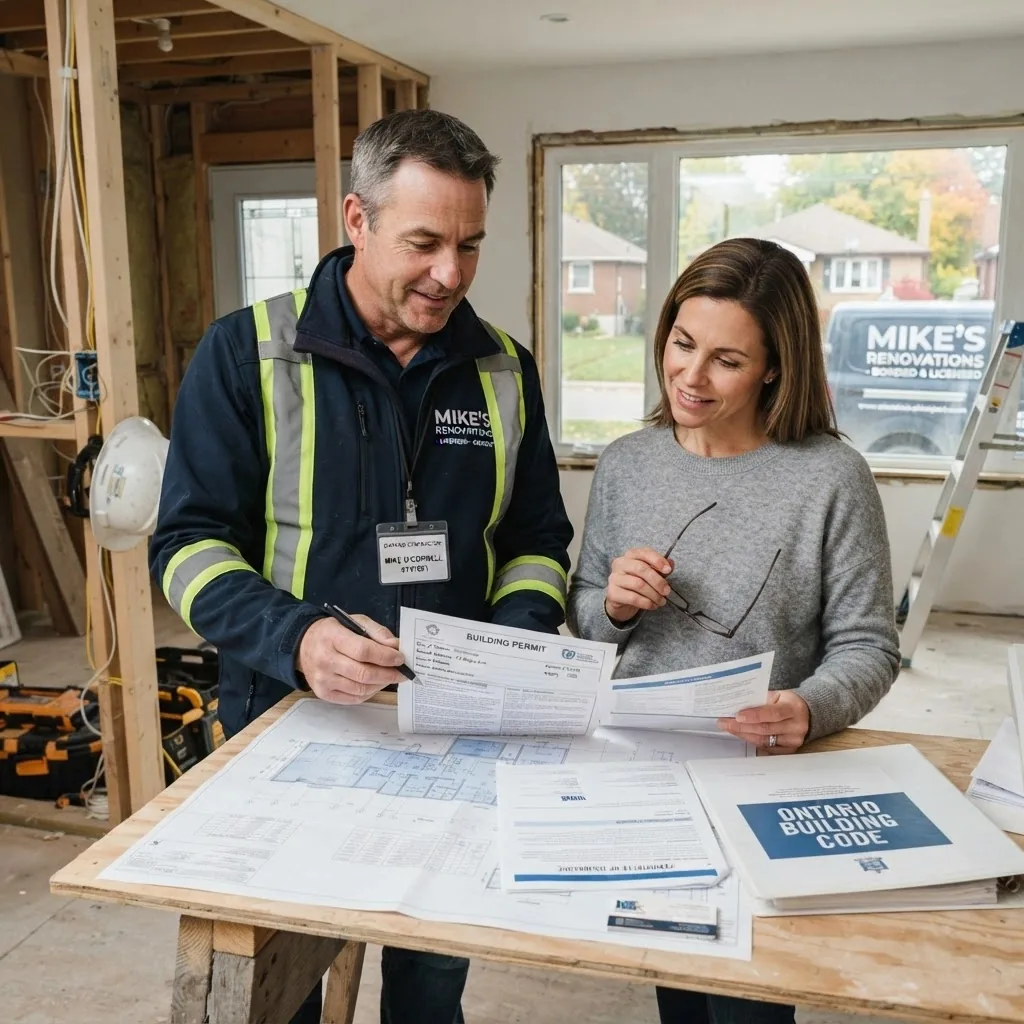
3. Proper permits, inspections, and Ontario Building Code complianceA properly licensed professional knows local and provincial codes, which jobs need municipal permits, how to coordinate inspections, and how to document your project’s legal compliance.
4. Written agreements covering scope, pricing, and change approvalsContractors who follow regulatory requirements provide clear written contracts covering pricing, scope, payment milestones, and how changes are approved. Ontario law requires this for most jobs over $50.
5. Lower risk of disputes, unsafe work, and financial lossUnlicensed or underqualified work can void insurance, lead to costly corrective orders, and reduce your property’s value and safety. Licensed contractors follow standards that prevent these problems before they start.
For large or complex projects, the general contracting and restoration services offered by TGV Construction Group give you access to experienced professionals at every stage, helping both residential and commercial clients protect their investments.
When emergencies happen, speed and a credentialed response are vital. 24/7 emergency mitigation and restoration services in the GTA make sure every repair, whether for water, flood, fire, mould, or storm damage, is completed safely, quickly, and to the highest standard.
Which Ontario Construction Work Requires Specific Credentials?
Many types of building and renovation work in Ontario require specific credentials. Making sure your contractor holds the right licence for each part of your project is critical for legal compliance and safety.
Project or Work Type | Required Licence or Credentials | Permits and Responsibilities |
Electrical work | ESA electrical contractor licence | Permit and inspection required for most work; verify ESA registration |
Gas or fuel work | TSSA gas technician certification | Only TSSA-registered businesses and certified workers can service or install fuel lines |
Plumbing and other trades | Certificate of Qualification (Skilled Trades Ontario) | Some municipalities may require additional permits |
New home construction or sale | HCRA builder/vendor licence plus Tarion enrolment | Required for building or selling new homes (not renovations) |
General renovation (non-trade) | Municipal business licence where applicable | Building permits may still be needed for work involving structure or systems |
Key considerations:
- Building permits are a separate requirement. Hiring a licensed contractor does not exempt you from getting the correct municipal permit and inspections. Work that affects the structure, plumbing, electrical, or mechanical systems generally requires both a qualified trade professional and an approved permit.
- Cosmetic renovations such as painting, cabinet or countertop replacement, or flooring updates usually don’t require a specific licence or permit unless they involve system upgrades.

How to Verify a Contractor’s Credentials Before Hiring
Protecting your property starts with proper vetting. Use this checklist before hiring any contractor:
1. Check electrical contractor licences through ESA
- Ask for the company’s ESA licence number and confirm it in ESA’s official online directory.
- Look for the licence number on quotes and company vehicles.
- Make sure an ESA inspection and certificate are included for any new electrical work.
2. Confirm new-home builder licences and warranty status
- For new builds, look up the company or individual in the HCRA’s Ontario Builder Directory.
- Verify Tarion warranty enrolment for new homes and condos, which is required for warranty coverage.
3. Verify plumber and gas fitter credentials
- Ask for a Certificate of Qualification for plumbing or mechanical work, and check it with Skilled Trades Ontario.
- For gas work, confirm TSSA certification directly.
4. Check municipal licence and permit requirements
- Contact your municipality to find out whether contractors need a local business licence in your area.
- Determine which parts of the project need building permits, and confirm the contractor will obtain them on your behalf and provide documentation throughout.
5. Request proof of insurance and references
- Ask to see the contractor’s liability insurance certificate from their insurer, along with references from recent projects you can actually contact.
- Where possible, visit a completed project in person.
6. Review the written scope and division of responsibilities
- Confirm that all regulated work will be done by qualified, licensed personnel and won’t be subcontracted to unqualified parties without your knowledge.
Don’t accept a business card, logo, or website as proof on its own. Only documentation from the relevant regulator confirms you’re hiring a properly qualified professional.
What to Include in Your Contract with a Licensed Contractor
A comprehensive contract supports transparency, reduces the risk of disputes, and is required by Ontario law for most home improvement projects over $50. Make sure your contract includes:
- A detailed scope of work, materials, and exclusions: List all areas of work, specified materials and finishes, any promised brands or grades, and what’s not included (for example, hazardous material removal or landscaping beyond set boundaries).
- Clear payment milestones tied to project stages: Set payments at key stages (start, milestones, completion, final inspection) instead of a lump sum upfront.
- Responsibility for permits and inspections: State who will apply for required permits and arrange inspections, and keep copies for your records.
- Written change order procedures and price adjustments: All changes to scope or cost should require your written approval. Under Ontario law, if you receive a written estimate and the work doesn’t change, the final cost can’t exceed the estimate by more than 10% unless you approve it.
- Warranties, cleanup, and dispute resolution: Include warranties for labour and materials, cleanup obligations, and a clear process for fixing defects or service issues.
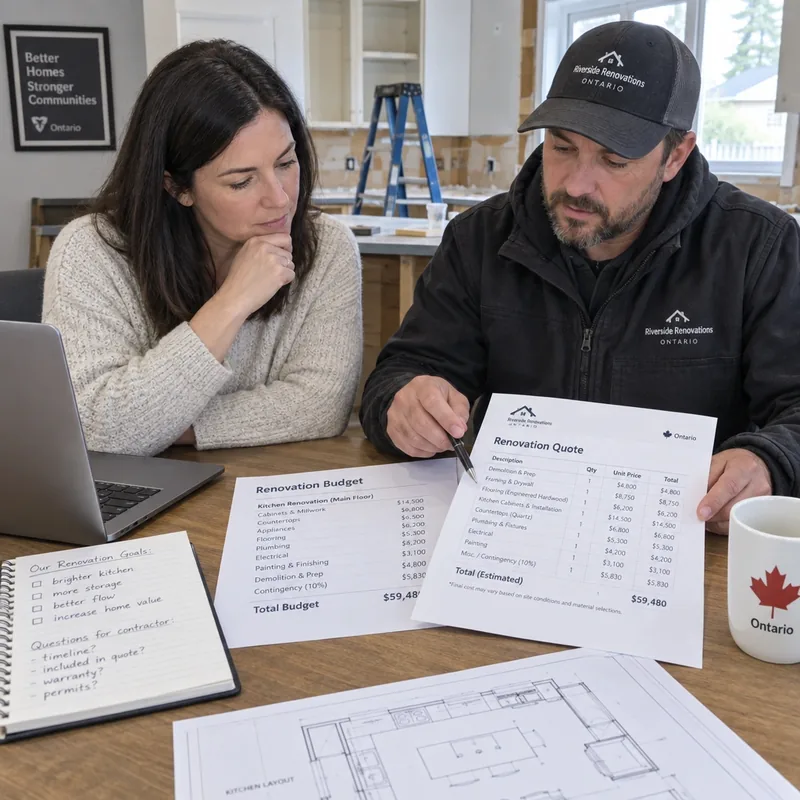
For extra help budgeting your project, managing contracts, and keeping everything documented, see our budgeting tips and cost guides for renovation projects. Informed planning keeps costs transparent and minimizes mid-project surprises.
Keep all contracts, signed change orders, invoices, permits, inspection reports, and communications. These documents are crucial for resolving disputes, making warranty claims, or proving compliance when you sell or refinance.
Common Red Flags When Hiring Contractors in Ontario
Avoid costly mistakes by watching for these warning signs:
- Pressure to sign quickly or pay a large deposit upfront: Legitimate contractors give you time to review and never demand full payment before work begins.
- Refusal to provide a written contract or licence information: Trustworthy contractors willingly provide all licences, certifications, and references in writing.
- Unusually low or vague estimates: Be cautious of quotes that undercut the market without explanation or leave out details about permits and trades.
- Asking you to handle permits yourself, or suggesting you skip inspections: Professionals normally apply for permits on your behalf and arrange inspections. Suggestions to bypass these steps are a serious warning sign.
- Unapproved scope changes, substitutions, or extra charges: Any change in materials, finishes, scope, or price should happen only with written, mutually agreed documentation.
Contractors who encourage transparent documentation are more likely to deliver quality results and stand behind their work.

Frequently Asked Questions About Contractor Licensing in Ontario
Does every home renovation contractor need a licence in Ontario?
No. General renovation contractors don’t need a provincial licence for basic cosmetic updates. However, specialized trades (electricians, plumbers, gas fitters) must be licensed, and many municipalities require a business licence to operate locally.
How can I check an electrical contractor’s licence status?
Ask for their ESA licence number and verify it in the Electrical Safety Authority’s public registry. The number should also appear on their estimates and company vehicles.
Is a building permit the same as a contractor’s licence?
No. A building permit is a municipal approval for specific work at a specific property. A contractor’s licence, where required, shows the contractor is authorized to do certain types of work under regulatory oversight. You may need both.
Who is responsible for obtaining permits during a renovation?
Permit responsibility should be set out in your contract. Contractors usually handle permits, but owners should request and keep copies.
Are licensed contractors guaranteed to deliver high-quality work?
Licensing shows technical qualifications and legal compliance, but it isn’t a guarantee of quality. Always check references, review completed projects, and make sure only licensed trades handle regulated work on your property.
How are new-home builder licences different from renovation contractor requirements?
Anyone building or selling a new home in Ontario must hold an HCRA builder or vendor licence and provide Tarion warranty coverage. Renovating an existing home doesn’t require these, but may require trade-specific or municipal licences.
Can contractors charge more than the original estimate?
If your contract includes a written estimate, the final price can’t exceed it by more than 10% unless you approve a change. Only agree to extra costs through signed documentation.
What happens if a contractor proposes extra work after the job starts?
All additional work, changes, or price adjustments must be documented in written change orders and signed by both parties before the work proceeds.
Does licensing fully protect against problems?
Licensing lowers risk but doesn’t guarantee results on its own. The best protection combines qualified, licensed contractors with detailed contracts, careful reference checks, and ongoing communication.
Hire with Confidence
Ontario’s regulatory system is designed to protect property owners and reputable professionals alike. Making sure your contractor is properly licensed significantly reduces risk, supports legal compliance, and leads to safer, higher-quality results.
With more than 200 completed projects and a reputation for strong project management and quality assurance, TGV Construction Group Inc. is a trusted partner for general contracting, emergency mitigation, restoration, design-build, mould and asbestos remediation, fire and smoke, water and flood, and wind and storm damage services. Work with a client-focused, fully credentialed team that delivers at every stage: request a quote from TGV Construction Group and move forward with confidence on your next project. For emergencies, call us 24/7 at (905) 669-2727.