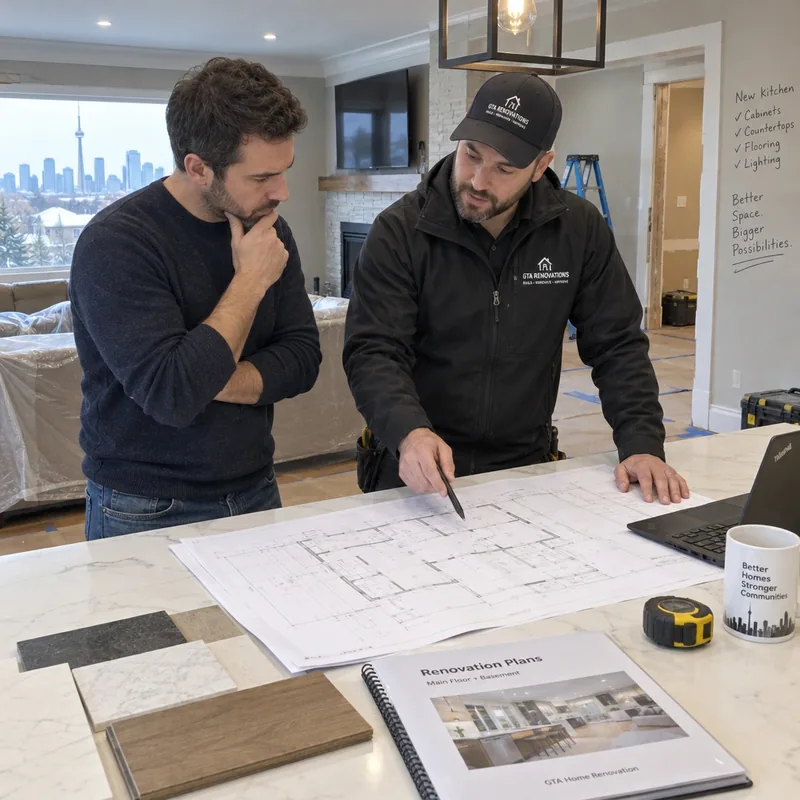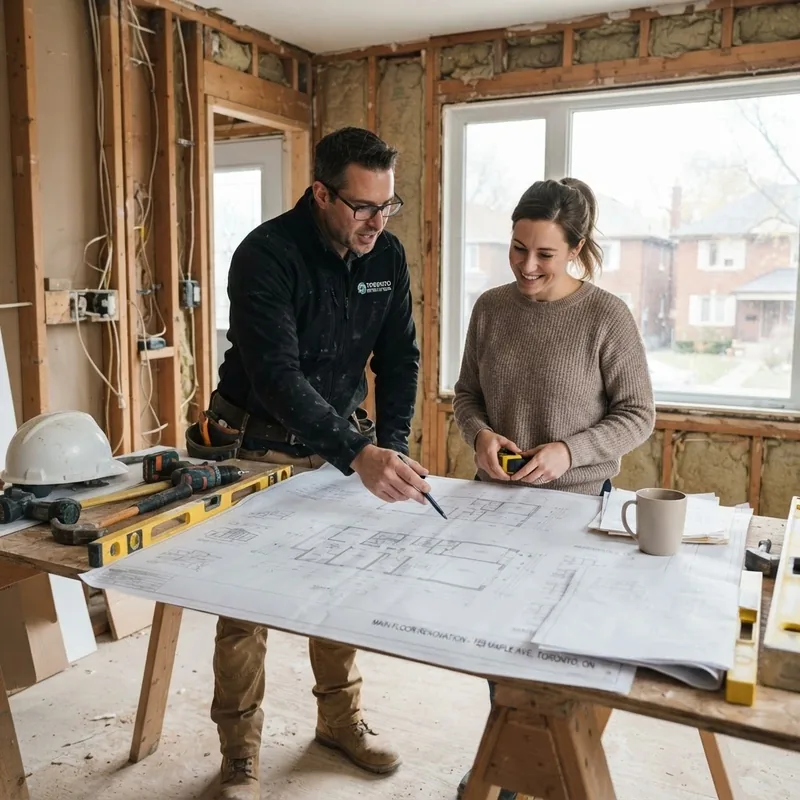
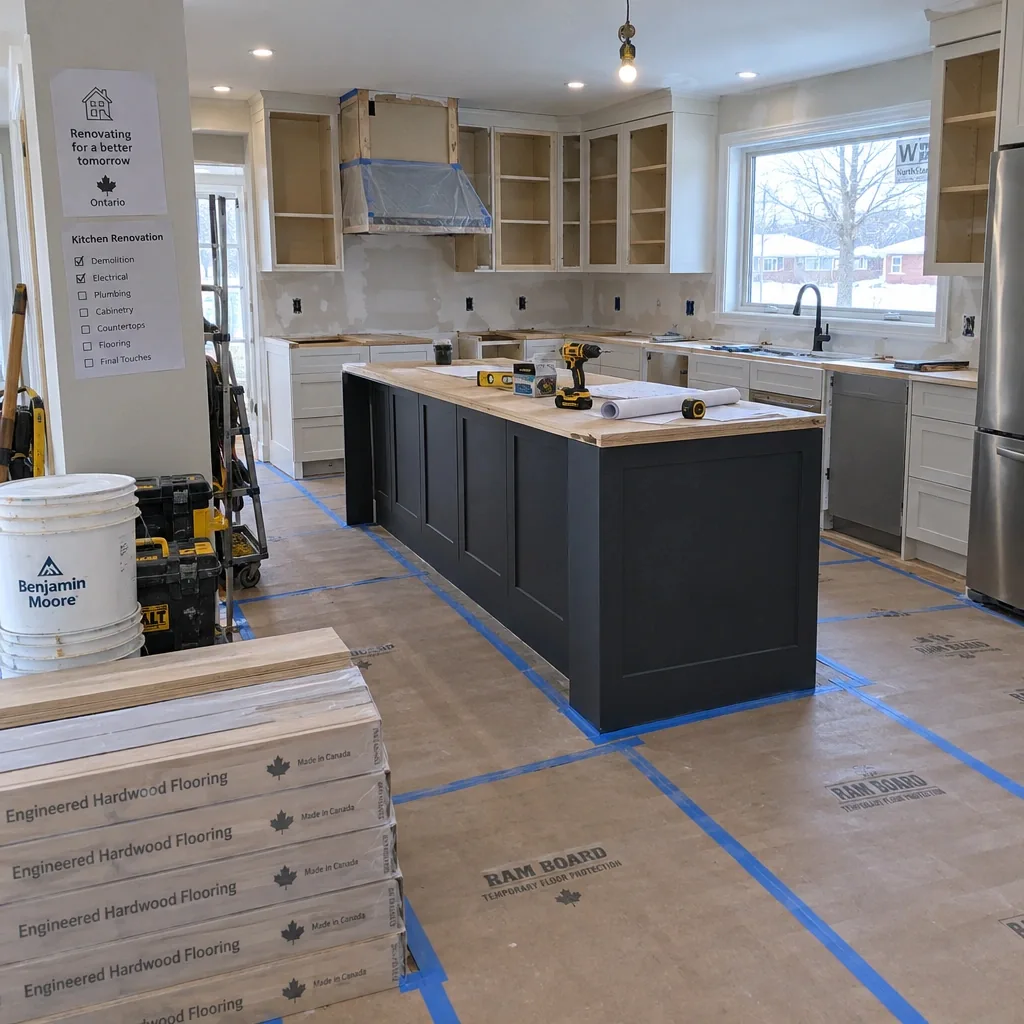
Planning a home renovation in Ontario requires clear decisions, coordinated planning, and strict adherence to permit and safety standards. Many property owners hope to finish quickly but run into delays from unclear scopes, late decisions, paperwork mistakes, or supply chain disruptions. Speeding up your project is about removing preventable slowdowns, never about cutting required steps that protect quality, compliance, and your investment.
Drawing on TGV Construction Group Inc.’s experience across 200+ projects, this guide outlines the key steps that keep renovations moving for Ontario homeowners and commercial clients alike. It covers both residential and commercial work and addresses GTA-specific realities as well as province-wide rules. The goal is to help you stay in control of your timeline, costs, and peace of mind while meeting professional standards for safety and craftsmanship.
TGV Construction Group Inc. brings expertise in general contracting, restoration services, and emergency mitigation, with structured project management, responsive service, and a deep understanding of permit and inspection requirements across the region. Whether you’re tackling a large renovation, upgrading for energy efficiency, or responding to water, fire, or storm damage, a disciplined, proactive approach leads to better results.
What “Faster” Really Means in a Home Renovation
Reducing avoidable delays, not skipping necessary steps
A faster renovation does not mean skipping essential safety measures or required permits and inspections. Legal and safety standards must always be met. Homeowners and contractors should focus on making decisions early and organizing each phase to prevent unnecessary waiting.
Working days vs. calendar time
Project length isn’t just time spent on site. Design, permit review, material ordering, inspection scheduling, and buffers for surprises all add to your overall schedule. Building permits have mandated review periods (for example, 10 business days for a typical house), but preparation and supplier lead times can still stretch out the pre-construction phase.
Key Decisions to Finalize Before Construction Starts
Finalizing your plans upfront makes the work itself run smoothly. Addressing these factors prevents most mid-project stoppages:
Define the scope, priorities, and finish quality
Clarify which rooms, features, and systems are included or excluded. Decide on any special priorities, such as green upgrades, accessibility features, or major structural changes.
Confirm product selections and check availability
Choosing finishes, fixtures, appliances, and specialty items early anchors both your schedule and your budget. Some products, like windows or tile, can take weeks or longer to arrive, so confirm availability and delivery dates with suppliers before setting your timeline.
Plan for hidden conditions and set a contingency
Older Ontario homes often hide challenges, from knob-and-tube wiring to moisture problems or asbestos. Reserve a contingency of 10% to 20% for unexpected findings and required upgrades. This is especially important when mould or asbestos remediation or urgent repairs may be needed. For more on contingency planning, see our resources on budgeting and cost management for renovations.
Navigating Permits, Approvals, and Inspections in Ontario
Ontario’s construction regulations are detailed, and getting permits right prevents costly setbacks.
Consult your municipality about permit needs and procedures
- Start every project by checking with your local building department. Local interpretations of the Ontario Building Code and city zoning rules can affect your design and timeline.
- For example, painting or replacing cabinets usually doesn’t need a permit, but moving plumbing or changing structural walls typically does, and electrical work generally requires an ESA permit. When in doubt, confirm with the city and keep a record of their advice.
Build review and inspection periods into your timeline
- Submit permit applications with all required drawings and consultant reports (for example, engineered drawings for structural changes) so they aren’t sent back.
- Plan time for mandatory inspections at key milestones. No phase, such as framing, rough-in plumbing, or electrical, should move forward until it passes inspection.
Clarify who handles permit applications and fees
- Unless the contract says otherwise, the property owner is responsible for permits. Good contractors often manage the process, but always confirm this in writing and keep copies of all paperwork.
Permitting checklist
- Contact your local building department to confirm your specific permit needs.
- Prepare and submit a complete permit application package.
- State in your contract who applies for and pays for each permit.
- Never allow work that requires a permit to start before the permit is issued.
Choosing and Working with a Contractor for an Efficient Renovation
Choosing the right contractor is a cornerstone of project speed, safety, and quality.
Compare detailed written estimates based on the same scope
- Insist on itemized written estimates that match your project description, with inclusions, exclusions, allowances, and timelines spelled out rather than assumed.
- Big differences between quotes usually come from inconsistent scopes. Comparing matched scopes gives you real certainty.
Clarify responsibilities for trades, permits, materials, and cleanup
- Put in writing who buys and stores materials, manages specialty trades, applies for permits, and keeps the site clean.
- On multi-stage or multi-trade projects, agree on who schedules trades in the right sequence (for example, electricians before drywallers).
Agree on schedules, communication, and a change process
- Set clear milestones and update routines, whether by email, phone, or a project management app.
- Insist on a written, signed process for any change in scope, materials, or finishes, including its time and cost impact.
When working with established professionals offering general contracting and renovation services in the GTA, make sure your agreement covers all roles and deliverables. When you’re ready, request a detailed renovation quote from TGV Construction Group Inc. for support grounded in craftsmanship, quality assurance, and safety.

Coordinating Materials and Trades for a Smooth Workflow
Keeping momentum means handling procurement, deliveries, and site coordination in the right order.
Identify and order long-lead items early
- Custom cabinetry, windows, specialty fixtures, and high-performance components can take many weeks to arrive.
- Confirm orders in writing before demolition or the relevant phase begins to avoid mid-project bottlenecks.
Coordinate deliveries with site readiness and trade schedules
- Schedule deliveries so materials arrive as soon as the site can accept them, but not so early that they take up workspace or risk damage.
- Make sure each trade has the supplies it needs when it arrives. A missing delivery can send an entire crew home for days.
- Update your schedule whenever suppliers revise delivery windows. Good contractors track these dependencies closely.
If an emergency happens mid-project, such as an unexpected flood or severe weather, TGV Construction Group Inc.’s 24/7 emergency restoration and mitigation service provides a rapid response to limit damage and get work back on track as quickly as possible.
Preparing Your Home and Household Before Work Begins
Careful preparation of your home and household eliminates many preventable delays.
Set up access, storage, and protection
- Create clear paths for materials, tools, and crews to reach work areas.
- Designate storage space so supplies don’t block work or need to be moved repeatedly.
- Protect adjacent and finished spaces with dust barriers, floor protection, and safe containment, especially if children or pets live in the home.
Plan your living arrangements around noise, dust, and interruptions
- If you plan to stay in the home, discuss a phased schedule with your contractor. Expect daily disruption in kitchens and bathrooms and plan alternatives for basic needs.
- During especially disruptive phases, or if demolition may affect air quality, arrange temporary accommodation. Advance planning is essential for families with medical or accessibility needs.
Clear, respectful communication about routines, priorities, and expectations reduces the risk of last-minute interruptions or unsafe situations.
Keeping Your Renovation on Track During Construction
Active oversight during construction keeps the pace up and stops small problems from growing.
Hold regular progress meetings and walkthroughs
- Schedule regular opportunities to review completed work, plan the next steps, and discuss options when challenges come up.
- Raise any concerns about compliance, safety, or workmanship right away.
Make decisions promptly and document changes
- When design tweaks or material swaps are needed, commit to a decision deadline. Contractors can only schedule trades and suppliers once they have clear direction.
- Document every approved change in writing, including any updates to price or schedule.
Track dependencies, inspections, and open items
- Keep an up-to-date list of outstanding decisions, required inspections, and pending deliveries.
- Confirm that inspection dates are booked and approvals are received before moving to the next stage.
- If hidden issues turn up, such as water intrusion, mould, or unsafe framing, stop and fix them properly before continuing.
Common Causes of Renovation Delays and How to Prevent Them
Knowing where projects usually stall lets you step in early. This table shows typical delay sources and how to stay ahead of them.
Delay Cause | Prevention Tip | Homeowner’s Role |
Late finish selections or scope changes | Finalize all choices and approve drawings before ordering | Make timely decisions and stick to the agreed scope |
Permit issues or inspection holds | Submit complete applications and book inspections early | Confirm permits are issued and help coordinate inspections |
Material supply shortfalls | Verify lead times and order critical items first | Approve selections and confirm orders promptly |
Hidden damage or conditions | Build contingency into the schedule and budget; do thorough pre-demolition checks | Authorize contingency funds and respond quickly |
Uncoordinated trades | Assign scheduling responsibility and check site readiness before each trade arrives | Give advance notice about access and changes |
Change approvals and rework | Use written change orders that outline cost and schedule impacts | Review and approve all changes in writing |
When new issues come up during the work, such as water damage, unexpected mould, or problems uncovered during demolition, TGV Construction Group Inc. provides rapid emergency mitigation and restoration services to get your plan back on track with minimal extra disruption.
Faster Renovation Planning Checklist
Keep these key tasks visible from start to finish:
- Define your project scope and goals.
- Get detailed written estimates based on the same scope.
- Identify all work that requires permits or professional inspection.
- Prepare and submit complete permit applications.
- Confirm supplier lead times for critical materials and place orders before demolition.
- Plan access, deliveries, and site logistics around your household’s needs.
- Decide whether you can live through the work or need temporary accommodation.
- Set a schedule and communication plan with your contractor.
- Put a written, mutually agreed change process in place.
- Keep copies of all invoices, permits, inspections, and approvals.
Frequently Asked Questions About Renovations in Ontario
Do I need a building permit for my renovation?
Generally, structural changes, new layouts, additions, major plumbing work, and new structures require a permit under the Ontario Building Code, and electrical work requires an ESA permit. Small updates such as painting or like-for-like product swaps usually don’t. Rules vary by municipality, so confirm the requirements before starting.
Can work start before the permit is approved?
No. Work that requires a permit can’t begin until the permit is issued. Starting early can result in having to remove the work, failed inspections, and significant fines.
What should a written contract cover?
Ontario requires a written contract for renovation work over $50. It should include legal names and contact information, detailed work descriptions, product and material lists, price and payment terms, start and completion dates, warranties, permit responsibilities, cleanup arrangements, subcontractors, and a clear change order process. Ask for proof of insurance and licensing as well.
How do I handle late deliveries?
Reduce the risk by confirming timelines directly with suppliers and ordering custom or special items early. Discuss alternatives for critical items with your contractor. Prompt communication and schedule updates prevent one delay from causing others.
Are energy-efficiency rebates available for renovations?
Ontario periodically offers programs for insulation, heating upgrades, doors, and energy-efficient windows, but terms and funding change often. Always confirm eligibility, procedures, and amounts with the program administrator before starting work or making purchases. Some programs require pre-approval or an energy assessment.
Should I stay in my home during the renovation?
It depends on the phase and area of work, the level of disruption (water or power outages, dust, access), and your family’s needs. Large-scale work, especially in kitchens, bathrooms, or main living areas, often goes better with temporary relocation. Review your options with your contractor to balance safety and comfort.
This resource is for general informational purposes only and is not legal or permitting advice. Local codes, program details, and requirements can change. Always verify key details with your municipality and Ontario authorities, or consult a qualified professional before making final commitments.
Renovate Faster, the Right Way
For reliable, expert-led renovations backed by seasoned project management, technical knowledge, and strict safety standards, TGV Construction Group Inc. is a leader in general contracting, design-build, and emergency mitigation across the GTA and Ontario. From planning and budgeting to handling water and flood damage, fire and smoke damage, or mould and asbestos remediation, count on our commitment to customer satisfaction and timely project delivery.
Ready to take the next step? Get a quote today, or learn more about TGV Construction Group and the difference experience and quality make. For emergencies, call us 24/7 at (905) 669-2727.