Sustainable building is becoming a priority for residential and commercial property owners in the Greater Toronto Area and throughout Ontario. The drive for responsible construction now extends far beyond meeting minimum requirements. Today, it’s about ensuring safety, long-term building performance, and measurable reductions in environmental impacts - without sacrificing quality or value. Owners, tenants, and communities expect more, and the construction industry is responding with an evolving suite of practical, eco-friendly material choices.
TGV Construction Group Inc. is recognized for its leadership in sustainable construction practices, guided by Tamara Gavrilenko and a diverse, experienced team. With over 200 projects completed since establishment, TGV Construction Group Inc. is known for quality craftsmanship, a focus on safety, and commitment to customer satisfaction, both in new construction and urgent restoration. Our clients trust that we approach every material selection, procurement choice, and installation phase with a balance of environmental responsibility and regulatory compliance - aligned with Ontario’s standards and climate needs.
Every client benefits from our practical knowledge of local building codes, permit requirements, and up-to-date innovations in sustainable materials. The information below will help you evaluate options, set clear goals, and carry your project forward with confidence.
Understanding Sustainability in Construction Materials
Sustainable construction does not rely on marketing labels alone. The true environmental profile of any building material depends on each phase of its life - from raw extraction, manufacturing, and transport, through use, to its eventual reuse or disposal.
Embodied Carbon and Operational Energy: Straightforward Definitions
- Embodied carbon is the sum of greenhouse gas emissions generated during a material’s entire manufacturing process. This includes the mining or harvesting of raw materials, processing, transportation to site, on-site construction activities, and even its end-of-life fate such as recycling or landfill.
- Operational energy refers to the energy a building uses once operational - mainly for heating, cooling, lighting, and running equipment. Materials like insulation, windows, and doors have a direct influence here.
Technical Terms Made Simple
- Environmental Product Declaration (EPD): This is a third-party-verified document following international standards. It details a product’s environmental impacts - including embodied carbon - based on scientific life-cycle assessment rules.
- Life-Cycle Assessment (LCA): LCA is a comprehensive evaluation of all environmental impacts a product creates during its lifespan, from raw material extraction through to end-of-life.
The Role of EPDs and Life-Cycle Assessment
EPDs make it possible to compare products using consistent facts. For instance, the same type of concrete made at two different plants may have different embodied carbon because of differences in energy use, cement type, or recycled content. By using EPDs, clients and builders can seek lower-impact options while verifying performance and compliance.
Whenever possible, seek plant-specific or facility-level EPDs. These provide more accurate and relevant information than generic, region-wide averages.
Why Durability, Local Sourcing, and End-of-Life Matter
- Durability: Eco-friendly materials only meet sustainability goals if they last. A product that fails early and needs more frequent replacement often outweighs any carbon savings made upfront.
- Local Sourcing: Locally produced materials cut transportation emissions and often meet Ontario’s codes and standards more easily. Always confirm supply chains when choosing sustainable materials.
- End-of-Life: Choose products that can be easily taken apart, reused, or recycled at the end of their service life. This approach keeps materials out of landfills and conserves resources.
Eco-Friendly Construction Materials Gaining Traction in 2026
The Ontario construction industry now offers a wider selection of sustainable materials than ever. These are not only available for new builds, but are also being applied effectively for renovations, repairs, and restoration after damage. The suitability of any material depends on your project objectives, performance demands, and local supply.
Low-Carbon Concrete Mixes: Benefits and Regional Availability
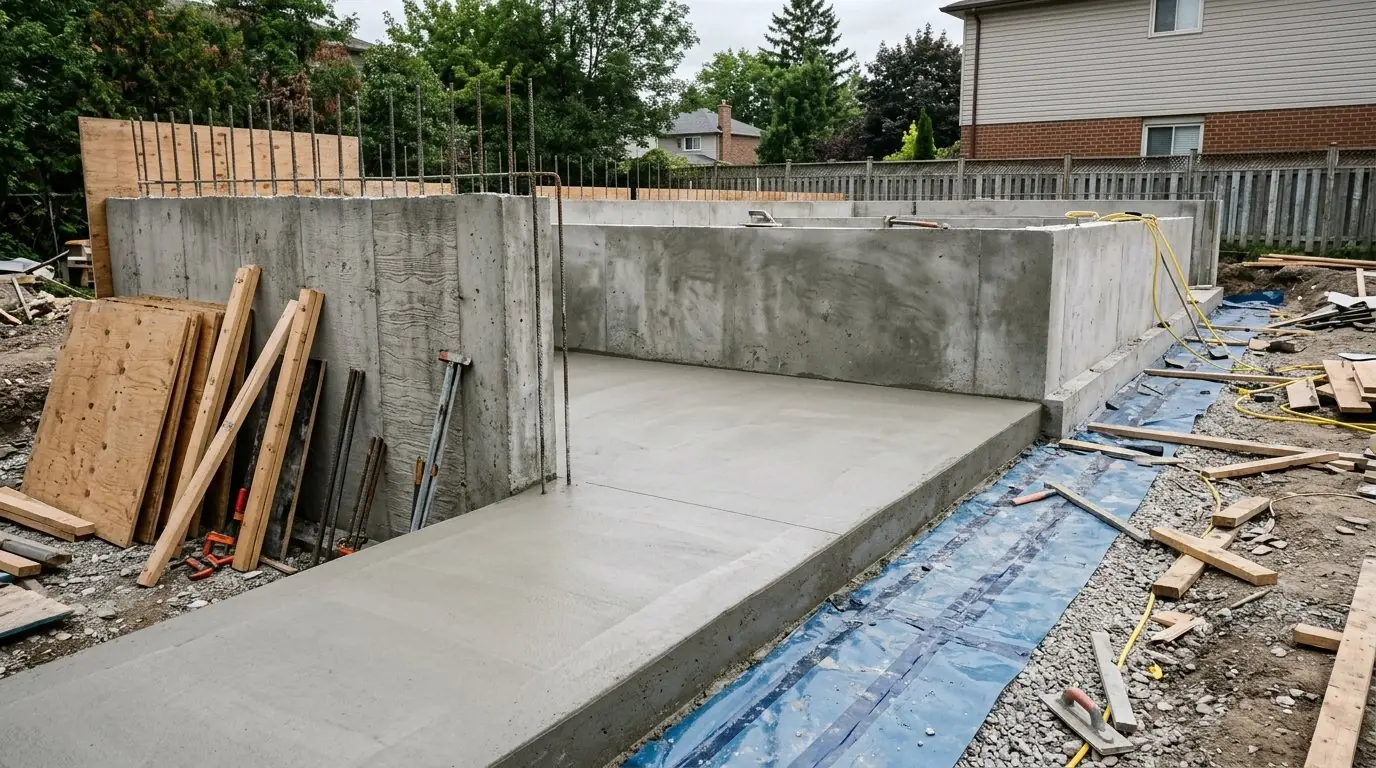
- Ontario’s construction remains closely tied to concrete, especially for large structures and foundations. Most emissions stem from the cement content used in traditional mixes.
- Low-carbon concrete substitutes some cement with recycled materials - such as slag or fly ash - and commonly uses Portland limestone cement, which produces fewer emissions.
- In the Greater Toronto Area, many ready-mix plants now offer certified lower-carbon mixes. Leading suppliers back products with EPDs and can often deliver these on standard timelines.
- Benefits: Greenhouse gas emissions can be reduced by 10–30% per project versus base mixes, sometimes with no added cost.
- Important considerations: Confirm required strength, curing time, specific mix certifications, and compatibility with your structural and scheduling needs.
Recycled and Lower-Carbon Steel Products
- Steel’s environmental footprint largely depends on how it's produced. Steel made in electric arc furnaces from local scrap typically has a lower carbon footprint than traditional blast furnace steel.
- Ontario suppliers increasingly offer steel products with higher recycled content.
- Ask for: Updated EPDs that specify recycled content and facility-of-origin. Always cross-check structural grade and code compliance before use.
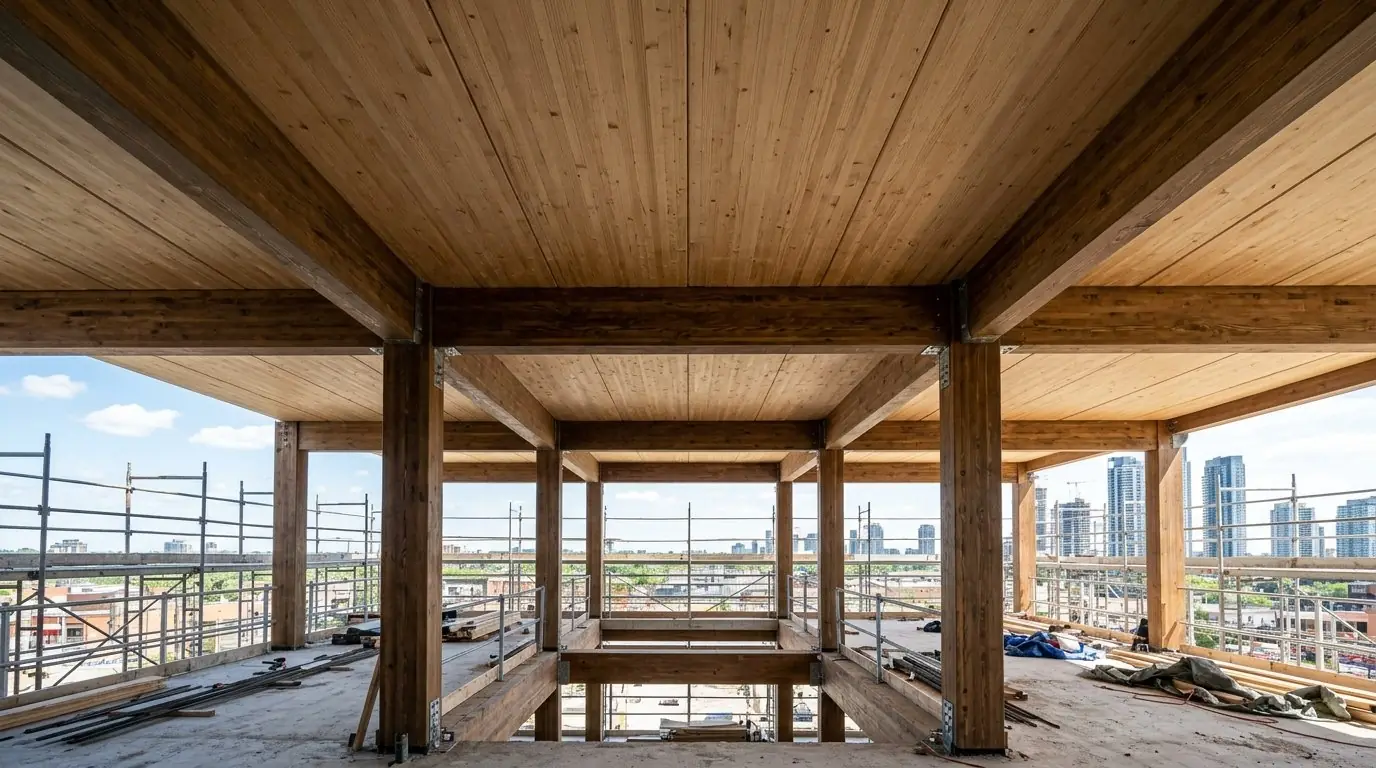
Mass Timber and Responsibly Sourced Engineered Wood
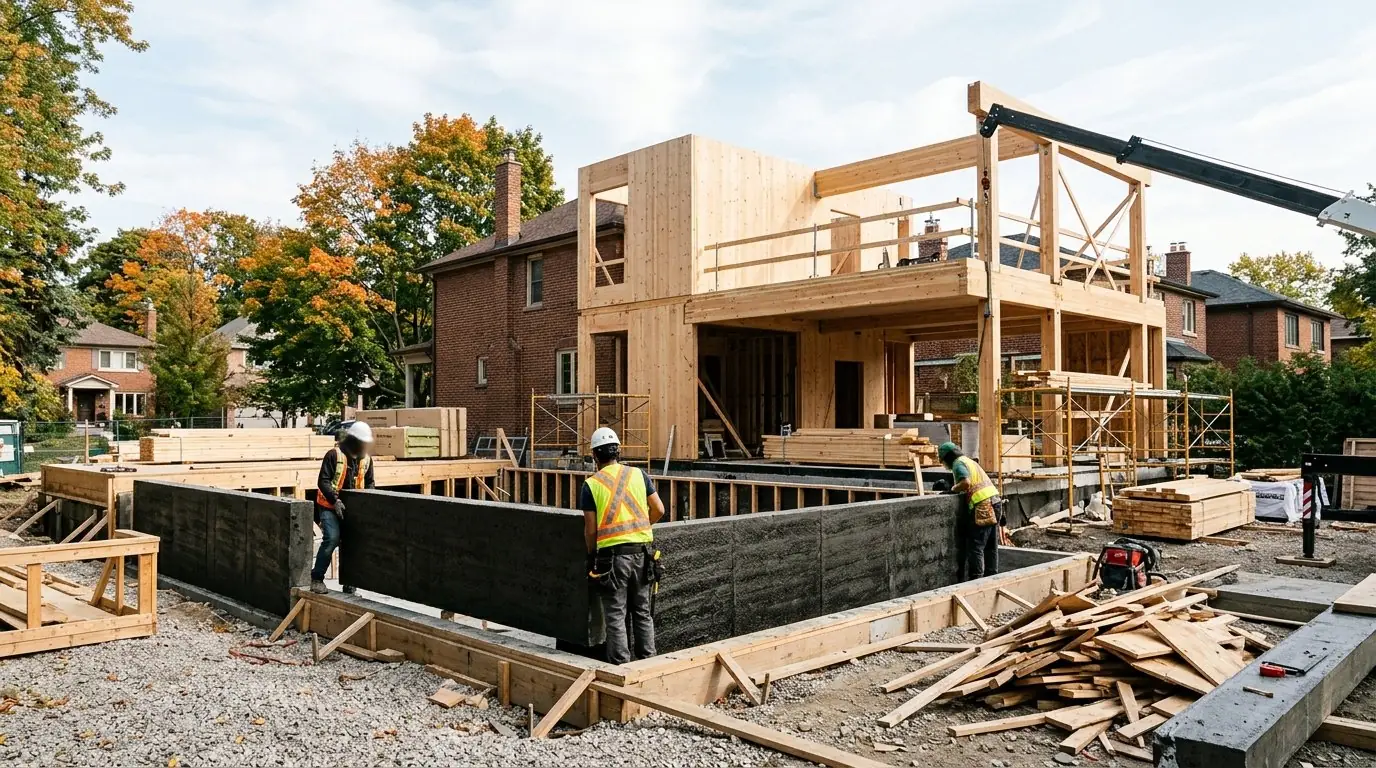
- Mass timber (such as cross-laminated timber or glulam) is engineered by laminating smaller pieces of wood into strong, large members.
- Timber naturally stores carbon, and sourcing wood from responsibly managed forests further improves environmental performance.
- Current Ontario and GTA building codes allow mass timber for a growing range of applications, including mid-rises, when properly certified and tested for safety and fire resistance.
- Always select proven suppliers with clear third-party forestry certification.
Lower-Impact Insulation Alternatives
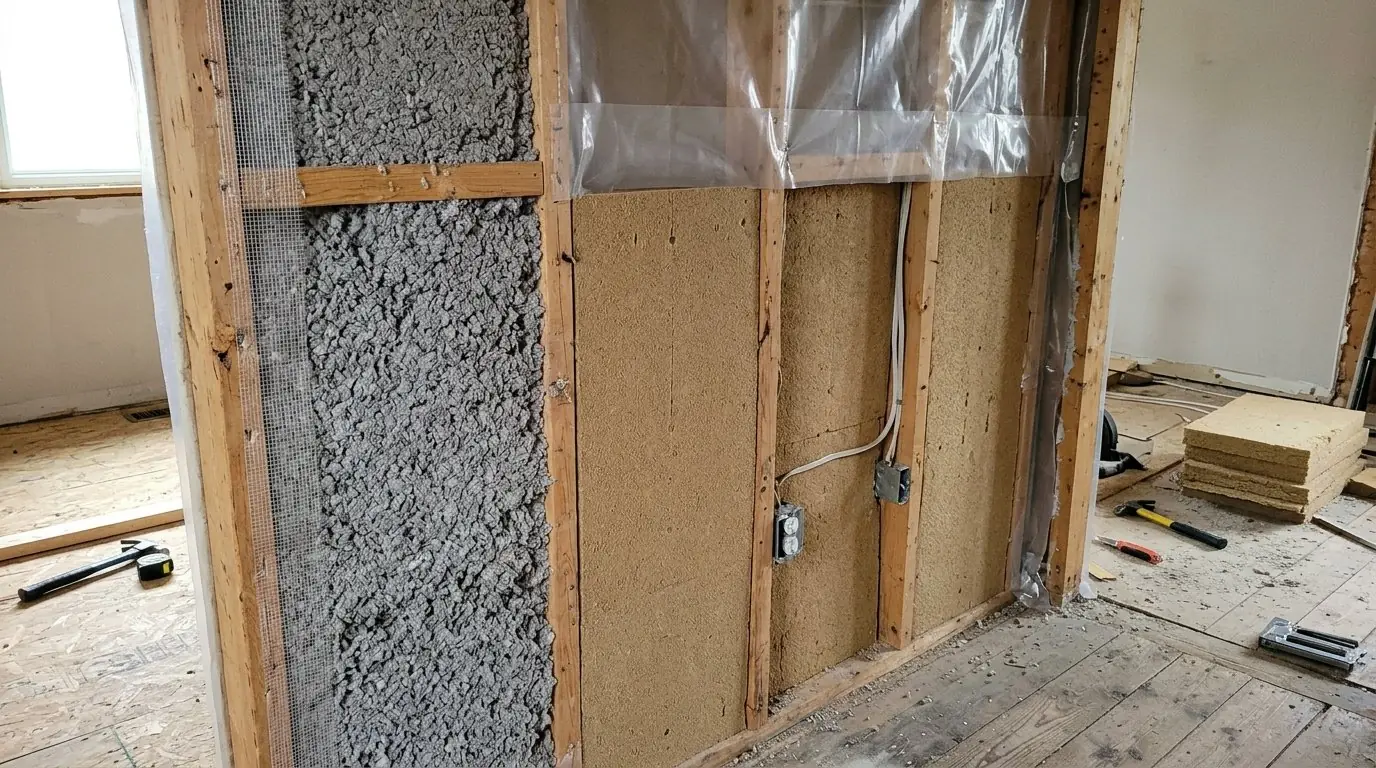
- Cellulose insulation is made from recycled paper and is treated to resist fire and moisture. It provides excellent thermal performance and reduces manufacturing emissions.
- Wood fibre insulation is renewable and becoming more available for use in walls, roofs, and floors.
- Both require careful detailing to achieve required fire ratings and moisture resistance, so installation should be handled by trained professionals.
Reclaimed, Recycled, and Reused Materials for Circular Construction
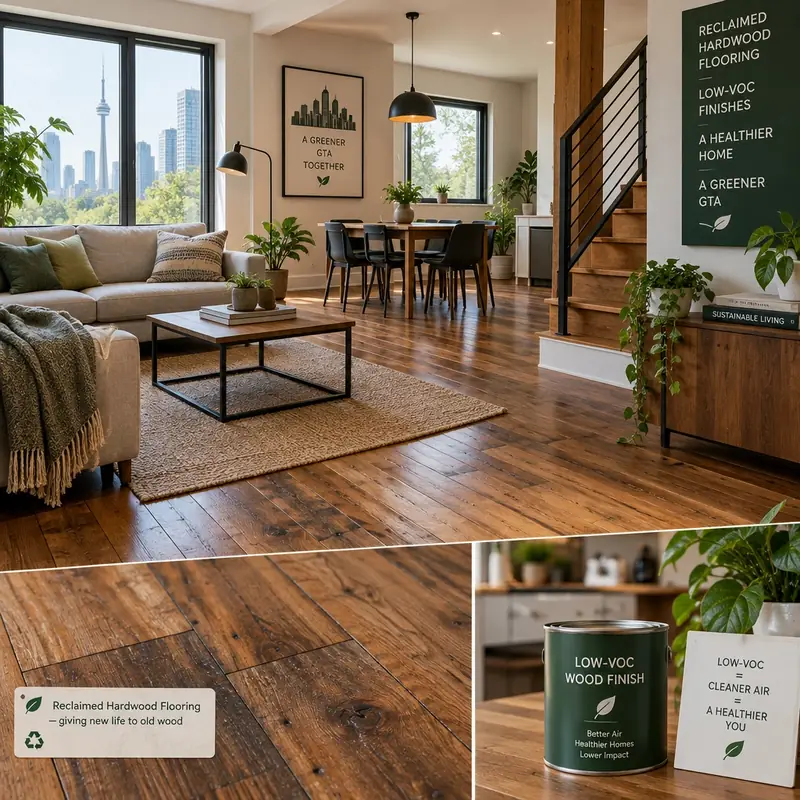
- Salvaged brick, timber, stone, and select metals are increasingly reused in Ontario projects. Reclaimed materials help avoid the emissions and environmental damage of new extraction and reduce landfill use.
- Always verify dimensions, code suitability, and condition when specifying reclaimed products.
Emerging Bio-Based Materials for Non-Structural Uses
- Materials such as hempcrete, cork panels, or mycelium-based boards are in early stages of adoption within Canada.
- These are showing promise for interior walls, acoustic control, and select applications, but seldom serve as primary structural elements due to code and performance requirements.
- Before specifying, review independent test data and ensure products meet municipal approval where needed.
Comparison Table: Sustainable Material Categories
| Material Category | Environmental Benefit | What to Verify | Key Considerations |
|---|---|---|---|
| Lower-carbon concrete | Up to 30% lower emissions | Facility-specific EPD, performance | Curing time, supply, cost |
| Recycled/low-carbon steel | Less virgin resource, less GWP | EPD, recycled content %, mill docs | Structural grade, order timeline |
| Mass timber | Renewable, sequesters CO₂ | Forestry certification, EPDs | Moisture barriers, fire rating |
| Cellulose/wood fibre insulation | Recycled/renewable input | Fire & moisture performance specs | Proper installation, code proof |
| Reclaimed building materials | Avoids new production, diverts waste | Condition, size, provenance, code | Labour for prep, acceptance by officials |
| Bio-based (hemp, cork, mycelium) | Rapidly renewable | Testing, fire rating, supply chain | Limited use/scale, pilot projects |
Evaluating Materials for Your Construction Project
Practical material choices start with direct comparisons using Ontario-specific information and code requirements. A checklist approach helps property owners, designers, and contractors make transparent, high-quality decisions.
Checklist for Smart Material Evaluation
- Performance First: All materials - new or sustainable - must meet the same structural, fire, and durability needs.
- Service Life Verification: Assess whether the product’s lifespan matches standard materials, and if not, consider ongoing maintenance or extra replacement costs.
- Use Local EPDs: Insist on current, facility-specific EPDs. When not available, the closest Canadian or Ontario data set is preferred.
- Validate with Codes and Permits: Any new or altered material must comply with the Ontario Building Code. For most projects in Toronto and neighbouring regions, changes to structure or utility connections will require municipal permits and potentially inspections.
- Supply and Timeline Fit: Confirm that materials can be ordered and delivered in the timeframe your project requires, and that local installers are experienced with them.
- Total Cost Assessment: Calculate full installed and lifecycle costs, including purchase, delivery, installation labour, and future maintenance.
- Planned Waste and End-of-Life: Choose products that can be repaired, recycled, or reused.
- Consistent Comparison: Document what basis (units, service life, impact stage) you’re using for all comparisons - do not compare apples to oranges.
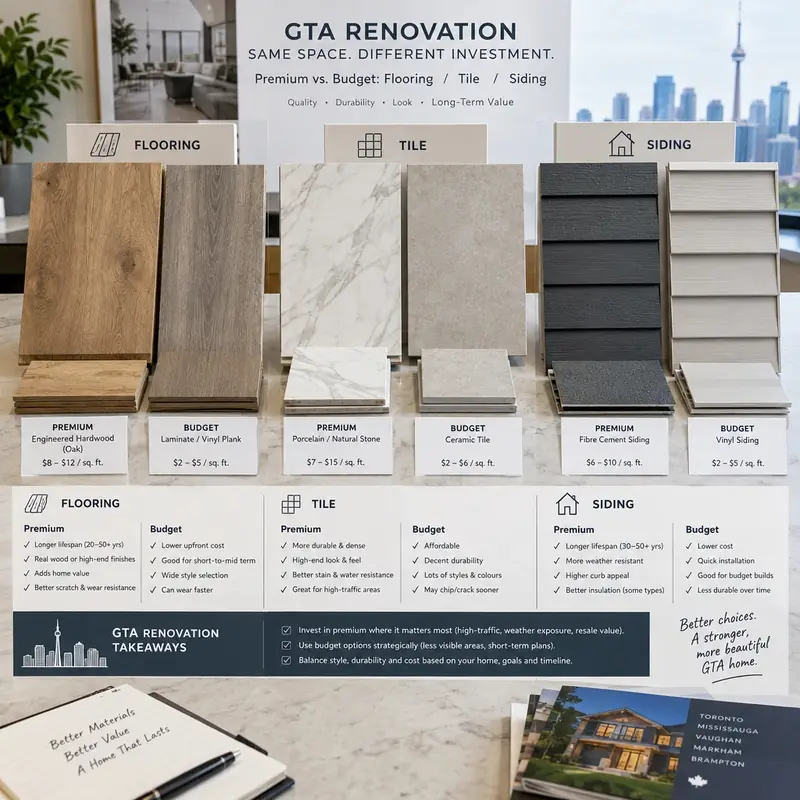
To assist with realistic budgeting for local GTA projects, see our detailed renovation and restoration cost guides.
Practical Steps to Specify Lower-Impact Materials
Proactive planning streamlines the adoption of eco-friendly materials. Clearly defined project priorities, early supplier engagement, and code-aware processes keep projects efficient and compliant.
Step-by-Step Material Specification Checklist
- Establish Sustainability Priorities: Decide on primary environmental goals (e.g., lowering embodied carbon, boosting recycled content, maximizing future reuse).
- Engage Stakeholders Early: Share priorities with your contractor, architect, and consultants as soon as possible.
- Collect and Evaluate EPDs: Request current EPDs and Global Warming Potential (GWP) data from suppliers for each key material or assembly. Seek plant-specific documentation whenever possible.
- Consult with Construction Professionals: Experienced firms like TGV Construction Group Inc. offer essential guidance on paperwork, permit requirements, code compliance, and supplier management.
- Clarify Permitting Implications: In Ontario, many structural, plumbing, and electrical changes trigger permits. Flag any new or unfamiliar materials to code officials so reviews can be completed without delay.
- Plan for Proper Installation: Some low-carbon materials or new insulation types need special installation methods or longer curing. Confirm site staff are trained and aware of procedures.
- Document Any Substitutions: Keep clear records of decisions, including supporting EPDs, testing data, and approval correspondence.
- Design for Future Reuse: Whenever practical, specify details that enable easy repairs or material recovery at the end of building life - a key aspect of circular construction.
For expert support integrating these principles into your build or renovation, TGV Construction Group Inc. offers general contracting, design-build, renovation, and restoration services.
Common Challenges and How to Avoid Them
Adopting sustainable materials involves both opportunities and common challenges. Navigating these effectively keeps your project on track for durability, compliance, and real environmental value.
Key Pitfalls and Caution Notes
- Unverified Performance: Never base substitutions only on green claims. Demand EPDs, fire-testing, and full manufacturer documentation for anything new to your project.
- Incomplete Environmental Data: EPDs must cover the same scope and life-cycle stages for meaningful comparison. Data is best if third-party verified and facility-specific.
- Limited Regional Supply: Not every lower-impact product is available everywhere in Ontario. Reclaimed or advanced products may be subject to longer lead times or quantity limits.
- Risky Substitutions: Last-minute replacements for specified products - due to out-of-stock or supply chain disruption - should undergo the same due diligence as first-choice materials.
- Installation Hazards: Proper training and controls are essential. Even sustainable products can undermine safety or durability if installed incorrectly.
- Restoration Under Time Pressure: Following events such as fire, flood, or severe storms, urgency often drives decisions. TGV Construction Group Inc. offers emergency mitigation and restoration services to support fast response without sacrificing code compliance or long-term sustainability.
Frequently Asked Questions on Eco-Friendly Construction Materials
What defines an eco-friendly construction material?
An eco-friendly material lowers its impact through reduced embodied carbon, significant recycled or renewable content, responsible sourcing, and design for reuse or recycling - without losing established performance or safety. EPDs and certifications are useful, but context and full life-cycle still matter.
How do embodied carbon and operational carbon differ?
Embodied carbon includes emissions from producing, delivering, and installing a building material, plus final disposal or recycling. Operational carbon comes only from building energy use during its service life. Successful low-impact projects address both.
What questions should I ask suppliers about environmental data?
- Do you have a current, facility-specific EPD?
- Which life-cycle stages and impacts are included in the EPD (manufacture, transport, construction)?
- Is the documentation third-party verified and aligned with Canadian standards?
- How does this performance compare to available Ontario averages?
Is low-carbon concrete always an option in Toronto and the GTA?
Many regional suppliers now stock low-carbon concrete, using approved mixes for commercial and residential work. Each project should verify if the mix meets strength, curing, and scheduling requirements. Always confirm compatibility with engineering, codes, and inspections before specifying.
Are mass timber products better for every construction?
Mass timber is an excellent fit for many mid-rise projects and certain renovations, combining strength with carbon benefits. Yet it isn’t automatically best for every structural role; code limits, span needs, fire safety, supplier availability, and detail complexity affect suitability.
Do regulations require using low-carbon materials for my project?
Federal requirements around embodied carbon now apply to select government projects. Some local jurisdictions in Ontario are developing their own rules. Most private projects do not have mandatory targets, but voluntary sustainability measures are encouraged. Always confirm with your project consultant and municipal officials.
How to handle material substitutions without compromising goals?
When making a substitution - due to supply chain issues, performance, or costs - require EPDs, fire/structural test data, and written approval from both consultants and code officials. This ensures quality, safety, and your sustainability priorities are preserved.
Choose Reliable Partners for Sustainable Results
Advancing eco-friendly construction in Ontario depends on using proven materials, qualified teams, and transparent processes. TGV Construction Group Inc. delivers all three, with a focus on responsive communication, skilled project delivery, and demonstrated commitment to inclusive leadership and community accountability.
Explore TGV Construction Group Inc.’s experience and commitment to quality to ensure that your property investment - whether new construction, renovation, or disaster recovery - meets both your environmental goals and regulatory requirements. For tailored advice, custom specifications, and to discuss how sustainable materials can enhance your residential or commercial project in the Greater Toronto Area or anywhere in Ontario, request a free quote from our team today.
This guide is for informational purposes only and does not constitute specific regulatory, legal, or engineering advice. Always consult with licensed professionals and local officials regarding compliance standards, permit requirements, and environmental claims.