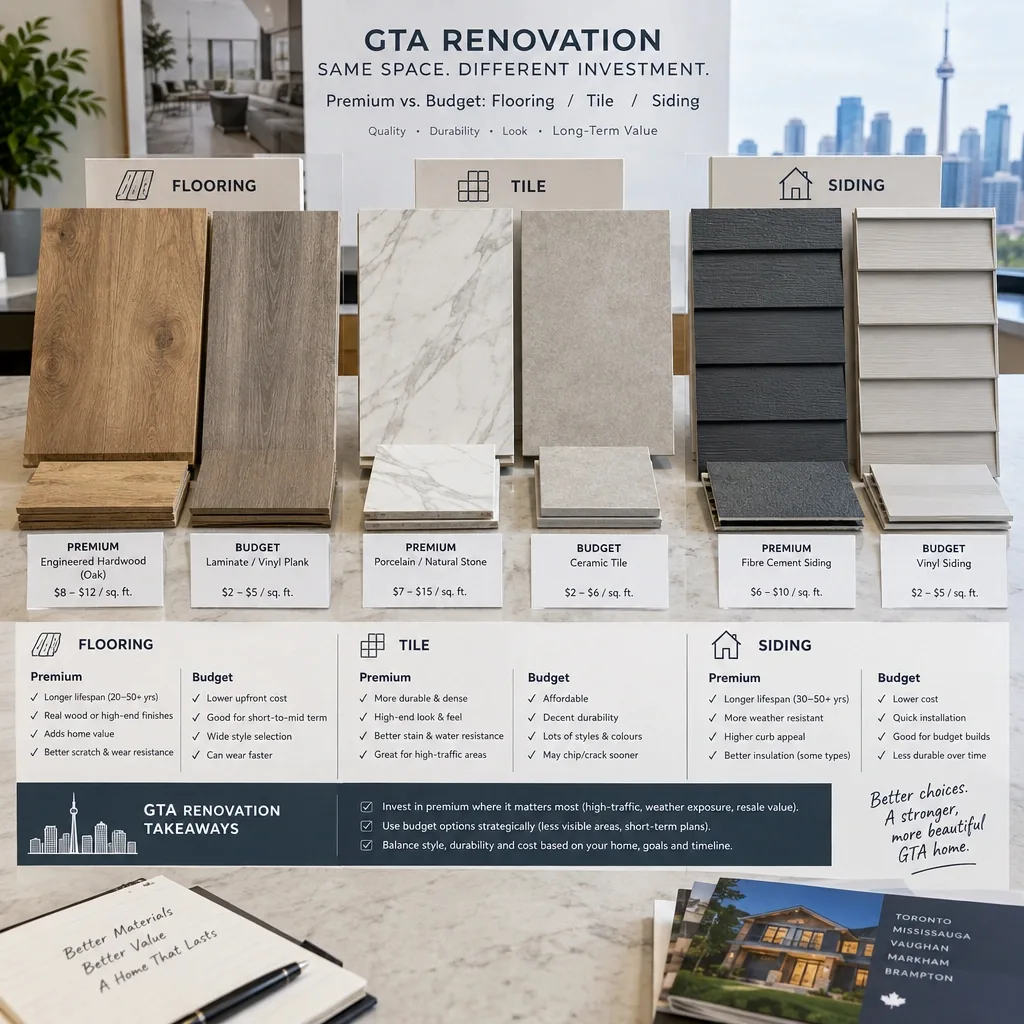
Choosing construction materials is one of the most important decisions homeowners, commercial property managers, and business owners face in the Greater Toronto Area and across Ontario. Every renovation, restoration, or new build depends on choices that directly affect comfort, durability, energy efficiency, and compliance with codes and insurance requirements. Labels like “premium” and “budget-friendly” are everywhere, but what they actually mean for your project isn’t always clear.
The right material balances value, safety, appearance, and long-term performance. Premium materials don’t always deliver better results, and budget options aren’t automatically inferior. Your project’s context, building codes, and actual site conditions all play a central role in choosing the best fit.
With deep local expertise and a transparent, customer-focused approach, TGV Construction Group Inc. has delivered more than 200 successful projects across the GTA and Ontario. This guide offers practical comparisons, clear explanations, and actionable steps to help you decide with confidence on your next renovation, restoration, or new build. For hands-on support and a full overview of what we do, visit our general contracting and renovation services.
Premium vs. Budget-Friendly Materials: What’s the Difference?
Manufacturers, retailers, and contractors use the terms “premium” and “budget-friendly” constantly, but they aren’t standardized. They reflect relative price, branding, and sometimes extra features or warranties.
Premium construction materials
- Are typically made from higher-grade raw materials or with more refined production methods.
- May include advanced components, longer warranties, or specialized certifications (such as CSA, ULC, or FSC).
- Examples include high-performance windows with multi-chamber frames, multiple weatherstripping layers, and argon gas fill; top-tier engineered lumber; and high-durability composite cladding rated for Ontario’s severe weather.
Budget-friendly materials
- Have a lower upfront price.
- Usually come with basic finishes, shorter warranties, and standard certifications that meet, but don’t exceed, code requirements.
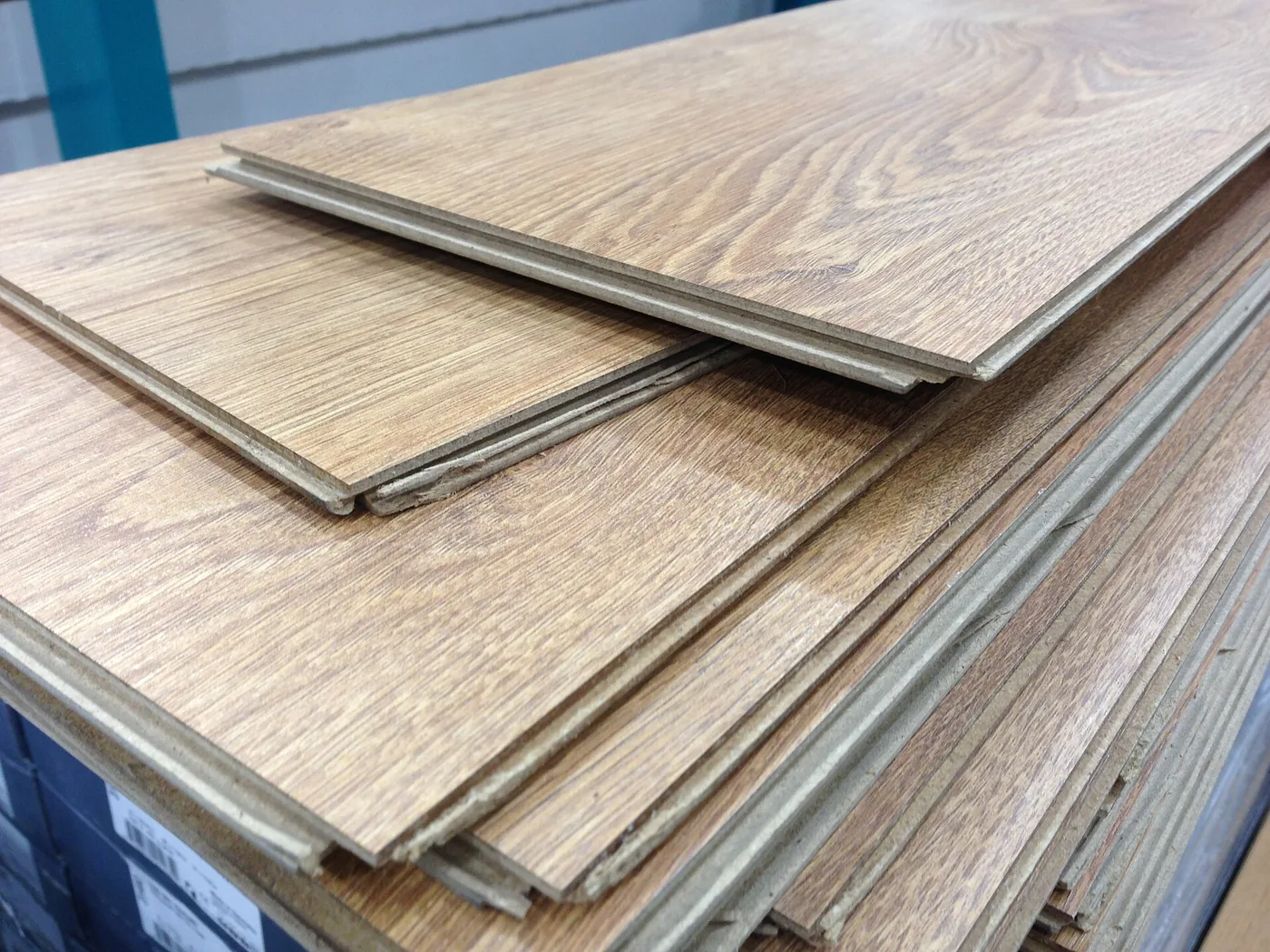
- Examples include standard vinyl windows, laminate flooring, and contractor-grade plumbing fixtures.
Important clarifications:
- A higher upfront cost does not always mean greater value for your specific use.
- “Premium” and “budget” are marketing categories, not technical ratings. Whether a product is suitable depends on code compliance, installation quality, and your project’s specific needs.
Real-world example:Standard drywall meets code for most residential walls. In high-traffic commercial corridors, though, upgrading to abuse- or impact-resistant board can greatly extend service life and reduce repairs, and Type X fire-rated board is required wherever the code calls for a fire-resistance rating.
What Drives the Cost of Construction Materials?
Understanding what determines material prices helps you spot real value and avoid overspending.
Material composition and production
- Source material: Virgin plastics or sustainably sourced hardwoods cost more but may offer better durability or environmental performance.
- Processing: Kiln-dried or engineered lumber costs more than green lumber because it is more dimensionally stable and moves less over time.
- Additives: Fire retardants, UV inhibitors, and mildew-resistant compounds improve performance but raise the price.
Certifications, testing, and warranties
- Products with third-party certifications (CSA, ULC, ENERGY STAR, FSC) or extended warranties cost more, often reflecting higher quality or more rigorous testing.
- Insurance claims and resale value may depend on using certified materials.
Availability and sourcing
- Imported or specialty materials carry higher shipping and handling costs.
- Local shortages push prices up, especially for concrete, certain lumber sizes, and specialty insulation.
Installation and finishing requirements
- Labour costs can outweigh material savings if a budget product is harder or slower to install, or needs custom finishing.
- Installation systems (clips, adhesives, fasteners) can cost more for premium assemblies.
- Waste matters too: budget tile or panels may break more often or produce more off-cuts.
Example:Premium synthetic or self-adhered roofing underlayment can add $2–$5 per square metre compared to standard felt, but it lowers installation risk and improves water resistance, which can offset the savings from the cheaper option.
How to Compare Materials Beyond the Purchase Price
Focusing only on the price tag often leads to higher costs, disruptions, or compromised building performance over time. For projects in Toronto, the GTA, or elsewhere in Ontario, also consider:
Code compliance and suitability
- Is the product approved for its intended use under the Ontario Building Code or other relevant codes?
- Does the work require municipal permits and inspections?
- Is the material rated for load-bearing, exterior exposure, or fire safety, as needed?
Durability and maintenance
- How long will it last in your building’s actual conditions (interior vs. exterior, heated vs. unheated)?
- What maintenance does it need? Some low-cost materials need frequent replacement or special care.
- How easy is it to repair or upgrade later?
Energy efficiency, comfort, and occupant health
- Windows and doors with higher energy ratings lower utility bills and improve comfort by reducing drafts and condensation.
- Better insulation reduces heat loss and improves sound control.
- Some materials support better indoor air quality, such as low-VOC paints.
Environmental impact and embodied carbon
- Embodied carbon measures the greenhouse gas emissions from producing and transporting a product.
- Environmental Product Declarations (EPDs) help you compare the sustainability of different options.
- Low-carbon concrete, recycled materials, and responsibly sourced lumber are increasingly practical, and are sometimes required on new builds or public-sector projects in the GTA.
Short scenario:A premium self-sealing, code-rated air barrier membrane costs more upfront, but it lowers long-term heating bills and condensation risk, which matters a great deal given the GTA’s humid summers and cold winters.
For more on controlling costs, see our budget guides and cost planning for construction projects.
Where It Makes Sense to Spend More
Higher-quality materials aren’t always necessary, but in some areas the investment pays off:
Structural and weather-exposed components
- Foundations, beams, headers, posts, and floor systems: Better materials protect structural integrity, reduce the risk of movement or water infiltration, and can prevent expensive problems for decades.
- Roofing and roof underlayment: Premium options offer longer leak-free performance, better storm resistance, and more resilience to future code changes.
The exterior building envelope and entry points
- Triple-glazed windows and high-efficiency doors with advanced weatherstripping: The extra upfront cost often pays back through energy savings and fewer repairs.
- Siding and cladding in areas exposed to heavy wind, rain, or freeze-thaw cycles: Better systems resist warping, moisture intrusion, and sun damage.
Frequently used fixtures and high-traffic areas
- Faucets, hinges, locks, and hardware with solid-metal construction and extended warranties prevent annoying early failures.
- Commercial-grade flooring in retail spaces or multi-residential lobbies resists wear and reduces maintenance costs.
Restoration and emergency mitigation
- After fires, floods, or storms, building codes and insurance requirements often call for replacement with tested, certified (and often premium) assemblies. A fast, expert response with the right materials limits loss and speeds recovery. Learn more about our 24/7 emergency restoration and mitigation services.
Examples:
- Upgrading from basic three-tab shingles to architectural, wind-rated shingles can add roughly $800–$2,000 on a typical GTA home, while extending roof life by five to 15 years and improving storm resilience.
- Spending an extra $500–$1,200 on a high-performance front door can reduce drafts and moisture problems and improve security.
Where Budget-Friendly Materials Can Be a Good Fit
Not every part of your project needs top-tier products. Using code-approved, value-oriented materials in the right places keeps your budget on track:
Non-structural finishes and low-wear areas
- Basic trim profiles, paint-grade cabinetry, or simple closet organizers.
- Drop ceilings in basements or utility areas, where appearance and durability matter less.
Utility spaces and short-term installations
- Standard contractor-grade doors for rental units or temporary spaces.
- Laminate or resilient flooring in laundry rooms, storage closets, or staff rooms.
When code and warranty requirements are met
- Products with standard certifications and manufacturer warranties still provide protection.
- For finishes likely to be updated in the next few years, budget options deliver the needed function without overinvesting.
Balancing function, appearance, and budget
- Standard door hardware or faucet lines can complement the design without inflating the price.
- Simple, well-installed materials in secondary rooms free up money for a showpiece kitchen or street-facing exterior upgrades.
Practical tip: Make sure lower-cost items don’t cut essential performance corners. Factor in installation, required accessories, and expected lifespan before making the final call.
Comparing Materials by Category
Choosing the best option means comparing like with like. Here’s a quick reference for several major material categories commonly used in the GTA and Ontario:
Material Category | Premium Materials: Key Features | Budget-Friendly Materials: Uses and Considerations |
Insulation & Air Sealing | High R-value foams, continuous exterior insulation, high-grade batts, tested vapour retarders, longer warranties | Standard batts and basic polyethylene in less-exposed areas; suitable for basic code compliance where conditions allow |
Windows & Doors | Triple glazing, low-e coatings, multi-point locks, long-life seals, ENERGY STAR and CSA A440 ratings | Double glazing, single weatherstripping, basic hardware; code-compliant for many standard uses, and a good fit for garages and less-used spaces |
Roofing & Exterior Cladding | Class 4 impact-rated shingles, standing seam metal, fibre cement, premium vinyl or composite | Basic shingles, standard vinyl, or basic siding; suitable for sheds, garages, or temporary structures |
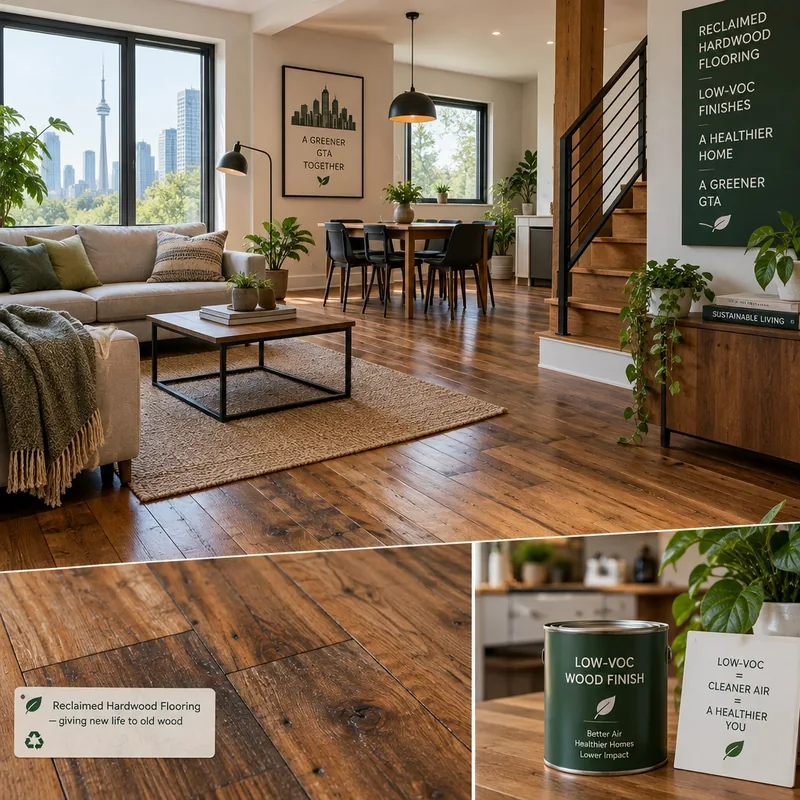
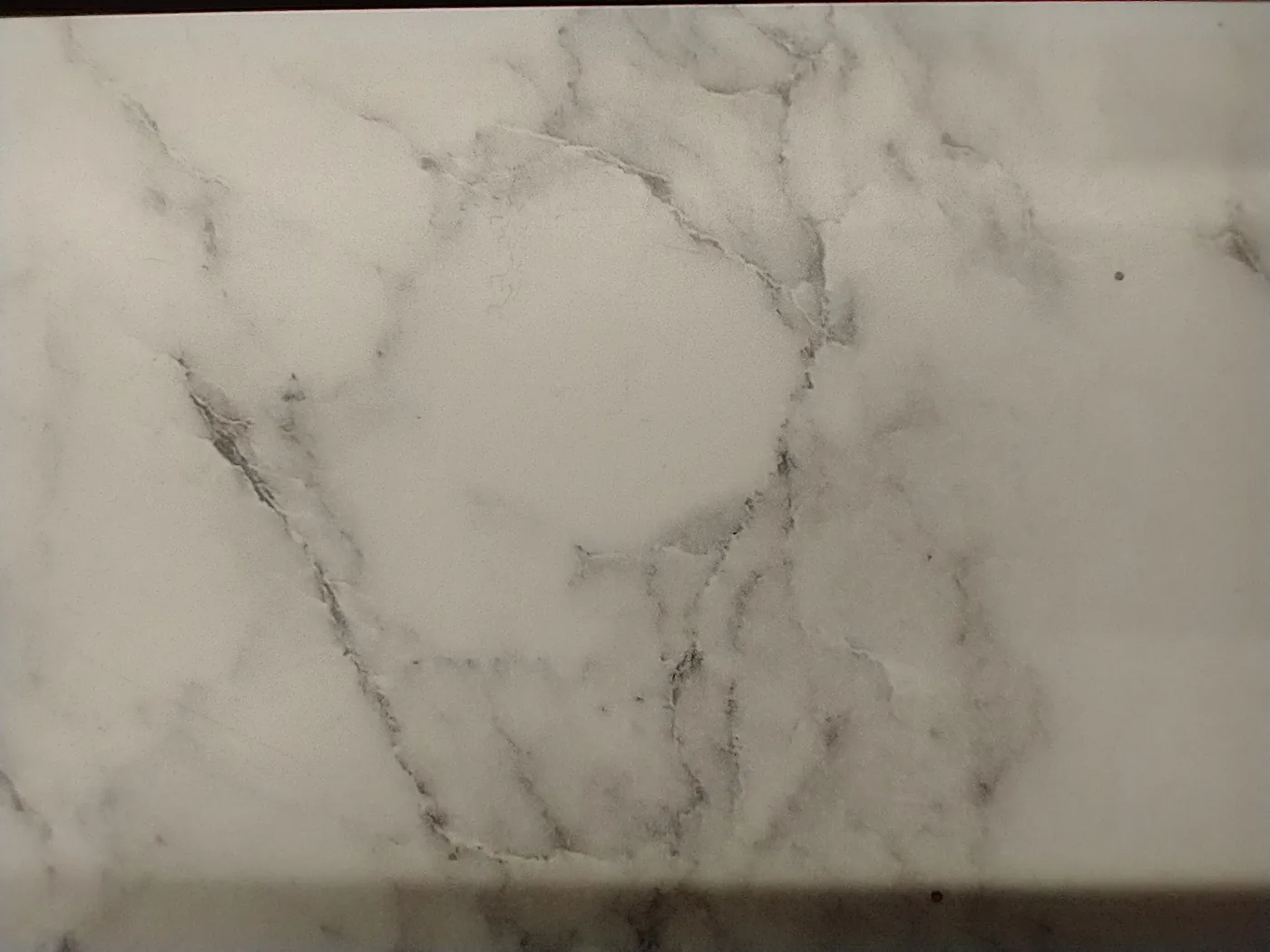
Flooring, Cabinetry & Interiors | Engineered hardwood, quartz surfaces, heavy-duty hardware, scratch-resistant coatings | Laminate, melamine, entry-level hardware; ideal for rentals, secondary suites, or short-term use |
Concrete, Lumber & Engineered Wood | Low-carbon concrete mixes, kiln-dried or engineered studs, advanced composite beams | Standard ready-mix concrete, economy lumber; suited to light-duty framing or where appearance matters less |
A Practical Material-Selection Checklist
Use this checklist when weighing premium and budget materials for any project in Toronto, the GTA, or Ontario:
1. Define the application and exposure
- Is the area structural or load-bearing?
- Will it face regular moisture, weather, or heavy use?
2. Confirm codes, permits, and inspections
- Identify the relevant codes (such as the Ontario Building Code) and whether permits are required.
- Put safety first by using licensed trades for electrical, plumbing, and structural work.
3. Compare exact specifications and warranties
- Ask for quotes based on specific sizes, finishes, and features.
- Read the warranty terms for length, coverage, and exclusions. Does it cover labour, or only materials?
4. Estimate total installed and lifecycle costs
- Add up materials, labour, finishing, demolition, disposal, and expected repairs or upgrades over time.
- Consider how often the material will need maintenance or replacement.
5. Check supply reliability and environmental credentials
- Confirm the product will be available throughout your project and for future repairs.
- Consider EPDs and low-carbon options if sustainability is a goal.
6. Consult professionals on safety and compliance
- For structural, life-safety, or code-sensitive work, involve a qualified general contractor, architect, or engineer to reduce risk.
If you’re ready to plan your next project, request a free quote to discuss your materials and project needs. Our customer-focused team provides accurate budgeting, transparent reporting, and project delivery you can trust.
Frequently Asked Questions
Are premium materials always better than budget alternatives?
No. The best choice depends on the application, exposure, and your project’s needs. Premium materials add value in high-risk, high-use, or exposed locations, while budget materials save money where basic function and code compliance are the main requirements.
What should I consider beyond the purchase price?
Look at the total cost of ownership: installation labour, required accessories, lifespan, repair frequency, energy efficiency, and warranty. Poor installation or mismatched specifications can make even top materials underperform.
When does it make sense to choose budget-friendly options?
Budget materials suit low-risk, non-structural, or temporary installations where code is met and replacing them later won’t cause major inconvenience or expense.
Does code compliance mean materials are interchangeable?
No. Meeting code is the minimum. Materials still vary in real-world performance, insurance compatibility, and how well they work with other building systems.
How do warranties compare?
Look beyond the length of the warranty to what it covers, any exclusions, and whether it includes installation or only manufacturing defects.
How much do installation quality and detailing affect performance?
A lot. A standard material installed by experts can often outperform a premium product installed poorly. Always factor in your contractor’s skill and reliability.
Can Environmental Product Declarations tell me the best choice?
EPDs let you compare environmental impacts, but they should be weighed alongside technical requirements and code compliance.
Who should review my material selections?
Involve professionals, such as licensed contractors, engineers, or architects, especially for structural work or projects involving life safety, legal requirements, or complex building types.
Build Smart with TGV Construction Group
To learn about our leadership, credentials, and values, visit About TGV Construction Group Inc.
Quality assurance, code compliance, responsive communication, and transparent budgeting are standard at TGV Construction Group Inc. Trust us for your construction, renovation, and restoration needs, including 24/7 emergency services and tailored project management across Ontario. For emergencies, call us anytime at (905) 669-2727.
This content is designed for property owners and managers in Ontario, with a focus on the GTA. Local and project-specific requirements may differ. For questions about general contracting, renovation, permits, inspections, emergency mitigation, or restoration, consult qualified professionals and the applicable authorities.