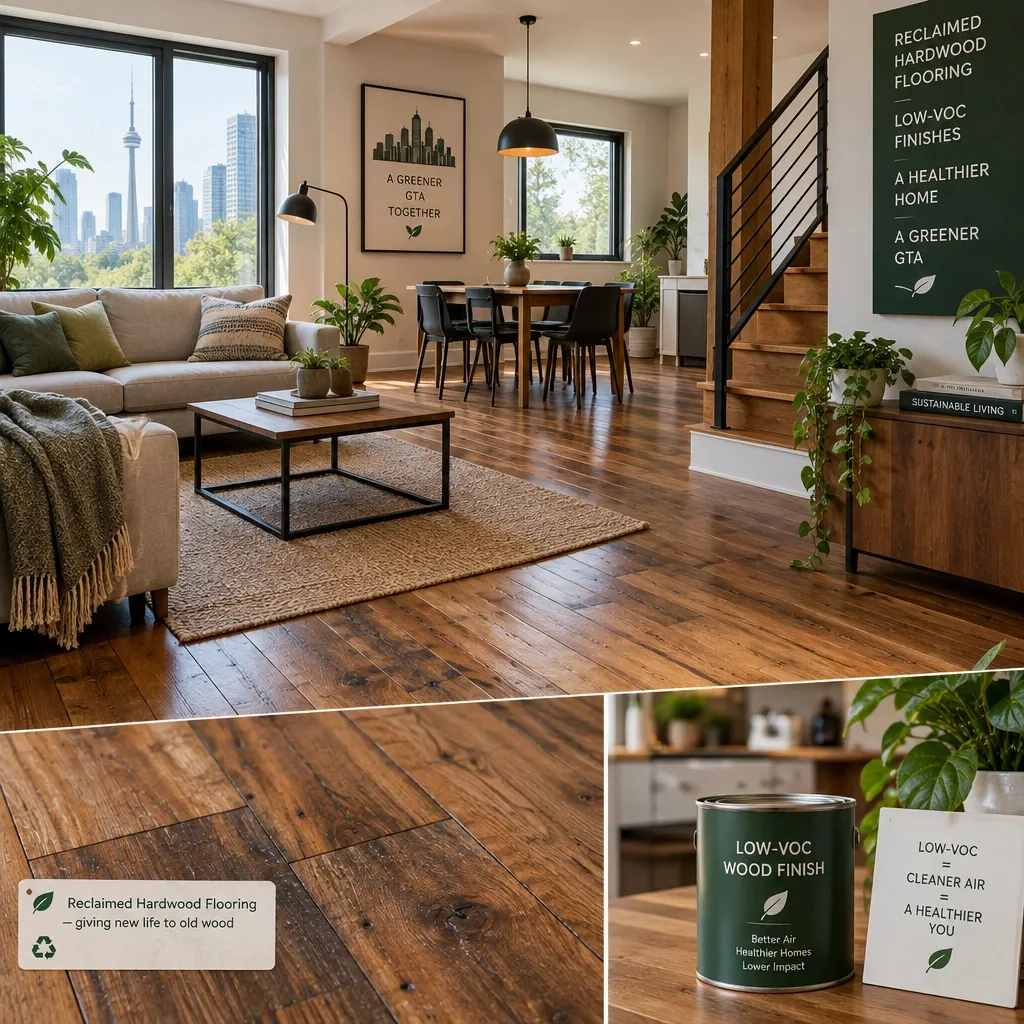
Choosing sustainable materials for a renovation in the Greater Toronto Area involves more than looking for “green” labels or following the latest trends. The materials you select affect the environment, the health and comfort of the people inside, long-term maintenance, and overall property value. With Canadian building standards evolving and a growing focus on carbon accountability, making informed, responsible choices about what goes into your home or commercial property has never mattered more.
TGV Construction Group Inc. supports homeowners and businesses across the GTA, with more than 200 completed projects and a commitment to customer satisfaction and quality assurance. Under the leadership of Tamara Gavrilenko, a strong advocate for underrepresented groups and community-focused building, our approach balances technical rigour, safety, and dedication to every client.
This guide offers practical strategies for understanding, evaluating, and selecting sustainable renovation materials, with a focus on the environmental, health, regulatory, and cost factors that matter in Canada.
What Makes a Renovation Material Sustainable?
Sustainable materials deliver benefits that go beyond appearance or short-term savings. Knowing how to recognize those qualities helps you make renovation choices with lasting value.
Embodied Carbon and Environmental Impact
Embodied carbon is the total greenhouse gas emissions produced over a material’s life cycle, from extraction and manufacturing to transportation, installation, and disposal. In Ontario homes and commercial buildings, reducing embodied carbon is increasingly important as policymakers look at emissions from construction itself, not just the energy a building uses once it’s occupied.
To reduce embodied carbon:
- Reuse or salvage materials whenever possible.
- Choose products with publicly available Environmental Product Declarations (EPDs), third-party certifications, or documented recycled content.
- Keep in mind that reused and salvaged materials generally aren’t assigned new embodied carbon, since their production footprint has already been counted.
Durability, Maintenance, and Long-Term Replacement
A truly sustainable renovation considers how long materials will last and what it takes to maintain them. Consider:
- Expected lifespan: How many years before major repairs or replacement?
- Maintenance needs: Does it need special cleaners, sealers, or regular refinishing?
- Repairability: Can damaged sections be fixed, or does the whole piece need replacing?
- Performance: Does the material suit Toronto’s four-season climate, humidity, and traffic?
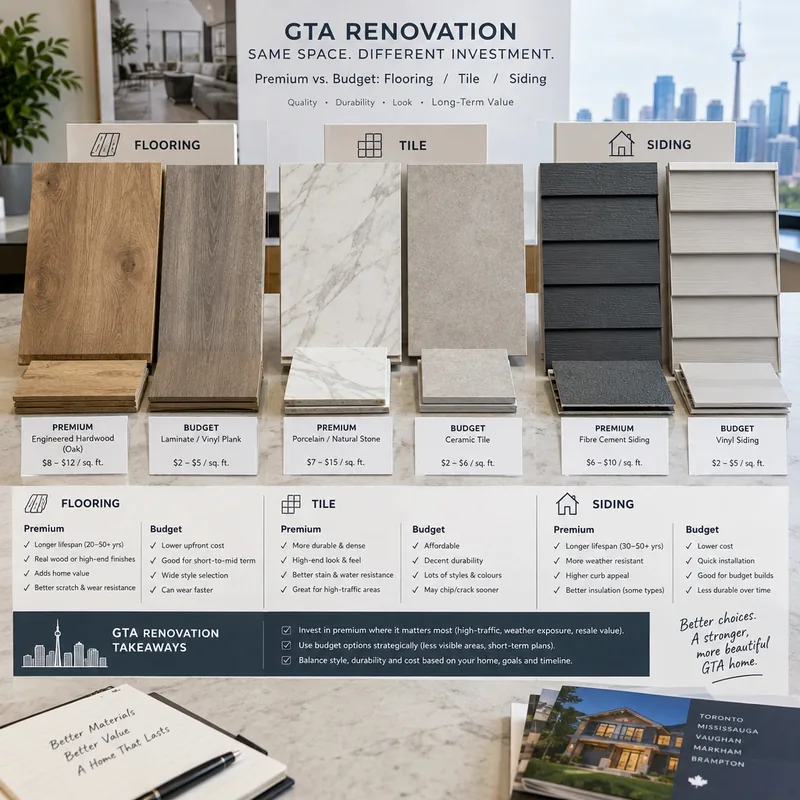
Durable, repairable materials may cost more upfront, but they reduce future costs and resource use.
Indoor Air Quality and Ingredient Transparency
Sustainability is as much about human health as it is about the environment. Many manufactured products release volatile organic compounds (VOCs), formaldehyde, or other chemicals that can affect indoor air quality.
To support a healthy indoor environment:
- Choose products with third-party low-emission certification, such as GREENGUARD Gold.
- Look for wood products with no added formaldehyde.
- Ask for Health Product Declarations (HPDs) and labels like Declare for full ingredient transparency.
- Ventilate properly during and after installation.
Relying on trusted certifications and supplier documentation helps protect your property’s indoor air quality.
Start with What You Can Keep: Repair and Reuse
Before shopping for new sustainable products, look at what you already have that can be repaired, refinished, or reused. Salvaging durable components preserves character, reduces landfill waste, and offers significant environmental savings.
Evaluating Existing Floors, Cabinetry, and Structure
- Check the condition: Are flooring, cabinetry, doors, and trim structurally sound? Many hardwood floors, solid wood cabinets, and original mouldings can be restored.
- Review code compliance: Have a qualified professional review structural and electrical components, especially in heritage or older Toronto homes, to make sure they meet current building code standards.
- Check for hazardous materials: Buildings constructed before the 1990s may contain asbestos, lead-based paint, or other hazards that require certified remediation before demolition or salvage.
Salvaging On-Site or Sourcing Reclaimed Materials Locally
Benefits:
- Keeps demolition waste out of landfill
- Reduces embodied carbon compared with buying new
- Helps preserve the unique architectural features of heritage homes
- May lower the cost of finished work
Challenges:
- Salvaged or reclaimed materials may need cleaning, refinishing, or resizing
- Matching quantities and specifications can be difficult
- Safety and code compliance must be confirmed by professionals
- Availability varies and can lengthen the project timeline
Repair and reuse tips:
- Catalogue valuable features before demolition so nothing is thrown out by accident.
- Protect original floorboards and trim from site traffic during the work.
- Use local salvage yards or building material exchanges to find matching materials.
- Donate reusable fixtures you remove to help others and reduce waste.
How to Compare Sustainable Materials
A “green” label isn’t enough. You need confidence that a product will serve your home or business well for years. Clear, measurable criteria and third-party verification help separate marketing claims from real performance.
Check That the Material Suits the Application
Assess each option’s function, durability, and fit for the space:
- Flooring in busy entryways or damp basements must handle moisture, foot traffic, and Toronto’s freeze-thaw cycles.
- Wall finishes in kitchens and bathrooms should resist stains and humidity.
- Insulation must comply with the Ontario Building Code and deliver both energy efficiency and occupant safety.
Never compromise function for environmental claims. When in doubt, consult a contractor experienced with your type of building.
Look for Third-Party Certifications
Verified sustainability claims are essential. Reliable certifications and labels used in Canada include:
Certification or Label | What It Means and Where It’s Used |
FSC (Forest Stewardship Council) | Confirms wood comes from responsibly managed forests (flooring, framing, cabinetry) |
Declare (ingredient label) | Provides full ingredient disclosure for healthier product choices |
GREENGUARD Gold | Certifies low chemical emissions for indoor air (paints, sealants, adhesives) |
EPD (Environmental Product Declaration) | Discloses independently verified life-cycle environmental data |
How to use certifications:
- Make sure the certification applies to the exact product you’re buying.
- Check expiry dates, since certifications and product formulas can change.
- Ask for the original supplier documents or check the certifier’s database before you buy.
Consider Transportation, Availability, and Total Installed Cost
- Weigh transportation against overall sustainability. A locally sourced material can still have a higher carbon footprint depending on how it’s manufactured.
- Confirm lead times, since reclaimed or specialty materials may take longer to source in the GTA.
- Calculate the full cost, including preparation, installation, maintenance, and eventual replacement.
For a deeper look at renovation budgets and material costs, see our detailed cost guides and budgeting information.
Sustainable Material Options by Category
Choosing the best sustainable option starts with knowing what’s available. This table summarizes common options and their strengths and limitations:
Category | Sustainable Examples | Key Benefits | Considerations and Limitations |
Wood, Flooring, Cabinetry | Reclaimed wood, FSC-certified lumber, bamboo, cork | Reduces deforestation, easy to refinish, adds character | Consistent sourcing, adhesives used in bamboo, cork’s limited water resistance |
Insulation & Air Sealing | Dense-pack cellulose, mineral wool, natural fibres (sheep’s wool, recycled denim) | High recycled content, low toxicity, good sound control | Vapour barrier requirements, fire ratings |
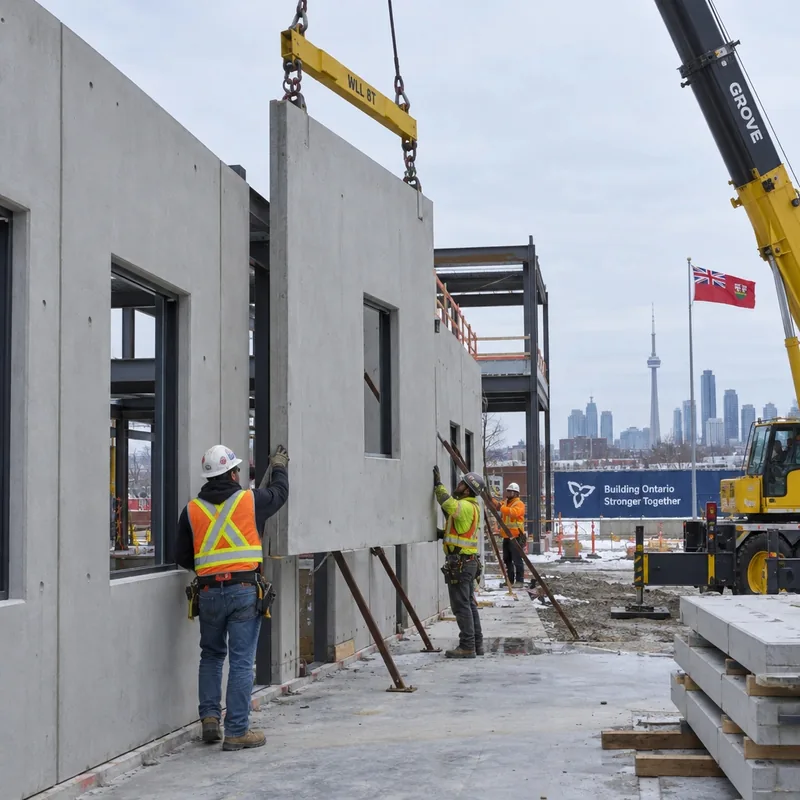
Concrete, Masonry, Structure | Low-carbon concrete, recycled aggregates, fly ash mixes | Lower carbon footprint, durability | Contractor experience with the mix, design limitations |
Paints, Sealants, Finishes | Low- or zero-VOC paints, formaldehyde-free wood finishes, natural oils | Better indoor air quality, low emissions | Certification quality varies; proper handling needed |
Fixtures & Hardware | Durable or Canadian-made products, recycled glass, stainless steel | Easy to repair, long lifespan | Confirm serviceability and spare parts availability |
Regional considerations:
- In damp or flood-prone basements, choose moisture-resistant insulation and flooring to prevent mould.
- Make sure the adhesives and finishes on imported cork or bamboo meet Canadian emission and safety standards.
- Discuss low-carbon concrete with your contractor well before construction so the right materials can be secured.
A Practical Process for Selecting Sustainable Materials
A step-by-step approach keeps your renovation efficient and your decisions transparent:
- Clarify your goals. Decide whether your main priority is reducing environmental impact, improving air quality, increasing durability, or staying within a set budget.
- Survey what you have. Identify features worth preserving, refurbishing, or adapting, such as floors, cabinetry, doors, and historic details.
- Request technical data and certifications. Ask for current EPDs, HPDs, and third-party safety certifications for every material and finish you’re considering.
- Plan salvage and waste diversion. Set aside salvageable items, arrange donation or recycling, and document your diversion plan before demolition begins.
- Compare total installed costs. Look beyond the unit price to preparation, labour, transport, maintenance, and replacement intervals.
- Confirm availability and storage. Verify quantities and delivery timing, and arrange safe storage to prevent loss or damage before installation.
- Follow safety and ventilation guidelines. Follow all instructions when handling sealants and adhesives or removing old materials.
- Work with skilled partners. Rely on experienced professionals for sourcing, assessment, and installation. TGV Construction Group Inc. offers general contracting, design-build, and renovation services that balance sustainability, safety, and detailed cost planning across the GTA.
Common Mistakes to Avoid
Knowing the common missteps helps you achieve a truly sustainable result:
- Assuming “local” or “natural” means sustainable: Local products can still involve unsustainable practices, and “natural” doesn’t always mean healthy or environmentally sound. Look for proper certifications and check supplier practices.
- Assuming “low VOC” is enough: VOC ratings vary in scope and testing. Real product safety comes from full ingredient disclosure, not marketing terms.
- Chasing the lowest sticker price: Some sustainable materials cost more upfront but pay off through less maintenance and longer life. Always compare total installed cost.
- Skipping salvage and reuse: Gutting a space by default can erase cost and carbon savings. Some of the greenest materials are the ones already in place.
- Forgetting code compliance: Custom or reclaimed materials still need to pass Ontario and municipal inspections, especially for electrical, fire safety, or structural uses.
- Treating waste as an afterthought: Plan for recycling and reuse of construction debris before you start, not after demolition. Planning ahead also often uncovers more reuse opportunities.
For more on these topics, browse our renovation and restoration insights.
Frequently Asked Questions About Sustainable Renovation Materials
What is embodied carbon, and why does it matter?
Embodied carbon is the total greenhouse gas emissions released over a building material’s entire life cycle, including extraction, processing, transport, installation, and disposal, not just during use. Reducing it lowers your property’s overall climate impact and aligns with broader municipal and federal climate policies.
Is reusing materials always better than buying new?
Often, yes. Reusing sound materials avoids the emissions from manufacturing new ones and keeps waste out of landfill. But only reuse components that are safe, structurally sound, and code-compliant. In some cases, updated regulations or performance needs mean new, certified materials are required.
How do I verify a product’s sustainability certifications?
Ask the supplier or manufacturer for documentation. Reliable certifications, such as FSC for wood or GREENGUARD Gold for indoor air quality, should be current, specific to the product model, and issued by a recognized organization. If you’re unsure, consult a contractor familiar with sustainable sourcing.
Are low-VOC materials always safe for indoor air?
Low-VOC labels reduce airborne chemicals but don’t guarantee the absence of other harmful compounds. Check full ingredient lists and ask for Health Product Declarations when available. Proper installation and ventilation also matter.
How can sustainable materials fit my renovation budget?
Sustainable renovations can work across many budgets, especially when you factor in long-term maintenance and replacement. Reusing existing elements or choosing durable Canadian-made products can balance cost and environmental benefit. For pricing and comparisons, see our cost guides and budgeting information.
Where can I find more renovation advice?
Browse our renovation and restoration blog for local guides, budget estimates, and expert tips for the GTA.
Next Steps
Thoughtful material choices improve your property’s performance, safety, and sustainability, now and for years to come. Start by defining your goals, reviewing your property for reuse opportunities, and choosing certified, credible materials suited to Toronto’s climate and codes. If you’d like expert help with sourcing, installation, cost planning, or technical evaluation, contact TGV Construction Group for a free quote.
With TGV Construction Group Inc., you benefit from deep expertise in quality assurance, customer satisfaction, and practical solutions for renovation and emergency restoration. As a woman-led construction firm committed to community advocacy, we bring inclusivity, safety, and local service to every client. Learn more about our team.
Always check technical, regulatory, and safety guidance for your project against current municipal requirements and product documentation. The information here is for general guidance only and is not a substitute for professional or regulatory advice.