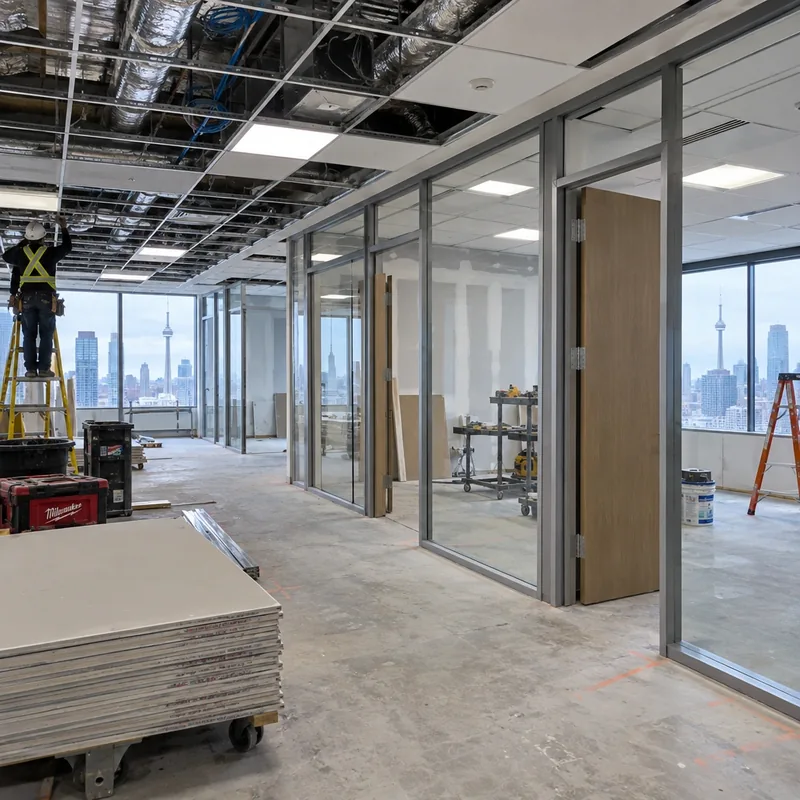
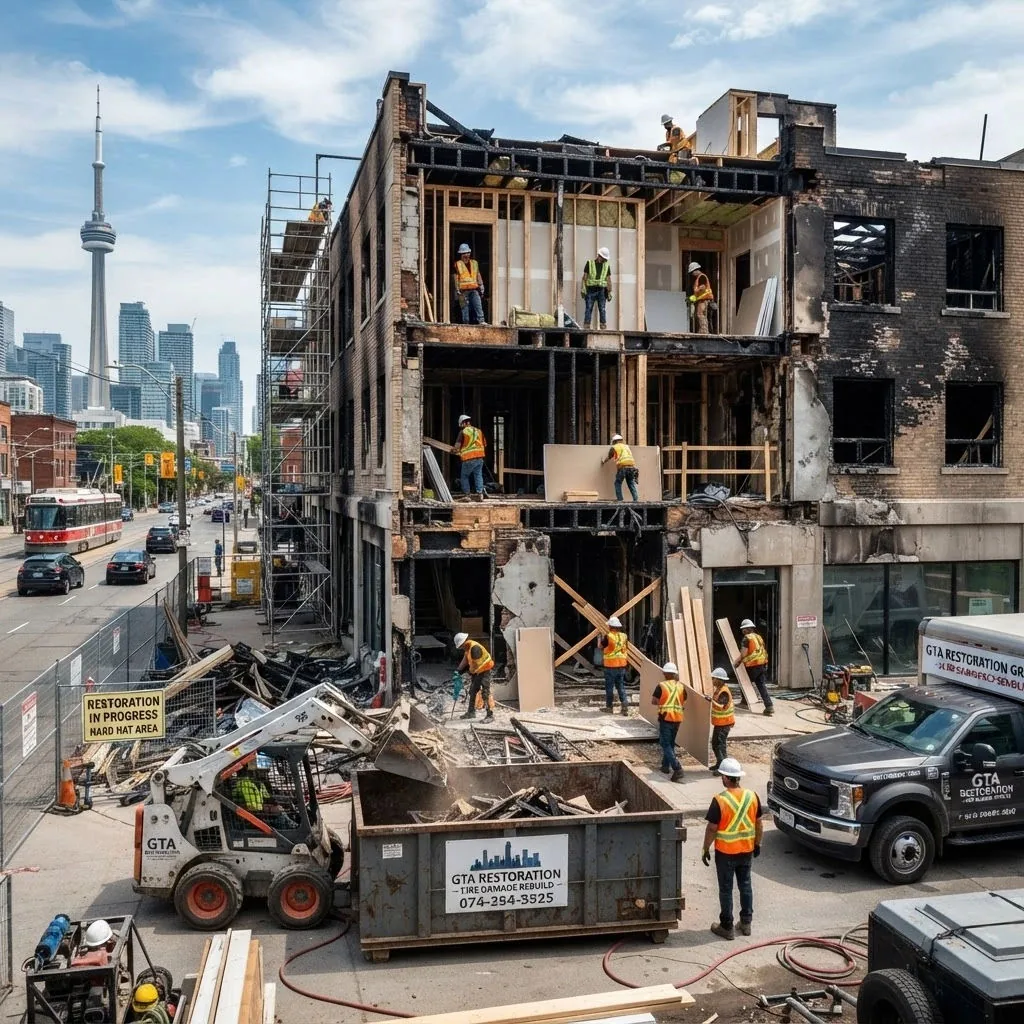
Large-loss property damage can disrupt homes, businesses, and entire communities across the Greater Toronto Area (GTA) and throughout Ontario. Major fires, extensive flooding, severe storms, and structural failures each present unique challenges. Their impact goes far beyond standard property repairs, often requiring coordinated project management, regulatory expertise, and a commitment to safety at every step. TGV Construction Group Inc. has become a trusted name for large-loss restoration and renovation in residential, commercial, and industrial settings, known for its focus on quality work, detailed communication, and strict adherence to safety standards.
When faced with a large-loss event, property owners and managers need a roadmap for recovery. From immediate actions and mitigation to choosing the right renovation strategy, the right information and partnerships play a key role in a successful restoration. To learn more about TGV Construction Group Inc. and our expertise, read on for a comprehensive guide to handling large-loss property damage with professional care.
Understanding Large-Loss Property Damage Events
Large-loss property damage involves more than simple, isolated repairs. The term describes substantial, multi-area destruction that goes beyond standard repairs and requires specialized coordination and expertise. It’s important to recognize when an incident qualifies as large-loss, because this shapes every decision, from safety to restoration strategy.
Examples of large-loss events:
- Fires affecting an entire building, multiple condo or apartment units, warehouses, or retail plazas
- Extensive water or flood damage from burst water mains, sewer backups, or flash flooding across multiple spaces
- Significant wind or storm damage, such as collapsed roofing, extensive water intrusion, or damage to core building systems
- Structural failures caused by settling, aging, impact, or other catastrophic events
- Incidents affecting multi-unit housing, office towers, large commercial properties, or industrial facilities
How large-loss events differ from routine repairs:
- Scale: Affects large portions of a property, or multiple properties at once, often involving numerous mechanical, electrical, and structural systems.
- Safety: Higher risk of structural instability, electrical hazards, exposed contaminants, and hazardous materials such as mould or asbestos.
- Coordination complexity: Involves multiple trades, regulatory agencies, insurance adjusters, and sometimes emergency response teams. Phased restoration may be necessary.
- Documentation demands: Requires extensive photo and written records for insurance claims, building permits, and regulatory compliance.
- Phased approach: Recovery often happens in stages to prioritize critical repairs, minimize downtime, or allow safe partial re-occupancy.
Recognizing these differences helps property owners prepare for the demands of large-loss recovery and secure the specialized support these situations require.
Immediate Actions After Large-Loss Property Damage
The minutes and hours after a major disaster are critical to protecting lives and preventing further loss. Acting quickly limits additional deterioration and lays the groundwork for a smooth restoration.
Priorities immediately after large-loss damage:
1. Ensure occupant safety
- Do not re-enter the property until emergency responders or building professionals confirm it is safe. Hazards may include unstable structures, live wires, lingering smoke, standing water, and gas leaks.
- Watch for collapsed walls or ceilings, downed power lines, and flooding. Evacuate promptly when instructed and keep everyone at a safe distance from the site.
2. Contact authorities, your insurer, and property management
- In any situation involving fire, collapse, major flooding, or visible hazards, call 911 or the relevant emergency services.
- Notify your insurer without delay. Have your policy details, a description of the damage, and initial photos or videos ready if it’s safe to capture them.
- If you are a tenant or property manager, keep all relevant parties informed for coordination and access.
3. Document the damage
- When safe, take comprehensive photos and videos of all affected areas.
- List all visible damage, including structural elements, finishes, and high-value contents.
- Keep a journal of events, communications, and expenses related to the incident, noting times, names, and actions taken.
4. Start temporary protection and mitigation
- Secure doors, windows, and openings with boards or tarps to prevent theft, weather intrusion, or animal access.
- Shut off water and electricity if it’s safe to do so.
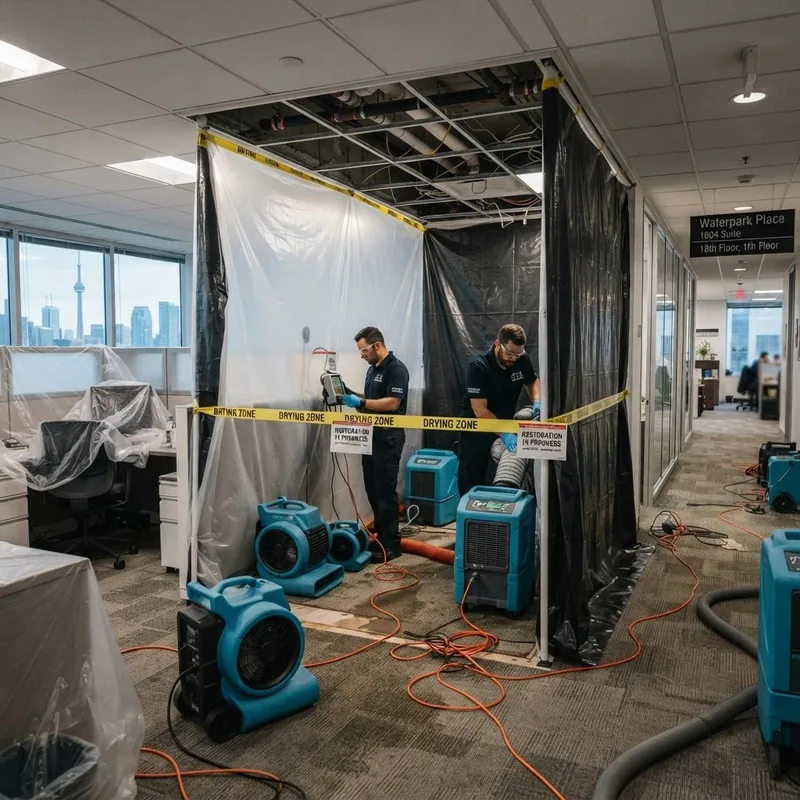
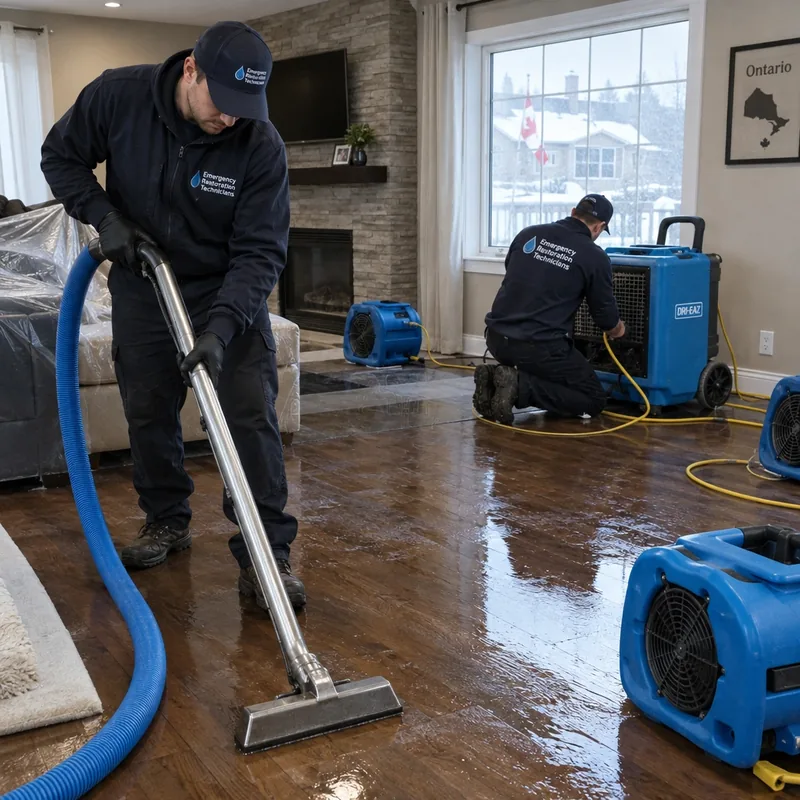
- Begin water extraction and environmental stabilization as soon as qualified professionals arrive. This includes removing standing water, deploying drying equipment, and preventing mould growth.
Professional restoration teams offering 24/7 emergency mitigation and restoration services can help at every step, ensuring a swift, effective, and safe response. For urgent situations or complex losses, access to emergency restoration and mitigation services available 24/7 is essential to minimize risk and support a successful recovery.
The Large-Loss Restoration and Renovation Process
Recovering from a large-loss event is an organized, staged effort involving detailed assessment, careful planning, and precise execution. Each phase is critical to the safety, compliance, and future value of the property.
Key Stages in Large-Loss Restoration
Stage | Objective | Typical Records or Checks |
Stabilization | Secure the site, prevent further harm, and protect people | Site safety plans, logs, photos |
Assessment | Identify the full scope of damage, including hidden issues | Professional inspections, readings, specialized reports |
Mitigation | Remove water, contaminants, and unsafe materials | Drying logs, cleaning records, air and surface tests |
Scope & Planning | Develop a comprehensive repair and renovation plan | Drawings, detailed estimates, regulatory requirements |
Reconstruction | Structural repair, system restoration, and finishes | Progress reports, quality control records, change approvals |
Closeout & Occupancy | Ensure compliance, safety, and completion | Inspection certificates, warranties, documentation |
Step-by-step breakdown:
1. Site stabilization and hazard assessment
- Secure the property and mark any unsafe areas.
- Address immediate hazards: remove debris, install shoring, and fence off access.
- Shut down utilities as required for safety.
- Establish a safety plan that matches the worksite risks.
2. Comprehensive assessment and documentation
- Inspect for moisture behind walls, within floors, and in mechanical systems.
- Document any evidence of contamination, mould, asbestos, or lead.
- Record all findings, since thorough documentation is vital for insurance and future reference.
3. Mitigation: water removal and environmental cleaning
- Extract standing water and dry affected areas with professional-grade equipment.
- Remove unsalvageable materials (drywall, insulation, flooring) where needed.
- Begin mould and asbestos remediation under controlled conditions.
- Carry out sanitization and decontamination as required.
4. Scope development, planning, and insurance coordination
- Prepare detailed repair plans covering materials, techniques, and the sequence of work.
- Obtain regulatory approvals (permits, environmental testing).
- Coordinate with insurance adjusters and approve scope changes as new discoveries arise.
5. Reconstruction and quality assurance
- Rebuild damaged structural components and key systems (electrical, plumbing, HVAC).
- Install new finishes, fixtures, and building elements.
- Conduct quality checks at each phase and address deficiencies before moving on.
6. Final inspection, documentation, and occupancy
- Pass all required municipal and specialty inspections.
- Issue and review warranties and maintenance guides.
- Clean the site and prepare for re-occupancy with an owner walkthrough.
The scale and sequence of these steps may be adapted for large commercial sites, multi-unit housing, or critical facilities to maintain partial operation or safe access.
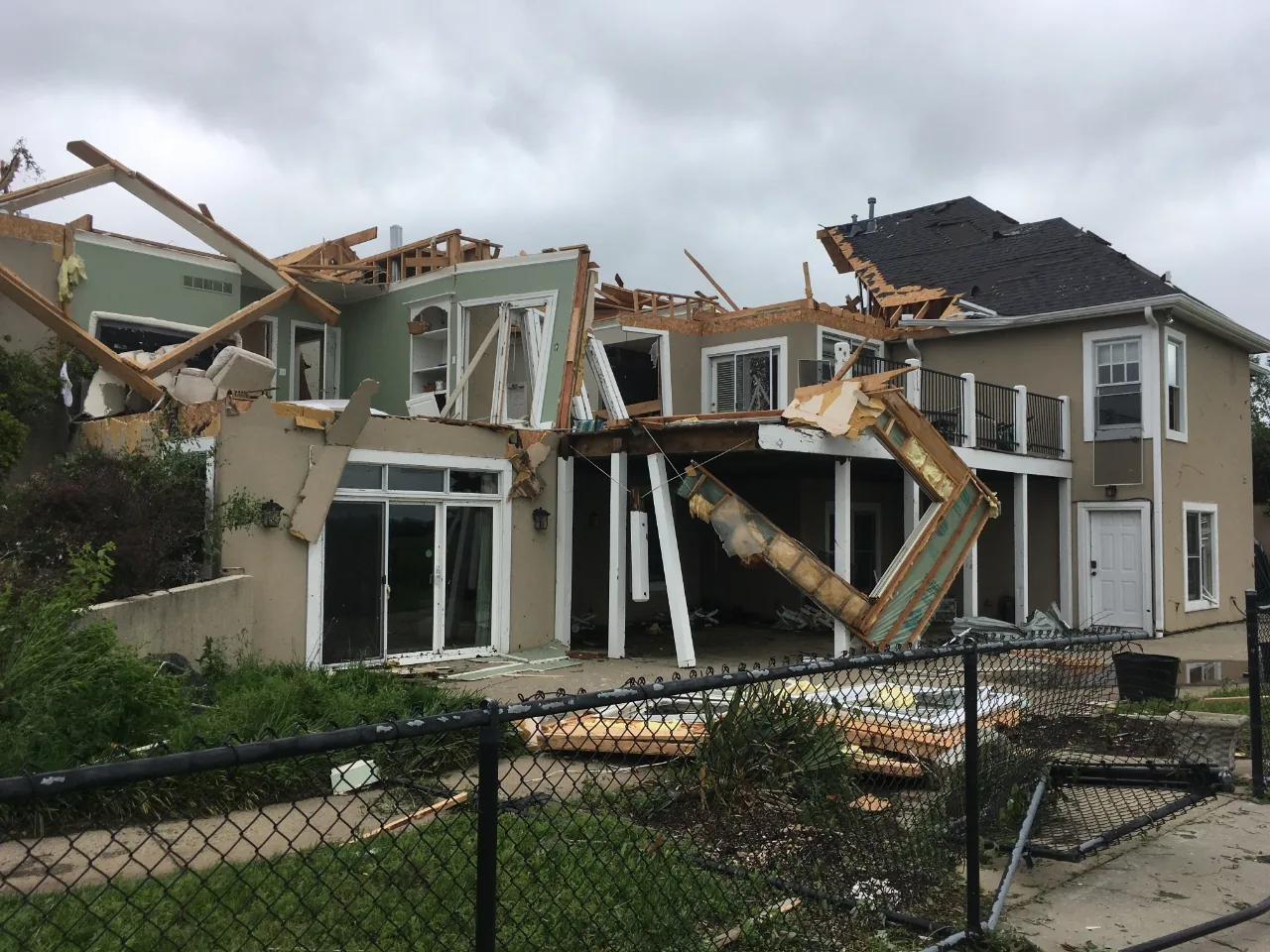
Choosing the Right Renovation Approach for Large-Loss Projects
Selecting the right path for restoration and renovation is central to project success. Options vary based on the size and use of the property, the type of damage, and the needs of occupants.
Repair vs. demolition and rebuild
- Assess whether affected materials (such as framing, subfloor, or wiring) can be safely dried, cleaned, and preserved, or whether complete removal is required.
- Some large-loss events call for a blend of methods: preserving undamaged sections and rebuilding only what is beyond repair.
Phased restoration for active properties
- For hospitals, housing, offices, or retail sites, consider scheduling repairs by area so other sections can stay operational where possible.
- Set up safe access routes, marked work zones, clear signage, and frequent communication to reduce disruption and risk.
Specialist involvement
- Bring in licensed mould and asbestos remediation professionals and structural engineers as soon as contamination or major damage to structural supports is suspected.
- Properties used for food service, manufacturing, or other regulated purposes may have additional compliance requirements.
For detailed planning and execution tailored to your situation, explore TGV Construction Group Inc.’s general contracting and renovation solutions.
Managing Timelines, Costs, and Communication Effectively
Large-loss restoration projects often involve multiple stakeholders, rapidly changing conditions, and strict deadlines. Good documentation and clear communication are key to avoiding pitfalls and disputes.
Maintain clear records
- Keep a file with all insurance communications, signed authorizations, site photos, and phase completion certificates.
- Record any scope changes or new findings so everything is traceable.
Adapt to unexpected discoveries
- Uncovering hidden damage (such as mould behind walls or structural defects) may require adjusting timelines, budgets, and plans. Agree on all changes in writing, with cost and schedule impacts clearly defined.
Coordinate procurement and inspections
- Clarify which party supplies and schedules materials, equipment, and specialty trades.
- Confirm dates for required inspections and make sure inspectors and tradespeople have timely access.
- Plan logistics for material storage and debris disposal to avoid site congestion and unsafe conditions.
Payment structure
- Avoid large upfront payments. Use progress-based payments tied to milestones.
- Review each invoice to confirm it matches documented progress.
A disciplined approach reduces costly delays and supports transparent partnerships. Ready to take the next step? Get a quote for your large-loss renovation project from the experienced team at TGV Construction Group Inc.
Safety, Code Compliance, and Resilience Considerations
Following safety standards and legal requirements protects property owners, workers, and future building users. Proper compliance also protects insurance eligibility and supports resale value.
Safety risks to manage
- Electrical hazards: Have all affected electrical installations inspected by licensed electricians in compliance with the Ontario Electrical Safety Code. Replace water-exposed or heat-damaged connections where appropriate.
- Structural and contamination risks: Engage structural engineers to assess any cracking, deflection, or fire and smoke exposure. Treat all water from sewers or unknown sources as contaminated.
- Air quality hazards: Professional mould and asbestos remediation and containment are required whenever there is suspicion or a positive test. Avoid DIY removal, since testing and abatement must be done by licensed, trained personnel.
Local code and regulatory compliance
- Building alterations (structural, plumbing, electrical) require municipal permits under the Ontario Building Code.
- The Electrical Safety Authority (ESA) inspects many electrical repairs and upgrades.
- Use only licensed trades with proper liability coverage and current WSIB status.
- Commercial and multi-unit projects may also require fire safety reviews, accessibility compliance, and final occupancy inspections.
Resilience upgrades
- Assess whether upgrades for flood resilience, fire resistance, or backup systems make sense based on the cause of the loss and the site.
- Improving drainage, adding sump pumps with alarms, installing fire-resistant finishes, or increasing insulation can improve long-term safety and reduce the risk of repeat events.
Informational note: The information provided here is for general guidance only and does not constitute insurance, legal, engineering, or safety advice. Always consult licensed professionals, your insurer, and local authorities during planning and decision-making.
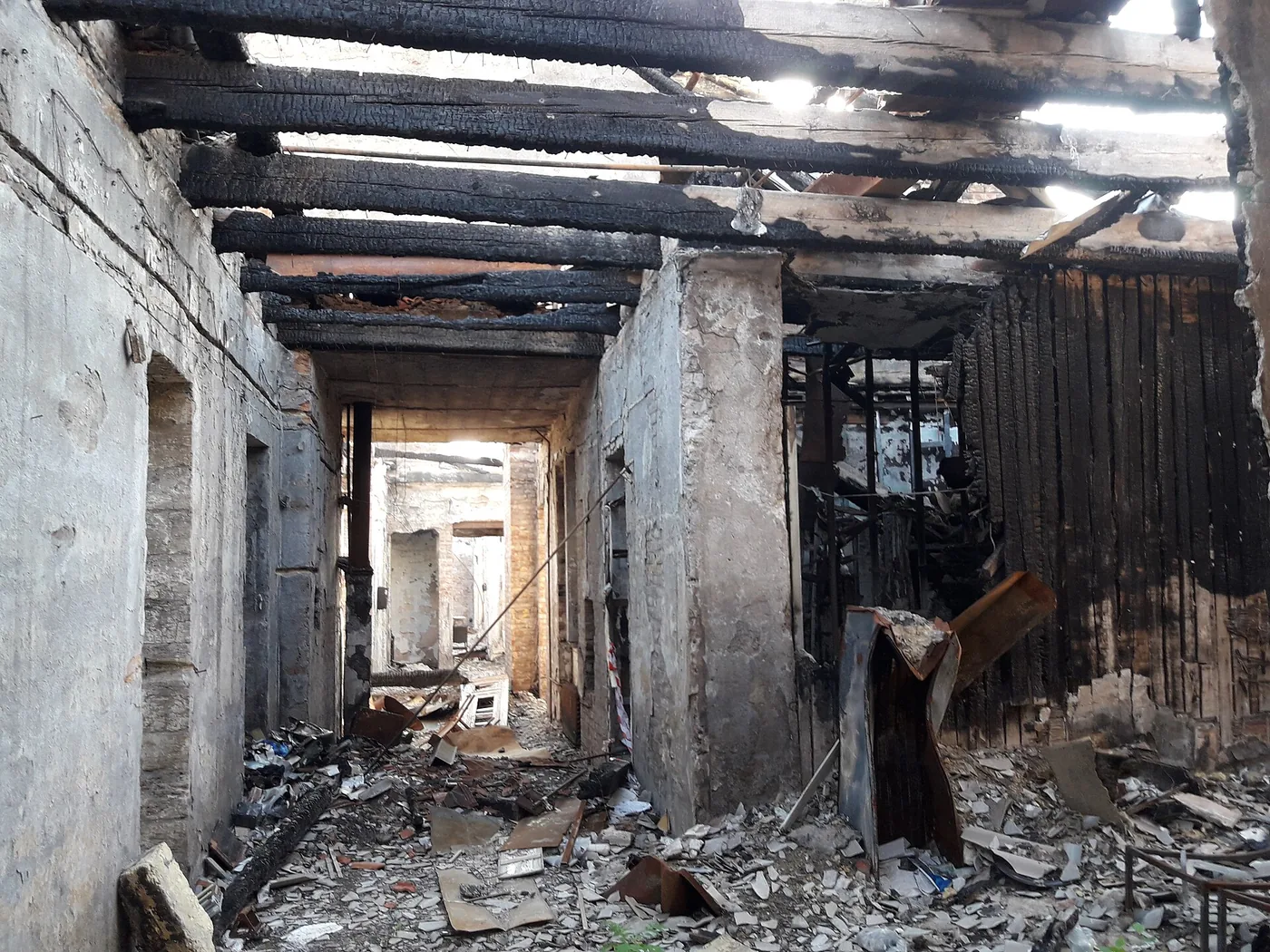
Common Mistakes to Avoid in Large-Loss Renovation Projects
Knowing the most frequent errors helps property owners avoid costly setbacks, hazards, and unnecessary delays.
- Underestimating the damage: Oversimplifying the assessment or making cosmetic fixes while ignoring structural or hidden issues leads to future problems.
- Slow mitigation response: Delays in water extraction, drying, or site security can cause further deterioration, higher restoration costs, and compromised safety.
- Inadequate documentation: Missing photos, notes, or change approvals can hinder insurance claims, slow progress, and create disputes.
- Skipping permits and professionals: Unpermitted work or unlicensed trades may void insurance coverage and lead to enforcement action.
- Mishandling hazardous materials: Failing to test for or properly remediate asbestos, lead, or mould exposes occupants and workers to health risks and legal penalties.
Working with reputable, experienced restoration specialists minimizes these risks and keeps your project moving smoothly.
Frequently Asked Questions About Large-Loss Property Renovations
What defines a large-loss property damage project?
Large-loss damage describes events where the scope, complexity, or cost of restoration exceeds routine repairs and requires coordination across multiple specialties, insurers, and regulatory authorities.
What are the first steps after major fire or flood damage?
Prioritize life safety, leave the premises if conditions are hazardous, and notify emergency services. Once it’s safe, document the scene, contact your insurer, and reach out to restoration professionals quickly.
Is it safe to enter a damaged building, and when?
Only after clearance from qualified emergency responders or building professionals. Entering before an inspection can risk injury or create legal and insurance complications.
How soon must water-damaged areas be dried to prevent mould?
Start drying as soon as possible, ideally within 24 to 48 hours, to minimize mould growth. Complete drying may take days or weeks depending on the extent of the damage and the materials involved.
What determines whether materials can be saved or need to be removed?
Key factors include the water source, how long materials have been wet, the type of contamination, and whether materials are porous (such as drywall and carpet) or non-porous (such as metal framing). Contact with mould or sewage usually means removal is required.
When should specialists for mould, asbestos, or structural damage be consulted?
Consult licensed professionals if your property was built before the 1980s, if visible mould is present, or if there are signs of smoke, heat, or water-related weakening in structural elements.
Are permits always required for restoration work?
Structural, plumbing, electrical, and major reconstruction work generally requires permits, while cosmetic updates (like painting or replacing cabinet doors) do not. Check with your local building officials before proceeding.
How can property owners best coordinate with contractors and insurers?
Keep a single point of contact for decisions, insist on clear documentation for all approvals and changes, and work with contractors experienced in restoration and insurance reporting.
What documentation is essential throughout the project?
Dated and signed repair authorizations, photos of every stage, scope changes, proof of payment to licensed trades, permit records, inspection reports, and all warranties and manuals for replaced systems or materials.
TGV Construction Group Inc. is a leading provider of General Contracting, Emergency Mitigation, Restoration Services, Design & Build, Water & Flood Damage, Fire & Smoke Damage, Mould & Asbestos Remediation, and Wind & Storm Damage recovery in the GTA and throughout Ontario. With over 200 completed projects and a reputation built by Tamara Gavrilenko and a skilled team, our multi-million-dollar company emphasizes safety, project management, quality assurance, and community advocacy.
Our focus on customer satisfaction, local expertise, and resilient restoration practices helps property owners, managers, and businesses return to normal faster and more securely. For urgent support, Toronto renovation, residential renovation, commercial restoration, or to discuss your project, contact us for 24/7 Emergency Services. Get a quote for your large-loss renovation project or call today to work with a team committed to your recovery and future security.