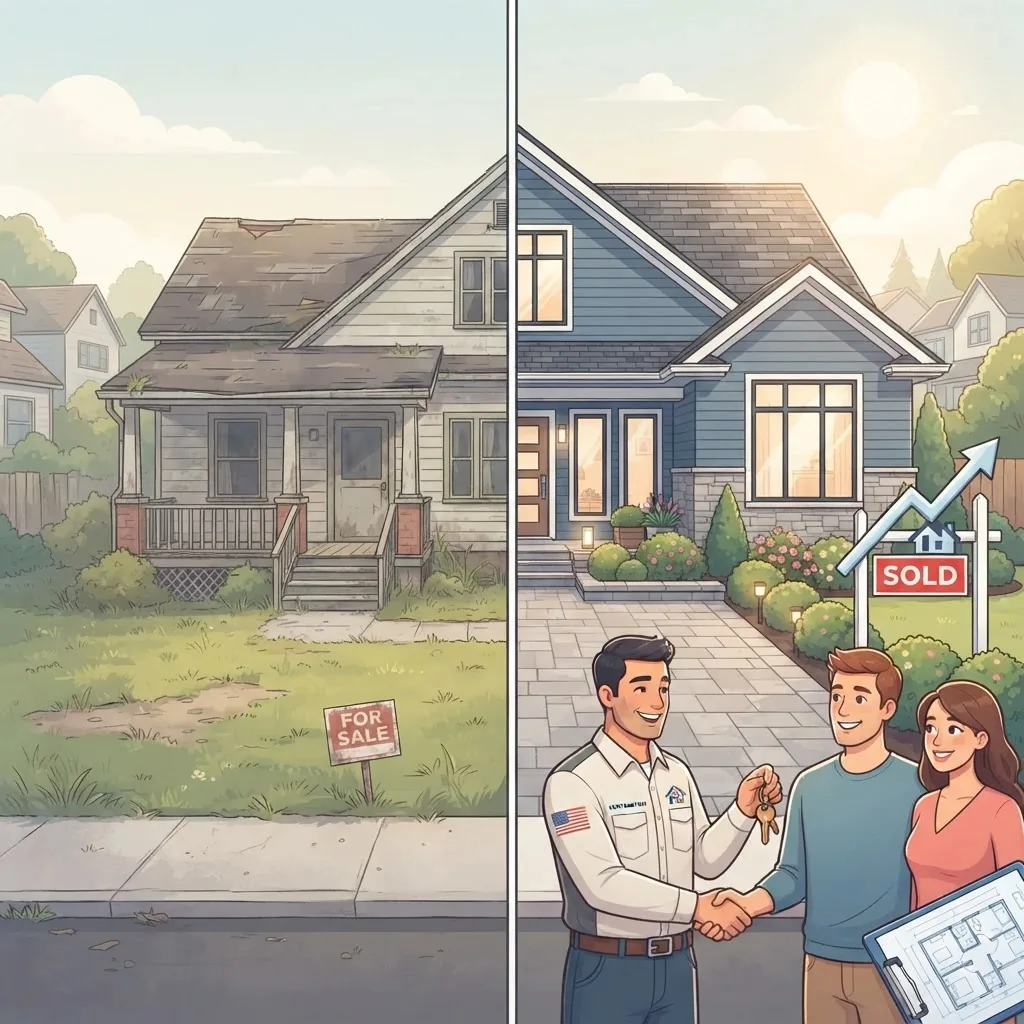
Property owners across the Greater Toronto Area (GTA) often seek ways to enhance their real estate’s worth and daily livability while considering resale appeal. Quality renovations can attract interest, improve comfort, and support market value, but results depend on property details, neighbourhood standards, and the expertise guiding the project.
Owners, from homeowners to commercial property managers, benefit from understanding which upgrades matter most, how to navigate regulations and budgeting, and which pitfalls to avoid. As a trusted leader in general contracting, emergency mitigation, and restoration, TGV Construction Group Inc. serves clients with deep local experience, transparent practices, and a commitment to safety and quality. Founded by Tamara Gavrilenko, the company has managed over 200 projects since 2017, blending timely execution with a customer-centric approach that emphasizes both project management excellence and community values.
This guide provides practical, GTA-focused insights for planning renovations, managing costs, ensuring compliance, and preparing your property for both immediate satisfaction and long-term value.
How Professional Renovations Can Influence Property Value
Renovations influence more than just a property’s appearance. The right project can improve comfort, function, and everyday enjoyment, while also shaping how attractive the home or building is to future buyers. However, the connection between renovation spending and actual resale value is shaped by multiple variables.
Resale Value, Buyer Appeal, and Daily Livability Improvements
- Resale value reflects what the market will pay, considering location, condition, and demand.
- Buyer appeal is about how the property stands out in listings and showings, and how well upgrades match local tastes, needs, and expectations.
- Daily livability covers updates you experience every day, such as improved layouts, modernized systems, or cleaner, safer environments.
Some projects, like updating electrical wiring, improving ventilation, or removing hazardous materials, deliver peace of mind and smoother sales, even though their benefits aren’t always visible in listing photos.
Why Returns on Renovations Vary by Location, Home Condition, and Scope
Renovating a kitchen, finishing a basement, or refreshing a façade doesn’t guarantee the same results on every street or for every property. Value is shaped by:
- Neighbourhood standards: Over-improving, meaning spending well above the finish level of similar local homes, rarely results in dollar-for-dollar payback.
- Property condition: Homes that have been neglected or are overdue for repairs often benefit most from addressing foundational issues before cosmetic touches.
- Type and quality of work: Professional, well-documented renovations that follow code are far superior to unpermitted fixes or rushed jobs. Incomplete or non-compliant work is a frequent source of failed home sales and insurance disputes.
Renovation Cost Recovery vs. Increased Value
Not every investment adds its full amount to resale value. Industry research suggests some projects typically recover 50–80% of their cost at resale. Kitchens and bathrooms rank high, while highly personalized or luxury finishes may not add equivalent value for all buyers.
Factors to remember:
- Not all spending adds equal market value. Upgrades like improved insulation, HVAC, or waterproofing often pay off through lower maintenance, better comfort, and peace of mind.
- Legal, compliant work with proper permits, inspections, and adherence to the Ontario Building Code supports smooth sales and insurability, but cannot guarantee appreciation.
- Documented safety, durability, and energy efficiency build more buyer confidence and value than purely cosmetic “lipstick” renovations.
Key Renovations That Typically Improve Marketability and Value
Certain renovation projects consistently appeal to buyers and can support stronger resale or rental value in Toronto and the GTA. Careful scoping, solid execution, and alignment with community standards are all key.
Kitchens and Bathrooms: Layout, Finishes, and Upgrades
- Kitchen upgrades: Cabinets, counters, appliances, and layout changes are especially desirable. In the GTA, a mid-range kitchen renovation often costs between $40,000 and $75,000, with high-end projects going beyond that. Prioritize durability, neutral design, and function over showy extras.
- Bathroom remodels: Replacing outdated fixtures, adding storage, modernizing lighting, and improving ventilation usually bring strong returns. Moving plumbing or expanding the footprint can get costly quickly, so focus on practical improvements.
- For inspiration and local pricing, browse our blog posts on kitchens and bathrooms.
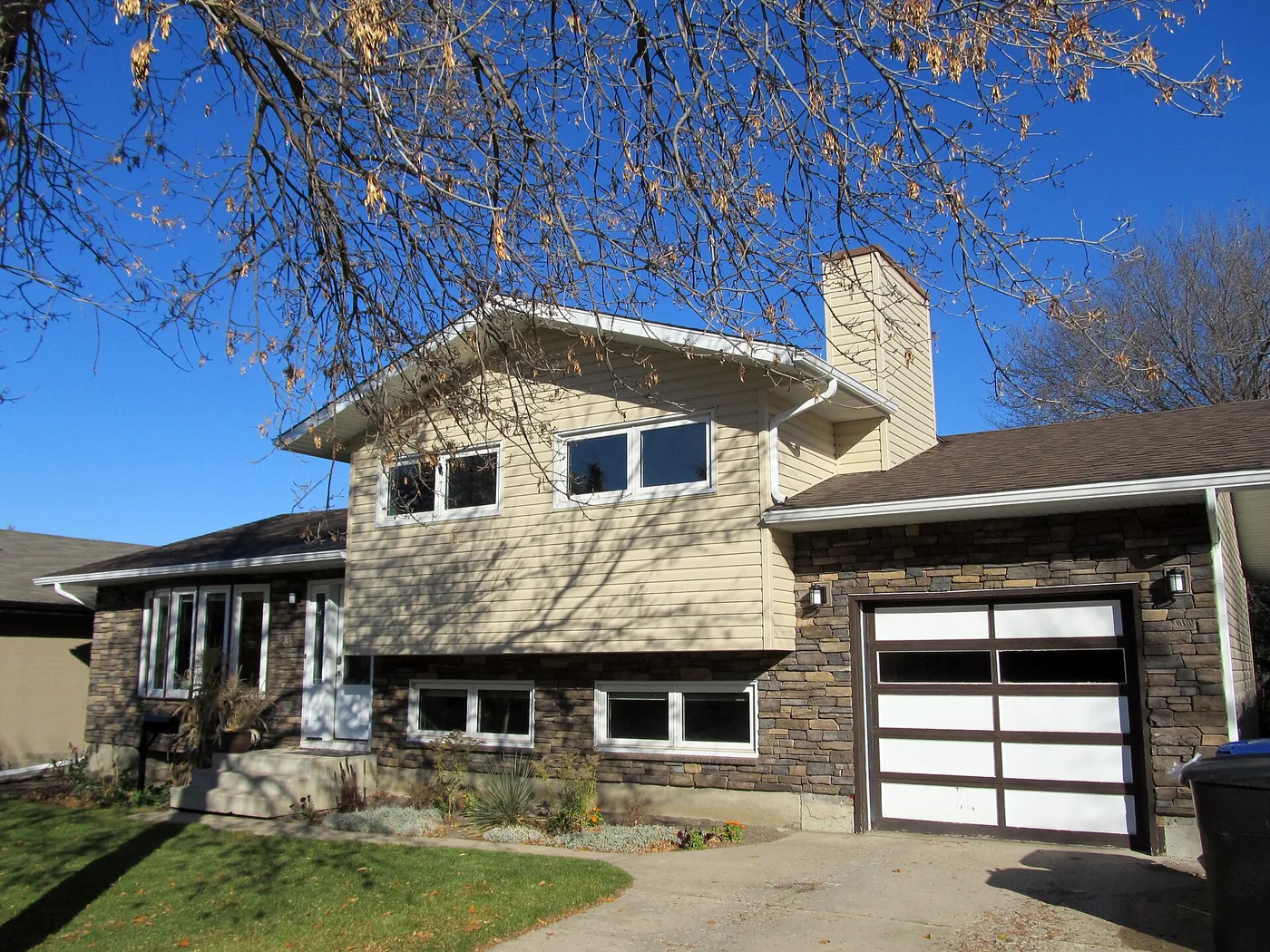
Curb Appeal: Exterior Painting, Landscaping, Entrances, and Siding
- Exterior painting and entry refreshes: A clean, appealing front entrance (paint, door, stonework) immediately boosts first impressions and often recoups much of its cost.
- Landscaping and lighting: Thoughtful plantings, lighting, and walkways highlight positive features, frame the property, and support both security and appearance.
- Siding, gutters, and roof: Replacing or repairing exterior elements prevents leaks and signals diligent ownership. Deteriorating or missing siding, for example, can undermine every other improvement.
Interior Upgrades: Lighting, Flooring, Storage, and Layout Adjustments
- Lighting: Adding pot lights, pendants, or more natural light makes spaces feel larger and more welcoming.
- Flooring: Engineered wood, solid hardwood, or quality vinyl appeal to most buyers and stand up well to Toronto’s seasons.
- Closets and storage: Custom built-ins or added cabinetry maximize usable space, especially in condos and townhomes.
- Open-concept living: Where structurally feasible, opening up spaces can transform tight or outdated layouts.
Energy Efficiency and Essential Systems: HVAC, Insulation, and Heat Pumps
- HVAC and heat pump systems: High-efficiency units provide comfort and reduce running costs for years.
- Insulation upgrades: Improving attic, wall, or basement insulation reduces energy bills and helps meet green standards.
- Smart controls and windows: New windows, programmable thermostats, and air sealing all add convenience and appeal. Some upgrades may qualify for rebates depending on timing and location, so always check for current programs before committing funds.
- Professional installation matters: Even high-efficiency systems must be professionally installed and properly permitted to keep warranty and insurance coverage.
Basement Finishing and Expanding Usable Square Footage
- Basement finishing: Converting underused space can offer excellent returns, whether as a family room, home office, or secondary suite (where zoning allows). Proper moisture control, egress, and code compliance are essential.
- Additions and layout changes: Adding a bedroom, an accessible washroom, or flexible living space can improve day-to-day function and attract more buyers.
- Approvals: Always secure the necessary approvals and work with professionals familiar with local requirements.
Sample Renovation Projects and Expected Impact
Upgrade Type | Typical GTA Cost (CAD) | Market and Livability Impact | Compliance Considerations |
Full kitchen renovation | $40,000–$75,000+ | Strong buyer appeal, enhances resale | May require a permit if layout or plumbing changes |
Bathroom remodel | $15,000–$40,000+ | Increases comfort, good ROI | Permit often needed for major changes |
Basement finish | $40,000–$80,000+ | Extra living or rental space, good ROI | Permit, egress, and insulation compliance |
Energy improvements | $8,000–$30,000+ | Cost savings, attracts buyers | Confirm rebates, permit needs, and documentation |
Exterior upgrades | $5,000–$30,000+ | Boosts curb appeal and sale readiness | Check heritage or condo rules |
Costs and requirements vary; always confirm project scope with your contractor and local authorities.
Planning Your Renovation Project in the Greater Toronto Area
Effective renovations start well before demolition begins. Thorough preparation helps you anticipate the unexpected, stay on budget, and get the most from your investment.
Step 1: Identify Repairs and Deferred Maintenance Before Upgrades
- Check for leaks, moisture, or prior damage, especially in basements, attics, and around windows and doors.
- Complete urgent repairs, such as mould remediation or electrical updates, before cosmetic work.
- Consider professional assessments for older homes, which may hide asbestos, knob-and-tube wiring, or failing systems.
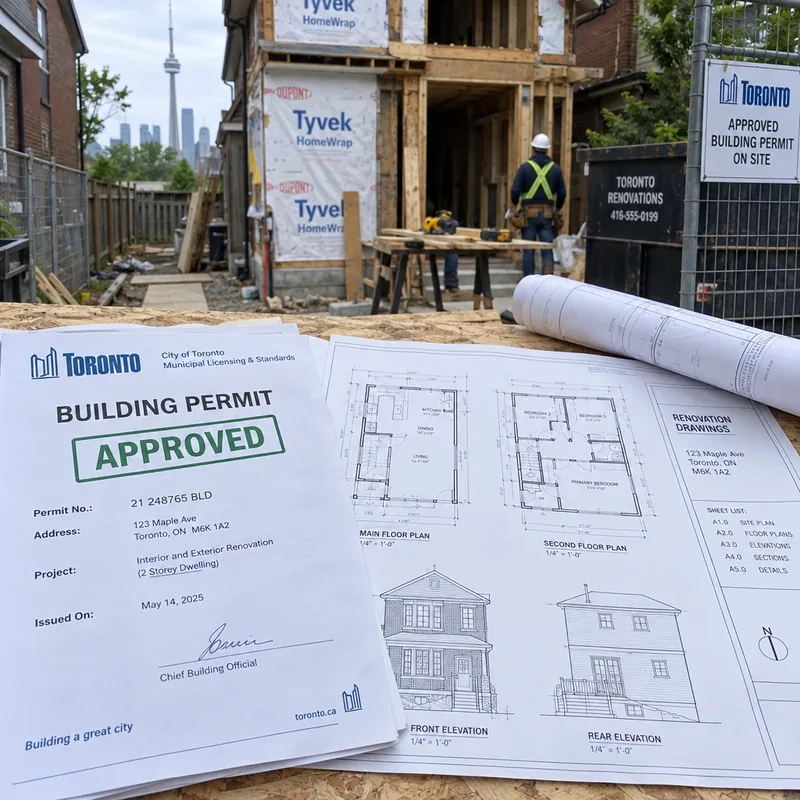
Step 2: Understand the Ontario Building Code and Local Permit Requirements
Cosmetic updates, like painting or replacing existing cabinets and fixtures, generally do not require a permit. Permits are typically needed when:
- Changing floor plans, walls, or structural supports
- Adding or removing windows and doors
- Moving plumbing or installing new systems
- Renovating basements or increasing finished space
Each municipality sets its own application process and fees. In Toronto, properties in heritage districts and condos require extra approvals. Always confirm the latest requirements with your city or town before starting work.
Step 3: Assess Neighbourhood Standards and Buyer Expectations
- Review the features and finishes of nearby, recently sold properties for guidance.
- Invest in upgrades that match, but don’t overshoot, area standards. Avoid styles or layouts highly specific to your own taste unless resale is a distant consideration.
Step 4: Budget for Contingencies and Change Orders
- Plan for all costs: design, permits, labour, materials, disposal, HST, and a 10–20% contingency fund for surprises.
- Insist on clear project breakdowns. Watch for quotes that seem unusually low or leave out key steps, such as waterproofing, proper disposal, or permits.
- Minimize change orders by finalizing decisions before work begins; even small mid-project changes can inflate the budget.
- For up-to-date local pricing and financial planning, see our cost guides and budgeting tips.
Step 5: Compare Contractor Proposals and Define an Accurate Scope
- Review written proposals that outline scope, materials, schedule, permit handling, payment terms, and warranty.
- Work with general contracting and renovation services that can show experience, licensing, insurance, and positive references in the GTA.
- Look for firms that handle permit applications and explain inclusions and exclusions up front.
- Open, consistent communication helps address unexpected findings or decisions that affect both cost and value.
Common Renovation Mistakes That Can Reduce Property Value
Overlooking key details during a renovation can cost owners time, money, and property value. Keep these common missteps in mind to protect your investment:
- Ignoring permits and inspections: Skipping permits can cause problems at sale or with insurance, and may require expensive reversals.
- Skipping essential repairs or mould and asbestos remediation: Covering up moisture, mould, or fire damage before proper remediation puts health, safety, and value at risk. Use emergency restoration and mitigation services when urgent or hidden damage is discovered.
- Over-customizing or over-improving: Costly, unique built-ins or exotic finishes rarely pay back in GTA markets and can limit future buyer interest.
- Not planning for hidden costs or change orders: Be realistic about surprises, especially in older buildings, and budget for hidden electrical, structural, or environmental issues.
- Choosing the lowest bid without checking scope or quality: Choose reputable contractors with relevant experience, not just the cheapest offer. Verify insurance, past work, and safety practices, since quality affects both your immediate results and eventual resale.
A Practical Pre-Renovation Checklist to Protect Your Investment
Follow this checklist before starting any significant renovation in the GTA:
- Assess and document the property’s condition. Take photos, make notes, and highlight problem areas (plumbing, electrical, structure). Flag any water issues, outdated systems, or previous repairs.
- Confirm all required permits and code compliance. Contact your local building department to verify which permits your project needs. Get condo or property management approvals where relevant, and check whether heritage or accessibility reviews apply.
- Verify contractor licensing, insurance, and references. Request proof of current licences (including for trades like electrical and plumbing) and up-to-date liability insurance. Check references, previous GTA projects, and online reviews.
- Finalize schedules, payment terms, and a written scope. Use a written contract that sets start and end dates, progress payments tied to milestones, a clear change-order process, and warranty details. Make sure the scope matches your expectations, down to the materials used.
- Collect completion documents, permits, and warranties. Keep all permits, inspection sign-offs, warranties, and payment receipts for future reference and resale.
Frequently Asked Questions About Renovations and Property Value
Do renovations always increase resale value?
Renovations support resale potential when they match the property’s needs, neighbourhood standards, and are done well. However, not every upgrade guarantees added value. Market conditions, buyer trends, and property condition all play a role.
Which renovations offer the best return in the GTA?
Kitchen and bathroom updates, curb appeal improvements like paint and landscaping, basement finishing, energy efficiency upgrades, and better storage typically provide strong benefits. Actual return depends on the quality of the work and how well upgrades match local buyer expectations.
When is a building permit required for renovations in Ontario?
Permits are required when renovations involve altering structural elements, moving plumbing or electrical systems, converting unfinished spaces, or doing major exterior work. Cosmetic changes like painting or replacing fixtures typically do not require permits. Always check with your municipality before starting.
Can energy-efficient upgrades add value or save money long-term?
Yes. Improvements such as heat pumps, better insulation, and new windows can lower utility costs, improve comfort, and appeal to environmentally conscious buyers. Annual savings can range from $300 to $1,700 depending on the system and home size. Available incentives change frequently, so confirm details with your local program administrators.
How do I plan for unexpected costs and permit delays?
Budget a 10–20% contingency fund for discoveries like structural issues, code requirements, or material changes. Permit processing and inspections take time, so start early, provide all requested documents, and work with professionals familiar with local procedures to stay on schedule.
Trusted Guidance for Your Next GTA Renovation
With a track record of transparent project management and safety-first operations, TGV Construction Group Inc. brings proven expertise in property restoration, custom design-build, general contracting, and emergency response to owners throughout Toronto and Ontario. Its focus on customer-centric service, quality assurance, and community support makes it a partner you can trust from initial planning through final handover.
For a personalized consultation or property assessment, request a free renovation or restoration quote from TGV Construction Group. All projects follow the Ontario Building Code and safety requirements, with solutions tailored to your goals, timeline, and peace of mind.
This resource is for informational purposes only and does not constitute legal, tax, or construction advice. Owners should verify permit, safety, and compliance needs with qualified professionals and local authorities before starting renovations or restoration work.