A carefully managed kitchen renovation delivers practical value, comfort, and renewed enjoyment of your home. For homeowners across Toronto, Vaughan, Markham, Concord, and the broader Ontario region, balancing expectations with real costs is essential. Between strict municipal codes and fast-changing material prices, the Greater Toronto Area (GTA) brings both unique challenges and opportunities when you’re remodelling the heart of your home.
Drawing on more than 200 completed projects, TGV Construction Group Inc. is a trusted partner in residential renovation and general contracting. Our approach is grounded in proven project management, a commitment to customer satisfaction, transparent quality assurance, and rigorous safety standards. Every kitchen, and every budget, has its own priorities. Whether your project is a cosmetic refresh or a complete redesign, knowing where careful planning matters most sets the foundation for a successful, stress-free renovation.
Below you’ll find GTA-specific advice on budgeting, compliance, cabinetry choices, and pitfalls to avoid. These tips, based on local renovation costs and the experience of trusted general contractors in the GTA, will help you save money where it counts without compromising safety, code compliance, or long-term durability.
Setting a Realistic Kitchen Renovation Budget in the GTA
Starting with a realistic, fully itemized budget protects you from unwelcome surprises and helps you prioritize the features that matter most to your family.
Estimated kitchen renovation costs in the GTA (2026–2027):
- Small kitchens (under 100 sq ft): $15,000 – $45,000
- Medium kitchens (100–180 sq ft): $25,000 – $85,000
- Large kitchens (180+ sq ft): $70,000 – $150,000+
- Typical mid-range full renovation (detached home): $40,000 – $75,000
Estimates include standard finishes, basic appliance packages, materials, labour, and 13% HST, but vary by contractor, city, scope, and product selections.
Budgeting Essentials
Plan for every element that could affect your final cost:
- Essential work: Structural fixes, electrical and plumbing upgrades, waterproofing, and safety improvements
- Quality upgrades: High-end appliances, stone or quartz countertops, expanded tile work, and specialty lighting
- Labour: Demolition, prep, installation, finishing, and licensed trades
- Materials: Cabinets, countertops, backsplash, flooring, hardware, and lighting
- Permits and inspections: Fees set by your municipality or condo management
- HST: 13% on most renovation contracts
- Contingency: 10–20%, especially if your home is over 20 years old or you’re unsure what’s behind the walls
Separate the must-haves (such as safe wiring and plumbing) from features you can add later. Many GTA homes reveal surprises like knob-and-tube wiring, hidden water damage, or outdated plumbing only after work begins, which is why a solid contingency is so important.
For detailed price breakdowns and sample budgets, see our kitchen renovation cost guides and tips.
Keep Your Existing Layout to Minimize Costs
Changing your kitchen layout, such as relocating the sink, stove, or major appliances, has a big impact on the final bill. For most GTA homeowners, keeping the existing layout is the single most effective way to control costs.
The True Cost of Layout Changes
- Moving plumbing or gas lines: Requires licensed plumbers or gas fitters and can add thousands in new rough-ins and inspections.
- Moving appliances: May require an electrical service upgrade or new venting and ductwork.
- Removing or adding walls: Structural changes bring engineering fees, city permits, and extra finishing labour.
- Keeping the layout as-is: Avoids all of the above, shortens the schedule, and generally means fewer complications.
Pros and Cons
Keep the current layout
- Pros: Saves on trade work, avoids extra permits, causes less disruption, and finishes faster.
- Cons: May limit workflow improvements and opportunities to open up the space.
Change the layout
- Pros: Allows a custom workflow, can add resale appeal if well designed, and solves bottlenecks.
- Cons: Significantly increases cost, schedule, and inspection complexity.
Permit reminder: In the GTA, cosmetic upgrades (paint, new cabinet doors and drawer fronts) rarely need permits. Structural changes, new plumbing routes, and added venting or electrical work almost always do. Ontario requires licensed trades for regulated work, and using unpermitted labour exposes you to legal and insurance risks.
Cost-Efficient Cabinetry Choices Without Sacrificing Quality
Cabinets are usually the largest single cost in a kitchen renovation. If your existing cabinet boxes are structurally sound, refinishing, repainting, or refacing them instead of replacing them can stretch your budget significantly.
Cabinet Update Options
- Refinish: Strip and restain or paint quality wood cabinets. Best for solid wood in good condition.
- Repaint: Fresh paint on laminate or wood cabinets with sound, smooth surfaces.
- Reface: New doors and veneers applied to existing boxes for a complete visual update.
- Replace with standard sizes: New factory-made cabinets for durability and modern features.
- Replace with custom millwork: Best for challenging layouts or premium finishes, with the highest cost and longest lead times.
Standard Sizes vs. Custom Builds
- Standard cabinetry: Easiest to price, and fits most existing layouts with minimal changes.
- Custom millwork: Only necessary for unusual layouts, heritage homes, or premium designs.
Checking Cabinet Condition
- Confirm the boxes are square, with no water swelling, loose joints, or mould.
- Well-built existing boxes can often be revived for a fraction of the cost of replacement.
Cabinet Approach | Typical Cost | Best Use | Key Drawback |
Repaint/Refinish | $2,500 – $6,000 | Solid, stable wood boxes | Underlying wear or warping may remain |
Reface | $7,000 – $18,000 | Updating the look of sturdy boxes | Can’t fix a poor layout or damaged boxes |
Replace (standard) | $8,000 – $28,000+ | Worn or outdated cabinetry | Higher cost, less flexible fit |
Replace (custom) | $20,000 – $50,000+ | Premium or complex kitchens | Highest cost, longest lead time |
Weigh longevity, visual impact, and cost to find the right balance for your kitchen.
Choosing Durable, Affordable Surfaces
The look and resilience of your kitchen depend on smart surface choices for countertops, backsplash, flooring, and hardware. Balancing style, durability, and true installed cost protects your budget.
How to Choose Materials
- Look at the total installed cost: Beyond the sticker price, include subfloor levelling, backsplash, edge profiles, cutouts, and waste.
- Invest in durability where it matters: Spend more in areas exposed to heavy wear or water.
- Consider ease of cleaning: Choose surfaces that suit your household’s habits.
- Check local availability: Common materials are less likely to face long waits or price spikes.
Popular Material Options
Countertops
- Laminate: Affordable and quick to install, but less heat-resistant with a shorter lifespan.
- Quartz: Durable, contemporary, and low-maintenance, at mid-to-high price points.
- Granite or natural stone: Unique and long-lasting, but needs regular sealing and expert installation.
Flooring
- Luxury vinyl plank (LVP): Moisture-resistant and affordable, though it can scratch under heavy use.
- Porcelain tile: Durable and stylish, but more involved to install and can feel cold underfoot.
- Engineered hardwood: Adds warmth, but avoid it in moisture-prone areas.
Backsplash and hardware
- Ceramic or glass tile: Easy to clean and versatile.
- Standard hardware: Mass-market pulls and knobs cost less per piece and are easy to upgrade later.
Choosing proven materials, and avoiding specialty or exotic finishes, helps keep your project on schedule and on budget.
Planning Appliance and Fixture Purchases
Appliance choices affect not only your budget but also your layout and the work required from licensed trades. Plan appliances and fixtures early to avoid costly retrofits.
Smart Appliance Planning
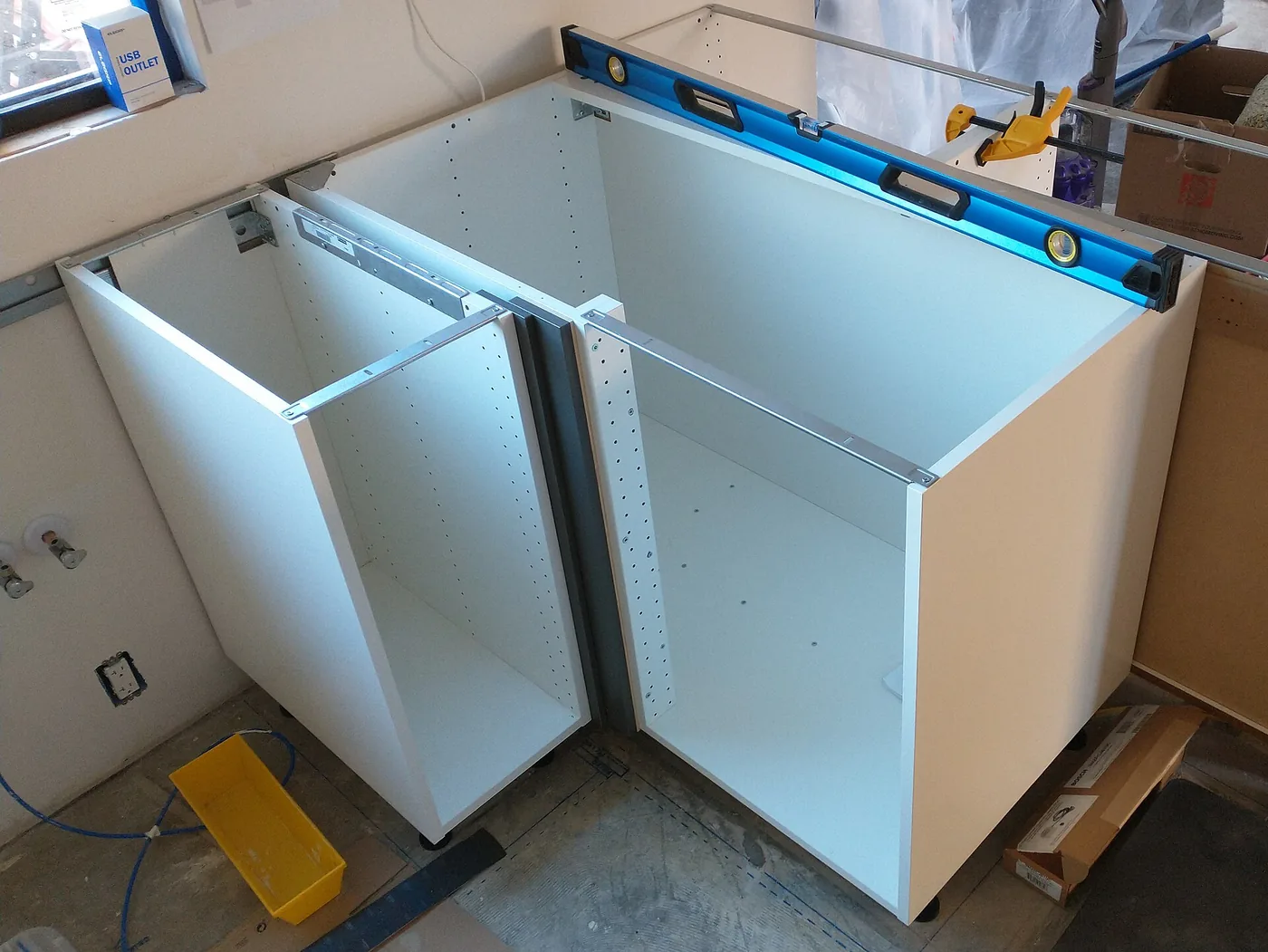
- Choose appliances during design: Confirm all critical measurements and installation details before cabinets are ordered.
- Match electrical, gas, and venting needs: Check Ontario’s safety requirements for kitchen upgrades and confirm your electrical service can support new appliances.
- Research rebates: Through Ontario’s Home Renovation Savings Program, households replacing an existing electric appliance with an eligible ENERGY STAR Most Efficient model may qualify for rebates such as:
- $200 for heat pump clothes dryers
- $150 for induction cooktops and ranges
- $75 for washing machines
- $50 for refrigerators and freezers
- $25 for dishwashers
Rebate applications must be submitted within 60 days of purchase. Check current eligibility before buying.
Pre-Purchase Checklist
- Measure appliance spaces precisely (width, height, depth, and door swing clearance).
- Confirm utility connections (gas shut-off, electrical circuit, venting route).
- Check rebate programs with manufacturers and energy providers.
- Hold off on purchasing or scheduling delivery until renovation plans are final.
Ordering too early or too late can lead to poor fits and extra labour. Building in time for delivery delays also helps you avoid last-minute rush fees.
Smart Procurement and Planning to Control Costs
Thorough planning protects you from the most common and expensive kitchen renovation headaches. Rely on transparent processes for quotes, schedules, and materials.
Steps for Budget Control
- Finalize plans before demolition: Late changes lead to costly corrections and waste.
- Get multiple detailed, apples-to-apples quotes: Make sure every contractor bids on the same design and specifications.
- Consider owner-supplied materials carefully: They can reduce markup but may cause warranty disputes or delivery coordination problems.
- Use a fair payment schedule: Only pay for completed, inspected work, and avoid paying large amounts upfront.
- Plan trade access and deliveries: Especially in condos, book elevators, parking, and disposal in advance to avoid fees.
Work with a professional provider of general contracting and renovation services in the GTA for seamless management from concept to completion.
Permits, Inspections, and Condo Requirements in the GTA
Complying with Ontario’s building codes, city permit requirements, and condo rules ensures your upgrades are legal, safe, and insurable.
When Permits Are Required
No permit is typically required for:
- Painting, replacing cabinets, or replacing countertops (with no new plumbing or electrical runs)
A permit is required for:
- Replacing or moving plumbing or gas lines
- Major electrical work, including new circuits or outlets
- Altering walls, structural framing, or window and door openings
- Modifying ventilation or exhaust systems
Always confirm with your local building department, since requirements and fees differ across GTA municipalities.
Condo Rules to Plan For
- Written condo approval: Often required before work starts, especially for anything beyond interior finishes.
- Logistics: Book elevators for deliveries and disposal, and follow permitted work hours.
- Noise and disruption: Follow building-specific rules on working hours and permitted tools.
- Waste removal: Follow building policies for construction debris, since improper disposal can bring substantial fines.
Licensed Trades and Inspections
- Electrical and gas: All work must be done by licensed professionals. In Ontario, electrical renovation work requires an ESA permit and inspection.
- Plumbing: Use licensed trades for any changes to water or drain lines. Rough-in and final inspections may be needed for insurance and resale.
Note: Regulations change. Review the requirements for each project with qualified professionals and your municipality. This article is for information only and is not legal or technical advice.
Common Budget Pitfalls and How to Avoid Them
Unplanned expenses often come from oversights or attempts to cut compliance corners. Watching for these common mistakes can save you thousands and plenty of frustration:
- Not setting aside a 10–20% contingency, especially when unknowns may be hiding in walls or floors.
- Starting work before confirming permit needs, or using unlicensed trades, which risks fines, unsafe work, and insurance problems.
- Changing designs or fixtures after work starts, leading to lost deposits, rush orders, or wasted materials.
- Signing a contract without understanding what’s included, what’s excluded, and how payments are staged.
- Ordering appliances or custom finishes before cabinet dimensions and utility specs are finalized.
Caution: Skipping regulated steps or rushing decisions to save money in the short term often increases costs and puts safety and resale value at risk.
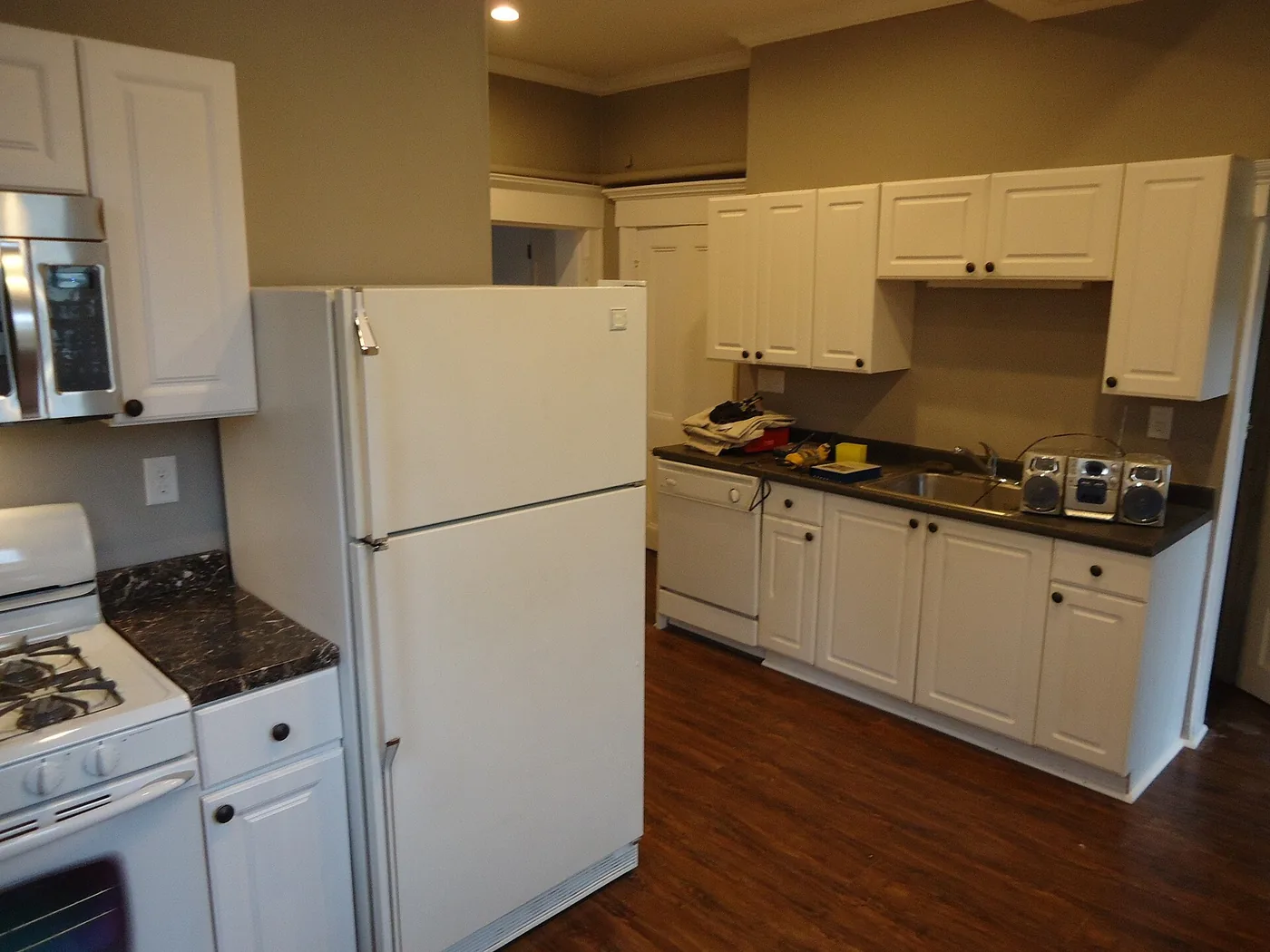
Kitchen Renovation Cost-Saving Checklist
- Keep the existing layout wherever practical to avoid moving utilities.
- Refinish or reface cabinets instead of replacing them when their condition allows.
- Use standard-size cabinetry and hardware to control costs and speed up delivery.
- Choose durable, proven materials for countertops and flooring.
- Confirm appliance specs, installation needs, and rebates before buying.
- Confirm all permit, inspection, and condo requirements before work begins.
- Get detailed, line-by-line quotes from potential contractors.
- Reserve a contingency fund for hidden issues, especially in older homes.
- Commit to your selections upfront to limit late changes and cost overruns.
Frequently Asked Questions About Kitchen Renovation Costs in the GTA
How much does a kitchen renovation cost in the GTA?
It depends on the kitchen’s size, materials, layout changes, and finish quality. Smaller updates may start around $15,000, while typical full renovations with mid-range finishes run $40,000 to $75,000. Premium projects with custom work regularly exceed $100,000.
What drives renovation costs up the most?
The biggest factors are custom or premium cabinetry, major layout changes that move plumbing, gas, or appliances, high-end countertops, and appliance upgrades.
Is keeping the current layout always the best way to save?
For most homes, yes. Keeping plumbing, gas, and electrical in place avoids major labour and permit costs and stretches your budget further.
Is refacing or repainting cabinets cheaper than replacing them?
Almost always, as long as the cabinet boxes are undamaged. Refacing or repainting updates the look at a much lower cost than full replacement.
How much contingency should I plan for?
Set aside 10–20% of your base budget for unexpected discoveries, especially in older Toronto homes.
Do GTA kitchen renovations need a permit?
Permits are generally required if you move walls or make significant changes to plumbing, gas, or electrical. Cosmetic updates like new cabinet doors, countertops, or paint usually don’t need one, but always check with your municipality.
Is it worth sourcing my own materials or appliances?
Supplying your own items can help you avoid contractor markups, but confirm your contractor accepts this and that lead times and specs work for the project. You may be responsible for coordinating delivery, warranty issues, and returns.
Are government rebates available on appliances?
Yes, but programs change. Ontario’s Home Renovation Savings Program currently offers $25 to $200 per appliance for eligible models when replacing an existing electric appliance. Confirm the details before buying.
Can I get an HST rebate on a kitchen renovation?
No. A kitchen renovation alone doesn’t qualify for the new housing HST rebate, which only applies to substantial renovations where 90% or more of a home’s interior is removed and replaced. Get professional tax advice for major whole-home renovations.
What should I check most carefully in contractor quotes?
- A clearly defined scope of work
- Itemized, all-inclusive pricing
- Exclusions and allowances
- Warranty coverage
- How HST is handled
- Payment stages
- Responsibility for permits and inspections
- Trade coordination and waste disposal
Ready to Start Your Kitchen Renovation?
Looking for personalized guidance or a detailed estimate? Contact TGV Construction for personalized renovation advice. Our team provides transparent consultations, written scopes of work, and complete service across the GTA, from budget planning through completion.
Ready to transform your kitchen with a reputable, experienced team? Start by requesting a quote from TGV Construction Group and see the difference expertise, transparency, and dedication make.
This guide is for informational purposes only. Pricing, regulations, and rebate programs change. Always verify with current local sources, qualified professionals, and licensed trades before making commitments or major purchases.