When water, fire or storm damage hits your Vaughan home, the first 24 hours decide how big the repair becomes. The right moves in those hours can be the difference between a drying job and a reconstruction project, and they protect your insurance claim at the same time. Emergency mitigation typically costs between $1,500 and $5,000 in the first 24 hours for extraction and setup, with full mitigation and drying commonly landing between $2,500 and $15,000 depending on how far the water travelled and how long it sat. Those are typical Ontario ranges, not a quote: the free on-site assessment prices your actual loss, and 24/7 response is available right now: call TGV Construction Group at (365) 363-6995.
The first hour: safety and stopping the source
For water damage (burst pipe, appliance leak, flooding):
- Shut off the water. Every homeowner should know where the main shutoff is before an emergency. It is usually in the basement near the front wall or where the water service enters.
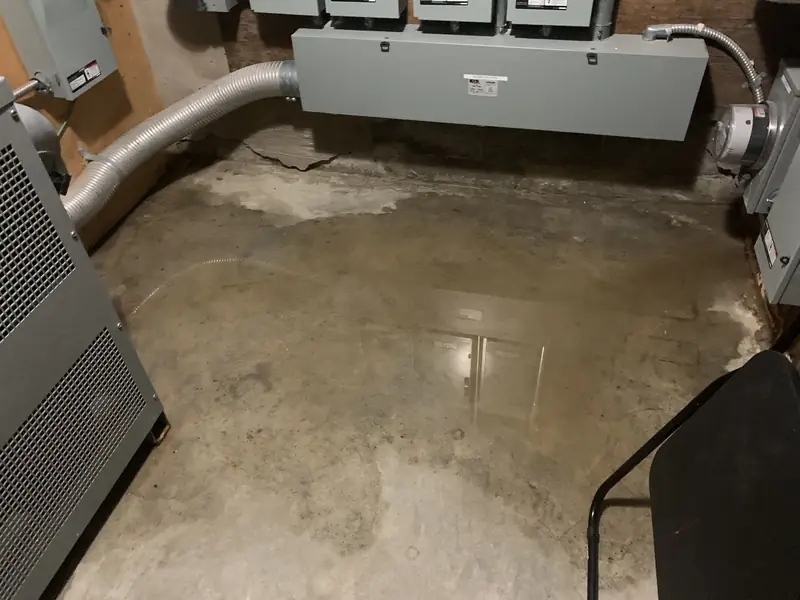
- Cut power to wet areas. If water is near outlets, appliances or the panel, turn off the affected circuits. If the panel itself is wet, keep away and call your utility.
- Call a 24/7 restoration team. Water extraction within hours, not days, is what keeps a floor repair from becoming a mould remediation.
- Move what you can. Lift valuables, electronics and rugs out of the wet zone if it is safe to do so.
For fire damage:
- Everyone out first. Never re-enter until the fire department says the structure is safe.
- Call 911 if the fire is not already out, then your insurer, then a restoration company for board-up and securing.
- Do not touch soot-covered surfaces. Soot smears into porous materials and makes cleaning harder.
For storm damage:
- Stay away from downed power lines and damaged areas of the roof. A breached roof may be structurally unsound.
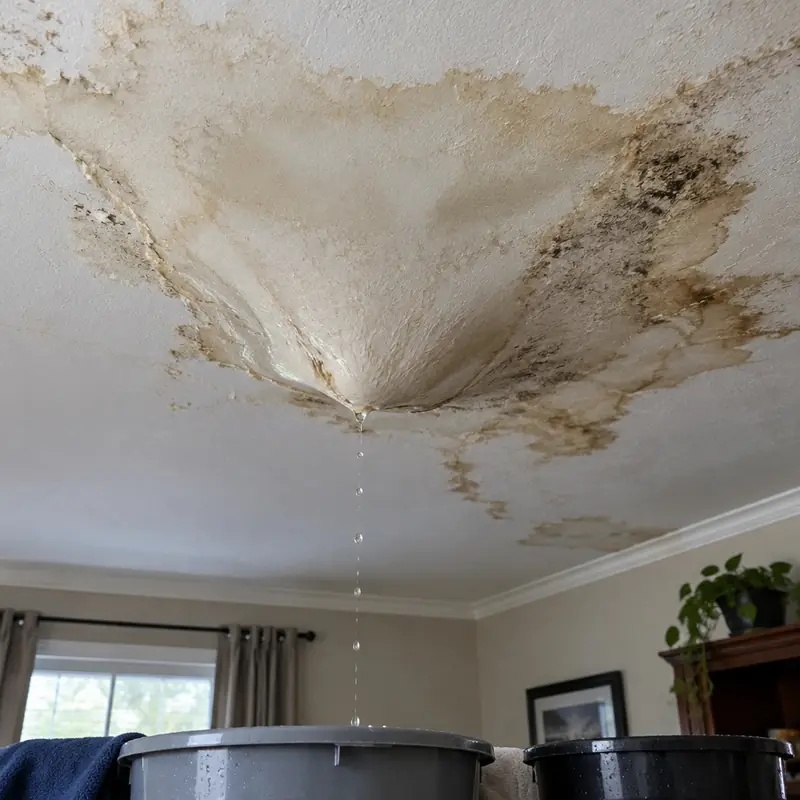
- Keep everyone out of rooms under damaged ceilings where water is pooling.
- Call for emergency securing. Tarping within hours stops the next rainfall from doubling the loss.
Hours 2 to 12: respond, document and mitigate
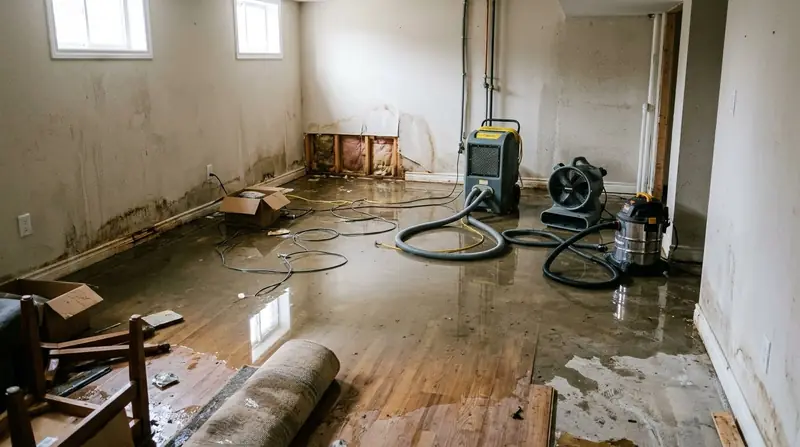
Get the professionals on site. A 24/7 team extracts standing water, maps moisture with meters and thermal imaging, and sets drying equipment before hidden saturation spreads. If the cause involves hazardous water (sewage, water that crossed soil), stay out of the area entirely.
Document everything. Photograph the scene before anything is moved or removed: the source, the water line, the affected rooms, the damaged contents. Keep a running list of anything you throw away, with photos. This record is what your insurance adjuster works from, and clear documentation shortens claims.
Call your insurer. Report the loss and ask three questions: what your deductible is, whether the cause is a covered peril on your policy and whether they want a specific contractor or will let you choose (in Ontario you generally choose your own contractor).
Start the paper trail. Open a folder for this event now: photos, call notes, invoices, emails and a daily log. Claims are decided on documentation, not memory.
Hours 12 to 24: the drying and planning window
By the end of the first day, standing water should be gone, drying equipment should be running and the initial scope documented. In the hours after that:
- Keep the equipment running. Air movers and dehumidifiers only work if they stay on. Do not turn them off to save electricity.
- Expect monitoring visits. Moisture readings are taken until materials reach dry standard, which means measured normal-dry, not dry to the touch.
- Do not start demolition or repairs yet. The insurer's adjuster usually needs to see original conditions first. Ask before tearing anything out beyond what mitigation strictly requires.
- Plan for living arrangements if needed. If bedrooms or the kitchen are affected, your policy's additional living expenses coverage may apply. Ask your insurer early rather than paying out of pocket and arguing later.
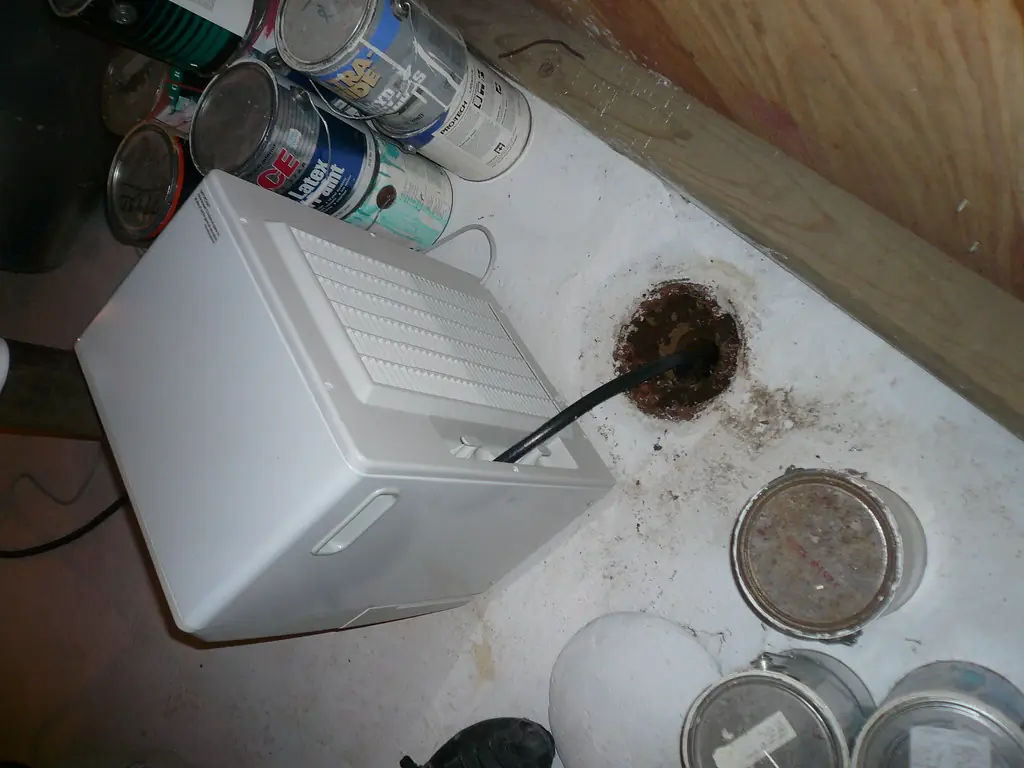
What affects the cost of emergency mitigation
How fast response happens. Fast extraction means smaller scopes. The 24/7 call exists because the math favours it.
What the water touched and for how long. Saturated drywall, insulation and underlay are removed; hard surfaces often dry and are saved.
Water category. Clean supply-line water is the simplest scenario. Grey and black water (appliances, sewage) carry health risks and higher treatment cost, with porous materials usually replaced.
Equipment days and monitoring. Drying commonly runs three to seven days, with readings each visit.
The repair scope after drying. Reconstruction is a separate, clearly quoted phase, and TGV handles that too, so there is no handoff between two companies.
Typical emergency mitigation falls between $2,500 and $15,000 for most residential losses, with the first-night extraction and equipment setup in the $1,500 to $5,000 range.
Mistakes to avoid in the first 24 hours
- Waiting for morning, or for Monday. Overnight and weekend water losses quietly grow into structural and mould problems. That is what the 24/7 line is for.
- Testing the water with household tools. Wet outlets and panels are a genuinely dangerous mix, not an inconvenience.
- Bleaching mould and moving on. It kills the surface stain, and hides a moisture problem that keeps growing behind walls.
- Tearing everything out immediately. Removing soaked material is part of mitigation, but documents come first and the adjuster may want to see them in place.
- Choosing a contractor who starts work with no documentation. No photos and no moisture readings means no proof, and you carry the shortfall when the claim gets reviewed.
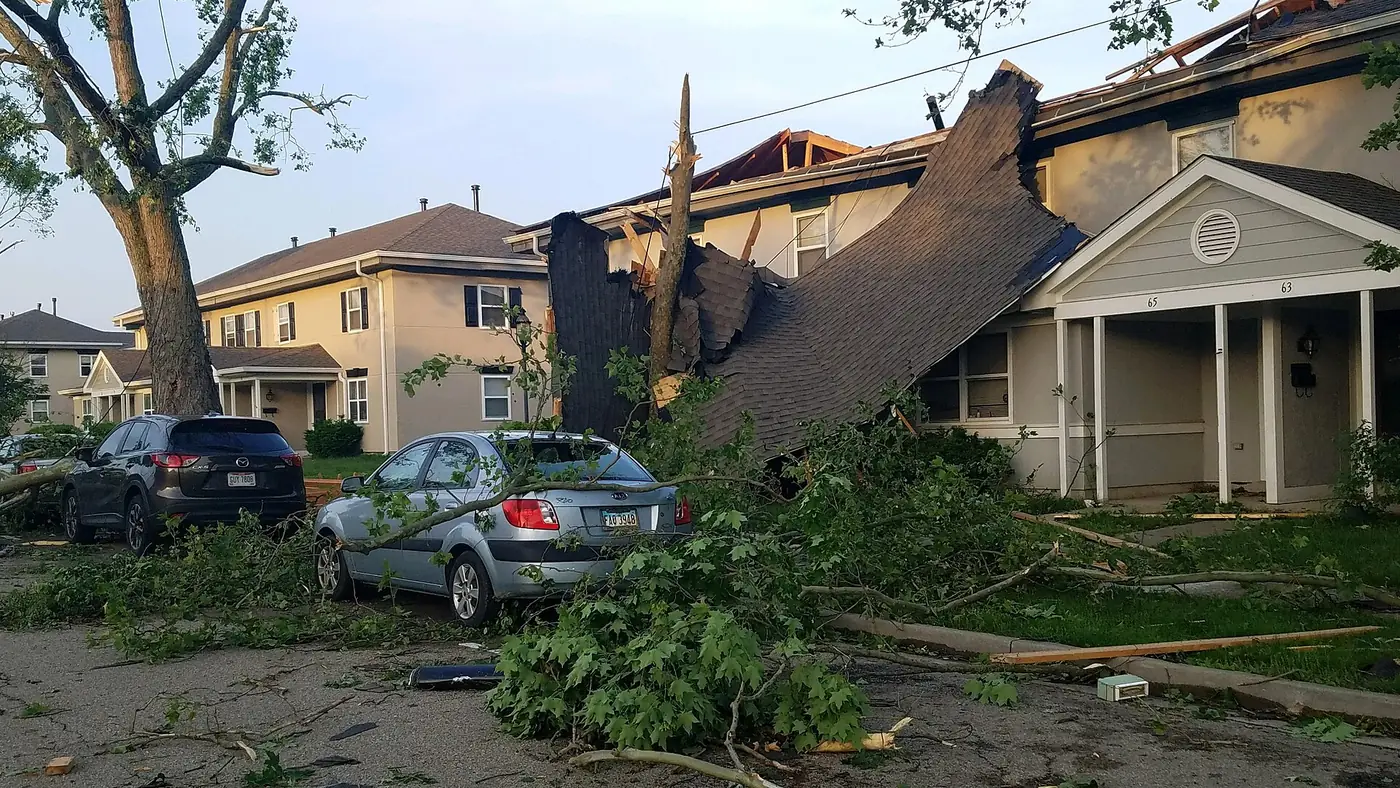
What a typical response involves
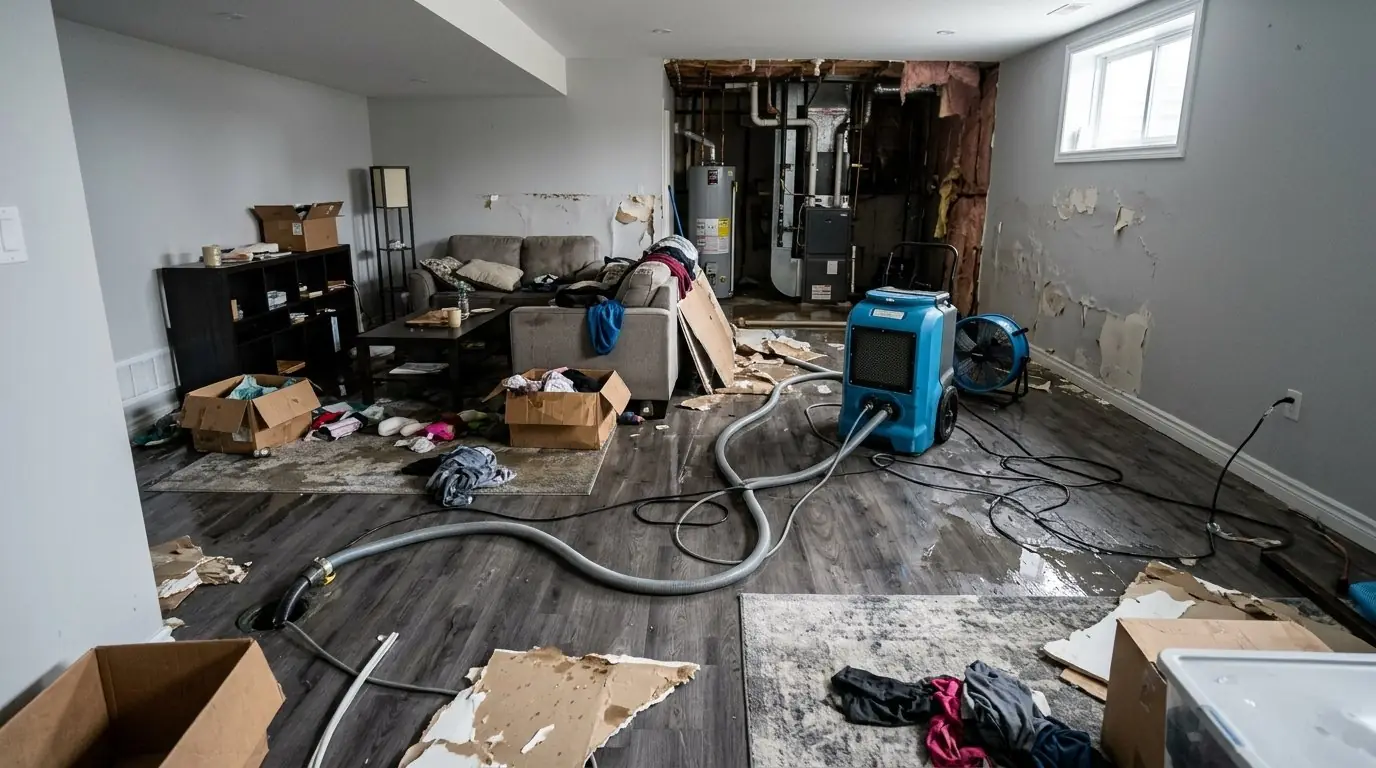
A typical Vaughan emergency call comes at 11pm on a Sunday: a burst pipe above a finished basement ceiling. The homeowner shuts the main while on the phone with dispatch. Our crew is on site within a few hours, extracts the water that drained into the basement, maps the moisture into the ceiling cavity and two walls, and sets air movers and dehumidifiers before 3am. Photos and readings go to the insurer Monday morning with the drying log started. Baseboard and the wet lower drywall come out day two after the adjuster reviews the photos; drying confirms by day five and the rebuild is quoted as a separate, itemized scope. The family stays in the home the whole time. That is what a well-run first 24 hours looks like, and it starts with the call.
Frequently asked questions
How fast should emergency mitigation start?
Within hours. The first 24 to 48 hours decide whether materials dry and are saved, or stay wet and are replaced.
Does insurance cover a 2am emergency call-out?
Sudden and accidental losses are typically covered, and emergency mitigation is a covered part of the loss. Take the insurer's after-hours report line if you cannot reach your broker at night, and keep every invoice.
Should we stay in the house?
Usually yes during drying, with affected rooms closed off. Black water, significant fire damage or unsafe structure change that answer. We tell you plainly which situation you have.
What if I'm not sure it's serious damage?
Call anyway. A free assessment that says "you're fine" costs nothing, and finding out too late costs a demolition.
Our services: 24/7 water damage restoration, fire and smoke damage restoration, storm damage and roof leak repair, basement renovation in Vaughan.
Get 24/7 emergency help in Vaughan
TGV Construction Group Inc. is based in Concord, in the heart of Vaughan, and has responded to GTA emergencies around the clock since 2017, with more than 300 projects completed.
For an active emergency, call (365) 363-6995 or email estimating@tgvconstructiongroup.ca right now. You can also see our 24/7 emergency restoration and mitigation services or send non-emergency details through our Get a Quote page.